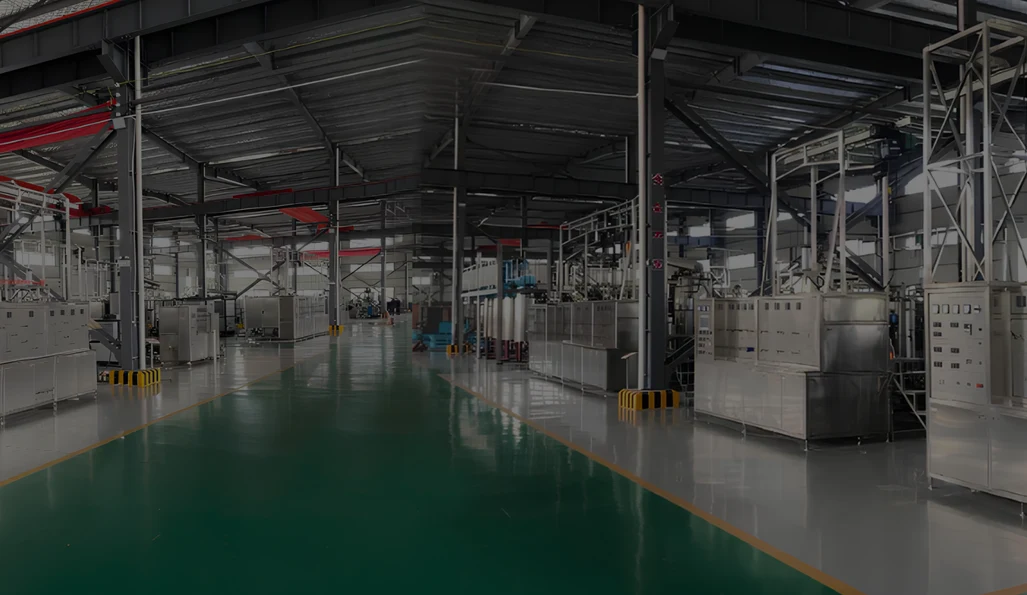
Best stevia extraction machines for small-scale production
Jun 3, 2026
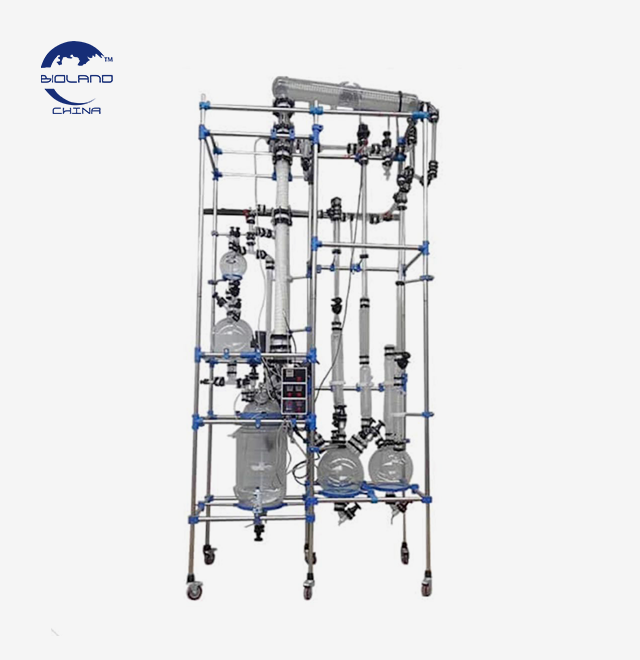
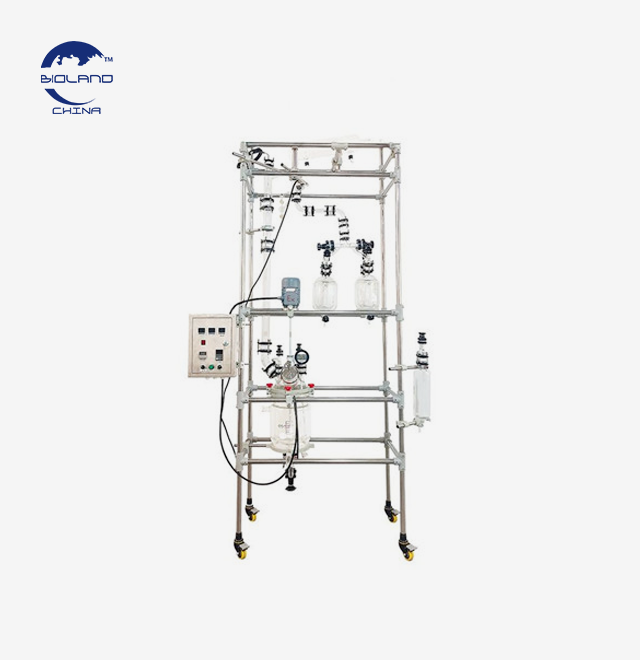
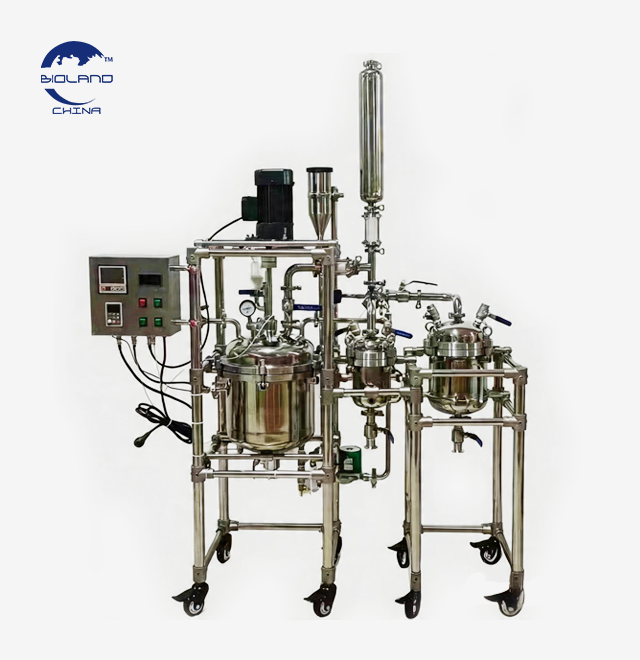
When people are looking for the best stevia extraction machines for small-scale production, they find that equipment made for pilot-scale and experimental batches works better than traditional ways. Ultrasonic-assisted extraction, solvent recovery, and automatic processing are all parts of a stevia extraction machine that separates high-purity steviol glycosides from stevia leaves.
Modern systems made for small-scale operations are 50–500% more efficient at extraction than traditional methods, and they can keep working at low temperatures between 40°C and 60°C. These machines use several steps, such as breaking down cells, extracting solvents, filtering, resin binding, and concentration, to make pharmaceutical-grade sweets that can be used in food, drinks, and supplements.
Understanding Stevia Extraction Machines for Small-Scale Production
As people move away from artificial sweeteners, the market for natural ones has grown incredibly quickly. Stevia comes from the leaves of the Stevia rebaudiana plant. It has steviol glycosides, which are sweet without having any calories. This makes it perfect for diabetic-friendly and health-conscious goods. The growing need for stevia in the pharmaceutical, science, and food processing industries makes it possible for medium-sized businesses and research institutions to start or grow their stevia production.
How Stevia Extraction Technology Works
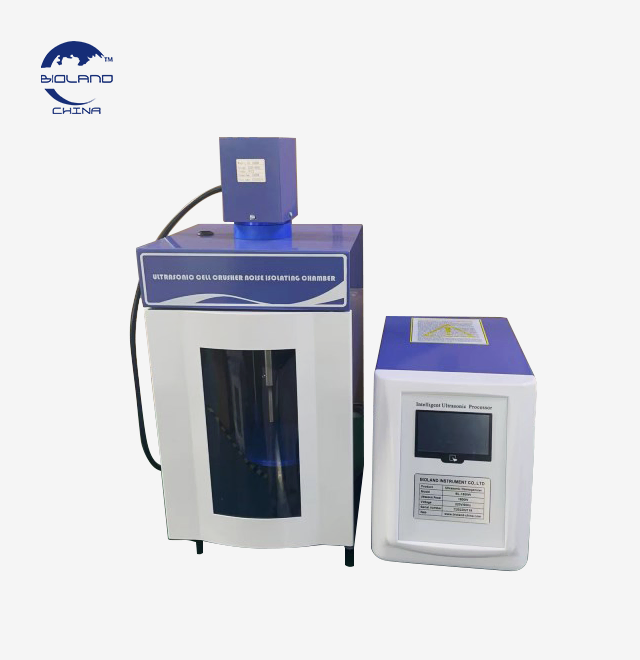
The stevia extraction machine uses a carefully planned series of physical and chemical processes to automatically get the steviol glycosides. The method starts with cell disruption, which uses sound waves to break down the walls of plant cells. This speeds up the release of target chemicals while reducing the damage caused by heat. Next, a controlled mixture of water and ethanol is pumped through the treated stevia leaves at the best temperature and pressure. The solid particles are then taken out by precision vacuum filtering, and proteins and colors that make the drink bitter are taken out by flocculation.
Through chromatographic separation, macroporous resin columns pick up target glycosides while removing unwanted waxes and tannins. Multi-effect falling film evaporators concentrate the liquid extract in a vacuum, which protects the purity of the substance and makes solvent recovery more efficient. Nanofiltration screens, which are optional, remove heavy metals and biological matter to make the water clear enough for medicinal use.
Essential Materials and Safety Considerations
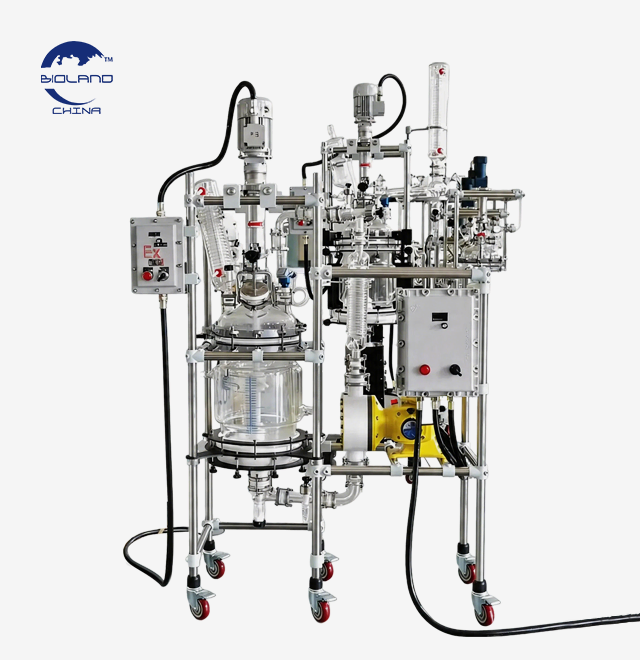
For the separation process to work, the main ingredients are dried stevia leaves and food-grade ethanol or mixes of water and ethanol. Material choice has a direct effect on how safe a product is and how well it meets regulations. Sanitary-grade SS316L stainless steel is used to make equipment that meets GMP and FDA standards. The internal surface roughness is set to Ra ≤ 0.4μm to keep germs from growing. Electrical systems that are explosion-proof and meet ATEX standards make sure that working with volatile solvents is safe. Modern extraction systems have automatic Clean-in-Place features that keep cleanliness standards high between production runs without having to take the system apart by hand.
Key Criteria to Consider When Choosing a Stevia Extraction Machine
A lot of technical and practical factors need to be carefully considered when choosing the rightstevia extraction machine. For years to come, the choice will have an effect on production capability, product quality, running costs, and the ability to grow.
Production Capacity and Batch Flexibility
A small-scale extraction device will usually work with batches of 10 kg to 500 kg of dried stevia leaves per cycle. Knowing how much tools you need depends on how much production you need now and how much you expect to grow in the future. Modular machines can have their capacities increased by adding more extraction tanks or processing lines that run in parallel. Processing processes that finish in 24 to 40 minutes allow for multiple daily runs, which increases output from small equipment footprints. This fast switching is especially helpful when going from lab-based recipes to pilot-scale production or when making different grades of stevia for different uses.
Purity Parameters and Quality Control
Steviol glycoside quality has a direct effect on how the product is used and how much it is worth on the market. High-purity Rebaudioside A (Reb-A 97–99%) is what beverage makers need to match the taste profiles of sugar without leaving a bitter aftertaste. These strict requirements can be met with equipment that uses modern chromatographic separation and membrane filtration. During the whole process, the extraction method should keep the temperature stable (within ±1°C), because changes in temperature break down sensitive glycosides. Automated PLC control systems keep an eye on important factors in real time and change liquid ratios, flow rates, and residence times to make sure that stability from batch to batch is met, which is needed for regulatory compliance and customer requirements.
Energy Efficiency and Operational Economics
The amount of energy used is a big ongoing cost in mining activities. Multi-effect evaporators use less energy because they heat the next concentration step with air from earlier stages. Working in a vacuum lowers the boiling point, which lowers the amount of thermal energy needed and protects chemicals that are sensitive to heat. Solvent recovery systems that can recycle 95% or more of the ethanol they collect reduce the cost of materials and damage to the environment. When looking at tools, you should figure out the total cost of ownership, which includes things like power, cooling water, making steam, and refilling solvents. When machines work at stable temperatures between 40°C and 60°C, they use less heating energy than high-temperature extraction methods but make better products.
Maintenance Requirements and Reliability
Reliability of equipment has a direct effect on the ability to keep making things and make money. Repair downtime messes up production plans, slows deliveries to customers, and raises the cost of labor. Routine maintenance is easier on machines that are made with repair spots that are easy to get to, standard parts, and clear maintenance instructions. Regenerating resin columns is done on a regular basis using automatic acid-alkali washing processes that are built into more advanced systems.
If they are properly regenerated, macroporous resins will work for two to three years before they need to be replaced. Standardized specs should be used for pumps, seals, and filtration elements. This way, new parts can be found quickly. When questions or problems come up, suppliers who offer thorough technical documents, training programs, and quick after-sales help keep operations running smoothly.
Comparative Analysis of Top Stevia Extraction Machines for Small-Scale Producers
There are different types of tools on the market for different types of output, levels of automation, and budgets. Being aware of these differences helps buyers find options that meet their unique needs.
Ultrasonic-Enhanced Extraction Systems
Ultrasonic-assisted extraction is a big step forward in technology for small-scale makers. These systems use high-frequency sound waves to break up the structures of plant cells, which makes extraction much more effective. The ultrasonic extraction tools made by BIOLAND combines UAE technology with standard solvent extraction to make extraction 50–500% more effective than usual. The ultrasonic modules speed up the release of glycosides while keeping the working temperatures low to protect the purity of the compound. This technology helps processors who work with high-quality stevia types or who want to get the most out of limited raw material sources. The small size is good for places that don't have a lot of room, and PLC technology cuts down on the need for work and training for operators.
Integrated Extraction-Concentration Units
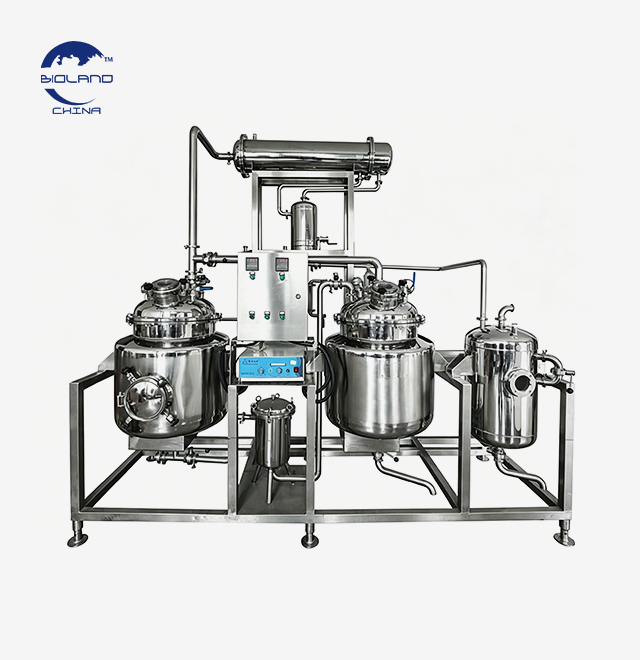
Multiple unit operations are put together into one production line by comprehensive extraction systems. These all-in-one solutions have liquid recovery systems, resin adsorption columns, evaporation concentrators, and extraction tanks set up to work best with each other. BIOLAND's extraction concentration units can handle UAE, reflux, and OSE extraction modes, which lets them process a wide range of raw materials and meet a wide range of product requirements. The modular design lets the setup be changed based on the needs of the production process.
For example, processors that care about the environment can choose modules that improve solvent recovery, while processors that work with pharmaceuticals may choose modules that focus on nanofiltration purification steps. These kinds of systems come with everything they need to work, so they are easier to install and take less time to commission than tools from several different sellers.
Manual Versus Automated Operation
How automated something is has a big effect on how much work is needed, how consistent batches are, and how much the original investment is. When using a manual method, the user has to add the solvent, change the temperature, and switch between phases. These basic setups work well for study groups doing small-scale experiments or for businesses checking out the market before committing a lot of money. Semi-automated equipment has programmable temperature controls and automatic valve sequencing, but important factors are still checked by hand.
Fully automated systems with PLC control handle the whole extraction process, from adding the raw materials to releasing the end concentrate. Operators watch touchscreens while pre-programmed recipes are carried out by the system. This makes sure that results can be repeated between shifts. The investment in technology pays off because it lowers labor costs, cuts down on operator mistakes, and makes it easier to keep records that help with regulatory compliance.
Supplier Reliability and Support Infrastructure
The success of equipment relies on both how well it is designed mechanically and how well the manufacturer supports it over its entire lifecycle. BIOLAND has more than 15 years of experience making extraction tools, including the stevia extraction machine, that has been used successfully to make stevia, propolis, and curcumin. Maintaining ISO approval and CE compliance shows that the company is committed to high standards that are known around the world. Their engineering team specializes in customizing tools to meet the needs of different processes, solvents, and space limitations.
Protocols for watching production include weekly reports on progress with photos to show what's happening. This makes sure that everyone can see what's happening during the whole manufacturing process. The full warranty program covers one year and includes servicing for life, saving buyers from having to pay for repairs they didn't expect. When production problems happen, quick response from technical help is very important—dedicated specialists who can quickly fix problems keep costs low during costly downtime.
Cost Analysis and Procurement Considerations for Small-Scale Buyers
When planning your finances, you need to know both how much money you'll need to buy the tools and how much it will cost to run it over time.
Initial Investment Components
Prices for equipment vary a lot depending on how automated it is, how much it can produce, what materials it is made of, and any extra features that you choose to add. Starting prices for basic manual extraction systems that can handle lab-scale batches (10–50 kg) are in the mid-five figures. Prices for fully automated pilot-scale systems that can handle batches of 200–500 kg are in the low to mid-six figures. Choosing the right building materials can affect how much they cost.
For example, normal stainless steel works well and doesn't cost too much, but pharmaceutical-grade SS316L contact surfaces cost a lot because they need to be very resistant to corrosion and have good hygiene qualities. Explosion-proof electrical designs that are needed for safe handling of ethanol cost more, but they are still needed to follow the rules. Optional modules like CIP systems, advanced solvent recovery, and nanofiltration steps raise the initial investment but lower running costs over time and improve product quality.
Operational Expense Projections
In addition to buying tools, buyers need to plan for installation, commissioning, user training, and continued supplies. Setting up the tools correctly, connecting the utilities, and checking the safety system are all things that only a professional can do. BIOLAND gives clear instructions on how to install their products and can set up plant acceptance testing before they are shipped, which cuts down on the time needed for setup on-site. The cost of solvents is a big ongoing expense, and the price of ethanol changes with the price of oil and state tax policies.
Compared to systems that aren't as good at recovering solvents, these costs are cut by a huge amount by equipment that recovers 95% or more of them. Depending on the batch size and processing time, different amounts of energy are needed. Figuring out how many kilowatt-hours are needed for heating, cooling, and vacuum pumping can help you estimate your monthly electricity costs. Maintenance funds should include money for replacing the resin every two to three years and changing the membrane every so often.
Procurement Timeline and Financing
Lead times depend on how complicated the equipment is and how much customization is needed. Standard setups from well-known brands usually ship within 5–7 business days for units that are in stock. Custom-engineered systems with specific capacity needs, unique material requirements, or combined production lines usually need 30 business days from the time the order is confirmed until they are ready to be shipped. Depending on the location and freight method, international shipping can add two to four weeks.
Sea freight is cheaper for heavy equipment, while air freight speeds up delivery for jobs that need to be done quickly. Many sellers offer flexible payment terms, such as deposit plans that cover engineering and buying materials, progress payments while the product is being made, and final payment before it is shipped. Companies that want to keep their cash can finance equipment through specialist lenders. This way, costs can be spread out over the equipment's useful life.
Environment and Sustainability Factors in Stevia Extraction
As regulations get stricter and customer tastes shift toward goods that are made in a way that doesn't harm the environment, environmental stewardship becomes a bigger factor in purchasing choices.
Energy Conservation and Resource Efficiency
The design of extraction tools, including the stevia extraction machine, has a direct effect on the world by using resources and energy in different ways. Using multi-effect evaporation technology instead of single-effect designs cuts the amount of heat energy needed by 40–60%. This significantly lowers the carbon emissions that come from making steam. Low-temperature extraction, which works at 40–60°C, uses less energy to heat up and makes better extracts than high-temperature methods. Vacuum systems that allow lower-pressure operation use even less energy.
Solvent recovery with 95% or higher recycling rates cuts down on the amount of ethanol that is used, which lowers the cost of raw materials and the damage that making solvents and treating trash does to the environment. Total resource impact is affected by how much water is used for cooling, cleaning, and processing. Closing the loop on cooling systems and following efficient CIP practices helps equipment save water and keep things clean.
Waste Stream Management
Extraction methods create trash plant matter, filtration residues, and wastewater that needs to be thrown away properly or used in a useful way. Stevia leaves that have been used up still have some nutritional value and can be burned or added to animal feed to keep them out of landfills. Modern extraction equipment gets the most glycoside out of the material, which lowers the amount of leftover sugar in trash streams. Before it can be released, wastewater that has small amounts of organic substances and solvents needs to be treated.
Integrated systems may include initial treatment steps or give instructions for later treatment infrastructure. When you use membrane filtration, you get concentrated waste streams that need to be thrown away, but the amounts are still small compared to other ways of separating things. Processors that show they handle waste properly by recovering materials, reusing them in a useful way, and treating them properly are more likely to follow the rules and back marketing messages about sustainability.
Regulatory Compliance and Certification
Equipment that meets GMP production standards makes sure that the product is safe and makes it easier for regulators in target markets to approve it. Construction from approved materials that come into touch with food, proven material tracking, and approved cleaning procedures all meet regulatory requirements. FDA compliance is necessary to get into the U.S. market, and foreign businesses may need extra licenses.
Regulatory filings are helped by equipment paperwork like P&ID diagrams, material certifications, validation methods, and standard operating procedures. The approval process goes more quickly if you choose providers with well-established quality systems and certification experience. BIOLAND's design and production methods are GMP-compliant, which means they meet the paperwork standards needed for medicinal, food, and nutraceutical uses in markets around the world.
Conclusion
For small-scale production, choosing the rightstevia extraction machine means finding a balance between technical performance, operating efficiency, cost, and sustainability goals. Modern extraction systems that use ultrasonic-assisted extraction, computerized control, and built-in cleaning are much more efficient than older ones while still keeping the quality of the product. To do good buying, you need to look at things like output capacity needs, purity standards, automation levels, and the supplier's ability to help you.
Equipment made from high-quality materials that meets GMP standards, with safety systems that can't explode and full fluid recovery, lowers operating risks and makes products easier to sell. Working with skilled manufacturers that offer customization services, clear production monitoring, and quick technical support makes sure that equipment fits the needs of the process and the limitations of the facility. This sets businesses up for long-term growth in the natural sweetener market, which is already growing quickly.
FAQ
What production capacity suits small-scale operations?
Small-scale extraction tools can usually handle between 10 kg and 500 kg of dried stevia leaves at a time. The choice of capacity is based on current production needs and expected future growth. Starting with a batch size of 50–100 kg gives you the freedom to test new products while also supporting the start of commercial production. As demand rises, modular equipment designs let capacity grow by adding more extraction tanks or parallel processing lines.
How long does equipment installation and commissioning require?
Installation times depend on how complicated the system is and how ready the building is. Standard extraction units need three to five days to be set up mechanically and to connect to utilities in buildings that are ready. It usually takes an extra two to three days for system setup, which includes calibration, test runs, and user training. It could take one to two weeks to fully build and test a custom combined production line. BIOLAND gives full installation instructions and can set up factory acceptance tests before shipping to make commissioning easier on-site.
Can extraction equipment process other botanical materials?
When it comes to botanical uses, high-quality extraction methods show that they are flexible. The tools that were made for stevia can easily be used to get chemicals from other medical plants like propolis, curcumin, hemp, ginseng, and more. For various feedstocks, process factors like fluid choice, temperature profiles, and residence times need to be changed. PLC-controlled systems can store many recipe codes, which makes switching between different extraction methods very easy. This adaptability makes the best use of tools and helps with plans for expanding product lines.
Partner with BIOLAND for Your Stevia Extraction Machine Needs
BIOLAND INSTRUMENT is a reliable company that sells stevia extraction machines. They have over 15 years of engineering experience working with the pharmaceutical, food processing, and science businesses around the world. Our ultrasonic extraction equipment is 50–500% more effective than traditional methods. It can finish extraction rounds in 24–40 minutes and keep working at a stable 40–60°C temperature, which protects the purity of the glycoside. We make GMP-compliant systems with SS316L food-contact surfaces, safety setups that don't allow explosions, and PLC control that is fully automatic.
Our flexible designs include solvent recovery with rates of 95% or higher, customizable CIP systems, and nanofiltration purification for output that is pharmaceutical-grade. Every project gets personal technical support, which includes a unique configuration that fits your exact capacity needs, process factors, and facility limitations. Our open production tracking gives you weekly updates on the project's progress along with high-quality photos. After that, the plant does a full set of acceptance tests before approving the shipment.
We help with global logistics by sea, train, and air freight. Standard units are usually delivered in 5–7 days, and special systems are delivered in 30 business days. All of the technology comes with a one-year guarantee and can be serviced for life. Get in touch with our expert team at info@biolandequip.com to talk about how our tried-and-true extraction methods can help you make more stevia while also cutting down on costs and damage to the environment.
References
1. Lemus-Mondaca, R., Vega-Gálvez, A., Zura-Bravo, L., & Ah-Hen, K. (2012). Stevia rebaudiana Bertoni, source of a high-potency natural sweetener: A comprehensive review on the biochemical, nutritional and functional aspects. Food Chemistry, 132(3), 1121-1132.
2. Karimi, E., & Oskoueian, E. (2011). Ultrasound-assisted extraction technology: principle and application in extraction of medicinal plants. Journal of Applied Biotechnology Reports, 2(1), 12-17.
3. Zhang, Q. W., Lin, L. G., & Ye, W. C. (2018). Techniques for extraction and isolation of natural products: a comprehensive review. Chinese Medicine, 13(1), 20-45.
4. Azwanida, N. N. (2015). A review on the extraction methods use in medicinal plants, principle, length and limitation. Medicinal & Aromatic Plants, 4(3), 196-203.
5. Prakash, I., DuBois, G. E., Clos, J. F., Wilkens, K. L., & Fosdick, L. E. (2008). Development of rebiana, a natural, non-caloric sweetener. Food and Chemical Toxicology, 46(S7), S75-S82.
6. Chemat, F., Rombaut, N., Sicaire, A. G., Meullemiestre, A., Fabiano-Tixier, A. S., & Abert-Vian, M. (2017). Ultrasound assisted extraction of food and natural products: Mechanisms, techniques, combinations, protocols and applications. Ultrasonics Sonochemistry, 34, 540-560.
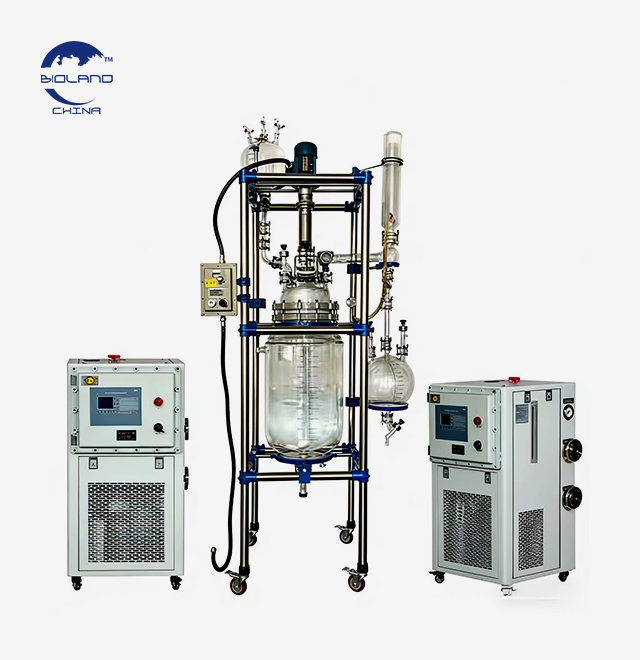
The reactor is beautifully mirror-polished and fully complies with GMP requirements for the pharmaceutical industry. The performance is excellent! Overall, we are very satisfied! We also provided with some feedback on our process improvements, which we hope will be helpful.
2024-04-09
Laboratory
Excellent and professional service. Always reply our questions very fast. All reactors and chiller we received are good too.
2024-02-15
Research Institute
Quality is beyond our expectation actually. After we got the extraction equipment and started using it, the performance was beyond our expectation. Very easy to use and very efficient to run. Service always respond us very quickly. Was also very helpful to help us. Thanks Bioland team. Very happy to work with you.
2023-11-20
Biotech Company
We are happy about the new purchase as always. Equipment and services are both good.
2023-08-05
Instrument Lab
This is the second order with Bioland instrument and everything is good as the first dateText.
2023-05-12
Global Trading Partner
Bioland instrument team is very helpful and professional. The sales helped us select the right equipment for our application, and their logistics people handled the transportation and customs declaration for our shipment. All that saved us a lot of work.