Are there tincture extraction machines suitable for organic herb processing
Jun 4, 2026
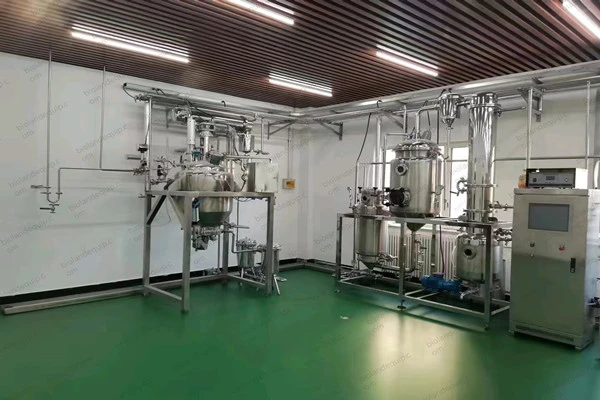
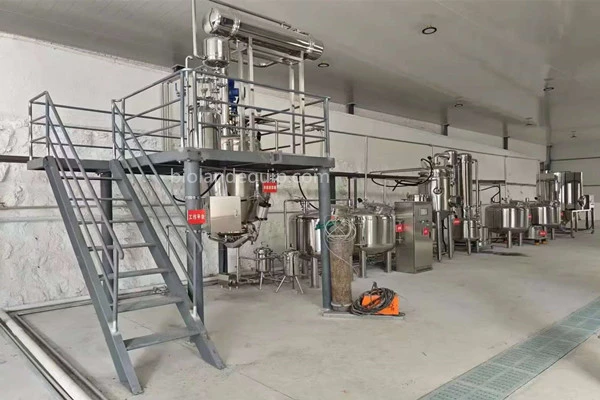
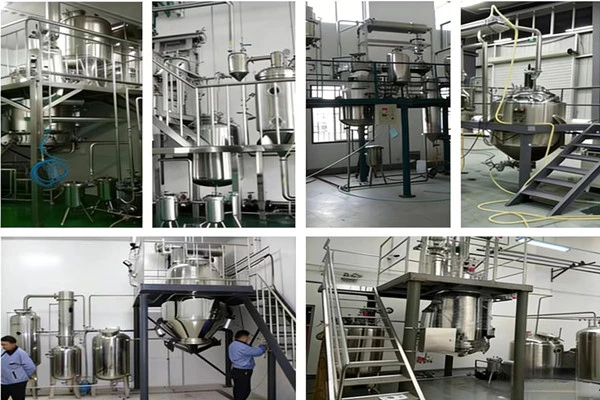
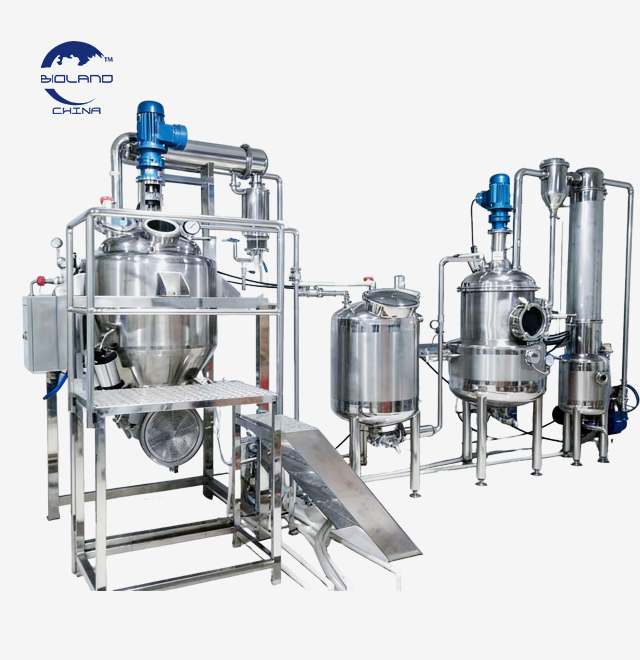
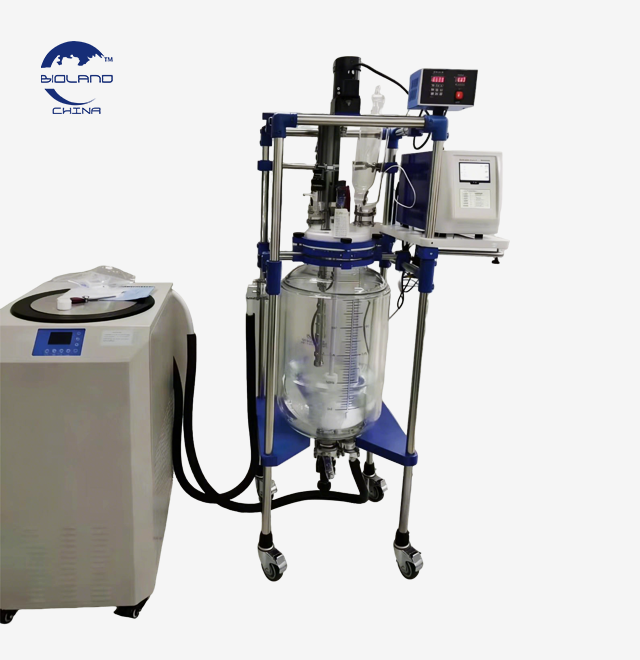
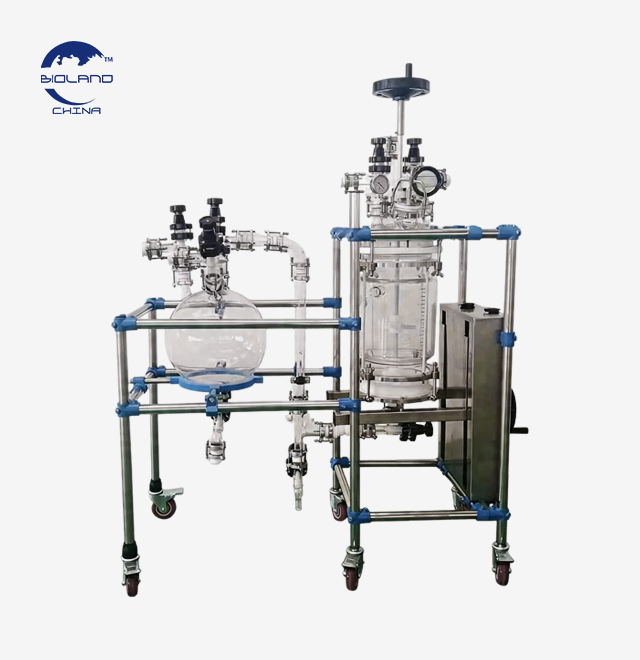
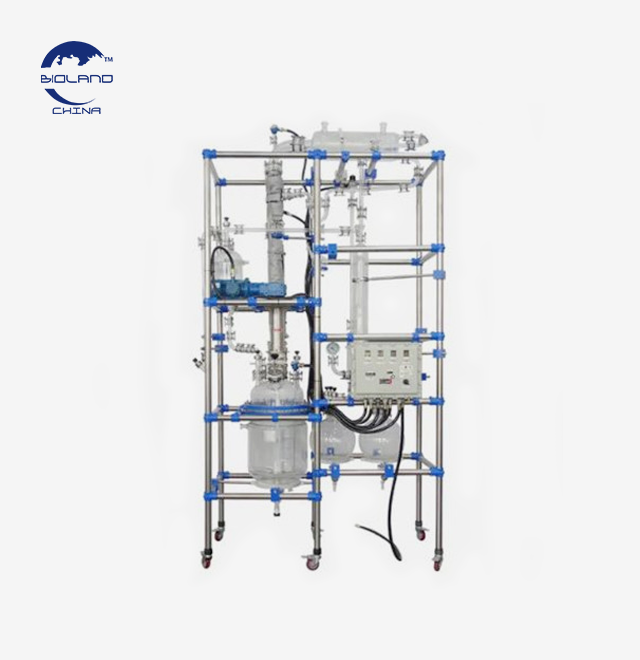
Yes, there are a lot of tincture extraction machines on the market that are specifically made for processing organic herbs and are built to meet strict organic certification standards. Food-grade solvents like ethanol or glycerin are used in these high-tech systems, which are built with sanitary-grade stainless steel and automatic controls to keep the organic structure intact during the extraction cycle. Professional tincture extraction machines, on the other hand, have precise temperature control, closed-loop solvent recovery, and contamination-free environments. This makes them perfect for businesses that want to go from small pilot batches to full commercial production while still following organic standards.
Understanding Tincture Extraction Machines and Their Suitability for Organic Herbs
Tincture extraction technology has changed a lot to meet the specific needs of processing organic herbs. Modern machines work by mixing controlled liquid contact with mechanical movement. This effectively separates bioactive compounds like alkaloids, flavonoids, and essential oils from plant matrices without changing their organic state. In this method, plant material is usually put into a sealed tank containing pharmaceutical-grade ethanol or glycerin. Ultrasonic cavitation or dynamic percolation speeds up the movement of mass.
Core Technical Features Supporting Organic Standards
Several important design factors determine whether or not equipment is suitable for use with organic materials. Machines made completely of 316 stainless steel guarantee that there is no metal pollution, which is needed to keep the organic certification. Temperature control systems that keep the temperature fixed between 40°C and 60°C protect phytonutrients that are damaged by heat and stop thermal breakdown that could create non-organic leftovers. Closed-loop systems keep out outside contaminants and allow solvent recovery rates of more than 95%. This cuts down on trash and running costs while supporting environmental sustainability, which is a central idea of organic production.
Scalability from Laboratory to Industrial Production
When organic herb makers move from research and development to market production, they face some unique problems. In the lab, extraction is usually done by hand, which can take weeks and results in potencies that aren't reliable enough to sell. Industrial liquid extraction systems cut this time frame by a huge amount; full extraction rounds can be finished in 24 to 40 minutes thanks to automatic process control. This speeding up doesn't hurt the quality; programmable logic controller (PLC) automation keeps the same settings across batches, which is what organic certification groups and end customers want.
Another important thing to think about is energy economy. Modern extraction equipment uses less power because it has better agitation patterns and heated jacketed tanks. This lowers the carbon footprint, which is becoming more and more important for organic brands that want to show they care about the environment. With the ability to combine multiple processes, such as ultrasonic-assisted extraction (UAE), reflux, and oscillating solvent extraction (OSE), operators can make routines that work best for each herb without having to buy a bunch of different tools.
Comparing Traditional Extraction Methods and Modern Tincture Extraction Machines
Passive maceration is a traditional way to make organic tinctures. This is when herbs are soaked in fluids for long periods of time, sometimes up to 4–6 weeks, with occasional stirring by hand. There are big problems with this method for businesses that want to grow. Labor costs go up when workers have to keep an eye on multiple batches, the risk of contamination goes up when the vessel is opened over and over, and extraction rates change depending on how the user does their job and the conditions of the surroundings.
Quantifiable Performance Improvements
Modern extraction methods make huge improvements in how efficiently they work. Case studies from companies that make nutraceuticals show that these methods improve extraction yields by 50% to 500% compared to the old ways. This huge rise is due to cavitation effects that are controlled and improved solvent-to-biomass ratios that are handled by computers. In traditional extraction, only 15–20% of the available compounds might be recovered. But with modern tools, 65–80% of them are recovered, which has a direct effect on revenue and resource use.
Processing speed differences lead to benefits that spread throughout a business. A factory that used to handle 10 batches of materials every month using old-fashioned methods can now handle 60 to 80 batches using automatic extraction equipment. This improves production capacity without adding more floor space or workers. Cutting down on cycle time also helps cash flow because raw materials are turned into finished extracts in days instead of months.
Safety and Compliance Advantages
For organic approval, strict records of working conditions and how to avoid contamination are needed. Automated extraction systems automatically support compliance because they log temperature, pressure, agitation speed, and cycle duration for each batch. Keeping records electronically makes auditing easier and shows licensing bodies that process control is in place.
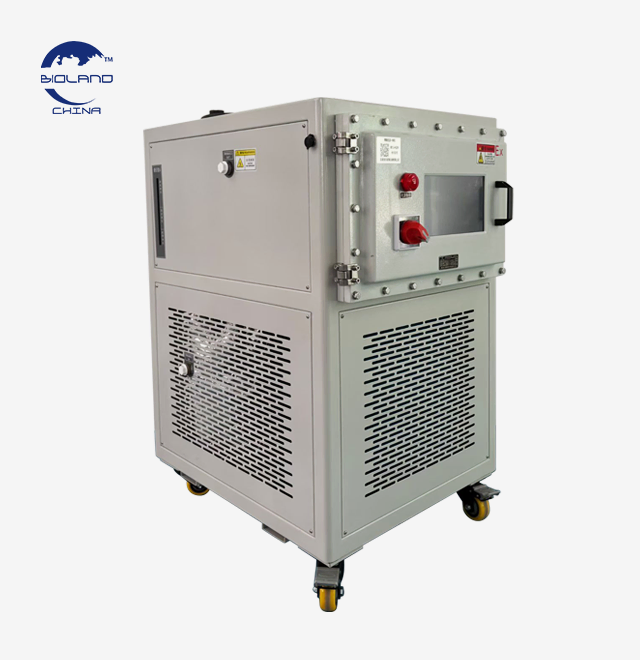
Improvements to safety are just as important. Explosion-proof designs approved for dangerous settings get rid of the dangers of flammable ethanol vapor buildup, which is a big problem with the old open-bucket ways. Sealed processing areas keep workers from being exposed to solvents and keep batches from getting contaminated with each other, which is very important when using shared facilities to process different types of organic herbs.
How to Choose the Best Tincture Extraction Machine for Organic Herb Processing
When buying extraction tools, you have to weigh the technical requirements against the needs of the business and your cash. We suggest using an organized assessment method that looks at six key areas to rate possible providers.
Technical Capability Assessment
When selecting a tincture extraction machine the capacity for extraction must match the amount of production now and the amount that is planned to grow. The machines range from 20-liter lab units good for research and development and small-batch specialty production to 500-liter industrial systems that can handle metric tons of material every month. When equipment is too big, it costs more to buy and run, and when it's too small, it limits growth and may need expensive development sooner than planned.
Solvent compatibility verification proves essential. Most organic tinctures are made with ethanol extraction, but some herbs work better when they are processed with glycerin. Both liquids should be able to be used with the same equipment without having to be completely rearranged. In this case, the way the materials are put together is very important. Pharmaceutical-grade 316 stainless steel doesn't rust when exposed to alcohol or glycerin, and it also keeps surfaces clean in line with GMP production standards.
Manufacturer Evaluation Criteria
Suppliers with knowledge in processing organic herbs are different from general industrial equipment vendors who are not qualified partners. Companies that have been in the plant extraction business for more than 15 years know how to deal with problems like yearly changes in raw materials, the need for organic certification, and the need to keep delicate aromatic profiles. Their expert teams do more than just sell tools; they also offer helpful process optimization advice.
Customization options take into account the fact that no two organic vegetable businesses have the same needs. The best makers make flexible setups that let you add Clean-In-Place (CIP) systems, automatic solvent recovery units, and combined filtration kits based on how your process runs. OEM/ODM services allow for private marking and changes to designs that are only made by that company. This is especially helpful for businesses that are creating their own extraction procedures to gain a competitive edge.
Total Cost of Ownership Analysis
The price of the tools is only one part of the expense. Long-term revenue is greatly affected by operational costs like energy use, solvent costs, repair needs, and downtime. Compared to older technology, designs that use less energy and have better heating and cooling cycles cut electricity costs by 30 to 40 percent. Integrated solvent recovery systems often pay for themselves in less than a year by reusing used ethanol.
Strategies for reducing risk are based on warranty terms and after-sales help. Full coverage that includes parts, labor, and technical support for at least one year protects against fix costs that come up out of the blue as production ramps up. Lifetime maintenance availability guarantees uninterrupted operations for 10 to 15 years, the length of an equipment's useful life. Rapid technical help, which is especially important for sites in other countries, keeps production from stopping, which could put delivery promises at risk.
Maintenance, Safety, and Operational Best Practices for Tincture Extraction Machines
For extraction equipment to keep working well, it needs to be maintained properly and operators need to be trained. When it comes to reducing downtime and increasing machine lifespan, preventive maintenance plans work much better than reactive repair methods.
Routine Maintenance Protocols
Cleaning every day keeps residues from building up, which could lower the cleanliness of a batch or allow microbes to grow. CIP-equipped systems automate this process by running cleaning solutions over all areas that come into touch with the product without having to take them apart by hand. Operators should use ATP swab tests to make sure the cleaning is effective and keep records of the results for organic certification checks.
Weekly inspections focus on mechanical components subject to wear. It is suggested that seals and gaskets that keep the vessel's pressure integrity be visually checked for wear and tear every 500 to 1000 cycles, based on the type of solvent and the working temperature. The lubrication of the agitator parts needs to be checked, and the tightness on the drive belt should be just right so it doesn't break too soon.
Quarterly deep maintenance includes calibration verification of temperature monitors, pressure transducers, and PLC code are checked for accuracy. These steps make sure that the process parameters stay within the approved ranges that are needed for reliable extraction performance. Professional service techs usually do these jobs. They combine calibration with a full system review to find problems before they become major ones.
Safety Operating Procedures
When working with toxic chemical solvents, safety rules must be followed to the letter. Operators must go through training that covers the principles of the liquid, the need for personal protective equipment, how to handle an emergency, and the safety features that are unique to each machine. Explosion-proof design protects itself, but it is still the operator's job to make sure there is enough grounding, air, and no fire sources.
Material handling procedures safeguard organic herb quality. When raw materials are received, they should be checked for damage, kept in climate-controlled spaces to prevent moisture absorption and degradation, and managed using a first-in, first-out inventory rotation system. Separate tools and packaging should be used to prevent cross-contamination between different herb varieties or between organic and conventional materials if the facility handles both. In facilities that use a tincture extraction machine in Iran, maintaining strict material handling standards throughout storage, transfer, and processing is essential to preserve the purity and effectiveness of organic herbal extracts.
Process Optimization Strategies
Optimization of extraction efficiency combines a lot of different factors. Depending on the mass of the plant material and how well the chemical is dissolved, the solvent-to-herb ratio is usually between 3:1 and 8:1. Lower ratios save solvent but might not extract all the chemicals, while too much solvent dilutes extracts, which means they need to be concentrated in a way that uses more energy. Systematic testing to find the best amounts for each type of plant increases effectiveness.
Temperature management critically affects extraction outcomes. Higher temperatures make compounds more soluble and speed up the extraction process, but they also have the potential to break down thermolabile ingredients that are important in organic goods. Professional equipment has a big benefit over homemade systems because it can work reliably at low temperatures (40–60°C). This protects the full-spectrum plant profiles that set premium organic tinctures apart in competitive markets.
Procurement and Logistics Considerations for B2B Buyers
Strategic buying planning makes sure that getting and installing tools goes smoothly and that the total cost of the project is kept as low as possible. When choosing a seller, business-to-business buyers should think of it as building long-term relationships instead of just making a purchase.
Supply Chain Relationship Development
When it comes to industrial extraction tools, direct relationships with manufacturers are usually more valuable than relationships with distributors. Manufacturers offer expert advice during the development of specifications to make sure that the design of the equipment meets the needs of the application. Direct contact gets rid of mistakes that could lead to changes that cost a lot of money or poor performance after delivery.
Pricing structures for capital equipment often include volume discount opportunities and flexible payment terms. Buyers who are looking to install more than one unit or who are working with other buyers in the same business can negotiate better prices. Many makers offer lease programs or payment plans that let you spread out your payments over time. This helps projects stay within their budgets.
International Logistics Management
Buying tools across international borders is a complicated process that needs careful planning. Shipping by sea, train, or air goods all have pros and cons when it comes to cost and arrival time. Heavy machines can be shipped by sea for a low price, but it takes 4 to 8 weeks to get there. Air freight speeds up delivery to 7–10 days, but it costs 3–5 times more and is only worth it when production schedules require quick installation.
Customs documentation accuracy prevents costly delays. In order for duties to be calculated properly, Harmonized System (HS) codes must correctly describe the goods. Certificates of origin may allow for preferential tariff treatment under trade deals. Buyers can get help from experienced makers who often keep in touch with customs agents and freight forwarders who specialize in industrial equipment.
Installation and Commissioning Support
Top equipment providers stand out by offering full project help. Pre-shipment Factory Acceptance Testing (FAT) lets representatives from the buyer see how the equipment works, make sure it meets standards, and accept the quality before it is shipped internationally. This step finds problems so that makers can easily fix them, which keeps costly repairs from having to be done in the field.
On-site installation help and training for operators speed up the start of production. Manufacturer workers make sure that the equipment is set up correctly, that utilities are connected, and that it is tested before it is used by building staff. Formal training programs that cover operation, regular maintenance, and fixing make employees more capable, so they don't need to rely on outside expert help as much.
Turnkey engineering solutions appeal to buyers lacking internal project management resources. These packages include designing the plan of the building, figuring out what utilities are needed, buying the equipment, supervising the installation, and making sure the process works right. They also include providing working production lines on time. Even though they cost more, packaged solutions lower the risk of implementation and speed up the time it takes to get new products on the market.
Conclusion
For processing organic herbs, you need extraction equipment that is specially designed to keep the plants' natural structure while working efficiently on an industrial scale. Moderntincture extraction machines that meet these needs are built to be clean, have exact process control, and can automate tasks much better than old ways of doing things. Adopting technology successfully requires strategic procurement that focuses on supplier knowledge, customization freedom, and full support.
The big gains in performance, like 50–100% higher yields and cycle times of 24–40 minutes, give companies a clear edge over their competitors through better product quality, lower costs, and faster response times to changes in the market. By carefully looking at technical specs, total ownership costs, and supplier skills, organic herb processors can set themselves up for long-term growth in natural goods markets that are growing.
FAQ
What organic solvents work best with tincture extraction machines?
It is most common to use pharmaceutical-grade ethanol, which is 95–99% pure, as a solution for making organic tinctures because it is safe, effective, and meets the standards for organic certification. Glycerin from plants can be used instead of alcohol in alcohol-free goods, but it usually results in 20–30% less extraction efficiency. Both solvents should work with the same equipment without any changes being needed. Proper cleaning procedures should be followed between solvent types to avoid cross-contamination.
How do extraction machines maintain organic certification compliance?
For certified organic processing, you need to show proof that you clean the equipment, keep it from getting contaminated, and keep out substances that aren't allowed. Modern extraction systems help with compliance by using food-grade materials that don't contain metals, processing areas that are sealed off so that outside contaminants can't get in, automated data logging that creates audit trails, and CIP systems that allow validated cleaning between batches. Keeping regular records of equipment upkeep and calibration is another way to show licensing agencies that the process is under control.
What production capacity should buyers target when scaling operations?
Planning for capacity should take into account current production output plus 30–50% growth buffer. This way, you can avoid both oversizing, which loses money, and undersizing, which means replacing equipment too soon. If a buyer processes 100 kg of raw herbs every month, they might choose 50–100 liter extraction tanks. On the other hand, 200–500 liter industrial systems are better for processing 500 kg or more every month. Businesses can be flexible as they grow thanks to modular designs that let them add more units in parallel to increase their capacity.
Partner with BIOLAND for Advanced Organic Extraction Solutions
BIOLAND INSTRUMENT has been making tincture extraction machines for the organic herb processing business for more than 15 years and has a lot of experience in this field. Our range of tools meets both pharmaceutical-grade GMP design standards and new features that meet the needs of organic certification. Each system is made of 316 stainless steel, has PLC automation that controls temperatures precisely between 40°C and 60°C, and has built-in solvent recovery that works at 95% or higher efficiency. We help you with every step of the project lifecycle.
Our services include expert advice before the sale, visual reports on the progress of production every week, pre-shipment Factory Acceptance Testing, and one-year guarantees with lifetime maintenance. Our OEM/ODM services can make solutions that exactly fit your needs, whether you need standard lab units in 5 to 7 days or unique industrial systems made to fit your own processes. Get in touch with our technical team at info@biolandequip.com to talk about your needs for organic herb extraction and find out how our full engineering method can help you reach your production goals faster.
References
1. Smith, J.R., & Chen, L. (2021). Modern Extraction Technologies for Botanical Manufacturing. Industrial Press.
2. Anderson, M.K. (2020). "Process Optimization in Organic Herbal Extract Production," Journal of Natural Product Processing, 45(3), 234-251.
3. European Industrial Hemp Association. (2022). Guidelines for GMP Compliance in Botanical Extraction Facilities. Brussels: EIHA Publications.
4. Thompson, R.D., & Patel, S. (2019). Equipment Selection for Pharmaceutical-Grade Botanical Processing. Technical Publishing International.
5. National Organic Standards Board. (2023). Organic Processing Equipment Requirements and Best Practices. Washington, DC: USDA Agricultural Marketing Service.
6. Williams, H.T., et al. (2020). "Comparative Analysis of Traditional versus Automated Tincture Extraction Methods," International Journal of Herbal Medicine, 8(2), 112-128.
The reactor is beautifully mirror-polished and fully complies with GMP requirements for the pharmaceutical industry. The performance is excellent! Overall, we are very satisfied! We also provided with some feedback on our process improvements, which we hope will be helpful.
2024-04-09
Laboratory
Excellent and professional service. Always reply our questions very fast. All reactors and chiller we received are good too.
2024-02-15
Research Institute
Quality is beyond our expectation actually. After we got the extraction equipment and started using it, the performance was beyond our expectation. Very easy to use and very efficient to run. Service always respond us very quickly. Was also very helpful to help us. Thanks Bioland team. Very happy to work with you.
2023-11-20
Biotech Company
We are happy about the new purchase as always. Equipment and services are both good.
2023-08-05
Instrument Lab
This is the second order with Bioland instrument and everything is good as the first dateText.
2023-05-12
Global Trading Partner
Bioland instrument team is very helpful and professional. The sales helped us select the right equipment for our application, and their logistics people handled the transportation and customs declaration for our shipment. All that saved us a lot of work.