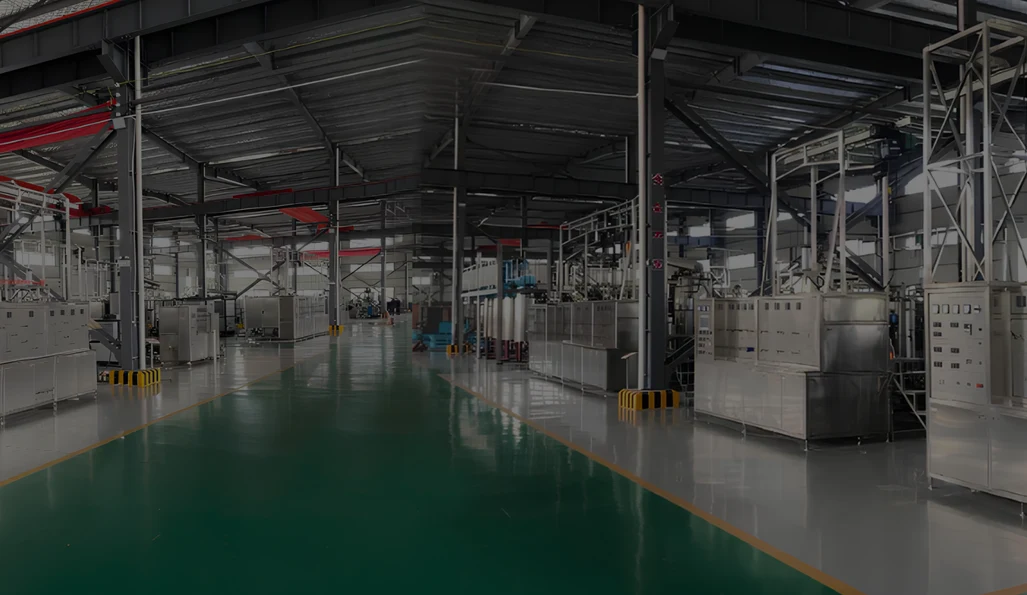
The choice of the right extraction tools becomes very important when going from lab study to pilot production or full business production. A lot of different technologies are used in extraction tools to separate and concentrate useful compounds from raw materials. When it comes to these options,solvent extraction equipmentstands out as a flexible and effective choice, especially in fields like biotechnology, medicines, fine chemicals, food processing, and natural product making. These systems use the principles of liquid-liquid separation to get very high selectivity and recovery rates. This makes them essential for a wide range of tasks, from isolating plant active ingredients to recovering metals and cleaning APIs.
Comprehending Solvent Extraction Equipment: Principles and Applications
Differential solubility is the idea behind how solvent extraction equipment works. It works by showing that target chemicals dissolve better in one liquid phase than another. For this liquid-liquid extraction method to work, the right solvents must be used. These can be organic media like hexane or toluene, or ethanol and methanol. The solvents must be very selective for the desired components and leave behind any impurities.
Core Operating Principles
The feed material and liquid come into close touch with each other during the extraction process. This is followed by phase separation. Mass transfer happens at the point where two immiscible liquids meet, caused by differences in concentration. Variables like contact time, interface surface area, mixing strength, and temperature control all have a direct effect on how well an extraction works. Modern systems do this with counter-current flow patterns that keep putting new solvent in contact with feed material that is running out of solvent. This maximizes output while minimizing solvent use.
Keeping an eye on the temperature is very important, especially when working with heat-sensitive substances like bioactive chemicals or pharmaceutical intermediates. The ability to extract at low temperatures (40–60°C) protects the structure of molecules and keeps valuable components from breaking down. This is especially important for extracting plants and making nutraceuticals.
Industry Applications and Process Integration
Equipment used for solvent extraction is used in many different types of industries. When making medicines, these systems separate active ingredients (APIs) from fermentation broths or make products that need to be separated very precisely. Biotechnology companies use extraction tools to handle proteins, enzymes, and metabolites further down the line. These technologies are used in the food business to restore flavor compounds, get oils out of things, and concentrate useful ingredients.
Fine chemistry and specialty material makers use solvent extraction to clean up reaction products, get rid of catalysts, and get back useful by-products. Some environmental uses are treating garbage, getting rid of contaminants, and recovering resources from industry effluents. Different uses need different kinds of tools, materials that work well together, and the ability to control the whole process. These factors affect the choice of what to buy.
Types of Extraction Instruments: A Comparative Analysis
To choose the right extraction technology, you need to know the pros and cons of each type of tool. Each group has its own benefits that depend on the size of the production, the properties of the material, and the goals of the process.
Mixer-Settlers and Traditional Extraction Systems
Mixer-settlers are the usual way to extract liquids from each other. They have different chambers for mixing and settling. For processes with slower rates and bigger areas, these units are easy to use and have been shown to be reliable. The machines can handle large amounts of material at once and work well with floating solids, which means they can be used for ore processing and hydrometallurgical tasks.
Mixer-settlers, on the other hand, need a lot of floor room, stay in one place for longer, and keep more solvents on hand than modern options. Their settling zones depend on gravity to separate the phases, which can be a problem when working with systems that tend to emulsify or when processing needs to be done quickly.
Centrifugal Extractors and High-Speed Separation
By using centrifugal force—up to 2000 times gravity—to speed up phase separation, centrifugal extraction equipment gets around many of the problems that come with traditional methods. These small units cut down on dwell time by a large amount, reduce liquid holdup, and work well with emulsifying systems that gravity settlers would fail to handle. Their small size and flexible design make them ideal for biotech and pharmaceutical labs that are short on room and want to be able to change batches quickly.
This technology works really well in situations where fast mass transfer rates, less breakdown of unstable chemicals, and less solvent exposure are all important. When compared to column-based systems, centrifugal extractors have stage efficiencies that are close to 100%, which means that fewer stages are needed to reach the desired separation performance.
Ultrasonic-Assisted Extraction Equipment
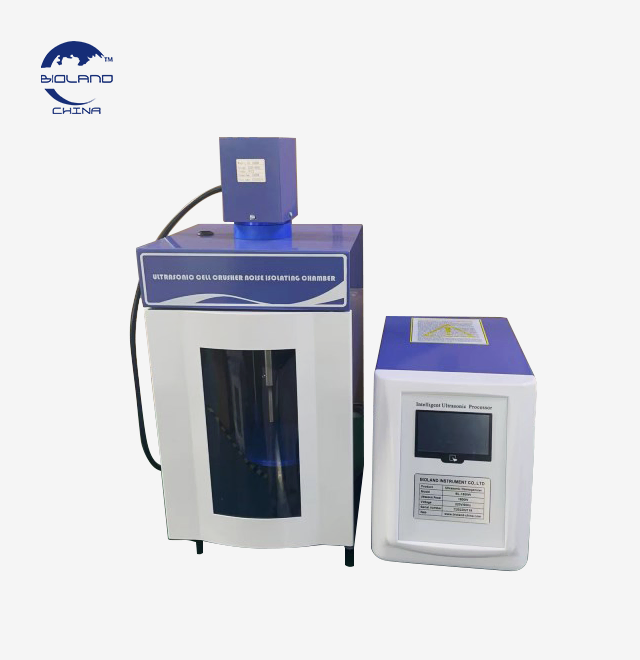
High-frequency sound waves are used in ultrasonic extraction tools to cause cavitation effects that break down cell walls and speed up the transfer of mass. With this mechanical action, extraction times are cut by a large amount. Cycles only take 24–40 minutes, compared to hours or days with other soaking methods. Ultrasonic devices are great for extracting bioactive chemicals like curcumin, capsaicin, and polyphenols from plants. They can increase output by up to 50–500% compared to standard methods.
Dual-ultrasonic setups improve performance even more by mixing extraction help with faster dissolution rates. These configurations can be used for everything from small-scale lab tests to mass production. Filtration, concentration, and drying are just a few of the unit processes that these systems work well with to make full processing lines.
Extraction Columns and Packed Bed Systems
Extraction columns, such as pulsed columns, packed columns, and agitated designs, can be used for ongoing processing and have reliable scaling up properties. These vertical contactors make the interface area bigger by using packing or motion systems inside to break up one phase into small drops inside the continuous phase. Column systems can theoretically separate things in more than one stage all in one tank, which makes them useful for high-purity needs.
The type of column you choose relies on how the system works. Packed columns work best for clean, non-fouling uses, while agitated columns are better for feeds that are more difficult. Pulsed columns use regular changes in pressure to improve mixing without using moving parts. This lowers the need for upkeep while keeping performance high.
Alternative Extraction Technologies
Besides liquid-to-liquid methods, there are other ways to remove materials that deal with specific types of materials and process limitations. Supercritical CO2 extraction uses carbon dioxide above its critical point as a solvent that can be changed. It works at low temperatures and is very good at removing solvents from chemicals that are lipophilic. Essential oils are usually recovered through steam distillation, but oils can also be taken out of seeds and plants by mechanical pressing.
When you look at these other options side by side, you can see that solvent extraction equipment is the most adaptable, scalable, and useful for the most substances and businesses. Even though supercritical systems produce better extracts, they can only be used for high-value goods because they are expensive to set up and need a lot of pressure. Distillation works well with volatile chemicals but not with materials that change shape when heated. For most industrial extraction needs, solvent-based methods are the best mix of performance, cost, and flexibility.
Advantages and Key Benefits of Modern Solvent Extraction Equipment
Modern equipment for extraction uses advanced engineering and automation that gives industry users real operating and economic benefits.
Enhanced Extraction Efficiency and Yield Optimization
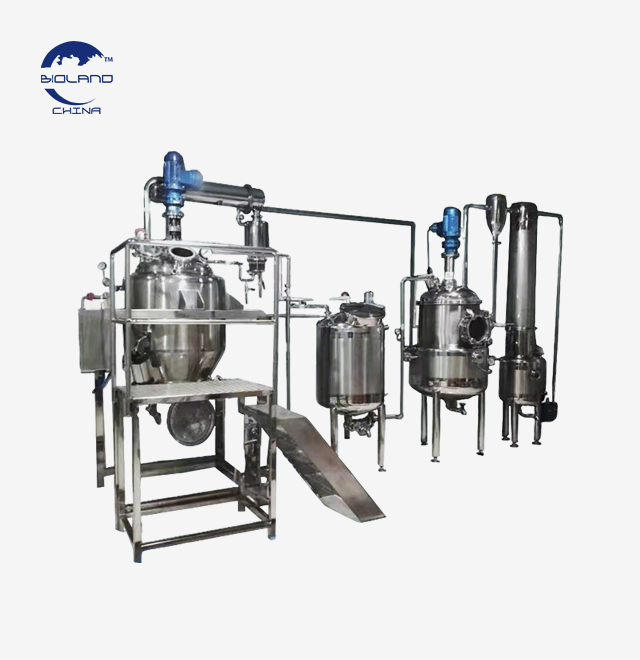
The efficiency of modern systems for extraction is much better because they use better hydrodynamics, temperature control, and mass transfer mechanisms. Integrated closed-loop systems that use ultrasonic-assisted extraction, filter, low-temperature concentration, and solvent extraction equipment recovery can get more of the active ingredients out of the sample while leaving behind cleaner leftovers. With this all-around method, raw materials are used more efficiently, which has a direct effect on production prices and profits.
Dual-condenser systems improve recovery rates even more by collecting volatile components that would be lost otherwise. This is especially helpful when working with expensive plant materials or getting back pharmaceutical intermediates. These changes to the design lead to higher output, better quality products, and less waste.
Energy Efficiency and Operational Cost Reduction
Using a lot of energy is a big cost of doing business in mining processes. Modern equipment uses less energy in several ways: shorter processing cycles cut down on the time spent heating, efficient heat exchanges recover thermal energy between process streams, and better mixing cuts down on pumping power while keeping contact efficiency.
Low-temperature extraction, which can keep running smoothly at 40–60°C, not only protects the structure of the substance but also lowers the need for heating and cooling. Automated controls keep energy from going to waste by changing settings in real time based on sensor feedback and matching power input to process needs.
Production Throughput and Time Efficiency
Extraction time has a direct effect on the throughput and production ability of the building. Using traditional marinating methods takes at least 6–12 hours per batch, which greatly limits the amount that can be made each day. Modern ultrasonic and centrifuge systems can finish extraction in 24 to 40 minutes, which is more than two thirds less time than traditional methods. This speeding up increases the number of batches that can be processed each day, which increases capacity without making the building bigger.
Rapid handling also improves the quality of the product by reducing the time that sensitive chemicals are exposed to heat, light, and oxygen, all of which can break them down. Shorter rounds lower the amount of work that needs to be done but increase the amount of goods that is sold and cash flow.
Automation and Process Control Integration
Modern extraction equipment is different from older systems because it has intelligence and the ability to automate tasks. Full PLC automatic control makes operation easier, cuts down on labor needs, and makes sure that the process is carried out the same way in each batch. Recipes are written by operators and include temperature profiles, mixing speeds, phase flow rates, and time patterns. The system then runs these recipes without any further input from the operator.
Temperatures, pressures, flow rates, and interface levels are some of the important process factors that are tracked by automated tracking. Control loops are then adjusted to keep setpoints. This removes differences between batches, makes regulatory compliance paperwork better, and frees up expert staff to do more valuable tasks like process optimization and fixing.
Customization and Modular Functionality
Problems with industrial extraction are very different depending on the product, industry, and size of production. Modern technology can handle this variety because it can be customized in many ways and can be set up to work in a variety of ways. Systems can have designs that are explosion-proof and meet ATEX certification standards for working with flammable solvents, as well as organic solvent recovery systems that clean and reuse used media, CIP (Clean-in-Place) systems that make sure the process stays clean between batches, and automatic discharge devices that make moving materials easier.
When working with corrosive materials or needing high purity levels, you can choose 316 stainless steel for touch parts because of its freedom in material selection. Custom engineering takes into account specific process needs, such as odd solvent mixes or integrating with existing infrastructure. This makes sure that the equipment fits the purpose instead of causing processes to change to fit standard designs.
Proven Performance Across Applications
Implementation experience in the real world shows how reliably and well solvent extraction equipmentworks. Some examples of good extraction methods using this equipment are those used to make stevia sweetener, propolis concentrate, capsaicin from peppers, curcumin from turmeric, and bioactive compounds from mushrooms. This wide range of uses, including food ingredients, health supplements, and medicine raw materials, shows how flexible the technology is.
There are documented results that show systems that are set up correctly can reach their yield goals, keep up with quality standards, and work reliably for thousands of production runs. This track record lowers the risk of procurement and gives people trust in the results they can expect.
Maintenance, Safety, and Operational Best Practices
To make sure that equipment lasts as long as possible and is used safely, it needs to be maintained regularly and safety rules must be followed.
Preventive Maintenance Scheduling
Regular repair keeps things running smoothly and increases the life of the equipment. It is suggested that daily leak checks be done on seals, gaskets, and connections; weekly checks of temperature and pressure instruments; monthly lubrication of moving parts in centrifugal and agitated equipment; and quarterly checks of internal wear parts like impellers, packing, and seals.
Every year, full maintenance checks pressure-bearing parts without damaging them, makes sure safety interlocks work, and replaces worn-out parts that are getting close to the end of their useful life. Keeping detailed maintenance logs provides a record of the past that helps predictive maintenance strategies that choose the best inspection times based on the real state of the equipment.
Mechanical Seal and Bearing Care
Pay close attention to the mechanical parts in rotary extractors and pumps because they are very important for keeping leaks from happening. Double mechanical seals with barrier fluid systems make seals last longer by keeping them cool and lubricated and finding when the main seal fails before process fluid leaks out. Every 3,000 to 5,000 hours of use, an inspection lets you replace it before it fails completely. When planned shutdowns happen, cartridge-type seal systems allow for quick replacement, which keeps production running as smoothly as possible.
As part of bearing maintenance, predictive maintenance technologies are used to look for signs of problems before they happen and record the sound patterns. Using manufacturer-recommended oils and lubricating at the right times stop parts from wearing out too quickly and getting too hot.
Solvent Handling and Safety Protocols
When working with organic liquids, there are risks of fire, explosion, and health that need to be carefully managed. Explosion-proof electrical parts are built into the design of equipment that is approved for use in dangerous areas, meeting ATEX Zone 1 or 2 standards based on the likelihood of an ignition source. Nitrogen blanketing systems keep explosive mixtures of vapor and air from forming in vapor areas.
Operational routines include making sure there is enough air flow before opening vessels, only using intrinsically safe tools in secret areas, putting in place hot work permit systems for repair work, and keeping the inventory of solvents below the levels allowed by law. Personal safety equipment rules must be set and followed. This includes chemical-resistant gloves, face shields, and breathing masks.
Regular safety training makes sure that employees know how to spot dangers, deal with situations in the right way, and spot conditions that don't seem right. Standard working procedures that are written down give step-by-step instructions for both normal and unusual scenarios.
Quality Assurance and GMP Compliance
Good Manufacturing Practice standards must be met by tools and methods used in food, nutraceuticals, and pharmaceuticals. GMP-compliant designs have features like smooth, crack-free internal surfaces that keep contamination from building up, proven cleaning methods that get rid of residue effectively between products, material traceability documentation that shows wetted parts meet food-contact or pharmaceutical requirements, and process documentation systems that keep track of important parameters for batch release decisions.
To keep GMP compliance, cleaning methods must be checked on a regular basis, production areas must be inspected for environmental issues, and change control processes must be used to make sure that changes don't affect the quality or safety of the product.
How to Choose and Procure Solvent Extraction Equipment for Your Business
Strategic equipment selection takes into account technical performance, cost, the skills of the provider, and the need for long-term assistance.
Defining Your Extraction Requirements
Setting clear goals and limits for the process is the first step in the buying process. Key specifications include the desired production capacity (in kilograms or liters per hour or day), the characteristics of the feed material (such as particle size, moisture content, and solid concentration), the properties of the compound that is to be made (such as solubility, thermal stability, and molecular weight), the desired final product's purity, concentration, and form, and the utilities that are available (such as steam, cooling water, compressed air, and electricity).
Some things to think about when setting up a processing environment are the amount of floor space you have, the height of the ceiling for vertical equipment, the classification of the hazardous area that affects electrical parts, and the places where upstream and downstream processes can connect. Food safety standards, GMP compliance for medicines, and organic certification for natural goods are just a few of the rules that must be set up front when designing something.
Evaluating Technical Specifications and Performance
Before you can compare different pieces of tools, you need to know how their specs affect how well they work. Important factors include extraction efficiency, which is shown as a percentage of recovered product or yield per batch, stage efficiency, which shows how close the performance is to what it should be, throughput capacity at certain feed conditions, energy use per unit of product, and solvent extraction equipmentuse and recovery percentage.
Material suitability checks make sure that wet parts can handle the process conditions without breaking down, rusting, or becoming contaminated. For aggressive media, this might need linings made of rare metals like Hastelloy or fluoropolymer instead of normal stainless steel. Ratings for temperature and pressure must include enough safety gaps above the process's highest circumstances.
The amount of automation has a big effect on how complicated operations are and how much work is needed. Check to see if simple manual control is enough or if investing in PLC-based automation that can manage recipes, log data, and allow remote tracking is worth it because it will save money on hiring and make things more consistent.
Assessing Supplier Capabilities and Experience
When choosing a supplier, it's not just about the specs of the tools; engineering knowledge, manufacturing quality, and the ability to provide long-term assistance are also important. Industry knowledge, especially with uses like yours, engineering tools for custom design work, factory certifications (ISO 9001 quality management, pressure vessel fabrication codes), and installation and commissioning services are all important things to look at when judging a company.
The track record of a seller shows how reliable and effective they are. Ask for references from people who work in related fields and handle similar products. Site visits to sites that are already up and running let you see how the equipment is working and talk to users about their experiences with reliability, repair needs, and how quickly suppliers respond.
Companies like BIOLAND have been focusing in extraction, distillation, and related process equipment for over 15 years in the food, chemical, and pharmaceutical industries. They bring a wealth of knowledge to the table that helps with designing unique equipment and fixing problems. Because they have so much experience, the equipment they make is based on what they've learned from installing thousands of systems, not just one standard design.
Customization Options and OEM Services
Standard tools doesn't always perfectly match the needs of a specific process. Check how willing the provider is to change designs to meet specific needs, such as changing the size of the vessel to fit the room available, using special materials that work well together, adding more instruments for better control, or integrating the new design with existing systems. With OEM and ODM service options, you can get full custom solutions from the first idea to thorough planning, fabrication, testing, and commissioning.
Turnkey project services that include planning the workshop, choosing the right equipment for whole processing lines, supervising the installation, giving technical training to running and maintenance staff, and helping with the start-up process get the most value by making sure that all the parts work together smoothly. When problems happen during commissioning, this unified method keeps sellers from blaming each other.
Economic Evaluation and Cost Considerations
The cost of buying equipment is only one part of the total economics of owning. The full financial analysis looks at the initial capital costs, installation costs (such as foundations, pipes, electricity, and instruments), energy use during operation, repair parts and labor, solvent sales and disposal costs, and the number of workers needed for operation.
When figuring out the return on investment, you should include things like higher yields, better product quality that lets you charge more for it, shorter working times that boost output, lower energy costs, and fewer jobs due to automation. Because of all of these benefits, many current extraction methods give a return on investment (ROI) in 18 to 36 months.
Finding out about financing options, warranty covering length and scope, the availability of spare parts, and lifetime cost figures can help you compare choices that are similar. When choosing equipment, weigh the lowest starting cost against its long-term dependability and support. Cheaper equipment that needs to be fixed often and has long periods of downtime often costs more in the long run.
Conclusion
Choosing the right extraction tools is a strategic investment that has a direct effect on the quality of the product, the speed of operations, and the company's place in the market. High efficiency, scalability, and freedom are some of the things that solvent extraction equipment has been used for in a wide range of industries and uses. Modern systems have automation, designs that use less energy, and customization choices that meet the needs of specific processes while making sure they run safely and legally.
To do a good job of buying, you need to clearly define what you need, look at technical specs in the context of what the process actually needs, check out the experience and support skills of suppliers, and do a full economic analysis. Partnering with well-known makers that offer full planning, high-quality production, and long-term support increases the chances of meeting performance goals and getting the expected returns.
FAQ
How do I choose between ultrasonic extraction and traditional solvent extraction methods?
The choice relies on the type of material and the goals of the process. Ultrasonic extraction cuts processing time by a lot—cycles can be finished in 24–40 minutes instead of hours with traditional maceration. This makes it perfect for chemicals that are sensitive to heat and high-throughput needs. It works great with plant products because breaking down cells increases output. Traditional solvent extraction still works for tasks where longer contact times are okay and simple equipment is preferred.
What certifications should I look for when purchasing extraction equipment?
Important certifications include the CE mark, which shows that the product meets European safety standards, the ISO 9001 mark, which shows that the product has a quality management system, and industry-specific certifications like GMP for medicinal uses. For working with toxic solvents, ATEX approval proves that the design is safe from explosions. UL, SGS, and IEC standards give you even more peace of mind about quality and safety. Materials used on equipment that comes into touch with food or medicine should meet FDA standards and come with full proof of how the materials were made.
Can extraction equipment be customized for my specific application?
Reliable manufacturers let you make a lot of changes to their products, like changing the size of the vessels to fit the amount of work that needs to be done, choosing the material (316 stainless steel for corrosive media), adding extra features like dual-condenser systems for better recovery, explosion-proof designs for dangerous solvents, and integrating their products with other processes that are already in place. OEM services allow for fully customized solutions from the idea stage to the final commissioning. This makes sure that the equipment exactly meets the needs of the process instead of pushing modifications to fit standard designs.
Partner With BIOLAND for Your Extraction Equipment Needs
BIOLAND has been developing and making extraction systems for the chemical, pharmaceutical, biotechnology, and food processing businesses for more than 15 years. As a company that only makes solvent extraction equipment, we know the technical problems and financial stresses that R&D directors, purchasing managers, and plant workers face.
Our full line of products, which includes ultrasonic plant extractors, ethanol extraction systems, CO2 extraction equipment, and complete extraction-concentration units, is backed by GMP-compliant design and foreign approvals such as CE, ISO, UL, SGS, ATEX, and IEC. We can build things out of 316 stainless steel, full PLC control, explosion-proof configurations, and dual ultrasonic systems to meet the needs of your particular process. Our equipment works at gentle 40–60°C temperatures and has been used successfully to extract stevia, propolis, curcumin, and mushrooms. It is 50–500% more efficient than standard ways.
BIOLAND INSTRUMENT does more than just sell equipment. They also offer full OEM/ODM services that include workshop planning, custom building, installation supervision, technical training, and support for life. Our professional team keeps you up to date on the progress of the project every week with picture and video updates. This way, you can see how things are going at all times. Get in touch with our experts at info@biolandequip.com to talk about how our unique extraction solutions can help you make more products and get them to market faster.
References
1. Lo, T.C., Baird, M.H.I., and Hanson, C. (1991). Handbook of Solvent Extraction. Krieger Publishing Company.
2. Rydberg, J., Cox, M., Musikas, C., and Choppin, G.R. (2004). Solvent Extraction Principles and Practice, Second Edition. Marcel Dekker.
3. Thornton, J.D. (1992). Science and Practice of Liquid-Liquid Extraction, Volume 1. Oxford University Press.
4. Chemat, F. and Khan, M.K. (2011). Applications of ultrasound in food technology: processing, preservation and extraction. Ultrasonics Sonochemistry, 18(4), 813-835.
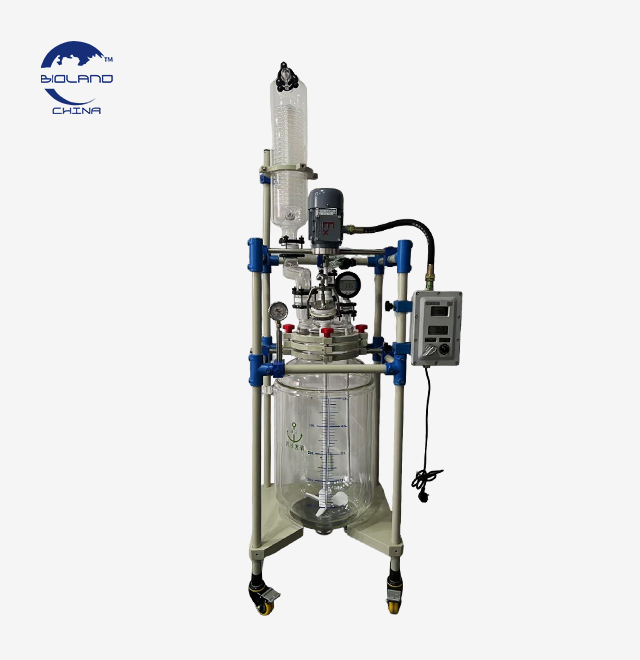
The reactor is beautifully mirror-polished and fully complies with GMP requirements for the pharmaceutical industry. The performance is excellent! Overall, we are very satisfied! We also provided with some feedback on our process improvements, which we hope will be helpful.
2024-04-09
Laboratory
Excellent and professional service. Always reply our questions very fast. All reactors and chiller we received are good too.
2024-02-15
Research Institute
Quality is beyond our expectation actually. After we got the extraction equipment and started using it, the performance was beyond our expectation. Very easy to use and very efficient to run. Service always respond us very quickly. Was also very helpful to help us. Thanks Bioland team. Very happy to work with you.
2023-11-20
Biotech Company
We are happy about the new purchase as always. Equipment and services are both good.
2023-08-05
Instrument Lab
This is the second order with Bioland instrument and everything is good as the first dateText.
2023-05-12
Global Trading Partner
Bioland instrument team is very helpful and professional. The sales helped us select the right equipment for our application, and their logistics people handled the transportation and customs declaration for our shipment. All that saved us a lot of work.