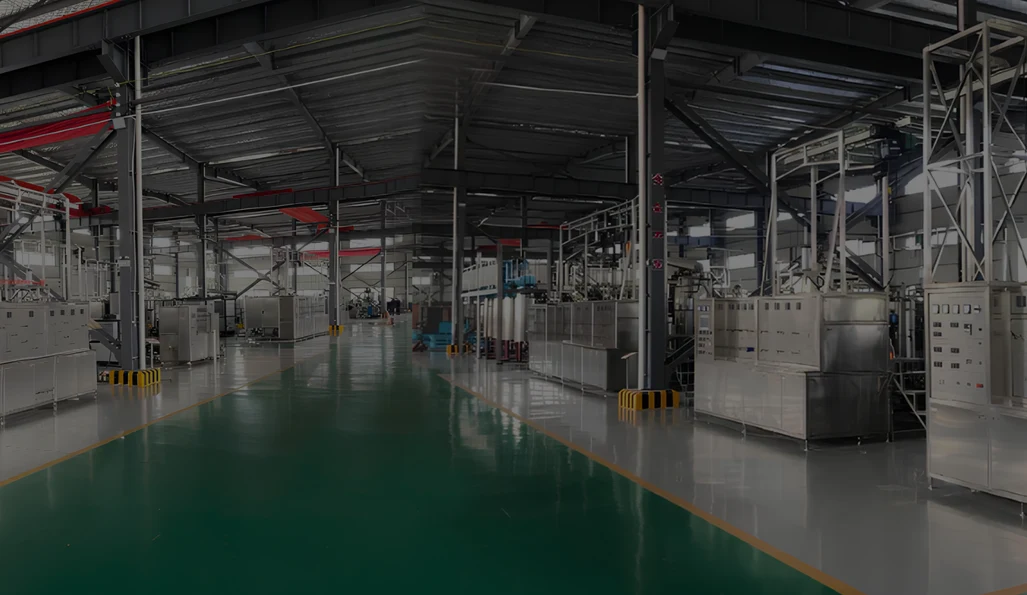
What is a herbal extraction unit? How does it work?
May 20, 2026
In order to separate bioactive substances from plant-based raw materials, such as alkaloids, flavonoids, essential oils, and terpenes, a herbal extraction unit uses complex industrial processing equipment. These units use controlled variables like temperature, pressure, and the behavior of the solvent to get the most out of the material while keeping heat-sensitive phytochemicals intact. Modern extraction systems are different from traditional maceration methods because they use closed-loop liquid recovery, automated controls, and vacuum operation to make sure they always get high-purity extracts that can be used in food, medicine, cosmetics, and nutraceuticals. The technology solves important problems like cutting down on extraction time by more than two-thirds, keeping heat damage to a minimum, and making sure that GMP and FDA standards are met in controlled production settings.
Comprehending the Herbal Extraction Unit: Definition and Components
Core Function and Purpose
Modern machinery for extracting plants is what makes medicine and nutritional products possible. These systems take raw plant material and turn it into pure liquids with set amounts of active ingredients. Getting the most mass transfer efficiency—extracting target chemicals while leaving behind useless ones—is the main goal. The selectivity lowers the prices of purification further down the line and speeds up the time it takes for new formulas to reach the market.
Process engineers like these systems because they fix output problems that have been going on for a long time. Traditional open-tank percolation methods take between 8 and 12 hours per batch and give variable results. When compared to traditional methods, industrial-grade extraction equipment cuts cycle times to 24 to 40 minutes and increases yields by 50 to 100 percent. Increasing speed has a direct effect on the amount that can be made and how profitable the business is.
Essential System Components
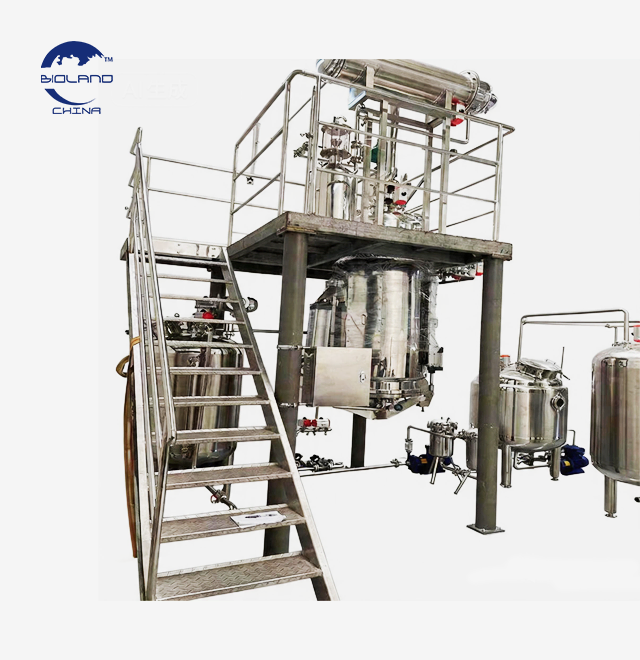
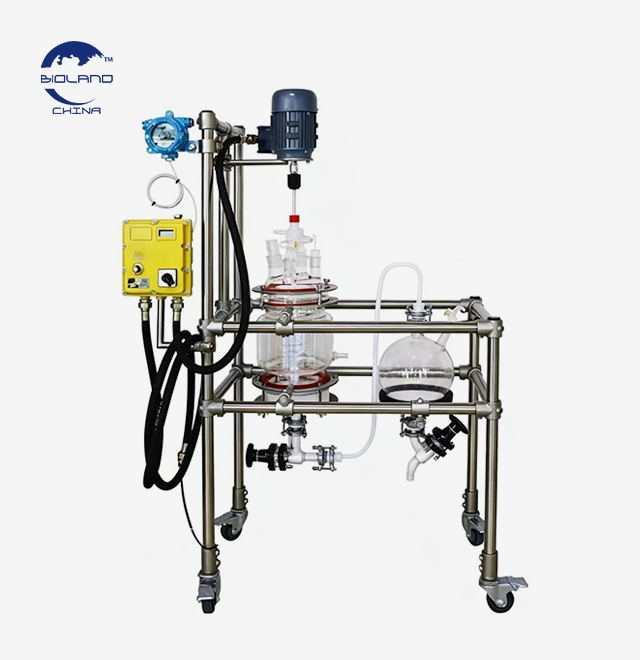
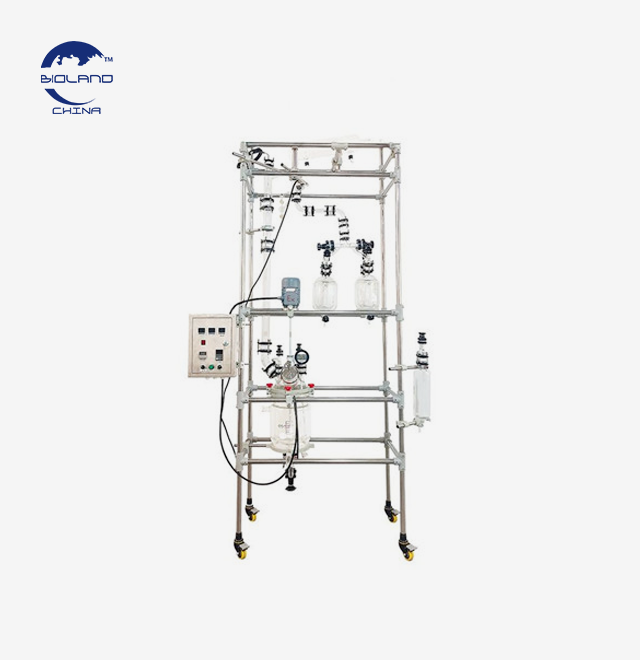
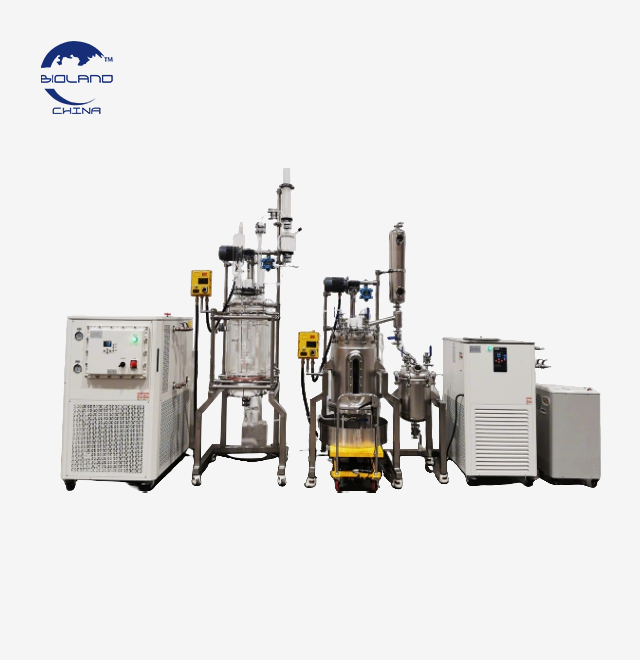
Each extraction system is made up of several parts that work together. The extraction tank is the most important part of the process. It is usually made of 316L stainless steel and has an electropolished finish on the inside that is less than 0.4µm thick. This mirror finish keeps germs from sticking and makes it easier to clean thoroughly between batches. The design of the vessel includes jacketed walls that can be set up in either a dent or a coil shape. This lets the temperature be precisely controlled by heat transfer fluids that circulate.
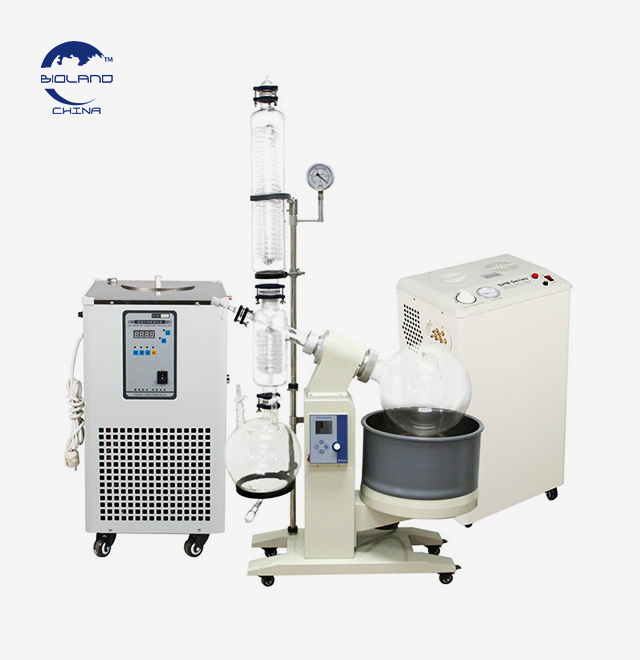
The condenser unit collects solvents that have evaporated and turns them back into liquids so that they can be recycled. Dual-condenser setups improve recovery rates by collecting both the main solvent fumes and small amounts of volatile chemicals. Filtration units use mesh screens, filter plates, or rotary separators, based on the particle size distribution, to separate solid plant material from liquid extract. The evaporator concentrates weak extracts by getting rid of extra liquid in a vacuum, while working at lower temperatures to protect chemicals that break down easily.
During extraction, agitation systems keep the mixing steady. The speed of the propeller is controlled by variable frequency drives. The blade designs (anchor, turbine, or ribbon types) are chosen based on the viscosity of the mixture and the shear forces that are needed. When working with explosive solvents like hexane or ethanol, more advanced units have motors that are approved for ATEX Zone 1 or Class 1 Division 1 and can't explode.
Material Selection and Safety Integration
Material suitability is very important when choosing extraction tools. Surfaces that come into contact with acidic or alkaline extraction fluids must not rust while still meeting clean standards. Compared to standard 304 types, stainless steel 316L is better at resisting chlorides and organic acids. Gaskets and seals need to be carefully specified. PTFE (Teflon) and Kalrez materials don't swell in polar or non-polar solvents, so they keep equipment running smoothly for a long time.
Safety features keep both users and the structure of the product safe. Failures that are too bad to imagine are avoided by pressure release valves, rupture discs, and emergency releasing systems. Temperature interlocks stop the heating if the stirring stops, which keeps one area from getting too hot. When working with explosive fluids, nitrogen inerting systems take the place of oxygen in the headspace, which eliminates the risk of an explosion. Equipment made for extracting ethanol must have the right certifications (CE, ATEX, IECEx) showing that it meets standards for blast safety.
How Does a Herbal Extraction Unit Work? The Complete Process Explained
Raw Material Preparation and Loading
Preparing the material correctly is the first step to a successful extraction. Grinding, crushing, or breaking plant materials reduces their size so that more surface area is exposed to the extraction solvent. The speed of extraction is directly related to the size of the particles. Finer materials remove faster, but they may make filtering more difficult. The amount of moisture needs to be changed because too much water weakens the polarity of the solvent and makes extraction less selective.
Plant material that has been prepared is put into the extraction tank through hatches or holes on the top. Channeling happens when a liquid runs more slowly through certain paths than it contacts all the material evenly. This can be avoided by properly loading the material. A lot of systems have automatic charging systems that measure exact amounts, making sure that there is stability from batch to batch, which is important for approved pharmaceutical processes.
Extraction Method Selection and Operation
Different chemical properties can be taken into account by using more than one extraction method. Solvent extraction is the most flexible method because it can dissolve target molecules in ethanol, water, or hydrocarbon liquids. The unit moves a heated liquid through the plant matter. The temperature stays between 40°C and 60°C to keep the speed of extraction at a good level and prevent thermal damage. Vacuum operation drops the boiling points of solvents, which lets them be extracted effectively at lower temperatures that protect sensitive components.
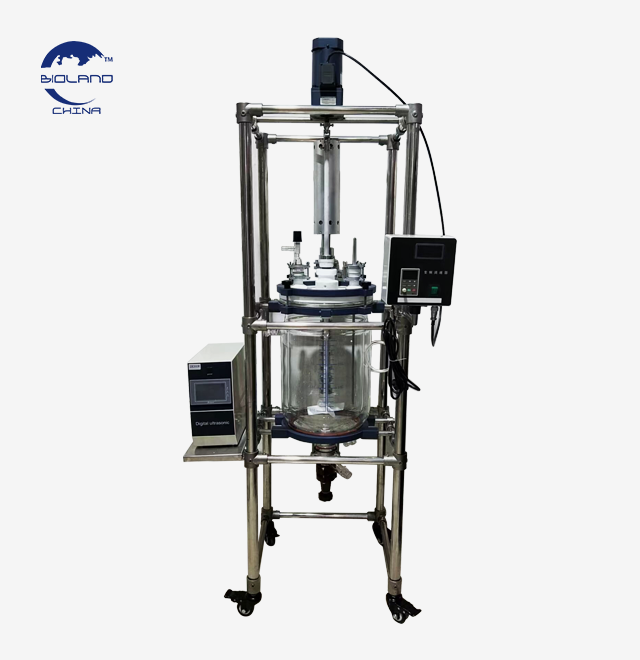
Ultrasonic-assisted extraction (UAE) uses high-frequency sound waves to break down the walls of plant cells, which speeds up the release of compounds. This mechanical disruption cuts down on the time and amount of liquid needed for extraction. Advanced systems have dual-ultrasonic setups that put sensors inside the vessel and on the jacket outside. This makes the acoustic fields uniform throughout the mixture. This technology works especially well for getting chemicals out of tough, woody things like bark and roots.
Steam distillation is a good way to get volatile compounds out of things, like essential oils and fragrance compounds. The system puts steam into the plants, which turns volatile chemicals into vapors that condense in the storage jar. Organic solvent extraction (OSE) uses hexane or other non-polar solvents to target chemicals that are lipophilic. Alcohol precipitation (AP) takes out proteins and polysaccharides that aren't needed from fresh extracts.
Separation, Concentration, and Recovery Stages
Once the extraction is done, the herbal extraction unit separates the liquid extract from the solid plant matter. Pressure filtering pushes liquid through filter media, which keeps used plant matter. Some systems have automatic discharge devices that move filtered solids to trash gathering using pneumatics. This keeps the system running in a closed loop. The filter, which has the target chemicals dissolved in it, moves on to concentration.
By vacuum evaporation, extra liquid is removed, which raises the concentration of the extract from the normal 5–10% to 30–50% or higher. Working in a vacuum (usually -0.8 to -0.95 bar) lets liquids evaporate at 40 to 50°C, which keeps medicinal chemicals from breaking down at high temperatures. Thin-film evaporators or falling-film designs are the best ways to move heat while keeping the time it spends exposed to heat to a minimum.
Solvent recovery systems collect evaporated liquids so they can be used again. This cuts down on both operating costs and pollution. After going through activated carbon screens that get rid of small amounts of impurities, the condensed solvent goes back to the holding tanks. When you connect the extraction, concentration, and recovery sections in a closed loop, you can recycle more than 95% of the solvent. This makes the process much more cost-effective than when you only use solvent once.
Automation and Process Control
When extraction is done by hand, the user has to keep their eye on the temperature, timing, and transfer processes at all times. Programmable logic controllers (PLCs) are used in automated systems to carry out set recipes and control hundreds of process factors at the same time. The operators only need to choose the right mix, and the PLC will take care of the valve sequence, heating and cooling cycles, agitation speeds, and vacuum levels during the extraction campaign.
Full automation has many benefits besides just saving jobs. Precise control of parameters guarantees repeatability from batch to batch, which is important for quality assurance and following the rules. Data logging makes full production records that list every process variable. This helps with checking needs and debugging. Engineers can keep an eye on multiple production lines at once using remote tracking, and they can quickly fix any problems that arise.
Benefits and Practical Applications of Herbal Extraction Units
Performance Advantages and Economic Impact
There are several ways that advanced extraction technology changes the economy of production. When extraction rate goes up by 50 to 500%, more product is made from the same amount of raw materials, or the same amount of output is made from a lot less fuel. The biggest changeable cost in processing plants goes down because of these increases in yield. Shorter extraction cycles—often 24 to 40 minutes instead of 8 to 12 hours—increase the capacity of tools without spending more money.
Lower working temperatures protect chemicals that break down easily at high temperatures that break down in normal processes. This thermal safety keeps the extracts' biological activity and market worth. This is especially important for medicinal uses that need to meet strict potency standards. Lower levels of impurities in concentrated extracts make further cleaning easier, which cuts down on processing costs and speeds up production plans. Higher returns, better quality, faster output, and lower costs are just a few of the benefits that build over time and give businesses big advantages in the market.
Clean-in-Place (CIP) methods in equipment cut down on the time needed to switch between products. Cleaning processes that are automated use fixed spray balls to give detergent, rinse, and sanitizing solutions at set times. This method gets rid of the need to clean by hand while still offering proven, repeatable cleanliness. With modular setup choices like solvent recovery, explosion-proof systems, and automatic discharge, current herbal extraction unitmodels can be used in a wide range of production settings, from small lab quantities to large industrial amounts.
Industry Applications and Case Studies
Extraction machinery is used by pharmaceutical companies to separate Active Pharmaceutical Ingredients (APIs). To keep the antimalarial compound artemisinin from breaking down when it is extracted from sweet wormwood, for example, the temperature must be carefully controlled. Systems that work at 40°C to 60°C in a vacuum keep the API stable while getting the extraction accuracy needed for business reasons. The controlled atmosphere makes sure that each batch is consistent and meets the strict requirements of the pharmacopoeia.
Standardized plant supplements are made with these methods by companies that make nutraceuticals. Curcumin extraction from turmeric, which aims for 95% pure, is an example of the amount of accuracy needed. The conditions for extraction must break down curcuminoids only, leaving behind starches, fibers, and other matrix components. Target specs are met by optimizing the process by matching the polarity of the solvent, the temperature, and the time. The technology can be used to make stevia, propolis, capsaicin, and mushroom products, all of which were successful in their production lines.
Low-temperature extraction keeps delicate scent profiles, which is useful for making cosmetic ingredients. To make rose oil and lavender pure, volatile organic molecules that give fragrances their unique qualities must not be oxidized. These delicate ingredients are kept safe by vacuum operation, which delivers ingredients that are highly valued in personal care markets. Food uses, like natural colorants, flavoring extracts, and functional ingredients, also rely on gentle extraction methods that keep the nutritional and sensory qualities.
Maintenance, Safety, and Capacity Guidelines for Optimal Operation
Preventive Maintenance Protocols
Systematic repair that is done on time and according to the manufacturer's instructions is needed for reliable performance. Gasket integrity, seal state, and pressure gauge precision are checked every day. Each week, chores like lubricating the agitator bearings, cleaning the filters, and checking the liquid level are due. As part of monthly maintenance, safety valves are tested, temperature sensors are calibrated, and the integrity of the jacket is checked for damage or rust.
During yearly thorough checks, the whole system is taken apart so that it can be inspected from the inside. Electropolished surfaces are checked for cracks or roughness that could mean rusting has started. Runout measurements are done on agitator shafts to make sure that vibrations aren't caused by worn bearings. As required by ASME Section VIII, pressure tanks are tested hydrostatically to make sure they can continue to be used for their intended purpose under pressure. Recording all upkeep tasks makes historical records that help with warranty claims and following the rules.
When it comes to expert upkeep and troubleshooting, OEM support is very helpful. Manufacturers keep extra parts for important parts like gaskets, seals, and agitator units in stock so that they can be replaced quickly and with little downtime. Technical support teams help with questions about legal compliance, process improvement, and upgrading equipment. By working with companies like BIOLAND, which has over 15 years of experience in the field, you can get access to technical knowledge that has been built up over thousands of installations.
Safety Compliance and Operator Training
To safely use extraction tools, you need to know about both mechanical and chemical risks. To operate a pressure vessel, you need trained people who know how to start up and shut down the vessel, what to do in an emergency, and how the pressure release system works. Handling solvents poses health and fire risks. When moving flammable liquids, they need to be grounded or bonded, and workers need to wear the right breathing protection when they might be exposed.
International safety standards like ISO, CE, UL, SGS, ATEX, and IEC make sure that the design of tools includes the right safety features. Explosion-proof electrical parts, pressure tank structure, and safety system performance are all checked for certification. GMP-compliant designs make sure that the building, materials, and operation of tools meet the quality standards for pharmaceuticals. This includes features that keep things clean, the ability to track materials, and proven cleaning methods.
Full training for operators includes both normal operations and what to do in an emergency. The staff learns how to turn on the equipment, follow a plan, do regular sampling, and shut down normally. Loss of cooling, liquid leaks, pressure changes, and power outages are all covered in emergency training. Hands-on training during installation completion, which is often part of a turnkey job, helps operators learn faster and feel more confident.
Capacity Selection and Customization Considerations
When picking the right tools size, you need to look at more than just the number needs. Sizes of vessels range from 10 liters to 5,000 liters or more, depending on the production scale (laboratory, test, or full commercial). To figure out daily processing capacity, batch frequency estimates take into account how long it takes to extract, clean, and switch between processes. Energy usage analysis checks how much steam, cooling water, compressed air, and energy are needed to make sure that the building's infrastructure can support the running of the equipment.
Options for customization meet the needs of a particular process. Dual-ultrasonic setups make it easier to extract tough botanical materials. If you choose to use it, the 316L stainless steel design will fight corrosion better in harsh liquids or acidic feedstocks. Solvent recovery systems that are made to work with certain solvents improve the cleanliness and speed of condensation. CIP systems that are made for specific product patterns make sure that all product lines are cleaned effectively.
Planning for growth affects choices about what tools to buy. Adding parallel extraction tanks, extra concentration capacity, or better recovery systems to modular designs lets you increase capacity without having to replace the core equipment. Being ready for automation means that the control system can be upgraded in the future when production levels allow for higher levels of automation. OEM/ODM services allow customized solutions that include planning the workplace, choosing the right equipment, installing it, starting it up, and giving technical training. This gives companies the ability to make everything they need in one place.
Comparing Herbal Extraction Units: Making the Right Procurement Decision
Technology and Material Considerations
When comparing extraction methods, procurement teams look at a number of technical factors. The most important thing is that the equipment works with all the extraction methods that are needed, whether they are solvent extraction, steam distillation, ultrasonic-assisted extraction, or organic solvent processing. Multi-process compatibility gives businesses more freedom to make different kinds of products with just one set of tools, instead of buying separate systems for each extraction method.
Material building has a big effect on how long equipment lasts and how much it costs to maintain. Stainless steel 316L is more resistant to corrosion than 304 types, which makes the small price difference worth it because it lasts longer and needs less upkeep. How well you can clean and keep things from getting dirty is affected by the quality of the surface finish. Electropolished innards (Ra <0.4µm) have smoother surfaces than normal mill finishes, which means they are easier to clean and use less chemical. While glass-lined equipment is chemically neutral, it can be fragile and has limits on temperature shock that make it unsuitable for some uses.
Details show how well the construction was done: the depth and finish of the welds, the placement of the flanges, the accuracy of the seal grooves, and the integrity of the jacket. When you buy from companies that have ISO approval, you can be sure that their production processes are governed by quality management systems. Factory acceptance testing (FAT) before shipment lets buyers check that the equipment works as expected and meets specs, proving compliance before the shipping costs are spent.
Automation Level and ROI Analysis
Manual herbal extraction unit units need an operator to be present during the whole process so that temperatures can be changed, extraction steps can be timed, and moves between vessels can be coordinated. This level of work intensity means that output can only happen during one shift, and it also causes variations because of human factors. Basic controls, like temperature maintenance and planned scheduling, are built into semi-automated systems. These systems make the job of operators easier while still requiring them to make important decisions by hand.
Fully automated PLC-controlled systems get rid of boring chores that operators used to do, so they can watch over more than one production line at the same time. Automation usually costs 30 to 50 percent more to install at first than human alternatives. When figuring out ROI, you have to take into account things like less work that needs to be done, higher capacity, better yields from exact control, and fewer batches that need to be thrown away. In middle to high-volume production, automation usually has payback times of 18 to 36 months.
The method for making decisions compares the amount of work to the cost of labor. When output is low-volume and high-mix, manual freedom is best. When you have a lot of standard, high-volume production, you can save money over the life of the tools by investing in automation. Automation-ready designs help businesses that are growing because they let them adopt automation in stages. For example, they can buy manual units with PLC hardware already wired in so that they can add a control system later on as demand rises.
Warranty, Service, and Total Cost of Ownership
The price of buying equipment is only one part of the total cost of ownership. Warranty terms—usually one year for quality problems—protect the original investment, but procurement managers need to know if there will be assistance in the long run. Lifetime maintenance agreements from providers make sure that you can get professional help when problems arise in production. Having spare parts on hand is important for reducing downtime, and sellers who keep wear parts in stock make it possible to quickly get back to work.
Quality of service after the sale is what sets equipment sellers apart. Respondent technical support answers questions about process improvement, helps with problems, and gives advice on how to follow regulations. Manufacturers that offer OEM/ODM services show that they have the technical skills to support changes, capacity increases, or process adaptations in the future. Planning, installation, commissioning, and training of operators are all part of a turnkey project. This lowers the risk of execution and speeds up starting.
Price ranges show how complex and large the equipment is. Laboratory-scale units (10–50 liters) usually cost between $15,000 and $50,000. Systems on a pilot scale (50 to 500 liters) cost between $50,000 and $200,000. Depending on the level of technology, the materials used, and the level of tailoring, industrial production units (500 liters or more) cost $200,000 to $1,000,000 or more. When making choices about what to buy, people weigh the up-front cost against what the equipment can do. They know that high-quality equipment has better performance, stability, and longevity, which more than covers the initial investment through years of useful service.
Conclusion
When choosing the right herbal extraction unit you have to think about how well it works technically, how efficiently it runs, how well it follows regulations, and how much it costs. Modern systems are much better than old ones because they have much shorter cycle times, much higher outputs, better quality because of gentler processing conditions, and automatic operation that lowers the cost of labor. These benefits directly affect how competitive you are by lowering production costs and making better products. When an organization moves from the lab to the pilot scale, increases its capacity, or replaces old equipment, it's best to work with experienced makers that can provide full solutions, from the initial advice to ongoing operating support.
FAQ
Q1: What Material Should I Choose for Maximum Durability and Safety?
A: The best performance is achieved with stainless steel 316L in most medicinal and nutraceutical uses. Because it has more molybdenum than normal 304 types, 316L is more resistant to chlorides and organic acids. Electropolished surfaces (Ra <0.4µm) make cleaning easier and stop microbes from sticking, which is important for GMP compliance.
Q2: How Often Should Maintenance Be Performed?
A: Every day, the gasket's durability and the correctness of the pressure gauge are checked. Cleaning the filters and checking the liquid level are weekly chores. Safety valve checking and sensor tuning are two things that are done every month. Complete disassembly, an internal study, and hydrostatic pressure testing are all parts of an annual thorough inspection.
Q3: Can Extraction Units Be Customized for Specific Production Needs?
A: Modern makers allow for a lot of flexibility, which works for a wide range of uses. Optional dual-ultrasonic setups make extraction work better. Solvent recovery systems are designed to work best with certain solvents, which improves the performance of condensation. CIP systems are made to work with certain types of products. OEM/ODM services offer full solutions that include workshop planning, equipment selection, installation, testing, and training for operators.
Partner with BIOLAND for Superior Herbal Extraction Solutions
BIOLAND INSTRUMENT has been making high-quality distillation, extraction, and concentration tools for over 15 years and is ready to help you with your plant processing needs. Our herbal extraction unit units get 50–100% higher yields than traditional ways while still following GMP guidelines during design, production, and use. We can make any changes you want, from using 316L stainless steel and two ultrasonic settings to fully automatic PLC control systems and explosion-proof designs that meet ATEX and IECEx standards.
Each system can be set up in a variety of ways, and each one can collect solvents, clean with CIP, or release automatically. Our expert team helps with everything, from the first meeting to installation, commissioning, operator training, and ongoing upkeep. As a top herbal extraction unit provider, please contact our experts at info@biolandequip.com to talk about your unique needs and find out how our tried-and-true extraction technology can help you improve your production efficiency and product quality.
2. Chen, L., Zhou, M. & Zhang, H. (2021). "Ultrasonic-Assisted Extraction Technology for Bioactive Compounds from Medicinal Plants." Journal of Pharmaceutical Engineering, 41(3), 215-230.
3. European Medicines Agency. (2020). Guideline on Good Manufacturing Practice for Herbal Medicinal Products. EMA/HMPC/246816/2005 Rev. 2.
4. Rodriguez, A.M. & Patel, S.K. (2023). "Optimization of Solvent Extraction Parameters for Phytochemical Recovery." Industrial Biotechnology Review, 18(2), 145-162.
5. International Society for Pharmaceutical Engineering. (2019). Baseline Guide: Aspects of Design of Pharmaceutical Fluid Bed Systems. ISPE, North Bethesda, MD.
6. Thompson, D.E., Kumar, V. & Anderson, P.L. (2021). "Economic Analysis of Botanical Extract Production: Technology Comparison and Cost Modeling." Chemical Engineering Economics, 56(4), 412-428.
The reactor is beautifully mirror-polished and fully complies with GMP requirements for the pharmaceutical industry. The performance is excellent! Overall, we are very satisfied! We also provided with some feedback on our process improvements, which we hope will be helpful.
2024-04-09
Laboratory
Excellent and professional service. Always reply our questions very fast. All reactors and chiller we received are good too.
2024-02-15
Research Institute
Quality is beyond our expectation actually. After we got the extraction equipment and started using it, the performance was beyond our expectation. Very easy to use and very efficient to run. Service always respond us very quickly. Was also very helpful to help us. Thanks Bioland team. Very happy to work with you.
2023-11-20
Biotech Company
We are happy about the new purchase as always. Equipment and services are both good.
2023-08-05
Instrument Lab
This is the second order with Bioland instrument and everything is good as the first dateText.
2023-05-12
Global Trading Partner
Bioland instrument team is very helpful and professional. The sales helped us select the right equipment for our application, and their logistics people handled the transportation and customs declaration for our shipment. All that saved us a lot of work.