Ultrasonic vs. Traditional Cannabis Extraction Methods
May 20, 2026
Professionals are looking at ultrasonic herbal extraction equipmentmore and more as a modern option to traditional methods when they are looking at extraction technologies for processing cannabis. Maceration, solvent extraction, and steam distillation are some of the older methods that have served the industry well, but they have some problems that modern production centers can't ignore. Ultrasonic extraction uses high-frequency sound cavitation to break down plant cell walls and release cannabinoids and terpenes very efficiently while keeping the working temperature low. This change in technology solves important buying problems related to improving yield, speeding up production, making sure safety rules are followed, and managing long-term costs that have a direct effect on your bottom line.
Limitations of Traditional Cannabis Extraction Methods
Process Inefficiencies and Extended Timelines
With traditional extraction methods, chemicals have to be in contact with plant matter for a long time. This means that processing rounds can last for hours or even days. For maceration, which is often used in smaller operations, to get good results, the mixture has to be stirred continuously for 6 to 12 hours. In the same way, steam distillation takes a lot of time and energy—each batch usually takes 4 to 8 hours.
These longer deadlines directly limit your production capability, making it harder to grow your business or meet market needs quickly. Because of their slow mass transfer rates, these methods mean that even under ideal conditions, a lot of valuable compounds stay trapped in plant materials. This makes the total extraction process 30–50% less effective than current options.
Safety Hazards and Regulatory Compliance Concerns
Traditional extraction relies on organic solvents that are easily caught on fire, such as ethanol and butane. Ultrasonic herbal extraction equipment, however, offers a safer alternative by using mechanical energy rather than flammable solvents. This poses a big safety risk in the workplace. Without the right explosion-proof infrastructure, these volatile chemicals can catch fire, which will cost a lot and require a lot of training for staff. A lot of places that use old tools find it hard to keep up with the changing OSHA rules and local fire codes.
Aside from safety concerns, leftover solvent pollution is still a problem when it comes to quality control. If the solvent recovery isn't thorough, it can leave small contaminants in the final extracts, which could be higher than the levels set by the FDA and state cannabis authorities. These noncompliance issues lead to expensive product recalls, fines from regulators, and damage to the company's image that far outweighs the original costs of buying the equipment.
Compromised Compound Integrity
Cannabinoids and oils that are sensitive to heat break down when they are exposed to high temperatures that are common in traditional ways. Steam distillation works at 100°C or higher, while normal solvent extraction needs to be heated to 60–80°C to keep the rates of extraction high enough. This heat damage ruins delicate terpene profiles and turns THCA into THC too quickly, which lowers the quality and therapeutic worth of full-spectrum extracts. Traditional equipment doesn't always give the same results, which makes it harder for R&D teams to standardize product formulas or move processes from the lab to production settings.
Introduction to Ultrasonic Extraction Technology
Core Technology Principles
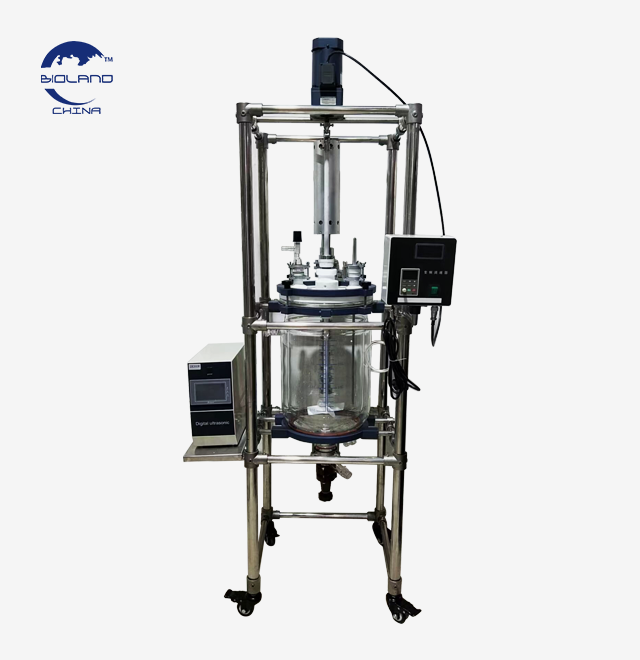
High-intensity sound waves, usually between 20kHz and 28kHz, create acoustic cavitation, which is how ultrasonic extraction works. Piezoelectric sensors are used in industrial ultrasonic systems to turn electrical energy into mechanical vibrations. These vibrations are sent straight into the extraction vessel through titanium alloy probes. These movements make tiny vacuum bubbles in the solvent that violently pop near the walls of plant cells. This creates pressures higher than 1,000 atmospheres and tiny jets that damage the structures of cells. This cavitation process makes it easy for chemicals inside cells to move instantly into the solvent around them without using thermal energy. This keeps heat-sensitive bioactive molecules safe during the extraction cycle.
Equipment Architecture and Integration Benefits
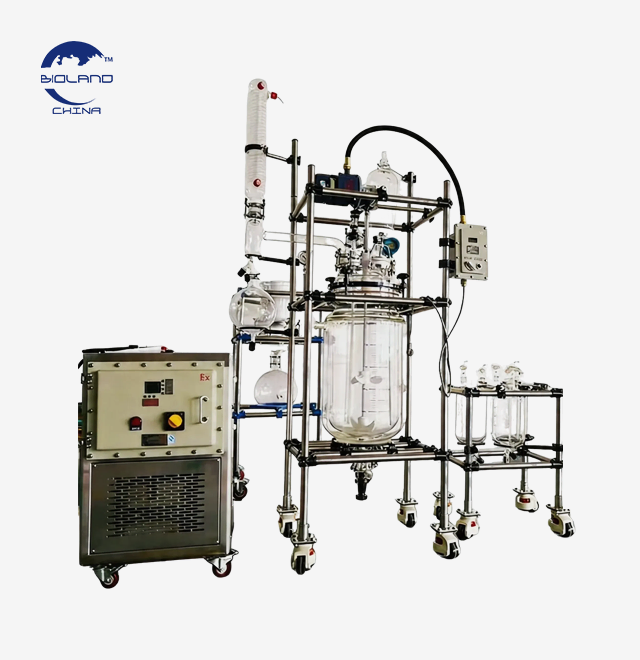
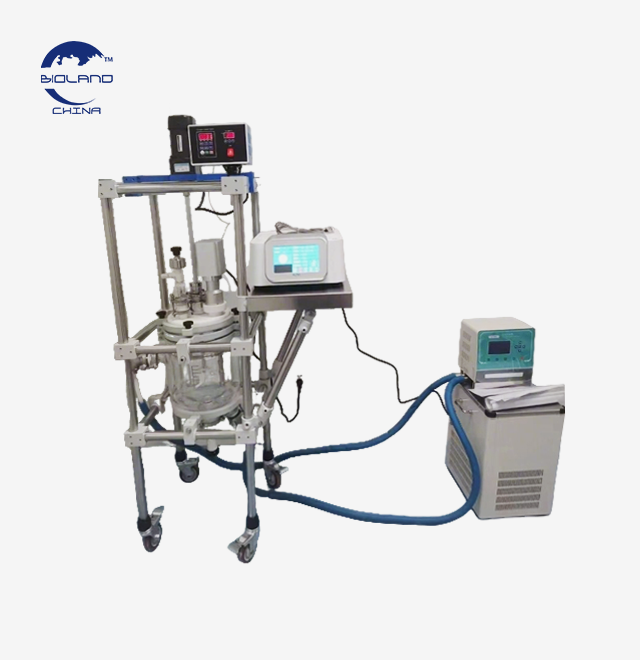
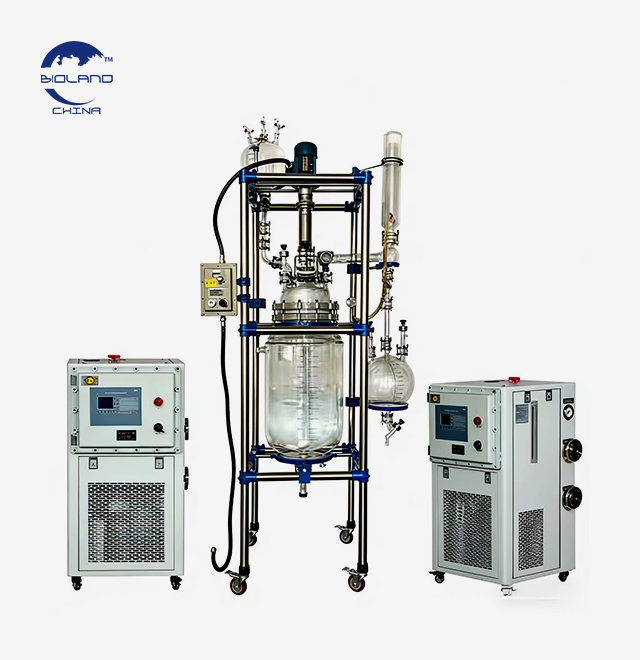
Modern ultrasonic herbal extraction equipment systems are made up of separate modules that can be easily added to current production lines. The main parts are frequency-tracking generators that keep the best resonance even if the load viscosity or temperature changes, reaction tanks with jackets and active cooling systems, and modules that automatically restore the solvent.
Advanced units have PLC automation for full process control, and touchscreen screens let workers set settings for extraction and see real-time performance data. This automation cuts down on the number of workers needed and ensures accuracy from batch to batch that can't be achieved with human methods. The equipment has a smaller footprint than standard extraction tanks. This means that facilities can increase processing capacity without having to expand, which gives them an instant return on investment by making better use of space.
Quality and Compliance Standards
All areas that come into touch with the product must meet pharmaceutical-grade standards on equipment that is made to GMP standards. When working with acidic or chlorinated solvents, the corrosion protection of 316 stainless steel design for solvent-contact parts is better. Certified explosion-proof designs that meet ATEX and IECEx standards make it safe to use volatile organic solvents, which is a problem with traditional extraction setups. These safety features are not afterthoughts; they are built into the basic design of the equipment. This makes the process of getting new installs approved by regulators easier.
Comparative Analysis: Ultrasonic vs. Traditional Cannabis Extraction
Yield Performance and Processing Speed
Documented case studies show that ultrasonic herbal extraction equipment is 50–100% more effective than traditional methods, though this depends on the plant material and target compounds. While standard soaking could get back 60–70% of the cannabinoids in 8 hours, ultrasonic processing can usually get 85–95% of them back in just 24–40 minutes. This huge cut in time directly leads to higher throughput—one ultrasonic unit can handle the same amount of material that would need three or four standard extraction tanks. This also lowers the cost of capital equipment by a large amount. Higher mass transfer rates also make it possible to use lower solvent-to-biomass ratios, which lowers the cost of buying solvents by 30–40% and the cost of getting rid of waste at the same time.
Compound Preservation and Product Quality
One of the best things about ultrasound technology is that it can remove things at low temperatures. Working at 40°C to 60°C protects volatile terpene profiles that help with group effects and product differentiation. When using higher temperatures, traditional methods often lose 40 to 60 percent of monoterpenes and sesquiterpenes. This means that makers have to add botanical terpenes again after processing, which is an expensive fix that ultrasonic extraction gets rid of. Cavitation is a violent but localized process that keeps bulk heating to a minimum.
Jacketed cooling systems make it easy to keep precise temperature control throughout the processing. The quality of the extract also improves a great deal. Ultrasonic ways make crude oil that is cleaner and has fewer chlorophylls, lipids, and waxes. This lower pollution load makes it easier to do cleaning steps like winterization and distillation, which lowers the overall cost of production and raises the quality of the end product.
Operational Economics and Environmental Impact
A study of how much energy is used shows that ultrasonic equipment uses 40–60% less electricity per kilogram of extract than standard heated extraction systems. When you combine faster working times, smaller solvent amounts, and lower energy needs, you get very good cost-per-unit economics that get better as you go to larger sizes. Environmental sustainability is becoming more and more important in purchasing decisions. Ultrasonic extraction fits in with companies' sustainability goals because it uses less liquid and doesn't require high temperatures. Increasing safety at work lowers insurance costs and workers' compensation claims, which creates extra financial benefits on top of direct cost saves.
Optimal Ultrasonic Settings and Equipment Selection for Cannabis Extraction
Critical Parameter Optimization
For ultrasonic extraction to work, four factors that depend on each other must be carefully tuned. Choosing a frequency between 20kHz and 28kHz changes the depth and strength of cavitation. Lower frequencies cause more damage, which is good for tough plant materials like hemp stalks. The amplitude setting determines how strong the probe vibrations are. Depending on the sample and vessel volume, they usually work at 60 to 100 percent of their full capacity.
Using jacketed cooling to control the temperature keeps the solvent's best qualities and stops compounds from breaking down. Processing time ranges from 20 to 45 minutes, depending on the size of the biomass particles and how full the extraction needs to be. These factors affect each other in complicated ways inultrasonic herbal extraction equipment. For example, a higher amplitude may shorten processing times but needs more aggressive cooling to maintain target temperatures.
Equipment Capacity and Workflow Compatibility
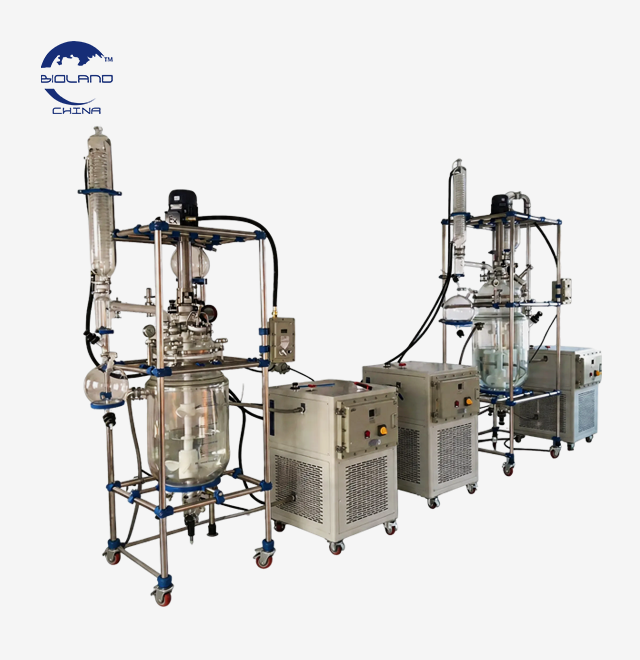
Procurement teams have to make sure that the capacity of the tools they buy matches the production goals while still leaving room for growth in the future. Laboratory-scale units that can handle 5 to 20 liters are used for research and development, and test systems that can handle 50 to 200 liters are used to get to market production. Multiple 500- to 1000-liter vessels are often used in parallel in industrial settings to keep processing going by delayed batch time.
When two different transducer systems work together in the same tank, dual-ultrasonic setups speed up the dissolution process and cut processing time by an extra 20–30%. This is especially helpful when going from lab-optimized settings to full-scale manufacturing. When buying, it's important to pay close attention to how well the equipment works with both upstream biomass preparation systems and downstream sorting systems. How well ultrasonic extraction works with whole production processes depends on how well it can connect to automatic feeding systems, inline filters, and solvent recovery loops.
Maintenance Requirements and Service Support
Ultrasonic systems need to have their transducers inspected and their probes reconditioned as part of regular maintenance. Titanium probes slowly lose their resonant properties due to cavitation loss. Depending on the amplitude settings and solvent chemistry, they usually need to be replaced or fixed up every 800 to 1200 hours of use.
Electrical connections should be checked every three months, the performance of the cooling system should be checked, and the volume should be calibrated. Manufacturers who give full after-sales help add a lot of value by giving repair staff expert training, making replacement parts easy to find, and letting you do online diagnostics that cut down on downtime. If a guarantee covers more than one year, it means that the maker is confident in the equipment's reliability, which should be a big factor in your decision to buy.
Evaluating Manufacturer Credentials and Certifications
Checking the necessary quality certifications is the first step in doing your research before choosing a seller. The CE mark shows that the product meets European safety standards, and the ISO 9001 mark shows that the company uses systematic quality management practices. Look for companies that have ISO, CE, UL, SGS, ATEX, and IEC approvals. These show that the products are safe and meet the standards set by many regulatory bodies.
Companies that have been making botanical extraction tools for 15 years or more have shown that they can stay in the market and have built up tech skills that younger companies can't match. Ask for proof of systems that worked well in similar situations, preferably case studies from operations that extract propolis, capsaicin, curcumin, or mushrooms, which have similar technical problems to cannabis processing.
Total Cost of Ownership Analysis
The purchase price of ultrasonic herbal extraction equipment is only one part of the real cost of the tools. A full financial study should include installation costs like electricity work, plumbing changes, and making the infrastructure more resistant to explosions. Take into account ongoing costs like power use, solvent purchase, repair parts, and replacing parts over time. In medium-sized businesses, energy-efficient designs and better power control methods cut costs by $15,000 to $30,000 a year. Solvent recovery systems, whether they work on their own or with other systems, have a huge effect on the economy because they reuse 85 to 95 percent of extraction liquids.
OEM and ODM capabilities let makers customize equipment configurations to your unique process needs, cutting down on the costs that come with systems that are too big or don't have all the features they need. Turnkey service packages that include planning the workshop, installing the equipment, helping with commissioning, and teaching the operators cut down on project timelines and lower the risk of expensive delays in commissioning.
Logistics and Implementation Support
When you buy something from another country, things like shipping, clearing taxes, and overseeing the installation can get more complicated. Manufacturers who have experience exporting provide specific shipping paperwork, manage freight transfers, and help with customs procedures to avoid delays in clearance. Field service experts are available for on-site installation and testing, which ensures that the equipment is set up correctly and that it works as it should. Comprehensive operator training programs teach people the skills they need to do simple repairs, regular upkeep, and daily operation. How quickly technical support responds has a big effect on operating stability. Manufacturers that give 24-hour technical hotlines and remote diagnostic tools keep production from stopping when problems happen, which costs a lot of money.
Conclusion
There is a lot of proof that ultrasonic extraction technology is much better for quality, efficiency, and cost than standard ways of extracting cannabis. The mix of much shorter processing times, higher compound recovery rates, purer products, and lower running costs makes this a very good deal for facilities of all sizes. Modern ultrasonic herbal extraction equipmentfixes the major problems that have long limited the effectiveness of traditional extraction methods. It also makes the workplace safer and better for the environment. As the cannabis industry grows older and competition gets tougher, extraction speed and product quality become bigger differences between businesses that are doing well and those that are having trouble because they are using old technology.
FAQ
Can ultrasonic equipment safely handle ethanol or other flammable solvents?
When set up correctly, ultrasonic systems can safely handle dangerous solvents thanks to electrical parts that won't explode, control systems that are safe by nature, and ATEX-certified shelters. Our machines have full grounding systems, remote generator placement that keeps ignition sources out of listed dangerous zones, and automatic safety interlocks that stop operation when conditions are not safe.
How does ultrasonic processing prevent degradation of heat-sensitive cannabinoids?
Even though cavitation creates heat in the area where bubbles burst, active cooling devices keep the bulk solution temperature low. Jacketed reaction tanks attached to recirculating chillers remove heat all the time, keeping the temperature of the extraction at 40°C to 60°C throughout the process. The controlled climate keeps thermolabile chemicals that would break down in a normal high-temperature extraction process.
What integration capabilities exist with current production equipment?
Modern ultrasonic extraction systems come with standard process inputs and PLC control that works with most types of production lines. Through standard process control protocols, units can connect to automatic feeding systems, inline filtration assemblies, and downstream concentration equipment. This lets them work with current workflows without having to replace a lot of equipment.
Partner with BIOLAND for Advanced Extraction Solutions
For more than 15 years, Xi'an BIOLAND INSTRUMENT has been making high-precision botanical extraction tools for pharmaceutical, nutraceutical, and botanical manufacturing centers around the world. Ourultrasonic herbal extraction equipment supplier portfolio includes systems that can be changed to fit your needs, from small R&D units for the lab to full production lines for an entire factory. All of these systems are made to GMP standards and have CE, ISO, UL, SGS, ATEX, and IEC certifications.
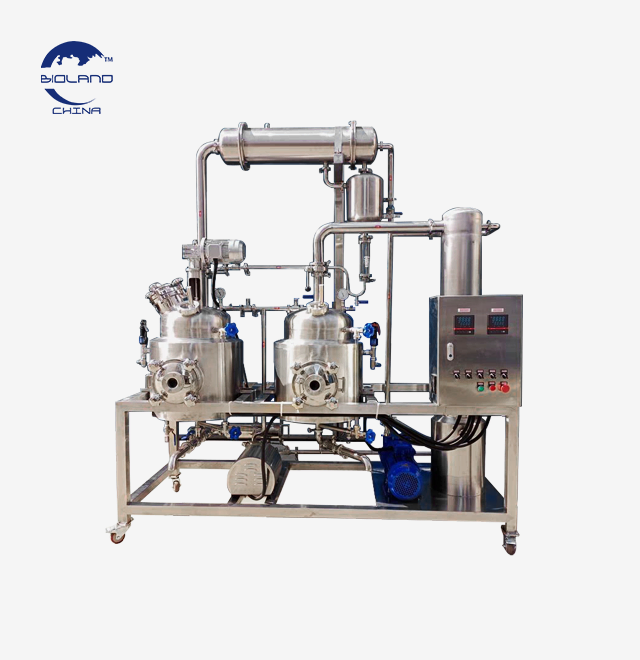
We design dual-condenser setups and possible dual-ultrasonic systems that help with multiple extraction methods on a single platform, such as ultrasonic-assisted extraction, hot reflux, and organic solvent extraction. This makes recovery more efficient and supports these methods. Our technical team offers full turnkey services, from planning the workshop in the beginning to choosing equipment, installing it, starting it up, and providing ongoing technical support. Get in touch with our experts at info@biolandequip.com to talk about your unique extraction needs and get personalized equipment suggestions.
References
1. Chemat, F., Rombaut, N., Sicaire, A., et al. (2017). Ultrasound assisted extraction of food and natural products: Mechanisms, techniques, combinations, protocols and applications. Ultrasonics Sonochemistry, 34, 540-560.
2. Tiwari, B. K. (2015). Ultrasound: A clean, green extraction technology for nutraceuticals and functional foods. Sustainable Food Processing, 1, 357-375.
3. Paniwnyk, L. (2017). Applications of ultrasound in processing of liquid foods: A review. Ultrasonics Sonochemistry, 38, 794-806.
4. Vilkhu, K., Mawson, R., Simons, L., & Bates, D. (2008). Applications and opportunities for ultrasound assisted extraction in the food industry. Innovative Food Science & Emerging Technologies, 9(2), 161-169.
5. Mason, T. J., Paniwnyk, L., & Lorimer, J. P. (1996). The uses of ultrasound in food technology. Ultrasonics Sonochemistry, 3(3), S253-S260.
6. Roselló-Soto, E., Galanakis, C. M., Brnčić, M., et al. (2015). Clean recovery of antioxidant compounds from plant foods, by-products and algae assisted by ultrasounds processing: Modeling approaches to optimize processing conditions. Trends in Food Science & Technology, 42(2), 134-149.
The reactor is beautifully mirror-polished and fully complies with GMP requirements for the pharmaceutical industry. The performance is excellent! Overall, we are very satisfied! We also provided with some feedback on our process improvements, which we hope will be helpful.
2024-04-09
Laboratory
Excellent and professional service. Always reply our questions very fast. All reactors and chiller we received are good too.
2024-02-15
Research Institute
Quality is beyond our expectation actually. After we got the extraction equipment and started using it, the performance was beyond our expectation. Very easy to use and very efficient to run. Service always respond us very quickly. Was also very helpful to help us. Thanks Bioland team. Very happy to work with you.
2023-11-20
Biotech Company
We are happy about the new purchase as always. Equipment and services are both good.
2023-08-05
Instrument Lab
This is the second order with Bioland instrument and everything is good as the first dateText.
2023-05-12
Global Trading Partner
Bioland instrument team is very helpful and professional. The sales helped us select the right equipment for our application, and their logistics people handled the transportation and customs declaration for our shipment. All that saved us a lot of work.