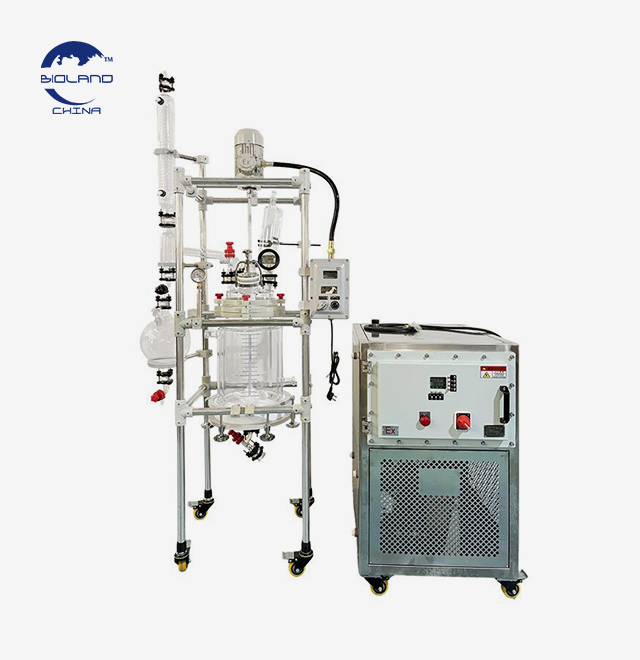
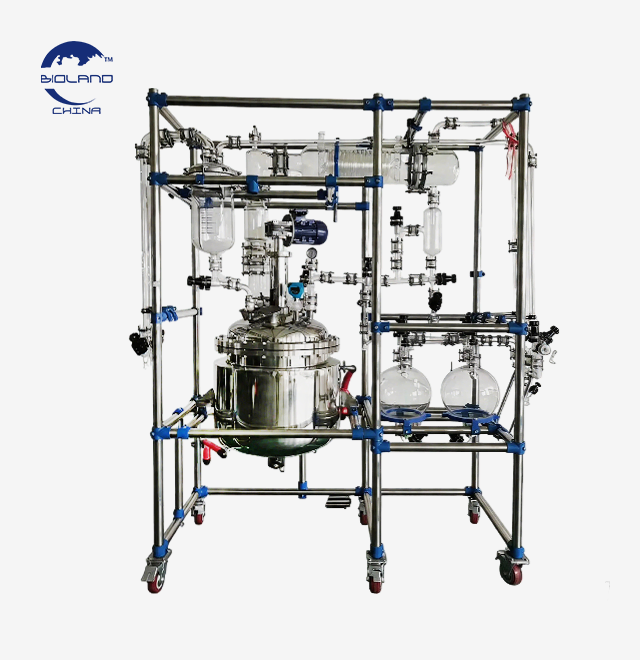
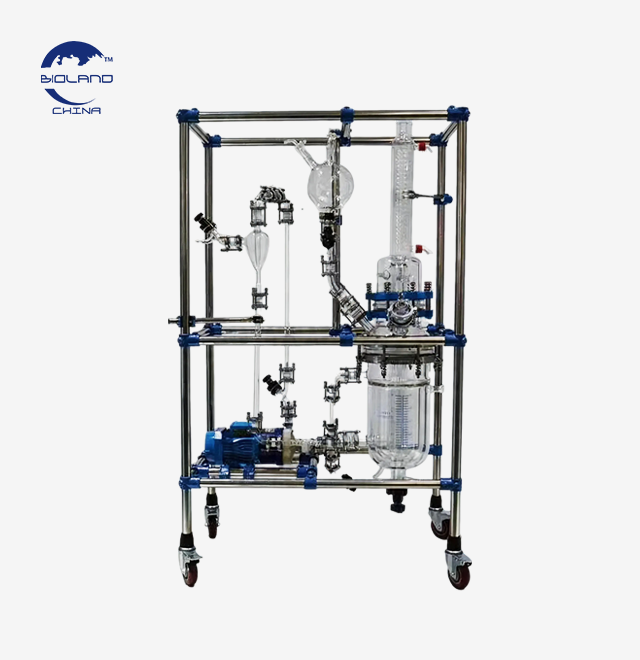
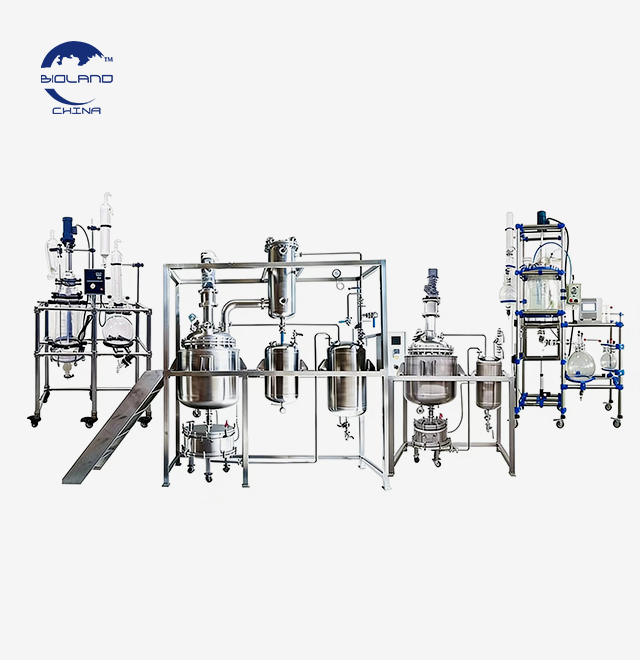
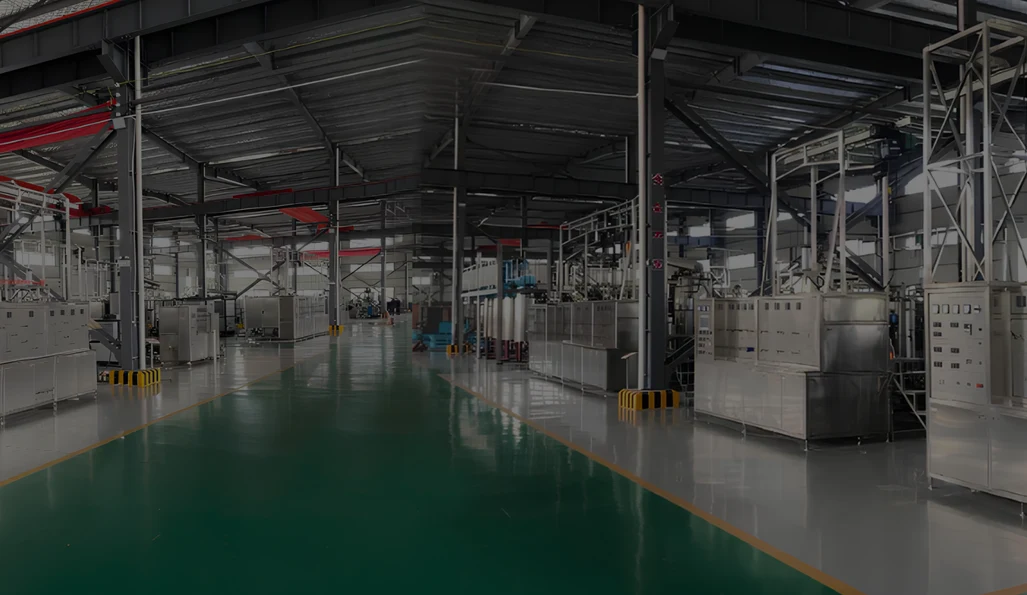
What are the key features to look for when purchasing solid liquid extraction equipment?
Jun 6, 2026
When people are looking to buy extraction systems for washing operations, they need to think about what features will meet their process needs and long-term production goals. The most important ones are measures for measuring how well the extraction process works, controls for automating the process, building materials that meet government standards, and the ability to grow to support both the test and production stages. Additionally, incorporating a solid liquid extraction equipment can further enhance process flexibility and scalability for certain washing applications. Safety approvals, the ability to make changes, and full help after the sale are all very important. When buyers pay attention to these factors, they can get equipment that works well over its entire time and has low working risks and overall ownership costs.
Understanding Solid-Liquid Extraction Equipment – A Comprehensive Overview
Solvent-based extraction methods are essential for making medicines, processing plants, making food ingredients, and synthesizing chemicals. They separate soluble compounds from solid media. These systems use controlled reactions between solvents and solids to separate target compounds, like cannabinoids from plant matter, active medicinal ingredients from plants, or useful compounds from natural materials.
How Extraction Systems Differ from Other Separation Methods
Liquid-liquid separation deals with two fluid phases that can mix or not mix. Leaching equipment, on the other hand, works with mixed mixtures where solid bits release soluble parts into a liquid phase. There are several steps in the process: adding the raw materials, letting the solvent come into touch with them under controlled conditions, improving mass transfer through stirring or sonication, filtering to get rid of the used solids, and recovering the solvent to use it again. Leaching systems are different from distillation columns or centrifuge filters because of the way they work.
Equipment Categories and Operation Modes
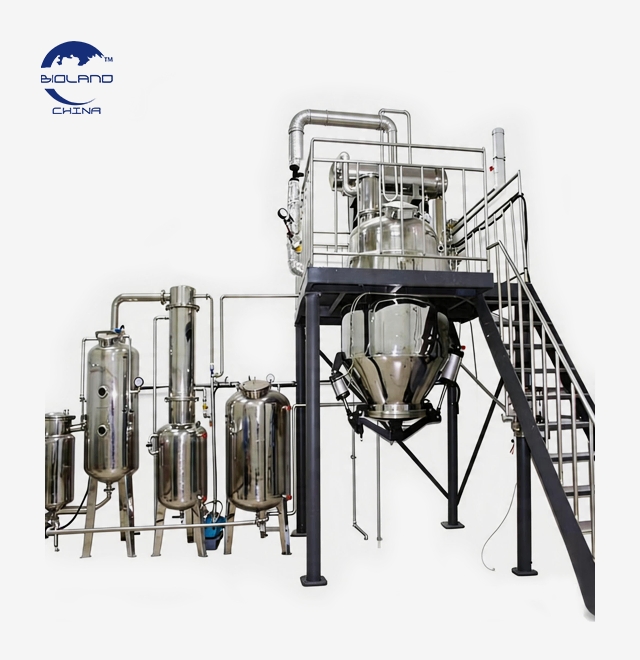
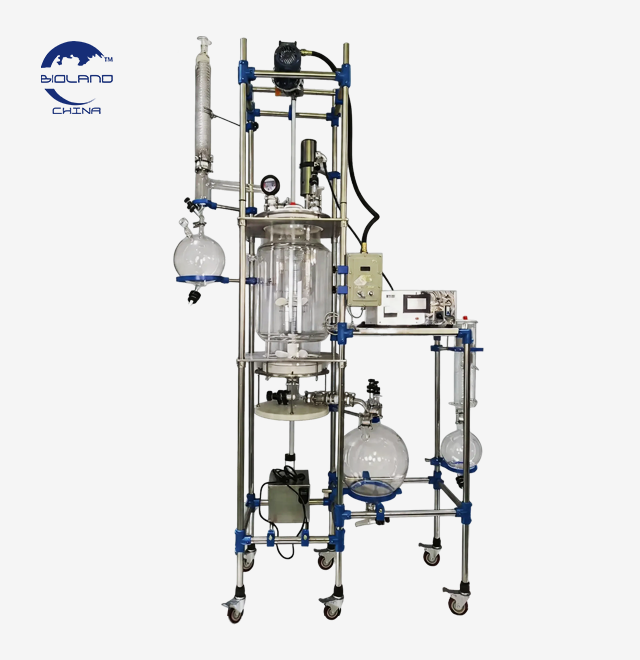
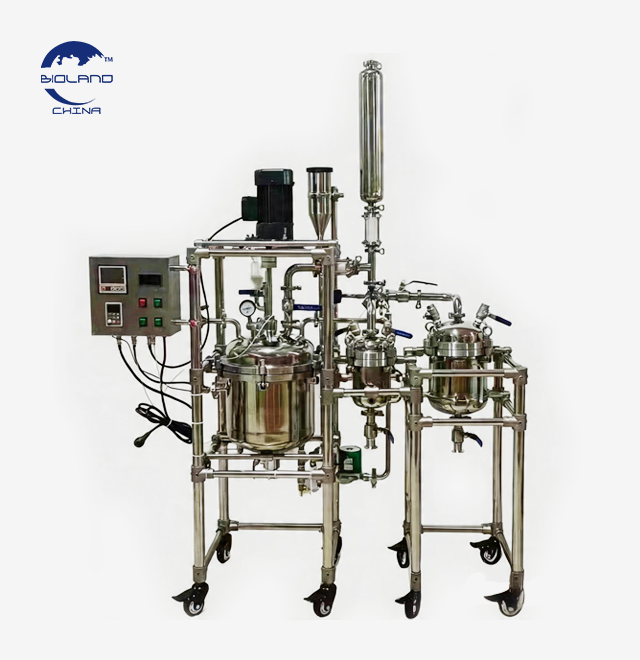
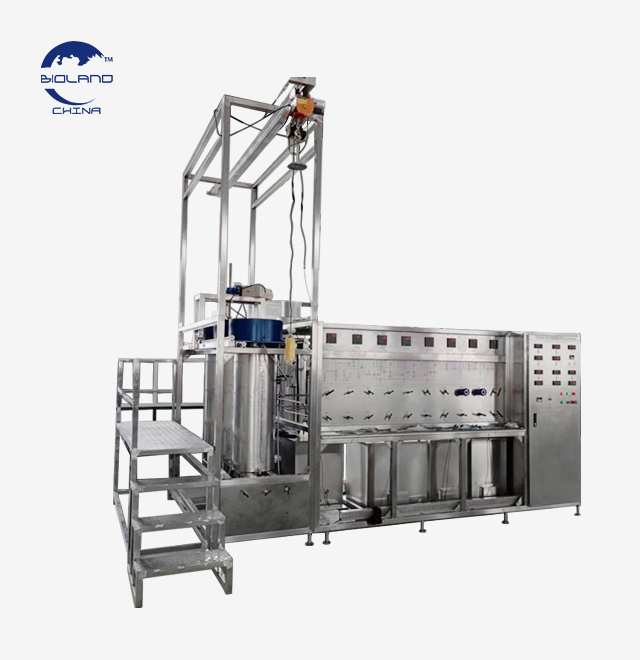
Modern extraction setups include everything from human small units that can be used for lab testing to fully automated continuous systems that can handle many tons of material every day. Batch setups are flexible for developing recipes and making small amounts of food, while continuous designs allow for steady-state operation that is perfect for making a lot of food. Advanced units have PLC control and SCADA connection built in, so they can check temperature, pressure, flow rates, and concentration levels in real time. These digital controls make sure that the process is always the same and can be tracked, which are very important in industries that are controlled.
The Role of Mass Transfer Optimization
Performance depends on how well mass moves from one step to another. When the raw materials go into the extraction tank, they are surrounded by a liquid. Ultrasound-assisted extraction creates tiny cavitation bubbles that burst rapidly, damaging cell walls and speeding up the rate of diffusion. Gentle stirring keeps the suspension even without hurting fragile structures. Controlling the temperature makes solubility better and protects chemicals that break down easily in heat. As a result, miscella runs through fine screens, leaving behind solid residue that doesn't hold much liquid. The extracted solution moves on to the concentrate stages, where the solvent is recovered at low temperatures by vacuum evaporation. The closed-loop cycle is finished when fumes are collected by condensers and sent back to holding tanks.
Key Technical Features to Evaluate When Purchasing
When evaluating factors that directly affect throughput, product quality, and legal compliance, it's easier to make choices about what to buy. The machinery needs to be compatible with the science of the process, the size of the production run, and the standards of the pharmaceutical, food, or chemical industries.
Extraction Efficiency and Processing Speed
With high-performance systems, extraction rates can be up to 500% higher than with older maceration processes. When compared to traditional methods that take hours or days, processing steps that are finished in 24–40 minutes greatly improve throughput. Ultrasonic-assisted extraction, reflux configurations, and optimized liquid extraction methods are some of the advanced mass transfer processes that make this work so well. When working with biological chemicals that break down at certain temperatures, being able to control the temperature becomes very useful. During the extraction stage, low temperatures protect the purity of volatile aromatics, cannabinoids, and medicinal chemicals.
Automation and Digital Integration
Programmable logic controls run every step of the process on modern extraction systems. The exact set points for temperature, pressure, and churning speed are kept by PLC automation to ensure stable operation. Operators gain from easy-to-use tools that make managing recipes and keeping records on batches easier. Integration with factory execution systems lets you watch production in real time, collect quality data, and keep electronic records of each batch, all of which are needed to comply with GMP. These automation features make it easier for operators to do their jobs consistently and accurately, and they support validation processes that are necessary in regulated production settings.
Material Construction and Regulatory Compliance
Pharmaceutical-grade and food-contact standards are met by 316L stainless steel equipment. This material is better at resisting rust when working with acidic or alkaline solvents. This makes tools last longer and keeps it clean. Surface finishes with surface values less than 0.4 micrometers make cleaning easier and stop bioburden from building up. The design that meets GMP standards includes sanitary welding, few dead legs, and paperwork packages that have material test results and positive material identification certificates. FDA 21 CFR Part 177 rules must be followed by systems that are meant to make medicines, and ATEX or explosion-proof certifications are needed for equipment that works with toxic solvents to make sure the workplace is safe.
Maintenance Accessibility and Parts Availability
Downtime and running costs are cut when equipment is designed to be easy to maintain. Technicians can do regular maintenance quickly and easily with panels that are easy to get to, parts that can be removed without tools, and clear service paperwork. In leaking systems, mechanical seals are the most important part that wears out. Suppliers with large stocks of spare parts and written instructions on how to change seals help sites keep production going. Clean-in-place features and automatic cleaning processes cut down on upkeep work even more while making sure that sanitation is maintained between batches.
Comparing Leading Solid-Liquid Extraction Equipment for Informed Purchasing
Knowing what choices are out there helps buyers match the skills of solid liquid extraction equipment to their needs and their budget. There are many different combinations on the market, and each one works best with a certain type of output and process chemistry.
Automated Versus Manual Extraction Solutions
Better batch accuracy, less work, and full process paperwork are all benefits of automated systems. Even though they cost more to buy at first than manual setups, automated platforms quickly pay for themselves by increasing output and lowering running costs. For study purposes, developing recipes, and low-volume specialty output where batch-to-batch flexibility is more important than automation benefits, manual systems are still the most cost-effective option. Facilities that are moving from the lab to the small scale often start with semi-automated batch systems that give operators more freedom while also making the process more efficient.
Customized Solutions Versus Standard Models
Standard catalog equipment comes within 5–7 business days, making it easy to use quickly for well-known processes with clear limits. Customized designs meet specific process needs, such as compatibility with certain materials, connection with current infrastructure, or the ability to make more than one product. While customized systems usually have 30-day lead times, they work best for certain uses. Customization choices include different agitator designs, changes to the heating or cooling capacity, changes to the amount of the tank, and the addition of unit processes that work well together, such as steps for concentration, filtration, or drying. This modular method allows for the introduction of a one-stop solution, in which multiple process steps work together in a single system.
Total Cost of Ownership Considerations
The purchase price is only one part of the total costs over the life of the product. When doing a full review, you need to think about how much it costs to install, train operators, use energy, lose solvents, do upkeep, and replace parts over time. By recycling 95–99% of process solvents, high-efficiency solvent recovery systems lower the cost of doing business. Vacuum systems that use less energy and better protection help keep electricity costs down. It takes less time to change capital when equipment is reliable and has been shown to last a long time. When suppliers offer thorough cost modeling, it's possible to make accurate total ownership projections that help people make smart choices about where to put their capital.
Practical Considerations for Procurement and After-Sales Support
Aside from technical specs, getting the right equipment also relies on how reliable the provider is, how well they can handle logistics, and how well they can support the equipment in the future. These practical factors have a big effect on how long projects take and how stable production is in the long term.
Delivery Timelines and Logistics Coordination
Standard equipment that can be delivered within a week allows projects to be started quickly, but personalized systems that need 30 days to be built need to be planned for ahead of time. Suppliers with a lot of experience organize international shipping by sea freight for big systems, air freight for urgent deliveries, and rail transport for packages within the same country. Good packing keeps items from getting damaged in shipping, and complete paperwork makes it easier to get through customs. Equipment delivery delays have a direct effect on production ramp schedules, so seller delivery dependability is an important factor in choosing a supplier.
Warranty Coverage and Service Contracts
The manufacturer's trust in the durability of the equipment is shown by the terms of the guarantee. Standard one-year guarantees that cover flaws in the materials and work are the most basic form of security. Longer service contracts, on the other hand, offer preventative maintenance, priority technical support, and faster parts replacement. Lifetime servicing agreements make sure that parts will be available for a long time, even after the production model changes. Clear warranty terms that list the parts that are protected, how long they take to respond, and the scope of the service stop arguments and unexpected costs during equipment use.
Installation, Training, and Technical Support
Professional installation by factory-trained experts makes sure that the system (including asolid liquid extraction equipment) is properly set up and that there are no problems during starting. Full training for operators that includes simple troubleshooting, routine operation, and preventative maintenance methods increases the amount of time that equipment is usable. When production problems happen, how quickly technical help can respond is very important.
Transparency is maintained throughout the procurement cycle by suppliers who assign dedicated project managers to check on the progress of manufacturing through weekly picture or video updates. Factory acceptance testing lets buyers check the performance of equipment before it is shipped. This lowers the risk of deployment and makes sure that systems meet specs when they get to the job site.
Making the Right Choice: Matching Equipment Features to Your Needs
Mismatches between bought systems and real production needs can be avoided by matching equipment skills with operational needs. Strategic selection looks at both the needs of the present and the growth and changes that will happen in the future.
Batch Scale Versus High-Volume Production Requirements
Small-batch operations that process 10 to 50 kilograms per cycle need different equipment designs than facilities that handle daily throughputs of several tons. Laboratory and pilot-scale systems are designed to be flexible so that recipes can be optimized for a wide range of materials and process conditions. Continuous extractors used in production focus on steady-state operation, which is the most efficient way to do things for established processes with stable material properties. Hybrid batch systems with multiple parallel vessels let facilities combine the variety of products they make with the amount of goods they make, so they can be used for both small-batch production and high-volume production.
Industry-Specific Compliance Needs
Manufacturers of pharmaceuticals must show that their equipment is qualified by following standards for installation qualification, operating qualification, and performance qualification. Documentation packages with design requirements, material certifications, and validation help are now necessary outputs for purchase. Food makers need equipment that is designed to be tidy, has proven cleaning methods, and is made of materials that are safe for direct food contact.
When making chemicals, it's important that they don't rust and can be used with strong acids. Botanical extraction facilities that use ethanol or oil solvents need electricity systems that won't blow up and good air built in. By knowing these industry-specific requirements, you can be sure that the tools you choose will help you follow the rules without needing expensive changes after installation.
Modular Design and Future Expansion Capabilities
As production needs rise, modular system designs allow for gradual capacity growth. In the beginning, extraction and basic separation might be installed. As processes get better, solvent recovery, concentration steps, or crystallization units can be added. Standardized connection ports make it easy to add more parts without having to completely rethink the system. This scalability saves capital investments by letting incremental capacity increases that are in line with revenue growth instead of having to update the whole system as production grows. Suppliers with full lines of tools for distillation, concentration, reaction, crystallization, and drying make it possible to set up a planned multistage process with control systems that work with each other and consistent service support.
Performance Metrics and Supplier Partnerships
Setting clear performance goals before buying tools (including asolid liquid extraction equipment) keeps people from being disappointed and arguing. Key success markers should be able to measure things like the amount of solvent used, the processing time per batch, the purity of the product, and the output of the extraction. If technology doesn't meet agreed-upon standards, documented performance promises give you a way to get your money back.
Having a long-term relationship with a seller gives you ongoing value through suggestions for improving processes, new technology, and special help when there are problems with production. Choosing makers with 15 years or more of experience in the field guarantees access to accumulated application knowledge and equipment reliability that has been tested in a wide range of working conditions.
Here are the core advantages that distinguish high-performance extraction platforms from basic commodity equipment:
High Extraction output: Modern systems can get up to 500% more output than old ones. This is possible by using improved mass transfer and cell destruction technologies that get the most target compounds out of raw materials.
Fast Processing Cycles: Being able to finish extraction in 24–40 minutes greatly boosts daily output, letting factories handle more batches per shift and making better use of their assets.
Multi-Process Capability: The ability to use ultrasonic-assisted extraction, reflux extraction, and optimized solvent extraction methods gives operators the freedom to work with a wide range of material types and target chemicals.
Low Temperature Operation: Gentle processing conditions keep heat-sensitive active ingredients from breaking down, and they keep the market worth and effectiveness of chemicals that are sensitive to temperature changes.
PLC Automation Control: Programmable logic controls make sure stable operation by precisely controlling parameters. This lowers batch variability and meets regulatory paperwork needs.
Explosion-Proof Safety: Certified explosion-proof construction makes it safe to work with dangerous liquids, protecting people and property while following safety rules at work.
GMP-Compliant Design: Construction for pharmaceutical use with clean welding, little empty space, and lots of paperwork helps with regulatory approval in controlled production settings.
316 Stainless Construction: 316 stainless steel is used for construction. Food-grade and pharmaceutical-grade stainless steel is better at resisting rust and working with different products, which makes equipment last longer when used with different solvent chemistries.
Modular System Design: Adding clean-in-place systems and liquid recycling modules as options makes the system more efficient and less harmful to the environment by using closed-loop processing.
Turnkey Engineering Solutions: Full support, including installation, testing, operator training, and ongoing expert help, makes sure that the project is put into action successfully and that production keeps running smoothly.
These advantages collectively address the operational challenges faced by pharmaceutical manufacturers, botanical processors, and specialty chemical producers. The combination of high efficiency, robust construction, and comprehensive support infrastructure enables facilities to achieve production targets while maintaining quality standards and regulatory compliance. Properly specified extraction systems deliver rapid return on investment through increased yield, reduced processing time, and minimized solvent consumption.
Conclusion
To choose the right extraction equipment, you need to carefully look at its technical skills, ability to meet legal requirements, source dependability, and long-term support infrastructure. When you combine modern mass transfer technologies, automation controls, pharmaceutical-grade building, and a solid liquid extraction equipment in high-performance systems, you get higher outputs while cutting down on processing time and costs.
Buyers benefit from working with experienced makers who can customize their products and provide thorough documentation and quick expert support. Equipment with flexible designs can be expanded in the future, protecting capital investments as production needs change. Facilities can stay ahead of the competition in their markets by making purchasing choices that balance current operational needs with long-term growth goals.
FAQ
How does extraction efficiency impact overall production economics?
The extraction yield has a direct effect on how much raw material is used and how much end product is made. Systems that can collect 500% more than basic ways lower the cost of fuel while also making more money from each batch of processing. When combined with shorter processing times, higher efficiency makes manufacturing much more cost-effective.
What maintenance practices extend equipment lifespan?
In challenging situations, checking mechanical seals every three months keeps them from breaking down without warning. Cleaning on a regular basis using approved methods keeps things clean and stops buildup that hurts performance. Following the manufacturer's recommendations for lubrication plans and keeping spare parts for important parts on hand can help reduce unexpected downtime and increase working life.
Which safety certifications matter most for solvent extraction?
ATEX approval for explosion-proof building is needed when working with flammable solvents like ethanol or hydrocarbon extractants. The CE mark shows that the product meets European safety standards. Pressure tank approval under ASME Section VIII makes sure that the structure will hold up under normal use. These licenses protect workers and meet government standards.
Partner with BIOLAND for Superior Extraction Solutions
For more than 15 years, Xi'an Bioland Instrument Co., Ltd. has been creating and making high-tech extraction systems for use in chemical, medicinal, and botanical processing. Our ethanol extraction tools and ultrasonic plant extraction machines have been shown to improve performance in ways that have a direct effect on your production speed and product quality. We have ISO and CE certificates, which show that we follow high standards that are known all over the world.
No matter what your process needs or how much space you have, our tech team can completely customize the tools to fit your needs. Our flexible designs make it easy to set up complete solutions, whether you need extraction systems that work on their own or process lines that combine steps of extraction, concentration, filtration, and drying. Standard equipment usually ships in 5–7 business days, while special systems take 30 business days to finish being built.
Our equipment comes with a one-year warranty and free upkeep for life, so you can be sure that production will stay stable for a long time. Our service includes skilled installation, full training for operators, and quick technical support for the life of your equipment. Production monitoring with weekly picture and video reports keeps things clear while they are being made. There are choices for factory acceptance tests that let you check the performance before the shipment.
Email our team at info@biolandequip.com to talk to skilled application engineers about your extraction needs. We're happy to work with OEM and ODM companies, and we can make sure that our solutions fit your exact needs. Our full line of process tools can be seen at biolandequip.com. We are an experienced company that makes solid-liquid extraction equipment for customers all over the world. We are ready to help you with your next project by providing you with reliable technology and friendly service. You can find out how BIOLAND equipment can help your business by asking for a full quote today.
References
1. Azmir, J., Zaidul, I.S.M., Rahman, M.M., et al. (2013). "Techniques for extraction of bioactive compounds from plant materials: A review." Journal of Food Engineering, 117(4), 426-436.
2. Chen, F., Zu, Y., Yang, L. (2015). "A novel approach for isolation of essential oil from fresh leaves of Magnolia sieboldii using microwave-assisted simultaneous distillation and extraction." Separation and Purification Technology, 154, 271-280.
3. Khoddami, A., Wilkes, M.A., Roberts, T.H. (2013). "Techniques for analysis of plant phenolic compounds." Molecules, 18(2), 2328-2375.
4. Luque de Castro, M.D., Priego-Capote, F. (2010). "Soxhlet extraction: Past and present panacea." Journal of Chromatography A, 1217(16), 2383-2389.
5. Zhang, Q.W., Lin, L.G., Ye, W.C. (2018). "Techniques for extraction and isolation of natural products: a comprehensive review." Chinese Medicine, 13(1), Article 20.
6. Chemat, F., Rombaut, N., Sicaire, A.G., et al. (2017). "Ultrasound assisted extraction of food and natural products: Mechanisms, techniques, combinations, protocols and applications." Ultrasonics Sonochemistry, 34, 540-560.
The reactor is beautifully mirror-polished and fully complies with GMP requirements for the pharmaceutical industry. The performance is excellent! Overall, we are very satisfied! We also provided with some feedback on our process improvements, which we hope will be helpful.
2024-04-09
Laboratory
Excellent and professional service. Always reply our questions very fast. All reactors and chiller we received are good too.
2024-02-15
Research Institute
Quality is beyond our expectation actually. After we got the extraction equipment and started using it, the performance was beyond our expectation. Very easy to use and very efficient to run. Service always respond us very quickly. Was also very helpful to help us. Thanks Bioland team. Very happy to work with you.
2023-11-20
Biotech Company
We are happy about the new purchase as always. Equipment and services are both good.
2023-08-05
Instrument Lab
This is the second order with Bioland instrument and everything is good as the first dateText.
2023-05-12
Global Trading Partner
Bioland instrument team is very helpful and professional. The sales helped us select the right equipment for our application, and their logistics people handled the transportation and customs declaration for our shipment. All that saved us a lot of work.