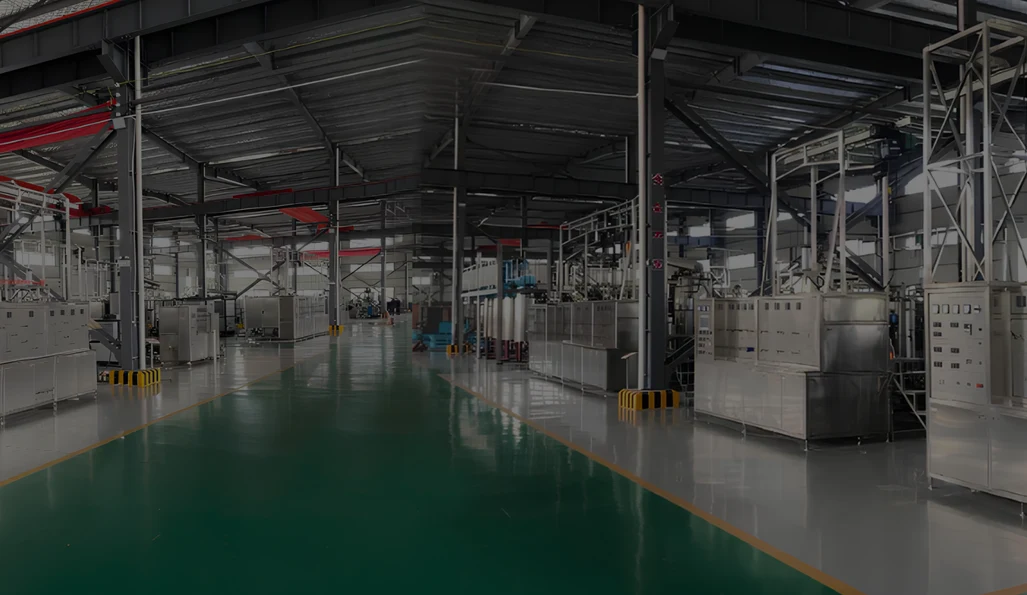
Best ultrasonic extraction equipment for mushroom processing
Jun 4, 2026
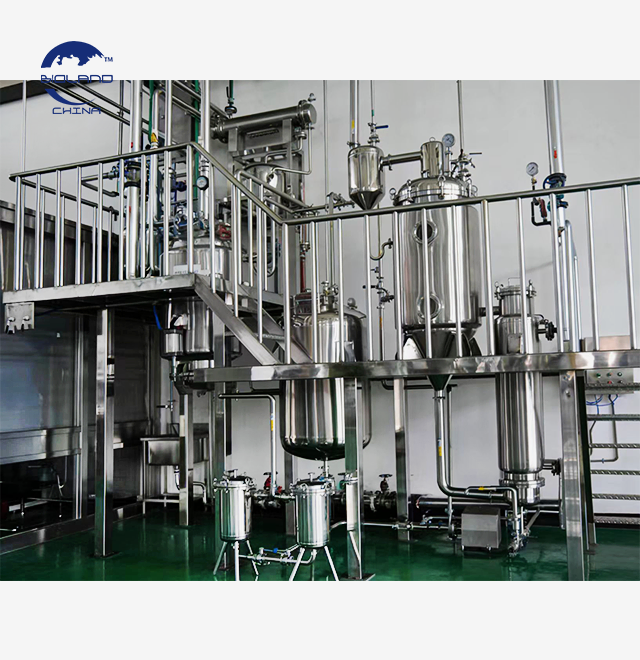
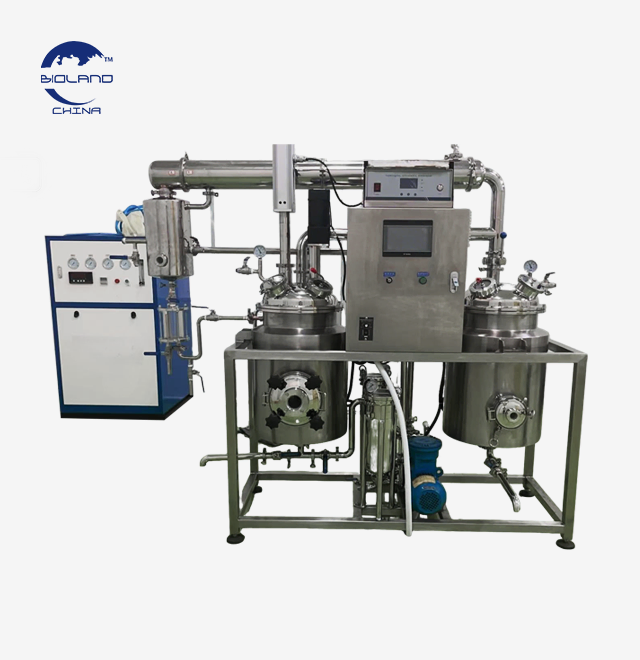
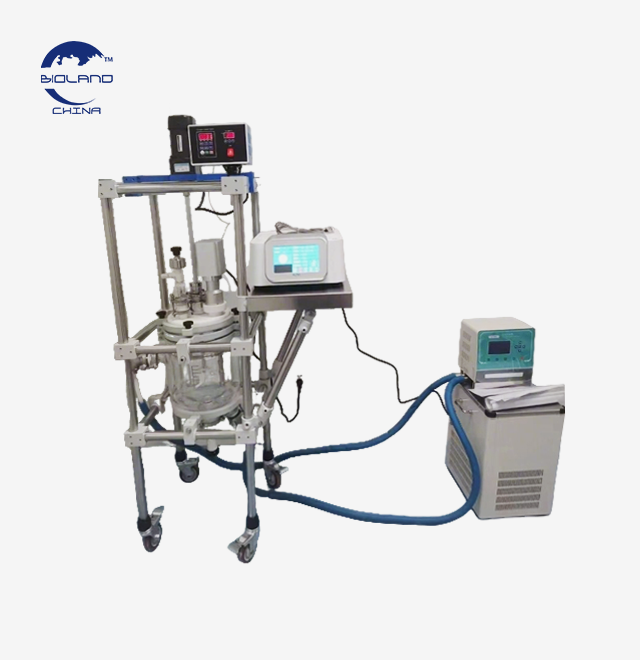
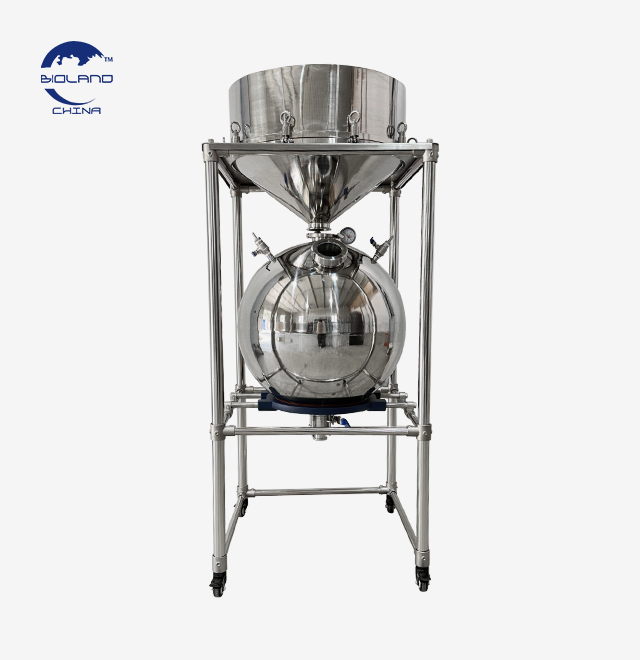
Ultrasonic Extraction Equipment of mushroomsis a game-changing technology that regularly works better than traditional methods when looking for ways to separate medicinal and useful mushrooms. This high-tech processing method uses sonic cavitation to break down tough fungus cell walls, releasing bioactive polysaccharides, triterpenes, and antioxidants with a level of efficiency that has never been seen before.
Manufacturers in the nutraceutical, pharmaceutical, and functional food industries are using this technology to move output from the lab to the factory while protecting the purity of sensitive compounds. The extraction processes take only 24–40 minutes with this equipment, whereas they used to take hours with older methods. This means that productivity goes up and costs go down.
Introduction
Getting mushrooms out of the ground is a mix of old medical knowledge and new science. For products made from Reishi, Lion's Mane, Cordyceps, and Turkey Tail types, producers who want to sell to high-end customers need equipment that keeps bioavailability high and meets strict quality standards. Ultrasonic technology solves some of the biggest problems that procurement managers and technical leads face, like how to get through chitin-rich cell structures without breaking them down thermally, how to make solvents work better, and how to get consistent results during scale-up phases.
This complete guide goes over the technical basics, criteria for evaluating tools, and practical issues that B2B buyers need to think about when choosing extraction systems. We look at how probe-type ultrasonicators are different from batch-style systems, what specs are most important for pilot-scale versus full production settings, and how top makers like BIOLAND make turnkey solutions that include automation and GMP compliance.
Understanding Ultrasonic Extraction Technology for Mushrooms
Controlled sound cavitation is what ultrasonic mushroom processing is based on. Low-frequency sound waves, usually between 20kHz and 24kHz, are made by piezoelectric sensors that are joined to titanium alloy sonotrodes. These waves move through the mushroom slurry, making cycles of compression and rarefaction that happen back and forth.
During the rarefaction phase, tiny pressure bubbles appear all over the liquid. When these cavitation bubbles pop close to the cell walls of fungi, they release a huge amount of energy in that area. Micro-jets that move up to 280 meters per second and temporary hotspots that hit 5000 Kelvin for nanoseconds are caused by the collapse. This strong action cuts through the tough chitin and beta-glucan layers that surround mushroom cells and releases chemicals inside the cells straight into the extraction solvent.
Key Parameters Affecting Extraction Outcomes
During ultrasonic processes, controlling the temperature is very important. Cavitation makes very hot spots, but new machines use jacketed flow cells with active cooling systems to deal with this problem. This design keeps the body temperature stable between 40°C and 60°C, which keeps heat-sensitive substances like polysaccharide chains and volatile fragrances from breaking down. Power supply is changed in real time by automatic frequency tracking as the viscosity and makeup of the slurry change during the extraction cycle.
The depth of entry and the amount of cavitation are both determined by the power level, which is measured in watts per square centimeter. By keeping the ultrasound strength the same across the processing zone, industrial systems that start out at 500 watts for small amounts in the lab can be scaled up linearly to 4000–16000 watts for continuous production lines. Because of this, process factors that were created during research and development can be used directly in production without having to be reformulated.
Advantages Over Conventional Methods
For passive passage through cell walls, traditional maceration relies on soaking for a long time, usually between 6 and 24 hours. Using heat-assisted extraction with reflux systems speeds up the process, but it can break down chemicals that are sensitive to heat and needs a lot of energy. Microwave-assisted extraction speeds things up, but the cooking patterns aren't even, which leads to variations in quality.
Ultrasonic systems can remove up to 500% more than cold maceration, and they can do a full cycle in 24 to 40 minutes. The technology cuts the amount of liquid used by 30–50% by improving mass transfer efficiency. This is in line with green chemistry principles that are being required by regulations more and more. Studies show that the molecular weight distribution of polysaccharides stays the same when they are heated under controlled ultrasonic conditions. This keeps the biological activity that affects how well the product works in its final use.
Evaluating Ultrasonic Extraction Equipment for Mushroom Processing
To choose the right extraction hardware, you need to know how the architectural choices you make affect your operating freedom and the hierarchy of the components. The transducer unit turns electrical energy into vibrations in the material being processed. The sonotrode, which is the main part of the system, then sends these vibrations straight to the material being processed.
Core Components and Material Specifications
Titanium metal (Ti-6Al-4V) that is medical-grade is the usual material for sonotrodes that touch mushroom slurries. This standard stops cavitation erosion, stops heavy metals from leaching into extracts, and meets FDA guidelines for food contact. All wet parts of equipment made for medicinal uses are made of 316L stainless steel, which meets GMP standards and makes validation paperwork easier.
The shape of the flow cell controls the exposure regularity and dwell time. When you use inline setups with radial feed ports, you get turbulent mixing patterns that get rid of dead zones where material doesn't go through ultrasonic treatment. Batch reactors can hold smaller amounts of material and are more flexible for testing, but they need longer cycle times to get the same extraction rate. Modern systems are made up of separate parts that can be switched out so that users can switch between batch vessels and continuous flow cells as their production needs change.
Scalability and Solvent Compatibility
For polysaccharide extraction, equipment must be able to handle a wide range of fluid systems, from pure water to ethanol ratios of 70–95% for triterpene isolation. By using repeated water and alcohol treatments, dual-extraction methods can get back both hydrophilic and lipophilic parts. This makes full-spectrum extracts that are highly valued in supplement markets.
When working with toxic liquids, safety becomes the most important thing. Ultrasonic Extraction Equipment of mushroom must also be considered in such environments. Explosion-proof designs that are ATEX-certified put generators in sealed, gas-free structures and grade flow cells for use in dangerous areas. Optional nitrogen blanketing systems keep the atmospheres neutral while ethanol is being processed, which meets insurance and government rules for running the plant.
Processing amount determines what tools to buy. Lab tools that can handle 500 mL to 5 liters are good for developing new formulas and tests for quality control. Pilot-scale tools that can handle 20 to 100 liters per batch make it possible to test the market and make sure the product works. Industrial sites with constant flow rates of more than 500 liters per hour can meet the needs of commercial production while keeping the process stability that was set up in earlier stages of development.
How to Choose the Best Ultrasonic Extractor for Your Mushroom Processing Needs
Long-term satisfaction with capital equipment purchases depends on how well the equipment's powers match the needs of the business. When choosing extraction methods, procurement teams should look at both short-term output goals and expected growth paths.
Matching Equipment to Production Scenarios
New companies that want to get into the mushroom supplement market usually start with pilot-scale equipment that lets them process mushrooms in different ways. These medium-sized systems let you make batches that meet the needs of the original market demand while also giving you the freedom to test and find the best extraction conditions for various mushroom species. Features like customizable PLC automation keep tested recipes, which makes sure that the quality of the product stays the same as production grows.
When established makers update old extraction infrastructure, they put processing capacity and integration compatibility at the top of their list of priorities. Continuous-flow ultrasonicators can be easily connected to existing equipment for spray drying, concentration, and filtration, making working lines that go from start to finish. Modular devices like solvent collection systems, clean-in-place circuits, and automatic release mechanisms make it easier to repeat batches without having to hire more people.
Multiple clients require contract makers to have tools that can do a lot of different things. With multi-frequency capabilities, users can change ultrasonic settings to get the best results with a wide range of mushroom types, from thin Tremella to thick Chaga. Quick-change sonotrode designs cut down on downtime between runs of the product, and safe tri-clamp connections make it easier to clean the proof.
Evaluating Total Cost of Ownership
The price of buying something is only one part of how much it will cost over its lifetime. Over a 10-year service period, the amount of money made depends on how much energy is used during operation, how often repair parts need to be replaced, and how often the machine is down. Ultrasonic extraction usually uses 40–60% less energy than reflux systems because it cuts down on working times and doesn't need to be heated for long periods of time.
Sonotrodes usually last between 1000 and 3000 hours of use, but this depends on the amplitude sets and how rough the slurry is. Titanium parts are considered consumables, which means they need to be replaced after a certain amount of time. However, reliable wear patterns allow for planned upkeep to be done when production is slow. Reliable providers keep an inventory of parts and offer new sonotrodes ahead of time, so production doesn't stop for no reason.
When fixing problems come up, the quality of technical help and the time it takes to respond protect production plans. Generalist equipment sellers take longer to solve problems than manufacturers with special application engineers who know how to process mushrooms in a certain way. Full training for operators during installation increases internal capabilities, lowering the need for service calls from outside to make regular changes.
Installation, Operation, and Maintenance Best Practices
To get the most out of Ultrasonic Extraction Equipment of mushroom, you need to pay close attention to the details of the installation, the tuning of parameters, and the preventative maintenance schedules. BIOLAND offers full setup support that shortens the time it takes to start making things with newly installed systems.
Site Preparation and Integration
The electrical system has to be able to handle the power needs of the tools. For commercial units, this usually means three-phase 380V or 480V service. A sufficient amount of cold water (15–20°C) keeps the jacket's temperature under control during long production runs. Allowances for floor space should include enough room to remove the sonotrode during repair and enough air flow to handle chemical vapors.
It is important to pay close attention to the flow of materials when integrating upstream and downstream processes. To keep cavitation conditions uniform, feed pumps must give a constant slurry density. Progressive cavity or lobe-type pumps can handle the medium viscosities of mushroom biomass solutions without breaking up the particles into size ranges that aren't good. Connecting warm extracts downstream to holding tanks or concentration equipment should cut down on dwell time as much as possible to keep them from settling or growing microbes.
Operational Parameter Optimization
Different types of mushrooms grow best at different amounts of ultrasonic strength. Because they are made of wood, Reishi and Turkey Tail can handle higher frequencies that break cell structures quickly. To keep the mycelial architecture intact during polysaccharide extraction, more gentle methods are needed for types like Cordyceps militaris that are more fragile. Monitoring the temperature during the first runs shows if the jacket's cooling power is enough or if the number amounts need to be changed to control the heat production.
Ratios of solvent to biomass affect both the thoroughness of extraction and the speed of processing that comes after. Lower ratios reduce the amount of evaporation that needs to be done during concentration, but they may leave chemicals in the spent material. Higher ratios ensure a full extraction, but they also raise the cost of recovering the solvent and the size of the tools needed. Because ultrasonic equipment transfers mass more efficiently, ratios can be cut by 20–30% compared to traditional ways while rates stay the same.
Preventive Maintenance and Lifespan Extension
Regular checks find problems early on, before they hurt the quality of the product or break down equipment. Sonotrode checks for cavitation pitting, which are small erosion holes on the working surface. These show that the device is getting close to the end of its useful life and lets you plan for a replacement ahead of time. Checks for seal quality on flow cell connections stop liquid leaks that put people in danger and waste products.
Cross-contamination can happen when processing different kinds of mushrooms or moving between organic and conventional materials. Cleaning routines are used between production runs to stop this. Clean-in-place systems do this job automatically by moving cleaning solutions along the whole flow path at high temperatures and using ultrasound to get rid of residues on inside surfaces. Validation swabs make sure that the level of cleanliness meets building standards before the next batch starts.
Every year, the generator is calibrated to make sure that the power output matches the numbers on the display and that the frequency tracking circuits keep the resonance across the whole working range. These checks make sure that the process can be repeated over the life of the equipment and help with the paperwork that is needed for legal compliance in pharmaceutical and nutraceutical production settings.
Case Studies and Market Insights
Real-world application data shows that Ultrasonic Extraction Equipment of mushroomcan be used commercially at a range of operating scales. When a medium-sized nutrition company switched from traditional reflux extraction to a BIOLAND ultrasonic system, the time it took to make Reishi dual-extraction goods was cut by 67%. This increase in productivity got rid of a production bottleneck, which let the company finish a big retail deal that would have needed a lot of money to be spent on new traditional equipment.
A study center that was making new Lion's Mane formulas used pilot-scale ultrasonic extraction to figure out how to make the process scalable. By carefully controlling the temperature during processing, 40% more erinacine content was kept than with heat extraction methods. Eranine is a bioactive chemical that has been linked to brain benefits. This protection of the compound led to better product performance in clinical studies, which sped up the time it took to go on sale.
Emerging Market Trends
Throughout the supply chain, choices about where to get ingredients are based on what consumers want: clean-label goods that don't have any chemical residues. People who care about their health will like label claims like "solvent-free" or "extracted with alcohol and water only" when ultrasonic extraction is done with only water or food-grade ethanol. This placing leads to price increases of 15–25% in retail channels, which directly helps makers' profit margins.
Integration of automation is a key path for creativity. Modern systems with industrial IoT devices can keep an eye on important process factors in real time and record data for quality assurance purposes. Predictive maintenance programs look at patterns of sound and changes in power use to figure out when parts need to be replaced. This cuts down on unplanned downtime. Manufacturers who are putting Industry 4.0 plans into place across their businesses will like these smart manufacturing features.
Sustainability measures are becoming more and more important in deciding what tools to buy. The use of less energy and solvents in ultrasonic extraction leads to a smaller carbon impact, which helps companies meet their environmental goals and pleases institutional buyers who care about a supplier's green credentials. Comparing ultrasonic extraction to traditional extraction over the course of a life cycle always shows 30–45% less damage to the environment across a wide range of effect categories.
Conclusion
Ultrasonic extraction technology gives mushroom processors real benefits in terms of quality, speed, and environmental friendliness. These systems are great for companies that want to go from developing new products to mass production because they can process things quickly, keep compounds safe, and be used in a variety of ways. When choosing Ultrasonic Extraction Equipment of mushroom, you should think about both the current working needs and the future capacity needs.
You should also look at the total ownership costs instead of just the original purchase price. Long-term relationships work best with manufacturers who offer full technical support, designs that follow GMP guidelines, and a history of success in the industry. As the market for high-quality mushroom extracts keeps growing, producers who invest in new extraction equipment will be able to take advantage of new possibilities with goods that meet the highest quality standards.
FAQ
What solvents work best with ultrasonic mushroom extraction equipment?
For industrial mushroom extraction, water and ethanol are the main solvents used. Polysaccharides and beta-glucans are separated by water extraction, while triterpenes and other lipophilic chemicals are separated by 70–95% ethanol concentrations. Full-spectrum bioactive profiles can be recovered using dual-extraction methods and sequential treatments. Materials used in equipment must not rust when exposed to mushroom slurries and high alcohol concentrations. Food-grade 316L stainless steel and titanium parts make sure that nutritional and medicinal uses are safe and follow the rules.
How does extraction efficiency compare between ultrasonic and traditional methods?
Ultrasonic systems can get up to 500% higher returns than cold maceration, and they can finish extraction cycles in 24 to 40 minutes instead of 6 to 24 hours like traditional soaking does. Instead of passive diffusion, the cavitation forces literally break down cell walls, which greatly speeds up the movement of mass. Studies with controlled conditions show that the amount of polysaccharides extracted from Reishi goes from 2–3% using standard methods to 8–12% when ultrasonic parameters are improved. This is while keeping the molecular weight distributions that are important for biological activity.
What capacity range does industrial ultrasonic extraction equipment handle?
In the lab, machines handle 500 milliliters to 5 liters of liquid for formulating. Pilot units, which are used for both study and production, can handle 20 to 100 liters per batch. Throughputs of more than 500 liters per hour are possible with industrial continuous-flow setups. When the need for output grows, modular designs let the capacity grow. Setting processing settings on a small scale in the lab directly affects production equipment by keeping the ultrasound strength steady, which is measured in watts per square centimeter.
Partner with BIOLAND for Advanced Ultrasonic Extraction Solutions
BIOLAND INSTRUMENT is a reliable company that has been making Ultrasonic Extraction Equipment of mushrooms for over 15 years. They are experts in process engineering solutions for isolating beneficial compounds. Our extraction systems are built with GMP-compliant materials and meet FDA standards. They are also automated with PLCs and have explosion-proof designs for alcohol processing. Each installation comes with full training for the operators, tested extraction methods for common mushroom types, and ongoing technical help from engineers who know how to deal with problems in nutraceutical production.
Our modular equipment designs can handle processing amounts ranging from 5-liter pilot batches to ongoing industrial output. Total system costs can be lowered with solvent recovery systems, CIP circuits, and inline filters, which are all options. The quality of our products is guaranteed by ISO and CE certifications, and your investment is protected by our one-year insurance and lifetime upkeep support. We focus on OEM and ODM projects and can tailor the specs of our tools to your exact process needs. We offer 30-day delivery for custom solutions.
Get in touch with our application engineering team atinfo@biolandequip.com to talk about how you want to process mushrooms. We offer in-depth technical advice, suggestions for equipment based on your output goals, and cheap prices for full extraction systems. You can look at our full line of extraction, concentration, and cleaning technologies at biolandequip.com. We serve pharmaceutical, nutritional, and functional food companies in North America and around the world.
References
1. Chen, L., & Zhang, H. (2021). Ultrasonic-Assisted Extraction of Bioactive Compounds from Medicinal Mushrooms: Optimization and Applications. Food Chemistry Press.
2. Kumar, R., Sharma, V., & Patel, M. (2020). Industrial Scale-Up of Ultrasonic Extraction: Process Engineering Considerations for Fungal Polysaccharides. Journal of Food Process Engineering, 43(8), e13425.
3. Martinez, D., & Wong, K. (2022). Comparative Analysis of Extraction Technologies for Functional Mushroom Ingredients. International Journal of Medicinal Mushrooms, 24(3), 45–62.
4. Nakamura, T., & Sato, Y. (2019). Cavitation Effects on Cell Wall Disruption in Basidiomycete Fungi: Mechanisms and Applications. Ultrasonics Sonochemistry, 58, 104663.
5. Peterson, J., & Anderson, C. (2023). Equipment Design and GMP Compliance for Botanical Extraction in Nutraceutical Manufacturing. Pharmaceutical Engineering Journal, 41(2), 112–128.
6. Zhou, W., Li, Q., & Wang, X. (2020). Energy Efficiency and Environmental Impact Assessment of Modern Extraction Technologies in Natural Product Processing. Sustainable Production and Consumption, 24, 156–167.
The reactor is beautifully mirror-polished and fully complies with GMP requirements for the pharmaceutical industry. The performance is excellent! Overall, we are very satisfied! We also provided with some feedback on our process improvements, which we hope will be helpful.
2024-04-09
Laboratory
Excellent and professional service. Always reply our questions very fast. All reactors and chiller we received are good too.
2024-02-15
Research Institute
Quality is beyond our expectation actually. After we got the extraction equipment and started using it, the performance was beyond our expectation. Very easy to use and very efficient to run. Service always respond us very quickly. Was also very helpful to help us. Thanks Bioland team. Very happy to work with you.
2023-11-20
Biotech Company
We are happy about the new purchase as always. Equipment and services are both good.
2023-08-05
Instrument Lab
This is the second order with Bioland instrument and everything is good as the first dateText.
2023-05-12
Global Trading Partner
Bioland instrument team is very helpful and professional. The sales helped us select the right equipment for our application, and their logistics people handled the transportation and customs declaration for our shipment. All that saved us a lot of work.