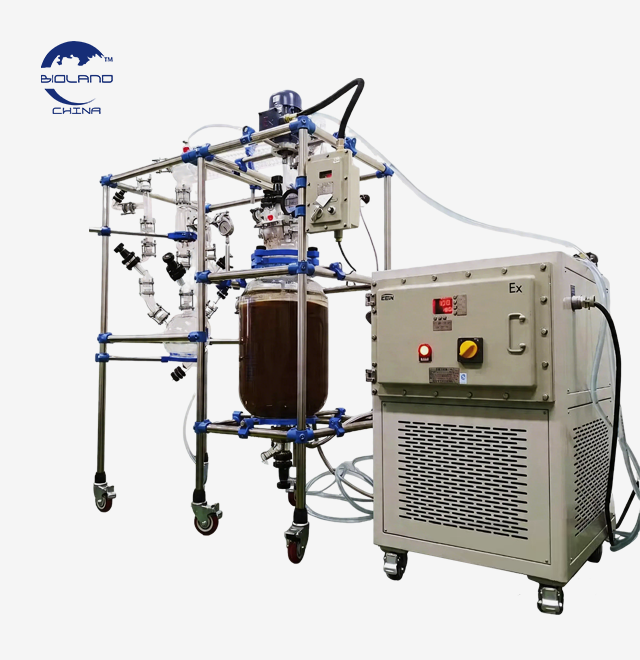
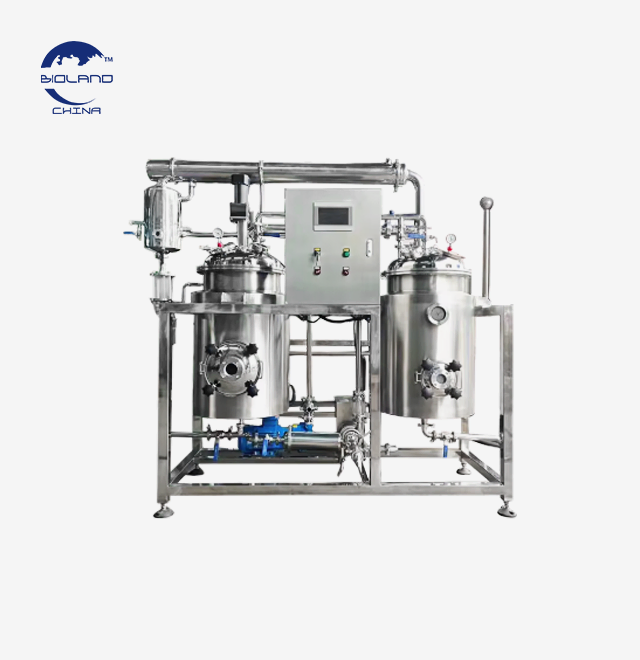
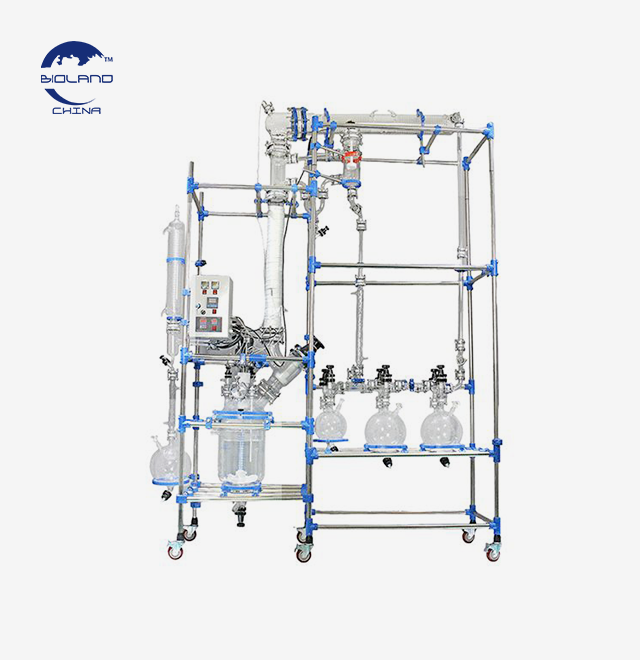
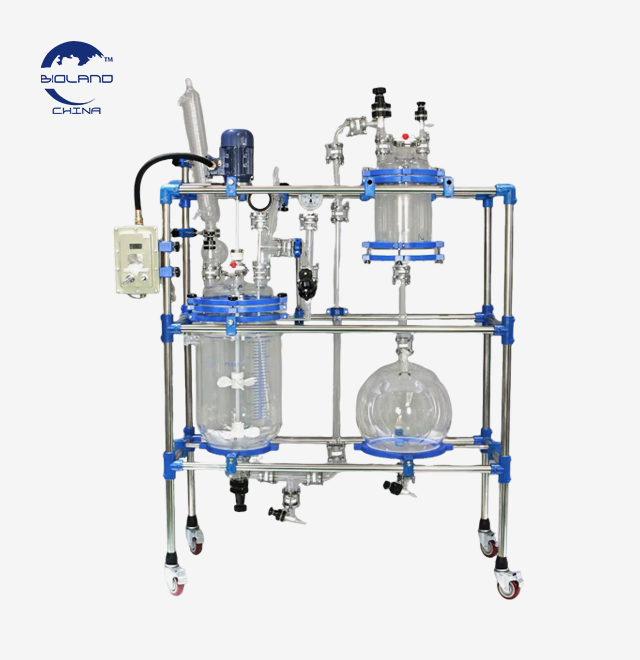
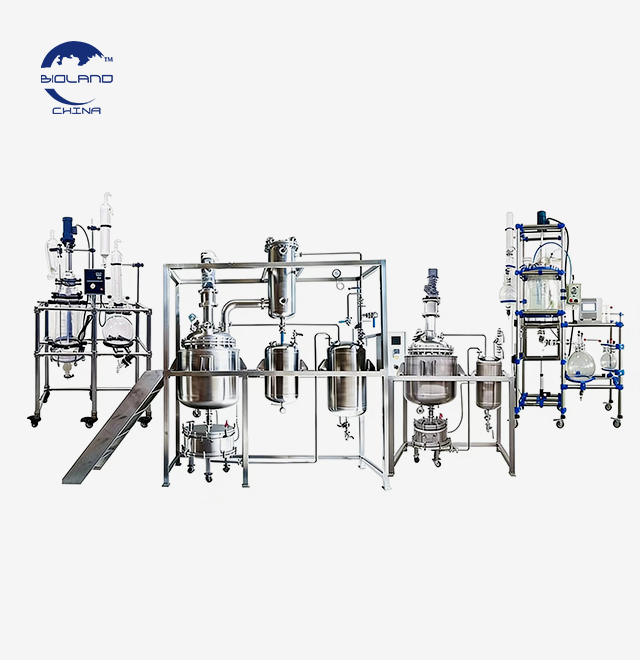
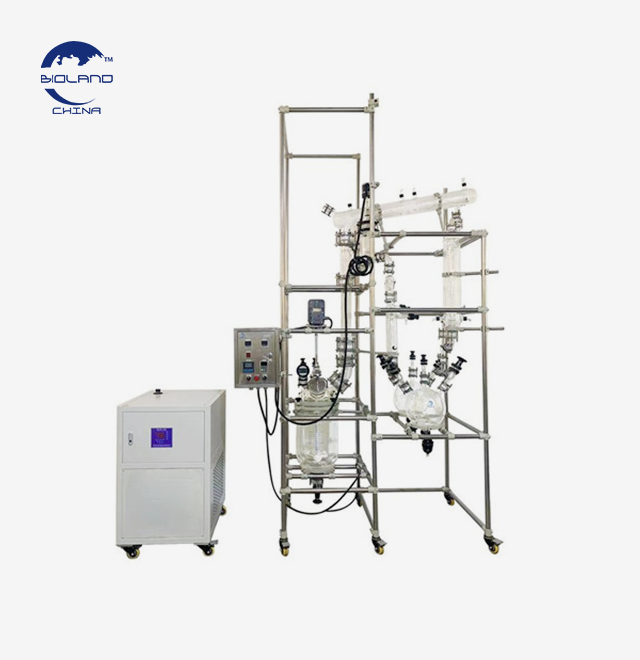
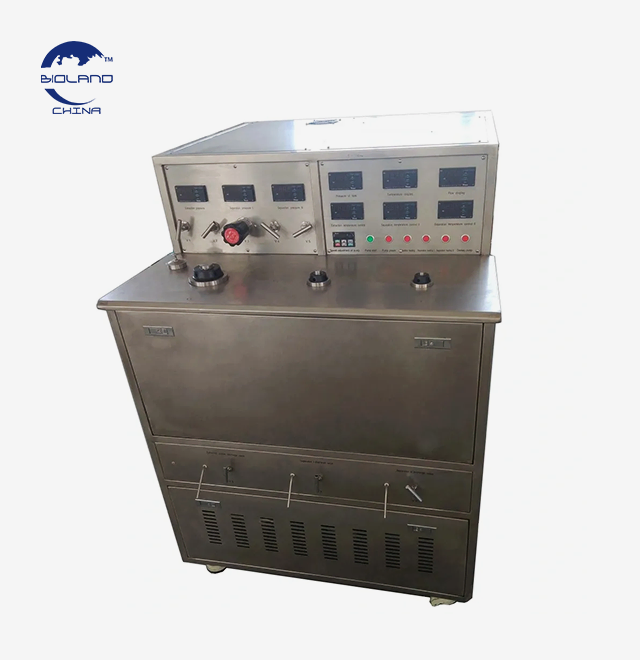
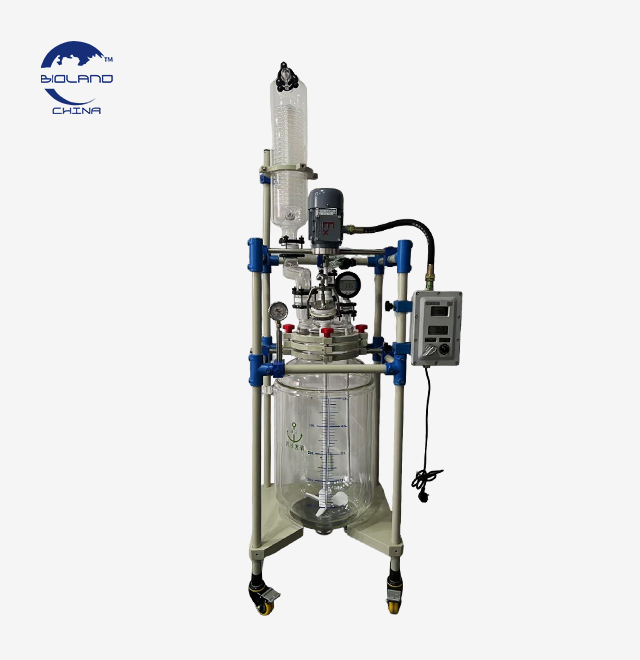
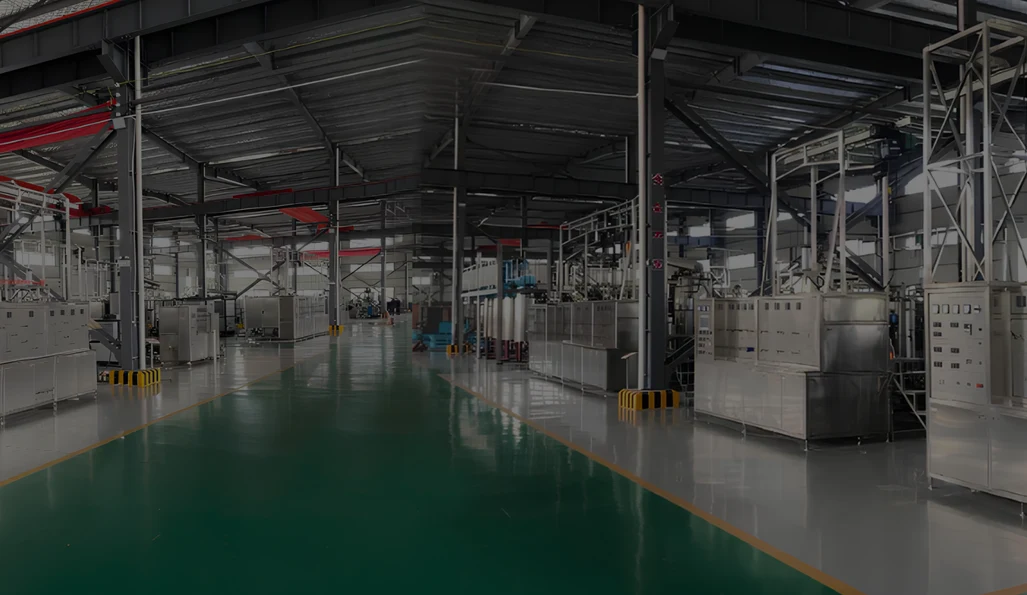
High-intensity, low-frequency sound waves (usually between 20kHz and 28kHz) are used in ultrasonic extraction, an advanced commercial method, to separate bioactive compounds like alkaloids, flavonoids, terpenes, and polyphenols from plant materials. Acoustic cavitation is how this technology works. In a liquid solvent, tiny vacuum bubbles form and then rapidly burst. These implosions produce areas with pressures of up to 1,000 atmospheres and strong shear forces that break down plant cell walls, making it easy for the contents inside the cells to quickly move into the solvent. Unlike traditional thermal methods, which can damage heat-sensitive plant parts, ultrasonic herbal extraction equipment works at controlled temperatures, usually below 60°C. This keeps the delicate active ingredients intact while drastically cutting the time it takes to extract them from days to just minutes.
Understanding Ultrasonic Extraction: Principles and Process
The Science Behind Cavitation
The idea of cavitation is at the heart of ultrasonic extraction. When high-frequency sound waves move through a liquid that has plant matter and a solvent in it, they make cycles of compression and rarefaction. During the rarefaction phase, tiny bubbles filled with air form all over the liquid. Over several acoustic cycles, these bubbles get bigger and bigger until they hit a critical size. At that point, they burst with a powerful crash. The crash creates very high temperatures and huge differences in pressure, which damage the membranes and walls of plant cells and let the surrounding solvent reach bioactive molecules inside the cells. This forceful disruption works much better than passive diffusion, which is what most standard maceration methods use.
Equipment Components and Architecture
Modern ultrasonic extraction systems are made up of many parts that work together and are meant to be reliable in industrial settings. Piezoelectric ceramic sensors (PZT) take electrical energy from a high-frequency source and turn it into vibrations in the metal. These sensors connect to sonotrodes, which are also known as horns or probes. These are usually made from titanium metal (Ti-6Al-4V), which is very strong even when it's worn down and doesn't react badly with harsh solvents.
Automatic frequency tracking devices change the electrical input all the time to keep the resonance constant, even if the temperature or stickiness of the load changes. The housings of the equipment are made of sanitary-grade stainless steel, and 316L choices are offered for medicinal uses that need better corrosion resistance. The jacketed cells in flow-through reactors are linked to active cooling chillers, which keep the bulk temperatures well below levels that would damage thermolabile compounds.
Operational Workflow and Parameter Optimization
When using ultrasonic extraction tools, you need to pay close attention to the process settings. The first step in the process is to prepare the materials. This includes grinding dried plant matter into the best particle sizes, which are usually between 0.5 and 2 millimeters to get the most surface area contact. Then, the workers put the material into the extraction tank and added the chosen solution at set amounts of solid to liquid.
Setting amplitude levels (usually between 50 and 100 micrometers) and choosing the right processing times based on the properties of the target chemical are part of equipment tuning. Keeping an eye on the temperature during the whole cycle makes sure that the process stays within the acceptable limits. This keeps sensitive molecules safe while keeping the extraction process working well.
Comparison with Traditional Methods
The benefits of ultrasound technology are much greater than those of traditional methods of extraction. Passive diffusion is all that's needed for maceration, which takes a long time—often several days. Soxhlet extraction works better than maceration, but it needs high temperatures that can break down chemicals that are sensitive to heat and a lot of liquid. Using less liquid and keeping the temperature low, ultrasonic-assisted extraction can get the same or better results in a lot less time. These performance traits directly lead to lower operating costs and better product quality, which makes the technology especially appealing for businesses that handle valuable plants.
Key Benefits and Advantages of Ultrasonic Herbal Extraction
Enhanced Extraction Efficiency and Throughput
Usingultrasonic herbal extraction equipment instead of traditional methods can increase the efficiency of extraction by 50% to 500%. This huge improvement comes from the way cavitation breaks down cells mechanically, making straight paths for solvent molecules to reach and destroy target chemicals. The amount of time needed to process a lot drops from hours or days to 24 to 40 minutes, which is more than two-thirds of the usual time. Manufacturers can increase production capacity without having to make big changes to their facilities or spend a lot of money.
The fast processing also has a good effect on the quality of the result. Oxidation and breakdown of sensitive bioactive molecules are slowed down when they are exposed to solvents and atmospheric conditions for shorter periods of time. Ultrasonic methods are often used to make extraction liquor with lower amounts of impurities, which makes the next steps of separation and cleaning easier. This cleaner extract profile lowers the cost of processing during the drying and concentration stages, while also producing goods with better stable and potency profiles.
Environmental and Economic Sustainability
Sustainability is becoming a bigger factor in corporate buying choices, and ultrasonic extraction fits in well with efforts to make manufacturing more environmentally friendly. Compared to traditional methods, this technology cuts the amount of solvent used by 30% to 50%. This lowers the cost of both the raw materials and the disposal of toxic trash. Lower working temperatures directly mean less energy needs to be heated, and shorter cycle times further reduce the amount of energy used per kilogram of material handled. These combined savings lead to a smaller carbon impact and better environmental performance all around.
There are more economic perks than just straight operational savings. When rates go up, makers get more value from the same amount of raw botanical material. This makes better use of resources. Integrated closed-loop systems that use ultrasonic extraction, exact filtration, low-temperature concentration, and solvent recovery get the most active ingredients back while leaving behind purer leftovers. This all-around method makes the whole production chain more cost-effective, giving procurement managers clear returns on investment they can be proud to show off during capital appropriation reviews.
Versatility Across Applications and Scales
Ultrasonic extraction equipment is very flexible and can be used with a wide range of plant materials and solutions for extraction. The technology works well on a wide range of materials, from delicate flowers that need to be handled carefully to woody roots that need to be treated more forcefully. Different extraction methods are compatible, such as ultrasonic-assisted extraction (UAE), hot reflux extraction, aromatic oil isolation, organic solvent extraction (OSE), and alcohol precipitation (AP). Because this machine can do more than one thing, makers can save money on tools by not having to keep separate systems for each product line.
Scalability is another very important benefit. Through linear extrapolation, parameters that were adjusted in the lab can be used directly on pilot and production scales. Manufacturers can test processes on small units first, and then increase production with confidence by using bigger probes or multiple units in parallel in continuous flow setups. This smooth change from research and development to commercial production lowers technical risk and speeds up the time it takes for new plant goods to reach the market.
Durability and Maintenance Considerations
When investing in industrial equipment, it's important to think carefully about how reliable it will be over time and how much upkeep it will need. High-quality ultrasonic extraction systems are built to last and can work continuously in tough industrial settings. Titanium sonotrodes are very good at resisting cavitation damage, but they are still consumable parts that need to be checked on a regular basis. Visually checking the surface for pits every 500 hours of use finds them before erosion changes the resonant frequency out of the generator's tuning range. This lets the part be replaced during planned maintenance windows.
Routine repair procedures stay simple, which helps keep machine utilization rates high. Automated PLC control systems make operations easier, so operators don't have to learn as much and make fewer mistakes. CIP (clean-in-place) systems make it easy to clean between production runs, so they stay in line with GMP standards without requiring a lot of teardown. These design factors make sure that ultrasonic herbal extraction equipment works well for many years, which lowers the total cost of ownership and helps meet tight production plans.
Selection Guide: Choosing the Right Ultrasonic Herbal Extraction Equipment
System Configuration Options
Understanding the different setup options is the first step in choosing the right tools. Batch systems are great for factories that make a variety of products in small to medium amounts because they let you change settings between runs. Continuous flow systems are best for businesses that make a single product in large quantities because they maintain quality at high rate. Research centers or contract makers with a wide range of clients can move around with portable units, while fixed installations make the most of dedicated production lines. Each setup meets a different set of business needs. Knowing the differences between them helps procurement teams match technology to production strategy.
Capacity and power levels are important specification factors. Ultrasonic generators usually have power levels between 500 watts for lab use and 3,000 watts or more for commercial use. They can hold anywhere from a few liters for research and development to thousands of liters for mass production. By matching the generator's power to the vessel's volume, the sound level is kept at a good level throughout the extraction medium. This keeps the results the same no matter what batch size is used. Not specifying enough leads to low cavitation intensity and poor returns, while specifying too much raises capital costs without boosting performance in the same way.
Technical Features and Compliance Requirements
Modern ultrasonic herbal extraction equipment has improved features that meet the standards for making pharmaceuticals and nutraceuticals. GMP-compliant designs make sure that the materials used, the way they are built, and how they work meet the rules for product quality and safety. When working with acidic plant extracts or strong solvents, contact parts made of 316 stainless steel are more resistant to rust. When working with flammable solvents like ethanol or hexane, you need to have ATEX and IECEx explosion-proof certifications. You should also use fundamentally safe sensor designs and place the generators far away from dangerous areas to get rid of ignition sources there.
The ability to automate has a big effect on how well operations run and how consistent the products are. Full PLC-based control systems let you precisely handle parameters, set up automatic process sequencing, and log a lot of data for batch recording. Optional dual ultrasonic setups speed up the breakdown of active ingredients and make production more efficient, which is useful from the lab to the factory. Adding modular functionalities like organic solvent recovery systems, automatic discharge devices, and dual condenser setups lets you tailor the system to your process needs without having to design and build a whole new system from scratch.
Customization and OEM/ODM Capabilities
For many plant extraction tasks, you need equipment that is specially designed to fit the way the process works or the space you have available. Manufacturers that offer strong OEM/ODM services plan and build equipment that is specifically tailored to meet the needs of each business. This customization goes beyond just changing the sizes; it includes full process solutions, such as workshop planning, equipment selection, installation and setup, technical training, and full support after the sale. When moving from lab research to trial or commercial production, turnkey service packages are especially helpful because they use the supplier's knowledge to help with scaling problems.
Delivery times depend on how much tailoring is done. Standard catalog equipment usually ships within five to seven business days, so it can be used quickly to increase output or repair something that broke down. Customized systems usually need 30 business days to improve the design, be built, and have their quality checked. When planning projects, procurement managers should take these deadlines into account and weigh the benefits of customization against the need to stick to the schedule. Setting clear specification needs early on in the buying process makes engineering work go more quickly and reduces the number of times changes have to be made.
Procurement Considerations and Supplier Evaluation
In addition to technical specs, buying choices must also take into account the supplier's skills and the terms of the deal. A basic sign of quality is the warranty coverage. Reputable manufacturers usually offer standard one-year warranties that are backed by lifetime support promises. Certifications like CE, ISO, UL, SGS, ATEX, and IEC make sure that quality control methods and product safety rules are followed. Manufacturers who have been in business for 15 years or more have a lot of knowledge that makes their products more reliable and their customer service better.
The level of after-sales service has a big effect on how happy people are with their ultrasonic herbal extraction equipment investments in the long run. Professional technical teams that offer ongoing support help improve processes, fix operating problems, and set up programs for continued growth. Clear communication during production, like sending weekly progress reports with pictures or videos, keeps buying teams up to date and boosts trust. Flexible logistics support that works with air, sea, and road freight choices makes sure that deliveries go smoothly no matter where the project is located. When you look at these things along with technical specs and price, you get a full picture of which source to choose.
Real-World Applications and Case Studies of Ultrasonic Herbal Extraction
Pharmaceutical and Nutraceutical Success Stories
Ultrasonic extraction has been useful in many pharmaceutical uses that need high purity and regular potency. A well-known company that makes supplements used ultrasonic technology to get curcumin out of turmeric root. This gave them 40% more curcumin than their old Soxhlet method. The time it took to extract one batch went from eight hours to 35 minutes, and 45% less solvent was used. The purer extract cut down on processing costs by 25% further down the line, and the company that bought the tools got their money back within 14 months through saves and more production.
CBD and cannabinoids extraction represents another area where ultrasound technology makes a real difference. During processing, temperatures were kept between -20°C and -10°C at a medium-sized weed grinder that switched from cold ethanol soaking to ultrasonic-assisted extraction. This temperature control stopped green co-extraction and kept the cannabis profiles, which made high-quality extracts that sold for more money. Instead of two 24-hour soak cycles, the 60-minute batch cycle allowed for three daily production runs, which tripled the facility's output without adding any new equipment.
Industrial Performance Data and ROI Metrics
Quantitative success data gives buying teams a solid reason to spend money on technology. A company that makes plant supplements from different kinds of herbs kept detailed records of their full results over a 12-month period of business. Their ultrasonic extraction method increased yields by an average of 28% across eight different plant species. Improvements ranged from 15% to 47% for each species, based on the characteristics of the plant matrix. Compared to their old hot maceration tanks, the amount of energy used per kilogram of treated material went down by 35%. With a one-time investment of $125,000 in equipment, the yearly running costs went down by more than $180,000 thanks to less waste of raw materials, lower energy costs, and higher throughput. This meant that the equipment paid for itself in less than nine months.
The economics of extracting high-value niche chemicals are even stronger. Ultrasonic extraction was used in a propolis production plant to separate flavonoids and phenolic chemicals. With the same number of shifts, the plant was able to handle 40% more raw propolis each year because the extraction process was more efficient. The maker was able to charge more in specialty supplement markets because the quality of the extract got better, as shown by HPLC research that showed higher concentrations of target flavonoids. Within 18 months of setting up the equipment, the facility's propolis product line became twice as profitable thanks to higher quality standards and higher output.
Customer Perspectives and Operational Experience
Direct input from people who use the tools can tell you a lot more than just technical specs and performance measures. A purchasing manager at a medium-sized botanical extract company stressed how important it is to have quick technical support. They said that the engineering team at their equipment provider helped them figure out the best extraction settings for a difficult new plant material within 48 hours of their request. An R&D head at a pharmaceutical ingredient seller talked about how easy it was to go from lab development to commercial production. They said that the linear scalability of ultrasonic parameters made it possible to launch products quickly without having to do a lot of pilot-scale tests.
Modern ultrasound systems are always praised by production managers for being easy to use. Automated PLC controls make it easier for operators to do their jobs, and simple screens make it less likely that mistakes will happen. Keeping things clean is easy when you use CIP systems and do regular cleaning. This makes it possible to switch between product runs quickly. Maintenance plans are easy to follow, and most facilities do their major service work during their planned yearly shutdowns instead of needing to shut down often for no reason. These practical traits help to get the most out of equipment purchases by increasing the rate at which it is used.
Conclusion
Ultrasonic extraction technology is a big step forward in processing plants. It solves some of the industry's biggest problems by making things more efficient, longer-lasting, and better quality. When you combine short working times, lower operating temperatures, better yields, and less solvent use, you get strong economic and technical benefits over standard extraction methods. The flexibility of the ultrasonic herbal extraction equipment allows it to be used for a wide range of tasks, from making pharmaceutical ingredients to making unique nutraceuticals.
Its ability to be scaled up or down supports operations from research and development in the lab to full commercial production. When purchasing teams look at investments in extraction technology, ultrasonic systems offer measured returns through lower running costs, higher throughput, and better product quality. They have also been shown to work well in a wide range of industrial settings.
FAQ
Can ultrasonic equipment process flammable solvents safely?
When set up correctly with explosion-proof features, ultrasonic herbal extraction equipment can safely handle dangerous solvents like hexane and ethanol. ATEX and IECEx approved systems use transducers that are naturally safe, generators that are placed far away, and compliant containers that get rid of ignition sources in dangerous areas. This makes sure that volatile organic solvents can be used safely.
How does the technology protect heat-sensitive compounds?
Even though cavitation heats up certain areas, bulk temps stay controlled, usually below 40°C, in jacketed reactor designs that are linked to active cooling chillers. This control of temperature keeps thermolabile compounds from breaking down, and sonic cavitation breaks up cells mechanically, keeping bioactive molecules whole during the extraction process.
What maintenance does ultrasonic equipment require?
Routine maintenance is still easy, and every 500 hours of operation, titanium sonotrodes need to be visually checked for cavitation damage. Automated controls make things easier for operators, and built-in CIP systems make cleaning up between production runs quick and easy. Most facilities plan big maintenance tasks to happen during planned yearly maintenance windows. This helps keep equipment available at high rates.
Does ultrasonic extraction scale linearly from lab to production?
Ultrasonic technology is very easy to expand, and the parameters that are best for lab-based research can be used straight on larger industrial scales. When amplitude settings and specific energy sources are tested on benchtop units, they can be used on bigger probes or multiple units running in parallel in continuous flow setups for industrial amounts. This lowers the technical risk during production scale-up.
Partner with BIOLAND for Advanced Extraction Solutions
Xi'an Bioland Instrument Co., Ltd. has been making reliable ultrasonic herbal extraction equipment for over 15 years, providing unique solutions to the pharmaceutical, nutraceutical, and botanical processing industries around the world. Our extraction systems have designs that are GMP-compliant and have been certified by CE, ISO, UL, SGS, ATEX, and IEC. This makes sure that they are legal in all global markets. We provide full OEM/ODM services, including designing custom equipment, planning workshops, installing and commissioning equipment, giving professional training, and providing lifetime support for upkeep.
Our engineering team gives you weekly updates on production along with thorough recording of the progress. We also offer flexible shipping options by sea, rail, or air freight to meet the needs of your project. BIOLAND INSTRUMENT is a custom extraction equipment supplier that offers professional help after the sale, whether you're setting up new production capacity, improving current processes, or moving from a lab to a commercial scale. Get in touch with our technical experts at info@biolandequip.comto talk about your unique extraction needs and get a detailed quote that fits your output goals.
References
1. Chemat, F., Rombaut, N., Sicaire, A. G., Meullemiestre, A., Fabiano-Tixier, A. S., & Abert-Vian, M. (2017). Ultrasound assisted extraction of food and natural products: Mechanisms, techniques, combinations, protocols and applications. Ultrasonics Sonochemistry, 34, 540-560.
2. Vilkhu, K., Mawson, R., Simons, L., & Bates, D. (2008). Applications and opportunities for ultrasound assisted extraction in the food industry: A review. Innovative Food Science & Emerging Technologies, 9(2), 161-169.
3. Mason, T. J., Paniwnyk, L., & Lorimer, J. P. (1996). The uses of ultrasound in food technology. Ultrasonics Sonochemistry, 3(3), S253-S260.
4. Tiwari, B. K. (2015). Ultrasound: A clean, green extraction technology. TrAC Trends in Analytical Chemistry, 71, 100-109.
5. Roselló-Soto, E., Galanakis, C. M., Brnčić, M., Orlien, V., Trujillo, F. J., Mawson, R., & Barba, F. J. (2015). Clean recovery of antioxidant compounds from plant foods, by-products and algae assisted by ultrasounds processing: Modeling approaches to optimize processing conditions. Trends in Food Science & Technology, 42(2), 134-149.
6. Awad, T. S., Moharram, H. A., Shaltout, O. E., Asker, D., & Youssef, M. M. (2012). Applications of ultrasound in analysis, processing and quality control of food: A review. Food Research International, 48(2), 410-427.
The reactor is beautifully mirror-polished and fully complies with GMP requirements for the pharmaceutical industry. The performance is excellent! Overall, we are very satisfied! We also provided with some feedback on our process improvements, which we hope will be helpful.
2024-04-09
Laboratory
Excellent and professional service. Always reply our questions very fast. All reactors and chiller we received are good too.
2024-02-15
Research Institute
Quality is beyond our expectation actually. After we got the extraction equipment and started using it, the performance was beyond our expectation. Very easy to use and very efficient to run. Service always respond us very quickly. Was also very helpful to help us. Thanks Bioland team. Very happy to work with you.
2023-11-20
Biotech Company
We are happy about the new purchase as always. Equipment and services are both good.
2023-08-05
Instrument Lab
This is the second order with Bioland instrument and everything is good as the first dateText.
2023-05-12
Global Trading Partner
Bioland instrument team is very helpful and professional. The sales helped us select the right equipment for our application, and their logistics people handled the transportation and customs declaration for our shipment. All that saved us a lot of work.