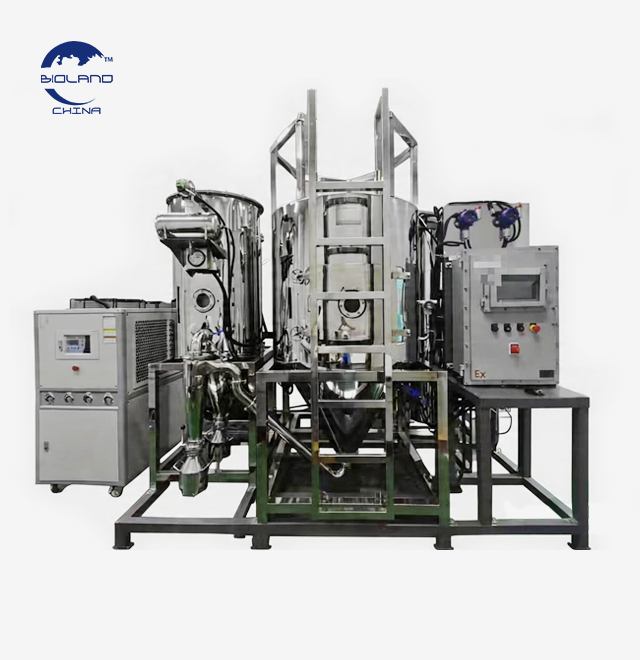
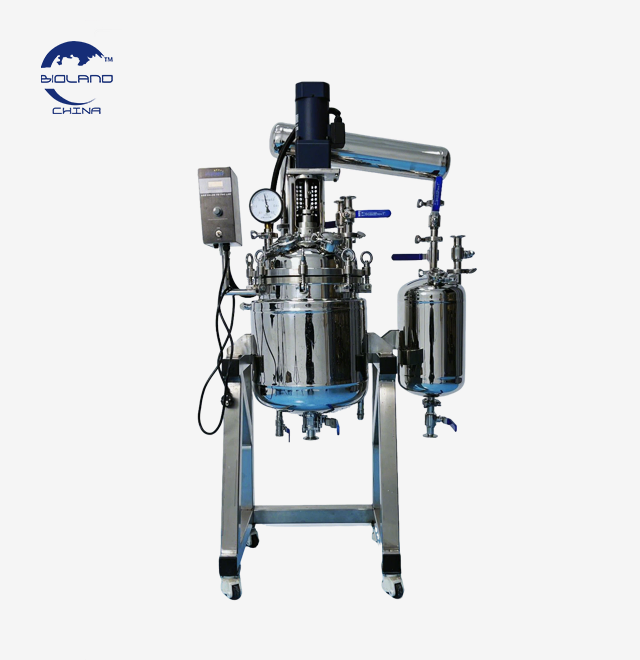
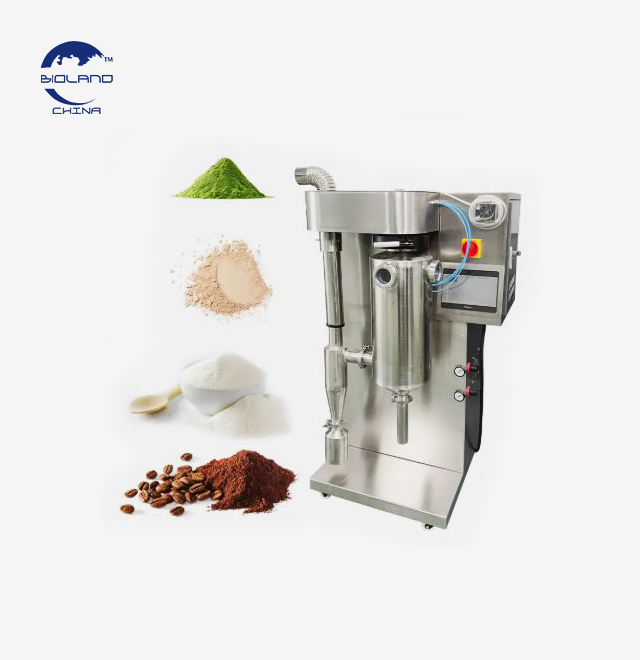
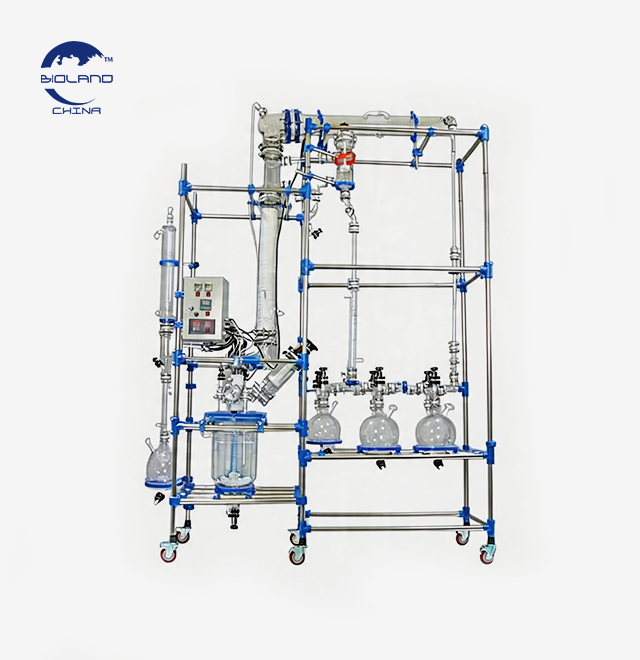
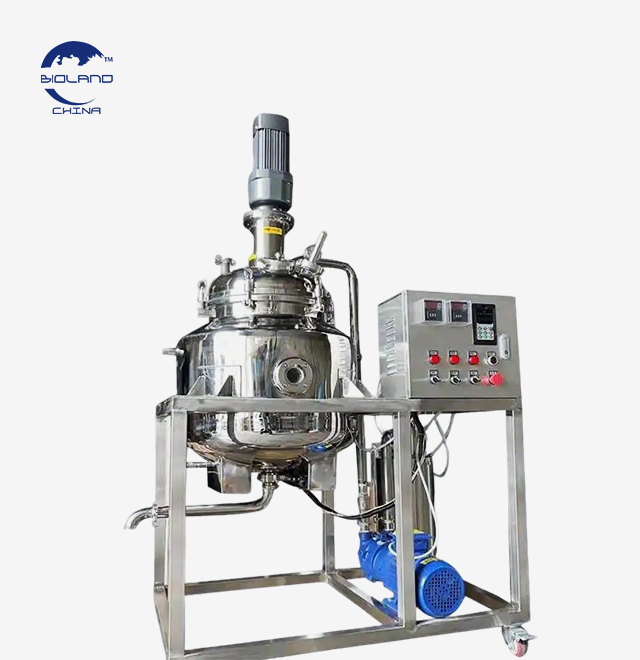
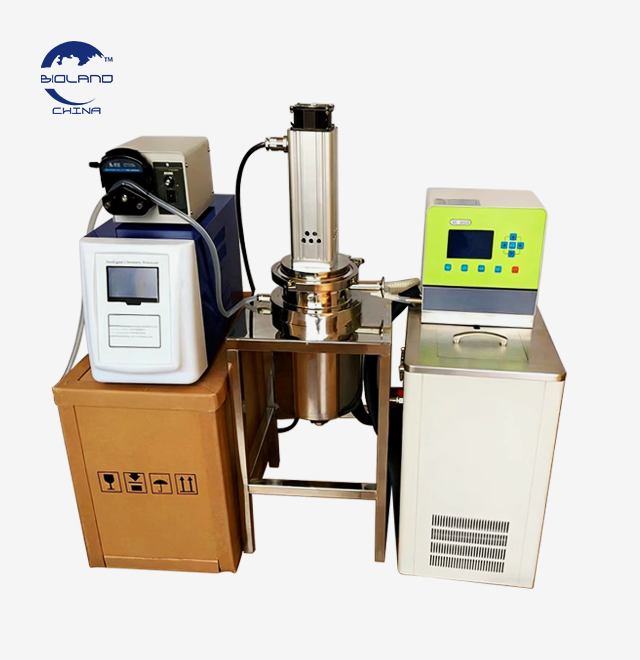
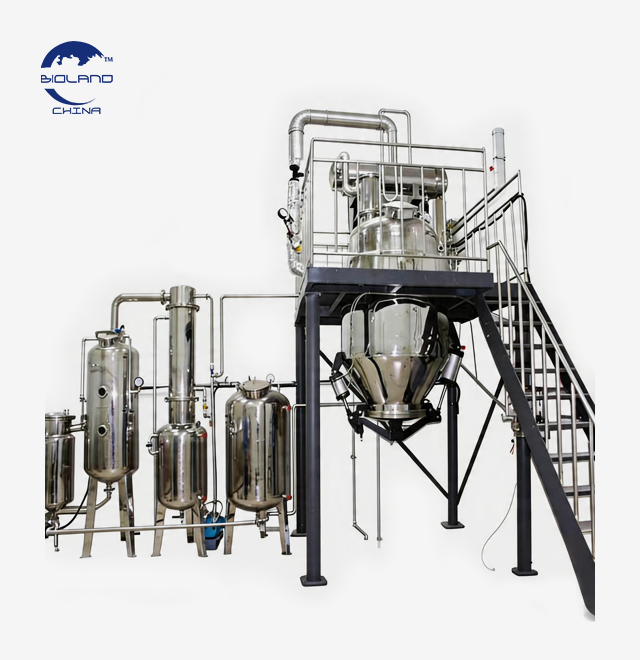
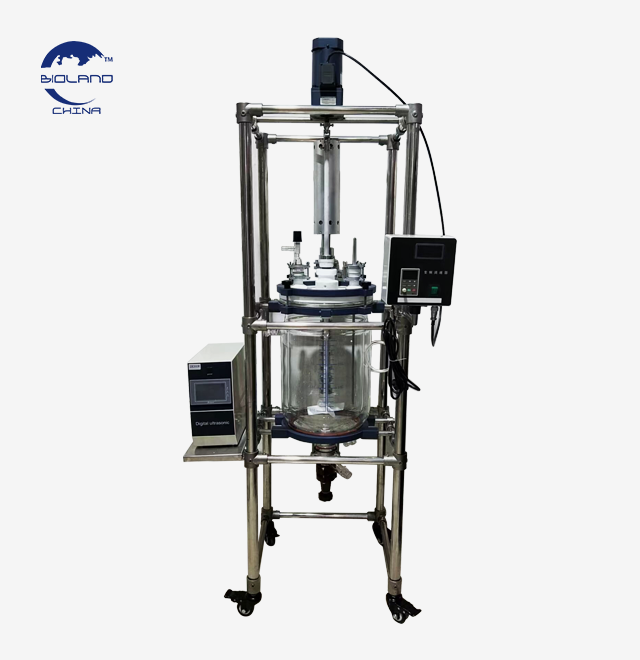
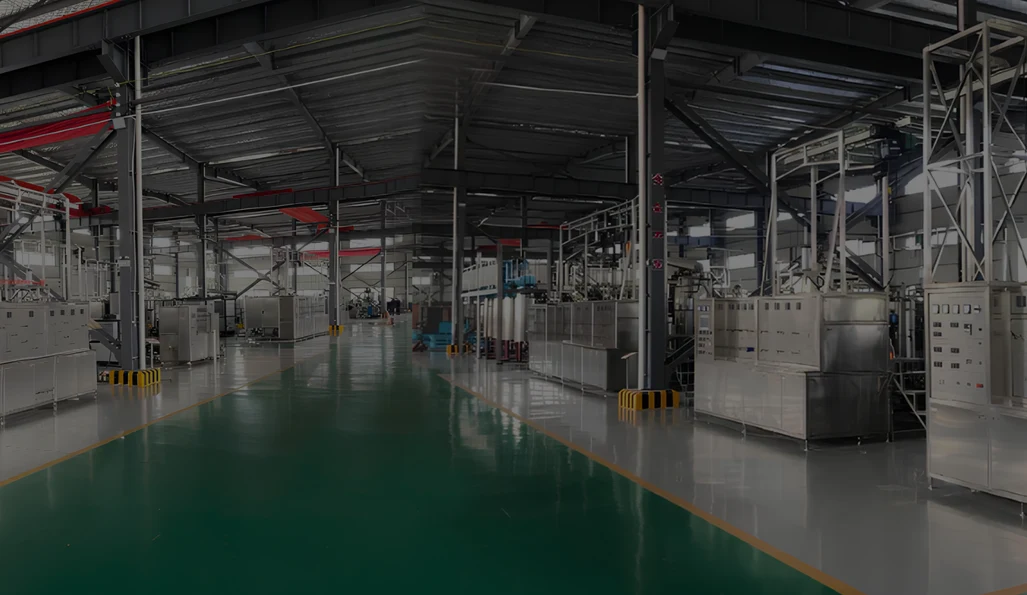
Modern manufacturing depends on extraction equipment, which separates and cleans valuable chemicals from raw materials quickly and easily. An ultrasound assisted extraction machine is one of the most advanced technologies on the market today. It works by using sonic cavitation to break up cell structures and release specific chemicals. In industries like drugs, biotechnology, food processing, cosmetics, and herbal medicine, where accuracy, purity, and output have a direct effect on product quality and profits, this equipment is a must-have. Modern extraction systems combine several processes—such as distillation, concentration, and filtration—into complete systems that can go from lab-scale study to trial and full-scale production.
Understanding Extraction Equipment and Its Applications
Different types of technology are used in extraction tools to sort certain compounds from complex mixtures. The right extraction method is important whether you're trying to get curcumin out of turmeric, capsaicin out of peppers, or essential oils out of plants.
Defining Extraction Equipment in Modern Manufacturing
Specialized machines that use chemical or physical methods to get valuable substances out of raw materials are called industrial extraction tools. Old methods like maceration and percolation have been replaced by more modern ones, such as ultrasonic-assisted extraction, supercritical fluid extraction, and systems that use solvents. These technologies help solve important problems like keeping the purity of compounds during heat processing, getting the most out of expensive raw materials, and protecting the environment by recovering solvents.
Industries Relying on Advanced Extraction Technologies
Pharmaceutical companies need extraction tools to make sure that the active ingredients they use are always effective. These devices are used by biotechnology companies to get proteins, enzymes, and molecules out of fermentation broths. Food companies get tastes, colors, and nutritional molecules out of plants while still following clean-label rules. To keep antioxidants and vitamins, the makeup business relies on gentle extraction methods. Extraction methods are used in the environmental protection field to treat waste and get resources back. Pharmaceutical companies have to follow GMP rules, food makers have to get FDA approval, and chemical manufacturers need systems that can't explode when they work with flammable solvents.
The move toward ultrasonic extraction is due to clear benefits. Process experts like that the new methods are 50–500% more efficient than the old ones. The lower solvent use is appreciated by procurement managers because it lowers running costs and environmental risks. Directors of R&D like working at low temperatures, between 40°C and 60°C, because it keeps heat-sensitive chemicals from breaking down.
Time needed for extraction drops from hours to 24 to 40 minutes, which speeds up production cycles and makes better use of tools. Because of these advantages, new goods can hit the market faster and current product lines can make more money, making the ultrasound assisted extraction machine especially appealing during capacity increases or process upgrades.
Principles and Working Mechanism of Ultrasound Assisted Extraction Machines
Knowing how ultrasonic extraction equipment works helps buying teams and technical leads decide if this technology meets the needs of their process and can show stakeholders why the investment is worth it.
The Science Behind Acoustic Cavitation
High-intensity sound waves are sent through liquids during ultrasonic extraction, which works at frequencies between 20kHz and 28kHz. During the rarefaction phases, these waves make tiny vacuum bubbles by switching between high-pressure and low-pressure cycles. Cavitation is the process by which these bubbles burst during compression stages. This creates hotspots with very high temperatures and pressures.
The collapse makes strong micro-jets and shear forces that break down cell walls and release chemicals inside the cells into the solvent. This mechanical action goes deep into plant materials, speeding up the movement of mass much more than diffusion alone can do. Cavitation gives off a lot of energy in a small area without raising the overall temperature very much, unlike thermal extraction, which needs to be heated for a long time.
Ultrasonic Transducer: This device changes electrical energy into mechanical movements. It is usually made of medical-grade Titanium Alloy (Ti-6Al-4V), which is resistant to rust and good at picking up sound.
Generator Unit: Provides controlled power and frequency tracking to make sure the speaker works at its best resonance.
Sonotrode Probe: A direct-contact part that sends ultrasonic energy into the extraction tank; it can be replaced and comes in different sizes to fit different batch sizes.
Extraction Vessel: Jacketed reactor that lets you precisely control the temperature by connecting to an outside cooler.
Control System: PLC-based automation that lets you set amplitude (20–100%), program extraction rounds, and keep an eye on the temperature.
In more advanced models, there are two ultrasonic sets, which increase the power density and treat bigger areas evenly. ATEX-certified explosion-proof generators with inert gas purging are built into systems made for flammable liquids. This makes sure that they can safely be used with ethanol, hexane, and other volatile chemicals.
Comparative Performance: Ultrasonic vs Traditional Methods
Traditional Soxhlet extraction takes 6–8 hours, uses a lot of liquid, and is heated all the time. It uses a lot of energy and could damage sensitive substances when heated. Maceration takes days and involves a lot of shaking, which slows down output and ties up ships. Ultrasonic extraction is done in less than 40 minutes and uses a lot less solvent—often 30–50% less—while keeping the process temperatures low. This efficiency has a direct effect on running costs because it leads to less energy use, lower solvent purchase and disposal costs, and more equipment replacement. Accelerated extraction also keeps volatile aromatics and thermolabile antioxidants that would be destroyed by normal boiling for a long time. This makes the extract better and more bioactive.
Benefits and Applications of Ultrasound Assisted Extraction Technology
Beyond theoretic benefits, real-world uses show how ultrasonic technology changes the cost and quality of production in a wide range of situations.
Measurable Performance Advantages
There are several value drivers that make ultrasonic extraction a good business idea. Depending on the material and goal compound, extraction rates go up by 50–500%. This means that you get more value from the same amount of raw material. With processing times cut by 66% or more, the same equipment can make more than one batch per shift instead of just one. This essentially doubles capacity without having to spend money on new equipment.
Savings on solvents lower both the cost of buying them and the cost of getting rid of toxic trash. Selective extraction and less co-extraction of unwanted matrix components make the extract purer, which makes the next steps easier. These benefits add up: better yields, faster output, and lower running costs all add up to big gains in bottom-line profits.
Industrial Application Examples
The ultrasound assisted extraction machine is very flexible, as shown by the many real-world uses in many different fields:
Herbal Medicine and Nutraceuticals: For food supplements, extracting polyphenols from green tea, ginsenosides from ginseng, and flavonoids from different plants is known as herbal medicine and nutraceuticals. Compounds that are sensitive to temperature keep their antioxidant action even when heated for a long time.
Essential Oil Production: Using citrus peels, lavender, and peppermint to remove aromatic oils gives you better oils with deeper scents than just steam distillation. The mechanical disruption frees the trapped essential oils without changing the temperature.
Pharmaceutical Manufacturing: Getting alkaloids, glycosides, and other active ingredients for making drugs. Capsaicin, curcumin, stevia, and propolis products that meet medicinal purity standards have been made on lines that use our technology and work well.
Food and Beverage Processing: Processing food and drinks means getting out natural colorants, flavorings, and useful ingredients like pectin or protein hydrolysates. Ultrasonic systems can handle solvent-free or food-grade solvent methods that are needed for clean labels.
Case Study Evidence
Our setups of production lines show real effects. A facility that extracts curcumin raised the yield from 2.8% to 4.5% while cutting batch time from 4 hours to 35 minutes. This meant that the daily output doubled while the equipment size stayed the same. A process for processing propolis cut the amount of ethanol used by 40% and made the consistency of the extract more uniform, which got rid of batch-to-batch differences that were causing problems with quality control.
A company that makes mushroom polysaccharides improved the efficiency of their extraction process so much that they were able to switch from three extraction tanks to two, which saved them money on capital costs and upkeep. These written improvements show what ultrasonic systems can do in business production settings when they are set up and run correctly.
How to Choose the Right Ultrasound Assisted Extraction Equipment
Buying extraction equipment is a big investment that needs to be carefully thought out in terms of technical specs, seller skills, and the total cost of ownership.
Critical Selection Criteria
Production Scale Alignment: Match the ability of your tools to the amounts you are producing now and those you plan to produce in the future. For R&D work, laboratory machines handle 1 to 20 liters. For process development and small business runs, pilot-scale systems can handle 50 to 200 liters. Industrial units can hold more than 500 liters of materials for full-scale production. Scalability is important, so make sure that your provider offers linear scaling paths that match the parameters that were optimized in the lab at production levels.
Automation Requirements: Manual systems are cheaper to buy at first, but they need constant attention from a user during the extraction processes. PLC-automated equipment can work without being watched because it has preset extraction routines, automatic temperature control, and alarm functions for situations that aren't meeting specifications. Automation gets rid of human variation, which cuts down on labor costs and improves accuracy from batch to batch.
Material Compatibility: Standard 304 stainless steel construction is fine for many uses, but 316 stainless steel touch areas may be needed for high-purity pharmaceuticals or corrosive solvents. Make sure that the materials that have been wet meet the standards of your process chemistry and the law.
Negotiation Strategies for B2B Procurement
A good procurement agreement strikes a mix between keeping costs low and protecting long-term value. When you ask for quotes, be sure to include specifics like the batch size, the type of liquid, the properties of the material, and any legal requirements. This level of detail makes it possible for accurate offers and lowers the cost of making changes after the purchase. If you want to buy more than one unit or add capacity in stages, ask about bulk savings for the ultrasound assisted extraction machine and related gear.
Pay attention to the payment terms. Standard business terms include a deposit when the order is placed, payments in process while the product is being made, and the final payment before the shipment. If you buy more, you might be able to get better rates. Make sure you understand what the guarantee covers. Reputable makers back their products with at least a one-year warranty and free lifetime maintenance. Find out what the guarantee covers (like parts, work, and travel) and what it doesn't cover (like consumables like probes and damage from wrong use).
Timelines for projects are affected by delivery plans. Custom-built systems usually take 30 to 45 business days to finish from the time the order is confirmed. It may take 7–10 days to ship standard stock items. In your procurement contract, include delivery goals and ask for reports on the production process. Professional manufacturers provide picture or video proof every week while the parts are being made.
Maintenance Tips and Optimization Strategies for Ultrasound Extraction Machines
Maintenance and operation improvement can make equipment last longer, keep it working well, protect your investment, and make sure that the quality of the product stays the same.
Routine Maintenance Protocols
Setting up a program for regular maintenance cuts down on unexpected downtime and keeps the extraction working efficiently. After each production run, clean the sonotrode probe with the right chemicals to get rid of any leftover extract buildup that might interfere with ultrasonic transmission. Check the probe surface for erosion or damage. Titanium alloy probes can last for thousands of hours of use, but cavitation wears down the surface over time, so it needs to be replaced or resurfaced at some point.
Once a month, make sure the electrical links on the generator and transducer are safe to keep the power from going out. Check that both the ultrasonic generator's internal cooling and the extraction vessel's jacketed temperature control work properly. Too much heat can damage parts and make the system less effective. When CIP (Clean-in-Place) systems are added, they automatically clean between runs. Check the efficiency of the CIP system on a regular basis to make sure it meets quality standards for residue removal. Keep detailed repair logs that record cleaning, inspections, and any adjustments. This helps you stay in line with regulations and figure out when to replace parts.
Process Parameter Optimization
Efficiency in extraction rests on getting the most out of a lot of elements that are all connected. For most botanical extractions, amplitude sets between 60 and 80% give the best cavitation intensity. However, for more delicate materials, smaller amplitudes may be needed to keep the compounds from breaking down. Solubility and diffusion rates are greatly affected by the temperature of extraction. Keep temperatures in the best range for your target chemical, which is usually 40–60°C for bioactives that are sensitive to heat.
Both yield and selectivity are affected by the solvent choice. Many plants work well with ethanol amounts between 70% and 95%, but some compounds may extract better if the polarity is changed. Solid-to-solvent ratios need to be balanced. Adding more solids increases throughput, but if not enough solvent touches all the material, extraction may not be full. Try different rates between 1:5 and 1:15 to find the best one for your process.
Pulse mode operation, which involves turning on and off the sonication repeatedly, can sometimes lead to better results by giving time for diffusion between cavitation bursts and stopping areas from getting too hot. You should try both steady and pulsed action to see which works best for your material. To build formal process knowledge, write down all changes to parameters and results.
Integration with Downstream Processing
The ultrasound assisted extraction machine is one part of the whole process of making something. Overall productivity and product quality are highest when the whole process chain is optimized. Filtering should be added right after extraction to separate waste from extract liquor while it is still warm and the viscosity is low and the rate of filtering is fast. Nutsche filter reactors can do both pressure and vacuum filtering as well as washing, which separates the solids from the residual extract and increases output.
To lower the amount of extract and raise the percentage of active compounds, connect concentration equipment like rotating evaporators or falling film evaporators to extraction systems. Add solvent recycling systems to get back ethanol or other liquids and use them again. This will cut down on costs and damage to the environment by a huge amount. Closed-loop methods that combine liquid recovery, extraction, filtration, and concentration are the most efficient and have the least impact on the environment.
Automation of the whole process chain is more consistent than automation of a single unit. Integrated control systems make sure that materials get moved from one part of a process to the next, that inventory is kept track of, and that batch records are made automatically. This combination helps GMP-regulated companies a lot because they need to keep a lot of paperwork.
Conclusion
The way businesses separate and purify valuable chemicals from raw materials is fundamentally altered by extraction equipment, especiallyultrasound assisted extraction machines. The technology has measured benefits, such as processing that is much faster, outputs that are much higher, solvent use that is lower, and compound quality that is maintained. These benefits have a direct effect on manufacturing costs and product competitiveness.
Ultrasonic extraction solves important problems that standard methods can't effectively in the fields of biotechnology, cosmetics, food preparation, nutraceuticals, and medicines. To choose the right tools, you need to think about the size of the production, the need for automation, the compatibility of the materials, and the supplier's certifications, customized options, and support services. With regular upkeep and process improvement, these systems will work reliably for years to come, giving your business the extraction performance it needs.
FAQ
Can ultrasonic extraction equipment handle explosive solvent environments safely?
Of course. Industrial ultrasonic systems made for flammable liquids have explosion-proof engines that are ATEX or IECEx approved and are kept in chambers that are pressurized and purged with inert gas. These safety features make it legal to use ethanol, hexane, acetone, and other flammable solvents that are common in the extraction of drugs and plants.
How does equipment size scale from laboratory to production volumes?
Ultrasonic extraction works the same way no matter what size of equipment is used because the range and specific energy intake (Ws/mL) stay the same. Laboratory units show that the process can work on a 1–20-liter size. Pilot units with 50–200 liters of capacity prove that the product can be sold. When production units of 500 liters or more copy the optimized settings, the extraction rate stays the same at all manufacturing levels. This stable flexibility lowers the risk of moving from research and development to full-scale production.
What determines the operational lifespan of ultrasonic probes?
How long a probe lasts relies on its amplitude settings, how acidic the solvent is, how rough the solid particles are, and how many hours it has been used. Medical-grade titanium alloy probes can usually work for thousands of hours without needing to be resurfaced or replaced because of cavitation damage. When you check things regularly, you can find wear and tear early on, so you can replace them during planned maintenance instead of having them break down in the middle of a production run.
Partner with BIOLAND for Your Extraction Equipment Needs
Xi'an Bioland Instrument Co., Ltd. brings over 15 years of specialized experience manufacturing ultrasound assisted extraction machines and comprehensive processing systems for pharmaceutical, biotechnology, food, and chemical industries. Our equipment holds CE, ISO, UL, SGS, ATEX, and IEC certifications, ensuring compliance with international quality and safety standards. We design all systems to meet GMP requirements, with customizable 316 stainless steel construction for pharmaceutical-grade applications.
Our ultrasonic extraction systems deliver 50–500% higher efficiency than conventional methods through low-temperature operation at 40–60°C, preserving heat-sensitive compounds while completing extraction in just 24–40 minutes. We offer full PLC automation, explosion-proof configurations, dual-ultrasonic and dual-condenser options, and integrated ancillary systems including solvent recovery, CIP cleaning, and automatic discharge devices. Supporting multiple extraction modalities—UAE, hot reflux, aromatic oil, and organic solvent extraction—our equipment adapts to diverse process requirements.
As an experienced ultrasound assisted extraction machine manufacturer, we provide comprehensive OEM and ODM services including workshop planning, equipment selection, installation and commissioning, technical training, and ongoing after-sales support. Our successful implementations include production lines for stevia, propolis, capsaicin, curcumin, and mushroom extracts. Contact our technical team at info@biolandequip.com to discuss how our extraction solutions can optimize your production efficiency, improve product quality, and support your growth objectives.
References
1. Chemat, F., Rombaut, N., Sicaire, A., Meullemiestre, A., Fabiano-Tixier, A., & Abert-Vian, M. (2017). Ultrasound assisted extraction of food and natural products: Mechanisms, techniques, combinations, protocols and applications. Ultrasonics Sonochemistry, 34, 540-560.
2. Vilkhu, K., Mawson, R., Simons, L., & Bates, D. (2008). Applications and opportunities for ultrasound assisted extraction in the food industry: a review. Innovative Food Science & Emerging Technologies, 9(2), 161-169.
3. Tiwari, B. K. (2015). Ultrasound: A clean, green extraction technology. TrAC Trends in Analytical Chemistry, 71, 100-109.
4. Shirsath, S. R., Sonawane, S. H., & Gogate, P. R. (2012). Intensification of extraction of natural products using ultrasonic irradiations: A review of current status. Chemical Engineering and Processing: Process Intensification, 53, 10-23.
5. Wang, L., & Weller, C. L. (2006). Recent advances in extraction of nutraceuticals from plants. Trends in Food Science & Technology, 17(6), 300-312.
6. Mason, T. J., Paniwnyk, L., & Lorimer, J. P. (1996). The uses of ultrasound in food technology. Ultrasonics Sonochemistry, 3(3), S253-S260.
The reactor is beautifully mirror-polished and fully complies with GMP requirements for the pharmaceutical industry. The performance is excellent! Overall, we are very satisfied! We also provided with some feedback on our process improvements, which we hope will be helpful.
2024-04-09
Laboratory
Excellent and professional service. Always reply our questions very fast. All reactors and chiller we received are good too.
2024-02-15
Research Institute
Quality is beyond our expectation actually. After we got the extraction equipment and started using it, the performance was beyond our expectation. Very easy to use and very efficient to run. Service always respond us very quickly. Was also very helpful to help us. Thanks Bioland team. Very happy to work with you.
2023-11-20
Biotech Company
We are happy about the new purchase as always. Equipment and services are both good.
2023-08-05
Instrument Lab
This is the second order with Bioland instrument and everything is good as the first dateText.
2023-05-12
Global Trading Partner
Bioland instrument team is very helpful and professional. The sales helped us select the right equipment for our application, and their logistics people handled the transportation and customs declaration for our shipment. All that saved us a lot of work.