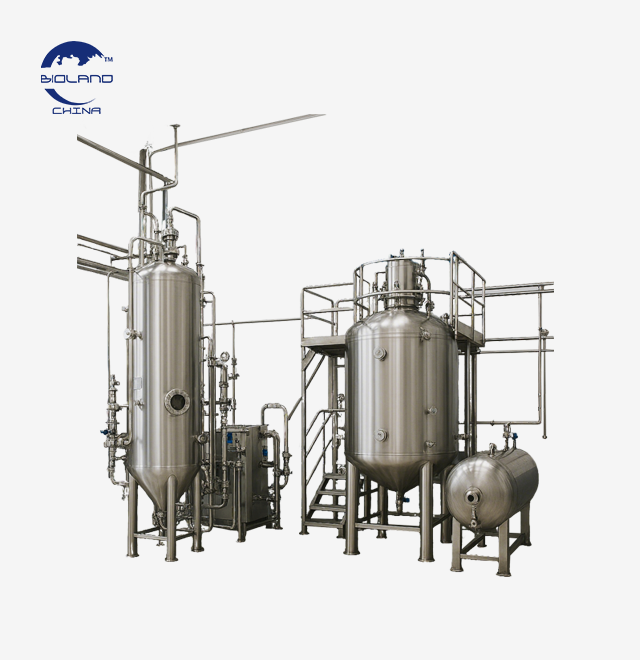
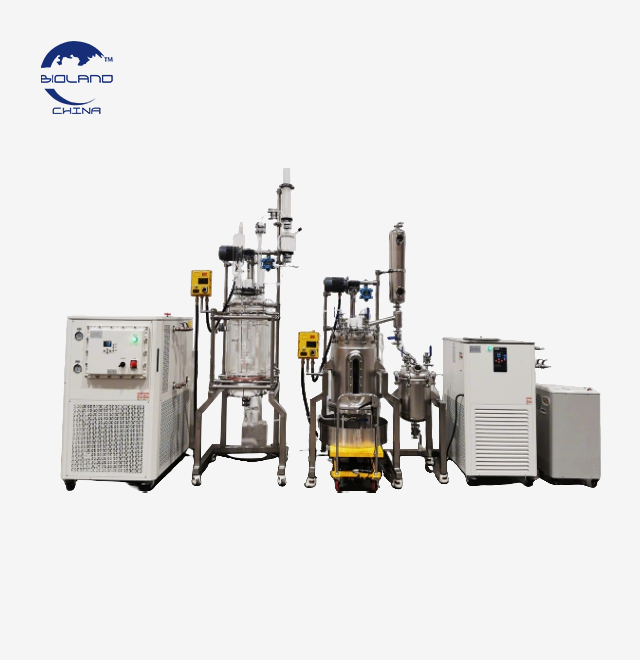
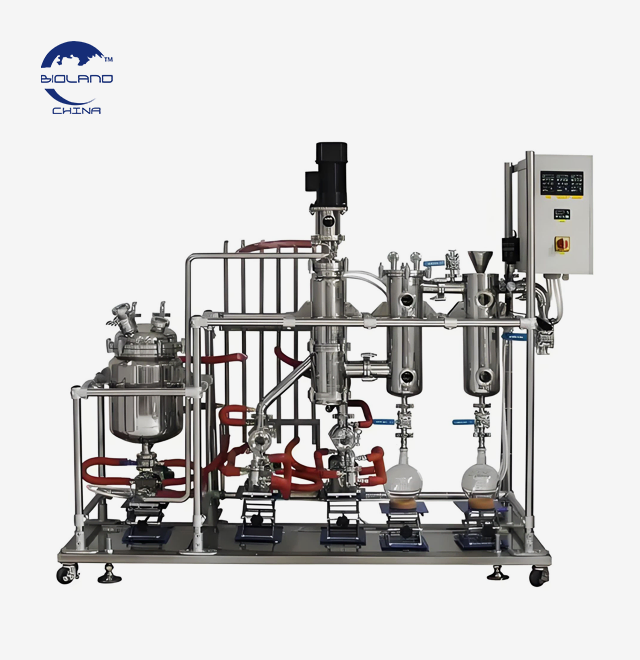
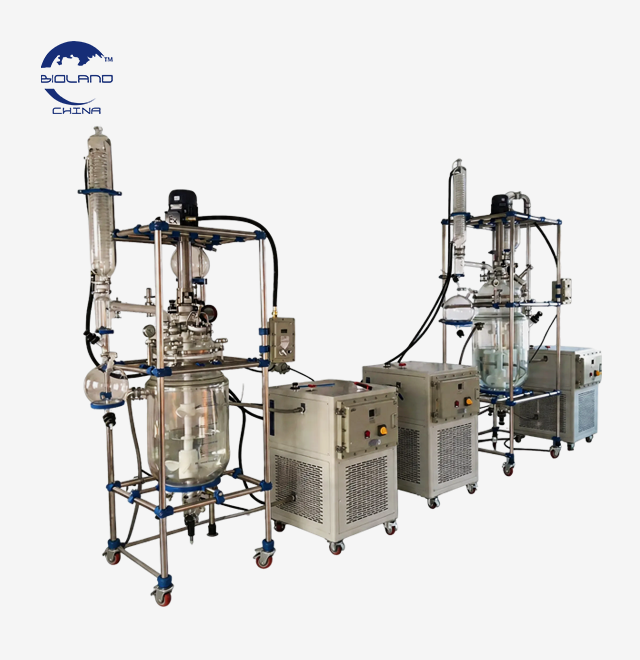
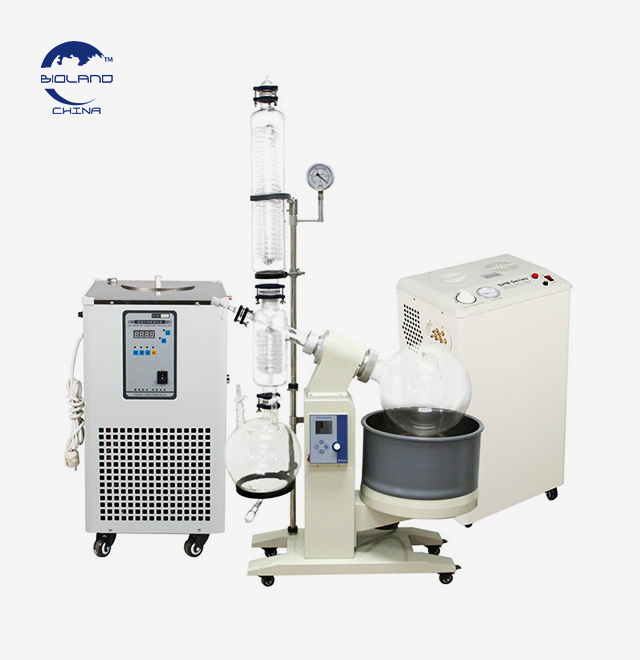
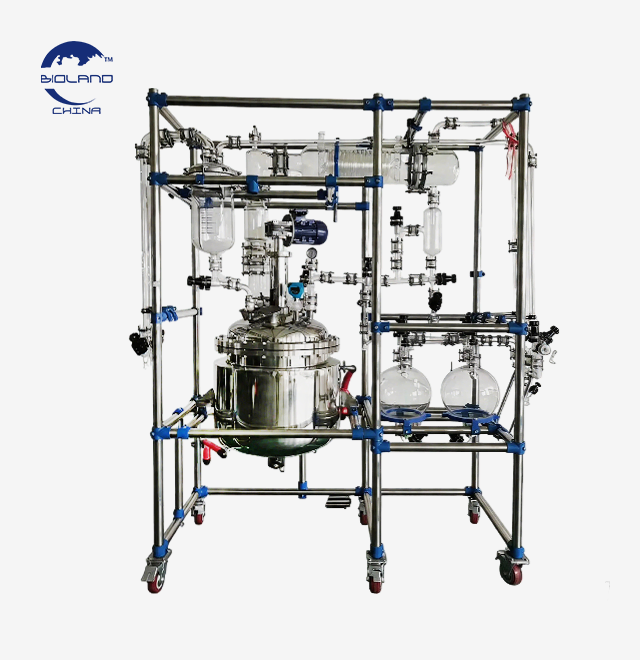
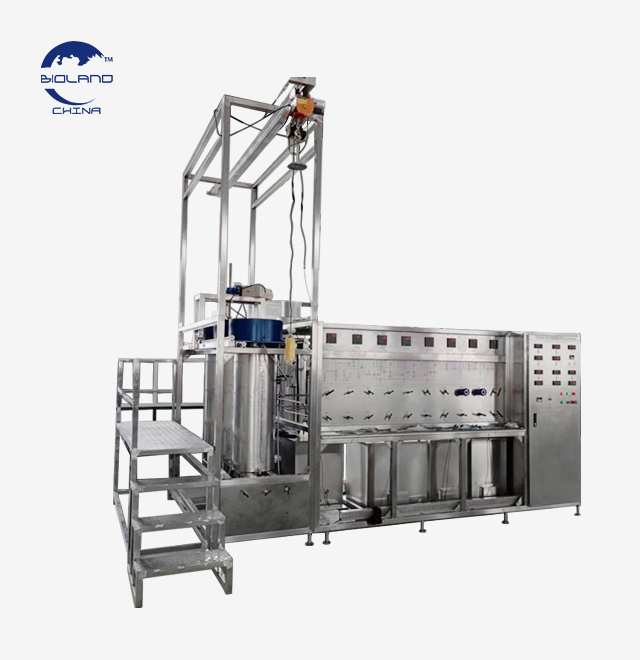
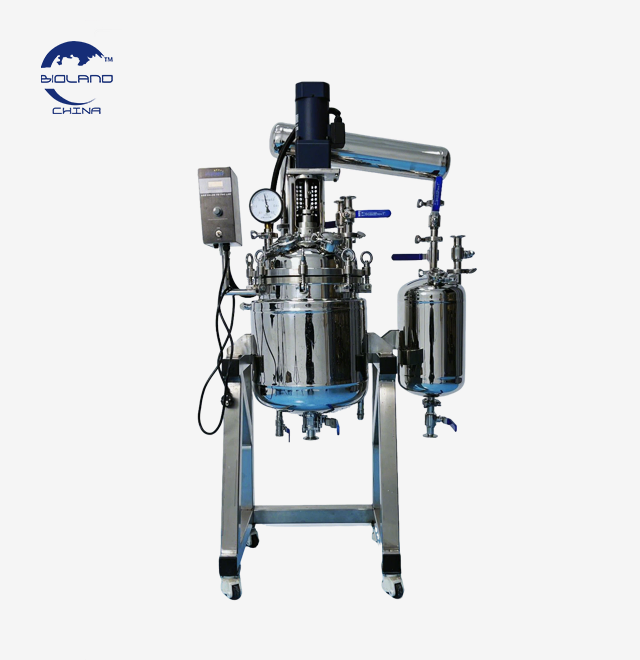
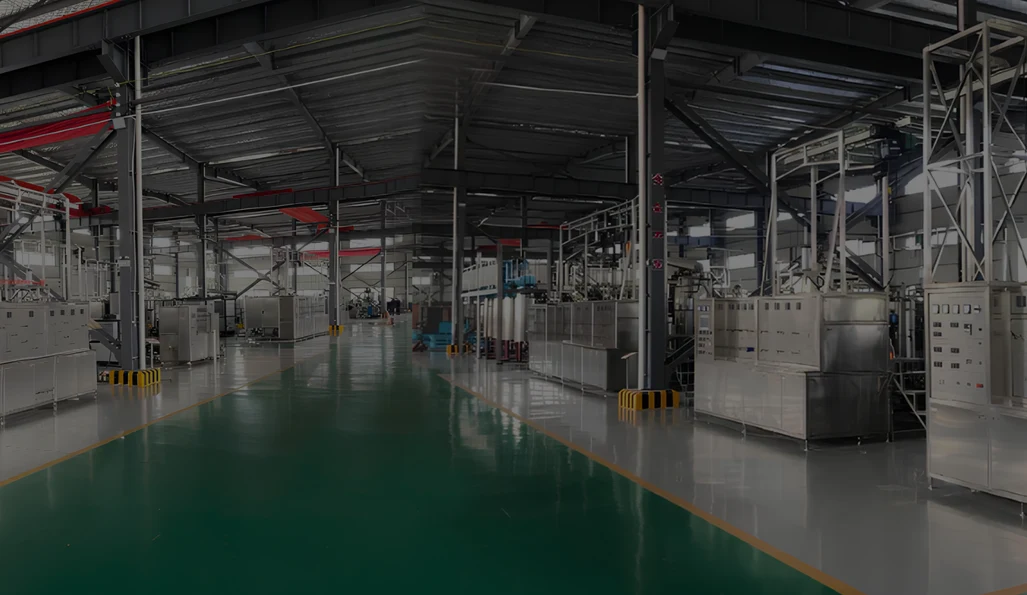
A solid phase synthesis reactor is a special kind of chemical processing tank made for reactions with different types of substrates. Reagents move through the liquid phase while substrates stick to hard resin supports. This machine is mostly used to make peptides, oligonucleotides, and other complex organic molecules that are used in biotechnology research, pharmaceutical production, and specialty chemical production.
Unlike traditional reactors, these systems combine the coupling, washing, and deprotection cycles into a single vessel. This gets rid of the need for time-consuming isolation steps and greatly speeds up production times while still maintaining high standards of purity for both peptide drug development and chemical intermediate manufacturing.
Understanding Solid Phase Synthesis Reactors: Principles and Applications
Anchoring reactants onto solid polymer beads is the basic idea behind these reactors. This makes a two-phase system that changes the way we build complex molecules. This method gets around a major problem in standard liquid-phase synthesis by letting scientists do sequential reactions without isolating intermediates after each step.
Core Working Mechanism
Polymer resin beads, which are at the center of the system, work like tiny labs. Each bead holds thousands of molecule chains that are growing, which makes parallel synthesis possible and increases productivity. When the reactor adds chemicals in the liquid phase, they spread out and react with the attached substrate in the swollen resin. The built-in filtering system keeps the solid beads while drawing off extra chemicals and waste after each reaction. This beautiful design turns a process that used to involve many vessels and transfer steps into one that is simplified and limited.
Temperature-controlled jackets keep the reaction conditions just right, and special stirring stops the breakdown of the resin. The system can handle resin that swells up to five times its original size; this was taken into account when the tank shape was being planned.
Industry Applications Driving Demand
Pharmaceutical businesses use these units to make GLP-1 receptor agonists, therapeutic antibody fragments, and other peptide-based active pharmaceutical ingredients. When going from milligram-scale research to kilogram-scale clinical supplies, the pharmaceutical business likes how these methods can be used over and over again and on a larger size.
In biotechnology research centers, these reactors make it possible to look for antibacterial peptides and make custom peptide libraries. These systems are necessary for both academic and industrial labs because they can automate synthesis while keeping coupling efficiency above 99% per step.
These reactors are used by chemical companies to make custom intermediates and catalysts that are based on polymer matrices. Scavenger resin is useful in the environmental protection field because it can be used in reactors to get rid of metal contaminants or unwanted by-products from process streams.
Advantages Over Traditional Methods
In traditional batch synthesis, products have to be separated and cleaned after each reaction step. This takes days of work and creates a lot of liquid waste. With solid-phase methods, these steps are sped up and done in rounds inside the same vessel. Automation cuts down on mistakes made by people and makes accuracy between batches better, which is a must for GMP-compliant production.
Large amounts of extra reagents can be used to speed up processes, and the filtering system makes it easy to get rid of materials that aren't needed. This feature is especially useful when making long peptide chains, because any incomplete reactions at any point in the process can lower the quality of the end result.
How Does a Solid Phase Synthesis Reactor Work?
By understanding how things work, buying teams can figure out if the tools will work for certain tasks. During the synthesis cycle, the reactor controls four separate stages that happen again and again.
Phase One: Coupling Reaction
During the binding phase, activated amino acids or building blocks join with the substrate that is bound to the resin. Low-shear motion keeps the resin solution even without grinding the small polymer beads by hand. Maintaining exact temperatures, usually between 20°C and 60°C, in the jacketed tank speeds up reactions without damaging protective groups. The PT100 sensor probes measure temperatures very accurately and with little error, so the conditions stay the same even after many hours of connection.
Phase Two: Filtration and Washing
The built-in PTFE sandcore filter plate is an important part because it keeps the resin beads in place while letting the liquid drain quickly. Pore sizes between 15 and 40 micrometers (G3 standard) keep flow rates high enough for full washing without losing beads. Multiple solvent rinses with dichloromethane or DMF get rid of by-products and chemicals that haven't been used up. The design that minimizes dead volume keeps reagents from building up in corners or around seals, so there is full drainage between rounds.
Phase Three: Deprotection
Before the next binding cycle, any temporary protecting groups that are connected to reactive sites must be taken off. In a controlled way, the reactor adds deprotection chemicals, which are usually strong acids or bases. The filter device effectively gets rid of the by-products of deprotection, getting the resin ready for the next step, which is coupling. All materials that are wet in this step must be chemically resistant, which means that the structure must be made of high borosilicate glass or PTFE-lined stainless steel construction.
Phase Four: Vacuum Operation
Integrated suction systems make conditions that are dry, which are needed for processes that are sensitive to wetness. Vacuum drying gets rid of any fluids that are still stuck in the swollen resin beads, which stops any unwanted reactions from happening in the next steps. Nitrogen cleansing creates neutral atmospheres that keep amino acids like methionine and cysteine from oxidizing.Solid phase synthesis reactor components such as mechanical seals made of alloy steel and PTFE connections that keep high-precision sealing in tough conditions keep the vacuum integrity of the system.
Component Integration
Modern reactors have AC gear motors that make a lot of power without making a lot of noise, which is important for labs. The PTFE discharge valve has a moveable interface that lets the product discharge completely and quickly, so valuable end products are lost as little as possible. Mobile frames let you put reactors under fume hoods or in containment areas, which meets the safety needs for corrosive chemicals and flammable fluids.
Comparing Solid Phase Synthesis Reactors: Making the Right Choice for Your Lab or Facility
When choosing the right tools, you have to weigh the technical skills against the operational needs and budget limits. Making smart buying choices means knowing how different reactor configurations handle different output scenarios.
Automation Level Considerations
Fully automatic systems have PLC controls that handle adding reagents, setting temperatures, controlling agitation speeds, and washing processes without any help from a human. These systems work best in high-throughput settings that make standardized peptide sequences, and automation makes sure that the sequences are the same across hundreds of runs every year. The initial investment pays off because it cuts down on labor costs and gets rid of typing mistakes.
Reactors that are either fully or partially automated work well in study settings where synthesis methods change often. While keeping the main benefits of solid-phase synthesis, these combinations give method creation more freedom. Each step is controlled by operators, who can make changes in real time based on watching reactions.
Material Selection Impact
G3.3 high borosilicate glass jars are very resistant to chemicals and let you see how the reaction is going by watching the resin swell and change color. Glass works well for lab and test scales up to 50 liters, because it is clear, which helps with fixing and method validation.
At production levels above 100 liters, mechanical strength and heat transfer efficiency become more important than clarity, so stainless steel construction is needed. For GMP compliance, pharmaceutical companies choose stainless steel because it has a very smooth surface (Ra less than 0.4 micrometers), which keeps one batch from contaminating another. Optional PTFE or titanium filter elements meet certain standards for interaction with highly corrosive cleavage cocktails that contain trifluoroacetic acid.
Temperature Range Requirements
Standard reactors work at temperatures between 0°C and 120°C, which is warm enough for most peptide synthesis tasks. Specialized chemistry may need wider temperature ranges from -80°C to 250°C to accommodate reactions that are easily damaged by heat or that need higher temperatures for stubborn couplings. This wider range makes the tools more complicated and expensive, but it is necessary for non-standard amino acids or peptidomimetic building blocks.
Scale and Throughput Matching
Reactors in research labs are usually between 5 and 50 liters, depending on how much the materials cost and how much is needed for testing and characterizing. Scaling up clinical options in pilot facilities needs 100- to 500-liter tanks that keep the reaction performance that was proven on smaller scales. Multiple 500-liter reactors can be used at the same time in production sites, which allows for continuous manufacturing processes.
When figuring out throughput, cycle times must be taken into account. These include joining, washing, deprotecting, and drying. It takes 80 hours of reactor time to make a 20-amino-acid peptide that needs 4 hours of cycle time. This helps with planning capacity to meet market demand.
Procurement Guide: How to Buy and Maintain a Solid Phase Synthesis Reactor
Strategic procurement includes more than just buying the tools once. It also includes the total cost of ownership over the whole span of the business. Buyers should look at a number of important things that affect the property's long-term value.
Matching Technical Specifications to Application Needs
Reproducibility of reactions is directly affected by how well temperature is controlled. Equipment with ±1°C control stability stops side reactions that lower the quality of the end product. Agitation systems need to keep the resin solution even without too much shear, which breaks up polymer beads and releases fines that clog filter plates.
Pay close attention to the filter plate specs. Larger resins work well with G2 filters that have pores between 40 and 80 micrometers, while smaller beads won't be able to get through G3 filters that have pores between 15 and 40 micrometers. Back-flush features clean up fines that have built up on the filter without taking it apart, which extends its life.
Configurations that don't explode are needed when working with pyrophoric chemicals or explosive solvents like diethyl ether. These systems have motors, control screens, and temperature displays that are explosion-proof and meet ATEX or NEC 505 standards. This keeps people and buildings safe from ignition risks.
Evaluating Manufacturers and Suppliers
Manufacturers who have been making pharmaceutical process tools for 15 years or more bring useful application knowledge. Their engineering teams can suggest setups that have worked well in similar situations in the past, especially when integrating a solid phase synthesis reactor into production lines. This cuts down on risks during testing and speeds up the project timeline. Certification files with proof of CE, ISO, and GMP compliance show that the company has quality management systems that make sure that the production standards are always met.
Factory direct sales models often offer 20–30% cost savings compared to dealer channels. This makes this way of buying appealing to people who want to save money without losing quality. With OEM and ODM options, basic platforms can be changed to fit specific process needs by adding custom sample ports, inline pH monitoring, or distillation features.
Case studies show how much knowledge a manufacturer has with related uses. In tough settings, systems that have worked well in peptide drug research and development, antimicrobial peptide screening, or chemical intermediate production have a history of success.
Understanding Total Cost of Ownership
The initial cost of the tools is only one part of the total costs over its lifetime. When site preparation, utility hookups, and performance qualification standards are taken into account, installation and commissioning take up 10 to 15 percent of the cost of the equipment. Manufacturer-provided assembly services make sure that the equipment is set up correctly and that operators are trained. This is helpful for facilities that don't have specialized skills.
The cost of yearly repair, which includes things like replacing seals, filter plates, and sensors, is usually between 3 and 5 percent of the value of the equipment. Unexpected breakdowns that throw off production plans can be avoided with predictive maintenance programs that check for wear on seals and motor noises.
Different shapes use very different amounts of energy. Operating costs are lower over thousands of hours of output with variable-frequency drive motors and jacket heating systems that work well. When comparing types, you should ask for information on how much energy they use in normal working conditions.
Negotiation Strategies and Lead Times
Asking for detailed quotes from several makers makes it easier to negotiate prices and understand what each offer includes. Buyers should make sure that the prices they get include installation, training, extra parts kits, and guarantee coverage. Standardized equipment usually ships within 5 to 7 business days and can be used to replace broken units or add to the capacity that is already there.
For planning, fabrication, and testing of customized designs, it takes 30 business days. This schedule allows time for reviews of the plan, getting the materials, and tests at the factory before shipping. Planning purchases around project goals keeps the plan from getting behind.
After-Sales Support Infrastructure
When fixing operational problems, quick expert help is very important. Manufacturers that offer support hotlines 24 hours a day, 7 days a week, and online troubleshooting help keep production processes running smoothly. How quickly repair teams can get machines back into service depends on how quickly spare parts are available. Lead times are cut from weeks to days by keeping important parts like seals, gaskets, and filter plates in stock nearby.
Lifetime repair agreements give you peace of mind even after the equipment's guarantee period is over. Having access to repair services stretches the life of equipment, which delays the need to buy new equipment.
Optimizing the Efficiency and Safety of Your Solid Phase Synthesis Reactor
To get the most out of your equipment investment, you need to follow operating best practices that increase yield, keep people safe, and make equipment last longer.
Yield Optimization Strategies
The purity and volume of the end product are directly related to how well the coupling works in a solid phase synthesis reactor. Using qualitative tests like the Kaiser or TNBS assays to check for reaction completion lets scientists make decisions in real time about whether to extend coupling times or repeat rounds. By choosing the right fluid, you can keep the resin from swelling and make sure that the chemical can reach all the reacting sites in the polymer matrix.
Temperature patterns that are best for certain amino acids keep sensitive residues like cysteine or histidine from being racemized. Automated temperature rising during coupling and deprotection processes makes conditions repeatable in a way that can't be done by hand.
Safety Protocol Implementation
There are strict safety rules that must be followed when working with toxic chemicals like trifluoroacetic acid and piperidine. Volatile organic compounds can be avoided by making sure there is enough air flow, and spills are caught by secondary filtration systems before they reach the floor drains. Putting emergency wash stations near reactors makes cleaning possible right away.
When exothermic reactions happen or the vacuum system fails, pressure release devices keep the reactors from getting too pressurized. Regular testing and checking of relief valves makes sure they work right when they're needed. Operators need to be taught how to shut down in an emergency and how to respond to an event.
Compliance with International Standards
Facilities that follow GMP rules must keep records of how qualified their equipment is by following the Installation Qualification, Operational Qualification, and Performance Qualification procedures. These validation actions show that reactors always work within the limits that were set and produce good results. The verified state is kept up by ongoing testing programs for pressure gauges, temperature sensors, and control systems.
For material traceability reasons, you have to keep records of analysis for all wet components, which list the alloy makeup and surface finishes. Any changes to equipment or working parameters must follow change control processes, which look at how the changes will affect the quality of the product before they are made.
Preventive Maintenance Programs
Scheduled maintenance stops wear and tear that lowers function over time. Every month, the seals, stirrer alignment, and filter plate strength are checked. Temperature monitors need to be calibrated every three months to keep readings accurate within acceptable ranges. Every year, wear parts are replaced before they break, and downtime is planned to happen when production is slow.
Motor and shaft lubrication plans keep bearings from wearing out too quickly. Cleaning routines get rid of any leftover resins and chemicals on the inside, which keeps campaigns that are making different molecules from getting contaminated with each other.
Conclusion
Solid phase synthesis reactors are important parts of the equipment needed to make medicines, do study in biotechnology, and make specialty chemicals. These systems speed up the production of complicated molecules by combining coupling, filtering, and deprotection processes into one process. This gets rid of the need for time-consuming purification steps. To choose the right tools, you have to compare automation levels, material suitability, temperature ranges, and scale to the needs of the application.
When making a purchase choice, it's best to work with makers that offer customization options, full support, and a history of success in similar industries. Operational excellence is achieved by fine-tuning reaction times, following strict safety rules, and implementing preventative maintenance programs that get the most out of initial capital investments over many years of useful service.
FAQ
What distinguishes a solid phase synthesis reactor from conventional batch reactors?
In Solid-phase synthesis reactors, substrates are attached to polymer beads, which allows reactions to happen in a certain order without separating intermediates. Solid resins and liquid chemicals can be kept separate in the same tank by integrated filtration systems. In traditional batch reactors, only liquid-phase reactions can happen, and each step requires isolating and cleaning the result. Because of this main difference, solid-phase devices work best for peptide synthesis's repeated coupling processes.
Can these reactors handle small-scale custom synthesis projects?
Of course. For study purposes, lab-scale reactors with a volume of 5 liters are good for making custom peptides. The technology works well with amounts ranging from milligrams to tons, and the response works the same way at all sizes. Custom synthesis works better with these systems because they can be used again and again and can be automated. This is true even at smaller scales where standard methods require a lot of work.
What maintenance schedule do manufacturers recommend?
Seals, filters, and motion systems are checked every month for early signs of wear. Sensors are calibrated every three months to keep measurements accurate. Consumable parts like gaskets and O-rings are replaced every year during thorough repair. If you follow the manufacturer's instructions, the product should last 10 years or more and work perfectly.
Partner with BIOLAND for Your Synthesis Equipment Needs
BIOLAND INSTRUMENT has been in the business of making reactors for pharmaceutical and chemical uses for more than 15 years. Our Solid-phase synthesis reactor provider can do more than just sell standard equipment. They can also make fully personalized solutions that meet the specific needs of each process. Our equipment meets world quality standards because it has CE and ISO licenses.
Our engineering team creates reactors that can handle temperatures from -80°C to 250°C, have PTFE sandcore filtration, and can be made in explosion-proof ways if needed to meet GMP standards. Peptide drug creation, antimicrobial peptide screening, and chemical intermediate manufacturing are all examples of successful setups in research labs and production sites.
We support full process integration, which includes vacuum operation, crystallization, filtering, and distillation all in one system. Contact our technical experts at info@biolandequip.com to talk about your unique synthesis problems and get personalized equipment suggestions along with factory-direct prices and full support for the lifecycle of the equipment.
References
1. Merrifield, R.B. (1963). "Solid Phase Peptide Synthesis: The Synthesis of a Tetrapeptide." Journal of the American Chemical Society, 85(14), 2149-2154.
2. Chan, W.C. & White, P.D. (2000). "Fmoc Solid Phase Peptide Synthesis: A Practical Approach." Oxford University Press, Oxford, United Kingdom.
3. Fields, G.B. & Noble, R.L. (1990). "Solid Phase Peptide Synthesis Utilizing 9-Fluorenylmethoxycarbonyl Amino Acids." International Journal of Peptide and Protein Research, 35(3), 161-214.
4. Amblard, M., Fehrentz, J.A., Martinez, J. & Subra, G. (2006). "Methods and Protocols of Modern Solid Phase Peptide Synthesis." Molecular Biotechnology, 33(3), 239-254.
5. Stewart, J.M. & Young, J.D. (1984). "Solid Phase Peptide Synthesis, Second Edition." Pierce Chemical Company, Rockford, Illinois.
6. Lloyd-Williams, P., Albericio, F. & Giralt, E. (1997). "Chemical Approaches to the Synthesis of Peptides and Proteins." CRC Press, Boca Raton, Florida.
The reactor is beautifully mirror-polished and fully complies with GMP requirements for the pharmaceutical industry. The performance is excellent! Overall, we are very satisfied! We also provided with some feedback on our process improvements, which we hope will be helpful.
2024-04-09
Laboratory
Excellent and professional service. Always reply our questions very fast. All reactors and chiller we received are good too.
2024-02-15
Research Institute
Quality is beyond our expectation actually. After we got the extraction equipment and started using it, the performance was beyond our expectation. Very easy to use and very efficient to run. Service always respond us very quickly. Was also very helpful to help us. Thanks Bioland team. Very happy to work with you.
2023-11-20
Biotech Company
We are happy about the new purchase as always. Equipment and services are both good.
2023-08-05
Instrument Lab
This is the second order with Bioland instrument and everything is good as the first dateText.
2023-05-12
Global Trading Partner
Bioland instrument team is very helpful and professional. The sales helped us select the right equipment for our application, and their logistics people handled the transportation and customs declaration for our shipment. All that saved us a lot of work.