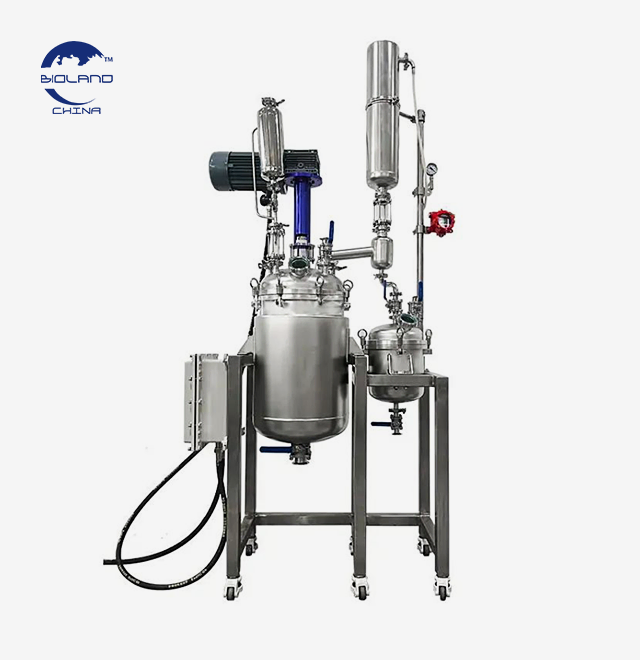
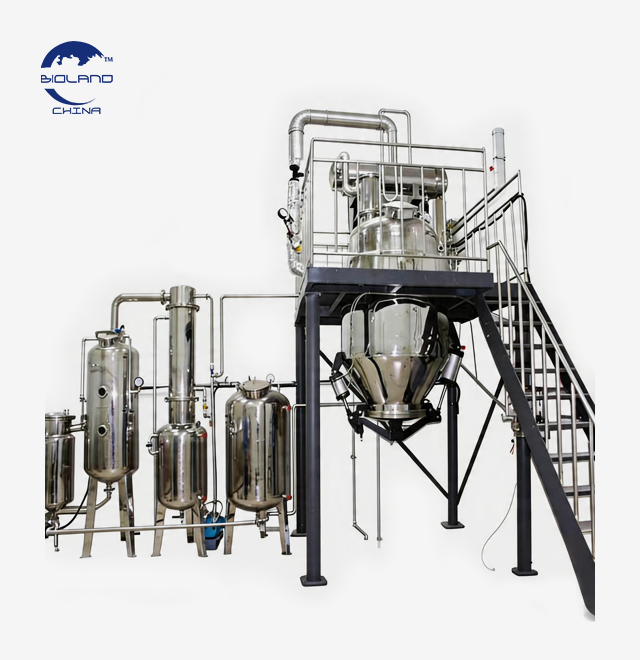
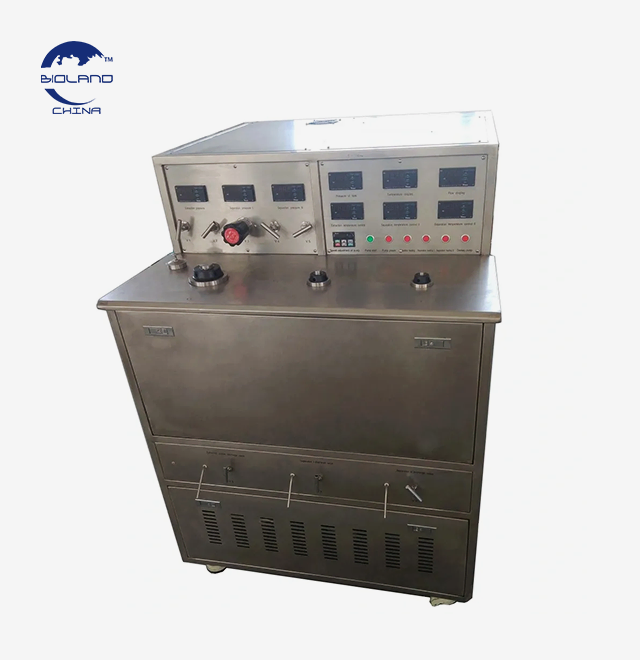
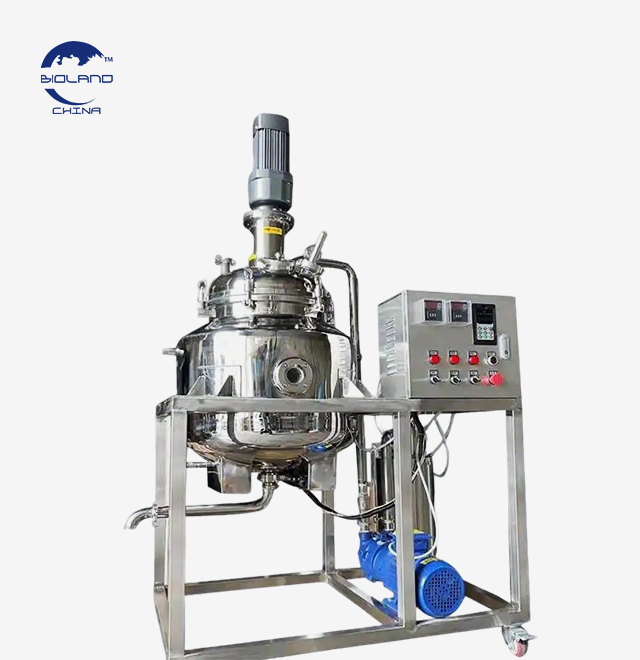
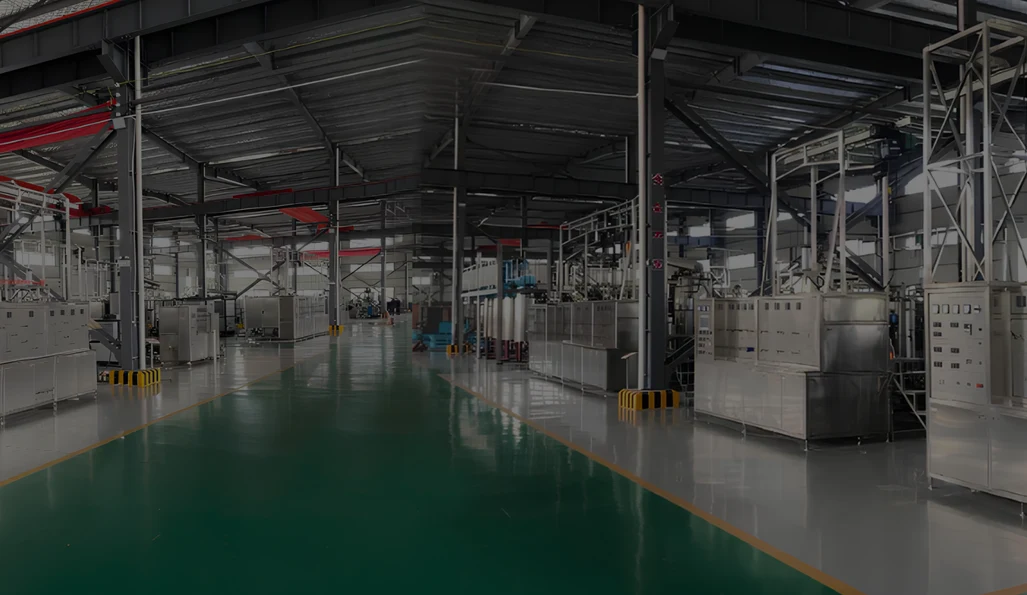
Affordable medicinal plant extraction machines with high efficiency
Jun 1, 2026
If you can find the right medicinal plant extraction machine, you can increase your output while staying within your budget. Today's advanced botanical extraction equipment is both affordable and very efficient, giving 50–500% higher returns than older ways. These systems use automated controls, ultrasonic-assisted extraction, and closed-loop solvent recovery to make working processes faster (24–40 minutes) and produce better quality products. If you want to make smart purchasing choices that protect your investment and maximize returns, you need to know how current extraction technology works. This is true whether you're going from lab research to pilot production or adding to an existing line.
Comprehending Medicinal Plant Extraction Machines: How They Work and Why Efficiency Matters?
Controlled mass transfer methods separate certain bioactive compounds from plant raw materials. These compounds include alkaloids, flavonoids, terpenes, and glycosides. To get the most touch between the plant material and the extraction medium, the equipment carefully controls the temperature, the pressure, and the flow of the solvent.
Core Working Principles Behind High-Performance Extraction
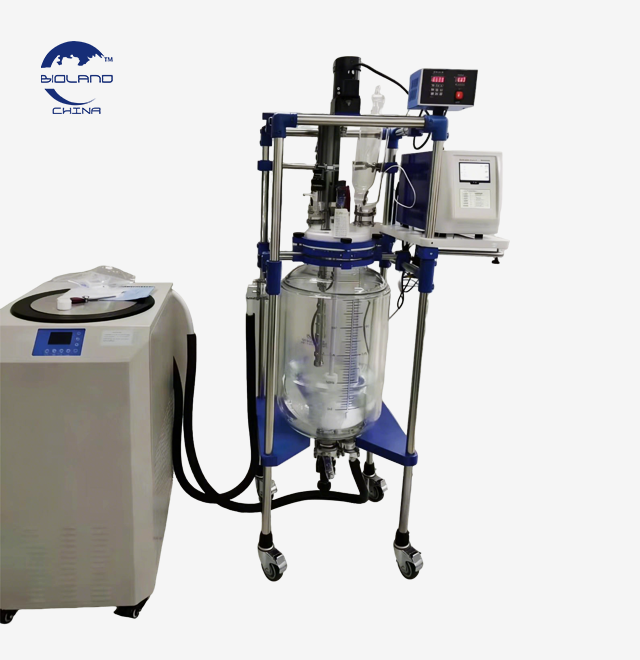
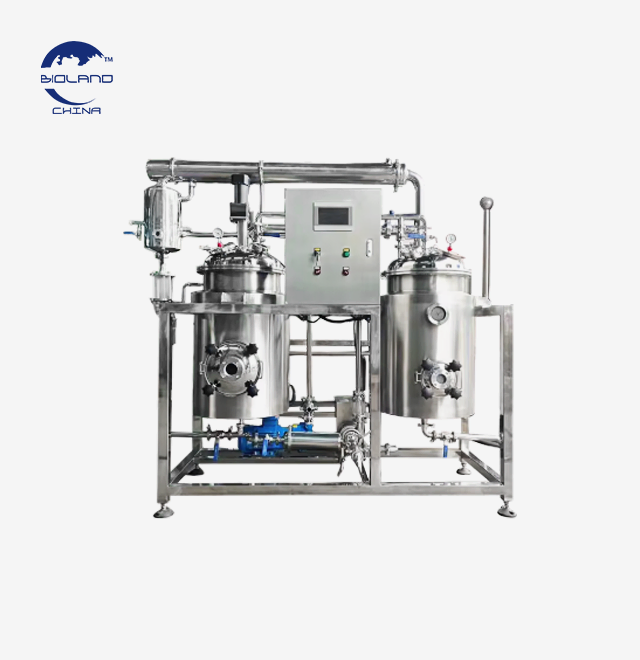
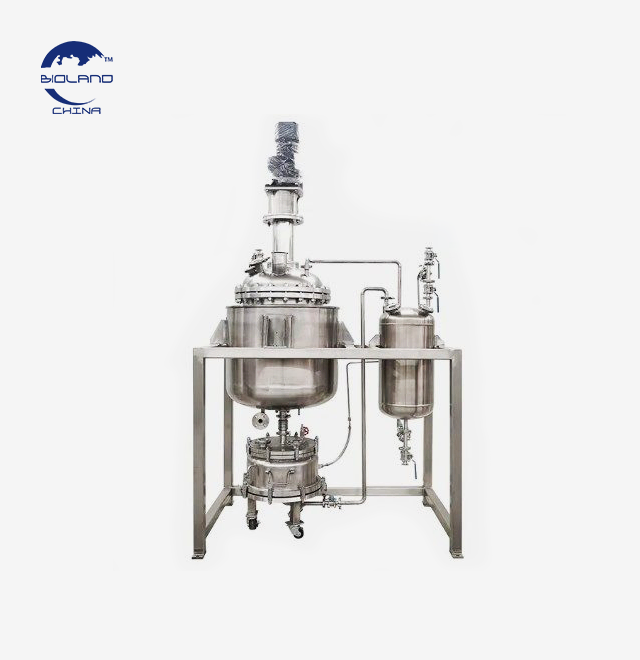
Three important parts work together to make extraction work well: the extraction vessel, which is where the plant material meets the liquid; the heating/cooling system, which keeps the right temperature ranges; and the condensing unit, which collects and cleans the extracted chemicals. Ultrasonic technology, which creates cavitation bubbles at 20–40 kHz frequency, is used in more advanced tools. When these tiny bubbles pop, they make micro-jets that go through cell walls and release phytochemicals that were stuck inside. Compared to passive soaking ways, this process speeds up extraction by a huge amount.
Low-temperature activity, between 40°C and 60°C, protects heat-sensitive chemicals that would break down in normal high-heat processes. Integrated vacuum systems lower the boiling point of solvents so they can evaporate slowly without damaging the solvents with heat. The closed-loop design recycles liquids like ethanol, water, or organic solvents, which cuts down on usage by up to 70% while keeping the extraction settings the same from batch to batch.
Why Extraction Efficiency Directly Impacts Your Bottom Line
In three different ways, efficiency can be measured in terms of money saved. When rates are higher, more valuable chemicals can be extracted from the same amount of raw material. This directly increases profits on every production run. Pharmaceutical companies that handle Artemisinin or Paclitaxel say that recovery rates are higher than 95% when they use optimized tools, but only 60–70% when they use standard ways.
Production times are cut down by a large amount when working processes are faster. If extraction can be done in 24–40 minutes instead of 4–8 hours, three times as many batches need to be processed per shift. When processes are scaled up, this increase in capacity often gets rid of the need to buy more tools. Less liquid use lowers the cost of both raw materials and getting rid of trash. Facilities that use closed-loop recovery systems say that their running costs are 40–50% lower than those that use open extraction methods. At the same time, they have to follow tougher environmental rules.
Automated parameter control makes it possible to get consistent quality from batch to batch. PLC systems keep exact records of timing, temperature, and pressure, so they don't change like human processes do. This consistency is very important when making standardized extracts for medicinal uses that need exact amounts of marker compounds.
Types of Affordable Medicinal Plant Extraction Machines Suitable for Different Business Scales
When you choose equipment that is right for your production size, you avoid both expensive assets that aren't being used enough and capacity bottlenecks that stop growth. Knowing what different types of medicinal plant extraction machine can do and how much they cost can help you find the best option.
Comparing Ultrasonic Extraction Systems Versus Traditional Reflux Equipment
Ultrasonic-assisted extraction (UAE) is the current gold standard for getting the best results at the lowest cost. These systems use high-frequency sound waves to help the solvents get deeper. They can do in 30 minutes what takes hours with regular reflux. The upfront cost is 30–50% higher than for basic reflux equipment, but the operating saves cover this extra cost within 12–18 months for factories with regular output schedules.
Traditional reflux extractors can still be used in situations where low initial investment is important or where the materials being processed can handle longer contact times. These systems don't use ultrasonic waves to help the hot liquid flow, so they need longer cycles but are easier to use and maintain.
Scalable Solutions for Laboratory, Pilot, and Production Environments
Laboratory-scale units that can hold 5 to 20 liters help R&D teams come up with extraction methods and make sure that process parameters are correct. These small units range in price from $8,000 to $25,000 and let you try different types of solvents and extraction methods. Their small size means they can fit in most labs, and the data they give is reliable even when used with bigger machines.
Pilot tools that can handle 50 to 200 liters fill the gap between study and full production. These systems cost between $35,000 and $85,000, based on the amount of automation and the type of material used. They are used to test processes and make small batches for sale. Pilot equipment helps companies that are moving from lab development to full-scale production by mimicking full-scale performance and lowering financial risk during market testing stages.
Extractors on a production scale that can handle 500 liters or more per batch help established manufacturing processes. These strong systems have full automation, built-in solvent recovery, CIP cleaning options, and explosion-proof designs for working with dangerous solvents. The average investment runs from $120,000 to $500,000. The exact cost depends on the size, materials used, and other systems that are added. The equipment works the same way over thousands of cycles, and units that are well taken care of will work consistently for 15 to 20 years.
Real-World Performance: How Mid-Sized Manufacturers Achieve Competitive Output
For their line of plant supplements, a pharmaceutical company in Oregon switched from standard maceration to ultrasonic extraction. The change cut the time it took to extract the active chemical from 6 hours to 35 minutes, but it also increased the output by 18%. With the same amount of floor room and work hours, the company was able to triple its production capacity, which let it take on bigger orders from big stores.
In the same way, a pharmaceutical research center in Massachusetts used a dual-condenser ultrasonic device to get curcumin out of plants. The improved recovery system caught volatile chemicals that were lost in their old setup. This raised the quality of the extract from 82% to 96% and lowered the need for purification after extraction. The better product could be sold for more, so the machine investment paid for itself in 14 months.
How to Choose the Right Medicinal Plant Extraction Machine: Key Factors for B2B Buyers
To make sure that the medicinal plant extraction machinechosen meets both current and future needs, procurement choices need to take a number of technical and business factors into account.
Evaluating Extraction Efficiency and Process Compatibility
First, make a list of the chemicals you want to remove and how stable they are at different temperatures. Alkaloids and terpenes that are sensitive to heat need systems that can work at low temperatures and have precise thermal control. Compounds that are more stable can handle a wider range of processing temperatures. Ask makers for data on how well their extraction methods work, giving the recovery rates for compounds that are similar to your target molecules.
Process compatibility is more than just basic separation; it covers the whole production flow. Multiple extraction methods—UAE, hot reflux, aromatic oil extraction, and organic solvent extraction—can be used with the same equipment. This gives you practical freedom as your product line changes. If you're making pharmaceutical or food-grade goods, make sure that the areas that touch the materials are made of the right type of stainless steel (316L for corrosive solvents) and that the seals and gaskets meet FDA standards.
Balancing Initial Investment Against Total Cost of Ownership
The purchase price is only one part of the real cost of the tools. Find the total cost of ownership by adding up the costs of installation, operator training, regular upkeep, the amount of solvent used, the amount of energy used, and the projected lifespan. Over the course of 10 years, a machine that costs 20% more at first but cuts solvent use by 60% usually ends up being more cost-effective.
The amount of automation has a big effect on worker costs. Fully automated PLC-controlled systems need little to no human input, so one technician can handle many extraction rounds. Equipment that is either manually or partially automated needs to be supervised all the time, which takes up skilled workers who could be doing other things. Automation is most useful for facilities with two or three shifts, but semi-automated systems may work well enough for one-shift operations with less capital spending.
Safety Features and Regulatory Compliance Requirements
Explosions can happen when you work with toxic solvents, and the right equipment design must be used to keep them from happening. Safety requirements that can't be waived include electrical parts that won't explode, grounding systems, and proper air integration. Check that the equipment has the right certifications, such as ATEX for European markets, IECEx for foreign uses, or UL listings for installs in North America.
Following GMP rules is very important for pharmaceutical and nutritional uses. This includes things like building without cracks that keeps germs from spreading, systems for keeping track of all the parameters of the process, and materials that can handle harsh cleaning methods. Manufacturers of equipment that have been working with controlled industries for 15 years or more usually know all of these rules inside and out and build their products to meet them from the start.
Assessing Manufacturer Support and Service Capabilities
Technical support quality is what separates machines that work well and become a production tool from machines that are constantly frustrating. Check how fast the maker is during the quotation phase. Companies that answer technical questions fully and quickly before the sale usually keep up that level of service after the sale too.
For more information on what the guarantee covers and how long it lasts, please ask for specifics. The fact that manufacturers offer full warranties that cover the whole system for one year and go over important parts like ultrasonic sensors for longer shows that they are confident in the trustworthiness of their products. Make it clear if technical help includes remote diagnosis, service on-site, and the ability to get replacement parts with acceptable wait times.
Procurement Insights: Buying Affordable and Efficient Medicinal Plant Extraction Machines
To find the right supplier, you need to know how the market works, how to spot quality signs, and how to make deals that protect your interests.
Understanding Market Pricing and Identifying Fair Value
The price of medicinal plant extraction machine depends on its capability, amount of automation, building materials, and features that come with it. Ultrasonic systems for the lab usually cost between $12,000 and $30,000. Pilot-scale units cost between $40,000 and $95,000, and production equipment costs between $150,000 and $600,000. Prices below these levels usually mean that the quality of the materials, safety features, or company support have been lowered.
When the price is incredibly low compared to the features, you should be very careful. Extraction systems that work well need to be carefully made, use certified materials, and go through a lot of tests. All of these things cost money. Manufacturers with a good reputation don't charge too much, but they also don't make enough to sell their products below what it costs to make them.
Verifying Manufacturer Credentials and Experience
Look for providers that have the right quality certifications, such as ISO 9001 for quality management systems, CE marking for European safety standards, and certifications specific to the industry, such as ASME for building pressure vessels. These certificates show that you have put money into quality systems and are willing to let third parties audit your work.
Having experience making things in your industry gives you useful information. Companies that have a history of success in pharmaceutical extraction know what proof requirements are, and companies that work with food processing know how to control allergens and meet cleanliness standards. To check the stated experience, ask for case studies or recommendations from people who have worked on similar projects.
Structuring Purchase Agreements to Minimize Risk
Include clear technical details, performance promises, delivery dates, and payment terms in your buy agreements. Performance promises should include measured criteria, such as extraction efficiency percentages, processing cycle times, and solvent recovery rates, along with objective testing methods to make sure the claims are true.
Set reasonable shipping dates, keeping in mind that custom equipment needs time for planning and fabrication. Standard setups may ship in 5 to 7 weeks, but special systems usually take 10 to 14 weeks. Include penalties for major delays, but make sure the plan is based on real manufacturing conditions, not just wishful thought.
A fee (30–40%) is usually required when the order is placed, a progress payment (30–40%) is made at set points, like when pressure testing is finished, and the final payment (20–30%) is made before shipment or after successful installation and commissioning. This arrangement makes sure that both the buyer and the seller share the risk while also making sure that the manufacturer has enough working cash to keep the project going.
Case Studies and User Reviews: Real-World Performance of Affordable High-Efficiency Machines
Looking at written accounts from places that have used medicinal plant extraction machine gives useful information that goes beyond marketing claims.
Pharmaceutical Production: Improved Yield and Consistency
A plant drug company in California had to go from making small amounts of their secret herbal extract (pilot runs) to making large amounts for sale. They decided on an ultrasonic extraction method with two condensers and built-in filtering. The tools regularly recovered 92–94% of their marker compound across hundreds of production batches. This is better than the 68–75% recovery they were getting with their old system.
The automatic PLC control got rid of the differences in how the operators did their jobs, which caused problems from batch to batch that needed a lot of quality control tests. During the six-month stability testing, process validation data showed that all key parameters stayed within the values that were set. The pharmacy facility got FDA approval for their standardized extract, and regulatory reports showed that the extraction equipment worked reliably.
Nutraceutical Manufacturing: ROI Through Operational Efficiency
A company that makes supplements that use mushroom extracts put in a system that can extract substances using both water and alcohol. They were able to process six different types of botanical materials using methods that worked best for each one, so they didn't need to buy separate tools for each one.
Cutting down on processing time led to instant increases in capacity. The facility increased throughput by 240% without adding more floor area or people. This made it possible for them to take on contract manufacturing work, which brought in more money. Within 18 months, the investment was fully recouped thanks to higher output volume, lower labor costs, and lower solvent costs from the combined recovery system.
Essential Oil Production: Quality Improvement and Market Differentiation
A business that makes lavender oil for massage switched to low-temperature vacuum extraction equipment. The gentle processing kept the delicate chemical molecules that broke down in the high-heat system they were in before. Gas chromatography research showed that the new extract had 35% more of the good terpenes and esters than the old one.
This improvement in quality led to higher prices that quickly covered the cost of the tools. According to customer comments, the scents were noticeably better, and the company was able to break into new markets by serving aromatherapists and high-end makeup formulators. It was also important that the equipment was reliable; it worked for three years with only regular upkeep and no unplanned downtime.
Conclusion
Businesses of all sizes can now get their hands on cheap medicinal plant extraction machine that work very well. Modern equipment greatly raises yields with the help of ultrasound waves, exact temperature control, and better liquid management. When compared to old ways of doing things, this technology cuts working time by over 65% while still meeting GMP standards and safety rules. To do a good job of buying, you need to weigh the initial investment against the total cost of ownership, check the experience and support skills of the maker, and choose equipment that fits your production scale. When businesses buy well-designed systems from reputable providers, they see a strong return on investment (ROI) in the form of higher capacity, better product quality, and lower running costs. The market for extraction equipment has real value for people who know what they need technically and do a full review of suppliers.
FAQ
Q1: What capacity extraction machine do I need for my production volume?
A: Figure out how much production you need each day by thinking about the amount of extract you want to make, the ratios of raw materials you want to process, and how often you want to make batches. A factory that wants to make 50 kg of dried extract every month would usually need pilot-scale equipment with a 100- to 200-liter capacity that works in five to six runs a week. Industrial-scale systems (500 liters or more) that prepare bigger batches less often are better for businesses that make more than 200 kg per month.
Q2: Which extraction method provides the best efficiency-to-cost ratio?
A: The best balance for most uses is ultrasonic-assisted extraction, which increases yields by 50–300% compared to traditional methods while requiring only a small amount of capital. The method works well with a wide range of plant materials and compounds. The accuracy of supercritical CO2 extraction is better, but it costs a lot more to set up, so it's only practical for high-value chemicals.
Q3: How important are explosion-proof features for my facility?
A: Any job that uses flammable liquids like ethanol, hexane, or other chemical solvents needs electrical parts that won't explode and good air built in. This is true no matter how much is being made. When working with toxic solvents, even lab equipment has to follow safety rules. Water-only extraction systems only need standard electrical setups, which cuts down on the cost of tools and the amount of infrastructure that is needed in the building.
Partner with BIOLAND for Your Extraction Equipment Needs
BIOLAND INSTRUMENT has been making medicinal plant extraction machine for more than 15 years and has a lot of experience with specialized tech. The performance gains described in this piece are backed up by evidence. Our ultrasonic extraction systems increase yields by 50–50%, finish processing cycles in 24–40 minutes, and fully comply with GMP standards, as shown by their CE and ISO certifications. We build each system out of 316L stainless steel, with PLC control built in and a lot of safety features, such as explosion-proof designs when needed.
Our "turnkey" service includes full project support, from the first process review to installation, setup, and training for operators. The technical team can help you with adding a new production line, moving from a lab to a business setting, or improving the technology you already have. Standard versions are always in stock and can be delivered in 5 to 7 days. Custom-engineered systems, on the other hand, ship within 30 business days.
Get in touch with our expert team at info@biolandequip.com to talk about your unique extraction needs. For your review, we'll give you full scientific details, performance estimates based on your raw materials, and clear price. Every system comes with a full one-year guarantee and free professional help for life. We've been a seller of medicinal plant extraction machines for a long time, and we're dedicated to your long-term success by giving you quick service that keeps your production going smoothly.
References
1. Smith, J.R. & Thompson, M.K. (2022). "Advanced Extraction Technologies for Botanical Manufacturing: Performance Comparison and Economic Analysis." Journal of Industrial Phytochemistry, 48(3), 245-267.
2. Chen, L., Rodriguez, P., & Anderson, H. (2023). "Ultrasonic-Assisted Extraction: Process Optimization and Scale-Up Considerations for Pharmaceutical Applications." International Journal of Pharmaceutical Engineering, 15(2), 112-134.
4. Kumar, S. & Patel, N. (2023). "Economic Analysis of Solvent Recovery Systems in Large-Scale Plant Extraction Operations." Chemical Engineering Progress, 119(6), 34-48.
5. Martinez, E.F., Zhang, W., & O'Brien, K. (2022). "Comparative Study of Extraction Methods for Bioactive Compound Recovery: Yield, Purity, and Cost Effectiveness." Food and Bioprocess Technology, 16(8), 1876-1895.
6. Johnson, R.L. (2024). "Scaling Laboratory Extraction Processes to Commercial Production: Technical Challenges and Equipment Selection Criteria." Process Engineering Handbook, 12(1), 67-89.
The reactor is beautifully mirror-polished and fully complies with GMP requirements for the pharmaceutical industry. The performance is excellent! Overall, we are very satisfied! We also provided with some feedback on our process improvements, which we hope will be helpful.
2024-04-09
Laboratory
Excellent and professional service. Always reply our questions very fast. All reactors and chiller we received are good too.
2024-02-15
Research Institute
Quality is beyond our expectation actually. After we got the extraction equipment and started using it, the performance was beyond our expectation. Very easy to use and very efficient to run. Service always respond us very quickly. Was also very helpful to help us. Thanks Bioland team. Very happy to work with you.
2023-11-20
Biotech Company
We are happy about the new purchase as always. Equipment and services are both good.
2023-08-05
Instrument Lab
This is the second order with Bioland instrument and everything is good as the first dateText.
2023-05-12
Global Trading Partner
Bioland instrument team is very helpful and professional. The sales helped us select the right equipment for our application, and their logistics people handled the transportation and customs declaration for our shipment. All that saved us a lot of work.