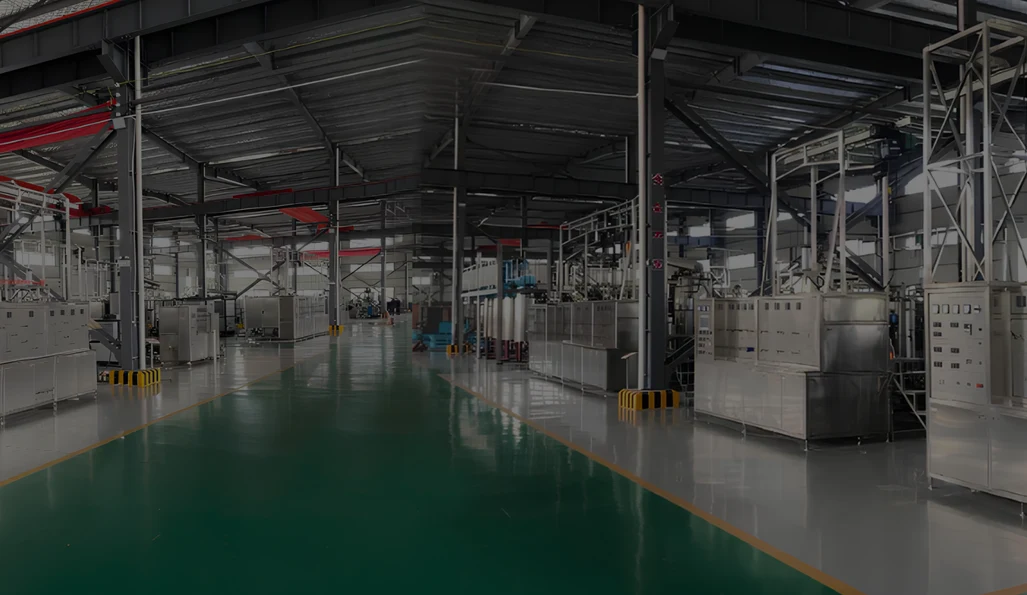
Recommended extraction machines for turmeric and curcumin processing
May 28, 2026
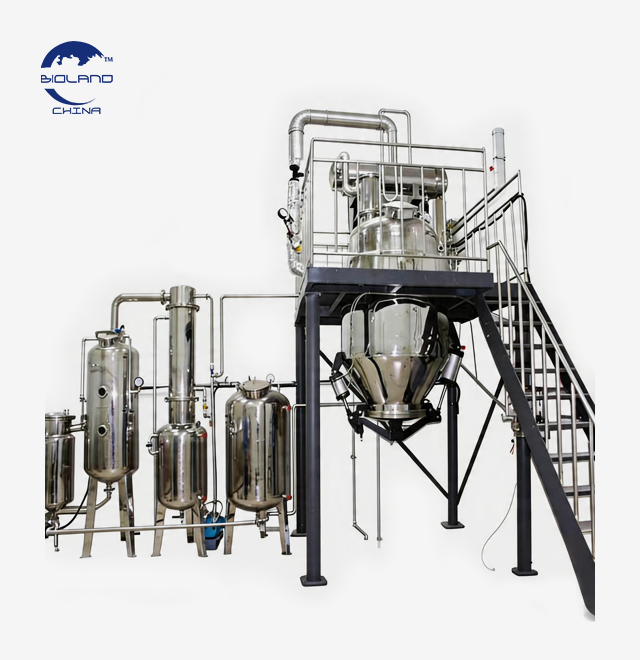
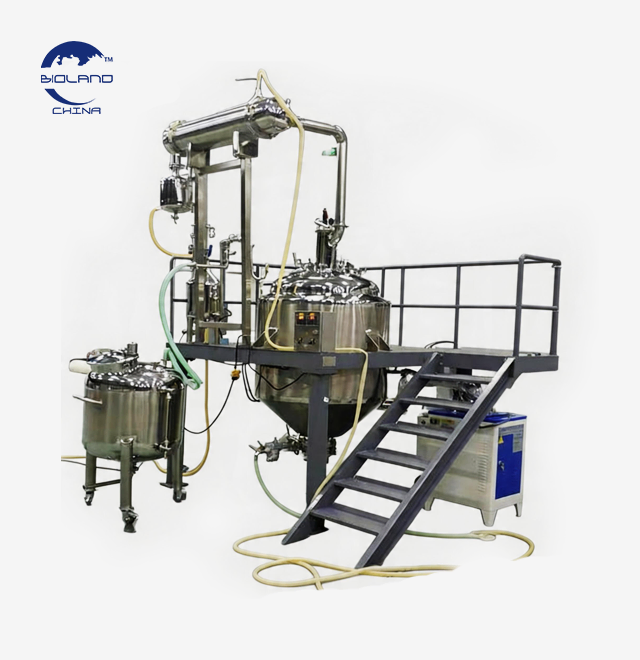
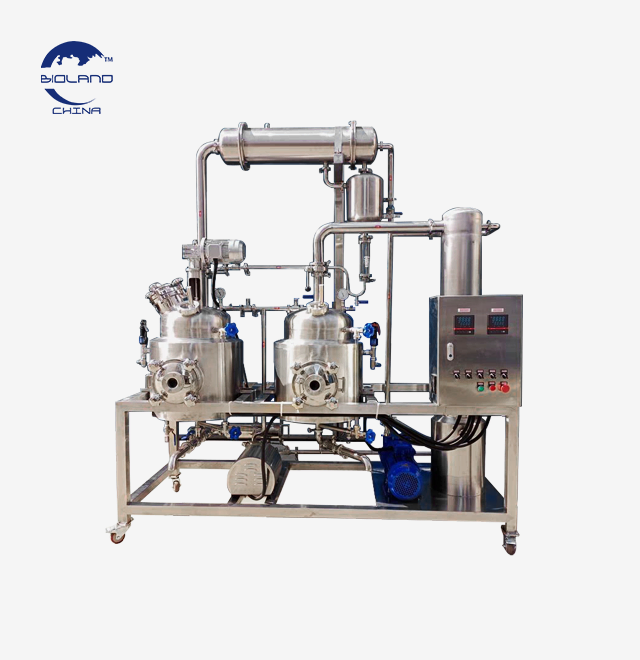
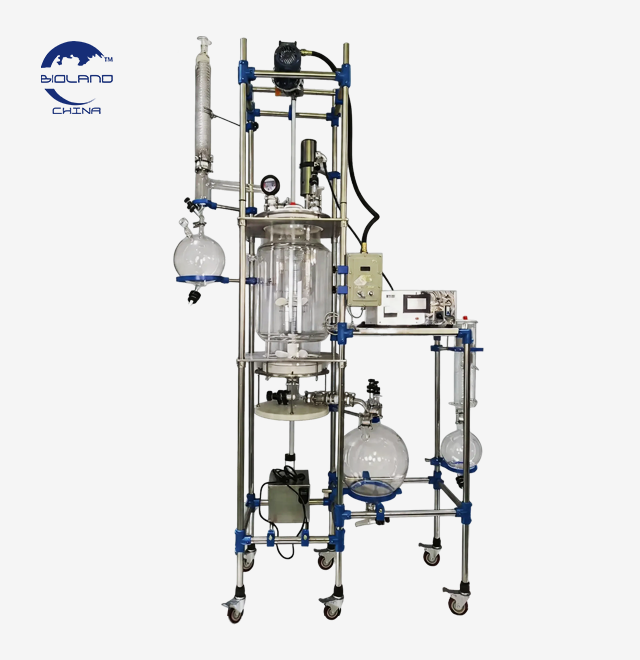
When looking at different ways to extract curcumin from turmeric, a Curcumin Extraction Machine comes out as a piece of industrial machinery designed to quickly separate beneficial curcuminoids. These high-tech systems solve important problems in the production of medicines and supplements, like keeping heat-sensitive chemicals safe while still getting high levels of purity. Modern curcumin extraction equipment is different from generic herbal extractors because it has multiple processing stages, such as ultrasonic-assisted extraction, low-temperature concentration, and automated solvent recovery. This makes it possible to get 50–500% higher extraction yields than traditional methods while still following GMP guidelines throughout the whole production cycle.
Introducing Curcumin Extraction Machines and Their Importance
Core Operating Principles of Modern Extraction Systems
Industrial tools for extracting turmeric uses advanced separation science to get the most curcuminoid out of the raw material. Solvent-based or supercritical fluid extraction is the main method. Organic solvents or heated CO2 are used to get into ground turmeric powder and dissolve lipophilic curcuminoids while leaving behind cellulosic materials. Advanced systems use ultrasonic cavitation technology with frequencies between 20 and 40 kHz.
This breaks down plant cell walls using sound pressure waves, which greatly speeds up the movement of mass. Temperature control is very important during the whole process. Keeping the extraction settings between 40°C and 60°C stops the sensitive curcuminoids from breaking down at temperatures above 65°C. Pharmaceutical companies can regularly get extract purity levels above 95% curcumin content thanks to this precise engineering.
Why Extraction Efficiency Directly Impacts Your Bottom Line?
The economics of making plant extracts depend on three main factors: how much energy is used per kilogram of finished product, how the work is distributed, and how the raw materials are used. These days, tools that separate curcumin look at all three factors at the same time. Most of the time, traditional maceration ways only get 55-70% of the curcuminoids that are available, which wastes important raw materials. Instead, combined extraction systems with two condensers and closed-loop liquid recovery achieve extraction completeness rates above 98%.
This means that when processing metric tons of turmeric every month, these systems save a lot of money. It's important to stress how important automation is. Full PLC control systems cut down on the amount of manual work needed by about 60% compared to batch processes that need constant operator supervision. This means that technical staff can focus on quality assurance instead of regular monitoring tasks.
Technology Variants Shaping the Industry Landscape
There are three main types of technology used in the curcumin extraction industry, and each one is best for a different set of tasks. Mid-sized businesses mostly use ethanol extraction systems because they are generally recognized as safe (GRAS) solvents and have a good cost-performance ratio. Usually, these machines handle batches of 50 to 500 kg per cycle. They can finish extraction in 24 to 40 minutes with the help of hot reflux and ultrasonic waves.
The most expensive type is a supercritical CO2 extractor, which works at 350–500 bar pressures to make solvent-free extracts that are perfect for making medicinal APIs, but they require a lot more money to buy. As a flexible middle-ground option, ultrasonic-assisted extraction (UAE) has become popular. It can be used for everything from research and development in the lab to pilot production, and it works just as well as supercritical ways while costing a lot less.
Comparing Traditional Methods vs. Modern Curcumin Extraction Machines
The Hidden Costs of Conventional Extraction Approaches
Maceration and percolation methods created decades ago were used a lot in traditional turmeric preparation before the advent of the modern Curcumin Extraction Machine. For these methods, ground turmeric is soaked in liquids at room temperature for 24 to 72 hours, and then it is filtered and evaporated by hand. Even though this method seems simple, it has big hidden costs that make it less profitable. When workers have to manually load extraction tubes, keep an eye on multiple batch timers, and move intermediates from one processing stage to the next, the cost of labor goes up quickly.
Batch-to-batch production has problems with quality differences because of things like incomplete mixing, temperature changes in tanks that aren't jacketed, and differences in how the operators do their jobs. There is a lot of waste—standard ways leave 25–40% of the curcuminoids that can be extracted stuck in the spent marc. This is a complete waste of money when working with premium-grade turmeric that costs $3–6 per kilogram.
Quantifiable Advantages of Automated Extraction Technology
All operating metrics are better with modern extraction methods that can be measured. The decrease in cycle time is clear: automatic equipment can finish extraction in 24–40 minutes, while traditional methods take 48–72 hours. This means that 8–12 production cycles can be done every day, instead of just one batch every three days. This increase in output lets makers meet bigger orders without having to expand their facilities by the same amount.
Modern tools have solvent recovery systems that get back 95–99% of ethanol or other organic solvents. This is very different from older systems, where only 15–30% of the solvent evaporates or stays in the waste material. Environmental compliance is easy when mining is done in closed-loop systems with ATEX-approved explosion-proof electrical parts and automatic tracking of emissions. This gets rid of the regulatory worries that come with older open-vessel operations.
Sustainability Metrics That Matter to Stakeholders
Environmental responsibility used to be a choice, but now it's a must in the production of plant extracts. Comparing how much energy different types of machines use shows that modern extraction machines use 40–55 percent less electricity per kilogram of finished extract than older batch systems that need longer heating processes. CIP (Clean-in-Place) methods use a lot less water than manual vessel washing, which used 200 to 400 liters per cleaning run. Higher extraction completeness means less waste.
For example, when equipment removes 98% of curcuminoids instead of 65%, the spent biomass has fewer valuable compounds and can be used for animal feed or composting instead of being thrown away as expensive industrial waste. These practical changes are in line with the company's goals for sustainability and lower the costs of compliance that come with waste management permits.
Types and Capacities of Curcumin Extraction Machines for Different Business Needs
Matching Equipment Scale to Production Volumes
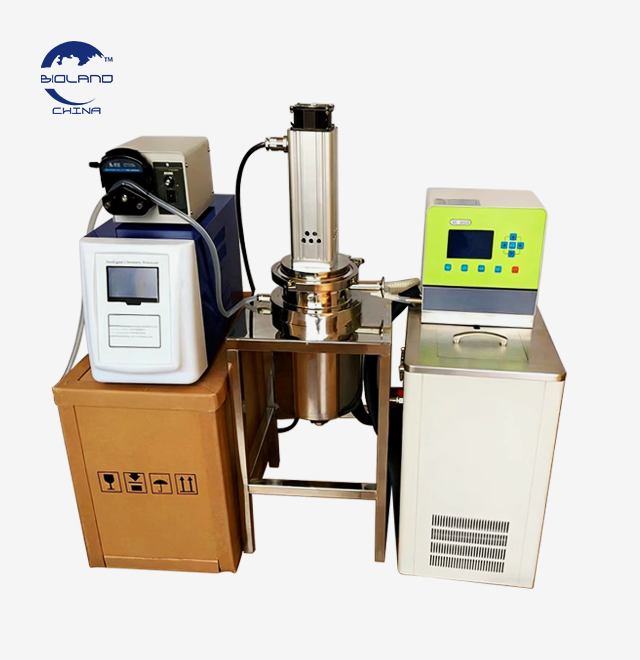
Laboratory-scale extraction tools, including a smallCurcumin Extraction Machine, that work with R&D labs usually have vessels that hold 5 to 20 liters and can process 1 to 5 kg of turmeric powder per batch. Chemists can try solvent ratios, temperature profiles, and extraction time factors with these systems before scaling up to production, which is very helpful when developing new formulas. Pilot-scale equipment is used between lab study and business production. It can handle batches of 50 to 150 kg while keeping the same process parameters as full-scale operations.
This makes it possible for technology to be transferred smoothly; extraction methods that have been tested on testing equipment can go straight to production without any changes to the recipe. Industrial-scale extractors that are made to run continuously have tank sizes ranging from 500 to 3,000 liters, which can meet the needs of pharmaceutical companies that process several metric tons of material every day. The flexible design philosophy lets you start with a smaller installation and add more parallel extraction trains as demand rises. This protects your initial capital investment and keeps your operational freedom.
Here are the core advantages distinguishing industrial-grade curcumin extraction systems:
Extraction Efficiency Enhancement: Newer units get 50–100% more curcuminoid by using ultrasonic cavitation and better solvent circulation patterns. This makes the most of the money you spend on raw materials for all production levels, from small batches to continuous industrial processing.
Rapid Processing Cycles: From loading materials to releasing the liquor, the whole extraction process only takes 24 to 40 minutes. This is over 66% shorter than traditional processing times and allows for multiple daily batches, which greatly increases facility throughput without increasing the facility's size or staffing.
Temperature-Controlled Operation: Precise thermal regulation keeps the extraction temperature between 40°C and 60°C, which is the best range for curcumin stability. This keeps the solvent active enough to complete the extraction and stops degradation that happens above 65°C, which is impossible to keep up with traditional heating methods.
Multi-Process Versatility: The equipment can handle different extraction methods, such as ultrasonic-assisted extraction (UAE), hot reflux, aromatic oil separation, organic solvent extraction (OSE), and alcohol precipitation (AP). This means that manufacturers can process more than just turmeric using the same hardware by making small changes to the parameters, instead of buying separate, specialized equipment.
When pharmaceutical companies switch from contract extraction services to in-house processing, they face basic production problems that these skills help solve. The practical freedom is especially helpful during the process validation phases, when extraction parameters need to be tweaked several times before formulations can be locked and sent to the government for approval. Automatic systems keep the temperature stable, which makes it possible to repeat batches in a way that is hard to do by hand. This directly supports the paperwork needs of FDA or EMA registration routes.
Full PLC (Programmable Logic Controller) integration changes extraction from a labor-intensive process that has to be done by hand to an automatic process that needs to be watched over. Instead of changing valves and watching gauges by hand, operators use graphical touchscreen displays. This cuts training time from weeks to days. Validated extraction methods are stored as changeable programs in recipe management systems. To switch from turmeric to another botanical, all that needs to be done is load a different recipe instead of teaching staff new procedures.
Real-time data logging keeps track of temperature, pressure, flow rates, and cycle times without the need for human record-keeping. This creates the paperwork trail needed for GMP compliance. When parameters change, alarm systems let managers know right away, before they affect the quality of the product. This is something that can't be done with human checks that are done on a regular basis. Technical staff can handle multiple extraction units at once or check on production status from off-site areas thanks to remote monitoring. This makes the best use of skilled staff across facilities.
How to Choose the Best Curcumin Extraction Machine in 2026?
Evaluation Framework for Technical Specifications
To choose the right extraction tools, you need to carefully look at the technical factors that are related to the output needs. The depth of the extraction tank needs to be able to handle batch sizes with a 20–30% headspace cushion. Overfilling makes mixing less effective, and having too much capacity that isn't being used loses energy by heating empty space. Pay close attention to how the material is put together, especially when it comes to pharmaceutical uses. 316L stainless steel touch areas with a surface finish of less than 0.4µm keep things clean and make cleaning easier.
When working with different plants, it's important that the equipment is compatible with the solvents that are used. For example, equipment that was made just for ethanol extraction might not work with hexane, acetone, or other organic solvents that need different seal materials and explosion-proof rates in the future. The ability to heat and cool has a direct effect on cycle times. For example, jacketed vessels with a 0.6 MPa steam rate or thermal fluid circulation can reach goal temperatures 40–60% faster than cheap equipment's electric heating mantles.
Operational Cost Analysis Beyond Purchase Price
The total cost of ownership includes a lot more than just buying the tools. How much solvent is used and how much is recovered have a big effect on ongoing costs. For example, equipment that recovers 99% of ethanol cuts yearly solvent sales by $15,000 to $40,000 compared to systems that only recover 90% of ethanol when processing at an industrial scale. Energy efficiency varies a lot from one maker to the next. Vessels that are well insulated and have heating systems that are optimized use 30–50% less power than options that don't meet minimum requirements. This can save businesses $8,000–$20,000 a year if they run multiple daily batches. Maintenance needs are very different between machines.
For example, machines with quick-disconnect sanitary fittings and easy-to-reach component placement require 40–60% less regular maintenance work than machines that need to be taken apart in large parts to clean or change seals. When evaluating a seller, you should look into how easy it is to get spare parts and how much they cost. This is because proprietary parts from makers that don't have established distribution networks can cause longer downtime when replacements need to be shipped internationally.
When judging a vendor, it's more important to look at their qualifications than their marketing claims. ISO 9001 approval shows that the quality management system is mature, and CE marking shows that the product meets European safety standards. This is important for buyers in the US because the products have to go through strict third-party testing requirements. Experience in the industry is very important. Manufacturers that have been in business for 15 years or more have been through many economic changes and have learned how to fix problems that younger companies don't have.
Verifying customer references shows how well the equipment actually works compared to the specs on the box. It's important to pay special attention to how quick the company is after the sale when there are problems with setting up or using the equipment. The level of customization depends on the engineering skills assessment. Suppliers with in-house design teams can change standard models to fit specific process needs, but distributors who sell foreign equipment don't offer many modification options. Comprehensive solutions partners are different from transactional equipment sellers because they offer turnkey services that include installation supervision, user training, and process optimization support.
Practical Considerations When Purchasing and Using Curcumin Extraction Machines
Lead Time Planning and Logistics Coordination
Depending on how the tools needs to be customized, procurement timelines vary a lot. Standard stock models usually ship within 5–7 business days of receiving an order, which is good for situations where capacity needs to be expanded quickly and delays are not an option. Engineering, manufacturing, and factory acceptance testing take 30 to 45 business days for customized systems with vessel sizes, materials, or downstream processes that are specific to the client. International shipping can add 3 to 6 weeks, based on where the goods are coming from and where they are going. Sea freight is cheaper for big equipment, while air freight meets urgent deadlines despite costing more.
To avoid delays in clearance, business invoices, packing lists, and certificates of origin for imported goods need to be coordinated with customs brokers who know how to classify industrial machines. Preparing the delivery site is something that is often forgotten. For example, extraction equipment needs reinforced flooring for heavy loads, enough electrical service for motor and heating loads, and solvent-rated ventilation systems that meet local fire codes. Improving this infrastructure could add weeks to the installation schedule.
Customization Options Supporting Process Integration
Modern systems for extraction tools such as a Curcumin Extraction Machine can be greatly customized to fit specific business processes. Vessel capacity scaling lets you choose exact amounts that match the size of the batch you need, instead of normal steps that waste capacity or require multiple runs. Material upgrades are necessary for some uses. For example, pharmaceutical companies that work with highly acidic plants should use 316L stainless steel instead of normal 304 SS, and food-grade businesses may ask for electropolished finishes that go beyond what is required by law.
Adding modular parts to existing equipment makes it more useful without having to redesign it completely: integrated solvent recovery systems with three stages of distillation recover 98%+ of organic solvents; CIP (Clean-in-Place) spray ball assemblies allow for automated cleaning validation; explosion-proof electrical packages rated to ATEX Zone 1 or NEC Class I Division 1 standards allow installation in areas where solvents are handled. Turnkey solutions that include more than just providing equipment, such as facility plan optimization, utility size calculations, and full installation guidance, make projects easier for clients who don't have their own engineering staff.
After-Sales Support Determining Long-Term Success
Equipment guarantee coverage is what keeps suppliers committed, but it can be very different in what it covers. Full warranties that last for a year from starting (rather than shipment) protect buyers during the crucial working ramp-up time, which is when problems usually show up. Access to spare parts inventory has a huge effect on how long downtime lasts. When parts ship from foreign factories, it can take two to four weeks for replacements to arrive, but when sellers keep stores in the area, they can send replacements the next day. Responding quickly to technical support requests is very important during commissioning and process troubleshooting. Suppliers who offer dedicated application engineers who can do remote diagnostics or on-site visits are much better at solving problems than general customer service departments that don't know much about botanical extraction.
Leading makers offer preventive maintenance programs that include regular checks, replacement of worn-out parts, and tests to make sure the equipment is working properly. These programs keep equipment from breaking down without warning and keep records of its maintenance history for regulatory reviews. We've seen pharmaceutical companies successfully set up curcumin extraction lines after receiving full commissioning support from their suppliers. This included training operators in line with the company's standard operating procedures and optimizing process parameters to achieve 92% first-batch yield rates that would have taken months of trial and error on their own.
Conclusion
Picking the right Curcumin Extraction Machine is a smart investment that will have a direct effect on production costs, product quality, and the ability to follow regulations. Modern extraction machines are much better than old ones because they are fully automated, have exact temperature control, and recover solvents in a closed loop. These features increase outputs, cut down on processing time, and have less of an effect on the environment. When evaluating, technical specs should be weighed against total cost of ownership, seller credentials, and the system for assistance after the sale. Pharmaceutical and nutraceutical companies can get a lot out of working with experienced suppliers who can provide custom solutions, full installation services, and ongoing technical support. This makes sure that the technology is transferred successfully from the first start-up to years of reliable production.
FAQ
Q1: What factors most significantly influence extraction machine pricing?
A: The main factors that affect the cost of equipment are the size of the tank, the quality of the materials used, and how advanced the technology is. Laboratory units with 10 to 20 liter sizes cost about $15,000 to $35,000. Industrial systems with 500-liter or more tanks, full PLC control, and built-in solvent recovery cost about $80,000 to $250,000. Base prices go up by 25 to 60 percent for features like supercritical CO2 powers, explosion-proof electrical packages, and higher types of stainless steel. Customization needs that make shipping times longer also affect final costs.
Q2: How frequently does industrial extraction equipment require maintenance?
A: The amount of use and the materials that are made affect how often routine repair needs to be done. High-volume businesses that run six to eight cycles a day should check the seals every three months and usually need to change them once a year. Ultrasonic sensors need to be tested every six months to make sure the output is always the same. Every month, the CIP system is checked, and every year, all of the monitors and controls are fully calibrated. When compared to reactive maintenance methods, suppliers who offer preventative maintenance contracts cut unexpected downtime by 60 to 75%.
Q3: Can extraction systems meet pharmaceutical-grade production standards?
A: Modern technology that is made to meet GMP standards has many features that help with making medicines. Contact areas are made of 316L stainless steel and have been electropolished. They are connected with sterilized tri-clamps, which makes cleaning possible. Batch records with time-stamped temperature and pressure data are made by automated recording systems and are needed for regulatory entries. Validation baselines are set by equipment qualification standards (IQ/OQ/PQ) from reputable makers. Tracking materials by their heat numbers helps meet FDA review standards for making pharmaceutical ingredients.
Partner with BIOLAND for Advanced Turmeric Extraction Solutions
BIOLAND INSTRUMENT has spent more than 15 years designing curcumin extraction methods that have changed the way pharmaceutical companies, nutrition companies, and food processing companies in North America make products. Our Curcumin Extraction Machine portfolio spans laboratory-scale units supporting R&D initiatives through industrial systems processing multiple metric tons daily. Every unit features GMP-compliant construction with optional 316L stainless steel contact surfaces, full PLC automation reducing operator intervention, and integrated solvent recovery achieving 95%+ reclamation rates.
We provide complete turnkey solutions encompassing equipment customization matching your specific process requirements, facility layout optimization, installation supervision, comprehensive operator training, and ongoing technical support backed by our responsive engineering team. Contact our application specialists today at info@biolandequip.com to discuss how our proven extraction technology can enhance your production efficiency, improve curcuminoid yields, and ensure regulatory compliance—discover why leading manufacturers trust BIOLAND as their preferred Curcumin Extraction Machine supplier.
References
1. Gupta, S.C., Patchva, S., and Aggarwal, B.B. (2013). "Therapeutic Roles of Curcumin: Lessons Learned from Clinical Trials," AAPS Journal, 15(1), 195-218.
2. Prasad, S., Gupta, S.C., Tyagi, A.K., and Aggarwal, B.B. (2014). "Curcumin, a Component of Golden Spice: From Bedside to Bench and Back," Biotechnology Advances, 32(6), 1053-1064.
3. Heffernan, C., Ukrainczyk, M., Gamidi, R.K., Hodnett, B.K., and Rasmuson, Å.C. (2017). "Extraction and Purification of Curcuminoids from Curcuma longa by Supercritical Carbon Dioxide," Journal of Supercritical Fluids, 130, 268-275.
4. Raman, G., Avendano, E.E., Chen, S., Wang, J., Matson, J., Gayer, B., Novotny, J.A., and Cassidy, A. (2016). "Dietary Intakes of Flavan-3-ols and Cardiometabolic Health: Systematic Review and Meta-analysis," American Journal of Clinical Nutrition, 104(6), 1626-1642.
5. Paulucci, V.P., Couto, R.O., Teixeira, C.C., and Freitas, L.A. (2013). "Optimization of Extraction of Curcumin from Curcuma longa Rhizomes," Revista Brasileira de Farmacognosia, 23(1), 94-100.
6. Kumoro, A.C., Hasan, M., and Singh, H. (2009). "Effects of Solvent Properties on the Soxhlet Extraction of Diterpenoid Lactones from Andrographis paniculata Leaves," Science Asia, 35(3), 306-309.
The reactor is beautifully mirror-polished and fully complies with GMP requirements for the pharmaceutical industry. The performance is excellent! Overall, we are very satisfied! We also provided with some feedback on our process improvements, which we hope will be helpful.
2024-04-09
Laboratory
Excellent and professional service. Always reply our questions very fast. All reactors and chiller we received are good too.
2024-02-15
Research Institute
Quality is beyond our expectation actually. After we got the extraction equipment and started using it, the performance was beyond our expectation. Very easy to use and very efficient to run. Service always respond us very quickly. Was also very helpful to help us. Thanks Bioland team. Very happy to work with you.
2023-11-20
Biotech Company
We are happy about the new purchase as always. Equipment and services are both good.
2023-08-05
Instrument Lab
This is the second order with Bioland instrument and everything is good as the first dateText.
2023-05-12
Global Trading Partner
Bioland instrument team is very helpful and professional. The sales helped us select the right equipment for our application, and their logistics people handled the transportation and customs declaration for our shipment. All that saved us a lot of work.