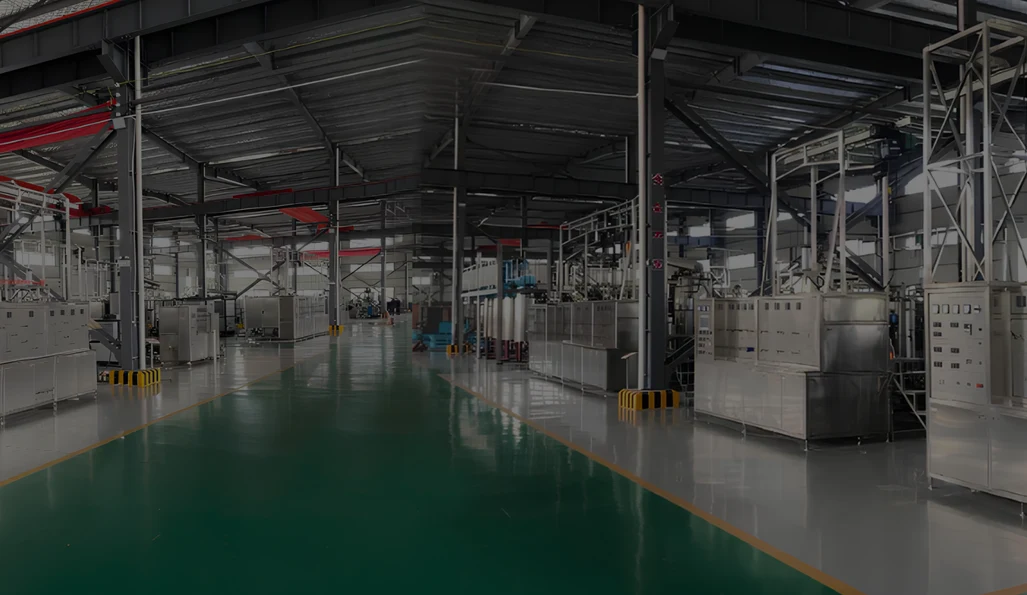
Best equipment for natural pigment extraction in small-scale production
Jun 3, 2026
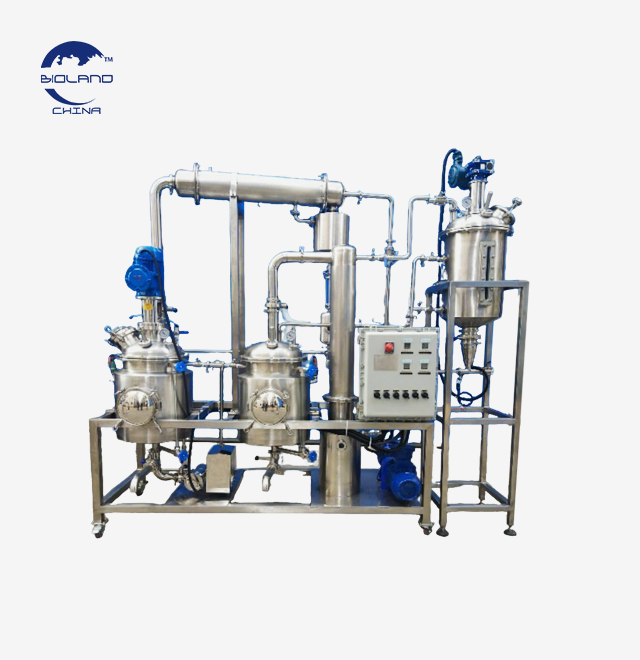
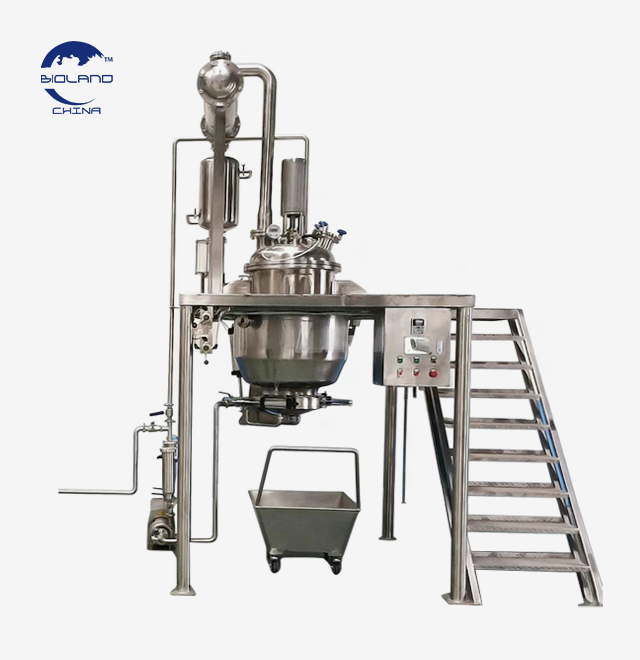
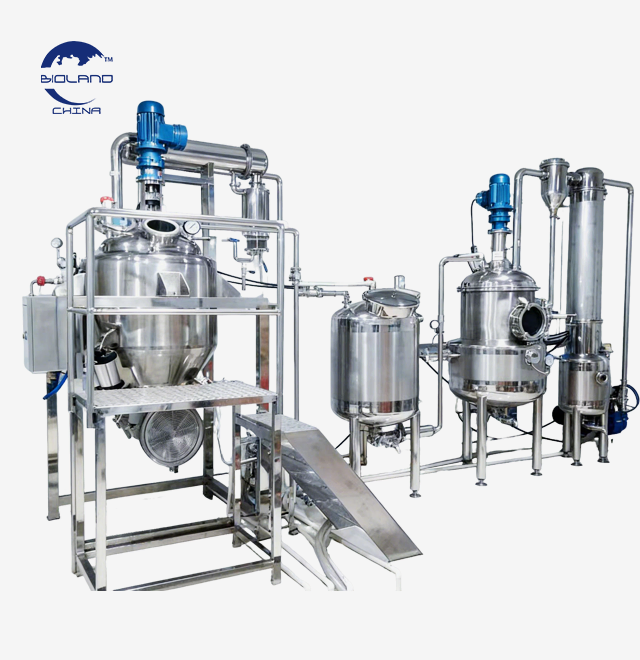
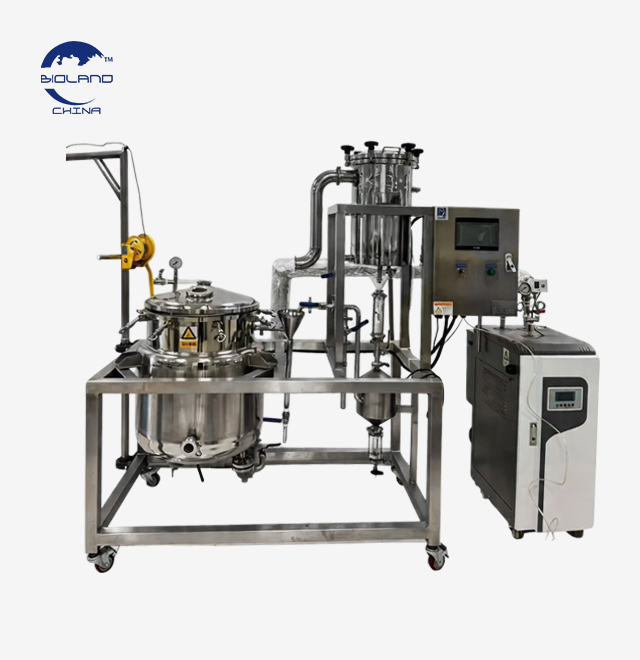
Choosing the right tools is important for small-scale makers who want to get natural pigments out of plants. This way, they can get high yields while protecting fragile bioactive compounds. Ultrasonic cavitation, temperature-controlled processing, and automated systems are all used together in modern natural pigment extraction equipment to make extraction cycles as fast as 24–40 minutes and get up to 500% higher returns than old-fashioned ways.
These systems can handle different types of extraction methods, such as ultrasonic-assisted extraction (UAE), reflux, and organic solvent extraction. They can also keep working at low temperatures to protect colors that are sensitive to heat, such as anthocyanins and carotenoids. When choosing between choices, procurement managers should give the most weight to equipment that is built to GMP standards with 316 stainless steel touch surfaces and comes with full installation support and the ability to change the way the process works.
Understanding Natural Pigment Extraction in Small-Scale Production
To get colorants from plants like turmeric roots, paprika, spirulina algae, or berry skins, natural pigment extraction is used. These chemicals—curcuminoids, carotenoids, betalains, and anthocyanins—are different from manufactured dyes in that they are good for the environment but can be hard to work with technically. A lot of them break down quickly in heat, light, or air. Processing methods for extraction must be both rough enough to break plant cell walls and soft enough to keep molecular integrity.
Core Extraction Principles
Most small-batch tasks use 10 to 500 kg of raw materials per cycle. In traditional maceration, plant matter is soaked in liquids like water or ethanol for 6 to 12 hours. The mixture is then filtered and concentrated. This method does work, but it has low returns (often less than 60%) and long working times that make labor more expensive and solvent use higher.
Better mass transfer processes in more advanced extraction systems get around these problems. Ultrasonic waves make tiny cavitation bubbles that pop close to cell walls, sending shock waves through the area. This mechanical damage frees the colors without putting them under heat stress. Temperature-controlled vessels keep the best conditions for extraction, which are usually between 40°C and 60°C for thermolabile chemicals. They do this by moving solvents through the material bed at determined flow rates to make sure that all of it is in contact with the solvents.
Small-Scale Production Realities
Limited space and money are what identify small-scale businesses. The equipment has to fit on a floor space of 50 to 200 square meters and be able to adapt to different batches and recipes. Energy use becomes a real line item; systems that use too much power cut into profits when production rates are low. Small-scale extractors that are good at what they do choose flexible systems that let them change the process without having to buy special tools for each type of pigment.
More and more, environmental laws are limiting the release of solvents and waste. Closed-loop methods that reuse and refill ethanol or other extraction media lower costs and make it easier to follow the rules. Recovery rates of more than 95% can be reached with equipment that includes liquid recovery. This turns a cost that is normally used up into a one-time investment.
Key Equipment Types for Small-Scale Natural Pigment Extraction
Finding the right extraction technology means matching the properties of your raw materials, the products you want to make, and the amount of output to the equipment's capabilities. Each extraction method has its own benefits for different types of pigments and operating needs.
Ultrasonic-Assisted Extraction Systems
High-frequency sound waves (20–40 kHz) are made by ultrasonic extraction tools and move through liquid extraction media. When these waves go through the mixture of liquid and plant, they make loops of high and low pressure. During low-pressure phases, very small vacuum bubbles appear. During high-pressure phases, they rapidly burst. This cavitation effect happens very small, close to the surfaces of plant cells. It breaks down cell walls and membranes physically to release colors inside the cells.
Because ultrasonic extraction is mechanical, it doesn't need to be heated for a long time. Jacketed vessels keep the temperature between 40°C and 60°C, which is cool enough to keep astaxanthin from microalgae or anthocyanins from elderberries. Using regular reflux ways takes hours to finish a processing cycle, but this one only takes 24 to 40 minutes. Studies that compare different systems show that ultrasonic systems get 300–500% more colorants from the same amount of raw materials.
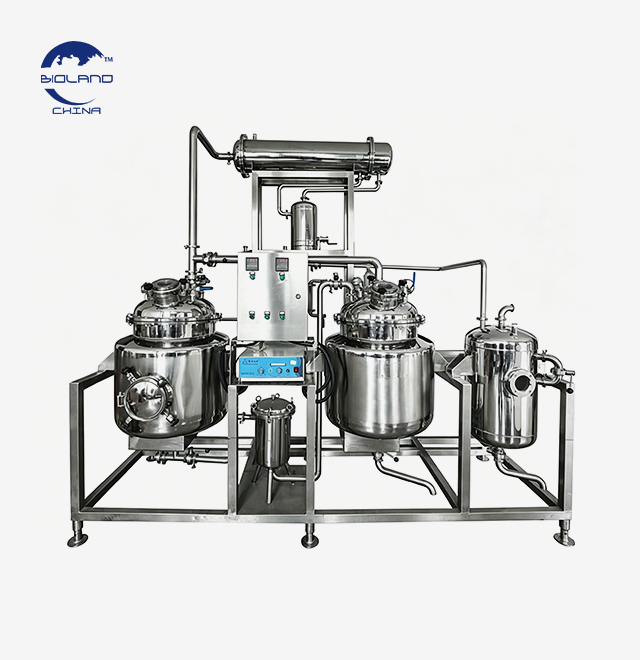
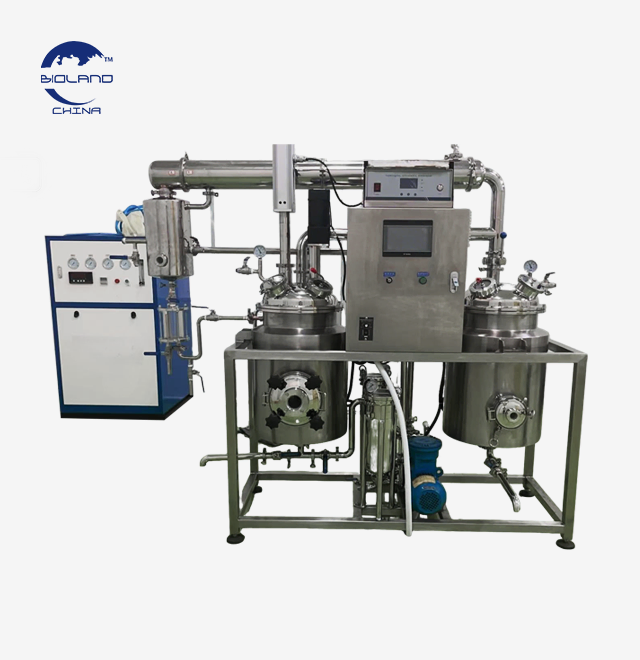
Programmable logic controllers (PLCs) are built into modern ultrasonic extractors made for small-scale production. These controllers handle the extraction process. Touchscreen displays let operators set things like the ultrasonic power intensity, pulse length, temperature setpoints, and extraction duration. The system then runs the process with little oversight, making sure that there is stability from batch to batch, which is important for keeping color standards.
Solvent Extraction with Reflux Systems
For colors that need longer contact times or higher temperatures, reflux extraction is still useful. In thesenatural pigment extraction equipment, a hot solvent is constantly looped through plant matter. Vapors rise through the extraction chamber, cool off in the coils above, and then drip back through the material bed. This steady washing action breaks down colors slowly, so you don't need a lot of solvent.
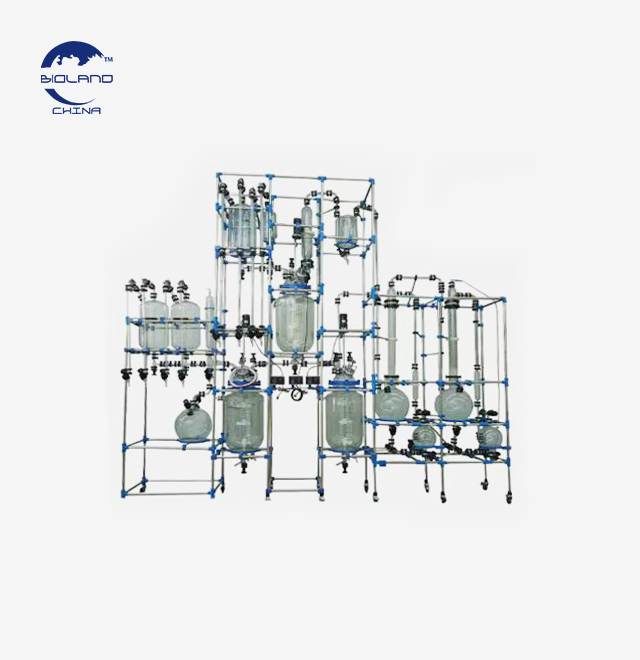
Simple glass setups for lab tests are one type of equipment. Jacketed stainless steel reactors with 50–500 liter sizes are another. Heating control systems keep exact temperature patterns that are needed to target certain types of compounds. For paprika oleoresin extraction, which needs to be done by heating dried peppers to 60–80°C, methods that provide steady heat over 2–4 hour rounds work best.
Supercritical CO2 Extraction
Carbon dioxide is heated and pressed beyond its critical point (31°C, 73.8 bar), which is the point at which it behaves as both a liquid and a gas. In this state, CO2 can move through plant materials like a gas and dissolve chemicals like a liquid. By changing the pressure and temperature, you can finetune CO2's ability to dissolve and remove only the desired colors.
CO2 extraction makes colors that are very pure and don't have any solvent leftovers, which is a big plus for uses in food and beauty products. When the extraction is done, the pressure is lowered to turn CO2 back into a gas. This leaves behind concentrated color without having to go through energy-intensive steps of evaporation. The process works at low temperatures (35–50°C), which protects substances that are easily damaged.
The main thing that stops small-scale usage is the cost of the equipment. Supercritical systems cost more than $100,000 because they need high-pressure pumps, special tanks, and safety interlocks. This technology works well for businesses that want to get high-value pigments like astaxanthin or lutein, where the higher prices make the tools worth it.
How to Choose the Best Natural Pigment Extraction Equipment
To make a smart choice about tools, you need to carefully look at it from scientific, financial, and operational points of view. The following decision process helps buying teams deal with different objectives and claims from vendors.
Assessing Production Capacity Requirements
First, figure out how much capacity you need. Based on expected pigment demand, figure out how much raw material needs to be processed each day or each week. A piece of equipment that can handle 50 kg at a time might need three rounds a day to handle 150 kg of work, which would change the schedule of workers and increase the amount of energy used. When equipment is too small, it causes problems that slow down growth, and when systems are too big, they waste money and time.
Scalability should be carefully thought through when choosing tools. Adding parallel extraction vessels or making batches bigger within the same area is one way that modular systems can increase their output. This adaptability is useful as the market grows or as product lines grow. Talk to your sellers about how their tools can handle 50–200% more work without having to be replaced completely.
Evaluating Total Cost of Ownership
The purchase price is only one part of the costs of tools. A full cost analysis takes into account things like installation costs, training for operators, regular upkeep, extra parts inventory, energy use, and products like solvents and filters. Ultrasonic systems can cost between $40,000 and $120,000 at first, but they save 40 to 60% of the liquid that would be used with reflux methods, which means they pay for themselves faster.
Different technologies have very different maintenance needs. Ultrasonic sensors need to be checked and replaced every so often. In high-pressure systems, pump seals need to be serviced regularly to keep leaks from happening. Ask suppliers for specific repair plans and figure out how much it will cost each year, including work hours and replacement parts. Equipment with extra parts that are easy to find and repair processes that are sped up reduces the risk of downtime.
Vetting Supplier Reliability
Supplier choice has just as much of an effect on long-term business success as technology specs. Give more weight to makers who have a track record of success in pigment extraction uses. Ask for case studies that show works that are similar to the size and types of pigments you use in your production. Companies that have been designing and making extraction equipment for 15 years or more have a lot of process knowledge that speeds up starting and fixing.
Getting a certification shows that you are committed to safety and quality standards. Getting ISO 9001 certification shows that you have an organized method for managing quality. Pharmaceutical-grade cleaning standards are met by equipment built to GMP standards, which is important for food and cosmetic colors. Pressure tanks should have ASME or PED compliance paperwork that says they are safe to use at certain levels.
How quickly you can fix problems with your tools depends on the infrastructure for after-sales help. Find out how long it takes to get answers to technology questions, if remote tests are available, and what kind of field service is available. Suppliers who offer services like installation completion, operator training, and process optimization can help your team reach their extraction goals more quickly. Lifetime repair agreements with set reaction times make operations more predictable.
Best Practices for Operating and Maintaining Natural Pigment Extraction Equipment
To get the most out of your natural pigment extraction equipment's performance and lifespan, you need to follow strict operating rules and do regular preventative maintenance. These steps help small-scale makers get uniform pigment quality and cut down on unplanned downtime.
Setup and Safety Protocols
Installation that is done right sets the stage for effective functioning. The extraction equipment has to be level and sit on strengthened floors that can hold the weight of a fully loaded vessel. For electrical links to work, they need to have the right voltage, phase setup, and circuit safety that matches the equipment's requirements. To keep the temperature under control during extraction cycles, cooling water supply lines need to have the right flow rates and pressures.
Because heat, pressure, and flammable liquids are all present, safety devices need extra care. Explosion-proof electrical parts keep places listed as dangerous from having sources of fire. Pressure release valves keep vessels from getting too pressurized. Solvent vapor detection devices sound warnings and open vents before the amounts get high enough to be flammable. Setting up written standard operating procedures (SOPs) makes sure that all jobs follow the same safety rules.
Optimizing Daily Workflows
How well an extraction works depends on how well the raw materials are prepared. To get the most surface area, plant products should be ground or cut into particles of the same size. How well a solvent penetrates a material depends on how much moisture it has. Some materials extract better after being dried to 5–10% moisture, while others work better after being processed fresh. Temperature-sensitive colors need to be processed quickly, from harvesting to extraction. Even 24 to 48 hours of delay can reduce the anthocyanin content by 15 to 30 percent.
Ratios of solvent to material have a big effect on yield and efficiency. If there isn't enough solvent, the pigments won't dissolve, and if there is too much solvent, it raises the cost of cleanup and processing without increasing output. Most uses work best with solvent-to-material ratios between 5:1 and 10:1. Before moving on to larger batches, small-scale tests are used to find the best settings.
Maintenance Best Practices
Preventive repair keeps technology working well and extends its life. Every day, they have to check the seals and gaskets for wear, compare temperature and pressure readings to standard values, and clean the inside of the vessels after every batch. Every week, maintenance checks the state of the filters, confirms the output of the ultrasonic detector, and makes sure the pumps are working properly.
As part of deep maintenance that is done every three months, internal parts are taken apart and cleaned, worn-out parts are replaced, and temperature and pressure monitors are calibrated. Qualified technicians should check the structural integrity, test the safety interlocks, and confirm the accuracy of the control system once a year. Keeping detailed repair logs helps find trends that can help you predict when parts will break down before they shut down without warning.
After having regular changes in yield, a company that processes plant pigments for unique ingredients put in place organized upkeep routines. By setting up cleaning methods between batches of pigment and testing the ultrasonic transducer every three months, they were able to lower the variation in yield from ±18% to ±4% and increase the time between big equipment repair events from 8 to 14 months.
Comparing Natural Pigment Extraction Equipment with Alternative Solutions
When buying teams know how new technologies and traditional methods of extraction compare to modern tools, they can make decisions that are more in line with strategic goals.
Natural versus Synthetic Extraction
Traditional chemical pigment synthesis offers consistent color properties and lower raw material costs but faces mounting consumer resistance. Natural color extraction using natural pigment extraction equipment gives products with clean labels the look that food and skincare companies want more and more. But natural extraction makes it harder to keep up with biological change, yearly supply changes, and problems with security.
The gear you choose has a direct effect on how well you handle these trade-offs. Modern extraction methods with precise parameter control can make up for differences in the raw materials, so the pigment specs stay the same even when crops change with the seasons. Closed-loop solvent recovery and low-temperature processes get rid of safety and pollution issues that make natural pigments less competitive.
Industry Trends and Innovations
Industry studies predict that the natural colorant market will grow by 7–9% each year until 2030, mainly because of demand for "clean labels." In response, equipment makers come up with new products that meet the wants of small-scale producers. When ultrasonic pre-treatment is combined with selective membrane filtering, more pure colors can be made in fewer steps. When comparing continuous extraction setups to batch systems, continuous extraction configurations allow smaller equipment footprints for the same output.
Another important trend is the merging of automation. Modern extraction systems use process analytics and data logging to keep track of extraction parameters, figure out yields in real time, and alert users when they deviate from goal specs. This digitalization helps small businesses get pharmaceutical-grade records without having to keep a lot of records by hand.
Pressures to be more environmentally friendly push equipment designers to use less energy and solvents. Using a heat pump to recover heat from cold processes to warm up extraction tanks is called heat pump integration. Vacuum-assisted extraction lowers the boiling points of the solvents. This lets lower working temperatures keep heat-sensitive substances safe while cutting energy costs by 25–40%.
Conclusion
When choosing the best natural pigment extraction equipment for small-scale production, you need to think about how well it works technically, how much it costs, and how easy it is to use. For most uses, ultrasonic-assisted extraction systems are very useful because they combine fast processing cycles, higher outputs, and gentle treatment that doesn't damage delicate substances. Food, cosmetic, and pharmaceutical color uses all need equipment that is built to GMP standards from food-grade 316 stainless steel.
This makes sure that all regulations are met. A successful buying process includes more than just the specs of the equipment. It also includes the experience of the provider, the infrastructure for after-sales support, and the ability to customize the process. Small-scale producers can be sure they're investing in extraction solutions that will help them meet their short-term output goals and grow their businesses in the long term by carefully comparing available technologies to their capacity needs, total ownership costs, and operating needs.
FAQ
What makes equipment suitable for small-scale pigment extraction?
Small-scale natural pigment extraction equipment needs to be able to work with a variety of materials and have a small size. Look for systems that can handle batches of 10 to 500 kg, have modular designs that let you use more than one extraction method, and have levels of automation that meet the level of skill of the operators you have access to. Models that use less energy and can recover solvents lower running costs, which is especially important for smaller output numbers.
Can one system extract different pigment types?
Good extraction tools can handle different types of pigments by using factors that can be changed. Different materials, like turmeric curcuminoids and spirulina phycocyanins, can be processed using the same base system by changing the temperature, the liquid used, and the length of time the material is extracted. This adaptability helps small producers create a wide range of products by making the best use of their tools and cash.
What after-sales support should buyers expect?
Full provider support includes setting up and commissioning, training for operators, optimizing process parameters, and quick expert help. You can expect clear service reaction times, thorough operating manuals, and the ability to do diagnostics remotely. Manufacturers with a good reputation keep spare parts on hand and offer preventive repair programs that keep production plans from being thrown off by downtime.
How quickly does extraction equipment pay for itself?
Payback times vary from 18 to 36 months, based on the amount of product made, the value of the pigment, and how much more efficiently the new way works than the old one. When outputs are higher, the cost of raw materials per kilogram of pigment made goes down straight. Throughput goes up when processing steps are faster without requiring more work. Solvent recycling systems lower the cost of consumables by 50–70%, which speeds up the return on investment for extractions that use a lot of solvents.
Partner with BIOLAND for Superior Pigment Extraction Solutions
Xi'an Bioland Instrument Co., Ltd. is ready to help you improve the way you collect natural pigments. With over 15 years of technical knowledge, our ultrasonic extraction systems can increase yields by 500% and process materials in 24 to 40 minutes, which changes the economics of small-scale production. As a qualified manufacturer of natural pigment extraction equipment with ISO and CE certifications, we build all of our systems to GMP standards using 316 stainless steel, which is FDA-approved.
Our focused expert team offers full turnkey solutions that include customizing equipment, installing and commissioning it, teaching operators, and providing lifetime upkeep support. Our OEM/ODM services make sure that the equipment you need exactly fits your process needs, whether you're moving from lab tests to pilot production or replacing old extraction systems. Get in touch with our experts at info@biolandequip.com to talk about your unique pigment extraction problems and get detailed technical proposals backed by our one-year quality guarantee and full network of after-sales service.
References
1. Smith, R.M., & Chen, L. (2023). Advanced Extraction Technologies for Natural Colorants: Principles and Industrial Applications. Academic Press, London.
2. Rodriguez-Amaya, D.B. (2022). Natural Pigments: Carotenoids, Anthocyanins, and Betalains—Characteristics, Biosynthesis, Processing, and Stability. Journal of Food Science and Technology, 59(4), 1611-1629.
3. Kumar, A., & Pandey, A.K. (2021). Ultrasonic-Assisted Extraction of Bioactive Compounds: Mechanisms, Optimization, and Industrial Perspectives. Food Engineering Reviews, 13(2), 398-421.
4. European Food Safety Authority (2024). Guidance on Safety Assessment of Natural Food Colorants Derived from Botanical Sources. EFSA Scientific Committee, Parma, Italy.
5. Zhang, H., & Tsao, R. (2023). Green Extraction Technologies for Natural Pigments: Comparative Analysis of Efficiency, Sustainability, and Economic Viability. Comprehensive Reviews in Food Science and Food Safety, 22(1), 156-184.
6. International Organization for Standardization (2023). ISO 14707:2023 - Surface Chemical Analysis - Glow Discharge Optical Emission Spectrometry (GD-OES) for Bulk Analysis and Depth Profiling of Coatings. ISO Technical Committee, Geneva, Switzerland.
The reactor is beautifully mirror-polished and fully complies with GMP requirements for the pharmaceutical industry. The performance is excellent! Overall, we are very satisfied! We also provided with some feedback on our process improvements, which we hope will be helpful.
2024-04-09
Laboratory
Excellent and professional service. Always reply our questions very fast. All reactors and chiller we received are good too.
2024-02-15
Research Institute
Quality is beyond our expectation actually. After we got the extraction equipment and started using it, the performance was beyond our expectation. Very easy to use and very efficient to run. Service always respond us very quickly. Was also very helpful to help us. Thanks Bioland team. Very happy to work with you.
2023-11-20
Biotech Company
We are happy about the new purchase as always. Equipment and services are both good.
2023-08-05
Instrument Lab
This is the second order with Bioland instrument and everything is good as the first dateText.
2023-05-12
Global Trading Partner
Bioland instrument team is very helpful and professional. The sales helped us select the right equipment for our application, and their logistics people handled the transportation and customs declaration for our shipment. All that saved us a lot of work.