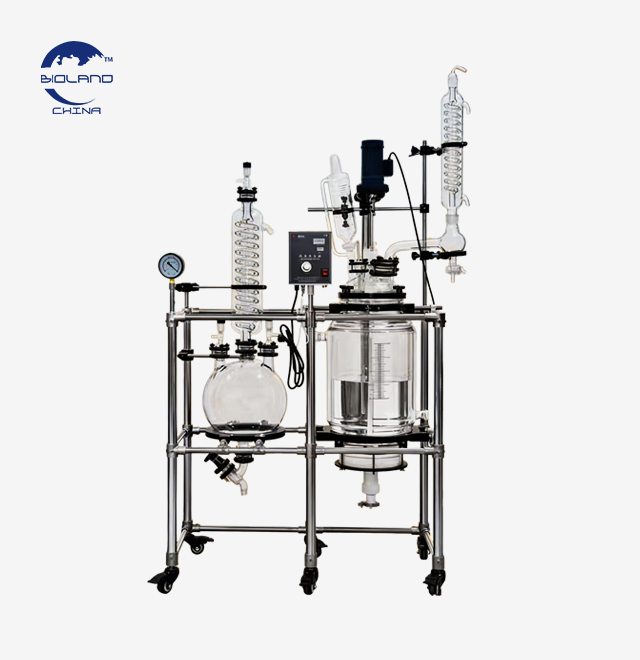
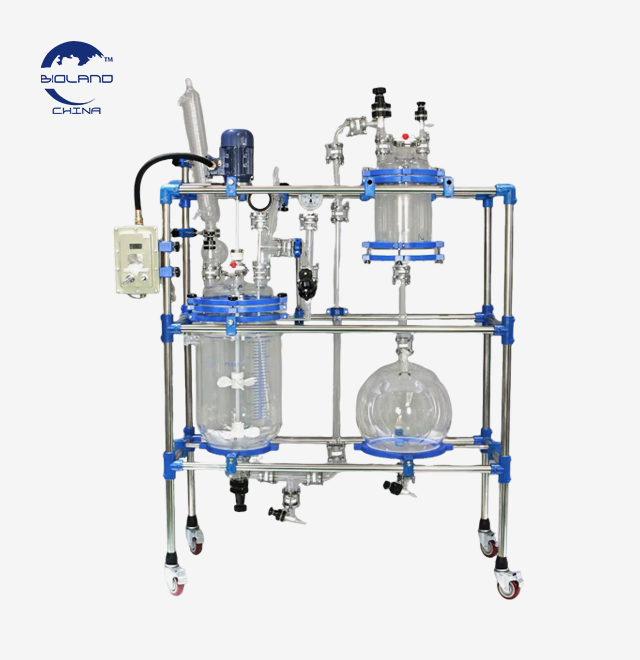
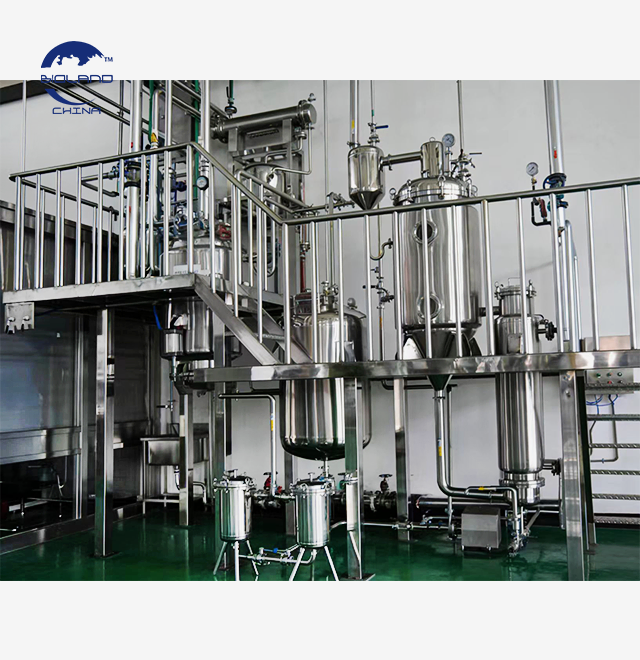
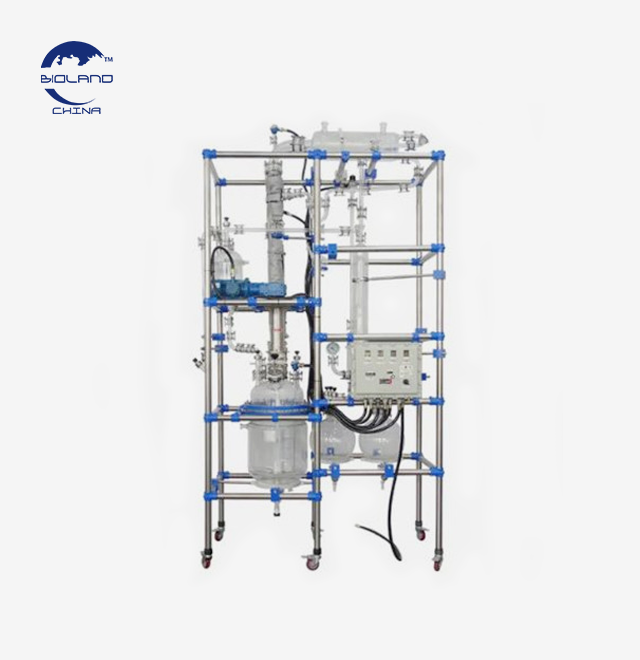
Best curcumin extraction machines for small to medium scale production
Jun 1, 2026
It is very important to choose the right Curcumin Extraction Machine when making curcumin on a large scale, from lab study to commercial production. Modern tools designed for small to medium-sized operations can remove 50–100% more curcumin than older ways while keeping the bioactive curcuminoids stable at high temperatures. Ultrasonic-assisted extraction, exact solvent recovery, and low-temperature concentration (between 40°C and 60°C) are all part of these combined systems. They keep the full therapeutic profile of turmeric extracts. Whether you're starting a pilot line or increasing the amount of nutraceuticals you can make, knowing the technical details and operating skills of these systems has a direct effect on the quality of your products, how efficiently they work, and how much money you make overall.
Understanding Curcumin Extraction Machines: Technology and Applications
Core Extraction Technologies and Workflows
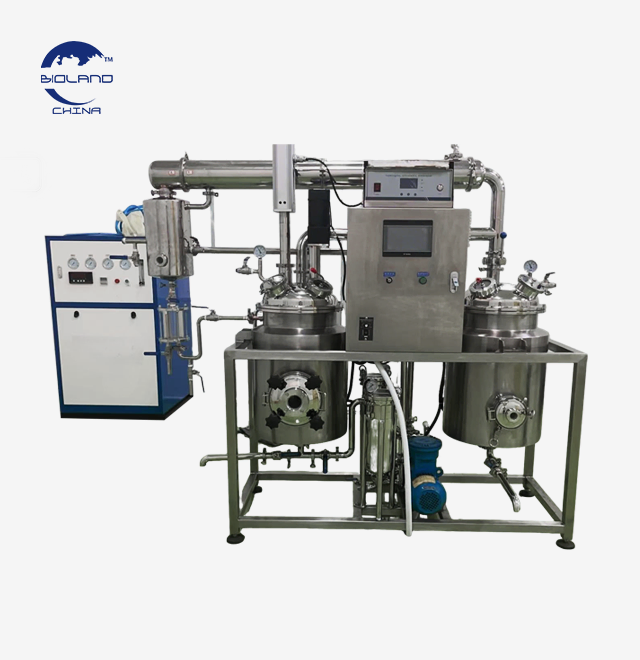
Curcumin Extraction Machines made for small to medium-sized output use more than one way to get rid of the problems that come with getting curcuminoids out of turmeric rhizomes. Curcumin is usually very low in concentration—only about 2% to 5% in raw materials—and it is also slippery and sensitive to heat, so it needs to be processed in a very specific way.
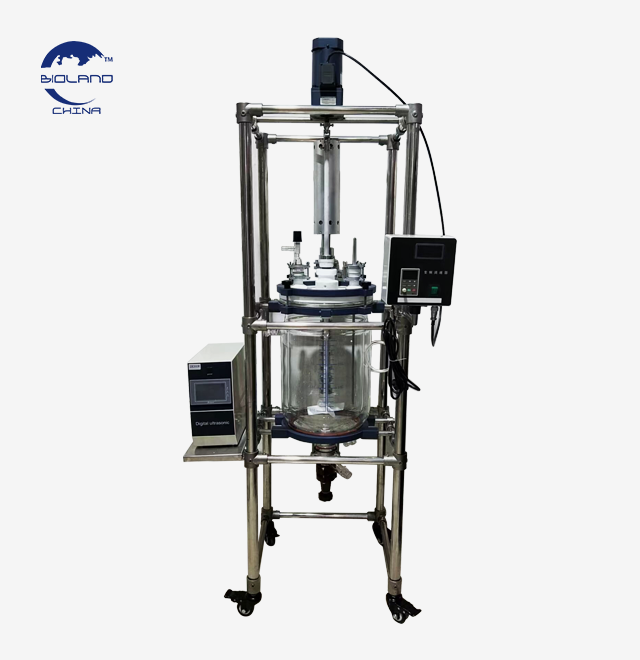
Ultrasonic-assisted extraction (UAE) has become the method of choice for small-scale tests. The machine makes high-frequency sound waves between 20 and 40 kHz, which break plant cell walls physically by making cavitation bubbles. This physical change speeds up mass transfer rates by a large amount, which makes it easier for solvents like ethanol to get to curcuminoids inside cells. UAE cuts the time it takes to remove the juice from hours to just 24 to 40 minutes, while also increasing the yield recovery.
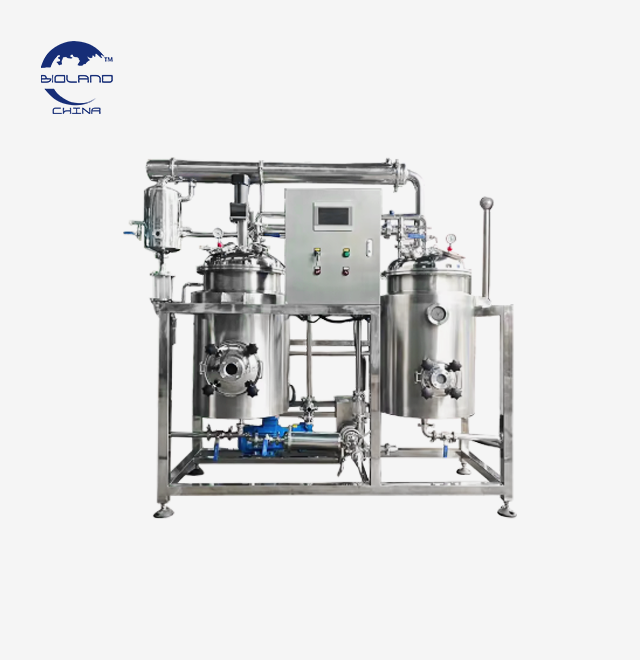
The whole extraction process usually goes through a number of connected steps. When raw turmeric powder is put into the extraction tank, a liquid that is controlled by temperature flows through it. After the curcuminoids are dissolved, they are filtered to get rid of the solids, concentrated to lower the volume of the liquid, and finally evaporated or crystallized to get the pure extract. Closed-loop solvent recovery is used in more advanced systems to reuse over 95% of ethanol or other organic liquids. This feature greatly lowers operating costs and the damage done to the environment.
Industrial Applications Across Key Sectors
These extraction methods are used by a wide range of industries, each with its own unique needs for clarity and formulation. When selecting a Curcumin Extraction Machine, specific requirements vary by application. For active pharmaceutical ingredient (API) uses, pharmaceutical companies need tools that can make curcumin with a content of 95% or more. The machines have to follow strict GMP guidelines, have contact areas made of 316L stainless steel that are mirror-polished, and give full batch paperwork to make sure they follow the rules.
Nutraceutical companies that make dietary products look for technology that keeps the natural balance of curcumin, demethoxycurcumin, and bisdemethoxycurcumin. These are the three main curcuminoids that work together. Processing systems made for this purpose usually have two condensers set up in a way that makes it easier to get both primary and secondary molecules. Food companies that use turmeric oleoresin as a natural colorant E100 need to make sure that the extraction parameters are set up in a way that keeps the color value while also standardizing the taste profile. This means that the temperature and pressure controls need to be able to be adjusted easily.
Modern extraction tools can be used for more than just curcumin. Manufacturers who work with our clients have successfully used these systems to set up production lines for stevia, propolis, capsaicin, and medicinal mushrooms. This ability to make more than one product gives businesses that deal with a wide range of botanical extracts a lot of strategic freedom when planning future product line growth.
Comparing Top Curcumin Extraction Machines for Small to Medium Scale
Performance Evaluation: Yield, Efficiency, and Scalability
Metrics that measure performance directly relate to business results when analyzing extraction equipment. The percentage of usable curcuminoids that are successfully recovered from the raw material is called the extraction yield. This number has a big impact on the cost of materials and the profit margins. Modern automated systems can remove more than 98% of the material, while simple maceration tools can only do 60 to 75%. This difference in yield has a big effect on the bottom line over time for a medium-sized plant that processes 500 kg of turmeric every day.
Processing speed affects how much can be processed and how flexible the output schedule can be. Ultrasonic technology-based equipment can finish extraction processes in 24 to 40 minutes, which is more than two-thirds less time than traditional reflux methods, which take two to three hours. This speeding up lets makers handle more batches per shift, which increases the usefulness of their assets without spending more money on them.
As worries about sustainability grow and running costs rise, energy efficiency has become more and more important. You should look for systems that have variable-frequency drive motors that change how much power they use based on the load, and better insulation that lowers temperature losses. Compared to regular tools, the most energy-efficient designs use 30 to 40 percent less energy per kilogram of extract they make.
Automated vs. Manual Systems: Operational Considerations
With sizes ranging from 50 to 200 liters, manual extraction systems are usually best for early-stage businesses moving from lab to test production. The people who work on these machines have to control the temperature, keep an eye on the solvent levels, and plan the changes between the extraction, filter, and concentration steps by hand. Capital costs are still lower, but the need for workers raises running costs and makes batch-to-batch variability bigger.
Programmable logic controller (PLC) technology controls the whole extraction process in fully automatic systems. Operators only need to enter the processing settings they want to use, such as the ideal temperature range, extraction time, and solvent ratios, and the system will then carry out the entire workflow on its own. Pressure, temperature, flow rates, and the progress of each process stage are shown on real-time tracking screens. In addition to reducing the need for workers, this technology has a number of strategic benefits. Since mistakes made by people are no longer possible in regular processes, batch consistency gets a lot better. Systems make full batch records that are needed for GMP compliance and quality checks, so documentation is done automatically. Troubleshooting is sped up by alarm systems that spot particular problems, like changes in pressure, temperature, or flow, so that they can be fixed quickly.
Scalability is another important rating factor. By adding parallel extraction vessels or improving concentration units, modular equipment designs let you increase output without having to replace the whole system. When looking at possible providers, find out if they offer upgrade paths that will protect your original investment and allow for future growth.
How to Efficiently Extract Curcumin: Best Practices and Maintenance Tips
Optimizing Extraction Parameters for Maximum Yield
To get the best extraction performance when using a Curcumin Extraction Machine, you need to pay close attention to a number of factors that are all related. Because curcumin is sensitive to heat, temperature control is very important. Working between 40°C and 60°C keeps the bioactivity while keeping the solvent's effectiveness at a good level. Higher temperatures speed up the extraction process, but they also increase the chance of breaking down curcuminoids and creating off-flavors that make cleaning later on more difficult.
The choice of solvent and its quantity have a big effect on both the yield and the quality of the extract. When the percentage of ethanol is between 70 and 95%, it dissolves curcumin well and meets safety standards for food. The solid-to-solvent ratio is usually between 1:8 and 1:12, but this can change based on the quality of the raw materials and the quantity that is wanted in the crude extract. Ultrasonic power levels should be adjusted based on the properties of the material, since too much energy can cause localized heating that cancels out the low-temperature benefit.
The ground turmeric's particle size has a direct effect on how well mass moves. When you process something to 20-60 mesh, you expose more of its surface, which lets solvents get into the cell structures. However, bits that are too small make screening harder and may make the extract more polluted. Setting the best grind parameters for your particular type of turmeric makes the accuracy between production runs better.
Preventive Maintenance and System Longevity
Regular repair plans make equipment last longer and keep it from breaking down when it's not supposed to. Every day tasks should include checking that ultrasonic transducers are mounted and connected correctly, that temperature monitors give correct readings, and that all valves and gaskets keep their covers. Not only do solvent leaks put people in danger, but they also have a direct effect on running costs by causing material losses.
Cleaning the filter screens, checking the pump seals for wear, and making sure the condenser works are all common weekly maintenance jobs. If there is a clean-in-place (CIP) system, it should be used according to the manufacturer's instructions, which usually include hot water rinses, alkaline cleaning solution rinses, and finally sterilizing rinses. This ability to clean automatically saves a lot of work and keeps things clean for medicine and food uses.
Check valves on high-pressure pumps should be checked every month, as should electrical connections for rust or loosening, and the accuracy of pressure and temperature sensors should be checked against reference standards. Many providers suggest a full service once a year that includes testing the ultrasonic generator, checking for leaks in the whole system while it's under pressure, and replacing worn parts like pump seals and gaskets. By making arrangements with your equipment seller for regular repair trips, you can get factory-trained technicians who know how your system is set up.
Procurement Considerations: Buying Guide for Curcumin Extraction Machines
Aligning Equipment Capacity with Production Requirements
Realistic output planning is the first step in figuring out the right size of equipment. Figure out how many kilograms of finished extract you want to make each year, and then work backwards, taking into account the return of the extraction process, the quality of the raw materials, and the plan you want to run the business. A common mistake in planning is picking equipment that is too small and that runs at full capacity all the time, leaving no room for repair, process improvement trials, or changes in demand.
There are more budget issues to think about than just the price of the tools. When you do a full costing for a project, you should include the costs of installation, any changes to the building that are needed for utilities and safety systems, operator training, qualification procedures, and the first stock of extra parts. When buying foreign goods, you need to think about processing fees, international shipping, and possible changes in the value of the currency. To keep their budgets from going over, many experienced buyers set aside 25 to 35 percent more than the base cost of the tools for these extra costs.
The mix between cost and usefulness needs to be carefully looked at. Premium-featured systems that are fully automated, certified as explosion-proof, and have advanced tracking tools cost more, but they provide real practical benefits. Find the difference between the extra cost of capital and the benefit of better yield recovery, less work, and more consistent batches. When a business plans to stay open for a long time or deals with expensive plant materials, buying more specific tools usually leads to a lower total cost of ownership.
Supplier Evaluation: Experience, Support, and Certification
The trustworthiness of the supplier has a big effect on the success of the project and the long-term dependability of operations. Give more weight to makers who have a track record of making plant extraction equipment—ideally for 15 years or more. Ask for thorough case studies of installations that have been used for similar tasks in the past. These should include information on production capacity, materials processed, and operating performance. Talking to current customers is the best way to find out how responsive a seller is, how knowledgeable they are about technology, and how good their after-sales help is.
Verification of certification and compliance guards against legal problems and makes sure operations are safe. The design, materials, and paperwork of all equipment used in food and pharmaceuticals must meet GMP standards. Look for ISO 9001 certification to show that the company has quality management systems, CE marking to show that the company meets European safety standards, and ATEX certification if the company works with dangerous solvents. Pressure vessels must have an ASME U-Stamp or a similar approval from an approved inspection authority.
The warranty terms and system for after-sales help should be carefully looked over. Standard warranties usually cover production flaws for one year, but make sure you know what parts are covered, how long they promise to respond to service calls, and if new parts are available. Companies that work in areas far from the manufacturer's facilities should check to see if there are local service partner networks or ask if they can do online diagnostics. A seller who offers technical help through videoconferencing and is willing to give ongoing process optimization advice shows that they care about their customers' success after the sale.
Customization and Turnkey Solutions
Customized equipment designs that fit the needs of the process and the limitations of the building are often helpful for small to medium-sized producers, especially when configuring a Curcumin Extraction Machine. Reliable makers offer modular designs that let you choose the size of the vessel, the amount of automation, the safety features, and any extra systems you might need, such as solvent recovery or CIP cleaning. This gives you the freedom to make sure the equipment works well with your current setup and meets your specific operating needs.
Turnkey project services offer complete solutions that are especially useful for businesses that don't have their own engineers. Usually, these packages include help with process design, choosing and integrating equipment, installation and testing, training for operators, and help with qualifications. Having a single point of control speeds up the time it takes to make something and makes project management easier. When evaluating suppliers, ask for specific explanations of what "turnkey" services include and look at how long similar installs they've done took to complete.
Future Trends and Innovations in Curcumin Extraction Technology
Green Technologies and Sustainability Initiatives
As regulations get stricter and companies make bigger promises to sustainability, environmental responsibility plays a bigger role in choosing tools. Next-generation extraction systems focus on liquid recovery rates that are close to 99%, which reduces the amount of raw materials used and trash made. Some companies now make bio-based solvents from green resources as an option to organic solvents made from petroleum, but their performance needs to be carefully looked at.
Designs that use less energy and incorporate heat integration use heat from condensation processes to warm up entering solvent streams, which means they don't need as much warmth from outside sources. Instead of always running at full power, variable-frequency drives change the speed of the motors based on what the load is. LED lights and better shielding cut down on energy use even more. These features help meet environmental goals and lower running costs in a way that can be measured. This makes the case for upgrading equipment stronger.
Reducing the amount of water used has gotten more attention in places where water is a problem. Closed-loop cooling systems use water over and over again instead of constantly getting new sources. Advanced CIP procedures make the best use of cleaning fluid amounts while still meeting health and safety standards. When manufacturers add these eco-friendly features, they help their customers get ready for new rules about the environment and reports about business duty.
Digital Integration and Smart Manufacturing
The ideas behind Industry 4.0 are changing the process of extracting plants from a hand-crafted job to one that is controlled by data. IoT devices built into modern equipment constantly check dozens of process factors and send data to cloud-based analytics platforms. Machine learning algorithms find small connections between process conditions and extract quality, which lets them make predictions about how to improve things that humans might miss.
Technical experts can check on the performance of equipment from anywhere, so they can figure out problems without having to visit the spot and give real-time instructions to workers who are there. This connection is especially helpful for businesses that have more than one location or that depend on equipment providers in different countries. Predictive maintenance systems look at things like vibration patterns, temperature trends, and working hours to figure out when parts will break down and schedule replacements for planned downtime instead of waiting for problems to happen.
Digital batch records keep track of all process parameters automatically during production. This gets rid of the need for human data entry and makes sure that everything can be tracked. Integration with business resource planning tools makes it easier to keep track of supplies, plan output, and record quality. With these digital features, extraction equipment goes from being a separate piece of equipment used for production to being a part of smart manufacturing communities that are linked to each other.
Conclusion
For small to medium-sized output, choosing the best Curcumin Extraction Machine means balancing technical performance requirements with operational facts and business goals. Ultrasonic-assisted extraction, automated process control, and integrated liquid recovery are some of the features of modern systems that make extraction 50–100% better than traditional methods while finishing cycles in 24–40 minutes. The tools can work at low temperatures, which keeps the bioactivity of curcumin intact and meets strict quality standards for pharmaceuticals and nutraceuticals.
Comparing scientific datasheets isn't the only thing that goes into successful buying. Check the sellers' experience in the field, ask for thorough case studies, make sure they have the right certifications for GMP compliance and safety standards, and see how well they can help you after the sale. Think about customization choices and "turnkey" services that can speed up the application process and lower the risks of integration. As technology for mining moves toward more automation, sustainability, and digital connection, picking equipment that can be upgraded will protect your investment and help your plans for future growth.
FAQ
Q1: What is the typical investment range for small to medium scale curcumin extraction equipment?
A: The price of equipment varies a lot depending on its size, amount of automation, and features that come with it. Basic semi-automated systems that can be used for pilot-scale production (with a capacity of 50 to 200 liters) usually cost between $30,000 and $80,000. Medium-sized automatic systems that can hold 200 to 500 liters, have full PLC control, solvent recovery, and follow GMP standards usually cost between $80,000 and $200,000.
Q2: How long does curcumin extraction typically take with modern equipment?
A: Ultrasonic-assisted technology in advanced extraction systems speeds up the whole extraction process, taking only 24 to 40 minutes instead of the two to three hours needed by standard maceration methods. Depending on the batch size and final concentration, the whole process usually takes between 1.5 and 3 hours, from adding the raw materials to concentration and solvent recovery.
Q3: Can extraction equipment be scaled up as production requirements grow?
A: When making systems, good equipment makers think about how they can be expanded. By adding parallel extraction vessels, upgrading concentration units, or putting in bigger solvent recovery systems, modular setups make it possible to increase output. When looking at tools, talk to providers about how much they think production will grow in the future.
Partner with BIOLAND: Your Trusted Curcumin Extraction Machine Supplier
To make more curcumin, you need more than just tools. You also need a factory partner who is dedicated to your long-term success. BIOLAND INSTRUMENT has been working with plant extraction technology for more than 15 years and has helped clients in the pharmaceutical, nutraceutical, and food preparation industries in North America and around the world. Our ultrasonic extraction systems give your business the results it needs: 50–100% more output than traditional methods, processing cycles that last 24–40 minutes, and low temperatures that keep bioactive substances safe.
What makes BIOLAND stand out is that we offer full client help. We offer complete solutions that include process advice, unique equipment setup, installation supervision, operator training, and quick technical support after the sale. Our Curcumin Extraction Machines are fully automated with PLC, built to GMP standards with optional 316 stainless steel touch parts, have built-in liquid recovery systems, and are completely explosion-proof to meet ATEX standards. Each system goes through strict factory acceptance testing and comes with clear instructions. We also provide engineering data packages to support your approval processes.
During production, our expert team keeps a close eye on your project and sends you weekly updates with photos and videos to show how things are going. Our commitment to quality is backed by CE and ISO certifications. Our one-year guarantee and lifetime upkeep help will protect your investment. Whether you're moving from lab scale to full production or just need to increase your current capacity, BIOLAND can help you find options that fit your needs and your budget. Email our engineering team at info@biolandequip.com to talk about your particular needs and get a thorough technical proposal.
References
1. Prasad, S., & Aggarwal, B.B. (2021). Turmeric, the Golden Spice: From Traditional Medicine to Modern Medicine. CRC Press, Boca Raton, FL.
2. Zhang, H., Wang, G., & Liu, Y. (2020). "Ultrasonic-Assisted Extraction of Bioactive Compounds from Plant Materials: Mechanism, Optimization, and Application." Journal of Food Science and Technology, 57(4), 1223-1234.
3. Smith, R.L., & Cohen, S.M. (2019). Safety Assessment of Botanical Extracts: A Guide for Manufacturers. Academic Press, London.
4. European Food Safety Authority (2022). "Guidelines for GMP Compliance in Botanical Extract Manufacturing." EFSA Panel on Food Additives and Nutrient Sources, Parma, Italy.
5. Liu, J., Chen, X., & Wang, Z. (2023). "Process Intensification in Natural Product Extraction: Technologies and Industrial Applications." Chemical Engineering and Processing - Process Intensification, 182, 109-125.
6. International Organization for Standardization (2021). ISO 9001:2015 - Quality Management Systems for Botanical Processing Equipment. ISO Standards Publication, Geneva, Switzerland.
The reactor is beautifully mirror-polished and fully complies with GMP requirements for the pharmaceutical industry. The performance is excellent! Overall, we are very satisfied! We also provided with some feedback on our process improvements, which we hope will be helpful.
2024-04-09
Laboratory
Excellent and professional service. Always reply our questions very fast. All reactors and chiller we received are good too.
2024-02-15
Research Institute
Quality is beyond our expectation actually. After we got the extraction equipment and started using it, the performance was beyond our expectation. Very easy to use and very efficient to run. Service always respond us very quickly. Was also very helpful to help us. Thanks Bioland team. Very happy to work with you.
2023-11-20
Biotech Company
We are happy about the new purchase as always. Equipment and services are both good.
2023-08-05
Instrument Lab
This is the second order with Bioland instrument and everything is good as the first dateText.
2023-05-12
Global Trading Partner
Bioland instrument team is very helpful and professional. The sales helped us select the right equipment for our application, and their logistics people handled the transportation and customs declaration for our shipment. All that saved us a lot of work.