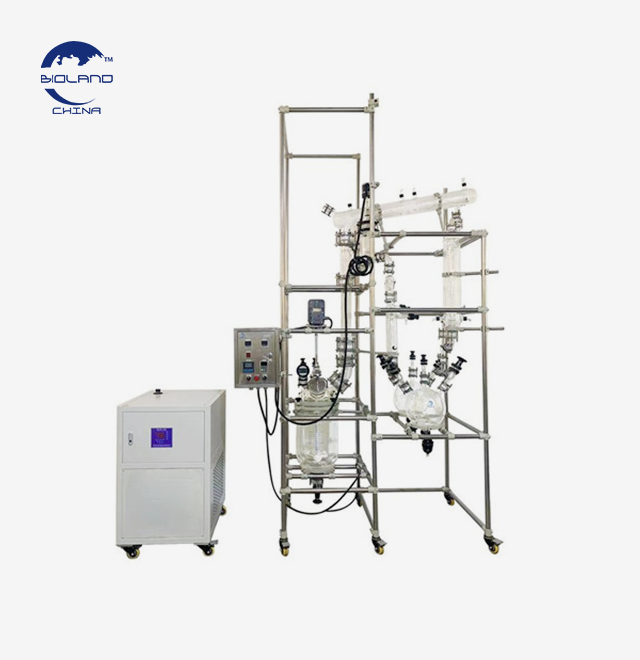
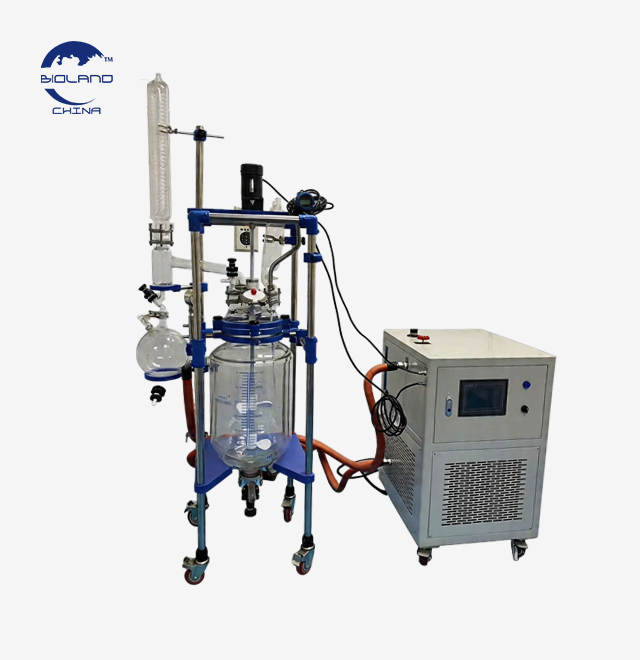
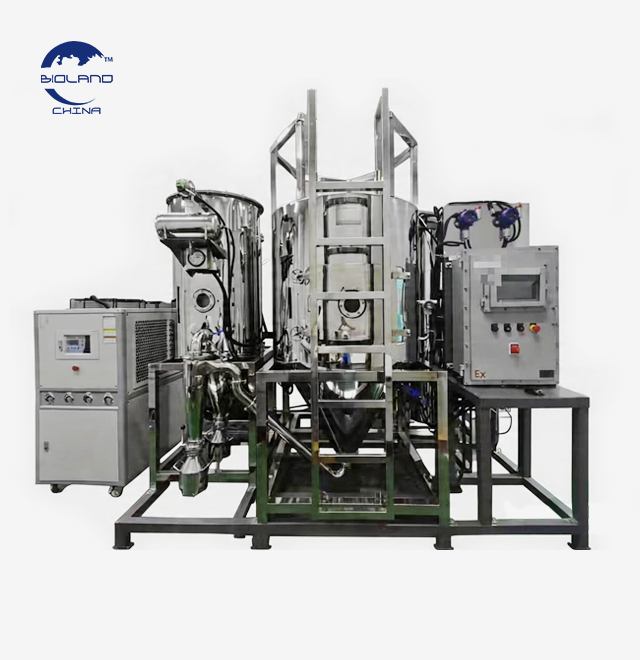
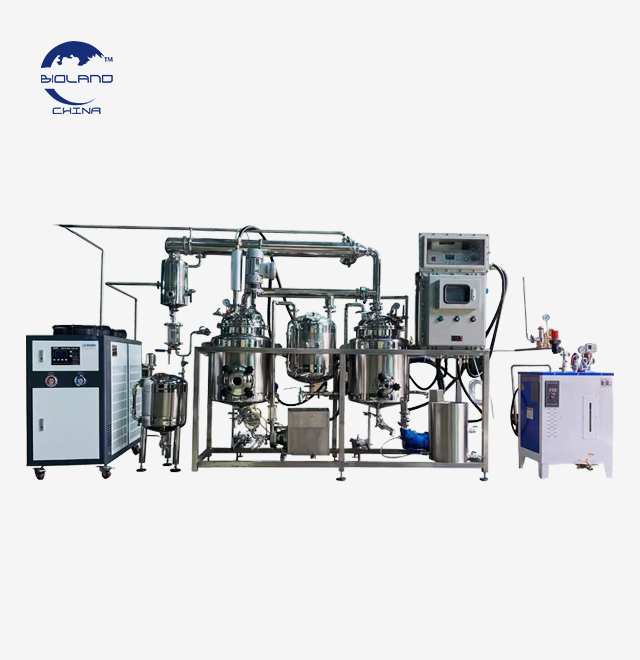
What are the essential features of a high-quality propolis extraction system?
Jun 2, 2026
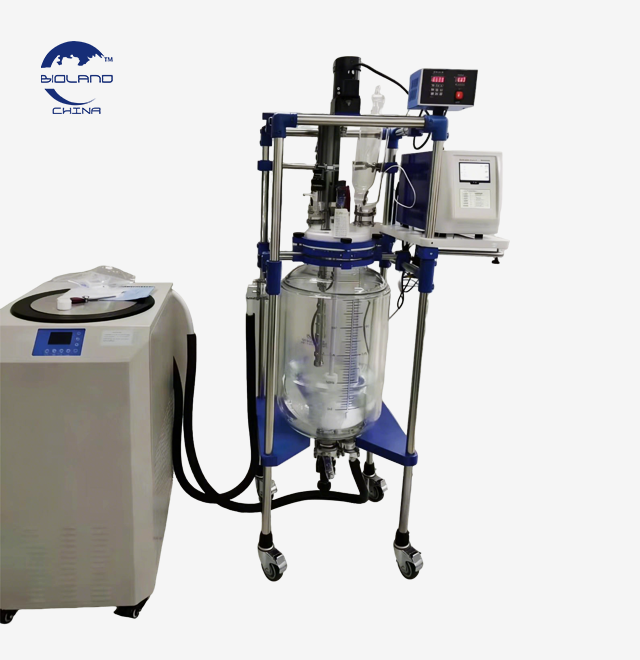
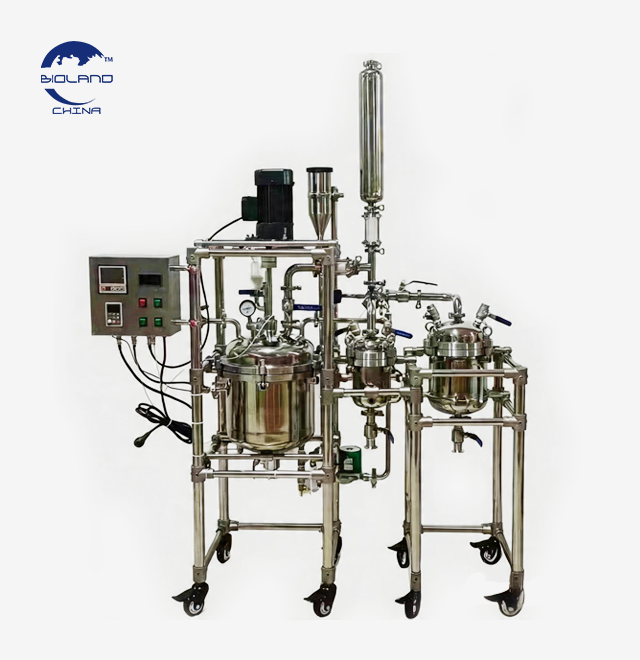
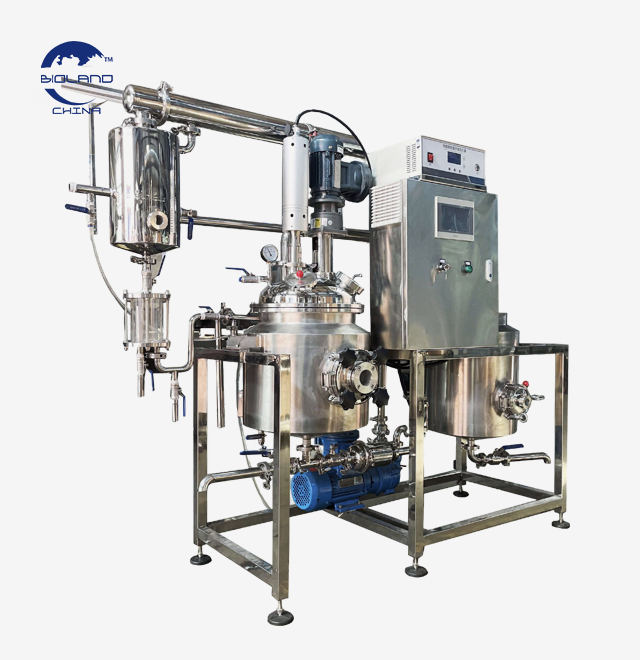
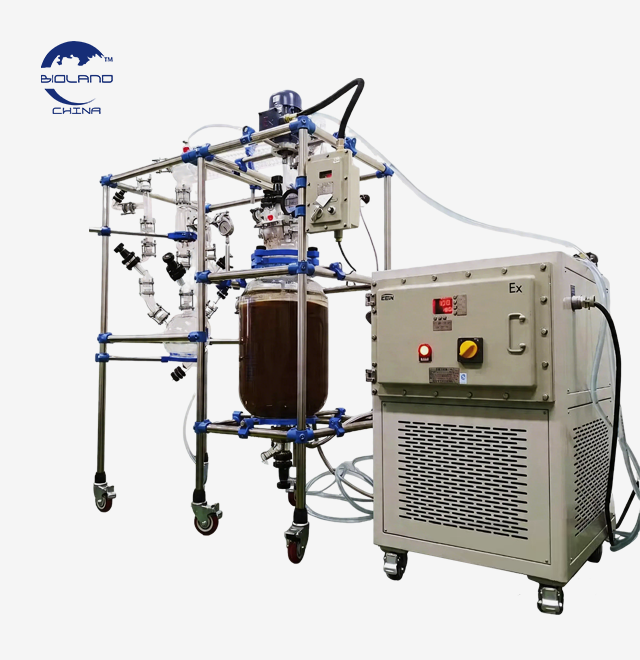
A good method for extracting propolis is one that can quickly separate bioactive chemicals, like flavonoids and phenolic acids, from raw bee propolis while keeping their therapeutic value. To achieve extraction rates 50–500% higher than conventional methods, modern propolis extraction machines combine ultrasonic-assisted technology, low-temperature processing (40–60°C), and automated control systems. GMP-compliant building from food-grade stainless steel, the ability to support both UAE and organic solvent extraction, and a wide range of safety features, such as explosion-proof designs, are all important features. These systems solve important problems in the industry, like active ingredients breaking down at high temperatures, solvent recovery that doesn't work well, and inconsistent product quality. This makes them essential for companies that make medicines, nutraceuticals, and cosmetics that need reliable, scalable production solutions.
Understanding Propolis Extraction Systems: Core Concepts and Working Principles
The pharmaceutical and nutritional businesses have an ongoing problem: they need to get the sticky, resinous substance called propolis out of honeybees without damaging their delicate bioactive compounds. The old ways of extracting propolis by hand are hard to control, take a lot of time, and damage the flavonoids and phenolic acids that give it its antibacterial and antioxidant qualities. Modern extraction technology has changed this process a lot by automating difficult extraction tasks and keeping the environment under tight control.
How Modern Extraction Technology Works
Modern methods use a multi-step process that starts with soaking or extraction with the help of ultrasound. For example, pharmaceutical-grade ethanol is usually used as a fluid in the propolis extraction machine, which also has temperature controls. Ultrasonic cavitation at frequencies between 20 and 40 kHz breaks down cell walls without making too much heat, letting medicinal chemicals escape into the solvent matrix. When compared to traditional maceration, this technology speeds up the extraction process by up to 40% and cuts the time it takes by more than two-thirds, to just 24 to 40 minutes.
After the first separation, the fluid goes through low-temperature vacuum concentration. This step gets rid of any extra liquid while keeping temperatures below 60°C to keep sensitive chemicals from breaking down at high temperatures. At the end of the process, the product is carefully filtered through multiple stages of filters that get rid of wax bits and other impurities that could affect its stability and clarity. Having a good understanding of these working principles helps purchasing managers decide if a system can meet their unique quality and output standards.
Capacity Planning and Scalability Considerations
The amount of production has a direct effect on ROI and business efficiency. Laboratory-scale extraction systems can handle 5 to 20 liters of material per batch, while industrial-grade systems can handle 500 liters or more. When businesses move from research and development (R&D) to test production or full commercial production, they need to think about both their current market needs and their needs for future growth. Modular designs let you add more capacity in small steps without having to update the whole system, which protects your cash investments. A drug company that is moving from clinical studies to commercial production might start with a 50-liter system and add more extraction tanks as market demand grows. This way, the process stays the same even as the company grows.
Essential Features Defining High-Quality Propolis Extraction Systems
To tell the difference between good and great extraction tools, you need to know about certain technical features that have a direct effect on product quality, running costs, and following the rules. High-performance systems have many advanced features that work together to give reliable results.
Superior Extraction Efficiency and Energy Performance
The most important performance measure for any propolis extraction machine is extraction efficiency, which is the percentage of bioactive substances that can be successfully separated from the raw material. Leading propolis extraction machines are 50–500% better than old methods because they use precise temperature control, improved fluid movement patterns, and ultrasonic enhancement technology. This huge increase in efficiency directly leads to higher outputs from the same amount of raw materials, which lowers the cost of making one unit by a large amount.
Using a lot of energy is a big ongoing cost of doing business. When compared to older equipment, newer designs use 30-45% less energy because they have multi-effect evaporation systems and heat return mechanisms. The two-condenser setup not only raises the solvent recovery rate to over 95%, but it also protects the environment and lowers the cost of buying new solvents. Over the course of five years, these energy saves can cover a big chunk of the starting equipment cost. This makes energy efficiency an important thing to think about when buying equipment.
GMP-Compliant Construction and Material Standards
In medicine and food-grade uses, following the rules is a must. Contact parts of high-quality systems are only made from SUS316L stainless steel, a material that doesn't rust and can handle acidic propolis components and ethanol solvents without letting contaminants leak out. Surface finishes have a Ra value of less than 0.4µm, which stops germs from growing and makes cleaning easier. To meet the strict GMP, FDA, and EU standards, the equipment is built with cleanable dead-leg removal, tri-clamp connections, and sloped drains as building principles.
In addition to choosing the materials, the whole system design supports the validation processes that are needed to make pharmaceuticals. Every process indicator, such as temperature, pressure, agitation speed, and time, is recorded by automated control systems in an audit trail that is made for each run. This data integrity helps with government reports and quality assurance programs, so makers can be sure that every batch of products meets the standards that have been set.
Intelligent Automation and Process Control
When something is done by hand, mistakes and differences between batches can happen, which can lower the quality of the result. Fully automatic PLC-based control systems with easy-to-use HMI touchscreens are used in modern extraction tools. Operators can program full extraction recipes that include heating curves, stirring sequences, pressure levels, and when to add the solvent. After that, the system carefully follows these routines, making sure that the temperature stays within ±1°C and the pressure stays below -0.09Mpa.
Automation includes more than just basic process control. For example, CIP (clean-in-place) systems do cleaning steps automatically between batches, which cuts down on downtime by a huge amount. Automatic discharge devices get rid of the need to handle thick extracts by hand, which makes work safer and keeps conditions clean. Technical teams can keep an eye on various production lines at the same time by using remote tracking. If any parameters move out of acceptable ranges, they will get real-time alerts. These smart features cut down on production times while keeping quality high across thousands of batches.
Maintenance Efficiency and Operational Longevity
When equipment breaks down, it directly affects how much can be made and how much money can be made. High-quality systems are built with features that make regular upkeep easier and extend the time that they work. With hydraulic help, quick-opening hatches make it easy to get to the inside of the machine to check and clean its parts. Technicians can check conditions without taking the system apart because the agitator parts and sight glasses are removable. Wear parts like gaskets and seals use standard sizes that work with easily accessible new parts. This cuts down on inventory costs and delivery times.
Complete maintenance records, such as thorough plans, lists of spare parts, and dates for preventative maintenance, help facilities set up maintenance programs that work. Manufacturers that offer remote diagnostic help can use network connections to solve problems and often fix them without sending workers to the site. A well-kept extraction system from a trustworthy seller can last for 15 to 20 years without any problems. This is why long-term support is an important thing to look at when buying something.
Comparing Propolis Extraction Machines: Choosing the Best Fit for Your Business
There are a lot of different types of propolis extraction machines on the market, with different prices, technologies, and capacities. It's important to carefully consider a lot of different factors that are related to both daily needs and long-term business goals in order to make an informed choice.
Manual vs. Automated Extraction Methods
To reduce the amount of money they need to start out, small-scale makers sometimes think about hand or semi-automated extraction. For manual processes, the fruit is macerated in containers that are covered and stirred every so often. It is then filtered and evaporated by hand. Even though the cost of the tools stays low, this method requires a lot of work, gives uneven results between batches, and makes it hard to expand. With physical ways, one person could only handle 10 to 15 kilograms of raw propolis per day.
Although they cost more up front, fully automatic extraction tools have a lot of benefits. Batch-to-batch repeatability is important for regulatory compliance and brand image, and it can only be achieved with process factors that stay the same. Automation cuts the need for direct labor by 60–75%, which frees up workers to do more valuable tasks like quality control and product development. Processing power goes up by a huge amount—a medium-sized automatic system can handle more than 100 kilograms of goods every day with little to no help. Manufacturers should figure out the total cost of ownership over five years for both manual and automatic choices. This includes labor costs, yield losses from inefficient extraction, and quality control costs. This thorough study usually shows that technology pays for itself in 18 to 30 months for tasks that require more than small amounts of production.
Comparing Ultrasonic-Assisted Extraction and Conventional Technologies
In the old way of doing things, bioactive chemicals are moved into a liquid by using high temperatures and long contact times. Even though this method works properly, it weakens heat-sensitive flavonoids by exposing them to heat for a long time. Usually, extraction processes take between 4 and 8 hours, which limits the daily batch output.
Ultrasonic-assisted extraction (UAE) is a big step forward in technology. High-frequency sound waves make tiny cavitation bubbles that pop with a lot of force in one place. This breaks down cell walls physically and speeds up mass transfer without burning the whole area. This system lets the extraction work well at temperatures between 40°C and 60°C, protecting chemicals that are sensitive to heat. Premium systems have a dual-ultrasonic setup that puts sensors in different places inside the extraction vessel. This makes sure that cavitation is even throughout the whole volume. Compared to traditional ways, extraction times are cut down to 24 to 40 minutes and returns are raised by 30 to 50 percent. The technology allows different extraction methods, such as hot reflux, aromatic oil extraction, and organic solvent extraction (OSE), which gives businesses more options for how they run their businesses. Businesses that care about product quality and production speed should strongly consider systems built with UAE, even though they cost a bit more.
Evaluating Supplier Credentials and Support Infrastructure
The manufacturer's knowledge and help after placement are very important to the reliability of equipment. When buying managers evaluate suppliers, they should look into a number of important factors. If a company has been in the business for more than 15 years, it's likely that they have improved their ideas through multiple product versions and have a lot of process knowledge. Getting certifications like CE, ISO, UL, SGS, ATEX, and IEC shows that you care about quality and safety standards that are known all over the world.
Referrals from current customers who are using similar products or services give you a lot of useful information about how they work in real life. Ask for thorough case studies that show specific uses. Extraction of propolis is different from extracting other plants because it has sticky parts and is sensitive to heat. It's important to know what the supplier's expert team can do: can they help with unique process development? Do they provide a full range of services, such as planning the workshop, choosing the equipment, installing and commissioning it, and teaching the operators? The manufacturer's trust in their products and commitment to customer success can be seen in the warranty terms and after-sales reaction promises. A provider that gives a full warranty for one year, offers lifetime upkeep support, and assigns project managers to keep an eye on production shows that they are more interested in building partnerships than making sales.
Procurement Insights: How to Secure a High-Quality Propolis Extraction Machine?
Strategic buying is more than just finding the right tools. It also includes ties with suppliers, budgeting, and long-term operating support, all of which affect the success of the project as a whole.
Sourcing Channels and Supplier Selection Strategies
There are several ways for business-to-business buyers to get mining tools. Online B2B sites let buyers see a lot of suppliers and make it easy to compare products at first, but it takes work to make sure that manufacturers are legitimate and that the products are of good quality. Wholesale wholesalers make things easier for customers and may have local stock for faster shipping, but they don't usually have the technical know-how to handle complicated uses. When buyers work directly with manufacturers, they can get the best results for complex extraction projects. This is because buyers can talk to engineering teams that can adapt equipment to specific process needs, provide detailed technical documentation, and set up direct support relationships without having to go through middlemen.
If you work directly with manufacturers, ask for plant surveys or virtual tours to make sure you understand how they make things and how they check the quality of their work. Check out their research and development (R&D): do they have testing labs on-site where they can use your specific raw materials to do extraction trials? Can they provide proof that the propolis extraction machine works to back up regulatory submissions? The best supplier ties aren't just about selling tools; they're also about real technical partnerships where the maker invests in the success of your production.
Understanding Cost Structures and Investment Planning
The price of extraction equipment depends on a number of things, such as its capability, amount of automation, building materials, and features that come with it. A simple 50-liter system could cost between $25,000 and $40,000. A fully equipped 500-liter industrial machine with an explosion-proof design, solvent recycling systems, and CIP automation could cost over $200,000. Figuring out why these prices are different helps buyers make smart decisions about what the item is worth.
Ask for full quotes that include the base equipment, any extra modules you might want (like better filtration, automatic discharge systems, or dual-ultrasonic setups), as well as installation services, training, and spare parts packages. Make it clear if the price includes freight, import taxes, and help with setting up the system. Some makers offer flexible credit options or payment plans that are broken down into stages. For example, a deposit is required when the order is placed, a progress payment is due when the making is finished, and the final payment is due after the product has been successfully installed on-site. These arrangements make it easier to handle cash flow, especially for businesses that are growing.
Customization Services and Turnkey Solutions
Standard stock equipment works well for many uses, but for specific production needs, it's often better to make it yourself. OEM/ODM services let reputable makers make equipment that fits your wants. Customization could include different vessel shapes to fit specific processes, higher explosion-proof ratings for dangerous solvent environments, custom filter setups for specific impurity profiles, or built-in process analytics for tracking quality in real time.
Complete project completion is provided by turnkey solutions, from the initial idea to actual production. The provider plans the layout of the workshop, chooses the equipment for the whole process line (extraction, filter, concentration, and drying), integrates the system, installs and commissions it, trains operators, and does the first production runs. This method works especially well for businesses that are opening new factories or using process tools they haven't used before. Even though turnkey projects cost more, they reduce project risks, shorten delivery times, and give you one point of responsibility. Usually, it takes 30 business days to send customized tools and 5–7 days for standard configurations. However, for more complicated turnkey projects, it may take 3–6 months.
After-Sales Support and Long-Term Partnership Value
Commissioning of equipment is not the end of the connection between the maker and the customer; it is the beginning. Full help after the sale is what sets exceptional providers apart from equipment sellers. Good makers give their employees thorough operating training to make sure that your team knows how to do both normal operations and troubleshooting. Responding technical help, ideally available through multiple methods such as phone, email, and remote diagnostics, keeps downtime to a minimum, which saves money when problems happen.
Maintenance plans that keep things in good shape help tools last longer and work better. Ask for specific repair plans that list the suggested service intervals for important parts. Downtime caused by broken parts is less likely to happen when suppliers keep enough extra parts in stock and can ship them quickly. Some makers offer yearly inspection services where factory experts come to your facility to do full system checks, spot problems before they become major, and make new operational suggestions based on what you've learned from production.
The best relationships with suppliers turn into real partnerships where the maker cares about the success of your production even after the work is done. They share proactive ideas on how to improve processes, let you know about relevant technology upgrades, and offer ongoing advice as your production needs change. This focus on partnerships produces value that goes far beyond the original purchase of equipment.
Real-World Case Studies: Proven Performance of Leading Propolis Extraction Systems
Theoretical skills don't mean much unless they can be shown to work in real-world business settings. By looking at how advanced extraction technology is used in the real world, we can see that it provides measurable business value across a range of operating scales and market groups.
Pharmaceutical OEM Partnership: Scaling for Commercial Production
A medium-sized drug company that specializes in natural product therapies had a big problem: their throat spray made from propolis did well in clinical trials, but the test equipment they had on hand couldn't handle large amounts of the product when it went on sale. They needed a system that could handle 200 kg of raw propolis every day and still meet strict GMP standards for medicinal APIs.
Working with an experiencedpropolis extraction machine maker, they set up a custom 300-liter UAE system with an explosion-proof design, automatic solvent recovery that recycled 96% of the ethanol, and built-in PLC control that created detailed batch paperwork. The low-temperature handling kept the flavonoid content above 5.2%, which was higher than their requirement of 5.0% total flavonoids. With an extraction time of only 35 minutes, six batches could be made per production shift.
The results changed the way their business went. When compared to their old equipment, the new equipment raised production capacity by 430%, and extraction costs dropped by 38% per unit because of higher rates and better solvent recovery. The automated control system made legal approval easier, which cut the time it took to go from concept to market by three months. Within 18 months, the market grew to three more countries thanks to more efficient production and better product quality. This shows that the right extraction technology can help with strategic growth.
Nutraceutical Startup: Efficient Small-Scale Production
Industrial-scale ability isn't needed for every task. A new company making organic propolis remedies needed to be able to produce small amounts of products quickly and efficiently so that they could sell them directly to customers. Their top goals were following GMP rules for dietary supplements, being able to work with organic materials, and making sure that the startup's cash investment was doable.
They chose a small 50-liter system with 316 stainless steel contact surfaces, semi-automatic operation, and a flexible design that lets the volume grow in the future. The system was smaller than most, but it had ultrasonic-assisted extraction and low-temperature concentration, which made it as efficient at extraction as bigger commercial units. The manufacturer met the standards for organic certification by giving three days of on-site training and a lot of operating paperwork.
The production numbers were better than expected. The system could handle 25 kilos of organic propolis every day, which was exactly what they needed for their first market. Extract's commitment to quality and consistency helped build their brand's image, which led to 140% year-over-year income growth. Because it was modular, they were able to add a second extraction tank 18 months later, which doubled their output without having to buy a whole new system. This example shows that advanced extraction technology can be used by businesses at any stage of growth because it can provide enterprise-level performance in the right-sized setups.
Industrial-Scale Implementation: Energy Efficiency and Cost Reduction
A big ingredient seller that made propolis extracts for cosmetics companies used old extraction equipment that used a lot of energy and needed to be serviced often. The annual cost of energy was more than $180,000, and unexpected downtime took up about 12% of the time that output was supposed to happen. They were looking for new tools that would be more reliable and lower their running costs.
They bought an all-in-one extraction system that can hold 500 liters and has energy-efficient multi-effect evaporation, advanced solvent recovery infrastructure, and CIP automation. The closed-loop design kept fluid losses to a minimum, and advanced heat recovery systems saved thermal energy to be used again. Predictive repair monitors kept an eye on important parts and let workers know about problems before they happened.
The practical effects were huge. Every year, energy use went down by 42%, which saved about $76,000 in heating and power costs. Solvent recovery improvements cut yearly refill costs by $34,000. Unplanned downtime dropped to 3%, which meant that output could go up by almost 10% without having to buy any new equipment. The system paid for itself in less than three years through operational savings. It also made the environment much better, which is becoming more important to their cosmetics business users. This case shows that modern extraction technology can bring big benefits, even to businesses that have been around for a long time and are replacing old, useful but inefficient equipment.
Conclusion
Finding a good propolis extraction machinemeans looking at a lot of things that all affect each other. These include how fast and efficiently the system extracts propolis, whether it is built in a way that follows GMPs using high-quality materials like SUS316L stainless steel, how smartly it is automated with PLC controls, and how safe it is with features like explosion-proof designs. The perfect system strikes a balance between scientific performance and practical factors like how much energy it uses, how much upkeep it needs, and its ability to grow with the business.
Modern techniques, such as ultrasonic-assisted extraction that works at controlled low temperatures, keep bioactive substances safe while cutting processing times by 65 to 75 percent compared to older methods. Expertise of the seller is much more important than just the specs of the equipment. True partners have more than 15 years of experience in the field, high standards are backed by certifications, and the supplier is truly committed to providing support after the sale. Investing in proven extraction technology from a reputable manufacturer gives you a competitive edge through better product quality, operational efficiency, and regulatory compliance, which leads to long-term profitability and market success.
FAQ
Q1: What maintenance procedures extend propolis extraction equipment lifespan?
A: As part of regular maintenance, seals and gaskets are checked for wear every day, filter parts are cleaned once a week to keep them clean, and temperature sensors and pressure gauges are calibrated and checked for accuracy every month. Between batches, operators should do CIP cycles and every three months, they should do full system checks that include checking the mixer bearings, vacuum pump oil levels, and electrical connections.
Q2: How do I determine appropriate extraction system capacity for my production needs?
A: Figure out how much processing of raw materials is needed each day based on the market demand for finished extract, taking into account how well the extract is extracted and how much it yields. Add a 20–30% capacity spare to account for changes in production and growth in the future. Think about how often the batches happen. For companies that need to change the recipe often, smaller vessels with faster turnover may work better, while bigger capacity vessels are better for making standard extracts all the time.
Q3: Can extraction systems accommodate organic or specialized certification requirements?
A: Manufacturers of high-quality equipment support organic certification in a number of ways. For example, SUS316L stainless steel contact surfaces keep food from getting contaminated, full CIP systems clean equipment thoroughly between batches, and full documentation trails help with certification audits. If you make it clear to manufacturers what organic compliance requirements you have during the buying process, they will be able to provide material certifications, cleaning validation processes, and design paperwork that meets the needs of organic certifying bodies.
Partner with BIOLAND for Advanced Propolis Extraction Solutions
You can trust Xi'an BIOLAND INSTRUMENT as your premier propolis extraction machine manufacturer. They have over 15 years of experience in their field and bring that experience to every project. Our extraction systems give your business the performance it needs: 50–500% more efficient than traditional methods, quick 24–40 minute processing cycles, and GMP-compliant building from high-quality SUS316L stainless steel. We have successfully adopted extraction solutions for a wide range of uses, including pharmaceutical APIs, nutrition supplements, and cosmetic ingredients.
Our full-service, turnkey solutions have helped clients all over North America. Our technical team creates unique processes, plans workshops, chooses equipment, installs and commissions it, and trains operators so that it fits in perfectly with your production setting. Every system comes with our full one-year warranty and lifetime maintenance support, along with quick expert help and access to real spare parts.
BIOLAND sells reliable extraction technology that is tailored to your needs, whether you're starting up a new production line, updating old equipment, or going big with commercial production. Email us atinfo@biolandequip.com to talk about your needs, get full specs, or set up a meeting with one of our process engineers. They can help you choose the best configuration for your output goals.
References
1. Bankova, V., & Popova, M. (2021). Propolis: Recent Advances in Chemistry and Plant Origin. Apidologie, 52(3), 472-486.
2. Chen, Y., Liu, J., & Yang, X. (2020). Ultrasonic-Assisted Extraction Technology in Natural Product Processing: Mechanisms and Industrial Applications. Journal of Food Process Engineering, 43(8), e13432.
3. European Medicines Agency. (2019). Good Manufacturing Practice Guidelines for Active Pharmaceutical Ingredients Derived from Natural Sources. EMA Publication Office, London.
4. Huang, S., Zhang, C., & Wang, K. (2022). Optimization of Flavonoid Extraction from Bee Propolis Using Low-Temperature Processing Methods. Industrial Crops and Products, 178, 114568.
5. U.S. Food and Drug Administration. (2020). Guide to Inspections of Manufacturers of Botanical Drug Substances and Products. FDA Center for Drug Evaluation and Research, Silver Spring, MD.
6. Wilson, M., Patel, R., & Thompson, L. (2021). Economic Analysis of Solvent Recovery Systems in Botanical Extraction Facilities: Capital Investment and Operational Cost Considerations. Chemical Engineering Progress, 117(4), 34-41.
The reactor is beautifully mirror-polished and fully complies with GMP requirements for the pharmaceutical industry. The performance is excellent! Overall, we are very satisfied! We also provided with some feedback on our process improvements, which we hope will be helpful.
2024-04-09
Laboratory
Excellent and professional service. Always reply our questions very fast. All reactors and chiller we received are good too.
2024-02-15
Research Institute
Quality is beyond our expectation actually. After we got the extraction equipment and started using it, the performance was beyond our expectation. Very easy to use and very efficient to run. Service always respond us very quickly. Was also very helpful to help us. Thanks Bioland team. Very happy to work with you.
2023-11-20
Biotech Company
We are happy about the new purchase as always. Equipment and services are both good.
2023-08-05
Instrument Lab
This is the second order with Bioland instrument and everything is good as the first dateText.
2023-05-12
Global Trading Partner
Bioland instrument team is very helpful and professional. The sales helped us select the right equipment for our application, and their logistics people handled the transportation and customs declaration for our shipment. All that saved us a lot of work.