Compare features of protein extraction machines for biotechnology
Jun 11, 2026
When choosing a protein extraction machine for biotechnology uses, there are a lot of options that can affect the results of research, the speed of production, and the long-term costs of running the business. Through advanced wet fractionation, enzymatic hydrolysis, or solvent-based methods, these specialized systems separate high-purity proteins from complex biological materials. These can be plant sources like soy and pea, or bacteria and animal tissues. Procurement managers, R&D directors, and factory engineers can make smart investments that meet their facility's needs for scale-up and process compatibility by understanding the core features, performance measures, and cost effects.
Overview of Protein Extraction Machines in Biotechnology
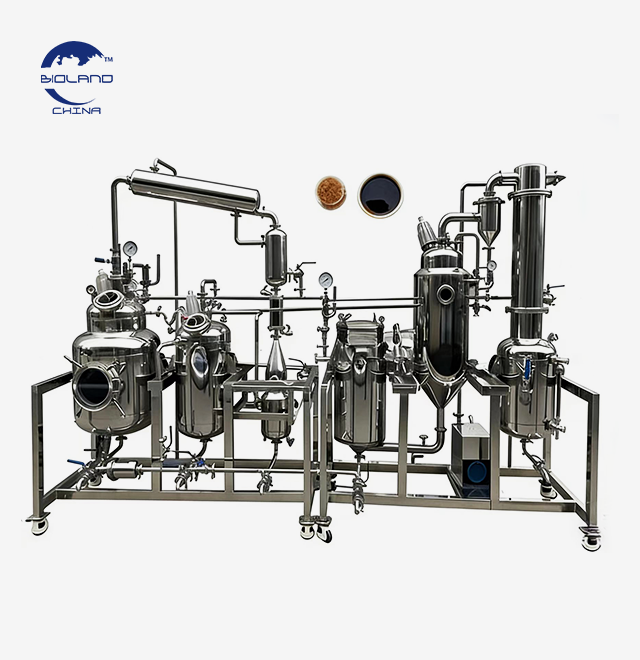
Protein extraction machine technology is an important part of current bioprocessing. Industrial-grade extraction systems, on the other hand, include more than one unit function, such as pH adjustment tanks, high-speed decanter centrifuges, precipitation reactors, and filtering modules. These tools solve important problems like low recovery rates, proteins becoming damaged by heat, and antinutritional factors not being completely removed.
Types of Extraction Technologies Available
For each raw material and process goal, there are different extraction ways that work best. Ultrasonic-assisted extraction (UAE) breaks down cell walls with high-frequency sound waves, which increases output without using too much heat. This technology works best at temperatures between 40°C and 60°C to protect molecules that are sensitive to heat. It is especially good at isolating plant-based proteins and beneficial compounds. Hot reflux extraction is still a good way to process herbs the old-fashioned way, but organic solvent extraction (OSE) is a better way to separate lipophilic proteins and useful chemicals. While enzyme-assisted methods are softer on the materials being processed, they usually need longer cycle times and cost more for the chemicals they use.
More and more, modern systems mix more than one method on a single platform. Because of this, places can use different raw materials without having to buy separate lines of equipment. This is especially helpful for research centers and contract makers who have to meet a wide range of customer needs.
Scaling from Laboratory to Industrial Production
The problems that come up with pilot-scale amplification are different from those that come up with laboratory tabletop units. For biotech uses, machines must keep their protein functionality and ability to remove proteins working at throughputs ranging from 50 kg/h for trial runs to 10 tons/h for commercial production. During the shift, it is common to need to change the extraction settings, residence times, and solid-liquid ratios while keeping the consistency from batch to batch. This change is easier to make with equipment that has flexible designs and scalable automation systems. This cuts down on both capital costs and approval times.
Comparing Core Features of Protein Extraction Machines
To properly evaluate the features of a protein extraction machine, you need to know how each one affects your unique work process. We've figured out the features that medium- to big biotech companies care about most when making buying decisions.
Extraction Efficiency and Yield Performance
When compared to traditional ways, high-performance extraction tools are 50–500% more efficient. This huge rise is due to a number of technological advances, including better control of temperature and flow patterns, and faster mass movement. Dual-ultrasonic setups are used in more advanced designs. These setups improve dissolution rates and cut processing time to 24–40 minutes per batch, which is more than two-thirds faster than standard methods. These time savings directly lead to more work getting done each day and lower labor costs.
The amount of extraction to recovery depends a lot on how the system is set up. Custom dual-condenser setups get the most liquid back while keeping the purity of the product. This streamlined, closed-loop method gets more of the active ingredients out, leaves behind cleaner leftovers, and makes better use of raw materials. When you switch from basic extraction tanks to designed systems with controlled pH environments and improved agitation profiles, you can often get 15–30% more yield.
Temperature Control and Product Integrity
The biggest problem that needs to be thought about when working with sensitive proteins is thermal denaturation. Professional extraction tools use jacketed tanks that can precisely control the temperature, keeping the conditions fixed at 40–60°C throughout the extraction cycle. This low-temperature processing keeps the food's nutritional value, enzyme activity, and useful qualities, all of which are important for medicinal ingredients and nutraceutical uses.
When temperature monitors are built into PLC control systems, they make changes automatically if process factors change too much. This real-time tracking, combined with the protein extraction machine, stops batch fails and makes sure that the quality of the products stays the same. Programmable temperature ramps and holds make it possible to optimize for specific protein types, taking into account the fact that plant proteins are more sensitive to heat than animal-derived materials.
Automation and Process Control Capabilities
The amount of automation has a big impact on how well and consistently operations work. For small-scale study settings, entry-level semi-automatic systems are good because they only need to be set up and monitored by hand. Fully automated PLC control systems are the standard for factories because they can manage set recipes, log data in real time, and allow tracking from afar. These tools make operators less dependent on each other, cut down on human error, and help with GMP compliance paperwork.
Modern extraction tools are smarter than just being able to handle them. Adaptive algorithms in more advanced systems change the settings for extraction based on measures of turbidity, flow rates, and conductivity taken in real time. This flexible processing makes sure that the best performance is maintained even when the quality of the raw materials varies from batch to batch.
Material Construction and Sanitary Design
Food-grade stainless steel, especially SS316L, is better at resisting rust in the acidic and alkaline conditions that are common in protein extraction. Ra finishes below 0.8 µm on contact surfaces stop bacterial biofilm from forming and make cleaning easier. This design is very important for keeping things clean when making items for food or medicine, where microbe poisoning is a big problem.
Full connection with Clean-In-Place (CIP) systems gets rid of the need to disassemble by hand, which takes time. Validated cleaning processes and automated spray ball integration make sure that tanks, pipes, and important touch areas are completely covered. Conductivity sensors check how well cleaning is done and record the results for use in regulatory audits. These features keep the highest standards of cleanliness while cutting down on downtime between production runs by a large amount.
Modular Configuration and Customization Options
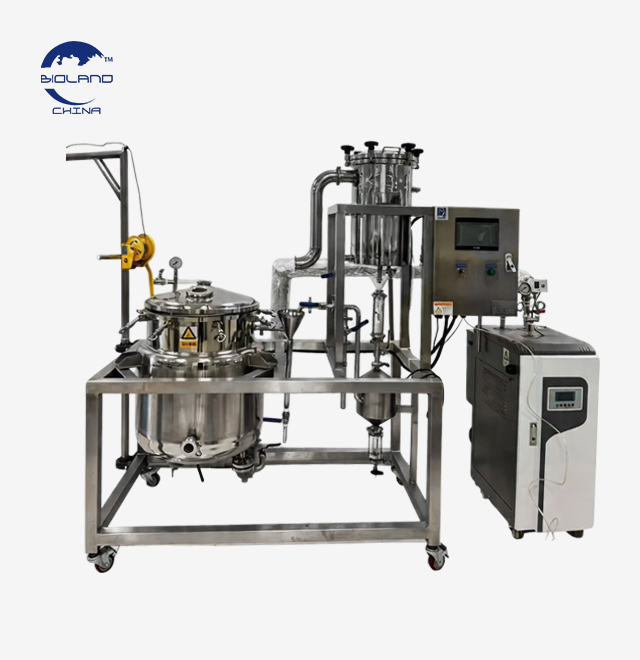
Flexible system design lets users choose the parts that best meet their current needs while still leaving room for future growth. The extraction tank, circulation pump, heating/cooling system, and basic controls are usually part of the core sections. Add-ons that can be chosen individually include liquid recovery systems, explosion-proof containers for volatile organic compounds, automatic release mechanisms, and improved filtering stages.
Customization includes choosing the right materials as well. Standard SS304 construction works well for many uses, but pharmaceutical makers often ask for SS316L for all parts that come into touch with the product. This improvement makes the equipment more resistant to chemicals and extends its useful life in harsh process settings. Being able to customize settings keeps you from having to pay for features you don't need while still making sure that important features are always available.
Evaluating Performance and Maintenance Considerations
Long-term operating success relies on both the original performance requirements and the reliability that is maintained through proper maintenance procedures.
Understanding Process Steps and Equipment Roles
The extraction process usually goes through a number of separate steps, including preparing the raw materials, mixing and cooking the solvent, extracting the material under controlled conditions, separating the solids from the liquid, filtering, and then either concentration or drying. Each step needs different kinds of tools. For the most protein to be released from cellular matrices, the extraction vessel must have enough dwell time, even temperature, and enough agitation. Separation tools, usually decanter centrifuges, have to be able to handle the different solid-liquid densities and viscosities that come with protein slurries, working at G-forces of up to 4,000 x g.
When buyers know about these process needs, they can better match the equipment specs to their output goals. Not big enough tanks cause delays, and too much equipment loses solvents and energy. Professional makers do process estimates based on your raw materials, goal extraction rates, and batch sizes. This makes sure that the right equipment is sized from the start of the project.
Maintenance Best Practices for Extended Lifespan
Schedules for preventative repair have a big effect on the total cost of ownership. As part of normal operations, the protein extraction machine requires that moving parts are oiled, the integrity of seals is checked, the tuning of temperature and pressure sensors is confirmed, and parts that wear out quickly, such as spin scrolls, are looked at. Many parts have tungsten carbide protection in areas that are likely to wear down quickly, but gap readings between the scroll and bowl still need to be done on a regular basis to keep the separation working well.
Clean-In-Place methods make regular cleaning easier, but they don't get rid of the need for deep cleaning and inspections every so often. By planning thorough inspections for planned shutdowns, problems like rust, gasket wear, or valve failure can be found early, before they stop the process. Detailed maintenance logs help predicted maintenance plans by finding trends that show when a part is about to break.
Warranty Coverage and After-Sales Support Value
Comprehensive guarantee terms show that the maker is sure that the product will last. Pieces and work are usually covered for one year as standard, but some suppliers cover important pieces like motors and control systems for longer. Lifetime maintenance support makes sure that you can get new parts, expert help, and help with optimizing the process even after the warranty period is over.
How quick after-sales teams are has a direct effect on how long output can go on. Manufacturers with dedicated expert staff can fix remotely, which cuts down on downtime when problems happen. Some offer yearly inspections and performance proof tests to keep equipment running at its best for as long as it is in use. This ongoing connection is very helpful when production needs to be scaled up or methods need to be changed to work with new raw materials.
Key variables for long-term cost control
There are many more financial factors to think about besides the original buying price. Smart buying teams look at the total cost of ownership, which includes things like energy, repairs, consumables, and the lost opportunities that come with downtime or low yields.
Energy consumption and operation maintenance costs
Energy saving equipment, such as the BIOLAND INSTRUMENT low-temperature negative pressure evaporation structure, can protect heat sensitive materials while reducing production energy consumption. Some pharmaceutical companies have reported significant energy cost savings annually; Equipment with high degree of automation and low failure rate can reduce the frequency of downtime maintenance, lower the cost of operation and maintenance manpower and accessories.
In terms of device characteristics, multiple core advantages are usually taken into account. Basic devices support various processes such as atmospheric pressure, micro pressure, water decoction, warm soaking, and hot reflux. Some models can also be equipped with aromatic oil extraction and organic solvent recovery functions. Some upgraded models will introduce ultrasonic technology or dynamic stirring systems. Ultrasonic extraction can shorten the extraction time at room temperature and reduce material activity loss; Dynamic stirring improves the contact efficiency between the material and the extraction medium through a spiral or paddle stirring structure, resulting in a higher liquid content. In addition, a CIP cleaning system that complies with GMP standards can reduce cleaning costs and meet the compliance requirements of the pharmaceutical and food industry.
The pharmaceutical and food industries need to comply with GMP standards, and choose equipment with GMP certification and CIP cleaning system to avoid subsequent rectification, shutdown losses, and even market access risks caused by non-compliance
Process adaptability affects output
There are significant differences in equipment requirements in different scenarios: laboratory equipment needs to match the sample size and characteristics (such as selecting a vacuum/freeze concentrator for thermosensitive samples and a rotary concentrator for large quantities of samples); Industrial production requires adaptation to the characteristics of raw materials (such as water extraction and alcohol extraction of traditional Chinese medicine, purification of chemical waste liquids), equipment materials, temperature control systems, and matching degree of automation programs, which directly determine the retention rate of active ingredients, paste yield, and product quality. If the selection is incorrect, it may lead to raw material loss, batch instability, and even experimental/production failure
Procurement Channels and Relationship Management
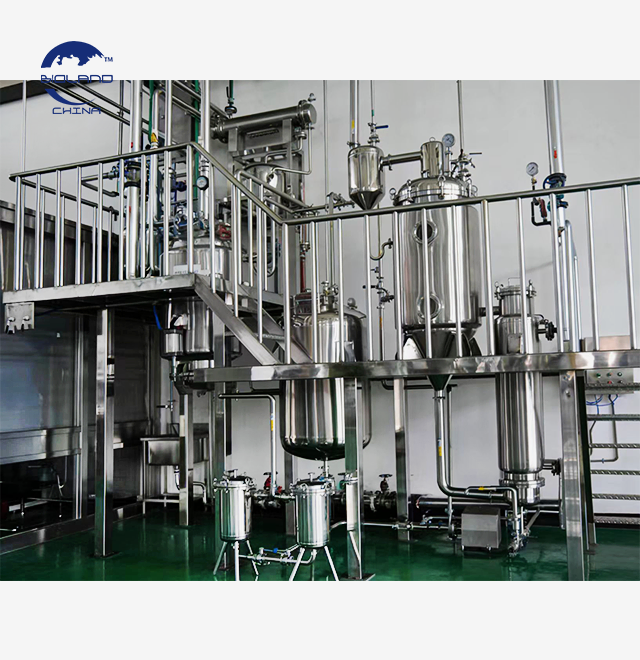
Direct purchases from manufacturers often save money and build ties that make future support easier. Manufacturers like BIOLAND, which has more than 15 years of experience in this field, offer full project management for the protein extraction machine, from the initial meeting to installation, setup, and training for operators. This 'turnkey' method makes buying easier and lowers the organizational problems that come with projects with more than one provider.
In some places, using a distributor may be more beneficial, especially when it comes to parts and service facilities that are close by. It's important to check the technical skills of distributors because their ability to provide useful help has a big impact on long-term happiness. Some buyers use a mix of tactics, buying core equipment straight from manufacturers and getting other parts locally to get the best prices and delivery times.
Making the Right Choice: A Decision Support Framework
Structured decision-making processes help teams find their way through the complicated world of extraction equipment choices, matching different stakeholders' needs and goals.
Defining Extraction Requirements and Volume Projections
Choosing the right equipment depends on being clear about your present needs and your goals for growth in the future. When a facility moves from lab development to pilot-scale production, it needs equipment that can support the change, ideally equipment that can be expanded in modules. Companies that already have processes in place can benefit from systems that are tuned for their specific raw materials and goal chemicals. Volume forecasts for the next three to five years keep products from becoming obsolete too soon, but too much oversizing raises both the initial cost and the ongoing cost.
Balancing Automation Against Budget Constraints
Automation has many great perks, but it also costs a lot. Facilities with trained workers on hand to keep an eye on the process may be able to use semi-automatic systems well, especially for specialty production that is done in small quantities. When making a lot of things, fully automated PLC control makes sense because it saves time, makes things more consistent, and makes it easier to keep records that meet legal requirements.
To make the choice, you have to look at labor prices, output volumes, and quality standards. A totally automated system could be 40–60% more expensive than a basic configuration, but it gets rid of one or two operator roles per shift and makes it easier to repeat batches. This trade-off estimate is very different in places where wages are high and places where wages are low.
Evaluating Suppliers and Requesting Demonstrations
When evaluating a supplier, you should look at their technical know-how, the quality of their products, and their help system. Companies that have ISO certification, GMP-compliant buildings, and a wide range of safety certifications (CE, ATEX, UL, SGS, IEC) show that they are dedicated to quality standards. Ask for referrals from clients in the same field as you, focused on installations of the same size and process needs.
Product demos and trial times lower the risk of buying by proving claims about performance with real raw materials. A lot of manufacturers like Factory Acceptance Tests (FAT), which let buyers see how the equipment works before it ships. This verification chance lets you make sure that the specifications meet the terms of the contract and gives the user a chance to get used to the equipment before it is installed at your building.
Conclusion
When choosing the right protein extraction machine, you need to carefully look at the technical specs, the working needs, and the long-term support issues. High-efficiency systems that offer 50–500% higher yields, stable low-temperature processing, multi-process compatibility, and full automation are smart investments that make companies more competitive and allow them to grow from study to commercial production. Buyers who put GMP compliance, high-quality building materials, and adjustable layouts at the top of their list of priorities set up their facilities for long-term growth. The success of the project and the return on investment depend on how well the team works with experienced makers who can make changes, have a track record of success with specific applications, and offer quick help after the sale.
FAQ
How do protein extraction machines differ from standard homogenizers?
Homogenizers break up cells and tissues mechanically to make particle suspensions that are all the same size. On the other hand, special extraction systems combine several unit processes to separate proteins. These all-in-one platforms include controlled extraction environments, steps for separating solids and liquids, filtering, and often modules for concentration or drying. The difference is important because extraction machines improve protein recovery and purity instead of just decreasing particle size. They can do this by controlling pH, temperature, and liquid recovery, which homogenizers can't do.
Can one machine process both plant and animal proteins effectively?
By changing parameters and configurations, modern extraction systems can work with a wide range of raw materials. Most of the time, alkaline extraction and isoelectric precipitation are needed to get proteins from plants. Proteins from animals, on the other hand, may need chemical treatment or a different pH range. Operators can save and retrieve the best recipes for different materials on equipment with customizable PLC controls. When swapping between protein sources that have very different properties on a daily basis, it may be necessary to make changes to the process, such as making it better at removing grease or using special filters.
What maintenance schedule ensures reliable long-term operation?
Setting up a schedule for preventive maintenance greatly increases the life of tools and lowers the chance of unexpected breakdowns. Every day, you should check the temperature and pressure readings, look for leaks in the seals, and make sure the CIP cycle finished correctly. As part of weekly duties, bearings need to be oiled and automatic system logs need to be looked over for problems. Parts that wear out quickly, like centrifuge scrolls, valve seats, and stirrer blades, are checked every month. Every year, trained techs do full inspections to make sure the calibration is correct, check for corrosion or wear, and repair worn-out parts before they break.
Partner with BIOLAND for Advanced Extraction Solutions
BIOLAND INSTRUMENT is an expert at designing and building protein extraction machines that give biotechnology uses real performance benefits. Our systems are 50–500% more efficient at extraction than traditional methods, and they can keep working at low temperatures (40–60°C) to protect sensitive substances. Our equipment is fully compliant with GMP standards, can be built from SS316L if you choose, is fully automated with PLC control, and comes in a variety of flexible setups that include explosion-proof systems and CIP integration. It can be changed to fit your exact process needs.
We are a well-known producer with more than 15 years of experience in the field. We offer full turnkey solutions, from planning the workshop to installation, commissioning, and ongoing expert support. We can make safe, high-performance systems because our quality standards are approved by CE, ISO, UL, SGS, ATEX, and IEC, and our stevia, propolis, capsaicin, and curcumin extraction lines have worked well in the past. Get in touch with us at info@biolandequip.com to talk about your project needs with an experienced protein extraction machine seller and find out how unique solutions can help your bioprocessing work go more smoothly.
ReferencesO
1. Johnson, M.L., & Peterson, R.K. (2021). Industrial Protein Extraction: Technology and Process Optimization. Academic Press.
2. Zhang, Y., & Williams, T.D. (2020). "Comparative Analysis of Ultrasonic-Assisted Extraction Methods for Plant Proteins," Journal of Food Engineering, 285, 110-121.
3. Anderson, P.J., Smith, K.R., & Chen, L. (2022). Equipment Selection for Biotech Manufacturing: A Practical Guide. Wiley-VCH.
4. European Federation of Chemical Engineering (2021). "GMP Guidelines for Protein Processing Equipment Design," EFCE Technical Standards, Vol. 18.
5. Martinez, D.S., & Kumar, A. (2023). "Cost-Benefit Analysis of Automated Extraction Systems in Pharmaceutical Manufacturing," Biotechnology and Bioengineering, 120(4), 892-905.
6. International Society for Pharmaceutical Engineering (2022). Baseline Guide: Equipment Qualification and Maintenance in Bioprocessing Facilities. ISPE Publications.
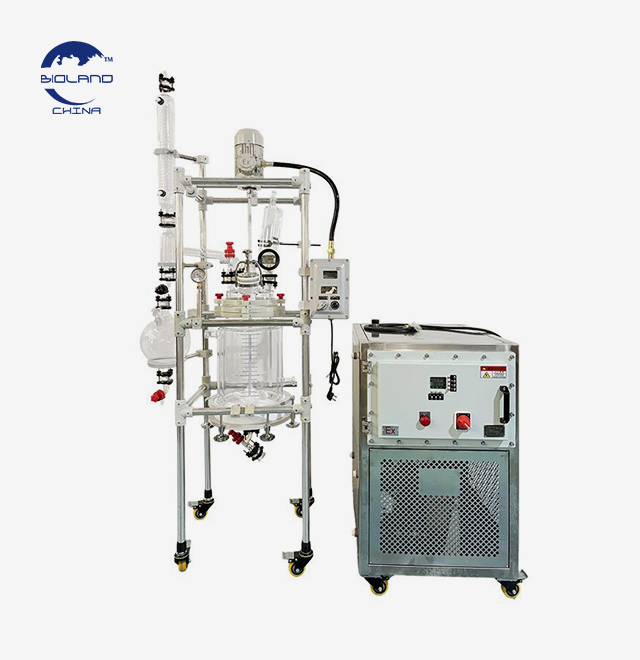
The reactor is beautifully mirror-polished and fully complies with GMP requirements for the pharmaceutical industry. The performance is excellent! Overall, we are very satisfied! We also provided with some feedback on our process improvements, which we hope will be helpful.
2024-04-09
Laboratory
Excellent and professional service. Always reply our questions very fast. All reactors and chiller we received are good too.
2024-02-15
Research Institute
Quality is beyond our expectation actually. After we got the extraction equipment and started using it, the performance was beyond our expectation. Very easy to use and very efficient to run. Service always respond us very quickly. Was also very helpful to help us. Thanks Bioland team. Very happy to work with you.
2023-11-20
Biotech Company
We are happy about the new purchase as always. Equipment and services are both good.
2023-08-05
Instrument Lab
This is the second order with Bioland instrument and everything is good as the first dateText.
2023-05-12
Global Trading Partner
Bioland instrument team is very helpful and professional. The sales helped us select the right equipment for our application, and their logistics people handled the transportation and customs declaration for our shipment. All that saved us a lot of work.