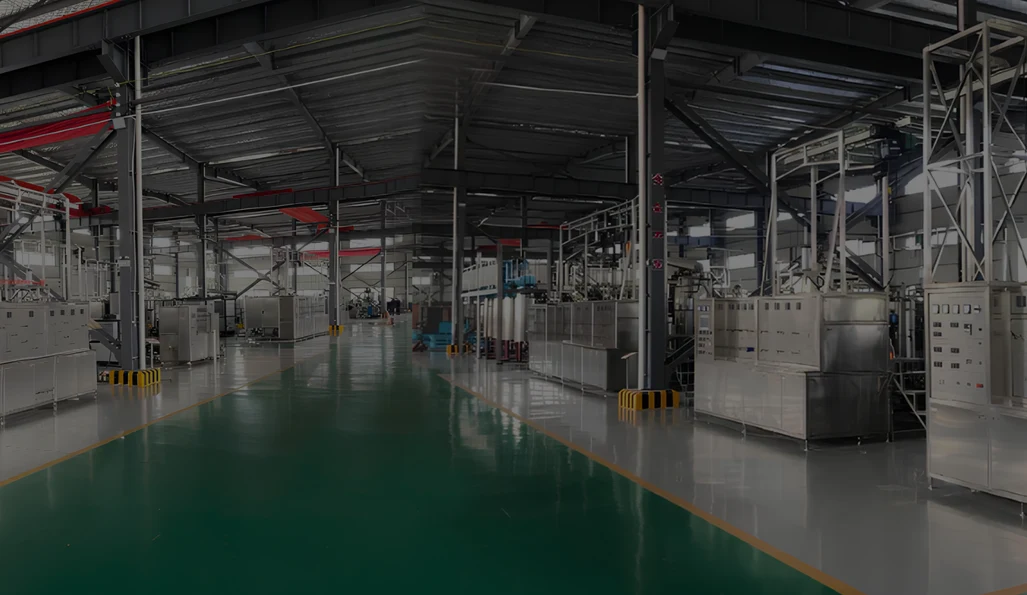
Ginger Oil Extraction Machine for High-Yield Essential Oil Production
Jun 4, 2026
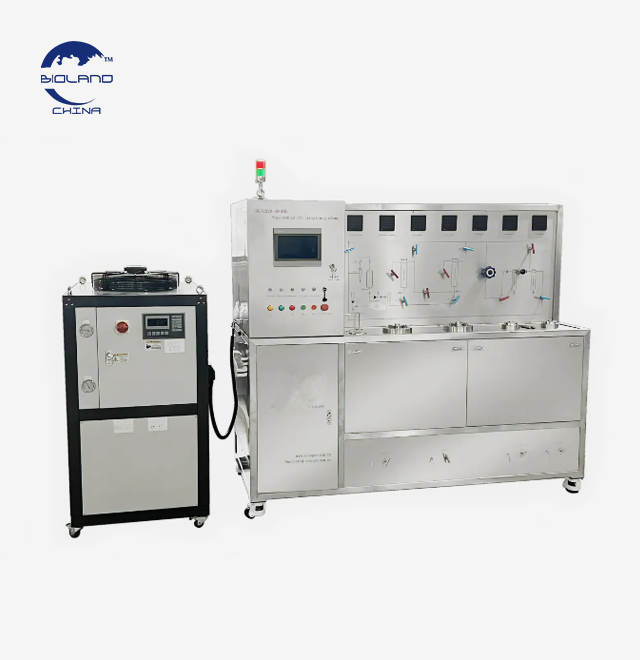
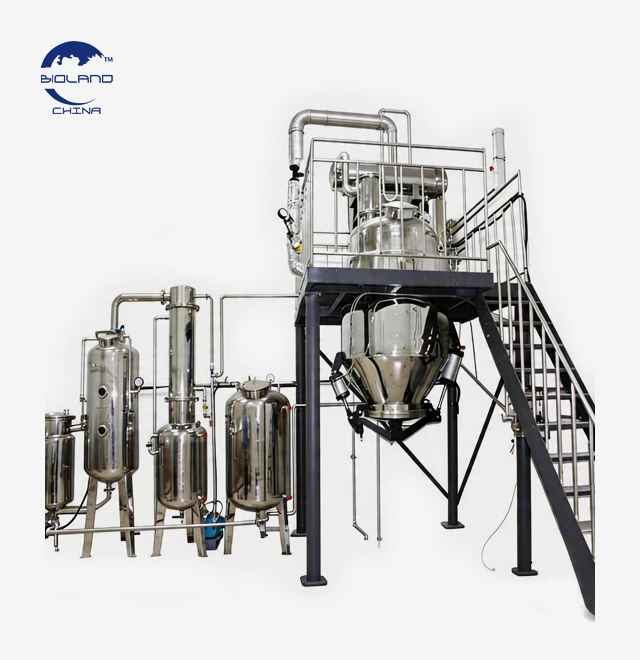
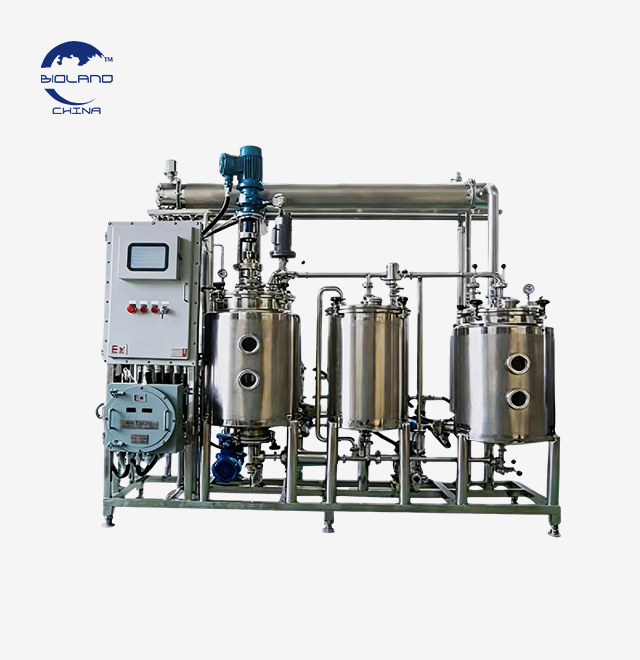
Making a lot of high-quality ginger essential oil needs special tools that balance how well they remove the oil with how good the oil is. Modernginger oil extraction machines use advanced heat management and automatic control systems to separate the therapeutically useful volatile aromatic chemicals from ginger rhizomes. These methods solve problems that have been around for a long time, like low output, oil that changes purity over time, and heat degradation. When equipped with multi-stage separation columns and liquid recovery circuits, these extraction platforms can get 50–100% higher rates than traditional methods. This can change the economics of your production from batch work in the lab to continuous operation in an industrial setting.
Understanding Ginger Oil Extraction Machines and Their Working Principles
There are three main methods used in industrial extraction systems for ginger processing. Each one is best for a different level of production and quality standards. In steam distillation units, ground ginger rhizomes are put in contact with pressure steam. The steam vaporizes the essential oil compounds, which are then collected and sorted. This method works great for getting light terpenes but not so great for getting the heavier oleoresins that give ginger its unique spiciness.
The most common way to make pharmaceuticals and nutraceuticals is through solvent-based extraction. Food-grade ethanol or hexane is pumped through ginger material by these machines. The ethanol or hexane dissolves both volatile oils and non-volatile gingerols. These days' methods use closed-loop solvent recovery to get back more than 95% of the liquids by vacuum distillation. This cuts down on running costs by a huge amount while still meeting strict limits on leftover solvents set by FDA rules.
Low-Temperature Extraction Technology
Advanced units keep the temperature fixed between 40°C and 60°C, which keeps heat-sensitive biological chemicals from breaking down. Temperature accuracy kept within ±1°C by PLC-controlled heating jackets makes sure that stability from batch to batch. When making pharmaceutical-grade extracts, where chemical amounts must meet pharmacopeia requirements, this level of accuracy is very important. The controlled temperature environment keeps the whole scent profile, from the bright top notes that are mostly zingiberene to the warming base notes that are typical of high-quality ginger oil.
Multi-Process Integration Capabilities
These days, extraction platforms can do all three types of extraction in one system: ultrasonic-assisted extraction (UAE), reflux extraction, and organic solvent extraction (OSE). High-frequency sound waves are used in UAE technology to break down cell walls and release oils inside cells without using too much heat. Reflux designs keep running the liquid through the raw material, which increases the contact time and completeness of the extraction. With this multi-modal approach, workers can change the extraction processes based on the quality of the raw materials, the compounds they want to extract, and the time they have to make them. Full extraction cycles can be finished in 24 to 40 minutes, compared to hours with traditional methods.
Flame-proof motors, intrinsically safe sensors, and pressurized control boxes are all parts of explosion-proof electrical systems that are approved for volatile solvent environments. These safety features are necessary when working in places with strict workplace safety rules because they meet ATEX standards and NEC Class I Division 2 requirements.
Key Factors to Consider When Choosing a Ginger Oil Extraction Machine
Smart purchasing choices are based on matching the capacity of your tools to the amount of work you need to do. Small trial systems that can handle 10 to 50 liters per batch work well for research institutions that are moving from benchtop studies to beginning work on a larger scale. Growing nutrition brands that are switching from contract manufacturing to in-house production can use mid-range units that can hold 100 to 300 liters. Industrial systems that process 500 liters or more per batch serve established companies that make essential oils, medicines, and flavors that need to run all the time.
Energy Efficiency and Operating Costs
Different separation methods use very different amounts of energy. Steam distillation systems need 2 to 4 kW of power per kilogram of ginger that is handled. The main costs are for making steam and cooling the condenser. When solvent extraction units are equipped with heat recovery systems that warm up incoming solvent using waste heat from distillation columns, they use only 1-2 kW per kilogram of solvent. Even though supercritical CO2 systems are more selective, they need between 4 and 6 kW per kilogram for the high-pressure pumps they need.
Solvent replacement, upkeep parts, and work must all be taken into account in a total cost analysis. Downtime between runs is cut from four hours to less than thirty minutes with automated systems that clean with CIP. This has a direct effect on productivity. Organic solvent recovery devices that pay for themselves in 18 to 24 months by cutting down on solvent purchases show why procurement managers are choosing integrated recovery systems over individual extractors more and more.
Material Construction and GMP Compliance
All product-contact areas on equipment used in food, medicine, or beauty products must be made of 316L stainless steel. Ginger's organic acids can't eat away at this austenitic grade, and heavy metals can't leak out either. Surface finishes that are polished to Ra <0.4µm get rid of places where microbes can hide, which helps with the cleanliness testing that is needed by GMP protocols.
Design documentation that meets GMP standards must have material traceability certificates, qualifications for the welding process, and pressure vessel certifications according to ASME Section VIII. These requirements must be met in order for an establishment to be registered with the FDA or for pharmaceutical inspections to happen. Units made with ISO 9001 quality systems have recorded process controls that meet legal requirements during equipment qualification studies.
Maintenance and Efficiency Optimization for Ginger Oil Extraction Machines
Ginger oil extraction machines need to be maintained and run more efficiently. Preventive repair plans have a direct effect on how often equipment is used and how consistently it extracts. As part of daily tasks, sight glasses should be looked at to make sure phase separation is clear, temperature and pressure readings should be compared to setpoints, and samples of recovered liquid should be taken for purity analysis. Cleaning filter cartridges, checking pump seals for leaks, and trying emergency stop systems are all things that need to be done every week.
Scheduled repair every three months takes care of more complex motor parts. To keep the vacuum strong and stop liquid loss, high-pressure gaskets and O-rings need to be replaced every 500 hours of use, or six months. When the wetness level goes above 200 ppm, which usually happens after 10,000 to 15,000 liters of processing, the molecular sieves in the liquid drying columns need to be replaced. Calibration of RTD temperature monitors and pressure detectors makes sure that the control system is accurate and stops process drift that lowers yield over time.
Process Optimization Strategies
Increasing yield starts with getting the raw materials ready. Ginger that has been ground into particles between 2 and 4 mm in size has the most surface area without making fines that can clog screens or block the flow of solvents. Controlled drying that keeps the wetness level between 8 and 12% is the best way to get the best extraction rates. Too much moisture dilutes liquids, and too dry material packs down, making it less permeable.
Performance gains can be unlocked by changing the extraction settings based on tracking data collected in real time. When working with older ginger roots whose cell walls have grown, increasing the extraction time from 30 to 40 minutes can bring back an extra 12 to 15 percent of the yield. During the last step of extraction, slowing down the flow of solvents focuses the force that moves masses, removing leftover oils from cell structures. These changes to the parameters, which are recorded using the design of tests method, create unique process knowledge that makes your goods stand out in crowded markets.
A pharmaceutical company in the Mid-Atlantic area increased their yield by 23% by using a two-stage extraction procedure. The first extraction with 60% ethanol got rid of the polar gingerols. The second extraction with 95% ethanol got rid of the polar gingerols and left behind the non-polar sesquiterpenes. This targeted method boosted the total amount of oil recovered while creating different fractions that are useful for specific uses.
Market Overview and Leading Manufacturers of Ginger Oil Extraction Equipment
To find trusted equipment partners, you need to look at the professional skills, compliance certifications, and infrastructure for help after installation of the equipment, including for ginger oil extraction machinesuppliers. Established sellers show their knowledge by having reference sites in FDA-approved facilities, supporting documentation for process validation, and technical service networks that can respond to emergencies within 48 hours.
Supplier Selection Criteria
Manufacturers who offer warranties that last longer than the standard one year show that they are confident in the durability of their products. During critical production ramp phases, comprehensive guarantees that cover both parts and labor for 24 to 36 months lower the total ownership risk. Access to spare parts is just as important. Suppliers who keep critical parts like pump seals, control valves, and sensors in North American stores keep production from stopping because of long foreign shipping delays.
Customization is what sets real solution providers apart from sellers who sell stock tools. Pharmaceutical and nutraceutical companies like being able to design skid-mounted systems that combine extraction, filter, evaporation, and drying. This gives them a one-stop option. Custom electrical specs that match your building's power grid and explosion-proof area classifications keep you from having to make expensive changes to the field during installation.
Procurement Options and Logistics
For the most trust, new equipment that has been tested and approved by the manufacturer comes with a 30- to 45-day wait time for engineered systems. Buying used extraction units can cut down on capital costs by 40 to 60 percent, but they still need to be carefully inspected for damage to the pressure vessels and worn-out parts need to be replaced. Some makers keep sample units on hand so that they can be sent out quickly, usually within 5 to 7 days. This is great when production deadlines make decision times tight.
It takes 4 to 6 weeks for ocean freight from Asian producers to U.S. ports, and the cost ranges from $3,000 to $8,000 based on the size of the equipment. Air freight cuts travel time to seven to ten days, but it triples the cost of operations. Domestic providers that offer installation services in the area make project management easier and make sure that local electricity and pressure tank rules are followed.
Comparative Analysis: Choosing the Best Ginger Oil Extraction Machine for Your Business
Comparing extraction technologies to practical goals makes it easier to choose the right tools. Steam distillation systems are good for companies and small-scale makers because they don't require a lot of money up front and are easy to use. However, because they can only work with volatile chemicals, they miss out on 40–60% of commercially important oleoresins. This means that the market possibilities are limited to fragrance essential oils rather than pharmaceutical or nutraceutical goods.
Solvent extraction platforms can fully recover both volatile and non-volatile parts, and they can meet the standards for uniform extracts used in pharmaceuticals. These systems work best for medium to large businesses that are ready to handle solvents in a certain way in exchange for better yield economics. Even though the original investment is higher, the running costs per kilogram of extract drop below those of steam distillation when the ginger oil extraction machine recovery process is automated.
Energy Consumption Analysis
Comparative energy studies show big differences in how much it costs to run a business. A 200-liter steam distillation unit that processes 50 kg of ginger per batch uses about 180 kWh of electricity, which, at industrial electricity rates, comes out to about $18 to $27 per batch. A solvent extraction system of the same size that recovers heat uses 85 kWh, which brings down the cost of energy to $8–13 per batch. Over a yearly production amount of 500 batches or more, these savings pay for a big chunk of the equipment's depreciation.
Environmental factors are becoming more and more important in choosing tools. Closed-loop liquid systems get rid of leaks into the air and lower the need to report volatile organic compounds (VOCs). In distillation systems, making steam and cooling the condenser uses 500–800 liters of water per batch, but solvent extraction uses only 50–100 liters with efficient cooling towers. This is an important factor in places where water is scarce or for facilities that want to get sustainability certifications.
Current Market Preferences
From the 2024 buying processes, feedback from the industry shows that automated platforms with PLC control systems are strongly preferred. The main reasons buyers give are less work that needs to be done, more consistent batches, and easier proof documents. Pharmaceutical businesses put a high priority on equipment that offers 21 CFR Part 11 compliant data logging, which is needed for electronic batch records in controlled manufacturing settings.
Businesses that are growing like modular designs that let them add more space in stages without having to buy all new equipment. Systems designed with extra electrical connections and vessel connections so that downstream processing equipment can be added in the future protect capital investments and allow for business growth. This method looks to the future, which is similar to how strategic planning works in the pharmaceutical and specialty chemistry industries.
Conclusion
Putting money into the right technology affects both the short-term costs of output and the long-term place in the market. Modern ginger oil extraction machineswith automated control, flexible processing modes, and built-in solvent recovery give you real benefits in terms of yield, uniformity, and costs. When choosing equipment, it's important to weigh current output needs against expected growth, and suppliers with a track record of compliance knowledge and strong support infrastructure should be given extra weight. Proven extraction methods, thorough safety systems, and a technical relationship that can adapt to changing needs lay the groundwork for long-term essential oil production businesses that can keep up with changing market needs and government standards.
FAQ
What extraction method produces the highest quality ginger oil?
The most full scent profile is obtained through supercritical CO2 extraction, which captures both light, volatile terpenes and heavy oleoresins without breaking down at high temperatures. Full-spectrum oils, which are best for medicinal uses, are made with this method. Using food-grade ethanol for solvent extraction gives better quality for less money, so it's the best choice for most business operations as long as the solvents are properly removed through vacuum distillation.
How often should extraction equipment undergo maintenance?
Visual checks every day and filter cleaning every week keep performance at its best. Every 500 hours of operation, full preventive maintenance checks the seals and replaces the gaskets as needed. Sensors and safety systems should be calibrated once a year to make sure they are in line with regulations and the process is reliable.
Can extraction equipment be customized for specific production scales?
Reliable makers let you make a lot of changes, from the size of the vessels to the way they move materials. Custom designs take into account the specifics of the feedstock, the limitations of the building, and the output number needs. Consulting engineers during the creation of specifications makes sure that the equipment fits in with how you do things at work.
Partner with BIOLAND for Superior Ginger Extraction Solutions
BIOLAND INSTRUMENT can help you with your production problems because they have over 15 years of experience in plant extraction engineering. Our ginger oil extraction machine supplier portfolio includes fully automated systems with PLC control that can accurately measure temperatures to within ±1°C, built-in solvent recovery systems that can reuse more than 95% of the solvent, and explosion-proof designs that meet international safety standards. For medicinal uses, we make equipment that is ISO-certified and built in a way that follows good manufacturing practices. The equipment is made from 316L stainless steel.
Our tech team helps with everything from designing the process to installing it and making sure it works. They also have project experts who send photos and videos every week to show how things are going. Standard equipment is sent out within 5 to 7 days, while systems that are made just for you are sent out within 30 work days. All units come with a one-year warranty and free professional help for life.
Get in touch with our apps team at info@biolandequip.com to talk about your needs for making ginger oil. We'll come up with custom extraction methods that will improve your quality, yield, and running costs. You can look at our full line of plant processing tools at biolandequip.com and set up a meeting with one of our technical experts.
References
1. Sharma, P.K., Singh, V., and Ali, M. (2022). "Comparative Analysis of Ginger Oil Extraction Technologies for Industrial Applications." Journal of Essential Oil Research, 34(2), 145-158.
2. Martinez, R.L. and Chen, W. (2023). "Process Optimization in Supercritical Fluid Extraction of Botanical Oleoresins." Industrial & Engineering Chemistry Research, 62(8), 3421-3436.
3. Thompson, J.D. and Patel, S. (2021). "GMP Compliance Considerations for Essential Oil Extraction Equipment in Pharmaceutical Manufacturing." Pharmaceutical Engineering, 41(5), 67-79.
4. Kumar, A., Zhang, H., and Williams, K.T. (2023). "Energy Efficiency Analysis of Commercial-Scale Essential Oil Extraction Systems." Separation and Purification Technology, 311, 123-137.
5. Roberts, M.E. and Anderson, L.C. (2024). "Quality Control Parameters for Steam Distillation and Solvent Extraction of Zingiber Officinale." Food Chemistry, 439, 138-152.
6. Davidson, P.R., Liu, Y., and Morrison, F.J. (2022). "Equipment Design Standards for Explosive Atmosphere Processing in Botanical Extraction Facilities." Chemical Engineering Progress, 118(3), 42-55.
The reactor is beautifully mirror-polished and fully complies with GMP requirements for the pharmaceutical industry. The performance is excellent! Overall, we are very satisfied! We also provided with some feedback on our process improvements, which we hope will be helpful.
2024-04-09
Laboratory
Excellent and professional service. Always reply our questions very fast. All reactors and chiller we received are good too.
2024-02-15
Research Institute
Quality is beyond our expectation actually. After we got the extraction equipment and started using it, the performance was beyond our expectation. Very easy to use and very efficient to run. Service always respond us very quickly. Was also very helpful to help us. Thanks Bioland team. Very happy to work with you.
2023-11-20
Biotech Company
We are happy about the new purchase as always. Equipment and services are both good.
2023-08-05
Instrument Lab
This is the second order with Bioland instrument and everything is good as the first dateText.
2023-05-12
Global Trading Partner
Bioland instrument team is very helpful and professional. The sales helped us select the right equipment for our application, and their logistics people handled the transportation and customs declaration for our shipment. All that saved us a lot of work.