What are the advantages of using ultrasonic extraction equipment for red propolis?
May 25, 2026
Red propolis is hard to remove because it has a complex resin structure and bioactive components that are sensitive to heat. These problems can be solved by modern ultrasonic herbal extraction equipment that uses acoustic cavitation. This is a process in which high-frequency sound waves create tiny bubbles that burst violently near cell structures, freeing valuable compounds like flavonoids, artepillin C, and phenolic acids without breaking them down thermally. This method improves the efficiency of extraction by 50–500% compared to standard maceration. It works at controlled temperatures between 40°C and 60°C, which keeps the therapeutic purity of the red propolis components. The technology cuts working time from hours to 24 to 40 minutes, which lets drug and supplement companies make more products while keeping the quality of the products the same.
Understanding Ultrasonic Extraction and Its Working Principle
Piezoelectric sensors turn electrical energy into mechanical movements at frequencies usually between 20kHz and 28kHz. This is how ultrasonic extraction works. When these sound waves move through a watery solvent that has red propolis in it, they make loops of high and low pressure. During times of low pressure, cavitation bubbles appear and grow very quickly. When the next bubble pops, it causes pressures higher than 1,000 atmospheres in some areas and tiny jets of air that damage the waxy outer layers and rigid cell structures of propolis glue.
Core Components of Industrial Ultrasonic Systems
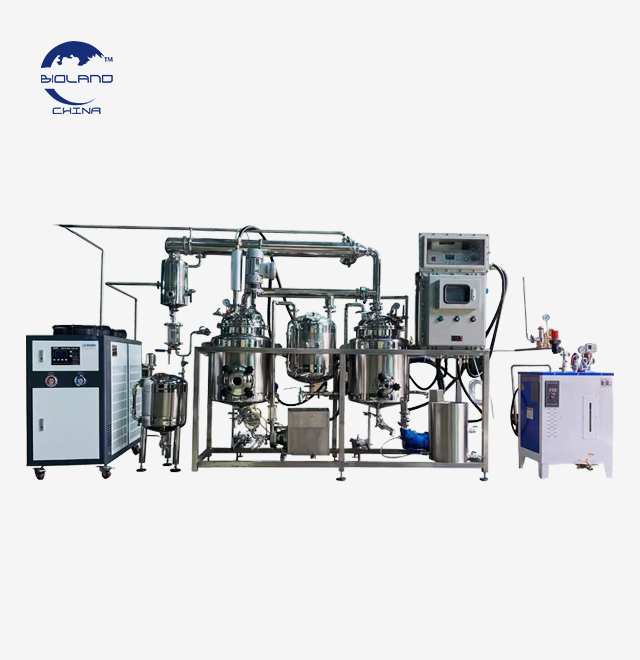
Several important parts are built into modern extraction systems. The generator provides carefully managed electricity to keep the frequency at its best even when the temperature or viscosity of the load changes. Titanium alloy probes send ultrasonic energy straight into the extraction tank. These probes were chosen because they are very resistant to fatigue and don't react chemically with strong solvents like isopropanol or ethanol. Temperature control jackets go around the reactor chamber and are linked to cooling chillers that get rid of the heat that is made during cavitation. This keeps the bulk temperatures within certain ranges to protect compounds that are easily damaged by heat.
Process Parameters Affecting Red Propolis Yield
The results ofultrasonic herbal extraction equipmentrest a lot on optimizing the parameters. Setting the amplitude to between 60 and 80% usually gives enough cavitation strength without heating up the liquid too much. The length of the treatment has to strike a balance between thoroughness and energy economy. Most batches of red propolis need 24 to 40 minutes of sonication. Solvent-to-material ratios of 8:1 to 12:1 make sure that enough mass is transferred while reducing the need for concentration after extraction. These factors need to be carefully calibrated based on where the propolis comes from, what the resin is made of, and the end extract specifications that are wanted.
Advantages of Ultrasonic Extraction Over Traditional Methods for Red Propolis
Red propolis is hard to remove using normal methods because it is thick and sticky, and it doesn't like being heated for long periods of time. Maceration takes 7–14 days of passive soaking with frequent stirring, which takes up important building space and time for production. Soxhlet extraction uses constant heat cycle, which can break down artepillin C and other biomarkers, making therapy less effective. For high-pressure liquid extraction to work, you need a lot of expensive safety tools and a lot of safety infrastructure. Ultrasonic technology gets around these problems by moving energy mechanically instead of thermally.
Time and Cost Efficiency Improvements
Processing speed is a huge benefit that can change everything. Ultrasonic systems can finish extraction processes in less than an hour, while standard methods take days or weeks. This makes the facility's throughput much higher. When handling goes faster, worker costs go down, energy use per batch goes down, and working capital turnover goes up. When compared to maceration, 30% to 50% less solvent is used because better mass transfer makes it possible to reach goal ratios with less liquid volume. This cuts down on the cost of both raw materials and solvent recovery later on.
Quality and Bioactivity Preservation
Ultrasonic extraction is different from other methods used for red propolis because it can control the temperature. When you work at 40–60°C, you stop the heat breakdown that happens above 70°C during normal acid extraction. Studies show that using cold sonication keeps the amounts of chemicals that change with temperature, such as caffeic acid phenethyl ester and diterpenoids, higher. When processing temps are lowered, wax co-extraction is reduced as well. This results in cleaner crude extracts that need fewer steps to be cleaned up. This keeps the bioactive profiles safe, which is very important for pharmaceutical-grade uses where consistent strength is key to meeting regulations and proving clinical success.
Environmental and Sustainability Benefits
Green chemistry ideas are becoming more and more important in corporate purchasing decisions. Less solvent use lowers the amount of toxic trash that is made and the cost of getting rid of it. It also lowers the emissions of volatile organic compounds. When working steps are shorter, less energy is needed to make one kilogram of extract. It is possible for many ultrasonic devices to capture and recycle ethanol or other extraction media with 90% or higher recovery rates. These environmental benefits make it easier for companies to report on their sustainability efforts and are in line with rising consumer demand for natural goods made in a responsible way.
How Ultrasonic Extraction Equipment Optimizes Red Propolis Processing?
To improve the process withultrasonic herbal extraction equipment, you must first know how different types of propolis react to different sonication settings. There are more isoflavonoids in Brazilian red propolis than in green or brown types, so the volume settings had to be changed to get the most selective extraction without over-processing. The location of the resin affects its stiffness and the make-up of the cell walls. This means that frequency choices between 20kHz and 24kHz need to be flexible to fit the properties of each material.
Integration with Existing Production Infrastructure
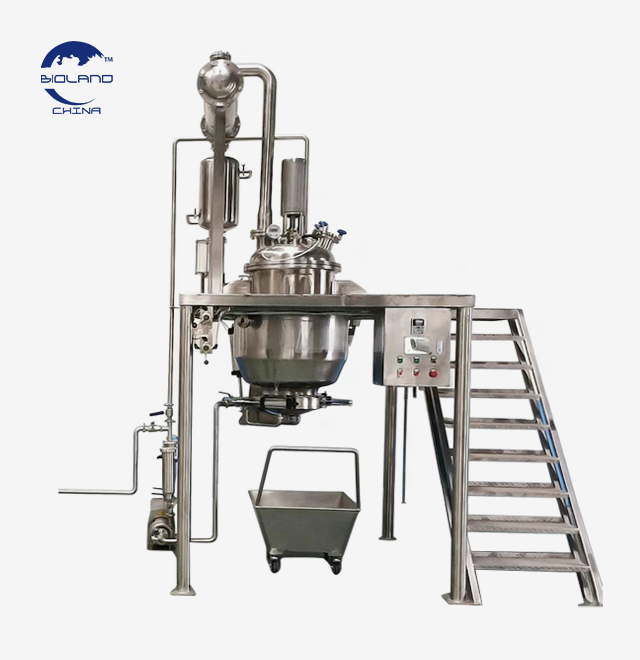
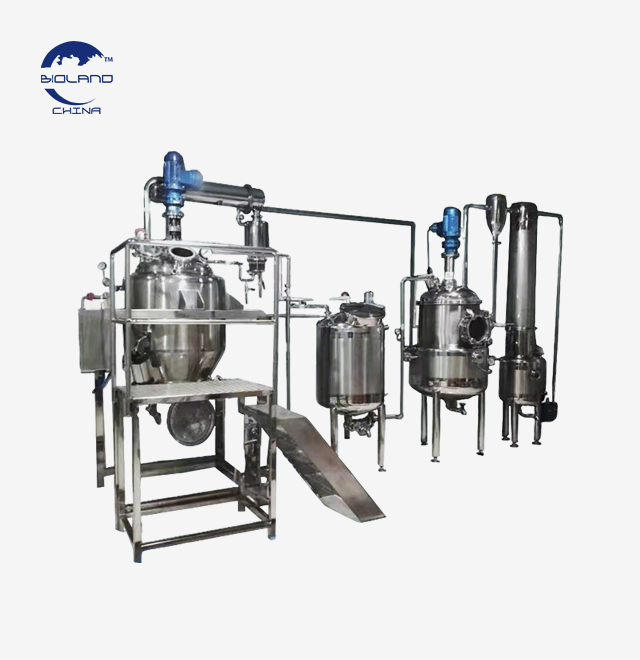
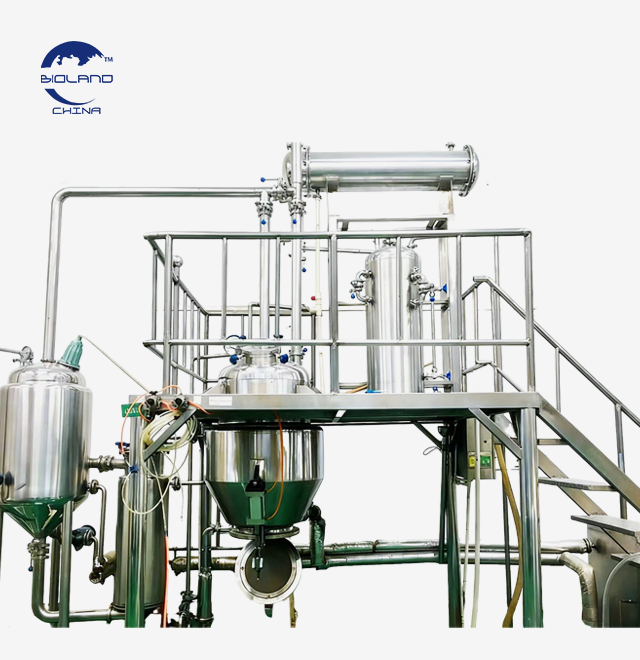
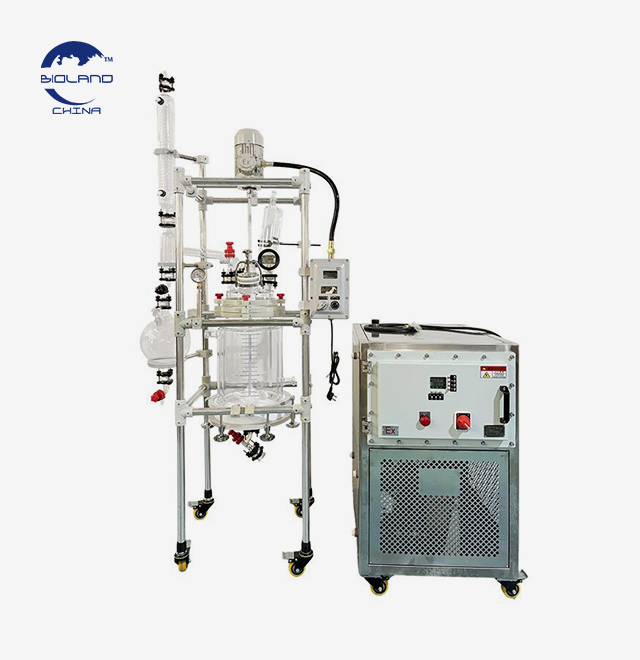
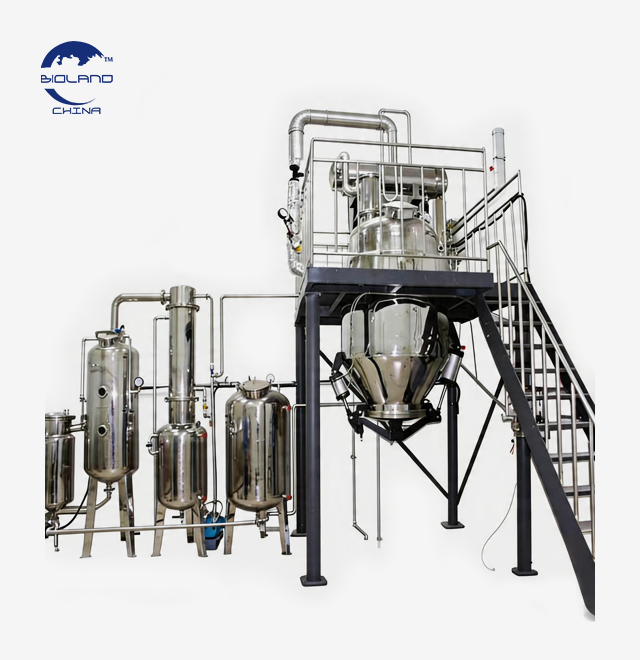
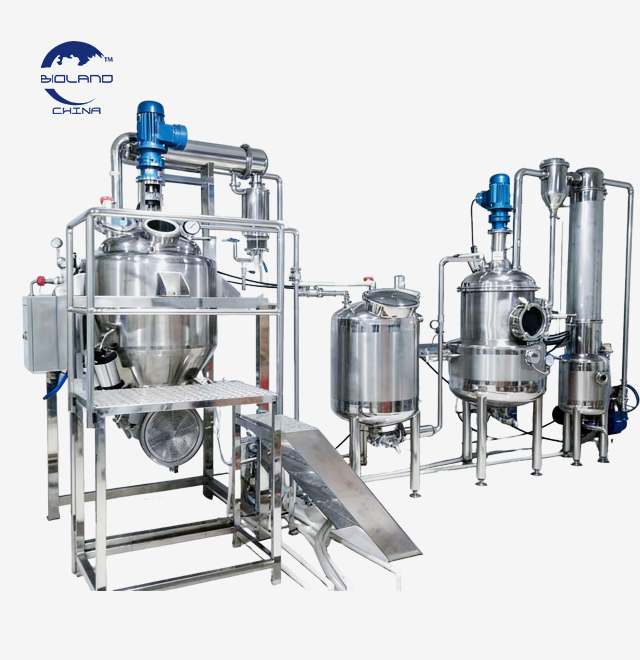
Modern ultrasonic systems are made up of separate modules that can be easily added to existing production processes. Different types of equipment can work in both batch and continuous flow modes, based on the needs of the building. Batch reactors with capacities between 50L and 500L are good for pilot-scale operations and making specialty extracts. On the other hand, continuous systems that can process 200–1,000L per hour are better for high-volume manufacturing settings. CIP (clean-in-place) methods allow automated cleaning processes between runs, which keeps GMP compliance without having to take things apart by hand. Explosion-proof designs approved by ATEX and IECEx standards allow the use of dangerous solvents in classified areas, so expensive changes to the building are not needed.
Real-World Performance Validation
Case studies from the business world show that various propolis extraction sites have measurable benefits. A pharmaceutical company in Brazil said that switching from reflux extraction to ultrasonic processing increased yield by 37% and cut work time from 6 hours to 32 minutes at the same time. A US company that makes nutraceuticals saw a 42% drop in solvent costs over the course of a year after installing an ultrasonic system. They also saw better color consistency in the extracts, which led to a 68% drop in customer complaints. These results back up predictions of a return on investment that usually ranges from 14 to 24 months, based on the amount of production.
Maintenance Best Practices for Sustained Performance
Systematic preventive upkeep is needed for long-term performance that you can count on. Cavitation forces wear down ultrasonic probes over time. Every 500 hours of use, they should be visually inspected, and if they need to be replaced or fixed up, the replacement or repair plan should be based on the depth of the surface damage. Electrical problems can be avoided by checking the stability of the transducer unit every 1,000 hours. Propolis resin builds up on probe surfaces and slows down energy transfer. To keep power delivery at its best, cleaning routines must include daily solvent flush cycles followed by weekly ultrasonic cleaning in diluted alkaline solutions. Every six months, the tuning of temperature sensors is checked to make sure they are still working correctly. This is especially important for heat-sensitive extract uses.
Choosing the Best Ultrasonic Extraction Equipment for Red Propolis: What B2B Buyers Should Know?
When choosing equipment, it's important to carefully weigh technical specs against working needs. When planning capacity, it's important to take into account expected production rates along with 20–30% overhead to allow for future growth without having to spend capital right away. Most industrial red propolis uses a power source of 1,500W to 6,000W. Higher wattages can handle bigger batch amounts or more difficult resin matrices. Frequency flexibility lets you finetune parameters across a variety of propolis sources. Equipment with changeable ranges between 20kHz and 28kHz is more flexible for the process than equipment with set frequencies.
Supplier Evaluation Criteria
Global certification compliance is one of the most important criteria used for screening. The CE mark shows that the product meets the safety standards set by the European Union, and the ISO 9001 mark shows that the quality management system is well-established. UL and SGS approvals prove that materials meet important standards for electricity safety and composition for markets in North America and around the world. GMP-compliant design features are important for facilities that make food supplements or pharmaceutical ingredients that are inspected by the FDA. These include sanitary welding, pharmaceutical-grade locks, and surface finishes below 0.8μm Ra.
The amount of experience has a big effect on how well a project turns out. Suppliers who have been in the plant extraction business for 15 years or more know how to deal with problems like yearly changes in raw materials and the need for consistency from batch to batch. Reference sites that specifically show proven ability in extracting propolis are more valuable than general experience processing herbs. A full after-sales support system with quick-response expert teams, a collection of extra parts, and the ability to do remote diagnostics cuts down on costly production downtime when problems happen.
Customization and OEM Capabilities
Standardized ultrasonic herbal extraction equipment doesn't always meet the exact needs of a company. OEM and ODM services let you make changes that are specific to the process, like using two ultrasonic configurations to better spread cavitation in large reactors, creating custom probe geometries for high-viscosity propolis solutions, or adding automation interfaces that work with your facility's current control systems. When using acidic extraction media, upgrading the material to 316 stainless steel for areas that come into contact with solvents gives them better corrosion resistance.
Custom dual-condenser setups make solvent recovery more efficient, which lowers running costs and helps meet environmental goals. Turnkey project services that include planning the layout of the workshop, specifying the equipment, supervising the installation, teaching the operators, and validating the process shorten the time it takes to set up a facility and lower the risk of financial investments.
Safety and Compliance Guidelines in Using Ultrasonic Extraction Equipment for Red Propolis
Industrial mining operations need strict safety rules to protect workers and make sure they follow the rules set by the government. For ultrasonic systems that work with flammable liquids, the electrical parts need to be explosion-proof and approved for Class I, Division 1 hazardous areas. When you properly ground and connect, you stop static electricity from building up, which could set solvent vapors on fire. Keeping negative pressure in ventilation systems that work well keeps vapors from building up. Air exchange rates are determined by the density and flash points of the solvent vapors.
Operator Training and Standard Operating Procedures
Full training programs that cover how to use tools, what to do in an emergency, and regular maintenance chores lower the risk of accidents and make the process more consistent. Operators need to know about cavitation in order to spot strange working conditions that hurt the quality of the extraction, such as not enough cooling or damage to the probe. Important factors, such as amplitude settings, processing time, temperature limits, and sampling methods, should be written down in standard operating procedures. Regular competency tests make sure that employees keep their skills up to date as the team changes over time.
Regulatory Framework Adherence
GMP compliance includes more than just the design of tools. It also includes methods for quality control, tracking, and keeping records. All process parameters must be recorded in batches along with timestamps. This creates audit trails that show consistency and lets you find the root cause when specifications don't meet acceptance standards. Installation qualification, operational qualification, and performance qualification are the equipment qualification processes that make sure systems work as they should in real production circumstances. Validated status is kept up by periodically requalifying after maintenance or changes. For food-grade extraction processes, you need to include the HACCP plan, find key control points where the quality of the propolis could be compromised, and set up monitoring methods with corrective action triggers.
Conclusion
In conclusion, ultrasonic herbal extraction equipmentgives red propolis processing big competitive benefits by being more efficient, keeping quality better, and giving operators more flexibility. When you combine shorter working times, better bioactive chemical recovery, and lower solvent use, you get a strong economic case that also meets sustainability goals. Getting properly approved tools from reputable sellers with a lot of experience, strong customization options, and full support services will get you the best return on your investment. The pharmaceutical and nutraceutical businesses are pushing for stricter quality standards and better cost-effectiveness. Ultrasonic systems are the best way to meet both technical performance and legal compliance needs.
FAQ
How does ultrasonic extraction improve red propolis quality compared to heat-based methods?
The temperature range for controlled cavitation is 40–60°C, much lower than the temperature at which artepillin C and other thermolabile compounds break down. These compounds lose their effectiveness above 70°C during acid extraction. This temperature control keeps the bioactivity while lowering the wax co-extraction. This makes cleaner extracts that need fewer steps to clean.
What maintenance schedule ensures long-term ultrasonic equipment reliability?
Solvent flush cycles every day keep probes from building up resin, and eye checks every 500 hours find cavitation damage that needs probe replacement. Transducer assembly checks every 1,000 hours and sensor calibration checks every six months keep the system's performance stable over years of use.
Can ultrasonic systems be customized for different propolis types and production scales?
The frequency range can be changed from 20 to 28kHz, and the volume can be changed to account for differences in the resin makeup of different propolis sources. Modular designs can be used for anything from 50L lab reactors to 1,000L/hour continuous systems. The machinery, material requirements, and built-in recycling systems can all be changed to fit the needs of each location.
Enhance Your Red Propolis Production with Advanced Ultrasonic Extraction Technology from BIOLAND
BIOLAND INSTRUMENT has been helping pharmaceutical, nutraceutical, and science companies with their plant-based extraction tools for more than 15 years. Our ultrasonic herbal extraction equipment is designed to meet GMP standards and has CE, ISO, UL, and SGS certifications. For the best corrosion protection, you can choose to have it made of 316 stainless steel. Full PLC control makes operation easier, and dual-ultrasonic setups increase yield efficiency. We offer a full range of OEM/ODM services, such as custom process design, workshop planning, installation supervision, user training, and technical support for life. Get in touch with our engineering team at info@biolandequip.com to talk about your red propolis extraction needs and get full specs from a reputable ultrasonic herbal extraction equipmentmaker that wants your production to succeed.
References
1. Chen, Y., & Liu, M. (2021). Advances in Ultrasonic-Assisted Extraction of Bioactive Compounds from Propolis: Process Optimization and Quality Enhancement. Journal of Food Process Engineering, 44(8), e13745.
2. Santos, L.M., Fonseca, M.S., & Sokolonski, A.R. (2019). Comparative Analysis of Extraction Methods for Brazilian Red Propolis: Yield, Bioactivity, and Economic Feasibility. Industrial Crops and Products, 132, 405-415.
3. Wang, H., & Zhang, K. (2020). Ultrasonic Cavitation Effects on Cell Wall Disruption and Mass Transfer in Resinous Botanical Materials. Chemical Engineering and Processing - Process Intensification, 156, 108089.
4. Russo, A., Cardile, V., & Lombardo, L. (2018). Temperature-Dependent Degradation of Propolis Phenolic Compounds: Implications for Extraction Method Selection. Food Chemistry, 267, 393-401.
5. Thompson, R.J., & Martinez, D.E. (2022). Industrial Scale-Up Considerations for Ultrasonic Botanical Extraction: From Laboratory to Production. Process Biochemistry, 115, 78-91.
6. European Medicines Agency. (2020). Good Manufacturing Practice Guidelines for Herbal Medicinal Products: Equipment Qualification and Process Validation Requirements. EMA Technical Standards Documentation, Report EMA/HMPC/2020/03.
The reactor is beautifully mirror-polished and fully complies with GMP requirements for the pharmaceutical industry. The performance is excellent! Overall, we are very satisfied! We also provided with some feedback on our process improvements, which we hope will be helpful.
2024-04-09
Laboratory
Excellent and professional service. Always reply our questions very fast. All reactors and chiller we received are good too.
2024-02-15
Research Institute
Quality is beyond our expectation actually. After we got the extraction equipment and started using it, the performance was beyond our expectation. Very easy to use and very efficient to run. Service always respond us very quickly. Was also very helpful to help us. Thanks Bioland team. Very happy to work with you.
2023-11-20
Biotech Company
We are happy about the new purchase as always. Equipment and services are both good.
2023-08-05
Instrument Lab
This is the second order with Bioland instrument and everything is good as the first dateText.
2023-05-12
Global Trading Partner
Bioland instrument team is very helpful and professional. The sales helped us select the right equipment for our application, and their logistics people handled the transportation and customs declaration for our shipment. All that saved us a lot of work.