Best ultrasound equipment for assisted extraction of quercetin
May 26, 2026
Procurement experts have to make a big choice that affects both the cost of production and the quality of the product when they are looking for the best ultrasound tools for extracting quercetin. Modern ultrasound assisted extraction of quercetin is a success in phytochemical recovery, achieving extraction rates 50–100% higher than traditional soaking while keeping the valuable flavonoid's antioxidant structure. Modern industrial ultrasonic systems use precise frequency control, low-temperature operation, and automation to get regular amounts of pharmaceutical-grade materials from plants.
Comprehending Ultrasound Assisted Extraction of Quercetin
The Science Behind Cavitation Technology
Acoustic cavitation is the process by which high-intensity sound waves (usually 20-50 kHz) cause tiny pressure bubbles in liquid media that helps the ultrasound-assisted extraction of quercetin. When these bubbles pop, they create areas with temperatures above 5,000°C and pressures above 1,000 atmospheres for very short periods of time. This strong energy breaks down the cell walls of plants physically, which lets solvents get inside quickly without having to be exposed to heat for a long time, which would break down heat-sensitive quercetin molecules.
The technology solves important problems that companies that make medicines and supplements have every day. The old way of doing Soxhlet extraction takes 6-8 hours per batch and uses too much fluid. Supercritical CO2 extraction needs a lot of money and special training for the operators. Ultrasonic extraction, on the other hand, finishes processes in 24 to 40 minutes and uses about 40% less solvent, which directly supports green chemistry efforts and lowers operating costs.
Key Technical Parameters Driving Performance
Precise control of the parameters is needed for extraction to work well. Choosing the right frequency affects the depth of entry. Lower frequencies (20-25 kHz) create more violent cavitation that works well with tough botanical matrices, while higher frequencies (35-50 kHz) are better for working delicate materials with more care. The level of cell damage is determined by the power density, which is given in watts per square centimeter. The type of solvent is also very important; liquid ethanol mixes with a concentration of 60-70% work best for matching the polarity of quercetin's molecules.
Industrial-grade systems are different from lab tools in how they handle temperature. Professional ultrasonic extractors use jacketed cooling systems to keep their operation fixed between 40-60°C. This stops heat decay and speeds up the rate of mass transfer. This controlled low-temperature setting keeps quercetin's antioxidant power, as tested by DPPH or ORAC tests, at levels that are much higher than what can be achieved with heat-reflux methods.
Criteria for Choosing the Best Ultrasound Extraction Equipment for Quercetin
Matching Equipment Specifications to Production Scale
Before you can choose the right ultrasonic extraction tools, you need to be honest about how much production you need. Batch ultrasonic processors with immersible probes are useful for labs that need to handle 1-5 liters of material. Pilot-scale facilities that handle 20-100 liters of fluid per batch need stronger systems that can handle constant flow. For factories that work with metric tons of materials, they need continuous-flow reactors that are built in and have multiple sensor arrays.
Processing power is directly related to power flow. Industrial systems usually use between 1,000-10,000 watts, and the power output is adjusted to work with certain plant materials. When using equipment for the ultrasound assisted extraction of quercetin, the frequency should be able to be changed so that the best settings can be used for different source materials, like onion skins that are tough or Sophora buds that are thick.
Design Features That Make It Reliable Over Time
When choosing extraction tools, material suitability is very important. Contact parts made of 316 stainless steel don't rust when they come in contact with the acidic or alcoholic solvents that are often used to remove quercetin. Welded construction with no cracks makes it easier to clean thoroughly and meets GMP compliance standards that are important for pharmaceutical uses.
The ability to automate has a big effect on how well operations run and how consistent batches are. PLC-controlled devices let you precisely program extraction processes, set the right temperature, and dose the solvent. These features make the machine less reliant on operators and make sure that results can be repeated between production runs, which is very important when giving pharmaceutical customers strict quality requirements. Accessibility for maintenance should be a factor in purchasing choices; modular transducer designs allow replacement in the field without sending whole systems back to the maker, which cuts down on production downtime.
Evaluating Total Cost of Ownership
The purchase price is only one part of analyzing a tool investment. Long-term costs are affected by how much energy is used during operation, how well the solvent can be recovered, and how much upkeep is needed. 85-95% of ethanol or methanol can be recycled by systems that include solvent recovery units. This turns what would have been running costs into assets that can be used again. Cleaning-in-place (CIP) methods cut down on the amount of work that needs to be done by hand while still meeting sanitation standards between production runs.
Service support is especially important for businesses that are growing and moving from test production to commercial production. Suppliers who give installation commissioning, user training, and quick technical help keep output from stopping, which costs a lot of money. Companies that have been in the business for 15+ years or more have a lot of process information that speeds up troubleshooting and improvement.
Comparative Analysis of Leading Ultrasound Extraction Equipment Manufacturers
On the global market for industrial ultrasonic extraction equipment, there are a number of companies that make equipment specifically for extracting plants. European sellers often stress precise planning and a lot of paperwork to show they are following the rules. Asian makers usually have reasonable prices and allow for a lot of customization, which is good for developing markets.
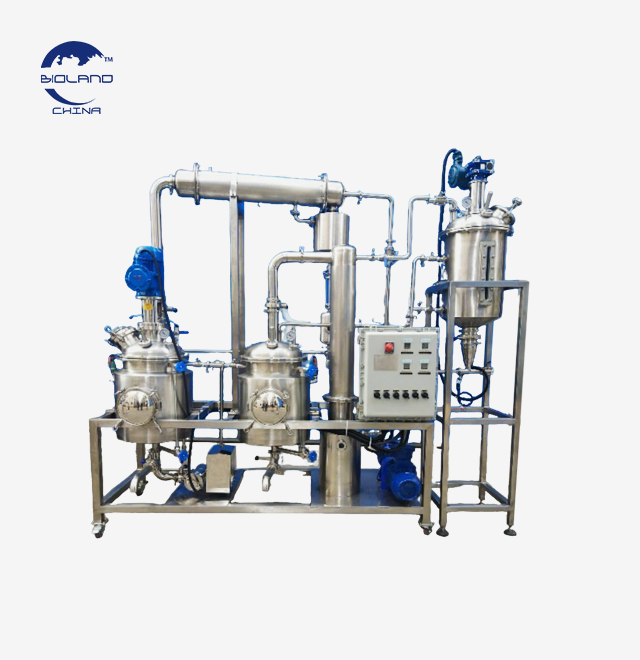
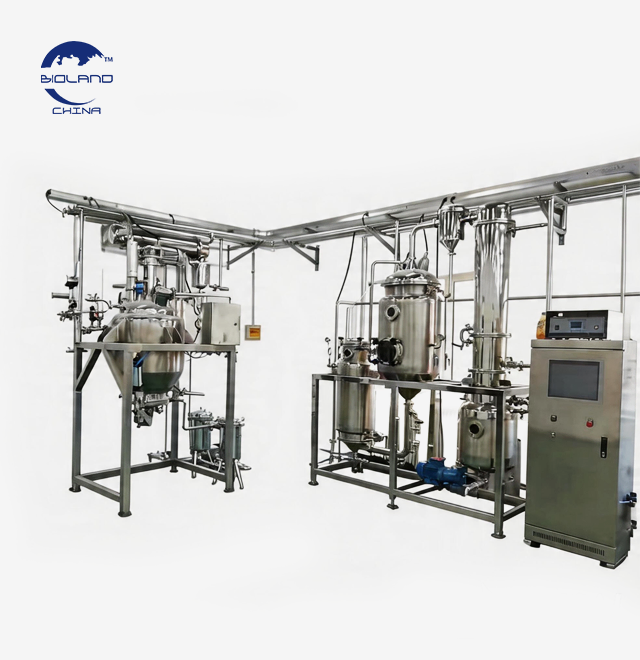
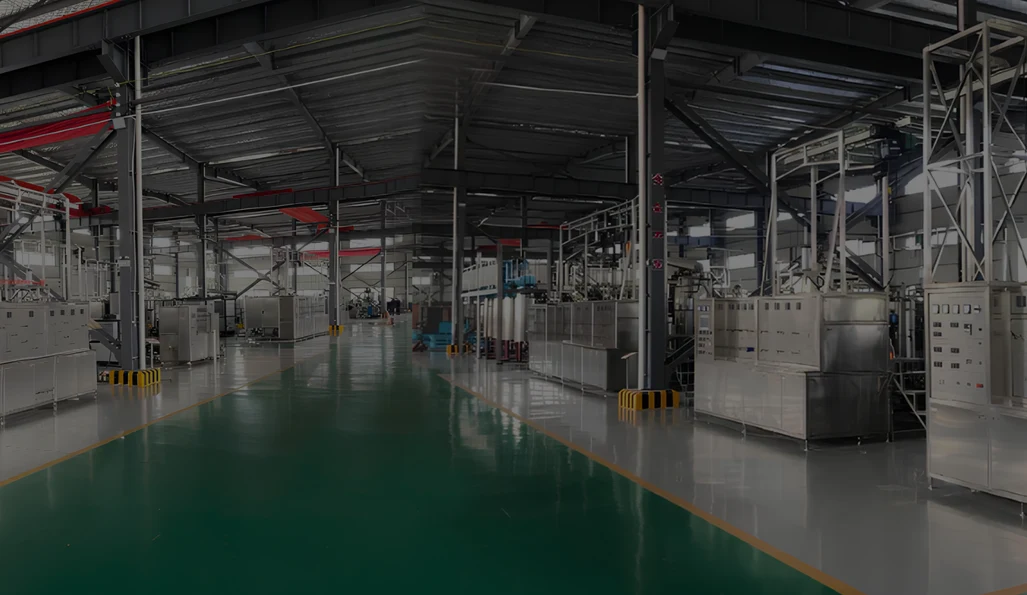
Xi'an Bioland Instrument Co., Ltd. is a good example of a specialized source because they have over 15 years of experience in extraction technology for medicinal and nutraceutical uses. Their ultrasonic extraction systems have a lot of global certificates, such as CE, ISO, UL, SGS, ATEX, and IEC. This helps producers who work with drugs and exports meet the compliance requirements that these groups face. The company's equipment is especially good at working with more than one process. It can handle UAE extraction, as well as hot reflux extraction, aromatic oil distillation, and organic solvent extraction in production lines that work together.
Bioland's method to making quercetin extraction tools focuses on features that are useful and help with real production problems. Their systems can be upgraded to include extra dual-ultrasonic setups that speed up the dissolution process and make it possible to go from lab-scale to industrial-scale amounts. The modular design lets factories start with basic extraction capabilities and then add systems that can't explode, automatic release mechanisms, or combined solvent recovery modules as production needs change.
Customer reviews from production lines for stevia, propolis, curcumin, and mushroom extract show that these ingredients work well with a variety of plant materials that have different levels of cell complexity. This track record gives procurement teams faith that the specs for tools will actually lead to good production results. The company's "turnkey" service model, which includes workshop planning, equipment selection, installation commissioning, and training for operators, is especially appealing to businesses that are switching from human processes to automatic extraction lines for the ultrasound assisted extraction of quercetin.
Optimizing Ultrasound Assisted Extraction: Best Practices and Troubleshooting
Process Parameter Optimization Strategies
To get the most quercetin while keeping its bioactivity, you have to carefully adjust variables that affect each other. Extraction time follows a curve of diminishing returns; rounds that last longer than 35-40 minutes rarely increase yield proportionally and may even break down sensitive chemicals. The best results usually come from solvent-to-material ratios between 10:1 and 15:1. However, some plant binders may need to be changed.
Pulsed ultrasound-assisted extraction of quercetin operation, which involves switching between active sonication and rest periods, usually works better than constant operation. Pulse modes keep areas from getting too hot while giving solvents time to spread into newly exposed cell material. By keeping an eye on the temperature during the extraction process, changes can be made in real time to keep it in the ideal range of 40-60°C, where quercetin dissolves best without breaking down.
When choosing a solvent, you have to weigh the speed of extraction against the needs of later processing. Because they are GRAS and effectively dissolve quercetin, ethanol-water mixtures are most often used in medicinal uses. The exact amount changes depending on whether the fresh extracts are crystallized, cleaned using chromatography, or dried with a spray. Pharmaceutical-grade quercetin factories usually use 70% ethanol, while nutritional factories might use 50-60% amounts, which are cheaper than 70% ethanol.
Addressing Common Technical Challenges
Ultrasonic sensors and probe tips that are constantly hit by cavitation forces are the parts of equipment that wear out the fastest. High-quality industrial systems have titanium metal probe tips that can be changed and are made to last for 2,000+ operating hours or more of use. Monitoring the uniformity of the amplitude gives you early warning of transducer degradation, before the extraction efficiency starts to drop significantly.
Ultrasonic cell rupture often causes filtration problems because it makes fine particle solutions smaller than 5 microns. Standard mesh filters get clogged up quickly; centrifugation or multistage membrane filtering work better to make liquids clear. Some makers include automatic filter backwash systems that keep working even during long production runs.
Scaling from Laboratory to Commercial Production
Increasing the size of the tools is not enough to go from bench-scale study to pilot and commercial numbers. The dynamics of fluids change a lot depending on the size of the vessel. For example, in 2-liter beakers, the sound field is constant, but in 200-liter reactors, the sensor needs to be carefully placed to get the same results. Continuous-flow systems add more complexity to the spread of dwell time and the need to make sure that all botanical particles are exposed to ultrasonic fields.
Pilot tests using equipment that is similar to what will be used in production lower the risks of scaling up. Testing with real plant fodder shows differences in particle size, moisture content, and cellular structure that may not be seen in lab studies using reference materials. The information gained during test runs is used to make final equipment specifications and set up standard operating procedures for mass production.
Procurement Guide: How to Acquire the Right Ultrasound Extraction System for Quercetin
Defining Your Equipment Requirements
A thorough needs survey is the first step to successful buying. Keeping track of current and planned output levels, botanical sources, goal quercetin purity, and existing building infrastructure makes it possible for suppliers to meet specific needs. Turnkey solutions are helpful for businesses that are building new production lines because they include extraction, filter, concentration, and drying equipment that is all built to work together.
Facilities that are improving their current processes might like flexible equipment that works with what they already do. Suppliers can help you choose the right tools with the right amount of automation by finding out if your operations run in batch or continuous mode, single or multiple shifts, and campaign or year-round schedules for the ultrasound assisted extraction of quercetin.
Evaluating Supplier Credentials and Support Capabilities
Certifications are a basic way to make sure that quality and safety standards are being met. If something has a CE mark on it, it means it meets European health and safety standards. Getting ISO 9001 certification shows that you handle quality in an organized way. GMP compliance is important for pharmaceutical uses during design, production, and paperwork.
It is more important for a supplier to have experience extracting plants than to be able to make general tools. Companies that have detailed systems that process quercetin or similar polyphenolic chemicals know the technical details and can guess what problems might come up. By asking for customer references from companies in the same industry and output level, you can check the promised performance and service quality.
The framework for after-sales help should be carefully looked at. Tech problems are fixed faster by service centers in the United States or a nearby area than by support staff in other countries. Having an inventory of spare parts, regular repair programs, and process improvement advice available adds value beyond the purchase of tools. When suppliers offer FAT (Factory Acceptance Testing) at their facilities before shipping, they lower the risk of starting and give operators a chance to get to know the equipment.
Structuring Purchase Agreements
Agreements to buy equipment should be clear about when it will be delivered, who is responsible for installation, who is responsible for teaching operators, and what the guarantee covers. Standard wait times for customized extraction systems are between 30-45 business days. Making sure that this time includes shipping time keeps schedules from clashing with building preparation.
The warranty usually lasts for 12 months from the date of commissioning. To avoid disputes, it's important to be clear about what parts and failure types are covered by the guarantee. Transducers, control systems, and mechanical parts are covered by comprehensive guarantees, but accessories like probe tips are not. Facilities that put uptime first can plan their budgets more accurately with extended insurance choices or service contracts.
Payment structures often follow milestone schedules: deposit upon order confirmation, progress payment during manufacturing, balance before shipment. Some sellers offer lease options for equipment or performance-based payment plans that tie costs to output income. This is especially helpful for new businesses and companies that don't have a lot of money to spend on capital.
Conclusion
When choosing ultrasound tools for extracting quercetin, you need to think about how well it works technically, how reliable it is in the field, and how much it will cost you overall. The technology clearly has benefits over older methods, such as shorter extraction times, less solvent use, and better chemical preservation. However, these benefits can only be realized if the equipment is properly matched to the plant feedstock and production scale.
It's not enough to just compare specification sheets when you're buying something. You also need to look at the experience, help system, and customization options of the suppliers. Companies that make pharmaceutical-grade quercetin need different paperwork and tools than companies that make nutraceutical products. Working with seasoned providers who know these differences and can offer complete solutions speeds up time-to-market and lowers technical risk during theultrasound assisted extraction of quercetin scaling-up stages.
FAQ
Q1: How does the frequency of the ultrasound wave affect how well quercetin is extracted?
A: The size and strength of the cavitation bubbles are controlled by frequency. Lower frequencies (20-25 kHz) make bubbles that are bigger and pop more violently, which works well for tough plant materials like stems made of wood. Cavitation at higher frequencies (35-50 kHz) is softer and works well with soft tissues. Most devices that remove quercetin work best at frequencies between 20-30 kHz, but some plant sources may need to be adjusted. Equipment that can be tuned to different frequencies gives you more operating options.
Q2: Which type of liquid solution is best for extracting quercetin in industry?
A: At 60-70% ethanol content, mixes of ethanol and water work best for most uses. In this ratio, the solubility, extraction selection, safety, and regulatory acceptance of quercetin are all balanced. Pure ethanol removes too many lipophilic compounds, while lower amounts make extraction less effective. The right amount should be found by looking at the plant source and the methods used for processing it afterward. For consistency's sake, pharmaceutical companies often use 70% ethanol as the norm.
Q3: Can ultrasonic extraction be used in a factory instead of just a lab?
A: Scaling works best when done in a planned way, starting with test projects. Paying close attention to dwell time, acoustic field consistency, and fluid dynamics can help lab batch processors become industrial continuous-flow reactors. Suppliers who have done scale-up before can set up tools correctly for each step. Before investing on a large scale, factors are checked in pilot tests using materials that are similar to those used in production. This greatly lowers both technical and financial risk for the ultrasound-assisted extraction of quercetin.
Partner with BIOLAND for Advanced Quercetin Extraction Solutions
Xi'an Bioland Instrument Co., Ltd. has industrial-grade ultrasonic extraction tools and more than 15+ years of experience in this field, and they are ready to help you reach your goals of making quercetin. We provide turnkey systems with GMP-compliant design, multi-process compatibility, and automation that convert difficult extraction into reliable, repeatable production as a top maker of ultrasound-assisted extraction of quercetin equipment.
Our tools for extraction are 50-500% more efficient than traditional methods, and they work at stable low temperatures that keep quercetin's useful antioxidant qualities. Bioland machinery turns lab potential into business reality. It has been installed successfully in stevia, propolis, curcumin, and botanical extract facilities around the world. Certifications like CE, ISO, UL, and ATEX make sure that the product is legal in all foreign areas.
We know that delivering tools is only one part of a good implementation. Our expert team helps with everything, from the first process review and workshop planning to installation commissioning, user training, and ongoing help with optimization. You can make Bioland's solutions fit your needs by adding extras like dual-ultrasonic setup, explosion-proof systems, and combined solvent recovery. You can start with pilot production and increase the capacity, or you can start with pilot production and decrease the capacity.
Get in touch with us at info@biolandequip.comto talk about your quercetin extraction needs. We'll help you choose equipment that meets your output schedule and strikes a good mix between performance, dependability, and return on investment. You can ask for full technical specifications, case studies from similar uses, or to set up a Factory Acceptance Test at our facility so you can see how the equipment works in real-world production settings before we ship it.
References
1. Chemat, F., Rombaut, N., Sicaire, A. G., Meullemiestre, A., Fabiano-Tixier, A. S., & Abert-Vian, M. (2017). Ultrasound assisted extraction of food and natural products: Mechanisms, techniques, combinations, protocols and applications. Ultrasonics Sonochemistry, 34, 540-560.
2. Lakka, A., Grigorakis, S., & Makris, D. P. (2020). Ultrasound-assisted extraction of polyphenols from natural sources: A review of the parameters affecting extraction efficiency. Journal of Food Measurement and Characterization, 14(2), 1754-1776.
3. Dai, J., & Mumper, R. J. (2010). Plant phenolics: Extraction, analysis and their antioxidant and anticancer properties. Molecules, 15(10), 7313-7352.
4. Vilkhu, K., Mawson, R., Simons, L., & Bates, D. (2008). Applications and opportunities for ultrasound assisted extraction in the food industry: A review. Innovative Food Science & Emerging Technologies, 9(2), 161-169.
5. Altemimi, A., Lakhssassi, N., Baharlouei, A., Watson, D. G., & Lightfoot, D. A. (2017). Phytochemicals: Extraction, isolation, and identification of bioactive compounds from plant extracts. Plants, 6(4), 42-68.
6. Zhang, Q. W., Lin, L. G., & Ye, W. C. (2018). Techniques for extraction and isolation of natural products: A comprehensive review. Chinese Medicine, 13(1), 20-45.
The reactor is beautifully mirror-polished and fully complies with GMP requirements for the pharmaceutical industry. The performance is excellent! Overall, we are very satisfied! We also provided with some feedback on our process improvements, which we hope will be helpful.
2024-04-09
Laboratory
Excellent and professional service. Always reply our questions very fast. All reactors and chiller we received are good too.
2024-02-15
Research Institute
Quality is beyond our expectation actually. After we got the extraction equipment and started using it, the performance was beyond our expectation. Very easy to use and very efficient to run. Service always respond us very quickly. Was also very helpful to help us. Thanks Bioland team. Very happy to work with you.
2023-11-20
Biotech Company
We are happy about the new purchase as always. Equipment and services are both good.
2023-08-05
Instrument Lab
This is the second order with Bioland instrument and everything is good as the first dateText.
2023-05-12
Global Trading Partner
Bioland instrument team is very helpful and professional. The sales helped us select the right equipment for our application, and their logistics people handled the transportation and customs declaration for our shipment. All that saved us a lot of work.