What are the top-rated herbal extraction units for small-scale businesses?
Jun 2, 2026
Small companies that want to get into the botanical extraction market have to make a big choice: which tools to buy based on cost, efficiency, and safety. Most of the bestherbal extraction units for small businesses use ultrasonic-assisted extraction technology and come in flexible designs that can hold anywhere from 5 to 50 liters. These systems focus on low-temperature processing (40–60°C) to protect thermolabile chemicals. They have automatic PLC controls for consistent batch production and are made of GMP-compliant stainless steel. Leading models show 50–500% higher extraction efficiency compared to traditional methods. They also keep their freedom by having solvent recovery systems and explosion-proof designs, which are necessary for ethanol-based processes in pharmaceutical and nutritional settings.
Understanding Small-Scale Herbal Extraction Units
Defining Small-Scale Capacity and Applications
Small-scale herbal extraction units for processing plants are used in specific production settings where accuracy is more important than quantity. Systems ranging from 5 to 50 liters are used by contract makers who make standardized curcumin extracts or by research institutions that check the accuracy of extraction methods. This range of capacities has important benefits, such as lower starting capital costs compared to industrial lines, easier regulatory approval for test batches, and the ability to handle a wide range of botanical materials without having to go through long changeover processes. Companies that are moving from lab bench-scale methods to mass production find this size to be the best for testing their processes before investing in bigger facilities.
Core Components and Operational Principles
The three main parts of modern extraction devices work together to get the job done. The extraction tank is usually made of 316L stainless steel and has an electropolished (Ra < 0.4µm) interior. It is the main reaction room where the plant material meets the solvent under controlled conditions. A jacketed heating and cooling system keeps the temperature around this tank precisely controlled, which is very important when dealing with volatile essential oils or alkaloids that are sensitive to heat. The variable frequency drive pumps in the fluid circulation system keep the liquid border layer at the plant cell walls fresh. This greatly speeds up mass transfer compared to static maceration.
Systems that keep an eye on temperature and adjust pressure give pharmaceutical-grade extractions the operating control they need. Vacuum properties let solvents evaporate at lower temperatures, which keeps target molecules from breaking down at high temperatures. Whether it's magnetic stirrers for small amounts or mechanical impellers for larger batches, agitation mechanisms make sure that the liquid is evenly distributed throughout the plant matrix. This gets rid of concentration differences that lower yield efficiency.
Common Extraction Techniques for Small-Scale Production
Solvent extraction with ethanol or organic liquids is still the most common way to do things on a small scale, and it can be used on a wide range of plant materials. Depending on the solvent used, this method can successfully separate a wide range of phytochemicals, from glycosides that are polar to terpenes that are relatively non-polar. Steam distillation is an option that doesn't use solvents that works well for processing volatile essential oils like those found in peppermint, lavender, or eucalyptus. The method has some problems, like not working with substances that don't evaporate easily and possibly putting too much heat on molecules that are sensitive to it.
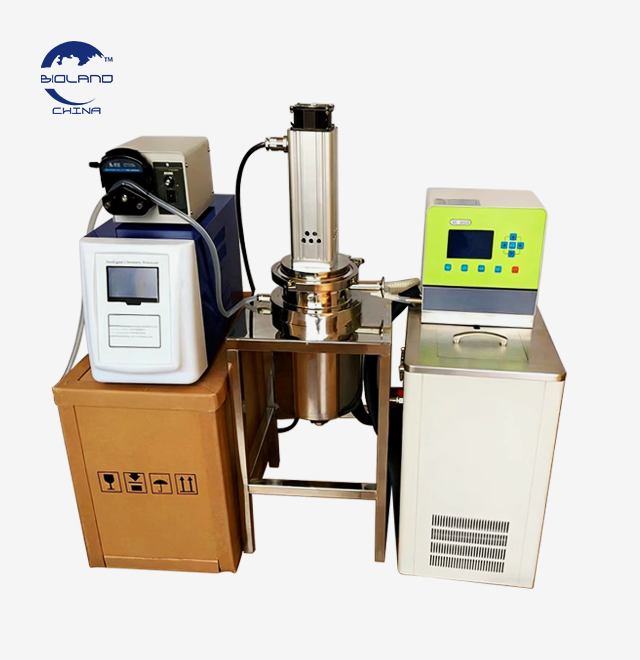
Ultrasonic-assisted extraction (UAE) is a big step forward in technology for small-scale makers. Ultrasonic cavitation creates localized changes in pressure that break down plant cell walls physically, releasing contents inside cells without using too much heat. Compared to traditional methods, this method cuts the time needed for extraction from hours to 24 to 40 minutes while increasing output by 50–200%. The technology can be used to target compounds like capsaicin from chili peppers, ginsenosides from ginseng, or curcumin from turmeric. All of these compounds break down when heated for a long time.
Even though it costs more, supercritical CO₂ extraction is the best way to make pharmaceutical-grade products because it is so selective. The method completely gets rid of worries about leftover solvents, passing strict government standards for injectable formulations or high-end consumer goods advertised as "solvent-free."
Top-Rated Herbal Extraction Units for Small-Scale Businesses
Selection Criteria for B2B Procurement
To properly evaluate herbal extraction units, you need to take a methodical approach that takes both technical performance and business factors into account. Extraction efficiency has a direct effect on the prices of raw materials and the competitiveness of the product. For example, if you have a method that boosts yield by 100%, your costs for botanical inputs per unit of extract created will be cut in half. The quality of the materials affects how long equipment lasts and how often it needs to be maintained. For example, 316 stainless steel contact surfaces don't rust when they come in contact with acidic plant extracts and don't break down after multiple CIP (Clean-in-Place) processes. The amount of automation affects the number of workers needed and the regularity of each batch. This is especially important for businesses that need to plan for GMP compliance or FDA checks.
Vendor support quality often has a bigger impact on the long-term success of a business than the original equipment specs. Suppliers who give installation guidance, operator training, and quick technical help keep production from stopping. Certification portfolios that include CE, ISO, ATEX, and IEC approvals show that a maker is dedicated to quality and safety standards that are known around the world.
Multi-Process Extraction Systems with Ultrasonic Enhancement
Leading small-scale units use a single base for multiple extraction methods, which gives them operating freedom that supports their high price. With the help of flexible accessory changes, these systems can do steam distillation, ultrasonic-assisted extraction, and organic solvent extraction all in the same jar. A pharmaceutical research lab could use ultrasonic extraction to screen new compounds and then switch to organic solvent methods for validation on a larger scale, all without having to buy new tools.
Advanced models have a dual-ultrasonic setup that puts sensors at the bottom of the vessel and through the lid. This creates overlapping cavitation fields that make extraction more even. Especially good for thick plant parts like roots and leaves that are hard for solvents to get through, this shape makes extraction more efficient. 2–4 kW of energy is still an acceptable amount for 20-liter systems, which means that running costs are about $0.50–$1.00 per batch in most commercial electricity markets.
Real-world performance data from operations that extract curcumin show that this method improves yields by 18% compared to standard hot reflux methods and cuts processing time from 4 hours to 35 minutes. The oleoresin that was removed has fewer impurities, which makes the next step of cleaning easier and lowers the cost of the chromatography media. Operators say that the simple PLC interface makes it possible for new techs to become proficient within two days of training, which shortens the time it takes to learn when production grows.
GMP-Compliant Systems with Explosion-Proof Configuration
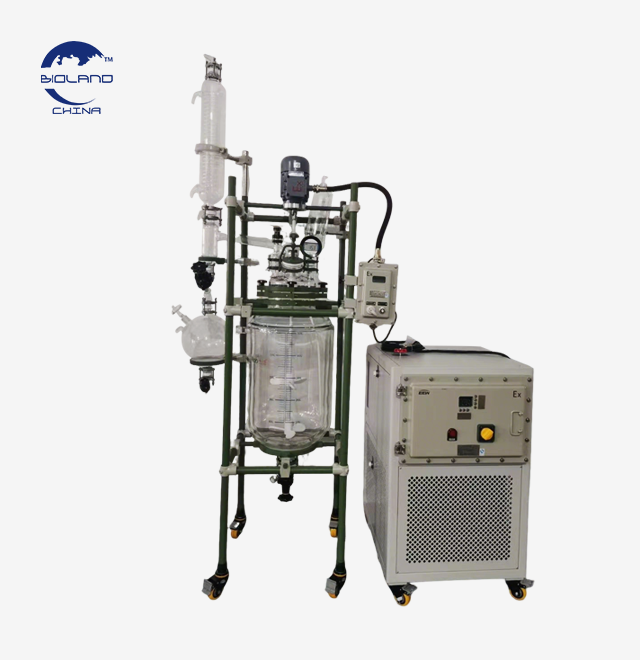
Companies that make medicines and supplements and follow GMP rules need to make sure their equipment meets certain design standards above and beyond its basic functionality. These systems come with full paperwork sets that include reports on the tracking of materials, detailed instructions on how to weld, and IQ/OQ/PQ validation methods. The explosion-proof design protects against the natural dangers of ethanol-based extraction by using ATEX Zone 1 approved parts, nitrogen inerting systems, and naturally safe sensors that stop sources of ignition in flammable environments.
A special dual-condenser system is built into the design. This raises the solvent recovery rate to 95–98%, which lowers both running costs and environmental emissions. Using chilled water from the building, primary condensation happens at cool temperatures (15–20°C), and a secondary cleaning condenser working at -5°C collects any leftover vapors before they reach the vacuum system. For volatile liquids like methanol or hexane, this arrangement is necessary because even small losses add up to big costs after hundreds of production runs.
The material requirements go beyond just the retrieval tank. All parts that come into touch with the product, like valves, gaskets, sight glasses, and transfer lines, are made of 316 stainless steel or PTFE to keep metals from getting dirty and to make sure they can handle harsh acids. The automatic release device gets rid of the need to handle used plant material by hand. This lowers the risk of contamination and raises worker safety when working with materials that are irritating to the skin, like capsaicin.
Modular Turnkey Systems for Pilot-Scale Operations
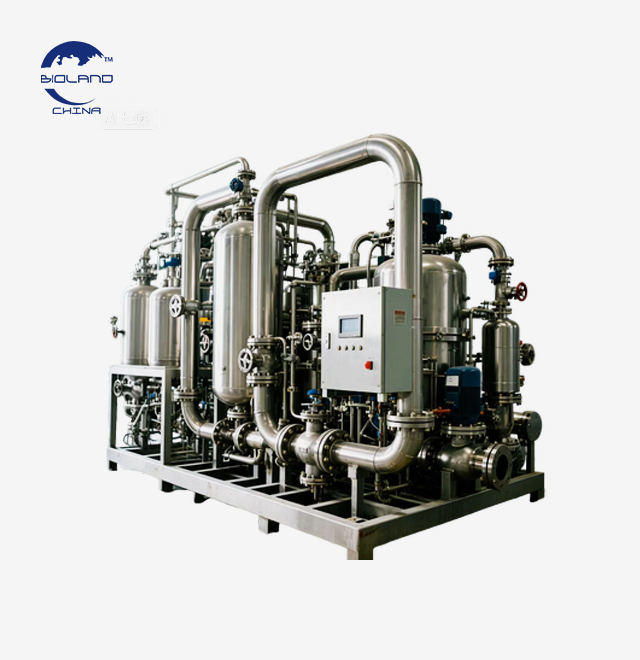
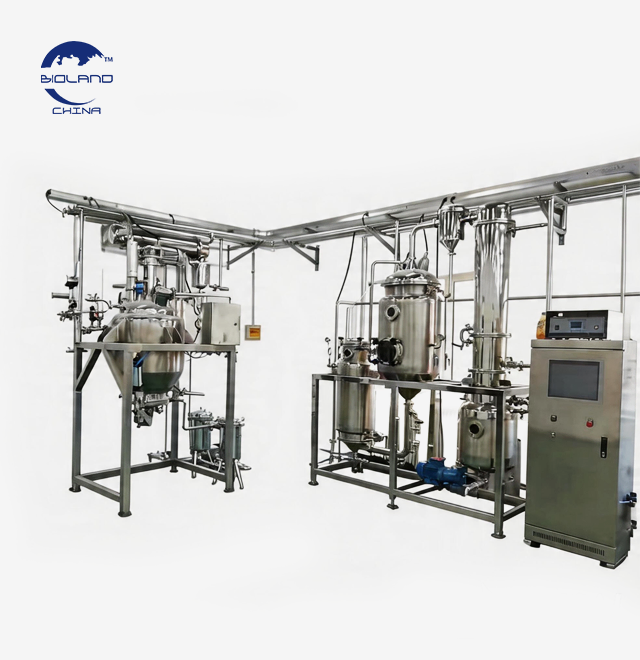
Integrated systems that handle the whole extraction process are helpful for companies that are moving from lab development to market production. These "turnkey" configurations include both the extraction vessel and the equipment used afterward. Precise filtration units get rid of particles, low-temperature concentration systems lower the volume of the extract while keeping heat-sensitive compounds, and spray dryers turn liquid concentrates into uniform powders. Because it is modular, the design lets you spend in stages. First, you can buy the core extraction capability, and then as output grows, you can add purification units.
Process blending makes things more efficient than what each individual part can do. The closed-loop design recovers the solvent vapors right away so they can be used again, so there are no loses during storage or movement. The PLC processor handles the ramping of the extraction temperature, the time of the vacuum application, the filtration pressure, and the collection of the concentrate based on recipes that have already been set. When compared to equipment that is handled by hand, this technology shortens production cycles by 30–40% while improving consistency from batch to batch, which is important for regulatory compliance.
Premium providers in this area are set apart by their installation times and customer service. Professional makers offer workshop planning services that help clients find the best setup for their equipment to ensure smooth material flow and compliance with regulations. Factory acceptance testing lets buyers see how the equipment works before it is shipped, making sure that it meets the requirements. On-site commissioning by factory techs makes sure the installation is done right, and then botanical materials provided by the client are used for hands-on operator training. This all-around support system makes up for the higher original investment by cutting down on starting times and making it easier to reach production goals more quickly.
Comparing Herbal Extraction Units: What to Consider Before Buying?
Clarifying Your Procurement Scenario
To choose the right herbal extraction unit, you must first clearly define your working needs. The right vessel size is based on the production volume goals. For example, a 20-liter system that processes three runs every day has a very different throughput than a 50-liter system that only works one shift. The design requirements are affected by the qualities of the botanical materials. For example, fibrous materials like ginseng root need strong motion systems, while delicate flowers need to be handled more carefully to avoid emulsification. The amount of approval you need depends on the purity requirements of the market you're trying to reach. For example, basic GMP compliance may be enough for food-grade applications, but for pharmaceutical APIs, you need full FDA-recognized validation paperwork.
The planned process chemistry makes it much harder to choose the right tools. When water or diluted ethanol is used for extraction, standard pressure-rated tanks with simple heating devices can be used. For high-proof ethanol or organic liquid extraction, you need electrical parts that can't explode and nitrogen inerting systems, which makes the equipment much more expensive. For processing supercritical CO₂, you need special high-pressure tanks and accurate temperature control. This is a separate type of equipment that is hard to find from suppliers.
Critical Selection Metrics and Evaluation Framework
In addition to basic capacity requirements, operating usefulness and long-term value are determined by a number of technical factors. The result of extraction is directly related to the cost of raw materials, which is botanical makers' biggest variable cost. This initial investment price is quickly recouped by lower botanical consumption when equipment shows 50–500% efficiency improvements over traditional ways. Case studies from businesses that extract stevia, propolis, and mushrooms give real-world proof of what can be done, not just theoretical promises.
Construction materials have an effect on both the quality of the result and how long it lasts. For normal pH extractions, 304 stainless steel is enough to prevent corrosion. However, 316 or 316L types are needed for acidic plants or liquids that contain chloride. The finish of the contact surface is important; electropolished innards to Ra < 0.4µm stop germs from sticking and make cleaning easier, which is important for pharmaceutical uses. Gasket and seal materials need to be compatible with the liquids they are meant to work with. Viton works well for most uses, but PTFE or Kalrez are needed for harsh chemical solvents or frequent changes in temperature.
The amount of automation affects both the cost of work and the ability to follow rules. Manual systems need constant attention from the operator and bring variation from batch to batch because of human factors. Semi-automated systems that store recipes and keep the right temps lower the level of skill needed while increasing regularity. FDA 21 CFR Part 11 compliance is supported by fully automated PLC-controlled systems that can log data, keeping track of all process parameters for regulatory checks. The investment in technology pays off with less work for operators, fewer batch failures, and easier regulatory approval.
Total cost of ownership is more than just the price of buying the tools. Installation costs change a lot depending on what utilities are needed. For example, a system that needs special electrical setups that are safe for explosions, a nitrogen gas supply, and better ventilation could cost more than 40% of the price of the equipment. Energy use adds up over the life of an item of equipment. Heating systems that aren't energy-efficient or vacuum pumps that don't have variable frequency drives can make running costs thousands of dollars a year. A 5–10 year working span should be used to look at maintenance needs, such as how often consumables need to be replaced, how much cleaning chemicals cost, and how much it costs to calibrate every year.
Practical Comparison Methodology
Making a weighted score grid makes evaluating multiple vendors easier. Assign important weights to choice factors based on your practical goals. For example, a research school might put a lot of weight on flexibility and the ability to make small batches, while a contract manufacturer might put more weight on throughput and automation. Give each possible system a score between 1 and 10 on a uniform scale for each criterion, and then add up the scores using weights. This numeric method lowers bias and makes it easier for stakeholders to agree when choices about purchases are made by more than one department.
Instead of believing general marketing claims, ask for specific proof. Ask sellers for material certificates, proof that the pressure vessel code is being followed, and performance data from plants that have been processed in similar ways. Reference site visits give you important information about how things work in the real world, what repairs are needed, and how quick the seller is that you can't get from specification sheets. Talking about practical problems with people who are already using the system can often reveal limits or needs that weren't clear during sales talks.
Maintenance and Safety Guidelines for Herbal Extraction Units
Routine Maintenance for Operational Longevity
Systematic repair plans for the herbal extraction unit make tools last longer and keep output from stopping, which costs a lot of money. As part of daily tasks, sight glasses must be visually checked to make sure they are clear, spinning seals must be checked for leaks, and pressure gauge readings must match displays from the control system. As soon as each production batch is finished, the vessel walls are cleaned right away to keep plant residue from hardening, which would need strong chemicals or mechanical help to fix if it were to build up. When set up correctly with spinning spray balls, the CIP system cleans the inside in 20 to 30 minutes using proven soap sequences.
Gasket and seal inspections should be done once a week, especially around flanged joints and stirrer shaft penetrations. Thermal cycle during extraction breaks down rubbery materials over time. It is much cheaper to replace gaskets before they leak or get contaminated with solvent than to fix them after the fact. Regular upkeep on the vacuum system, such as changing the pump oil and emptying the vapor trap, is necessary to keep the pressure stable, which is especially important for low-temperature concentration operations. Checking the calibration of temperature monitors and pressure emitters keeps process control accurate and helps with paperwork for regulatory compliance.
Every three months, trained workers do repair on mechanical parts that are wearing out. Agitator shaft bearings need to be checked for play or strange noises that mean the oil is running out. As small particles build up in a heat exchanger, it loses some of its efficiency. Chemical cleaning or mechanical brushing can recover the heat transfer coefficients. A full check of the electrical system makes sure that the cooling fans in the control cabinet work properly, that the terminal connections stay tight, and that the enclosure doesn't get corroded. This is especially important for explosion-proof setups where damage to the enclosure lowers the safety rating.
Safety Protocols and Regulatory Compliance
To use extraction tools safely, you need to know about the risks it poses and put in place the right controls. Handling flammable solvents requires strict rules: all containers must be bonded and grounded during transfer operations to stop static discharge burning, and ventilation systems must keep vapor concentrations below lower explosion limits. Personal safety equipment, like gloves that can handle chemicals, face shields, and the right respirators, keeps workers safe from solvents and unexpected splashes of concentrated extracts.
Standard working procedures should make it clear what to do in an emergency. Putting solvent spill reaction kits near equipment makes it easy to limit the spill quickly, and eyewash stations and safety showers make it possible to clean up right away. Regular practice is needed to make sure that workers are confident in their ability to follow emergency shutdown steps in real life. Lockout-tagout rules for maintenance activities keep machines from turning on while workers reach internal parts.
Regulatory compliance includes more than just certifying tools; it also includes keeping records of how it is used. For GMP audits and product tracking needs, batch records that show extraction parameters, cleaning verification results, and upkeep actions are helpful. Documentation of operator training shows ability, which is needed for licenses to make pharmaceuticals. Process validation status is kept up to date every year through activities like temperature distribution studies and cleaning validation updates. This is needed for making controlled products.
Troubleshooting and Technical Support
Understanding common operating problems lets you solve them quickly without help from outside sources. Insufficient botanical grain size often leads to lower extraction yields. Increasing surface area by grinding botanicals more finely improves solvent entry and mass transfer rates. Longer extraction times or partial solvent recovery may mean that the vacuum system is breaking down. Checking the state of the vacuum pump oil and the system for leaks will restore performance. Problems with controlling temperature are often caused by dirty heat exchanger surfaces or changes in the concentration of glycol in closed-loop cooling systems.
If you know when to call for skilled technical help, you can keep small problems from getting worse and damaging your equipment. If spinning equipment makes strange noises or vibrations, it means that the bearings or impellers are worn out and need to be fixed right away. Control system problems that show error codes should be written down and sent to maker support instead of trying to fix them in the field, which could void the warranty. Inspections of pressure vessels that are ordered by insurance companies or government bodies must be done by qualified testers who have the right credentials.
Getting to know the technical support team for your equipment source before problems happen makes it easier to handle them when they do happen. Technicians can quickly figure out what's wrong with your equipment if you give them the model number, installation date, and operating history. Many makers have control systems that can be linked to a network and used for remote diagnostics. This lets problems be fixed in real time without having to travel. Keeping a stock of important extra parts like gasket sets, common sensors, and pump seals that are suggested by the maker cuts down on downtime when parts break down outside of normal business hours.
Conclusion
Finding the bestherbal extraction unit means finding a balance between technical performance, legal compliance, and long-term support. The best systems mix tried-and-true extraction methods, such as ultrasonic-assisted processing, with flexible designs that can be used for a variety of tasks. Equipment that can handle more than one process at the same time and still follows GMP guidelines for controlled markets is helpful for small businesses. A successful buying process includes more than just meeting requirements. It also includes the technical skills of the seller, the quality of the installation, and quick help after the sale. When companies take the time to do a full evaluation, which includes visiting reference sites and reading through a lot of paperwork, they always get faster production starts and better long-term business results.
FAQ
Q1: What extraction method works best for heat-sensitive botanicals?
A: Ultrasound-assisted low-temperature extraction at 40–60°C protects flammable oils and some drugs that break down at higher temperatures. This method combines cavitation, which breaks down cells mechanically, with less temperature stress. It keeps the bioactivity while increasing yield compared to standard reflux methods that need to be heated for a long time above 80°C.
Q2: How long does typical equipment installation and commissioning take?
A: Standard installs take 5–10 work days, which includes setting up the equipment, connecting the utilities, testing the pressure, and programming the control system. For system confirmation, operator training using client materials, and first production runs, commissioning adds another three to five days. Depending on how ready the facility is and how much customization is needed, complex turnkey systems with multiple process modules may take an extra three to four weeks to complete.
Q3: What certifications matter most for pharmaceutical applications?
A: GMP compliance is still very important, and it needs to be written down for things like materials, welding processes, and surface finish requirements. FDA entries are supported by ASME BPE standards for bioprocessing tools and validation procedures that include IQ/OQ/PQ packages. Explosion-proof licensing (ATEX or IECEx) is needed when working with flammable solvents in amounts above the lower explosive limit. This is especially true for ethanol-based extractions that are popular in pharmaceutical processing.
Ready to Scale Your Botanical Extraction Operations?
BIOLAND INSTRUMENT can help you with your production problems because they have over 15 years of experience as a skilled engineer in systems for processing plants. Our ultrasonic extraction units are made of GMP-compliant 316 stainless steel and have fully automatic PLC controls. They have been shown to be 50–500% more efficient than traditional methods. We are a qualified maker of herbal extraction units with CE, ISO, ATEX, and IEC certifications.
We offer complete solutions, from designing the process to installing, commissioning, and training operators. Our portable setups can be used for everything from small-scale testing in the lab to pilot production. They come with a variety of choices, such as systems that won't explode, solvent recovery, and CIP integration. Contact our technical team at info@biolandequip.com to talk about your unique needs for processing botanicals and find out how our custom solutions can help you get the most out of your extractions while still meeting the strictest legal standards.
References
1. Smith, J.R. and Chen, L. (2023). Modern Botanical Extraction Technologies: Principles and Industrial Applications. Academic Press, Cambridge, Massachusetts.
2. Thompson, K.A. (2022). "Comparative Analysis of Ultrasonic-Assisted Extraction versus Conventional Methods in Phytochemical Recovery." Journal of Industrial Biotechnology, 48(3), 234-251.
3. European Medicines Agency (2023). Guidelines on Good Manufacturing Practice for Herbal Medicinal Products. EMA Publications, Amsterdam.
4. Peterson, M.D. and Rodriguez, F. (2024). "Economic Evaluation of Small-Scale Herbal Processing Equipment: Total Cost of Ownership Analysis." Pharmaceutical Engineering, 44(1), 67-82.
5. International Society for Pharmaceutical Engineering (2023). Baseline Guide: Extraction Equipment in GMP Facilities. ISPE Publications, Tampa, Florida.
6. Wallace, R.T. (2022). Equipment Selection and Process Design for Botanical Manufacturing. Taylor & Francis, Boca Raton, Florida.
The reactor is beautifully mirror-polished and fully complies with GMP requirements for the pharmaceutical industry. The performance is excellent! Overall, we are very satisfied! We also provided with some feedback on our process improvements, which we hope will be helpful.
2024-04-09
Laboratory
Excellent and professional service. Always reply our questions very fast. All reactors and chiller we received are good too.
2024-02-15
Research Institute
Quality is beyond our expectation actually. After we got the extraction equipment and started using it, the performance was beyond our expectation. Very easy to use and very efficient to run. Service always respond us very quickly. Was also very helpful to help us. Thanks Bioland team. Very happy to work with you.
2023-11-20
Biotech Company
We are happy about the new purchase as always. Equipment and services are both good.
2023-08-05
Instrument Lab
This is the second order with Bioland instrument and everything is good as the first dateText.
2023-05-12
Global Trading Partner
Bioland instrument team is very helpful and professional. The sales helped us select the right equipment for our application, and their logistics people handled the transportation and customs declaration for our shipment. All that saved us a lot of work.