What are the benefits of using ultrasound for flavonoid extraction?
Jun 7, 2026
Ultrasonic flavonoid extraction equipment has huge benefits for processing plants on an industrial scale. These benefits mostly come from higher extraction rates, much shorter processing cycles, and lower solvent consumption. Ultrasound-assisted extraction uses acoustic cavitation to break down plant cell walls physically, releasing target chemicals in as little as 24–40 minutes. This is different from traditional maceration methods that need hours or days of steeping time.
Compared to old ways of doing things, this technology increases yields by 50% to 500% while keeping working temperatures low, between 40°C and 60°C, which protects reactive molecules that are sensitive to heat. Pharmaceutical companies, supplement companies, and research institutions that want scalable, repeatable extraction methods should consider ultrasound systems as a cost-effective investment that meets strict quality standards.
Understanding Ultrasonic Flavonoid Extraction
The science behind ultrasonic extraction is based on acoustic cavitation, which happens when sound waves with a high frequency move through liquids. The frequency of ultrasonic waves is usually between 20 and 24 kHz. They create patterns of high and low pressure in the liquid. During low-pressure phases, tiny vacuum bubbles form and grow very quickly. During high-pressure phases, they suddenly collapse. These implosions send out shockwaves and micro-jets that reach temperatures of thousands of degrees Celsius for microseconds. This breaks up vegetal structures physically and makes it easier for solvents to get into plant tissues.
How Cavitation Improves Extraction Performance
When these cavitation bubbles pop close to the walls of plant cells, they create mechanical stress that breaks down cell structures much more effectively than passive diffusion. As a result, the flavonoids inside the cells are directly exposed to the extraction liquid, so there is no need for long times of soaking. This method works especially well when working with fibrous plant materials like citrus peels or tough leaf structures like Ginkgo biloba, because solvent extraction has a hard time getting through the thick cell structure.
Comparing Methods: Ultrasound Versus Conventional Techniques
For traditional maceration to work, the solute and solvent have to be in touch for a long time—often 24 to 72 hours. This process goes faster with heat reflux extraction, but flavonoids that are sensitive to heat, like quercetin and rutin, may break down. These trade-offs are not necessary with ultrasonic extraction because cycles can be finished in less than an hour and bulk temperatures stay well below the levels that cause thermal damage. The process needs 40–60% less liquid volume per batch, which lowers the cost of materials and the work that needs to be done for cleaning later on.
Key Benefits of Using Ultrasound Technology in Flavonoid Extraction
Adopting ultrasonic technology leads to measurable improvements in many practical areas. This makes it especially appealing to mid-sized pharmaceutical companies and research institutions that are looking to increase their capacity or improve their processes.
Enhanced Yield and Purity
Case studies in industry regularly show that ultrasonic extraction improves the recovery rates of flavonoids by 20–40% compared to traditional methods. For some compounds, optimized techniques can even achieve a 500% improvement. When ultrasonic processing was added to a production line that was taking curcumin from turmeric, the yield went up by 35% while the antioxidant activity in the finished products stayed high. The extracted liquid has a lot fewer impurities in it, which makes the next steps of purification easier and lowers the total cost of processing.
Reduced Processing Time and Energy Consumption
The time it takes to finish an extraction cycle has gone down from hours to minutes, and it usually takes between 24 and 40 minutes. This is more than two-thirds less than the old way of doing things, which immediately increases production throughput and machine utilization rates. When you work at fixed temperatures that don't need to be heated for a long time, shorter cycle times mean that you use less energy per batch. As a result, factories that make multiple batches every day can increase their production capacity by a large amount without having to buy more equipment.
Environmental and Safety Advantages
Lower solvent needs are in line with green chemistry ideas and lower the production of toxic trash, which lowers the costs of removal and the work needed to follow rules. Being able to work at room temperature or slightly higher keeps volatile organic compound pollution to a minimum, making the workplace safer for workers. Explosion-proof designs that meet ATEX and IEC standards are built into modern systems. This makes sure that they can safely handle flammable solvents like ethanol and methanol. The closed-loop design with built-in solvent recovery systems makes it even more environmentally friendly by reusing the extraction media between different runs.
Comparing Ultrasonic Flavonoid Extraction Equipment with Traditional Equipment
When buying teams look at investments in capital equipment, they need to look at both short-term success measures and long-term business costs. But ultrasonic flavonoid extraction equipment usually costs more than regular extractors when first bought, they offer clear benefits in both areas.
Performance Metrics and Scalability
Industrial ultrasonic extractors get more out of the material they process in less time and with less energy per kilogram. From lab benchtop units that can handle 500 mL amounts to continuous-flow industrial systems that can handle tons per hour, the technology works at a constant rate. This scalability is very important for companies going from research and development to pilot production and then to full-scale production, because process factors that work best on small equipment can be used straight on bigger equipment without affecting performance.
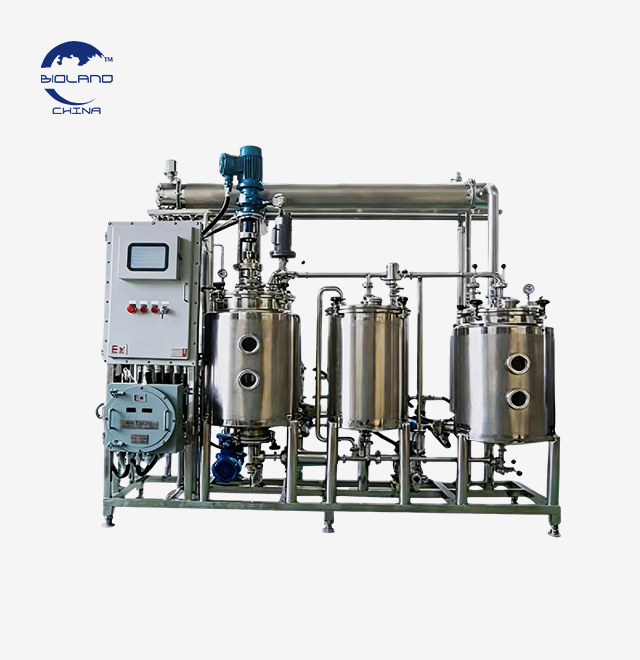
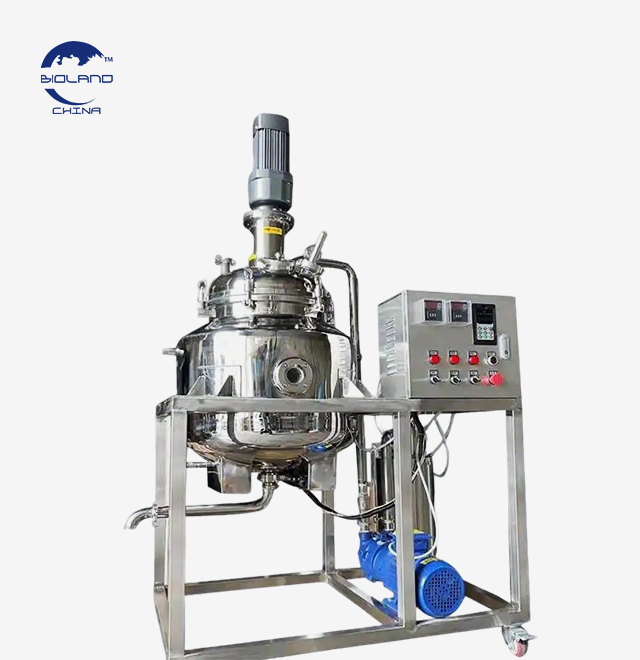
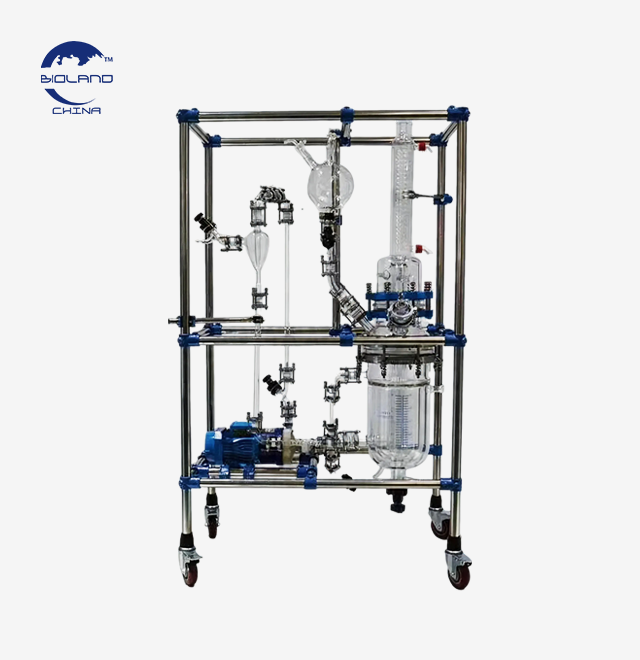
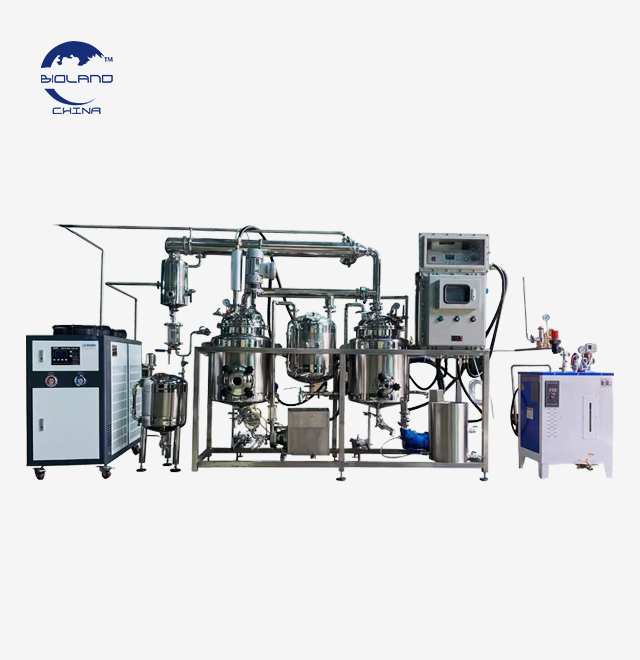
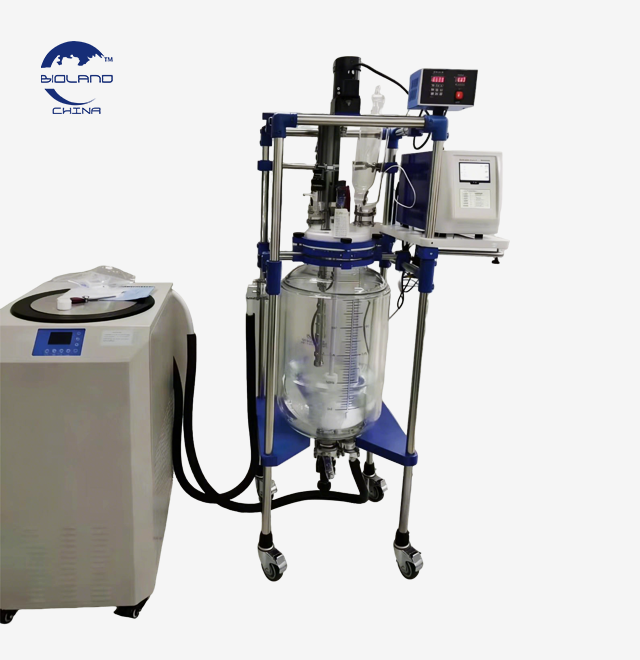
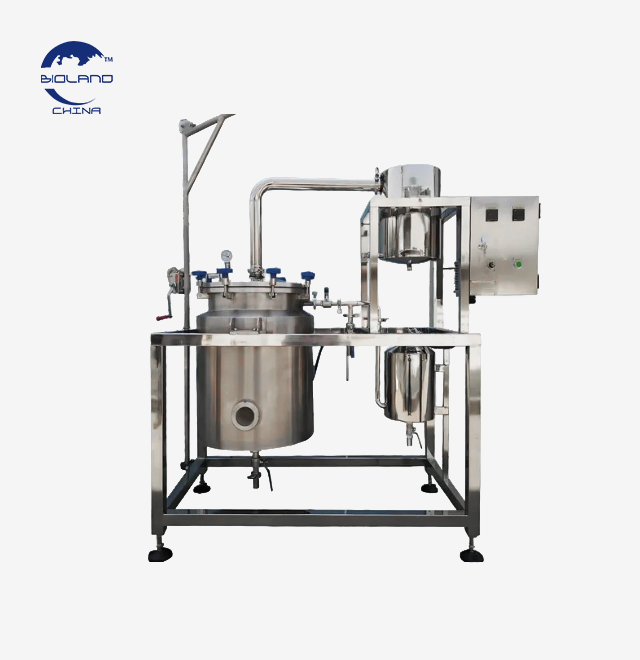
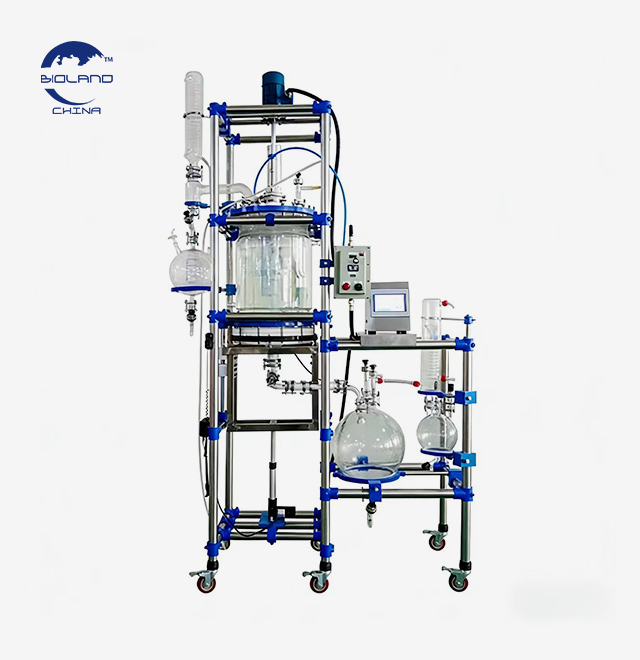
Modular setups allow for flexible equipment design that can meet a wide range of output needs. Different extraction methods can be used with base units, such as UAE (ultrasound-assisted extraction), hot reflux extraction, aromatic oil extraction, and organic solvent extraction. Dual-ultrasonic configurations that can be added improve both the rate of dissolution and the efficiency of production. They can be used for a wide range of situations, from study in the lab to ongoing operation on a large scale in an industrial setting.
Cost-Effectiveness and Return on Investment
It costs more to buy an ultrasonic device at first than a regular extractor, but after 18 to 24 months of use, most medium-volume uses save money on their total cost of ownership. Just using less solvent can save a lot of money over time, especially for places that use pharmaceutical-grade ethanol or other specialty chemical solvents. Shorter extraction times allow higher rates of machine usage, which essentially increases capacity without increasing capital costs in the same way.
Lower amounts of impurities in the recovered liquid make the purification process easier and cheaper by using less chromatography media and filtration supplies. Higher yields and purer extracts work together to get the most out of the raw materials, which increases the profit per kilogram of processed plant input. When equipment has high-quality parts like titanium metal sonotrodes and ceramic piezoelectric sensors, which don't wear down easily from cavitation erosion or chemical corrosion over long periods of use, it doesn't need much maintenance.
Selecting the Right Ultrasonic Flavonoid Extraction Equipment for Your Business
When making sourcing choices, it's important to carefully look at technical specs, the supplier's skills, and the infrastructure for after-sales support. The right choice of ultrasonic flavonoid extraction equipment strikes a mix between short-term output needs and long-term needs for scalability, all while making sure that quality standards are met.
Critical Evaluation Criteria
The quality of the equipment is what makes production processes effective. When working with acidic plant extracts or strong organic solvents, look for systems that have touch parts made of 316 stainless steel. These will last longer and not rust. Certifications like CE, ISO, UL, SGS, ATEX, and IEC make sure that safety and quality standards are being met by an outside party. Designing equipment that is GMP-compliant protects both the quality of the product and the safety of the people who work on it by making sure that the building, materials, operation, and upkeep rules are all in line with what is needed for pharmaceutical production.
Customization tools are very important for businesses that work with a wide range of plant materials or are creating their own extraction methods. Trustworthy providers offer OEM and ODM services, which allow for unique design and production that fits the needs of a certain process flow. Turnkey services that include planning the workshop, choosing the right equipment, installing and commissioning it, giving technical training, and providing full pre- and post-sales support lower execution risks and speed up the time it takes to start making things for new facilities or production line growth.
Technical Specifications and Supplier Logistics
Features of automation have a big effect on how efficiently operations run and how much work is needed. Fully automatic PLC control systems are available as options. They allow precise management of process parameters, automatic scheduling of extraction cycles, and real-time data logging for quality recording. Modular functional configurations let facilities add features as the needs of production change. These features include full explosion-proof systems for handling flammable solvents, organic solvent recovery systems for environmental protection and cost savings, CIP (clean-in-place) cleaning systems for pharmaceutical compliance, and automatic discharge devices to make work easier for everyone.
Power needs, equipment size, and upkeep rules must all be in line with the building's foundation and its ability to do its job. Suppliers should offer clear price plans that can accommodate different order amounts and offer good terms for large orders. Shipping options that include sea, rail, and air freight guarantee reliable arrival no matter where it's going, and full warranty coverage (usually one year with support available for life) protects equipment investments. When trying to fix problems with a process or find the best way to remove new botanical materials, professional expert teams that offer ongoing support are very helpful.
Best Practices for Operation and Maintenance of Ultrasonic Flavonoid Extraction Machines
Systematic repair routines and operator training programs must be followed to get the most out of equipment like ultrasonic flavonoid extraction equipment and keep its extraction performance stable. Systems that are well taken care of produce reliably and have lower unexpected downtime and repair costs.
Routine Maintenance Checklist
Regular daily checks should be done on the sonotrode's surface to see if there are any signs of cavitation erosion or chemical weathering that could get metal particles into the extracts. Weekly testing checks the stability of the amplitude and the accuracy of the frequency tracking, which makes sure that the cavitation strength is the same across batches. As part of the monthly component checkup, the efficiency of the cooling system is checked, and the safety interlocks and emergency stop systems are tested for wear.
Cleaning methods depend on the materials being handled and the type of liquid being used. However, CIP systems make it easier to keep things clean between batches or when switching products. Automatic cleaning processes cut down on the amount of work that needs to be done while still getting rid of all leftovers that could spread germs or allow microbes to grow. Titanium Grade 5 sonotrodes usually need to have their surfaces polished every three to six months when they are used continuously in heavy-duty situations. This extends the life of the parts and keeps the best acoustic performance.
Safety Protocols and Troubleshooting
Ultrasonic exposure risks, the right way to use personal safety equipment, and what to do in an emergency if there is a solvent leak or a problem with the equipment should all be covered in operator training classes. Modern systems have many safety features, such as automatic amplitude reduction when an excessive load is recognized, thermal stop protection to keep the system from burning and damaging itself, and explosion-proof electrical parts for use with flammable solvents.
One common problem that needs to be fixed is frequency detuning from probe heating. Good generators can fix this immediately through digital frequency tracking. If you get different extraction rates, it could mean that the amplitude is drifting when the load changes, which means that the generator needs to be inspected or re-calibrated. Temperature control problems are usually caused by clogged cooling jackets or not enough coolant flow rates. These problems are easy to fix by cleaning or maintaining the pumps. Keeping thorough records of repair tasks and extraction parameters makes it possible to quickly spot problems as they appear, before they affect the quality of production or the reliability of equipment.
Conclusion
Ultrasonic flavonoid extraction equipment is a tried-and-true, cost-effective way for businesses to improve their flavonoid recovery methods. When you combine much shorter extraction processes with much higher outputs and less solvent use, you get a great return on your investment while also helping to meet sustainability goals. Scalable equipment that can be used from lab study to industrial production makes process development and scale-up go more smoothly, which lowers the technical risk during marketing.
GMP-compliant designs with a lot of safety features and automation options meet the strict needs of the pharmaceutical industry. Modular setups make systems easy to change as production needs change. When procurement teams are thinking about buying extraction tools, ultrasonic technology gives them a strategic edge that improves both working efficiency and their ability to compete.
FAQ
What frequency range do industrial ultrasonic extractors operate at?
Professional ultrasonic flavonoid extraction systems usually work at frequencies between 20 and 24 kHz, which is the best mix between cavitation intensity and power economy. When the frequency is above 40 kHz, it doesn't create enough shear force for tough plant grids. When the frequency is lower, it creates less controlled cavitation patterns. The 20 kHz standard makes it possible for tools to work reliably with a wide range of plant materials, from small amounts in the lab to large amounts in production.
Can ultrasonic extraction damage heat-sensitive flavonoids?
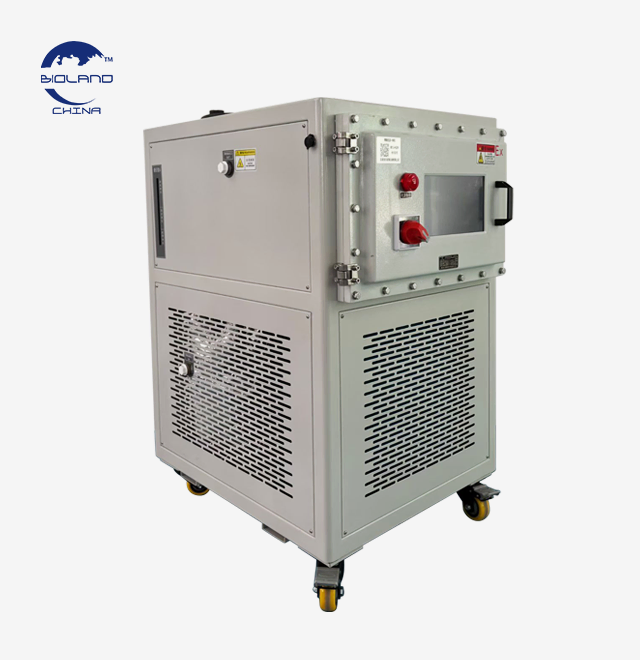
Active temperature control with jacketed reaction tanks and cooling systems stops thermal damage in systems that are built correctly. The burst of cavitation bubbles creates spikes that can reach thousands of degrees for microseconds, but the bulk solution temperature stays the same at 40–60°C. This thermal profile protects delicate chemicals much better than traditional heat reflux methods that need to keep the temperature high for a long time. This makes extracts with higher antioxidant activity and better stability profiles.
How does equipment scalability work from R&D to production?
The "power per volume" method is used to scale ultrasonic extraction, keeping the same watts per milliliter rates across all equipment types. By matching residence time and amplitude strength, parameters that are tuned in lab beakers can be used directly in commercial flow-through reactors. This linear scalability gets rid of the need for trial-and-error when moving extraction processes between different sizes of equipment. This cuts down on development time and protects R&D investments.
Partner with BIOLAND for Advanced Ultrasonic Extraction Solutions
Xi'an BIOLAND Instrument Co., Ltd has been making trusted ultrasonic flavonoid extraction equipment for the pharmaceutical, nutraceutical, and botanical processing businesses around the world for more than 15 years. Our engineering team plans and builds full extraction systems that meet the standards for CE, ISO, UL, SGS, ATEX, and IEC approval. This makes sure that the systems work safely and reliably in tough production settings. We can make solutions that are completely unique to your needs, including setups that are safe from explosions, automatic PLC control, construction from 316 stainless steel, and built-in solvent recovery systems.
In addition to supplying the equipment, we also offer full services that include planning the workshop, installing and setting it, teaching all operators on how to use it, and quick technical support for as long as the equipment is in use. Stevia, propolis, capsaicin, curcumin, and mushroom extraction production lines have all been shown to work well, with yields increasing by more than 300% compared to traditional methods. Get in touch with our technical experts at info@biolandequip.com to talk about your extraction needs and get a personalized equipment suggestion backed by a full process modeling and return on investment analysis.
References
1. Chemat, F., Rombaut, N., Sicaire, A.-G., Meullemiestre, A., Fabiano-Tixier, A.-S., & Abert-Vian, M. (2017). Ultrasound assisted extraction of food and natural products: Mechanisms, techniques, combinations, protocols and applications. Ultrasonics Sonochemistry, 34, 540-560.
2. Vilkhu, K., Mawson, R., Simons, L., & Bates, D. (2008). Applications and opportunities for ultrasound assisted extraction in the food industry: A review. Innovative Food Science & Emerging Technologies, 9(2), 161-169.
3. Tiwari, B. K. (2015). Ultrasound: A clean, green extraction technology. TrAC Trends in Analytical Chemistry, 71, 100-109.
4. Rostagno, M. A., & Prado, J. M. (2013). Natural Product Extraction: Principles and Applications. Royal Society of Chemistry.
5. Esclapez, M. D., García-Pérez, J. V., Mulet, A., & Cárcel, J. A. (2011). Ultrasound-assisted extraction of natural products. Food Engineering Reviews, 3(2), 108-120.
6. Wang, L., & Weller, C. L. (2006). Recent advances in extraction of nutraceuticals from plants. Trends in Food Science & Technology, 17(6), 300-312.
The reactor is beautifully mirror-polished and fully complies with GMP requirements for the pharmaceutical industry. The performance is excellent! Overall, we are very satisfied! We also provided with some feedback on our process improvements, which we hope will be helpful.
2024-04-09
Laboratory
Excellent and professional service. Always reply our questions very fast. All reactors and chiller we received are good too.
2024-02-15
Research Institute
Quality is beyond our expectation actually. After we got the extraction equipment and started using it, the performance was beyond our expectation. Very easy to use and very efficient to run. Service always respond us very quickly. Was also very helpful to help us. Thanks Bioland team. Very happy to work with you.
2023-11-20
Biotech Company
We are happy about the new purchase as always. Equipment and services are both good.
2023-08-05
Instrument Lab
This is the second order with Bioland instrument and everything is good as the first dateText.
2023-05-12
Global Trading Partner
Bioland instrument team is very helpful and professional. The sales helped us select the right equipment for our application, and their logistics people handled the transportation and customs declaration for our shipment. All that saved us a lot of work.