How a Soxhlet Extractor Simplifies Crude Fat Extraction
May 27, 2026
Soxhlet extraction equipment changes the way crude fat is extracted by reusing solvents continuously and automatically through a closed-loop system. Traditional batch methods need a lot of physical work and use a lot of solvents. Modern Soxhlet systems do all the work automatically, boiling the solvent in a flask, condensing the vapors over the sample, and siphoning the improved extract back for more washing. This method ensures full recovery of lipids from solid materials while reducing labor costs and solvent waste. It is essential for checking foods, developing medicines, and studying the environment where repeatability and following the rules are important.
Introduction
In food safety labs, drug development labs, and environmental tracking stations, crude fat extraction is one of the most basic analyses that is done. Even though extraction is important, traditional methods often make things harder for teams by giving them uneven results, long processing times, and dangerous solvent exposure. Large amounts of high-purity liquids are wasted in manual maceration methods, and human error in batch extractions lowers the accuracy of the analysis. Soxhlet extraction equipmentbecame the best option because it automatically cycles through different solvents, which ensures complete oil recovery with little human supervision. Fine chemistry to biotechnology are just a few of the fields that have accepted this technology because it has been shown to be reliable and cost-effective.
This article talks about how Soxhlet extractors make the process of analyzing crude fat easier. We look at how the equipment works, how it's better than other technologies, and how to buy it using factors that are specific to B2B decision-makers. Whether you're moving from lab tests to production-level extraction or replacing old equipment, knowing the technical specs and economic benefits of these systems will help you make smart investment choices that improve both flow and analytical integrity.
Understanding Soxhlet Extraction Equipment and Its Working Principles
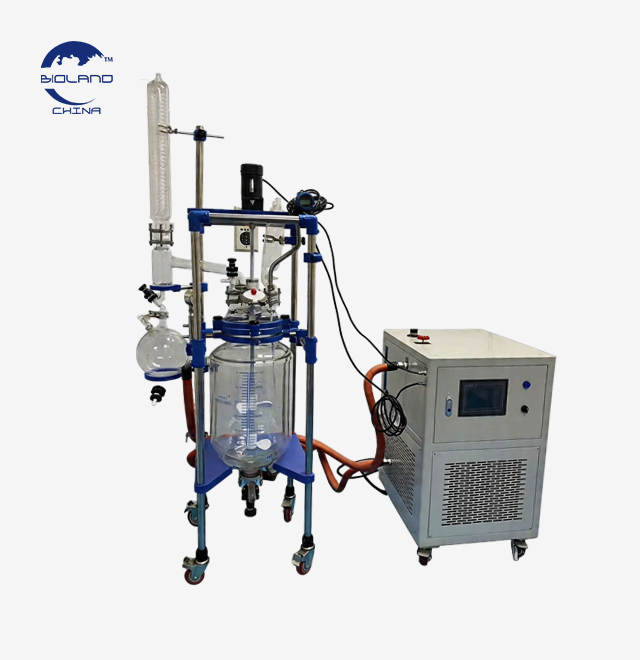
The genius of Soxhlet extraction lies in how beautifully simple it is while still being very effective. The device is made up of four main parts that all work together perfectly: a round-bottom boiling flask with fresh solvent, an extraction chamber with the sample thimble, a reflux condenser for cooling the solvent vapors, and a siphon mechanism that starts the automatic drainage. This setup lets the extraction steps go on without any help from an operator, which is very helpful for labs that are working on many samples at once.
The Extraction Cycle Explained
When heat is added to the boiling flask, the organic liquid (usually petroleum ether, hexane, or dichloromethane) turns into vapor. This starts the process. As the fumes rise, they go up a side arm and into the condenser, where they are turned back into liquids by cold water. Then, a clean solvent drips on the sample that is inside a porous cellulose thimble that is set up in the extraction room. As the amount of the solvent slowly rises around the thimble, it moves through the sample matrix and breaks down the target lipids. When the liquid hits the top of the siphon tube, it quickly drains back into the boiling flask due to gravity. This time, the liquid is richer with fats that have been removed. One full cycle is marked by this siphoning motion.
After a while of use, the beauty of this form becomes clear. The enhanced solvent goes back to the flask to gather the non-volatile lipids, and the filtered solvent evaporates again to start the cycle over. Over the course of a normal four- to six-hour extraction, samples are washed 20 to 30 times, making sure that all fatty content is gone. Controlling the temperature is still very important—the heating must keep the reflux steady without breaking down the liquid or charring the sample.
Multi-Industry Applications
Soxhlet devices are used in food processing labs to find out how much crude fat is in dairy products, meat samples, and grain materials. This makes sure that the nutritional labeling standards set by the FDA are met. Pharmaceutical facilities take active lipophilic chemicals from botanical materials to help with study into traditional medicines and the finding of new drugs. These extractors are used by environmental labs to separate organic pollutants from soil and silt samples, such as polychlorinated biphenyls and pesticide residues. The fact that the method is accepted by AOAC 991.36 and ISO 1443 standards shows that it is a tried-and-true analysis method that can produce data that can be used in court.
Advantages of Using a Soxhlet Extractor for Crude Fat Extraction
When expert leads and R&D leaders look at extraction technologies, they focus on three important factors: how well they work, how often they can be used, and how safe they are to use. Soxhlet extraction equipmentis the best in every way. It improves performance, which directly leads to lower prices and more faith in the analysis. Knowing about these benefits helps buying teams make capital investments make sense and make accurate predictions about return on investment.
Modern automatic Soxhlet systems are 50 to 500% more efficient at extraction than traditional batch methods. This huge improvement is due to the constant solvent cycle system, which keeps the sample material in contact with new solvents the whole time. Batch methods have problems with balance. Once the dissolved lipids fill up all the available liquid, the extraction process is over. Soxhlet systems get rid of this problem by constantly changing the enriched solvent with newly condensed vapor. This keeps the extraction balance going and drives it to completion. If labs can finish studies in four hours instead of eight hours, they can easily double the number of samples they can process without hiring more people.
Cost Savings Through Solvent Recovery
The cost of using solvents is a big part of running a business, especially for places that process hundreds of samples every month. Using old-fashioned methods of extraction might need two to three liters of solvent for every sample, which means both direct material costs and high fees for getting rid of dangerous trash. Using fractional distillation, modern Soxhlet equipment has built-in solvent recovery systems that can get back more than 92% of the used liquid. This saves a lot of money on materials and has a much smaller effect on the environment. After switching to recovery-equipped extractors, one center we talked to cut its annual solvent purchases by 68%. The equipment investment paid for itself in 18 months.
The ability to automate tasks further increases economic benefits. Fully programmable PLC control systems let workers set extraction factors like temperature ramp rates, cycle counts, and cooling sequences, and then they can leave the equipment to run without their presence. This technology cuts down on the amount of work that needs to be done and gets rid of the differences that happen when different workers control extraction conditions by hand. Measurable improvements in batch-to-batch repeatability cut down on the need for expensive retests when results aren't within the expected ranges.
Safety and Compliance Benefits
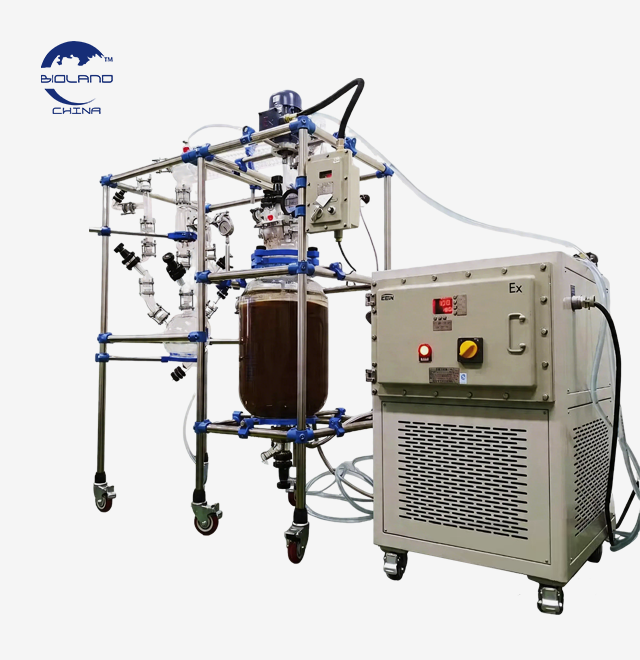
The risks that come with dealing with flammable organic solvents are taken care of by explosion-proof designs that include sealed heating elements, automated vapor tracking, and emergency cutoff interlocks. Traditional open-flame heaters or mantles that are left out in the open can start fires, especially in places that are working on a lot of samples at once. Full explosion-proof system designs that meet ATEX and IEC standards are necessary to lower risks for insurance purposes and worker safety. 316 stainless steel contact surfaces used in GMP-compliant construction make sure that recovered materials meet medicinal purity standards. This gets rid of the problems with contamination that come with equipment made from reactive metals or non-certified plastics.
Comparison of Soxhlet Extraction with Alternative Extraction Technologies
To choose the best extraction technology, you need to carefully look at the needs of your process. Soxhlet extraction is the most common way to analyze crude fat, but new methods like ultrasonic-assisted extraction and supercritical fluid extraction have clear benefits in some situations. To match technology skills with their business needs and budget limits, procurement teams need to understand these trade-offs.
Soxhlet Versus Ultrasonic Extraction
Ultrasonic-assisted extraction (UAE) uses high-frequency sound waves to break down cell walls and speed up mass transfer. This makes extractions faster, taking only 30 to 40 minutes instead of the four to six hours needed by Soxhlet. High-throughput labs that look at hundreds of samples every week will like this speed benefit. But UAE equipment has much higher initial costs—quality systems cost between $15,000 and $50,000, while automatic Soxhlet units cost between $3,000 and $12,000. UAE also wants more advanced training for operators to find the best ultrasonic factors (frequency, power, and pulse length) for each type of data. Sonication can make heat, which can break down thermolabile chemicals. This means it can't be used for sensitive medicinal extractions. Laboratories that need methods that have been approved by regulators may not be able to use UAE routines as easily as the well-documented Soxhlet processes that are accepted by AOAC and ISO standards.
Manual Versus Automated Systems
Manual Soxhlet glassware kits for beginners can be bought for as little as $800 to $1,500, which makes them a good choice for small labs that don't have a lot of money. To keep an eye on these systems and change the heating rates and siphon cycles, skilled techs have to be present during the whole extraction run. Automated systems that include warmth managed by a computer, optical siphon detection, and customizable cycle counts cost between $8,000 and $25,000. These systems free up workers to do more important tasks. Facilities that process more than ten samples a week usually get their money back from investments in technology within two years by saving money on labor. Automated systems also offer better reproducibility because they don't require human temperature changes, which can cause differences between runs.
Each of the top tools makers has its own strengths. European names focus on precise engineering and full safety approvals that make them perfect for use in pharmaceuticals. Asian manufacturers offer reasonable prices and a lot of room for customization, which is perfect for research schools that need to balance budget and capability. Check that the seller has CE and ISO standards, ask for data on extraction efficiency proof, and look at the after-sales support infrastructure in your area.
Best Practices for Soxhlet Extraction Procedure and Equipment Maintenance
To get the best extraction results, you need to pay close attention to every step of the process and keep your tools in good shape. When handled incorrectly or not properly kept, even the most advanced automated systems give inconsistent results. These practices, which are based on evidence, protect investments in tools and make sure that analytical data can stand up to regulatory review.
Sample Preparation Protocols
The accuracy of the extraction is directly affected by how well the sample is prepared. Organic solvents can't get into sample matrices when they are wet, so materials need to be dried to less than 2% moisture content before they can be extracted. Drying in an oven at 105°C for three to four hours gets rid of surface and intermediate water without breaking down the fats. Grind dried samples until they can pass through a 20-mesh screen. This makes the particles all the same size, which stops solvent channeling. Solvent channeling is when it runs through cracks instead of going through the whole sample bed. To improve porosity, mix ground samples with clean sand or Celite in a 1:1 ratio. This is especially important for fatty tissues and oleaginous seeds that pack down tightly.
Solvent Selection and Temperature Control
The choice of solvent varies on the polarity of the target analyte and the needs of the regulatory method. Petroleum ether and hexane are great for finding crude fat in foods because they can successfully remove neutral lipids without removing phospholipids at the same time. Mixtures of chloroform and methanol can get back all the lipids, even the polar phospholipids, making them good for full lipid analysis. Always use solvents that are ACS-grade or higher in purity. Technical-grade materials that are contaminated introduce analysis errors. Keep the temperature of the extraction at or just below the boiling point of the liquid to keep the reflux rates steady. Too much heat speeds up the breakdown of the solvent and can cause Maillard burning in samples high in carbohydrates. On the other hand, not enough heat causes siphon cycles to be slow, which extends extraction times for no reason.
Maintenance and Troubleshooting
Regular maintenance of soxhlet extraction equipment makes the device last longer and stops it from breaking down in the middle of an extraction. Check the condenser cooling coils once a month for mineral scale buildup that reduces heat transfer efficiency. If found, descale them with a mild acetic acid solution. Dispose of extraction thimbles after each use, as residual lipids polymerize upon storage and block pores. Inspect PTFE or Viton sealing gaskets every three months for cracks or solvent-induced swelling; replace any damaged seals before they cause vapor leaks. Calibrate temperature monitors annually using certified reference thermometers to maintain accuracy.
If the results from extraction are lower than predicted, you should carefully look into what might be causing it. Extraction times that are too short often lead to low outputs; increase cycle counts by 30% and try again. If you don't prepare your samples properly, channeling can happen, which leads to inconsistent results across repeat samples. Check the grinding consistency and dilution ratios. If there is persistent contamination between samples, it means that the extraction chamber has not been cleaned properly. Take it apart and soak the parts in a chromic acid cleaning solution for a while before rinsing them with a lot of solvent.
Procurement Guide: How to Buy Soxhlet Extraction Equipment for B2B Clients
When buying tools strategically, you have to weigh the short-term technical needs against the long-term business needs. If factory managers want to make sure their equipment is stable, they focus on build quality and guarantee terms. Purchasing managers, on the other hand, look at the total cost of ownership, which includes things like service contracts and supplies. Structured evaluation factors help successful buying take all of these points of view into account.
Technical Specifications and Capacity Planning
Match extraction ability to present and expected sample volumes. Standard six-position automatic extractors can work for eight hours a day and handle 30 to 40 samples, making them good for medium-throughput labs. Twelve-position high-capacity systems double output, but they need twice as much bench room and power infrastructure. Look at the design of the heating system—aluminum block heaters are better at keeping the same temperature in all places than individual mantles. Integrated solvent recovery raises the cost of the system by $3,000 to $8,000, but it pays for itself quickly by cutting down on the cost of solvents and trash removal.
Material compatibility is very important. Make sure that all surfaces that come into touch with samples are made of 316 stainless steel instead of 304 metal. The higher nickel content in 316 steel makes it much more resistant to chlorinated solvents and acidic extraction media. GMP-compliant designs have smooth surfaces and no cracks, which keep dirt from building up and make the validation cleaning processes easier that are needed in regulated production settings.
Supplier Evaluation and Support Infrastructure
Long-term satisfaction with extraction tools is greatly affected by the knowledge of the supplier. Companies that have been making chemical process equipment for 15 years or more have shown that they are good at engineering and can always get extra parts. Ask for customer references from people in your unique field. For example, experts in pharmaceutical extraction will need different skills than experts in food testing applications. Test how fast technical support is by making up fake problem-solving situations during vendor demos and keeping track of both the level of knowledge and the clarity of communication.
Service agreements and warranties keep you from having to pay for repairs you didn't plan for. Standard one-year warranties on parts should not be flexible; adding three years of covering for a small extra cost lowers the risk by a large amount. Make it clear what kind of service reaction is promised—will techs be on-site within 48 hours for major failures, or does "support" just mean email troubleshooting? International buyers should check out the networks of local service partners to avoid having to wait a long time for technicians to be sent from abroad.
Customization and Turnkey Solutions
When a growing business moves from the lab to the pilot size, providers that offer full process integration can help. BIOLAND can do OEM and ODM work, which includes planning the layout of workshops, choosing equipment for unit operations that work well together (like reaction, filtration, concentration, and drying), overseeing installations, and teaching operators how to use the equipment. This "turnkey" method shortens the time it takes to finish a job and makes vendors more responsible. For example, low-temperature extraction can protect heat-sensitive plants, dual-ultrasonic setups can speed up the dissolving process, and explosion-proof systems can be used to handle flammable solvents. Cases of documented success in extracting stevia, propolis, capsaicin, and curcumin show that the skill is unique.
Conclusion
Soxhlet extraction equipment is the best value for businesses that need to analyze crude fat in a way that can be repeated. The technology's constant switching of solvents recovers all the lipids while requiring the least amount of human input and solvent use. Automated systems with PLC control and built-in repair make these benefits even better by making them easier to repeat and cheaper to run. Strategic buying that focuses on GMP-compliant materials, a full support system, and the ability to customize sets up extraction operations for long-term success. Buying good Soxhlet systems from reputable companies can help with both short-term output goals and long-term plans for growth in the food, pharmaceutical, and environmental industries. This is true whether the systems are being used to replace old ones or to add new analytical features.
FAQ
Q1: What solvents work best with Soxhlet extraction equipment?
A: Because they are safe and selective for neutral lipids, petroleum ether and hexane are the best solvents for figuring out the amount of crude fat in food samples. Total lipids, including phospholipids, are extracted using mixes of chloroform and methanol. Always make sure that the fluid you're using won't damage the sealing materials on your equipment. For example, some fluoropolymer seals break down in chlorinated solvents.
Q2: How long does typical Soxhlet extraction require?
A: Standard extractions of crude fat take four to six hours and go through twenty to thirty extraction rounds. Automated systems let you precisely program cycles, with shorter runs for initial screening and longer cycles for tough materials like prepared foods that contain resistant starches.
Q3: Can systems handle moisture-rich samples directly?
A: Before extraction, samples must be dried to less than 2% wetness. Water stops organic solvents from getting through and makes the effects less consistent. You can use vacuum ovens to dry samples first, or you can connect your Soxhlet tools to automatic hydrolysis units to prepare samples all at once.
Q4: What customization options address specialized needs?
A: For flammable liquids, manufacturers offer explosion-proof designs, dual-condenser designs that improve recovery ratios, CIP (clean-in-place) systems for pharmaceutical validation, and low-temperature extraction that keeps thermolabile chemicals. Talk to your providers about your unique process needs to find the best configurations.
Partner with BIOLAND for Advanced Soxhlet Extraction Equipment Solutions
Xi'an BIOLAND INSTRUMENT's extraction systems are based on more than 15 years of experience in chemical process engineering and can be fully customized to meet specific output and analysis needs. Our fully automatic Soxhlet extraction equipment has full PLC control, built-in solvent recovery that works 92% of the time, and explosion-proof designs that meet ATEX standards. Each system is made with 316 stainless steel that meets GMP standards and has CE and ISO certifications that make sure it is accepted by regulators all over the world. Whether you need analytical equipment for a lab or pilot-production extractors for 50- to 500-liter batches, our technical team can help. We offer full solutions that include specifying the equipment, supervising the installation, teaching the operators, and providing lifetime technical support.
As a well-known company that makes soxhlet extraction equipment, we offer OEM and ODM services that are tailored to your process workflows. For example, we can help you extract thermosensitive active ingredients from plants by running the machines at low temperatures, or we can set up high-throughput food testing systems that can handle hundreds of samples every week. We have a history of putting our ideas into action successfully in production lines for stevia, curcumin, capsaicin, and mushroom extraction. Get in touch with our engineering experts at info@biolandequip.comto talk about your needs for crude fat extraction and get full technical offers with clear pricing. You can look at our whole selection of distillation, concentration, reaction, and separation tools for pharmaceutical, biotechnology, and fine chemistry uses at biolandequip.com.
References
1. Association of Official Agricultural Chemists. (2019). Official Methods of Analysis: Crude Fat Determination in Foods, 21st Edition. AOAC International.
2. International Organization for Standardization. (2020). ISO 1443:1973 Meat and Meat Products – Determination of Total Fat Content. ISO Standards Catalogue.
3. Environmental Protection Agency. (2018). Method 3540C: Soxhlet Extraction for Organic Compound Recovery from Solids. EPA Test Methods Compendium.
4. Luque de Castro, M.D. & García-Ayuso, L.E. (1998). Soxhlet extraction of solid materials: An outdated technique with a promising innovative future. Analytica Chimica Acta, 369(1-2), 1-10.
5. Strati, I.F. & Oreopoulou, V. (2011). Effect of extraction parameters on the carotenoid recovery from tomato waste. International Journal of Food Science and Technology, 46(1), 23-29.
6. Zhang, Q.W., Lin, L.G., & Ye, W.C. (2018). Techniques for extraction and isolation of natural products: a comprehensive review. Chinese Medicine, 13(20), 1-26.
The reactor is beautifully mirror-polished and fully complies with GMP requirements for the pharmaceutical industry. The performance is excellent! Overall, we are very satisfied! We also provided with some feedback on our process improvements, which we hope will be helpful.
2024-04-09
Laboratory
Excellent and professional service. Always reply our questions very fast. All reactors and chiller we received are good too.
2024-02-15
Research Institute
Quality is beyond our expectation actually. After we got the extraction equipment and started using it, the performance was beyond our expectation. Very easy to use and very efficient to run. Service always respond us very quickly. Was also very helpful to help us. Thanks Bioland team. Very happy to work with you.
2023-11-20
Biotech Company
We are happy about the new purchase as always. Equipment and services are both good.
2023-08-05
Instrument Lab
This is the second order with Bioland instrument and everything is good as the first dateText.
2023-05-12
Global Trading Partner
Bioland instrument team is very helpful and professional. The sales helped us select the right equipment for our application, and their logistics people handled the transportation and customs declaration for our shipment. All that saved us a lot of work.