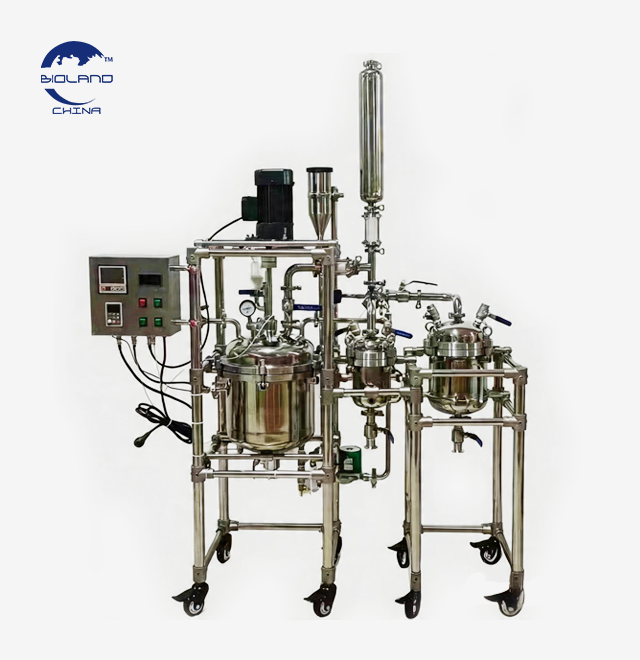
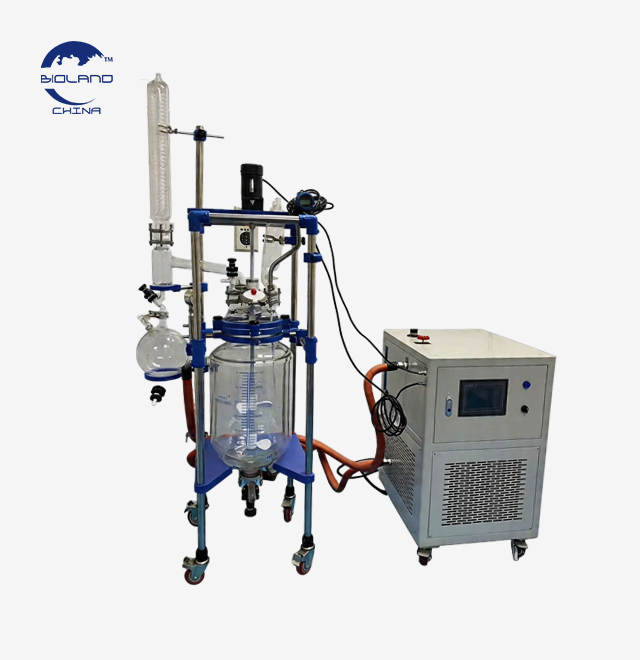
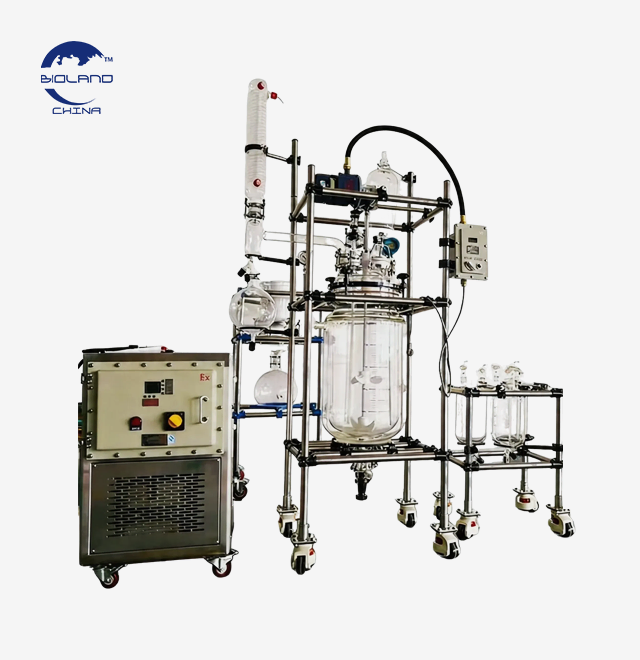
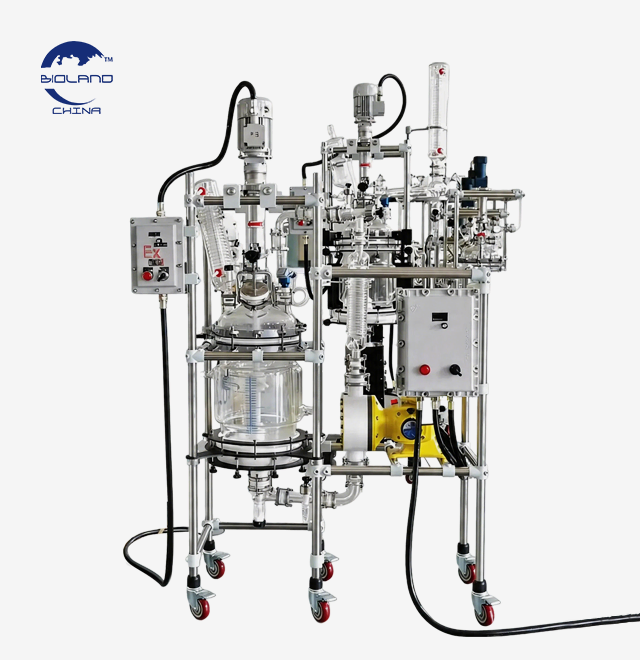
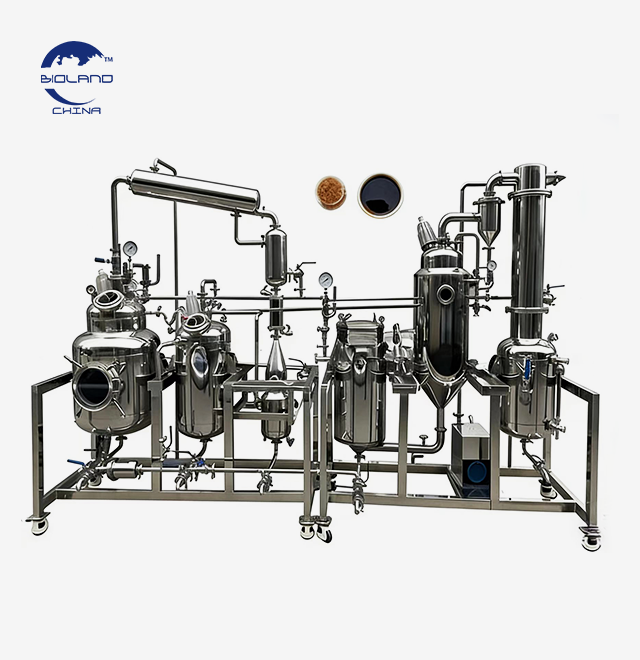
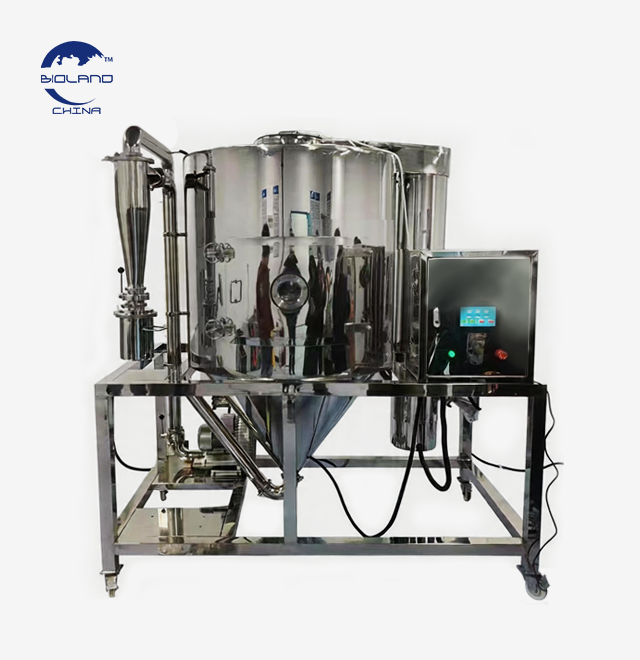
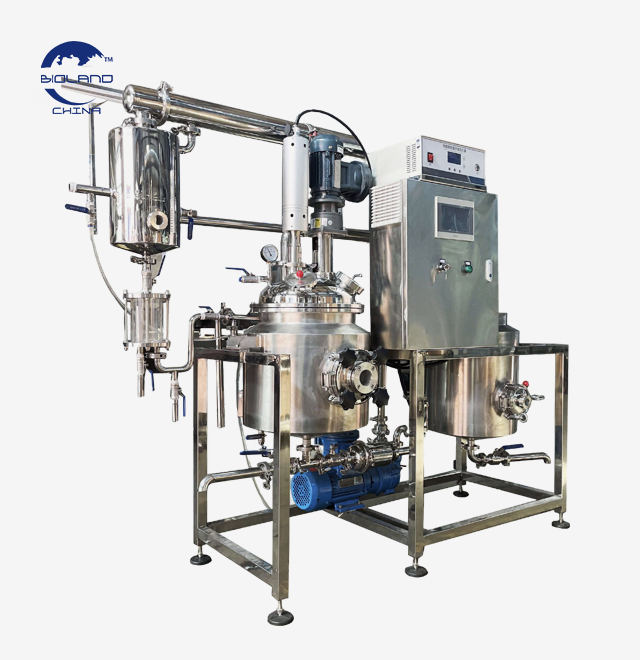
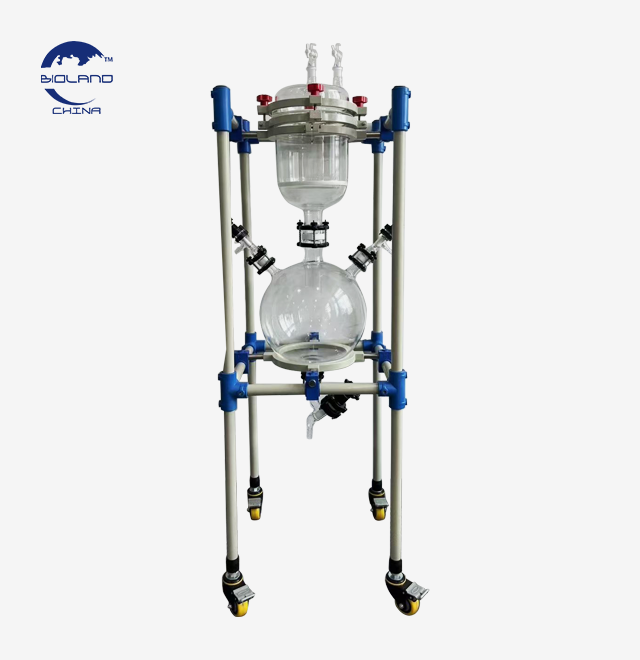
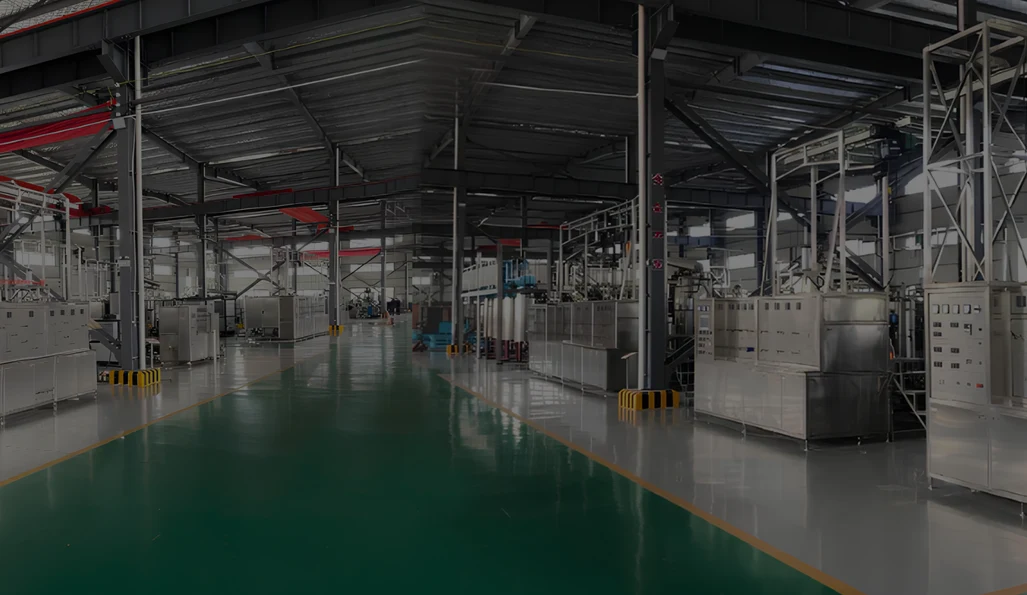
Putting together Soxhlet extraction equipment starts with putting the main parts together in the right order: place the round-bottom flask on a heating mantle, then join the extraction chamber with the sample-filled thimble, and finally connect the condenser on top with cooling water running counter-currently. Make sure all the ground-glass joints are tight to stop solvent vapor leaks, add the right amount of solvent to the flask, and make sure the siphon arm is lined up properly for circular reflux. This careful setup makes sure that the extraction process works the same way every time, whether you're using a small glass unit on a bench or moving on to automatic industrial-scale systems made for food and drug processing.
Understanding Soxhlet Extraction Equipment and Its Principles
Core Components and Their Roles
The Soxhlet extraction device is made up of three main parts that work together. The round-bottom flask holds the solvent and heats the area, while the extraction chamber holds the porous cellulose glove that has your solid sample in it. The condenser is above this. It cools the rising solvent vapors so they can turn back into liquids. These parts are joined together with ground-glass joints, making a closed-loop system that stops liquid loss and keeps spinning steady. Modern industrial versions of traditional glasses are made of stainless steel, especially 316SS, which doesn't rust when exposed to strong chemical acids.
Cyclical Operation Mechanism
The extraction cycle works with constant flow. Solvent in the beaker turns into gas when heated, and the vapors rise through the bypass tube. As the condensed liquid flows through the thimble and onto the sample, it dissolves the target chemicals. When the chamber reaches the level of the siphon arm, the enhanced solvent runs back to the flask, and the process starts all over again. Compared to maceration methods, this automatic washing action completely extracts chemicals with a small amount of liquid. Usually, a cycle in a lab lasts between 15 and 20 minutes. But, commercial systems that use ultrasound to help with extraction only need 24 to 40 minutes, which is more than two thirds less time than usual.
Advantages Over Alternative Methods
Soxhlet extraction is more effective than simple maceration because a new liquid is always coming into touch with the sample. Ultrasonic-assisted extraction (UAE) is great for quickly handling small batches. Soxhlet, on the other hand, can be used without being watched, which makes it perfect for long runs or batches with more than one sample. The method can be used over and over again, which makes it a reference standard in analytical chemistry, especially for figuring out crude fat according to AOAC 991.36 protocols or pesticide residue analysis according to EPA Method 3540C. Knowing these technical benefits helps procurement teams justify buying equipment when consistent, written results are needed for regulatory compliance.
Step-by-Step Setup of Soxhlet Extraction Apparatus
Laboratory Preparation and Safety Protocols
Before putting your equipment together, make sure there is enough air flow because organic liquids like hexane and petroleum ether give off flammable fumes. Place the setup away from sources of ignition and make sure that your heating source can precisely control the temperature. Modern heating mantles with digital controllers stop dangerous burning. Put on the right safety gear, like gloves that can handle chemicals and safety glasses. Make sure that the flow of your cooling water stays steady. If the flow isn't stable, the reflux cycle will stop, and you could lose liquid. ATEX certification guidelines for dangerous environments are met by industrial sites that have electrical systems that can't explode and constant vapor tracking.
Assembly Sequence and Component Securing
First, put the flask with the round bottom on top of the heating base, making sure it fits snugly so that heat moves evenly. Using a ground-glass joint, connect the extraction chamber directly above. If necessary, add a thin layer of high-vacuum grease to make sure the joint is airtight. Put the cellulose thimble with the ground, pre-dried sample into the chamber.
Place the condenser on top of the extraction chamber and connect the lower outlet to a source of cool water and the upper outlet to a drain. Make sure the siphon arm inside the extraction chamber is sitting at the right height—usually about two-thirds of the way up the chamber—so that the right amount of drainage happens. Soxhlet extraction equipment should be assembled with all parts held together using metal clamps to prevent disassembly during operation.
Sample and Solvent Loading Best Practices
To avoid channeling, which happens when liquid skips over parts of the material, make sure you correctly weigh your sample and load it evenly into the thimble. It is better for tiny powders to be mixed with neutral sand or Celite to make them more permeable. Figure out the amount of the liquid by using the flask's capacity, which is usually two-thirds full. This will leave room for the vapor to expand.
If your goal compound is a non-polar lipid, choose hexane as the solvent. If it is a polar phytochemical, choose ethanol, and if it is an intermediate polarity substance, choose dichloromethane. Carefully pour the liquid into the round-bottom flask so that it doesn't get contaminated. Modern automated systems from companies like BIOLAND have solvent recovery units that reuse more than 92% of the used liquid. This cuts down on costs and meets environmental standards.
Initiating and Monitoring Extraction
Turn on the heating element and make the necessary changes to get gentle boiling. Too much heat leads to bumping and liquid loss. Watch for the first drops of condensed liquid to reach the sample. This will show that the vapor path is correct. Try to get 4–6 siphoning events every hour for the next hour. Watch how well the condenser is working by checking the temperature of the water coming out of it. If it's getting too warm, it means the flow needs to be adjusted. For quality control, industrial PLC-controlled systems automatically control the temperature and count the cycles, making digital logs that meet the standards for GMP paperwork. These smart features require less work from the user and stop common mistakes like burning or not getting enough oil out because the heating isn't even.
Comparing Soxhlet Extraction Equipment with Alternative Technologies
Soxhlet vs. Ultrasonic and Reflux Extractors
If you compare Soxhlet to ultrasonic and reflux extractors, ultrasonic-assisted extraction breaks down cell walls through cavitation, which speeds up diffusion but needs more manual work and limits the size of batches that can be made. It is easier to use reflux extraction, but it needs more fluid and doesn't have the automatic washing action that makes Soxhlet more thorough.
For tasks that need full extraction with solvent economy, like finding out the crude fat level for food labels, Soxhlet is still the best choice. Ultrasonic methods work great when time is of the essence or when heat-sensitive materials need to be handled carefully. Modern systems now use both technologies together. Dual-ultrasonic setups improve the rate at which active ingredients dissolve while keeping Soxhlet's cyclic efficiency. This makes it possible to combine the freedom of the lab with the throughput of the industrial world.
Manual Glass Systems vs. Automated Units
Traditional Pyrex glass equipment costs less to buy and lets you see the extraction process right away. Manual systems, on the other hand, need to be watched over all the time, expose workers to solvent vapors, and bring variation through uneven burning. Automatic Soxhlet extraction equipment has programmed logic controllers that set the time of each cycle, safety interlocks that cut power if cooling fails, and enclosed designs that keep vapor contact to a minimum.
For purchasing managers looking at the total cost of ownership, technology cuts down on work hours and makes things more repeatable, which makes the extra cost worth it for places that do a lot of extractions. The change from human to automatic setups is similar to the change from R&D in the lab to pilot-scale production, where quality and speed become very important.
Benchtop vs. Industrial-Scale Systems
Benchtop glass units can usually handle 1–10 grams of data and flask volumes of less than 500 mL. They are good for trying new methods and making sure they are working well. Large extractors, made of 316 stainless steel and jacketed vessels for precise temperature control over bigger amounts, can handle batches of 50 to 500 kg. These systems have several extraction tanks that work together, constant feed devices for batching in a certain order, and extra equipment built in, such as rotary evaporators for concentration further down the line.
When going from the lab to production, capacity alone doesn't show how complicated things are. You also need to think about how to heat larger areas evenly, how strong the materials need to be to handle repeated thermal cycles, and whether you need CIP (clean-in-place) systems that clean between batches without taking the parts apart.
Maintenance and Safety Best Practices for Soxhlet Extraction Equipment
Routine Cleaning and Component Inspection
Rinse the glassware right away with fresh liquid after each extraction run to keep residue from building up and contaminating later samples. Check the ground-glass joints for chips or scratches that could make the seal less effective; even small damage can let air leaks happen, which can lower efficiency and safety. Soxhlet extraction equipmentrequires that after each use, cellulose thimbles should be replaced because any particles that are left behind can change the results.
For industrial units made of stainless steel, follow the manufacturer's instructions for passivation processes to keep the units resistant to rust. Using temperature strips or infrared devices, check the heating parts every three months to make sure they are working evenly. Hard water builds up scale on condenser coils. Regularly descaling them with weak acid solutions makes heat transfer more efficient. These preventative steps make tools last longer than ten years, which protects your investment.
Solvent Handling and Heating Safety
Keep extraction solvents in approved hazardous cabinets that are away from heat sources. Only give out the amount that is needed right away. If your heating mantle doesn't have fail-safe controls, you should never leave it unsupervised. Modern units have over-temperature sensors that turn them off instantly if the flasks run dry. Put backup containment trays under the equipment to catch spills that happen when it breaks by mistake. In industrial settings, solvent vapor monitors are connected to exhaust devices that let in more air if certain amounts are found. When things get bigger, the explosion-proof design has to be used. ATEX-certified equipment has electrical parts that are naturally safe, so they don't catch fire even when solvents leak out.
Troubleshooting Common Operational Issues
Lack of heat or clogged siphon arms are common causes of slow or stopped siphoning. Make sure that the heat output fits how the liquid boils, and remove any particles that are blocking the flow. If there is solvent in the water coming out of the condenser, the joint seals have failed. Put grease on the joints again and fix the clamps. If it bumps while it's boiling, it means that the water is dirty or that the heat is going too fast; add hot stones or lower the power.
If the extracts are discolored, it means that the sample has been oxidized by too much heat. Lower the temperatures or switch to vacuum extraction methods that work below air pressure. Experienced makers like BIOLAND offer expert support to help figure out these problems online. For more complicated setups, they also do commissioning work on-site to make sure that production stops as little as possible.
Procuring Soxhlet Extraction Equipment: What You Need to Know
Critical Technical Specifications
Initial choice is based on capacity needs; match flask size and chamber measurements to the average sample mass, leaving some room for future scaling up.Soxhlet extraction equipment must be considered when extracting chemicals that are easily damaged by heat, as the temperature range is important. You should be able to set the temperature to within ±1°C across the range of 40–300°C. The choice of material is based on how well it reacts with solvents.
Borosilicate 3.3 glass can handle most organics, but strong acids or bases need special coats or a full stainless steel construction. Throughput is based on the rate of extraction cycles. For example, faster siphoning due to better chamber shape or extra heating can double output. For automated systems, make sure the computer interfaces let you store methods and log batches, which are important for pharmaceutical applications that have been tested and approved.
Evaluating Supplier Credentials and Certifications
Manufacturers with a good reputation have ISO 9001 quality management certification, which shows that their processes are consistent. CE marking, on the other hand, shows that they meet European safety standards. For uses in pharmaceuticals or food, make sure the equipment meets GMP manufacturing standards for things like sterile assembly, approved welding processes, and being able to track down materials.
When you work with dangerous solvents on a large scale, you need explosion-proof designs from suppliers who have ATEX approval. Check the experience of the provider by looking at case studies. For example, BIOLAND shows successful applications across stevia, propolis, and curcumin extraction lines, showing that they can handle a wide range of compound classes. A 15-year track record means that the company has learned how to fix problems and has tools on hand for long-term help.
Pricing Considerations and Customization Options
Benchtop glass systems that are good for college study or small-scale quality control start at about $1,500 to $3,000. Mid-range automatic units with 4–6 positions and built-in controls cost between $10,000 and $25,000. These units help growing businesses balance investment and yield. Depending on the materials and output, industrial-scale extractors that reclaim solvents, do CIP, and are automated with PLC cost between $50,000 and $200,000.
Custom engineering adds 15–30% but optimizes the process in a way that is unique to it. For example, custom dual-condenser setups improve recovery ratios, and custom chamber designs can handle samples with odd shapes. OEM and ODM services from well-known makers offer complete solutions that include installation, operator training, and ongoing support contracts. This lowers the risk of capital expenditures for procurement managers who are watching their budgets closely.
Conclusion
Understanding basic working principles and paying attention to practical assembly details and safety rules are all necessary for setting upSoxhlet extraction equipment correctly. Every choice, from picking the right equipment scale to doing regular repair, has an effect on how well the extraction works, how safe the operators are, and how much it costs to run the business in the long run.
Comparing manual systems to automatic ones helps organizations choose the right tools for their needs, whether they are doing research in the lab or moving up to mass production. Professionals in procurement can make sure that equipment works well right away and will last for a long time by looking at both technical specs and seller references.
FAQ
What solvents work best for plant oil extraction?
Hexane and petroleum ether are good at getting non-polar fats and essential oils out of things because they don't boil at high temperatures and can dissolve things easily. Ethanol works well with polar phytochemicals like flavonoids and is safe for use in food. Dichloromethane gives complicated matrices a middle level of polarity. Which solvent to use depends on the orientation of the target product, how well it will work with other chemicals, and what needs to be done next.
How long does a typical extraction cycle take?
Depending on the sample and the level of exhaustiveness that is desired, traditional hand Soxhlet extraction can take anywhere from 6 to 24 hours. Modern automatic systems that use ultrasonic waves to help speed up the diffusion process finish extractions in 24 to 40 minutes, getting 50 to 500% higher returns than traditional methods while using less solvent and requiring less user time.
Can I automate my existing manual setup?
It is hard to automate glass equipment that was once operated by hand because of problems integrating sensors and the need for safety certification. Buying purpose-built automatic units is a better deal because they come with better features like explosion-proof housings, built-in PLC controls, and solvent recovery systems that help you get your money back faster by cutting down on labor and solvent costs.
Choosing the right provider for Soxhlet extraction equipment will determine whether your investment pays off in the long run or becomes a hassle to keep up.BIOLAND INSTRUMENT has more than 15 years of experience in designing and building systems for extraction, distillation, and concentration. They work with companies in North America and around the world in the pharmaceutical, food processing, and science industries. Our extraction equipment is certified by CE, ISO, UL, SGS, ATEX, and IEC, which means it meets strict safety and quality standards. We use GMP-compliant 316 stainless steel in our production, which is resistant to rust and has a clean design for delicate uses.
Our systems are 50–500% more efficient at extraction than traditional equipment because they use new features like dual-condenser setups and possible ultrasonic integration. Steam distillation, ultrasonic-assisted extraction, and organic liquid extraction can all be done on the same movable platform. Designs that are ready for automation come with extra PLC control systems that let them run without being watched. Safety and environmental concerns are met by explosion-proof construction and solvent recovery units. The modular designs can be used with CIP systems and automatic discharge mechanisms, and they can be scaled up or down from tabletop R&D to full production.
BIOLAND does more than just sell equipment. They also offer full OEM and ODM turnkey services that include planning the workplace, choosing the equipment, installing it, commissioning it, and teaching the operators. Our expert team is here to help you for life. They'll keep an eye on your project by sending you weekly updates on its progress and testing it for quality control before it ships. Most customized production lines are ready to ship in 30 business days, while basic models are ready in 5–7 days.
You can talk to our tech team about your unique extraction needs by emailing info@biolandequip.com. Our experts will help you choose the right setups based on your technical needs and budget, whether you need a single tabletop unit for method development or a full extraction line that processes hundreds of kilograms of material every day. To see how BIOLAND's skill as a Soxhlet extraction equipment maker can help your production, ask for a full quote or set up a virtual demonstration.
References
1. Luque de Castro, M.D. and García-Ayuso, L.E. (1998). "Soxhlet Extraction of Solid Materials: An Outdated Technique with a Promising Innovative Future." Analytica Chimica Acta, Vol. 369, No. 1-2, pp. 1-10.
2. Dean, J.R. (2009). Extraction Techniques in Analytical Sciences. Wiley-Blackwell, Chichester, United Kingdom.
3. Kaufmann, B. and Christen, P. (2002). "Recent Extraction Techniques for Natural Products: Microwave-Assisted Extraction and Pressurized Solvent Extraction." Phytochemical Analysis, Vol. 13, No. 2, pp. 105-113.
4. Azmir, J., Zaidul, I.S.M., Rahman, M.M., et al. (2013). "Techniques for Extraction of Bioactive Compounds from Plant Materials: A Review." Journal of Food Engineering, Vol. 117, No. 4, pp. 426-436.
6. Zhang, Q.W., Lin, L.G., and Ye, W.C. (2018). "Techniques for Extraction and Isolation of Natural Products: A Comprehensive Review." Chinese Medicine, Vol. 13, Article 20, pp. 1-26.
The reactor is beautifully mirror-polished and fully complies with GMP requirements for the pharmaceutical industry. The performance is excellent! Overall, we are very satisfied! We also provided with some feedback on our process improvements, which we hope will be helpful.
2024-04-09
Laboratory
Excellent and professional service. Always reply our questions very fast. All reactors and chiller we received are good too.
2024-02-15
Research Institute
Quality is beyond our expectation actually. After we got the extraction equipment and started using it, the performance was beyond our expectation. Very easy to use and very efficient to run. Service always respond us very quickly. Was also very helpful to help us. Thanks Bioland team. Very happy to work with you.
2023-11-20
Biotech Company
We are happy about the new purchase as always. Equipment and services are both good.
2023-08-05
Instrument Lab
This is the second order with Bioland instrument and everything is good as the first dateText.
2023-05-12
Global Trading Partner
Bioland instrument team is very helpful and professional. The sales helped us select the right equipment for our application, and their logistics people handled the transportation and customs declaration for our shipment. All that saved us a lot of work.