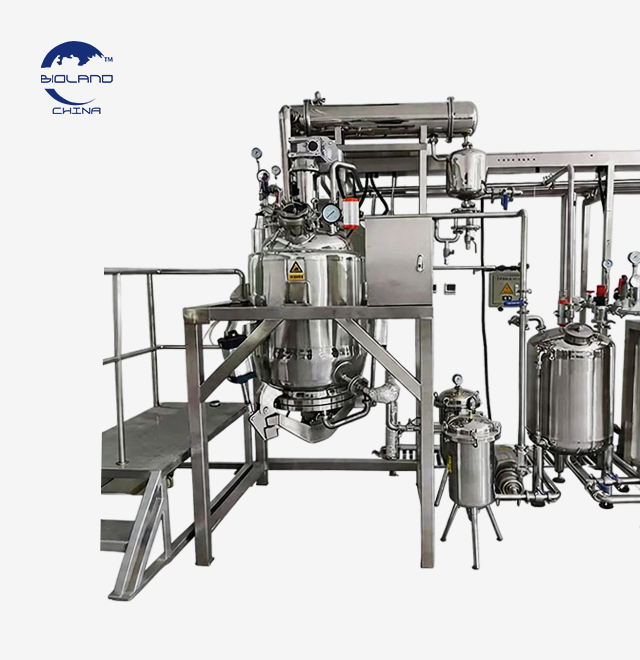
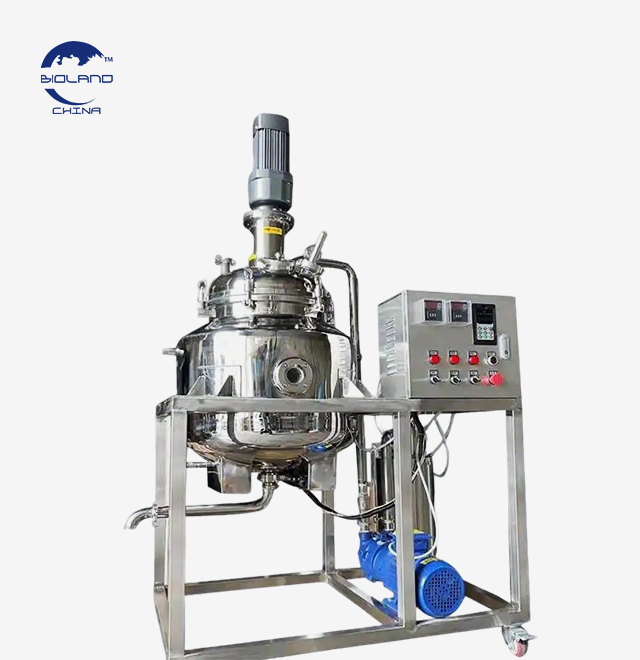
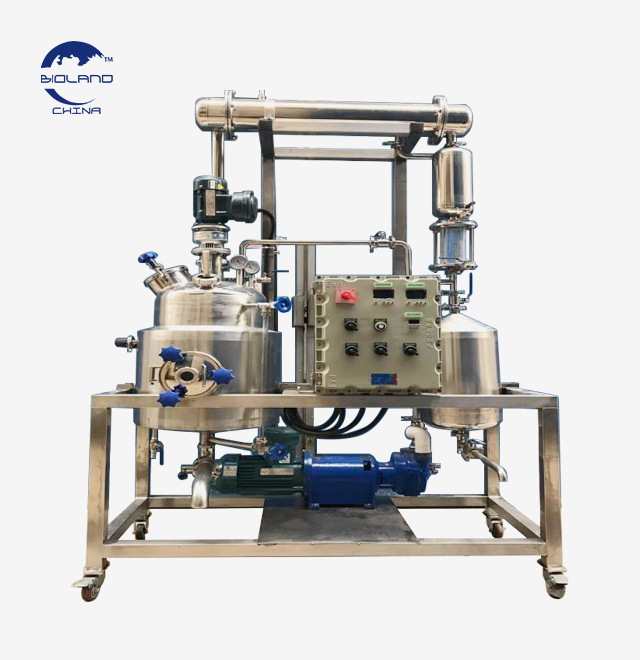
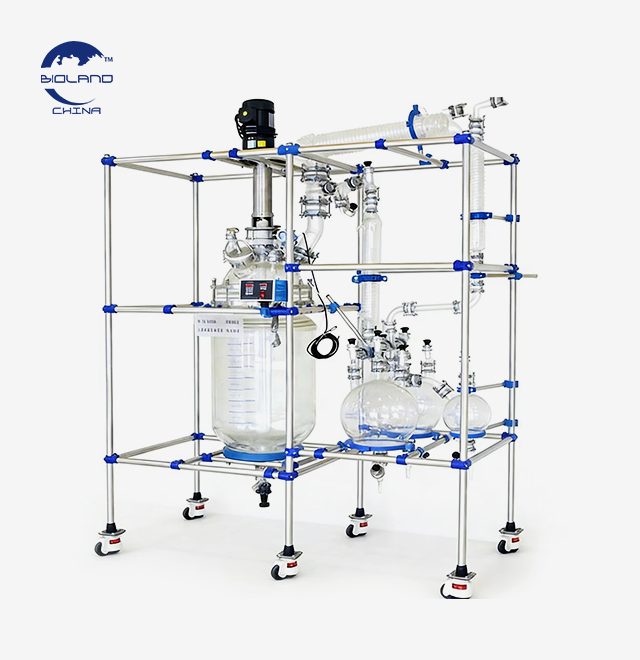
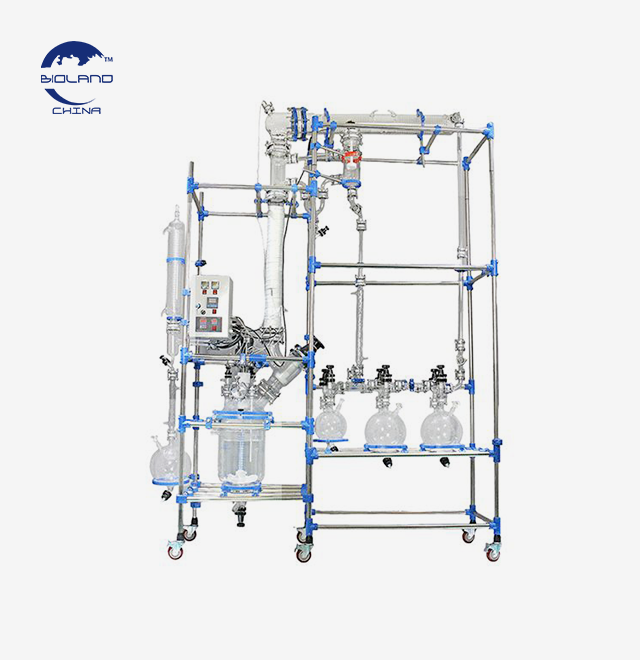
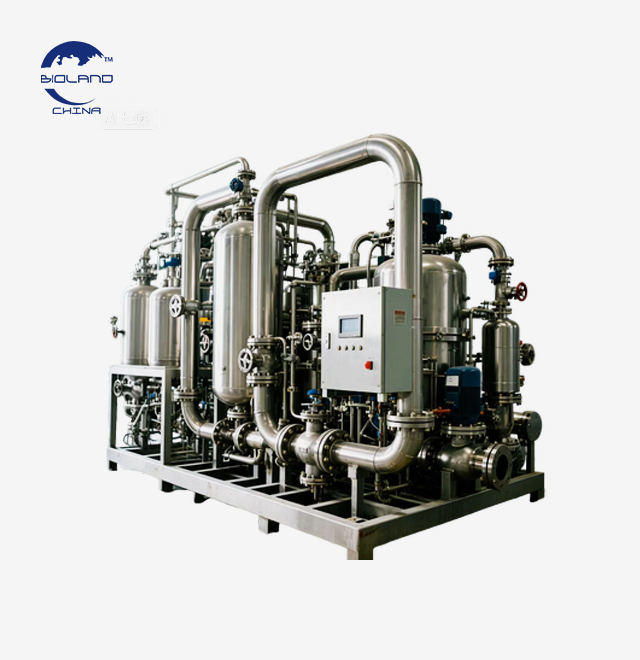
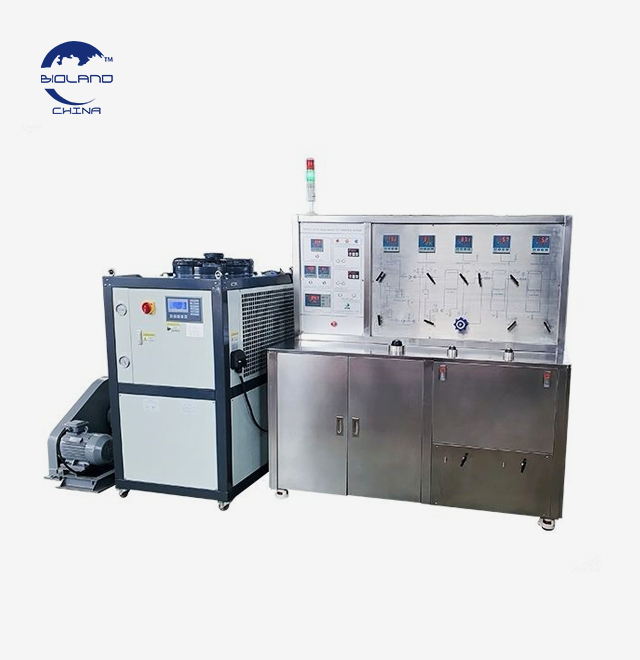
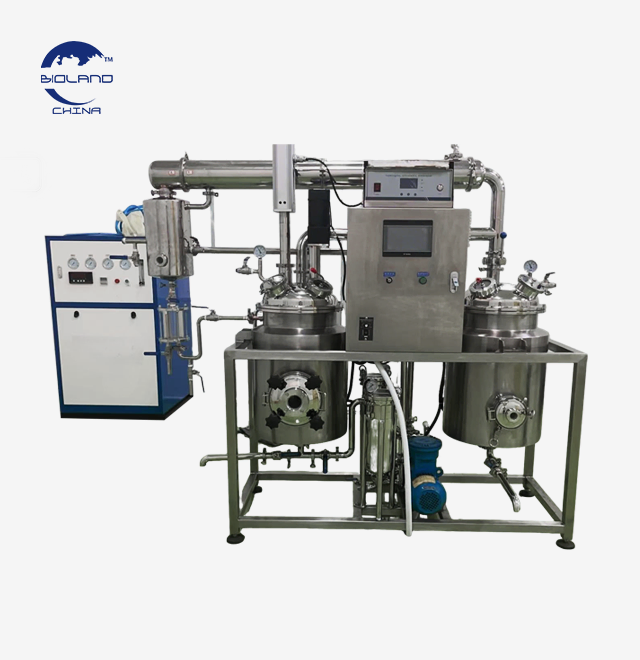
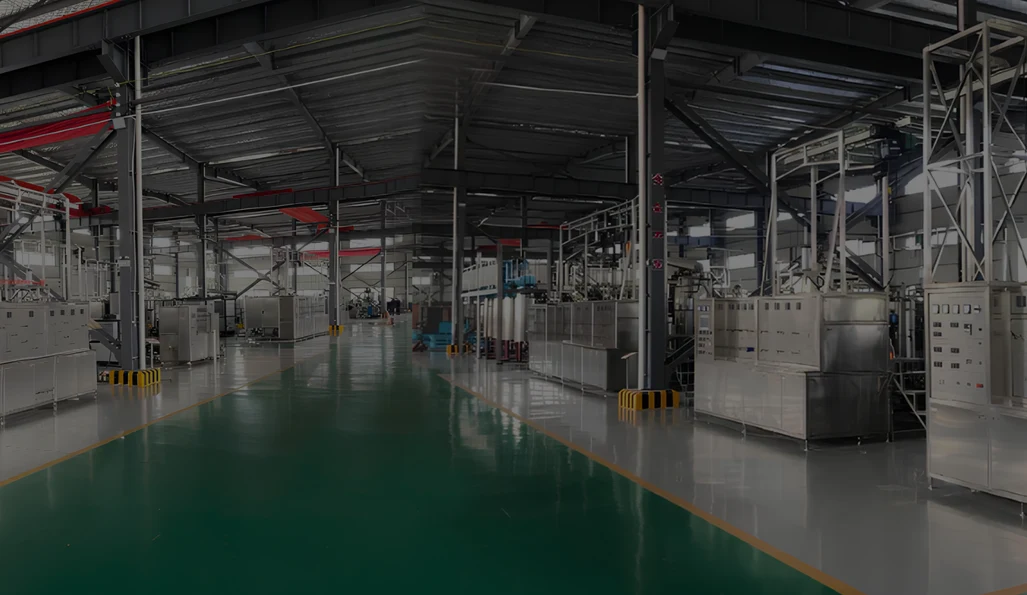
A botanical extraction machine is an industrial-grade system engineered to isolate bioactive compounds—such as alkaloids, flavonoids, essential oils, and terpenoids—from raw plant biomass through controlled solvent-based or mechanical processes. These machines automate critical extraction parameters including temperature, pressure, and processing time, ensuring consistent yield and purity across production batches. Unlike traditional manual maceration methods, modern extraction systems integrate advanced technologies such as ultrasonic-assisted extraction (UAE), organic solvent extraction (OSE), and closed-loop solvent recovery, enabling pharmaceutical, nutraceutical, and cosmetic manufacturers to scale operations while maintaining strict regulatory compliance and product quality standards.
Comprehending Botanical Extraction Machines
Core Principles and Definitions
At their core, these systems use solvent-based or mechanical separation methods to pick out specific chemicals while ignoring inactive plant matter like lignin and cellulose. Differential solubility is what the extraction process is based on. Under controlled conditions, bioactive chemicals dissolve more readily in certain solvents, such as ethanol, hydrocarbons, supercritical CO2, or water. Temperature, pressure, liquid flow rate, and contact time are carefully controlled to get the best yield and keep heat-sensitive substances from breaking down too quickly.
When you're reviewing vendor specs, the language can be hard to understand. Most solvent extraction units work at room temperature or slightly higher pressures and use ethanol or other organic solvents to get alkaloids, tannins, and polyphenols out of plants. Supercritical CO2 systems work at temperatures around 31°C and pressures above 1,070 psi. This makes them perfect for getting volatile oils and cannabinoids out of plants without leaving behind solvents. The botanical extraction machine, utilizing ultrasonic extractors, breaks down plant cell walls through cavitation effects. This speeds up the diffusion process and cuts processing time by up to 70% compared to old-fashioned ways.
Machine Types and Automation Levels
For different business needs, different extraction methods are used. Rotary evaporators are often used in small R&D and quality control labs to remove solvents from recovered solutions and concentrate them. Solvent extraction units with jacketed vessels can control the temperature of maceration or percolation, making them good for making medicines and standardized extracts in medium-sized batches. When it comes to pharmaceutical API separation, where residual solvent limits must meet USP standards below 5000 ppm for Class 3 solvents, supercritical fluid extraction (SFE) methods give the purest outputs.
Levels of automation change a lot between makers. Entry-level systems have analog gauges and hand buttons that need to be watched over all the time by an operator. Mid-range equipment has digital controls that have pre-set recipes but can only log a small amount of data. Some of the best industrial machines that BIOLAND engineers build for pharmaceutical clients have full PLC automation, touchscreen HMIs, real-time process monitoring, automated CIP (clean-in-place) cycles, and electrical parts that are explosion-proof and certified to ATEX and IECEx standards for solvent environments.
Real-World Applications Across Industries
Companies that make medicines use these tools to get active ingredients like taxol and artemisinin from Pacific yew leaves and sweet wormwood. For production to go smoothly, there must be clear paperwork (IQ/OQ/PQ procedures), compatibility with ISO 7 cleanrooms, and no chance of cross-contamination between batches. To keep costs down, companies that make nutraceuticals that handle CBD, curcumin, or ginseng extracts focus on high solvent recovery rates and high production efficiency. When cosmetic ingredient sellers remove rose oil, chamomile extracts, or algae-based actives, they do so at low temperatures, usually between 40°C and 60°C, to protect the delicate aromatic profiles and bioactive potency.
Making natural flavors, colors, and useful ingredients are some of the things that are used in food preparation. To get capsaicin from peppers, steviol glycosides from stevia leaves, or polyphenols from grape seeds, you need designs that are GMP-compliant, made of sanitary-grade stainless steel, and that can fully track the raw materials all the way to the finished extract.
Technical Insights: How Botanical Extraction Machines Work?
Extraction Principles and Critical Parameters
For solvent-based extraction to work, you need to choose a liquid that is neutral enough to target certain types of compounds. A lot of different polar and semi-polar substances can be extracted with ethanol. These include flavonoids, saponins, and others. Non-polar fats and essential oils are what hexane goes after. You can change the sensitivity of supercritical CO2 by changing the pressure and temperature. This lets different groups of compounds from the same material be separated one after the other. Mechanical methods, like cold pressing or steam distillation, don't use any solvents at all, but they usually produce less and can't be used to pick out certain compounds.
Temperature control has a direct effect on how well the extraction works and how good the result is. Higher temperatures speed up the rates of solubility and diffusion, which cuts down on processing time but could damage sensitive molecules like vitamins and terpenes. These chemicals are kept safe by low-temperature extraction between 40°C and 60°C, but it needs longer contact times or improvement methods like ultrasound cavitation. Pressure affects both how solvents get into plant materials and how supercritical fluids behave in different phases. For consistent results in a botanical extraction machine, it is important to precisely control the pressure.
The processing time strikes a mix between getting the most out of the resources and making the most money. Multi-stage counter-current extraction, in which new liquid gradually comes into contact with almost-depleted plant material, gets recovery rates of 95% or higher in 24 to 40 minutes, compared to 4 to 8 hours for traditional maceration methods. This huge drop immediately raises the amount that can be made and lowers the cost of work.
Automation and Control Systems
Programmable logic controllers (PLCs) are built into modern extraction tools and run set recipes with little help from an operator. The recipe's details, like liquid flow rates, extraction temperature profiles, pressure setpoints, and cycle lengths, are saved digitally and can be retrieved to make sure that each batch is the same. Monitoring important process factors in real time sets off automatic changes or alarms when deviations happen, keeping the quality of the product and the integrity of the equipment safe.
Data logging makes audit trails that are needed for FDA checks and GMP compliance. Temperature graphs, pressure histories, and solvent usage records are made for each run and timestamped. These records can be exported for quality control analysis. Advanced systems can talk to each other using Ethernet or industrial protocols, which lets them work with SCADA systems that are used across the whole plant and let expert teams watch them from afar.
Sensor systems have come a long way. Capacitance level monitors keep track of the solvent and extract amounts without touching them, which keeps them from getting dirty. The PT100 RTDs can measure temperatures accurately to within ±0.5°C over their whole working range. Safety is ensured in explosion-proof shelters by pressure sensors that can handle corrosive solvent vapors. Inline refractometers or UV spectrophotometers let you check the strength of the extract in real time, which helps you figure out the best time to stop the extraction processes.
Maintenance and Safety Protocols
Maintenance plans have a direct effect on how much time equipment is used and how reliable it is in the long run. Gaskets and seals in solvent paths need to be checked and replaced every 500 to 1000 hours of operation, based on how aggressive the solvent is. When the difference pressure goes over certain limits, filter elements in liquid recovery systems need to be cleaned or replaced. To keep their pulling power, vacuum pumps need to have their oil changed and their seals maintained according to the manufacturer's instructions.
Managing flammable liquid dangers is at the heart of safety rules. When put in a classified dangerous area, electrical equipment must meet Class I Division 1 or Division 2 standards and have fundamentally safe parts and purged casings. Motors, switches, and circuit boxes that are explosion-proof stop sources of fire. Automatic shutdown interlocks on solvent gas detection systems keep people and property safe. Keeping the air moving and the pressure low stops vapor from building up, and exhaust fans that are explosion-proof and rated for constant service can do this.
In business settings, it is necessary to have fire control systems, eyewash stations, and ways to keep spills from spreading. Accidents are less likely to happen when operators are fully trained on lockout-tagout processes, the need for personal safety equipment, and how to handle an emergency. Regular checks by a third party of pressure tanks and safety release valves make sure that the code is still being followed.
Choosing the Right Botanical Extraction Machine for Your Business
Matching Extraction Methods to Product Profiles
Which extraction method gives you the best results depends on the chemicals you want to get rid of. To keep volatile monoterpenes, essential oils that are sensitive to heat, like peppermint or lavender, need to be steam distilled or extracted with subcritical CO2 below 40°C. Using water-based ethanol at room temperature is a good way to get polar antioxidants like proanthocyanidins from grape seeds. Hydrocarbon or supercritical CO2 extraction followed by winterization to get rid of waxes and chlorophylls is the best way to get non-polar cannabis that are very pure.
The size of the production has a big effect on the choice of tools. For method creation and small-batch tests, laboratory R&D usually uses 2–5 liter extraction vessels that are operated by hand. Pilot-scale businesses that want to go commercial need 20-100 liter systems with semi-automated controls and proof that they can be expanded to bigger production units. For full industrial making, you need a botanical extraction machine with tanks that hold 200 to 1000 liters and are fully automated with solvent recovery and inline filters.
Evaluating Suppliers and Customization Options
When evaluating possible suppliers, it is very important that they have a lot of experience making things in your business. A vendor that has been used to make pharmaceutical APIs knows about FDA validation standards, cleanroom compatibility, and paperwork processes that food processing providers might not. Asking for reference setups, case studies, and customer contacts can help you figure out how well the equipment will work in the long run and how quick the provider is.
The ability to customize tools tells you if it really meets the needs of your process or if it forces you to make changes to your routine. We've designed extraction lines for companies that process stevia and need alcohol precipitation steps built in, companies that make curcumin and need ultrasonic enhancement inline, and companies that extract propolis and need explosion-proof systems for high-ethanol-concentration environments. Standard catalog equipment couldn't meet the needs of each application when it came to material suitability, process sequence, and regulatory compliance.
Companies that are developing their own extraction methods or named equipment lines can benefit from OEM and ODM agreements. Turnkey services include planning the workshop, choosing the right equipment, supervising the installation, finding the best way to run the process, teaching the operators, and providing ongoing technical support. These services shorten project timelines and make cooperation easier. BIOLAND's method includes assigning project managers who keep weekly records of progress with photos and videos. This makes sure that everything is clear from the initial buy order to the final acceptance testing.
Delivery, Installation, and After-Sales Support
Delivery times affect both project plans and cash flow. Standard stock equipment usually ships within 5 to 7 business days and can be used to repair units or add to the capacity. It takes 30 to 45 work days to build, test, and follow quality assurance processes for custom-engineered systems. Shipping methods, like ocean freight to save money, air freight for quick deployments, or rail for delivery within the entire United States, all affect both cost and wait time. Damage during international shipping can be avoided by using the right packing, which includes treatments that stop rust, shock-mounted parts, and safe crates.
There are different levels of installation services, from simple equipment placement to full turnkey completion. Basic transport brings equipment to your building, and it's up to your team to connect the utilities, start up the equipment, and make sure it works properly. Full installation packages include moving the machine, connecting the power, water, steam, and compressed air, starting up the system, checking its performance against standards, and training the user. Factory Acceptance Testing (FAT) at the manufacturer's plant before shipment finds problems early, which cuts down on the time and money needed for commissioning on-site.
The quality of after-sales help is what sets trustworthy partners apart from transactional sellers. Technical questions can be answered by lifetime technical support by phone, email, and videoconferencing, so you don't have to pay for expensive service calls. A one-year guarantee and a stockpile of spare parts that are easy to get reduce downtime when parts break. Preventive maintenance training programs teach your staff how to take care of equipment properly, which makes it last longer and lessens your reliance on outside service providers. As your product lines change, software changes and process improvement advice can help you adapt your equipment.
Advanced Features That Drive Extraction Performance
Knowing which technology specs add real value to production helps you avoid spending money on features that aren't needed while still making sure that important features are included. When considering equipment offers, the following features of a botanical extraction machine make a big difference in how well they work.
Multi-Process Extraction Capabilities
Systems that can be used in various extraction modes get the most out of the tools across a wide range of products. Hot reflux extraction moves a hot liquid through plant matter. This is a great way to get chemicals that don't change when heated, like antioxidants and tannins. Ultrasonic-assisted extraction (UAE) creates cavitation bubbles that break down cell walls physically. This speeds up the extraction process by 50–300% and cuts the time it takes to process each batch to 24–40 minutes. Aromatic oil extraction by steam distillation makes essential oils that are pure enough for use in medicine and food. Using ethanol, hexane, or acetone for organic solvent extraction (OSE) targets certain types of compounds by matching their polarities.
This adaptability is important when your product development team comes up with new recipes or when the market starts to want different plant-based ingredients. Instead of buying separate equipment for each type of product, multi-process systems can adapt to changing production needs. This protects your building space and capital investment.
Dual-Condenser and Solvent Recovery Systems
How well abotanical extraction machine recovers solvents has a direct effect on both running costs and environmental compliance. Standard single-condenser designs usually get back 85–92% of the process fluids, which means that they have to keep buying more and making a lot of dangerous trash. In dual-condenser setups, there is an extra chilling stage that grabs gas that is leaving from the main condenser. This makes recovery rates higher, to 98.5% to 99.5%. This increase cuts solvent purchasing by 40–60% a year for high-volume operations, while also lowering the costs of getting rid of waste and the work needed to file regulatory reports.
Closed-loop systems replenish solvents constantly between extraction and recovery steps, so they don't need to be moved by hand or between storage tanks. This method keeps workers from coming into contact with dangerous fumes, lowers the risk of fire, and speeds up batch runs by getting rid of the need for pump-down and transfer steps. Molecular sieve desiccant beds remove moisture automatically, keeping the solvent pure over hundreds of cycles and stopping water buildup that would lower the extraction efficiency.
Dual-Ultrasonic Configuration for Enhanced Efficiency
Optional dual-ultrasonic systems put sensors inside the extraction vessel and on the outside of the vessel wall. This creates overlapped cavitation zones in the mixing of solvent and plant material. This setup gets rid of acoustic dead zones where cells stay whole because the ultrasonic waves aren't strong enough. This makes sure that the extraction is the same across the whole batch. Studies in the lab show that chemicals that are hard to remove, like glycosides and alkaloids that are stuck in lignified cell structures, can produce 50–200% more.
The technology works just as well in 5-liter reactors in the lab as it does in 500-liter production units in the factory, with no loss of performance. The acoustic strength and frequency can be controlled throughout the entire working range. Tuning the frequency between 20 and 40 kHz works best for different types of plant materials. Lower frequencies work best for tough roots and bark, while higher frequencies work best for delicate flowers and leaves. Digital generators that automatically sweep frequencies stop standing waves from forming, which would lead to hot spots and uneven extraction patterns.
GMP Compliance and the Quality of the Materials
Good Manufacturing Practice rules say how tools should be designed, what materials should be used, how easy they are to clean, and how much paperwork needs to be kept. This includes pharmaceutical, nutritional, and food-grade extraction operations. GMP-compliant extraction systems are made of sanitary-grade stainless steel and have electropolished inner surfaces with a roughness of 0.8µm or less. This stops biofilm from forming and allows validated cleaning methods to be used. All parts that come into touch with the product are made of FDA-approved materials, such as 316L stainless steel to prevent corrosion, PTFE gaskets and seals, and sanitary tri-clamp connections that make it easy to take the whole thing apart for inspection.
Design elements help with cleaning validation: sloped vessel bottoms allow for full drainage without any leftover heel volumes; spray ball assemblies cover all 360 degrees during CIP cycles; and jacketed construction allows for thermal sanitization up to 121°C. Material approvals, pressure tank code compliance (ASME Section VIII), dimensional drawings, P&ID diagrams, and operation/maintenance guides are all part of documentation packages that meet regulatory requirements during facility audits.
Customizing materials takes into account certain chemical processes. For water or low-concentration ethanol extraction, standard 304 stainless steel is enough. Plants that are high in acid, like hibiscus or lemon peels, need 316L stainless steel, which is very resistant to rust. Hastelloy C-276 or glass-lined steel may be required for specialty uses that use highly corrosive liquids or extreme pH levels, but these materials make equipment much more expensive.
Modular Functional Configuration
The modular design philosophy lets you buy basic extraction capabilities at first and then add functional parts as production needs change or as budgets allow. Base systems have a heating/cooling jacket, a drainage tank, agitation, and simple settings that can be done by hand. Full explosion-proof electrical packages for Class I Division 1 hazardous areas, automated CIP systems with proven cleaning processes, automated discharge devices with in-line filters, and built-in crystallization reactors for direct downstream processing are some of the optional modules that can be added to make the system more useful.
This staged investment method lowers the amount of original capital you need while still giving you ways to improve as your business grows. We've worked with biotechnology startups that started out with semi-automated 50-liter systems and added automation modules, capacity increases, and downstream connections as the product was tested and new income streams were created. The flexible method kept costs down by not needing too much capital in the beginning, when things weren't clear, and by not having to replace all the equipment when it was time to grow.
Conclusion
Botanical extraction tools are important pieces of equipment that make it possible for the pharmaceutical, nutraceutical, and skincare businesses to consistently and scalable make high-value bioactive chemicals. When choosing the right botanical extraction machine, you have to weigh technical performance factors like extraction efficiency, automation level, solvent recovery capability, and regulatory compliance against practical factors like budget constraints, supplier experience, customization options, and the quality of after-sales support.
Modern extraction systems with ultrasonic enhancement, dual-condenser solvent recovery, PLC automation, and GMP-compliant construction offer measurable benefits, such as 50–500% higher efficiency, processing time cuts of more than 65%, and lower operational costs due to less solvent use and labor needs. As environmental laws get stricter and regulations get stricter, working with experienced manufacturers who offer tried-and-true technologies, full validation support, and long-term technical collaboration can give your business a long-term competitive edge in global markets that are always changing.
FAQ
What are the primary benefits of using botanical extraction machines?
These systems make sure that the quality of each batch is the same because they automatically control the parameters. They also make extraction much more efficient—often by 50–100% over traditional methods—and cut the time it takes to process from hours to 24–40 minutes. Regulatory compliance is made possible by recorded process controls and GMP-compliant building. Operating costs are lowered by high-efficiency solvent recovery systems that collect 98% or more of process solvents.
How should I maintain extraction equipment for optimal longevity?
As part of regular maintenance, gaskets and seals should be checked and replaced every 500 to 1000 hours of operation. Filtration elements should be cleaned or replaced when the differential pressure rises, vacuum pumps should be serviced according to the manufacturer's schedule, and temperature and pressure sensors should be calibrated on a regular basis. Create preventive maintenance logs that keep track of when parts have been replaced and how they've been performing over time. This will help you predict breakdowns before they cause unplanned downtime.
Can botanical extraction systems be customized for specific plant materials?
Of course. Customization takes into account many things, such as the right-sized vessel for your batch sizes, the right-grade material (316L stainless steel for corrosive extracts), the best extraction method (ultrasonic, reflux, or OSE) for your compounds of interest, the compatibility of the solvent with temperature control, and the level of automation, ranging from manual to fully PLC-controlled. Experienced makers can help you create a process and find the best specifications for your plants.
Partner with BIOLAND for Advanced Extraction Solutions
To take botanical extraction from the lab to a solid industrial level, you need tools partners who understand both the technical details and the day-to-day challenges you face. BIOLAND INSTRUMENT has been designing and building a botanical extraction machine for pharmaceutical active pharmaceutical ingredients, nutritional standardized extracts, and cosmetic active ingredients for 15 years. Our list of satisfied clients includes production lines that successfully process stevia, propolis, capsaicin, curcumin, and mushroom extracts. These uses present a wide range of technical challenges, ranging from volatile substances that are sensitive to heat to polysaccharides that are hard to separate.
Our engineering skills cover the whole process customization, including using 316L stainless steel for corrosive uses, designing dual-condenser systems that get the most out of solvent recovery, making explosion-proof systems that meet ATEX and NFC standards, and setting up fully automated PLC controls with tested cleaning cycles. Whether you need a seller of botanical extraction machines to quickly add more capacity or an OEM development partner for your own extraction technologies, our ISO and CE-certified manufacturing can meet your exact needs and meet your deadlines. Get in touch with our expert team at info@biolandequip.com to talk about how our tried-and-true extraction methods can help you make more products and get them to market faster.
References
1. Smith, R. L., & Wormwood, K. L. (2019). Industrial Botanical Extraction: Principles, Equipment and Applications. Academic Press.
2. Zhang, Q. W., Lin, L. G., & Ye, W. C. (2018). Techniques for extraction and isolation of natural products: a comprehensive review. Chinese Medicine, 13(1), 20-45.
3. Azmir, J., Zaidul, I. S., Rahman, M. M., Sharif, K. M., Mohamed, A., Sahena, F., & Omar, A. K. M. (2013). Techniques for extraction of bioactive compounds from plant materials: A review. Journal of Food Engineering, 117(4), 426-436.
4. Chemat, F., Vian, M. A., & Cravotto, G. (2012). Green extraction of natural products: concept and principles. International Journal of Molecular Sciences, 13(7), 8615-8627.
5. Wang, L., & Weller, C. L. (2006). Recent advances in extraction of nutraceuticals from plants. Trends in Food Science & Technology, 17(6), 300-312.
6. Kaufmann, B., & Christen, P. (2002). Recent extraction techniques for natural products: microwave-assisted extraction and pressurised solvent extraction. Phytochemical Analysis, 13(2), 105-113.
The reactor is beautifully mirror-polished and fully complies with GMP requirements for the pharmaceutical industry. The performance is excellent! Overall, we are very satisfied! We also provided with some feedback on our process improvements, which we hope will be helpful.
2024-04-09
Laboratory
Excellent and professional service. Always reply our questions very fast. All reactors and chiller we received are good too.
2024-02-15
Research Institute
Quality is beyond our expectation actually. After we got the extraction equipment and started using it, the performance was beyond our expectation. Very easy to use and very efficient to run. Service always respond us very quickly. Was also very helpful to help us. Thanks Bioland team. Very happy to work with you.
2023-11-20
Biotech Company
We are happy about the new purchase as always. Equipment and services are both good.
2023-08-05
Instrument Lab
This is the second order with Bioland instrument and everything is good as the first dateText.
2023-05-12
Global Trading Partner
Bioland instrument team is very helpful and professional. The sales helped us select the right equipment for our application, and their logistics people handled the transportation and customs declaration for our shipment. All that saved us a lot of work.