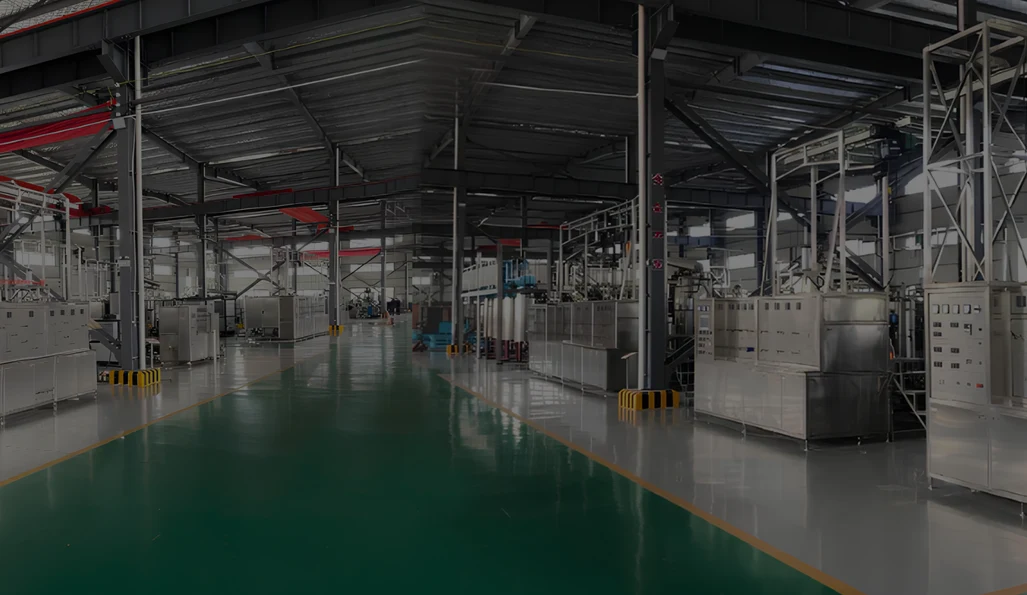
In the pharmaceutical, research, food processing, and fine chemical industries, extraction equipment is very important. But even the most sophisticated ultrasound assisted extraction machine has problems that keep happening and drive up costs. Some of the most common problems are mechanical failures like transducer wear and cavitation erosion, inconsistent extraction rates, equipment that gets too hot, unstable power, and problems when moving from the lab to the work setting. These issues usually happen because the process factors aren't right, the quality of the parts isn't good enough, the operators haven't been trained well enough, or the surroundings is too harsh. Knowing about these problems helps engineers and purchasing managers choose strong equipment that works well in a variety of situations and is stable.
Introducing Common Problems with Ultrasound Assisted Extraction Machines
These days, extraction technologies have changed the way we separate useful chemicals, but they also have their own problems that need to be solved. Finding and fixing these problems quickly will keep your return on investment safe and save you money on costly downtime.
Mechanical Component Failures and Wear
When they are working, transducers and ultrasonic horns are put under a lot of mechanical stress. These parts wear away over time because acoustic cavitation is always happening, which is when tiny bubbles form and then rapidly burst. High-quality titanium metal construction makes things last a lot longer, but even the best materials need to be maintained at some point. When sensors wear out, extraction rate goes down and energy use goes up.
Medical-grade titanium units usually last thousands of operating hours, while low-quality horns can break after only a few hundred hours of use. Unexpected breakdowns can be avoided by working with makers that offer genuine replacement parts and setting up regular inspection plans. Modularly built equipment lets parts be replaced more quickly without stopping whole production lines.
Inconsistent Extraction Efficiency
Different extraction results are annoying for both R&D teams and production managers. This lack of stability is usually caused by the ultrasonic settings not being calibrated correctly or changes in the properties of the raw materials from batch to batch. When frequency, amplitude, or pulse length move out of their ideal areas, cavitation strength decreases, which slows down the transfer of mass.
The amount of moisture in the material, the size of the particles, and the structure of the cell walls all affect how well ultrasonic waves can enter plant matrices. It's hard to get the same results over and over again without standard pre-treatment procedures and real-time monitoring tools. PLC automation in advanced systems keeps a tight grip on these factors, making sure that performance stays the same from test batches to full-scale production runs.
Overheating and Temperature Control Challenges
Acoustic cavitation naturally makes heat because energy moves through the liquid. A lot of beneficial substances, like proteins, antioxidants, and essential oils, break down quickly above certain temperatures. When using traditional extraction methods, heat can damage the material. Even though ultrasonic extraction works at lower temperatures, heat can still build up during long runs if the cooling systems aren't good enough.
Jacketed tanks and external chillers that constantly control temperature throughout the extraction cycle are part of professional-grade equipment. Keeping processes between 40°C and 60°C protects heat-sensitive components and improves the efficiency of extraction. When thermal management isn't done right, the quality of the product goes down and energy costs go up as workers try to make up for longer working times.
Power Supply Instability and Electrical Issues
Ultrasound assisted extraction machines demand stable electrical input for consistent wave generation. Voltage fluctuations or power harmonics create amplitude instability, affecting cavitation intensity. These disturbances are especially detrimental to continuous production facilities operating in areas with unreliable public power infrastructure.
You can protect yourself from these factors by buying tools with built-in power cooling and automatic amplitude correction. Units that meet IEC and UL standards have safety features that keep the process stable and stop damage from electricity problems. Facilities that work with dangerous solvents like ethanol or hexane need ATEX-certified systems to add important safety features.
Scaling Difficulties from Laboratory to Production
Bringing an extraction process that has been tested in a lab to an industrial scale is one of the most common problems that people have. It's easy to control the parameters of lab-scale units that work with small quantities, but it's hard to keep the specific energy input (Ws/mL) and amplitude the same across hundreds of liters without the right engineering help.
Linear scaling depends on reproducing the sound conditions, not just making the box bigger. Manufacturers with a lot of experience with scaling up make systems that protect the sound surroundings while meeting higher output needs. Dual-ultrasonic designs spread cavitation energy more widely over bigger volumes, keeping extraction uniformity that is hard for single-transducer systems to do on a large scale.
Comparing Ultrasound Assisted Extraction with Traditional Extraction Methods—Why Problems Occur?
Understanding how ultrasonic extraction is fundamentally different from standard methods helps explain why problems happen when workers use old ways of thinking on new machines.
The Fundamental Difference: Acoustic Cavitation vs. Thermal Diffusion
Usually, Soxhlet extraction and maceration work by using heat and staying in contact with the solvent for a long time to help it move through plant cell walls. These methods take hours or even days, use a lot of liquid, and put temperature-sensitive chemicals at risk of breaking down. Ultrasonic extraction uses acoustic cavitation, which is the formation, growth, and rapid bursting of very small bubbles, to break up cell structures within minutes.
This mechanical action creates strong shear forces and tiny jets that break through cell walls much more effectively than heat diffusion alone. The process cuts processing time by more than two-thirds and increases extraction efficiency by 50–500% compared to traditional methods. But this power needs to be carefully managed; too much cavitation intensity hurts delicate molecules, and too little intensity leads to less-than-ideal results.
Why Misapplied Parameters Lead to Perceived Failures?
A lot of the time, operators who are used to using old methods think that "more power equals better extraction" or "longer time improves yield." These wrong ideas don't take into account the delicate balance that is needed for acoustic cavitation. Continuously running at full amplitude can lead to too much burning and chemical shearing, which can lower the quality of the product even if the yield is high.
Picking the right frequency is very important. Systems running at 20 kHz make cavitation bubbles that are bigger and more violent, which works well for strong matrices. On the other hand, systems running at higher frequencies make effects that are softer, which works better for weak compounds. Pulse mode operation goes back and forth between busy and rest times. This lets heat escape and stops sound waves from streaming, which makes cavitation less effective. Multiple extraction modes (UAE, hot reflux, aromatic oil extraction, and organic solvent extraction) can be used on the same equipment, which lets you adapt the process conditions to the qualities of the material.
The Role of Proper Training and Process Development
Many of the problems that have been reported with extraction are not caused by machine limitations but by poor user training or process development. To make a lab process work in production, you need to know how the shape of the vessel, the way the liquid flows, and the amount of material in the vessel all affect the acoustic field spread.
These problems are greatly reduced when manufacturers offer full installation, setup, and professional training services. Protocols that have been written down from successful production lines for stevia, propolis, capsaicin, curcumin, and mushroom extractions give us a good place to start that speeds up process improvement. Working with providers who have been in the business for 15 years or more gives you access to this information base.
Process Parameters and Their Role in Minimizing Problems
Learning how to optimize process parameters is what separates successful extraction operations from those that have fixing too much and getting inconsistent results.
Critical Control Variables
In an ultrasound assisted extraction machine, cavitation intensity is directly related to ultrasonic power density (watts per liter). Too low, and extraction is incomplete; too high, and equipment overheats—potentially degrading sensitive compounds. Bubble size and collapse violence depend on frequency selection (typically 20–28 kHz for industrial use). Adjusting amplitude from 20% to 100% of maximum displacement fine-tunes energy delivery to match material properties.
The temperature of extraction has a big effect on both the qualities of the solvent and the stability of the molecule. Working at 40–60°C strikes a balance between the risk of heat damage and the solvent's ability to penetrate. Optimization of the extraction time stops both poor extraction and energy waste. The amount of solvent to solid affects the mass transfer driving force; too much solvent raises the cost of handling further down the line, while too little solvent limits output.
Practical Optimization Strategies
Finding the best working windows is done by screening parameters in a planned way during the process development. Design-of-experiments (DOE) methods are very good at showing how variables interact with each other, which is something that single-factor testing doesn't do. Once set, automatic PLC control systems keep values within very small ranges. This eliminates human error and makes sure that consistency is maintained from batch to batch.
Temperature, power draw, and pressure can all be monitored in real time by modern devices. When you combine this data with analytics for extraction yield, you get a feedback loop that helps you keep getting better. Maintaining the same amount of specific energy input from the lab to the test production stage is important for keeping the process faithful. Dual-condenser devices increase the rate of solvent recovery, which lowers running costs and meets environmental standards.
Case Study: Curcumin Extraction Optimization
Turmeric curcumin extraction shows the benefits of parameter tuning. The old way of doing Soxhlet extraction takes 6–8 hours and uses a lot of fluid. When ultrasonic extraction is optimized, it takes 30–35 minutes and uses 40% less ethanol. By keeping the temperature at 55°C and the amplitude at 70% in pulse mode, makers get 15–20% more curcumin while keeping its antioxidant action better than with thermal methods.
This difference in performance is caused by exactly managed cavitation, which breaks up turmeric's fibrous structure without making too much heat. The closed-loop system combines ultrasonic extraction with exact filter, low-temperature concentration, and solvent recovery to make a production line that is both cost-effective and efficient. Similar success stories have been reported for extracting capsaicin, propolis, and fungus polysaccharides. This shows that the technology can be used in a wide range of situations.
Maintenance, Troubleshooting, and Longevity of Ultrasound Assisted Extraction Machines
Proactive upkeep and methodical fixing are very important for keeping equipment in good shape and making sure it works consistently.
Essential Maintenance Protocols
When you clean it regularly, you stop gunk from building up, which slows down cavitation and lets germs grow. CIP (Clean-in-Place) methods make cleaning processes automatic, making sure that conditions are clean enough to meet GMP/FDA standards. When you rinse after processing, you should use the right chemicals to get rid of any leftover extracts without hurting the seals or gaskets.
Scheduled inspections of transducers and probes find early signs of erosion before they fail completely. Visual checks for cracking, cracks, or darkening show fast wear that needs attention. Titanium horns should always have smooth surfaces; rough spots stop sound from traveling and let bacteria grow. For pharmaceutical uses, 316 stainless steel contact parts are better at resisting rust and make confirmation easier.
In an ultrasound assisted extraction machine, stability of performance is directly affected by the quality of the electrical connections. Impedance mismatches happen when wires are loose or ends are corroded. These make power transfer less efficient. Wiring, connectors, and grounding systems should be checked every three months to avoid intermittent problems that make debugging harder. Leaks that contaminate goods or pose safety risks can be avoided by replacing wearable parts like seals, gaskets, and O-rings as directed by the maker.
Systematic Troubleshooting Approaches
Systematic analysis quickly finds the reasons why extraction efficiency drops when it shouldn't. First, make sure that the power output fits the set points. If a generator isn't working right, the volume will usually go down. Changes in temperature can mean that the cooling system isn't working right or that there is too much power. Noise patterns that aren't normal can be a sign of cavitation instability or mechanical resonance problems.
Material problems require separate consideration. Changes in particle size or moisture content from batch to batch affect the rate of extraction regardless of how the equipment is set up. Getting rid of these differences is as easy as standardizing the raw materials and the steps used before they are used (like grinding and drying). Re-validation makes sure that parameter sets are still correct when plant sources are changed.
A habit of documentation speeds up fixing and the sharing of knowledge. A reference database is made by keeping track of working parameters, maintenance tasks, and performance measures in the form of logs. When issues appear, quickly identifying differences between present circumstances and past baselines is made possible. Digital tracking systems automate this paperwork and let maker support teams do repairs from afar.
The Value of Professional Support Services
Companies that offer full after-sales help train their expert teams to work only with their equipment designs. These experts can see small signs that in-house staff might miss, which means that problems are fixed faster with less impact on production. Service deals that promise reaction times protect against long periods of downtime during crucial production times.
One-year quality warranties with choices for upkeep for life show that the maker trusts the product to last. Having access to original spare parts through established supply lines keeps you from having to deal with the compatibility problems and performance drops that come with generic replacements. When changes or additions need to be made, working with the original equipment manufacturer makes sure that the engineering changes work well with the systems that are already in place.
Making Informed Procurement Decisions to Avoid Common Problems
Strategic procurement focusing on long-term reliability and supplier capabilities prevents many common operational problems before equipment arrives on-site.
Evaluating Manufacturer Credentials and Experience
The state of a certification gives you instant information about quality standards and legal compliance. The CE mark shows that the product meets European safety standards, and the ISO mark shows that the quality management system is mature. UL listing makes sure that setups in North America are safe for electricity. SGS inspection records provide third-party confirmation of the manufacturing process and the specs of the materials.
Industry experience directly leads to understanding of how to use a product and how reliable it is. Companies that have been making extraction tools for 15 years or more have seen many changes in technology and gained a lot of process knowledge. Their product lines are based on what they've learned from installing thousands of different products in a wide range of settings. This knowledge shows up in the design in the form of strengthened mounting points, better seal configurations, and optimized flow routes that stop common failure modes.
Look over written case studies and examples of ultrasound assisted extraction machine setups in your industry. Extraction lines that work well with stevia, propolis, or mushrooms show that the equipment can handle similar materials and process needs. Talking to current customers can give you information about supplier responsiveness, technical support quality, and any hidden costs not shown in specifications.
Customization Capabilities and Turnkey Solutions
Off-the-shelf tools doesn't always perfectly match the needs of a specific process. Suppliers who offer a lot of customization options, such as dual-ultrasonic setups, explosion-proof systems, organic solvent recovery integration, and automatic discharge devices, can change the equipment to fit your needs instead of making you make decisions on the process.
As a single project, turnkey service providers plan the workshop, choose the equipment, install it, test it, and train the operators. This all-around method makes sure that all the parts work together smoothly while also teaching the skills needed for solo operation. OEM and ODM features let you use private labels or custom designs that set you apart from competitors in your end markets.
GMP compliance from the planning stage to the operation stage makes regulatory approval easier for pharmaceutical and nutritional uses. Sanitary standards are very strict for equipment made of 316 stainless steel and having the right surface finishes (Ra < 0.8µm). Full documentation packages, including certifications for materials, validation methods, and operating procedures, speed up regulatory filings and audit replies.
Balancing Cost Against Total Ownership Value
The initial buying price is only a small part of what it costs to own the car. Long-term economics are greatly affected by how much energy is used, how often repair is needed, how much consumables cost, and how often the system goes down. More expensive, higher-quality tools often gives you a better return on your investment by lasting longer and working more consistently.
Delivery times affect both the plan and the flow of money for a job. Standard setups ship within 5–7 days, while customized systems take 30 business days to make. Making wait times clear during buying stops production delays and lets you plan for installation and commissioning activities correctly. Shipping choices that are flexible, like sea freight for low costs and air freight for quick delivery, can work with different project requirements.
The terms of the warranty and the supply of spare parts have a direct effect on practical risk. Full coverage for important parts for 12 months or more, plus choices for lifetime upkeep to keep repair costs as low as possible. Suppliers who keep large stocks of extra parts and multiple shipping routes make sure that mistakes can be quickly fixed, which protects production stability.
Conclusion
Mechanical dependability, process optimization, scale complexity, and upkeep needs are some of the problems that an ultrasound assisted extraction machine must deal with. Knowing these common issues and what causes them helps you make better decisions about buying and improve how you run your business. Modern ultrasonic extraction technology fixes many problems with older methods, like heat degradation, long processing times, and high fluid use. However, it also comes with new rules for controlling parameters and taking care of parts.
To be successful, you need to buy good tools from makers with a lot of experience, train your operators, keep up with preventative maintenance, and build strong relationships with your suppliers. Strategic procurement that puts certifications, customization options, full support services, and total ownership value at the top of the list builds extraction operations that reliably and efficiently produce high-quality products.
FAQ
Can ultrasonic extraction equipment handle flammable organic solvents safely?
ATEX-certified explosion-proof engines and pressurized, inert gas-purged containers make modern industrial units safe places to work with flammable solvents like hexane, isopropanol, and ethanol. Full safety systems have flame arrestors, pressure release devices, and automatic shutdown procedures that stop sources of ignition.
How can I keep metal bits from getting into the purified compounds?
The building of high-grade titanium metal (Ti-6Al-4V) reduces erosion, which causes particulate pollution. Wear rates can be lowered even more by doing regular maintenance and working within the limits set by the maker. Pharmaceutical uses that need outputs that are very clean can ask for 316 stainless steel contact parts or, in the worst cases, ceramic zirconia probes.
What factors decide how well a process can be scaled up from the lab to production levels?
Process accuracy is maintained by keeping the same specific energy input (Ws/mL) and sound amplitude between scales. It's important that the vessel shape, the amount of material loaded, and the way the liquid flows in bigger volumes are all the same as they are in the lab. Common mistakes can be avoided by working with producers who have experience with scale-up engineering.
Partner with BIOLAND for Reliable Ultrasound-Assisted Extraction Solutions
To solve extraction challenges, you need more than just good tools. You also need a business partner who cares about your long-term success. Xi'an BIOLAND Instrument Co., Ltd. has been making extraction, distillation, concentration, and separation systems for pharmaceutical, biotechnology, food preparation, and fine chemistry uses for more than 15 years. We are a credible ultrasound-assisted extraction machine maker with full CE, ISO, UL, SGS, ATEX, and IEC certifications that make sure our equipment meets the top safety and quality standards around the world.
We offer options that are specifically designed to meet the needs of your process, ranging from small study units for the lab to full production lines. Different practical needs can be met by designs that are GMP-compliant, constructions made of 316 stainless steel, full PLC automation, explosion-proof setups, and dual ultrasonic systems. Installing and processing stevia, propolis, capsaicin, curcumin, and mushroom products successfully shows that we can work with a wide range of materials. Full total services include planning the workshop, choosing the right equipment, installing it, commissioning it, giving professional training, and providing support for life after the sale. Email our team at info@biolandequip.com to talk about how BIOLAND equipment can help you get the most out of your extraction processes and get rid of common operating issues.
References
1. Chemat, F., Rombaut, N., Sicaire, A., Meullemiestre, A., Fabiano-Tixier, A., & Abert-Vian, M. (2017). Ultrasound-assisted extraction of food and natural products: Mechanisms, techniques, combinations, protocols, and applications. Ultrasonics Sonochemistry, 34, 540-560.
2. Vilkhu, K., Mawson, R., Simons, L., & Bates, D. (2008). Applications and opportunities for ultrasound-assisted extraction in the food industry. Innovative Food Science & Emerging Technologies, 9(2), 161-169.
3. Mason, T. J., Paniwnyk, L., & Lorimer, J. P. (1996). The uses of ultrasound in food technology. Ultrasonics Sonochemistry, 3(3), S253-S260.
4. Tiwari, B. K. (2015). Ultrasound: A clean, green extraction technology. TrAC Trends in Analytical Chemistry, 71, 100-109.
5. Rosello-Soto, E., Galanakis, C. M., Brncic, M., Orlien, V., Trujillo, F. J., Mawson, R., Knoerzer, K., Tiwari, B. K., & Barba, F. J. (2015). Clean recovery of antioxidant compounds from plant foods, by-products and algae assisted by ultrasounds processing: Modeling approaches to optimize processing conditions. Trends in Food Science & Technology, 42(2), 134-149.
6. Wang, L., & Weller, C. L. (2006). Recent advances in extraction of nutraceuticals from plants. Trends in Food Science & Technology, 17(6), 300-312.
The reactor is beautifully mirror-polished and fully complies with GMP requirements for the pharmaceutical industry. The performance is excellent! Overall, we are very satisfied! We also provided with some feedback on our process improvements, which we hope will be helpful.
2024-04-09
Laboratory
Excellent and professional service. Always reply our questions very fast. All reactors and chiller we received are good too.
2024-02-15
Research Institute
Quality is beyond our expectation actually. After we got the extraction equipment and started using it, the performance was beyond our expectation. Very easy to use and very efficient to run. Service always respond us very quickly. Was also very helpful to help us. Thanks Bioland team. Very happy to work with you.
2023-11-20
Biotech Company
We are happy about the new purchase as always. Equipment and services are both good.
2023-08-05
Instrument Lab
This is the second order with Bioland instrument and everything is good as the first dateText.
2023-05-12
Global Trading Partner
Bioland instrument team is very helpful and professional. The sales helped us select the right equipment for our application, and their logistics people handled the transportation and customs declaration for our shipment. All that saved us a lot of work.