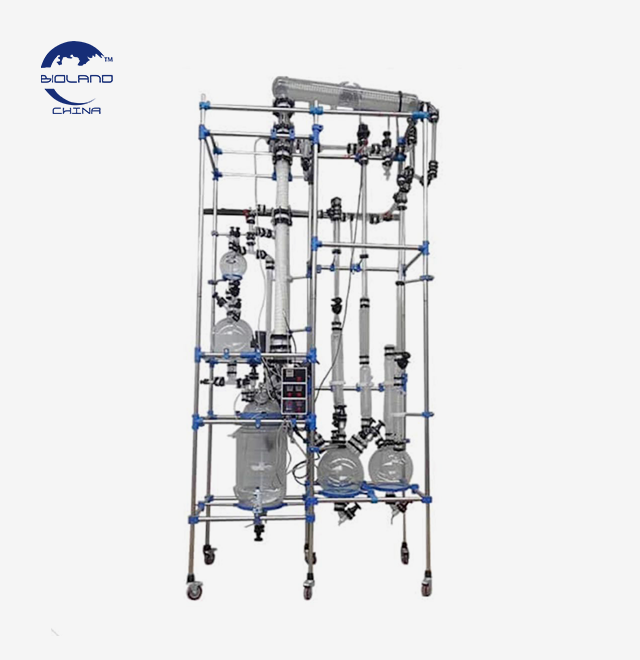
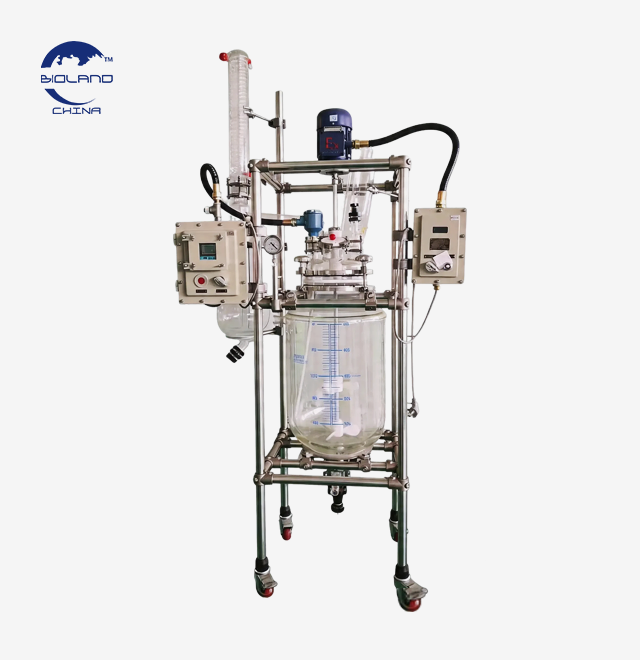
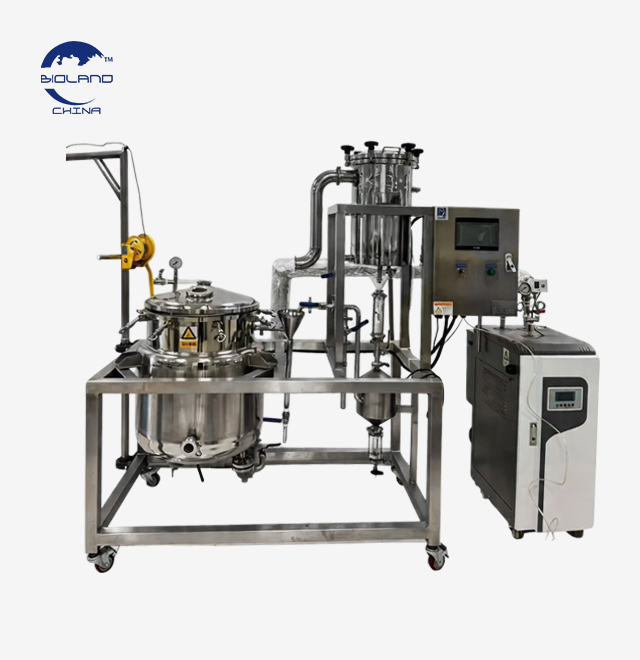
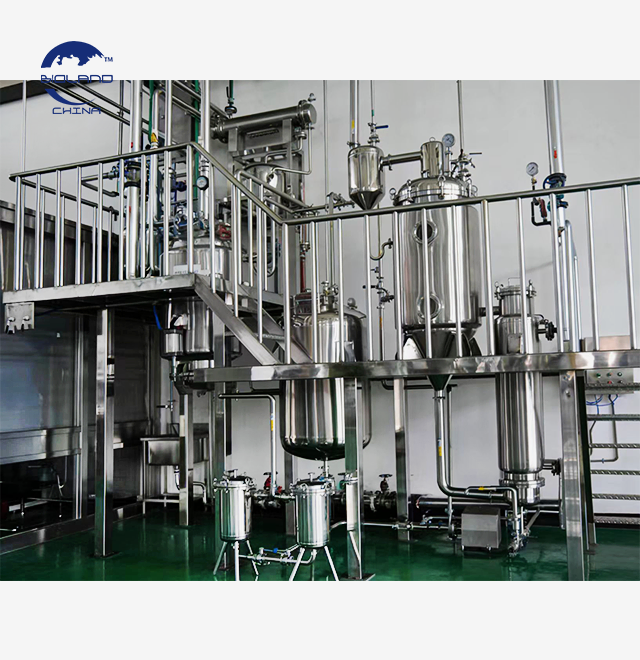
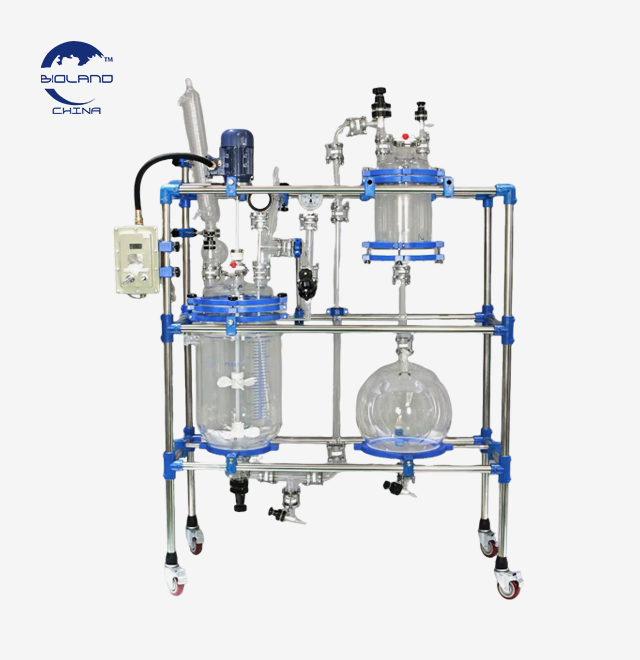
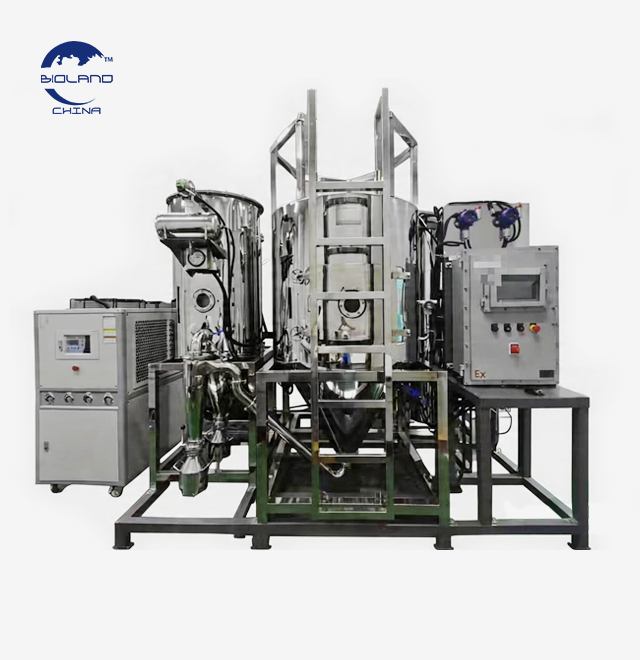
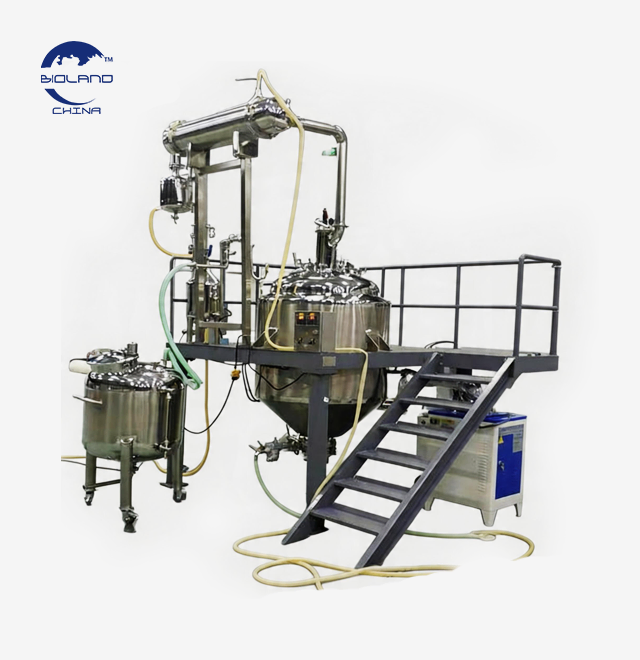
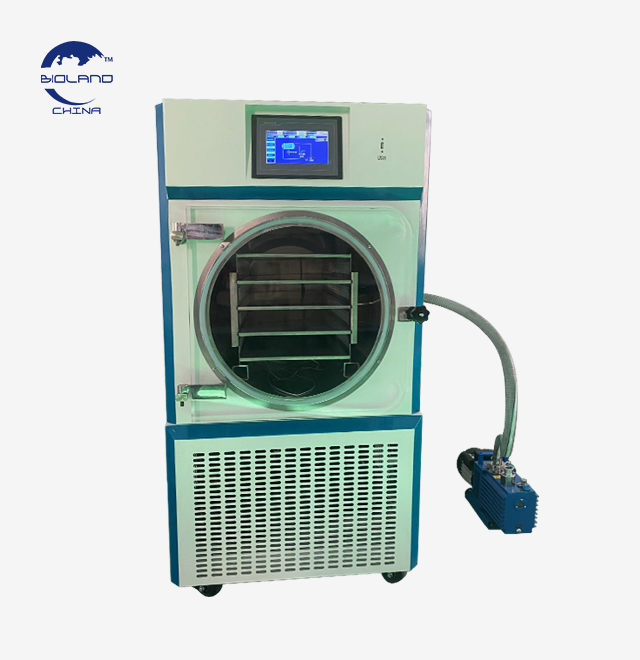
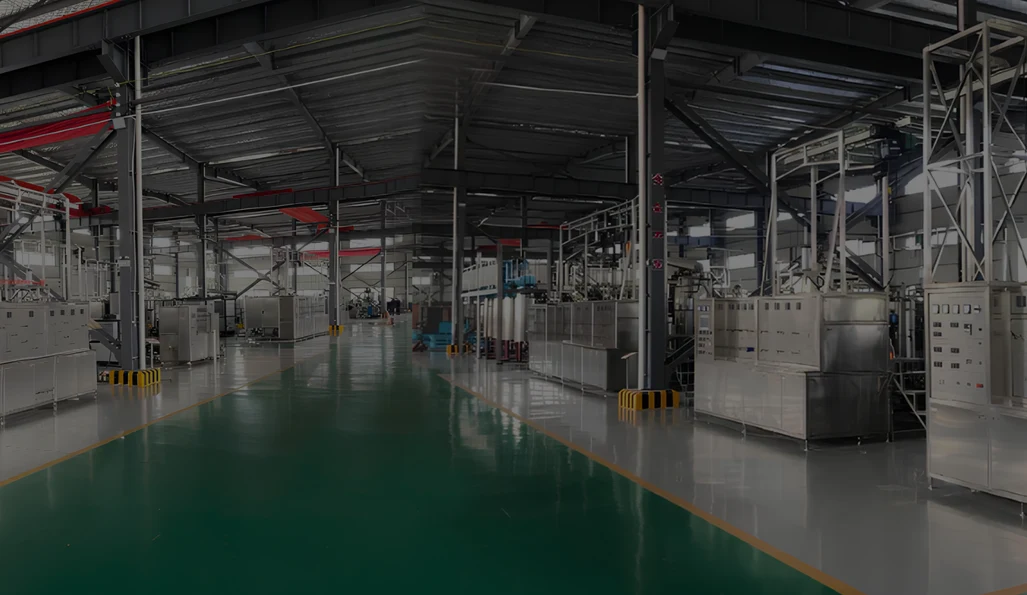
Yes, ethanol extraction is fundamentally safe when executed with properly designed equipment and adherent to rigorous operational protocols. The primary safety concerns—flammability and solvent exposure—are effectively mitigated through modern ethanol extraction system designs that incorporate explosion-proof electrical components, closed-loop solvent recovery, and automated temperature controls. When industrial-scale equipment meets comprehensive certifications such as ATEX, CE, and UL standards, and operators follow established safety procedures, the risk profile remains well within acceptable industrial parameters comparable to other pharmaceutical and chemical processing operations.
Understanding Ethanol Extraction Systems and Their Safety Profile
Extracting cannabinoids, essential oils, and phytochemicals from raw plant biomass using ethanol has become a standard way in the herbal processing industry. This alcohol-based solvent method has clear benefits in terms of selection and throughput, but it needs careful system design and strict operating discipline.
Core Components and Process Overview
A professional-level extraction setup usually has more than one processing stage that work together. The biomass is first cleaned up and put into extraction tanks made of sanitary stainless steel. Here, chilled ethanol—often kept at temperatures between -40°C and -80°C—dissolves the desired chemicals while mostly leaving waxes and chlorophyll behind. The solution then goes through filter units and centrifuges to separate the biomass. Finally, it goes into evaporation tanks, where the solvent is removed and saved for later use. Solvent collection rates in modern systems are higher than 97%, which cuts down on both costs and damage to the environment by a huge amount.
Primary Safety Hazards and Risk Factors
The fact that ethyl alcohol can catch fire is the most serious danger that needs to be managed. Within certain concentration ranges, ethanol gas and air can explode, so processing facilities need to be constantly watched and ventilated. Skin touch and breathing in exposure are also health concerns at work, but they are easy to manage with the right personal safety equipment and protected processing equipment. Contamination risks come from solvents that stay in finished goods and from microbes growing in systems that haven't been cleaned properly. This is why GMP cleaning routines must be strictly followed and sanitary checks must happen regularly.
Temperature and Pressure Controls in Safety Management
Precise temperature control in an ethanol extraction system is important for both the safety and quality of extraction. Working at freezing temperatures not only improves selection by stopping the breakdown of unwanted molecules, but it also lowers vapor pressure, which lowers the risk of an explosion. Managing pressure is especially important during the liquid recovery phases, when falling film evaporators need to keep things under control to avoid sudden pressure drops. Monitoring systems that are run by computers keep an eye on these factors all the time. If the numbers change from what is considered safe, the system shuts down automatically.
Key Safety Features and Best Practices in Ethanol Extraction
Layered safety systems, which include technical controls, administrative processes, and protective gear, are used in industrial extraction sites to keep risks to a minimum.
Essential System Safety Components
Modern rescue platforms have several safety features that work together at the same time. Electrical systems that are explosion-proof and meet the C1D1 or C1D2 standards keep spark sources away from places where flammable vapors might be present. These rules cover everything, from the housings for motors to the covers for control panels and the wires for sensors.
When abnormalities like gas concentration jumps, temperature changes, or changes in pressure are noticed, automated emergency shutdown mechanisms immediately shut down the system, isolating solvent sources and starting ventilation. Continuous tracking of the atmosphere with lower explosive limit (LEL) sensors finds dangers in real time. These sensors are usually set to sound a warning at 25% LEL and start shutting down the system at 50% LEL.
Here are additional critical safety features that distinguish professional systems:
Sanitary Construction Standards: Food-grade SS316L stainless steel with smooth inner surfaces (Ra ≤ 0.4μm) meets sanitary construction standards. It keeps surfaces from getting contaminated and makes it easier to clean thoroughly between batches, which supports both product safety and regulatory compliance.
Integrated Solvent Recovery: Closed-loop designs with high-efficiency condensers and chillers keep solvent pollution to a minimum while collecting valuable ethanol. This lowers both safety risks and running costs.
Pressure Relief Systems: Multiple independent relief valves that are set to certain pressure levels keep vessels from failing catastrophically while safely venting to designated collection or treatment systems.
Interlocked Process Controls: Sequential control logic stops workers from starting potentially dangerous tasks out of order, like opening tanks while they are under pressure or adding ignition sources while handling solvents.
These technical controls lay the groundwork for safe operation, but the right operating discipline must be matched with the equipment's capabilities.
Operational Protocols and Staff Training
Without skilled operators following set processes, even the most advanced tools can't guarantee safety. Comprehensive training programs should cover how to handle solvents, what to do in an emergency, how to use personal safety equipment correctly, and how to spot dangerous situations. Safety knowledge stays high with regular refresher lessons, especially when staff members leave or when equipment changes are made. Proof of training completion and regular tests of skill make people responsible and show that they are following the rules during inspections. Regular repair plans keep technology from breaking down, which could put safety systems at risk.
As part of weekly checkups, seals, gaskets, and electrical parts might be looked at visually. Once a month, sensors' accuracy might be checked, and emergency shutdown systems might be tested. As part of routine yearly maintenance, pressure tests are usually done on tanks, welds and structural parts are carefully inspected, and worn parts are replaced before they break.
Real-World Safety Performance
Along with installing approved extraction equipment, a pharmaceutical extraction plant that used botanical materials to make nutraceuticals put in place strict safety rules. In three years of continuous operation, the facility processed about 12,000 pounds of biomass every month and had no lost-time events connected to extraction operations. Their success came from having the right tools, sticking to repair plans, having constant tracking systems, and having a culture that values safety reports. Safety was a big part of everyday activities, thanks to monthly safety meetings where near-miss reports and updated procedures were looked over. Based on this track record, it's clear that ethanol extraction can be just as safe as other well-known medicinal methods when done correctly.
Comparing Ethanol Extraction Safety With Other Extraction Methods
Knowing the different levels of safety for an ethanol extraction system helps procurement pros make choices that are right for their operations and the amount of risk they are willing to take.
Ethanol Versus CO2 Safety Profiles for Extraction
Supercritical CO2 extraction uses a liquid that is harmless and not flammable, so there is no risk of explosion like there is with alcohol-based methods. Carbon dioxide can cause suffocation in places with poor ventilation, but it doesn't cause the fire triangle problems that ethanol smoke does. The trade-off is that CO2 systems need to be more complicated to run and have higher pressures—1,000 to 5,000 PSI—which makes them more dangerous for machinery and requires stronger pressure tank building than atmospheric or low-pressure ethanol methods. The equipment costs for CO2 systems are usually two to three times higher than those for similar ethanol platforms. However, the running costs may be lower for CO2 in places where getting solvents is expensive or where emissions rules are strict.
Hydrocarbon Extraction Considerations
Butane and propane extraction methods are flammable in the same ways that ethanol is, but they pose a greater risk of explosion because their heavier-than-air vapors can build up in low places. After a number of disastrous events that happened in uncontrolled situations, regulators are paying more attention to hydrocarbon mining. Professional closed-loop methane systems that have the right licenses can work safely, but in many places they have to follow stricter rules for permits and insurance than ethanol operations. Because ethanol dissolves easily in water and has a lower gas density, it is a little more forgiving if it spills or leaks.
Regulatory and Environmental Considerations
Alcohol-based extraction is often easier to get approved for by regulators than hydrocarbon-based methods. This is especially true in the food and drug industries, where ethanol is generally recognized as safe (GRAS). Different solvents have very different testing standards for residue solvents. For example, ethanol usually lets higher residual amounts stay in end products than hydrocarbons, which makes purification easier. For ethanol plants, getting an environmental permit is mostly about managing the amount of volatile organic chemicals in the air.
For hydrocarbon plants, managing the dangerous atmosphere is more closely looked at. Eliminating ethanol waste is easier than getting rid of water-based mixtures because water-based mixtures can usually be handled by regular garbage systems. But hydrocarbon waste usually needs special handling because it is dangerous.
Scale-Dependent Safety Variations
Laboratory-scale extraction (working with grams to kilograms) doesn't pose many risks to the building as a whole, and it's usually done safely with fume hoods and enough air flow. Pilot-scale operations (5–50 kg batches) are a transitional stage where changes to the building are needed, such as extraction rooms with secret electrical systems, better ventilation, and separation from office areas.
Industrial production (hundreds to thousands of pounds per shift) requires a well-thought-out facility design with extraction rooms made just for the job, infrastructure for constant tracking, and maybe even external systems to stop explosions. The safety investment doesn't grow in a straight line with capacity because better throughput and bigger solvent stocks make any single failure mode more likely to have bad effects.
Procurement Considerations: Selecting a Safe Ethanol Extraction System
When B2B buyers are choosing tools, it's important for them to be able to tell the difference between marketing claims and proven safety features when picking a safe ethanol extraction system.
Evaluating Manufacturer Credentials and Certifications
Reputable equipment makers show their dedication to safety by getting third-party approvals that cover a wide range of areas. If something has a CE mark, it means it meets European standards for health, safety, and the environment. On the other hand, UL approval makes sure that electrical systems in North America are safe. ATEX approval is only given to equipment that is meant to be used in explosive environments. It makes sure that the electrical parts meet strict standards for preventing burning. An ISO 9001 quality management license means that the manufacturing process is organized and quality standards are written down.
In addition to certifications, procurement teams should look into how much experience the maker has with the specific application area. 15 years of experience with botanical extraction tools is a lot more useful than general experience with chemical processes. Ask for specific reference lists with contact information for existing installations and talk to current users directly to find out how the system works in the real world, how quick the support team is, and if there are any problems that come up during setup or operation that were not expected.
Critical System Specifications for Safety
When technical ideas are being judged, certain specs show which ones are most important for safety. Explosion-proof system designs should include the exact classification grade (C1D1, C1D2, or a similar ATEX zone) and a list of all the electrical parts and their individual certifications. Specifications of materials are very important. Wetted parts made of 316 stainless steel fight rust better than 304 grade, which increases their useful life and lowers the risk of failure. Pressure tank integrity is checked by weld quality documents, such as radiographic or dye penetrant tests records.
Automated control systems with programmable logic controllers (PLCs) are much safer than manual processes because they don't allow mistakes to be made by people when time is of the essence. Read the literature on the control logic to learn about the interlock processes, emergency stop events, and limits on what an operator can do. No matter what else is said, systems that let workers get around safety interlocks while they're working normally pose too many risks.
Importance of Installation, Commissioning, and Training
Even if the equipment was made perfectly, it can still be dangerous to use if it is not put or commissioned correctly. Full support from the maker during the installation phase makes sure that services like electricity, cooling water, and compressed air meet the needs of the equipment and that changes to the building properly address dangerous area classifications. Professional commissioning involves checking each safety system in a planned way under simulated upset conditions. This includes more than just making sure everything works normally; it also includes testing the logic behind shutdowns, the settings for relief valves, and the functions of monitor alarms.
Customized training for operators given by technical experts from the maker is much more useful than general paperwork. Effective training programs teach students about process theory and safety principles in the classroom and then let them work on real-life situations while being supervised. Keeping track of each operator's completed training provides a record of compliance and sets minimum standards for ability.
Warranty and After-Sales Support Evaluation
Equipment guarantees that last longer than the usual one year show that the maker is confident in the quality of the build and the choice of parts. Carefully look into the guarantee terms; some don't cover wear and tear items or only cover manufacturing flaws, not problems that happen during use. Lifetime maintenance support is valuable in the long run, especially for specialized parts that may become hard to find as equipment ages. When production stops, how quickly expert help after the sale can respond is very important.
Make it clear when help is available (business hours or 24/7), how long it will take to respond, and if debugging can be done remotely, without having to visit the site. When compared to manufacturers who rely on third-party service networks, those who have their own expert teams and established spare parts stockpiles have lower risks of downtime.
Conclusion
When industrial activities use properly certified ethanol extraction system equipment and strict operational discipline, ethanol extraction achieves a high level of safety. The natural risks of flammability are successfully controlled by a wide range of engineering controls, such as electrical systems that can't explode, tracking and shut-down systems that work automatically, and closed-loop designs that keep solvent emissions to a minimum.
A study of the differences between methods shows that ethanol extraction is safer than fuel methods and cheaper than CO2 systems in many situations. A successful procurement relies on carefully checking the certifications, equipment specs, and support abilities of each manufacturer, along with a dedication to professional installation, thorough training, and regular upkeep. Companies that follow these steps have been able to run their operations safely for years without any problems. This shows that ethanol extraction is not only possible, but also normal with the right systems and procedures in place.
FAQ
Can ethanol extraction scale safely for large industrial operations?
Of course. Industrial-scale ethanol extraction takes place in sites around the world that handle hundreds to thousands of pounds of biomass per shift while keeping high safety standards. To be successful, you need purpose-built buildings with properly labeled dangerous areas, full ventilation systems, and constant tracking of the atmosphere. Equipment must have strict standards (ATEX, UL, CE) and have safety systems that work in backup.
What certifications should I verify when evaluating equipment?
Priority certifications include ATEX or C1D1/C1D2 grades for electrical parts that won't explode, UL or CE marks for the safety of the whole piece of equipment, and ISO 9001 for managing quality in manufacturing. For pharmaceutical or nutraceutical uses, GMP compliance approval is necessary to make sure that the design and building meet strict standards for hygiene and contamination control.
How frequently should maintenance occur to maintain safe operations?
How often maintenance is done relies on how much the parts are used and what kind they are. Most operations are fine with checking seals, gaskets, and visible wear points once a week. Sensor calibration checks, safety locking tests, and thorough inspections of pressure-bearing parts should all be done once a month. Deep inspections that happen every three months might include looking inside the vessel and checking key welds without damaging them.
Partner With BIOLAND for Certified Ethanol Extraction Solutions
Everyethanol extraction system that BIOLAND INSTRUMENT makes is based on safety and performance excellence. Our systems have been designed with over 15 years of specialized engineering knowledge in mind. They include full explosion-proof setups, PLC automation for error-free operation, and dual-condenser designs that achieve 97%+ solvent recovery rates. Our manufacturing is certified by CE, ISO, UL, SGS, ATEX, and IEC, and our system designs meet GMP compliance standards, which are important for medicinal uses.
We offer full turnkey solutions that include planning the workshop, designing and installing the equipment, teaching the operators, and providing expert support for life. Successful installs of our extraction systems have shown that they can reliably remove stevia, propolis, capsaicin, curcumin, and mushrooms, with 50–100% more efficiency than traditional methods. Whether you need small-scale research tools for the lab or large-scale production lines that handle thousands of pounds of goods every day, our engineering team can make solutions that fit your exact process needs. Get in touch with BIOLAND at info@biolandequip.com right away to talk about your project with one of our technical experts and get a full plan for a certified ethanol extraction system supplier that puts your safety and efficiency goals first.
References
1. Smith, J.R., & Chen, L. (2021). Safety Engineering in Botanical Extraction Facilities: Hazard Analysis and Risk Mitigation Strategies. Industrial Safety Press.
2. National Fire Protection Association. (2020). NFPA 30: Flammable and Combustible Liquids Code (2020 Edition). NFPA Publications.
3. Williams, M.T. (2019). Comparative Safety Analysis of Solvent-Based Extraction Methods in Pharmaceutical Manufacturing. Journal of Chemical Process Safety, 34(4), 287-306.
4. European Committee for Standardization. (2018). ATEX Equipment Directive 2014/34/EU: Implementation Guidelines for Explosive Atmospheres. CEN Publishing.
5. Anderson, P.K., Rodriguez, S., & Patel, N. (2022). Cryogenic Ethanol Extraction: Process Optimization and Safety Performance in Industrial Applications. Food and Bioprocess Technology, 15(7), 1543-1562.
6. Occupational Safety and Health Administration. (2019). Process Safety Management of Highly Hazardous Chemicals: Compliance Guidelines for Extraction Operations. U.S. Department of Labor.
The reactor is beautifully mirror-polished and fully complies with GMP requirements for the pharmaceutical industry. The performance is excellent! Overall, we are very satisfied! We also provided with some feedback on our process improvements, which we hope will be helpful.
2024-04-09
Laboratory
Excellent and professional service. Always reply our questions very fast. All reactors and chiller we received are good too.
2024-02-15
Research Institute
Quality is beyond our expectation actually. After we got the extraction equipment and started using it, the performance was beyond our expectation. Very easy to use and very efficient to run. Service always respond us very quickly. Was also very helpful to help us. Thanks Bioland team. Very happy to work with you.
2023-11-20
Biotech Company
We are happy about the new purchase as always. Equipment and services are both good.
2023-08-05
Instrument Lab
This is the second order with Bioland instrument and everything is good as the first dateText.
2023-05-12
Global Trading Partner
Bioland instrument team is very helpful and professional. The sales helped us select the right equipment for our application, and their logistics people handled the transportation and customs declaration for our shipment. All that saved us a lot of work.