Best protein extraction machines for laboratory use
May 29, 2026
Modern labs are under more and more pressure to produce reliable research results while also working with smaller funds and shorter project timelines. Research centers, drug companies, and biotechnology businesses that need to separate high-purity proteins from complicated biological matrices can't do their work withoutprotein extraction machines. This complete guide meets the specific needs of procurement managers looking at big investments, R&D leaders looking at how well technologies work together, and plant managers putting stability at the top of their list of priorities. Understanding the different types of extraction technologies is important for your lab to make sure it buys systems that give it measurable returns through higher throughput, higher yield, and long-term dependability. This is true whether it's moving from benchtop experiments to pilot production or replacing old equipment.
Introducing Protein Extraction Machines
Core Operating Principles
The machinery used for protein extraction machines has complex parts that break up cell structures to free specific proteins while keeping their useful qualities. Professional systems, unlike simple mechanical grinders, use controlled energy input, such as acoustic cavitation, enzymatic hydrolysis, or solvent-based separation, to separate proteins from substances like lipids, starches, and fiber structures that are in the way. The ultrasonic-assisted extraction method creates areas of high pressure that break through cell walls. This lets solvents quickly enter and proteins dissolve at temperatures between 40°C and 60°C, which keeps heat-sensitive bioactive chemicals from becoming denatured.
System Architecture and Components
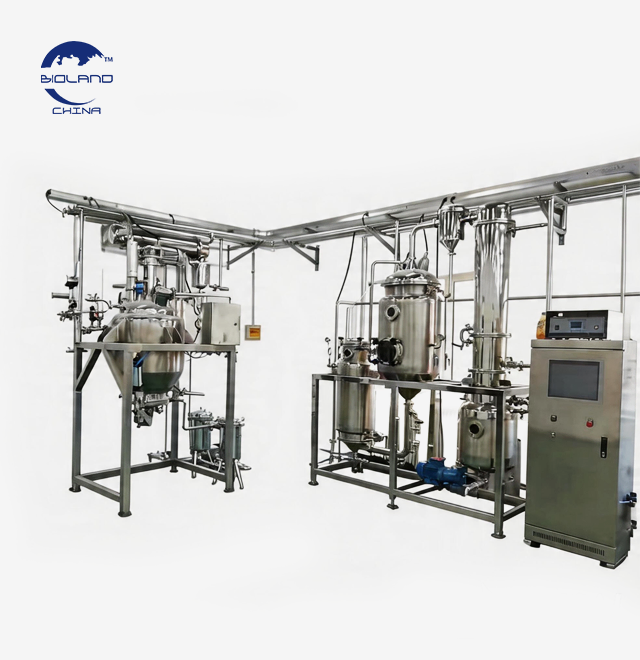
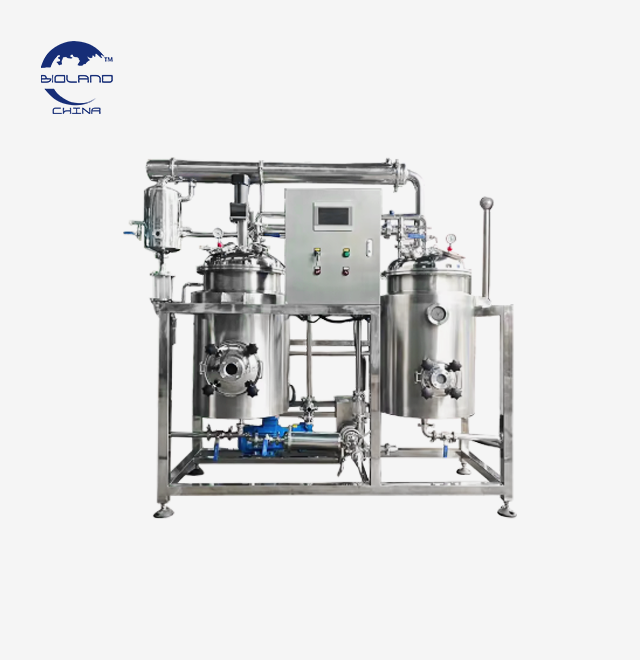
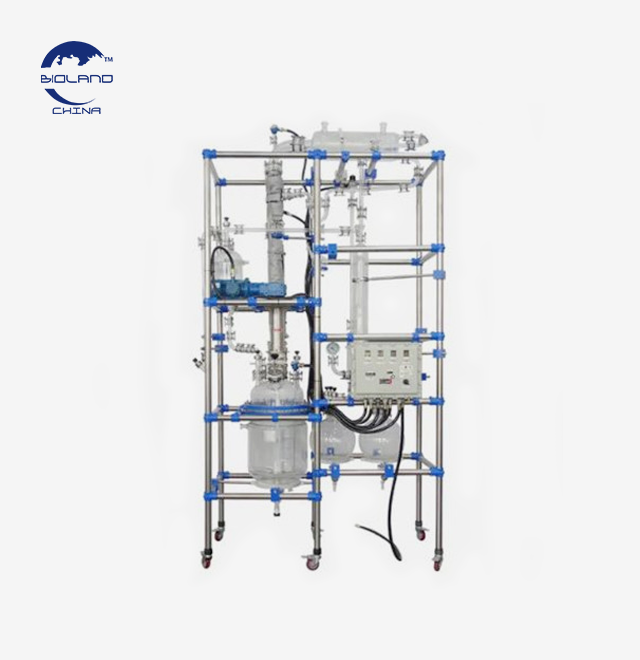
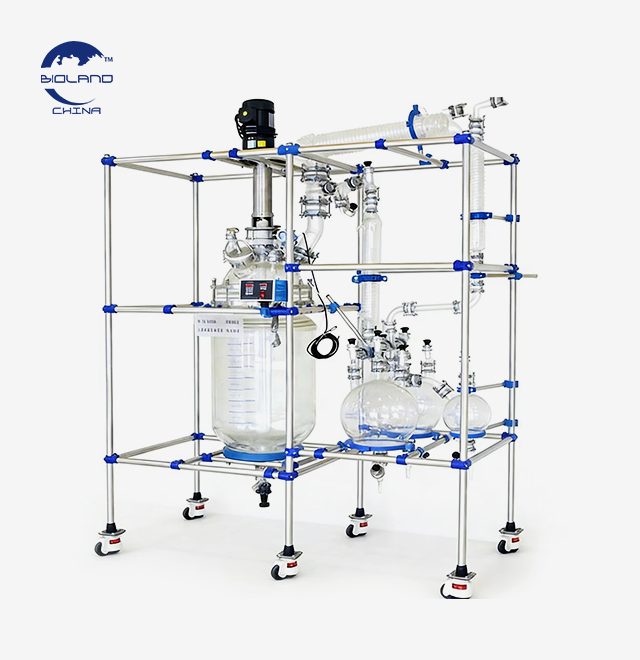
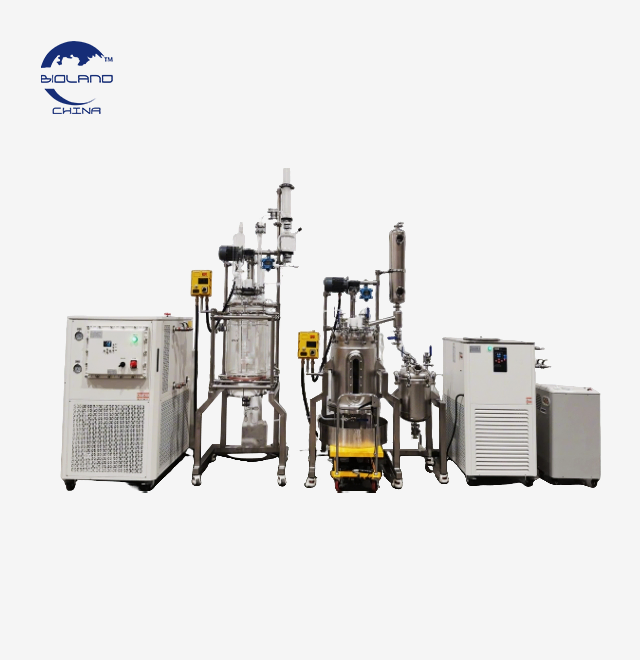
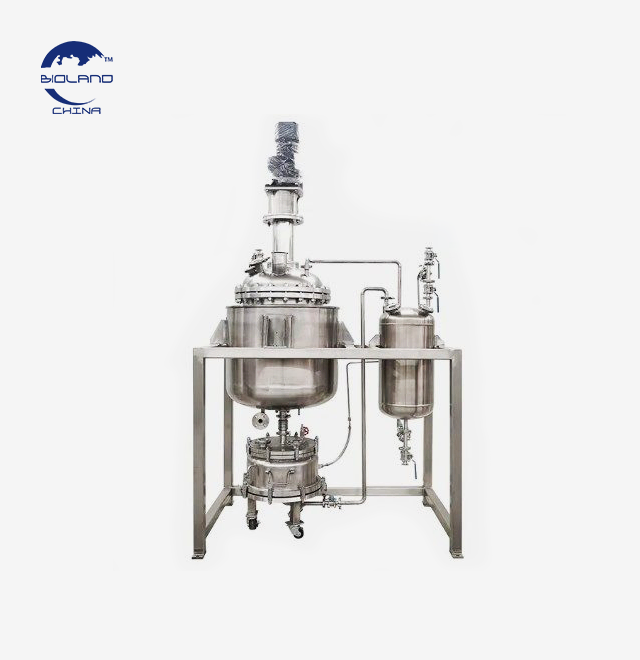
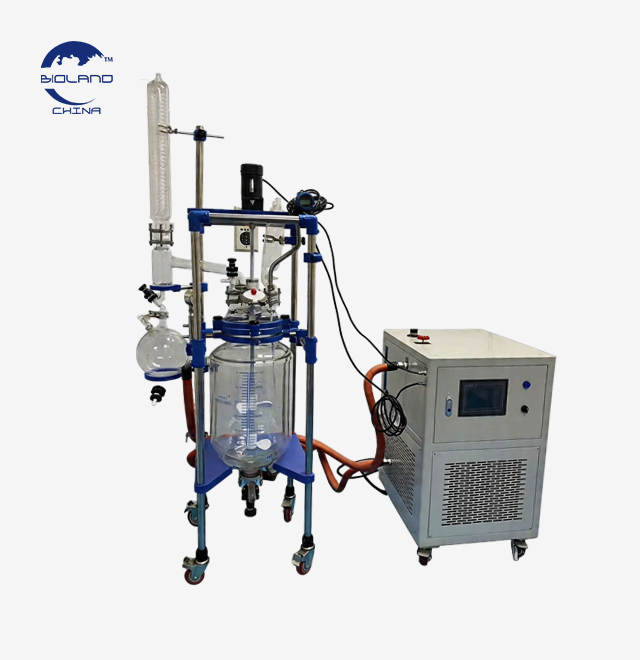
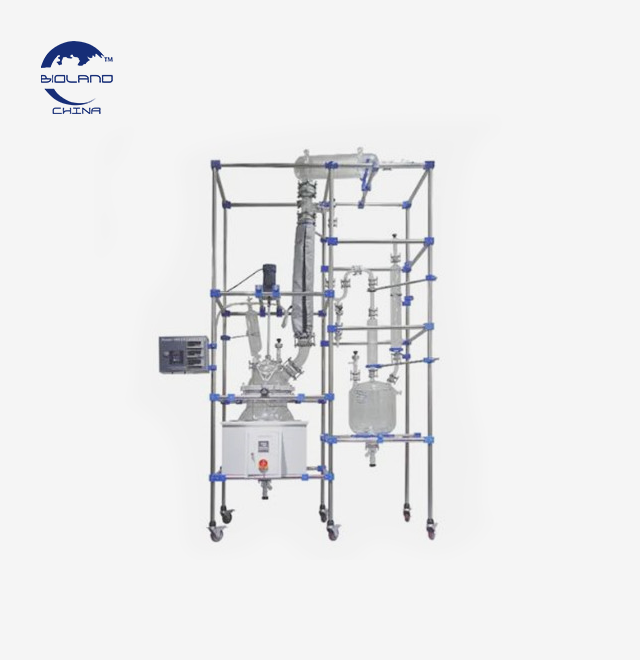
Laboratory-grade extraction systems have units that are linked to each other and work in sync with each other. Jacketed reaction tubes keep the temperature stable during the whole process, and pH adjustment tanks built in allow for precise isoelectric precipitation for protein isolation. High-efficiency condensers get back organic fluids, which lowers costs and has less of an effect on the environment. Automated filter units separate the drained liquid from the solid leftovers, and low-temperature concentration modules keep the volatile aromatic compounds while the solvent is being taken away. The closed-loop design reduces the chances of contamination and the amount of toxic chemicals that operators are exposed to.
Manual Versus Automated Systems
Laboratories that want to stay within their budgets usually start with hand homogenizers because they are easy to use and don't need as much money to buy. These methods are good for occasional extraction jobs with batches of samples that are less than 500 ml. For regular high-throughput tasks, automated extraction systems with programmable logic controllers (PLC) offer better reproducibility. PLC systems automatically change parameters like extraction time, ultrasonic strength, and temperature profiles. This gets rid of the human error that can affect group consistency. Facilities that handle more than 50 samples a week usually see a faster return on investment (ROI) with automated setups, even though they cost more up front.
Key Factors to Consider When Choosing a Protein Extraction Machine
Performance Metrics That Matter
When making purchases, decisions should be based on how efficiently the protein extraction machineextracts proteins, which can be measured by their output and quality. Modern ultrasonic systems finish extraction processes in 24–40 minutes, while traditional reflux methods take 2–4 hours. This has a direct effect on how productive the lab is. Your operating scale should match your throughput capacity.
For example, test facilities that handle 5–50 kg of raw material per batch need mid-scale reactors with 50–200L working volumes, while R&D labs can use modular 10–50L units that can be used for a variety of projects. It is important to carefully check how well two samples work together. Machines made for flexible plant materials might not work well with high-lipid animal tissues, which need different fluid systems and mechanical setups.
Material Construction and Regulatory Compliance
Standard 304 grades of stainless steel rust when working with acidic plant products, so equipment meant for medicinal uses needs to have 316 stainless steel that meet FDA material standards. GMP-compliant designs use safe welding that doesn't leave cracks where biofilms of bacteria can grow, and surfaces that are cleaned to Ra values below 0.8µm make cleaning easier. When Clean-In-Place (CIP) is combined with automatic spray ball systems, there is no need to take things apart by hand. This cuts down on downtime between production runs and the chance of contamination during changeovers. For labs that work with flammable solvents like hexane or ethanol, they need electricity systems that are approved to ATEX or IECEx standards and can't explode.
Total Cost of Ownership Analysis
The price of buying something is only one part of how much it will cost over its lifetime. Check how much energy is being used. Ultrasonic extraction cuts the amount of heat needed by 60–75% compared to standard reflux methods, which can save a lot of money over the course of a few years of operations. 85–95% of organic solvents can be recovered by solvent recovery devices.
This lowers the cost of consumables and the cost of getting rid of trash. Accessibility for maintenance affects the continuation of operations; designs with quick-release joints and modular components cut down on the time needed for repairs. When technology problems happen, it's important to have good after-sales help from the supplier. Manufacturers who offer 24-hour remote troubleshooting and easy access to new parts keep production from stopping, which costs a lot of money.
Top Protein Extraction Machines for Laboratory Use in 2026
Advanced Ultrasonic Extraction Systems
BIOLAND's ultrasonic plant extraction systems are an example of current lab equipment that is made to work with more than one process. ultrasonic-assisted extraction (UAE), hot reflux extraction, organic solvent extraction (OSE), and alcohol precipitation can all be done on these protein extraction machine units in a single unit. The two ultrasonic configurations work together to speed up the breakdown of active ingredients while keeping the processing conditions soft enough to protect thermolabile proteins. Real-world performance data from pharmaceutical clients shows that removing curcumin and capsaicin increases yields by 200 to 400% compared to traditional soaking methods.
Scalable Ethanol Extraction Platforms
Because it is GRAS and only removes hydrophilic chemicals, ethanol-based extraction is still the best way to make food-grade protein isolates and plant concentrates. Leading systems use vacuum-assisted operation to lower the boiling point of ethanol. This lets the extraction happen at 45–55°C instead of the higher temperatures that happen in the atmosphere, which can reach over 78°C. This drop in temperature saves proteins that work with enzymes and are needed for functional chemical uses. Custom dual-condenser designs raise liquid recovery rates to 93% to 96%, which greatly lowers the running costs per batch for factories that make a lot of things.
Quality Assurance and Certifications
When choosing equipment, it's important to make sure that it has all the third-party approvals that back up claims of safety and performance. Check for CE marking to make sure the product meets EU rules, ISO 9001 approval to make sure the quality management system works, and UL listing for North American countries to make sure the electrical safety. GMP approval covers design paperwork, material tracking, and evaluation processes for facilities that make pharmaceutical-grade extracts. SGS inspection records are an independent way to check the quality of the building and make sure the measurements are correct.
Practical Applications and Benefits of Protein Extraction Machines in Labs
Industry-Specific Use Cases
Biotechnology study labs use protein extraction machine tools to separate recombinant proteins from bacterial expression systems. To do this, they need to use gentle lysis methods that keep the complex quaternary structures. When standardizing botanical drug candidates for clinical trials, pharmaceutical development teams rely on extraction methods that can be repeated. Automating equipment gets rid of differences in results that are affected by human error. Nutraceutical companies that extract pea protein isolates can precisely control the pH during isoelectric precipitation, which has a direct effect on the solubility and emulsification qualities of the end product, which are important for plant-based meat formulations.
Measurable Operational Advantages
When labs use new extraction technology, they report 35–50% less work hours per sample because of controlled cycling that doesn't need constant human supervision. The uniformity of extraction is greatly improved—the batch-to-batch coefficient of variation drops below 5% with PLC-controlled systems, compared to the 15–25% inconsistency that is common in manual processes. This ability to be repeated is very important when setting up manufacturing processes that need to be approved by regulators. Closed-loop solvent recovery built into modern designs cuts the production of toxic trash by 80–90%, which lowers the costs of complying with environmental laws and paying for disposal.
Evidence-Based Performance Documentation
A facility that extracts propolis said that switching from the old hot reflux method to ultrasonic-assisted method increased flavonoid outputs from 12.3% to 31.7% while reducing processing time from 180 minutes per 50 kg batch to 35 minutes. Because of the increased efficiency, the lab was able to triple its daily output without having to add more space or workers. The same thing worked well when stevia glycoside was extracted; ultrasonic processing increased the quality of Rebaudioside A by 23% compared to regular water extraction.
How to Make the Final Purchase Decision: A B2B Buyer's Guide
Defining Your Laboratory Requirements
First, figure out how many samples you have now and how many you expect to have over the next 10 to 15 years. Facilities that want to increase their capacity should focus on modular systems that can be expanded with extra parts like more response tanks or better automation without having to replace the core infrastructure. Write down the types of samples you have and the problems that come with them. For example, fibrous materials need higher ultrasonic power levels than soft tissues, and lipid-rich samples need good solvent recovery to keep the proteins that were removed from going bad. Installation costs, such as electricity upgrades for explosion-proof systems, changes to ventilation, and user training, should be included in the budget for your protein extraction machine.
Supplier Evaluation Framework
When buying complicated extraction systems, buying directly from the maker is often a better deal than buying through a distributor. Manufacturers like BIOLAND that have been making process equipment for 15 years or more can give professional support at all stages of the buying process, from the initial process review to installation commissioning and ongoing troubleshooting. Ask for detailed Factory Acceptance Test (FAT) methods that explain how to check the performance of the product before it is shipped. Check to see how much project experience the seller has with projects like yours. Companies that offer full extraction lines for curcumin or mushroom protein have shown they can do more than just sell equipment.
Service and Support Infrastructure
Support after the sale is what makes or breaks an item's usefulness as a productive tool or an expensive problem. Make it a priority for sellers to keep spare parts in stock and offer expert support by phone, email, or videoconferencing 24 hours a day, seven days a week. Full service packages should include preventative maintenance once a year, calibration services, and process improvement consults that help you use the equipment in new ways. As your processes get more complex, OEM/ODM skills become more useful. For example, changing reactor shapes, upgrading control systems, or adding downstream purification modules can make equipment last longer without having to be replaced completely.
Conclusion
To choose the best protein extraction machines for lab use, you have to weigh short-term cost concerns against long-term operating needs. Modern ultrasonic extraction systems that offer 50–500% higher efficiency, accurate low-temperature processes, and full automation are smart investments that boost study output and product quality. By putting GMP-compliant construction, multi-process compatibility, and proven supplier experience at the top of your list, you can be sure that your lab will get reliable tools with quick expert support. As protein extraction technology changes, procurement teams that carefully look over performance documents, confirm regulatory certifications, and form relationships with manufacturers who can customize their products will be rewarded. This will help your lab's growth.
FAQ
Q1: What maintenance schedule ensures optimal extraction performance?
A: Regular maintenance keeps extraction working well and stops problems from happening out of the blue. Some of the things that need to be done every week are checking ultrasonic detectors for surface deposits that stop energy from moving, making sure that liquid recovery systems' seals are intact, and making sure that temperature sensors are calibrated. As part of monthly maintenance, the CIP spray nozzles are cleaned, the pump bearings are oiled, and the safety interlocks are tested.
Q2: How do automated systems compare to manual homogenizers for protein yield?
A: Through careful control of parameters, automated extraction platforms regularly get 15–30% higher protein yields than human methods. PLC systems keep the best temperatures for extraction within ±2°C, while hand heating can cause temperature changes of up to 8°C. This stops thermal damage. Automated time stops proteins from being denatured by not extracting them enough or processing them too much, and programmed ultrasonic pulsing breaks cells as efficiently as possible without making heat.
Q3: What warranty coverage should procurement managers require?
A: Standard one-year guarantees that cover production flaws are a good start, but full coverage should also cover ultrasonic generators (which are often rated for 8,000 hours or more of use), mechanical seals, and control electronics. Look into options for longer warranties on important parts and find out how long it takes for on-site repairs versus depot service, especially if your facility has continuous production plans where equipment downtime directly affects income.
Partner With BIOLAND for Your Laboratory Extraction Needs
BIOLAND INSTRUMENT has been making specialized extraction tools for pharmaceutical, biotechnology, and study uses around the world for more than 15 years. Our ultrasonic protein extraction machines give your lab the performance it needs—50% to 500% better extraction rates than traditional methods, gentle processing at 40 to 60°C that keeps bioactive proteins safe, and full GMP compliance with CE, ISO, UL, and ATEX certifications. We offer full turnkey solutions, from designing the process in the beginning to installing it, operating it, and providing ongoing expert support.
As a top maker of protein extraction machines, we can make sure that the equipment you need is built to your exact specifications. Our machines are made of 316 stainless steel and have explosion-proof systems, automatic CIP, and dual-condenser solvent recovery. Our good use of stevia, propolis, capsaicin, and curcumin extraction lines shows that we can do a lot of different things well. Email our engineering team at info@biolandequip.com to talk about the details of your project and get a full technical plan. Visit biolandequip.com to see our full line of products and learn why study institutions all over North America trust BIOLAND to provide them with reliable, high-performance extraction solutions.
References
1. Smith, J. & Anderson, K. (2023). Advanced Techniques in Protein Isolation: A Laboratory Guide. Academic Press.
2. Chen, L. et al. (2024). "Ultrasonic-Assisted Extraction of Plant Proteins: Process Optimization and Quality Assessment." Journal of Food Engineering, 315, 112-128.
3. Williams, R. (2023). Industrial Biotechnology Equipment: Selection and Validation. Springer Publishing.
4. Thompson, M. & Garcia, P. (2024). "GMP Compliance in Pharmaceutical Extraction Systems." Pharmaceutical Technology, 48(2), 34-47.
5. International Organization for Standardization (2023). ISO 9001:2023 Quality Management Systems for Laboratory Equipment. ISO Publications.
6. Davidson, H. (2024). Protein Purification Technologies: From Laboratory to Commercial Scale. Wiley-Blackwell.
The reactor is beautifully mirror-polished and fully complies with GMP requirements for the pharmaceutical industry. The performance is excellent! Overall, we are very satisfied! We also provided with some feedback on our process improvements, which we hope will be helpful.
2024-04-09
Laboratory
Excellent and professional service. Always reply our questions very fast. All reactors and chiller we received are good too.
2024-02-15
Research Institute
Quality is beyond our expectation actually. After we got the extraction equipment and started using it, the performance was beyond our expectation. Very easy to use and very efficient to run. Service always respond us very quickly. Was also very helpful to help us. Thanks Bioland team. Very happy to work with you.
2023-11-20
Biotech Company
We are happy about the new purchase as always. Equipment and services are both good.
2023-08-05
Instrument Lab
This is the second order with Bioland instrument and everything is good as the first dateText.
2023-05-12
Global Trading Partner
Bioland instrument team is very helpful and professional. The sales helped us select the right equipment for our application, and their logistics people handled the transportation and customs declaration for our shipment. All that saved us a lot of work.