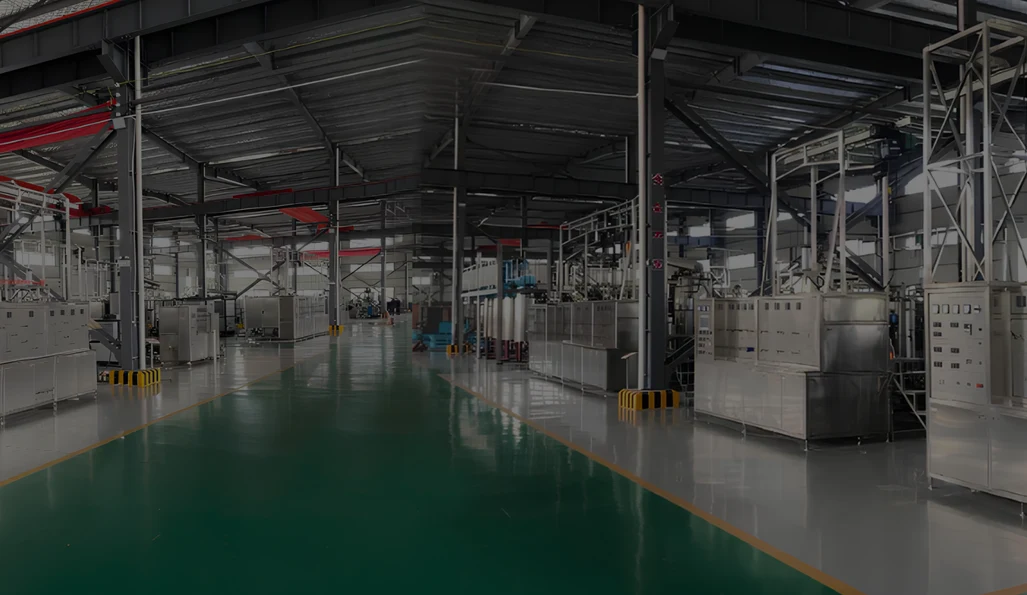
Ultrasound-Assisted Extraction, also known as ultrasound assisted solvent extraction (UASE), is a new, non-thermal way to remove substances. It uses high-intensity sound waves (usually between 20 kHz and 100 kHz) to create acoustic cavitation in a liquid solvent. Micro bubbles are made in this process, and they rapidly expand and contract, creating strong shear forces, micro-jets, and localized shock waves. These mechanical effects break down plant cell walls and biological matrices in a big way, which speeds up mass transfer and lets the solvent go deeper into the target material to get bioactive chemicals out more effectively. In modern industrial settings, this green chemistry approach fixes long-standing problems with traditional extraction methods by lowering the risks of thermal degradation, cutting working time by a huge amount, and using less liquid.
Understanding Ultrasound-Assisted Extraction
The Core Mechanism: Cavitation and Enhanced Mass Transfer
Acoustic cavitation is the main idea behind Ultrasound-Assisted Extraction. High-pressure and low-pressure cycles are made when ultrasonic sounds move through the liquid. During times of low pressure, tiny holes or bubbles appear and grow very quickly. When these bubbles get big enough, they burst rapidly during high-pressure phases, releasing a lot of energy in a small area. In the collapse zone, temperatures can reach several thousand degrees Celsius for a short time and pressures can reach over 1,000 atmospheres.
This event has several positive effects at the same time. Shockwaves caused by the fall break up hard cellulosic structures, damage cell membranes, and make tiny channels. Solvent molecules can get into these newly formed pathways more easily, making it easier to get to parts inside cells where important chemicals are stored. At the same time, the bursting bubbles create turbulence and microcirculation that keeps the solvent contact surfaces fresh. This keeps the concentration gradients favorable for extraction and prevents saturation.
Key Process Parameters Affecting Extraction Performance
Understanding and managing the working factors has a direct effect on the selectivity and volume of the extraction. For commercial uses, the frequency range is usually between 20 kHz and 50 kHz. Lower frequencies make cavitation bubbles that are bigger and burst more violently, which works well for tough materials like roots and wood. Higher frequencies make smaller bubbles with more and softer cavitation events, which is great for tissues that are still soft.
The energy density sent to the extraction system is based on the ultrasonic strength, which is recorded in watts per square centimeter. The best strength combines the need to break up cells with the desire to avoid heating up or breaking down compounds. Managing temperature is still very important. Even though cavitation heats up some areas, keeping the bulk temperature between 40°C and 60°C protects biological substances that are easily damaged by heat, such as vitamins, polyphenols, and terpenes.
The orientation of the target molecule determines which solvent to use. Mixtures of ethanol and water are commonly used in medicinal and nutraceutical uses because they are safe, good for the environment, and work well across a wide range of polarity ranges. In industrial settings, extraction can take anywhere from 24 to 40 minutes. This is more than 60% faster than traditional maceration or percolation methods.
Industrial Applications Across Multiple Sectors
Ultrasound-Assisted Extraction is a great way to make pharmaceuticals and nutraceuticals. High-value bioactive substances, like artemisinin and flavonoids, cannabinoids from hemp, and glycosides from plant materials, can be easily separated using this technique. Rigid plant structures that usually don't give well to extraction do so more fully when treated with ultrasonic waves instead of harsh chemicals.
Ultrasound-Assisted Extraction is used in the food and drink industries to get back natural colorants like anthocyanins from berries, useful vitamins from grape pomace, and pectin from citrus waste. This method helps circular economy efforts by getting the most value back from farm trash streams. The smell and taste of an ingredient are better kept when essential oils and aromatic compounds are extracted instead of just steam distillated.
Ultrasound-Assisted Extraction is used in cosmetic formulation labs to make lipid-soluble extracts from plants that contain fatty acids, phytosterols, and fat-soluble vitamins. The technology lets stable nano-emulsions form directly during extraction, which makes active ingredients more bioavailable when they are added to skin care products.
Evolution and Advantages Over Traditional Extraction Methods
Historical Context and Technological Progression
During the 20th century, traditional solvent extraction processes were the norm in industry. Soxhlet extraction, which gets rid of all the impurities by spinning the solvent many times, needs to be run nonstop for 6 to 48 hours with large amounts of liquid. Even longer times are needed for maceration and percolation, sometimes days or weeks, and there isn't much control over selection or repeatability.
In the late 1990s, sensor technology got better and energy efficiency went up, which led to the commercialization of Ultrasound-Assisted Extraction. The first tests in the lab showed that the idea was valid; they cut down on the time needed for extraction and increased the yield. Over the next few decades, companies that make tools built industrial-scale systems that could consistently process hundreds of kilograms per batch. Adding programmable logic controllers (PLCs) allowed for precise parameter control and automation, which made Ultrasound-Assisted Extraction a practical method for making medicines that meet GMP standards.
Comparative Performance: UAE Versus Alternative Advanced Methods
When you compare Ultrasound-Assisted Extraction to microwave-assisted extraction, you can see that their strengths support each other. Dielectric heating in microwave devices heats materials by volume, which works well for materials with a lot of wetness but could cause temperature gradients.Ultrasound assisted solvent extractionand other ultrasonic methods work at lower temperatures and move energy mechanically instead of thermally, making them better for chemicals that change shape easily. Ultrasonic systems usually have lower capital costs than radio setups with the same amount of power.
Supercritical fluid extraction with carbon dioxide is the best way to extract things because it doesn't use any solvents and makes very pure extracts. Supercritical equipment, on the other hand, needs a lot of money—often three to five times as much as ultrasonic systems—and special skills to operate. When working at temperatures above 200 bar, strict safety rules must be followed. Ultrasound-Assisted Extraction is a good middle ground because it significantly improves over traditional methods while still requiring little capital and being easy to operate.
Specific Industrial and B2B Procurement Benefits
Ultrasonic technology shortens the time it takes to remove materials, which is useful for manufacturing operations that need to make things quickly. When compared to old methods, where small changes in temperature or movement can have a big effect on results, batch-to-batch consistency is much better. This stability is very important for pharmaceutical uses that need to strictly follow specifications and follow rules set by regulators.
Getting companies to reduce their environmental impact is in line with green efforts that are becoming more and more important to buying leaders. Cutting the amount of solvents used by 30 to 50 percent directly lowers the costs of making toxic garbage and getting rid of it. When working times get faster, energy use goes down in the same way. Some sites say that switching to Ultrasound-Assisted Extraction cut their overall production costs by 20–35%, giving them a great return on their investment in less than 24 months.
Selecting Ultrasound-Assisted Extraction Equipment: What B2B Buyers Should Know
Equipment Types: Laboratory to Industrial Scale
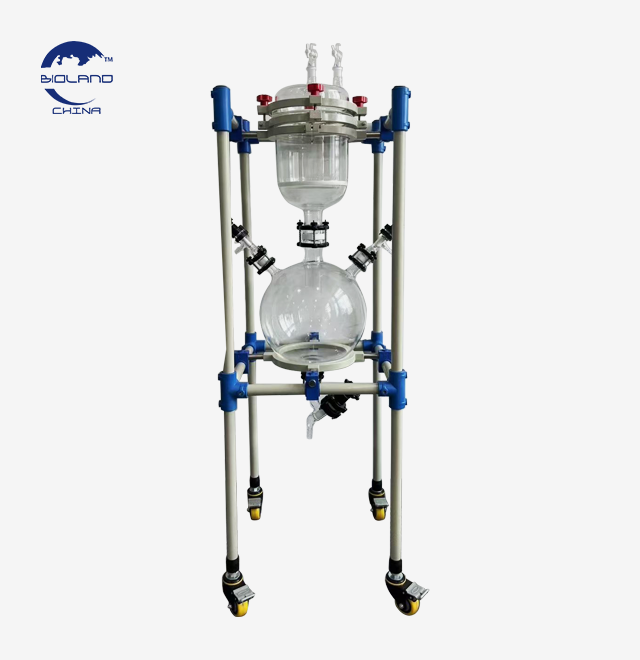
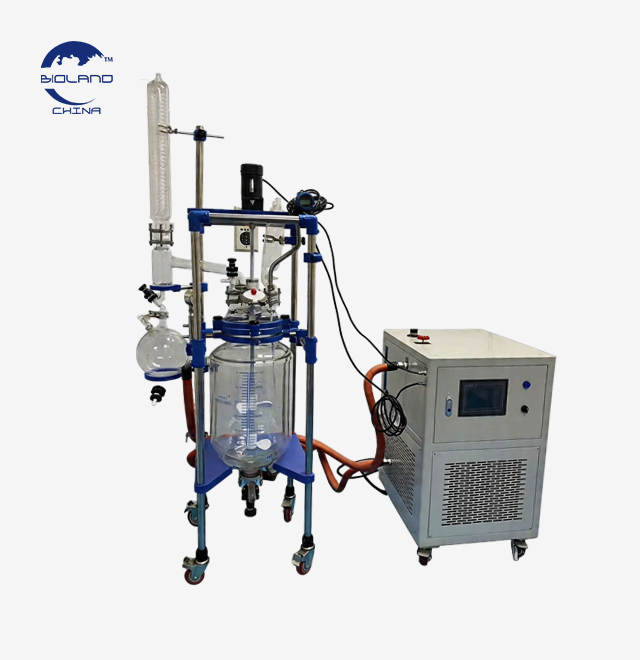
Knowing the different types of equipment helps buyers match the skills to the needs of the business. Ultrasonic processors in the lab can handle amounts from 100 mL to 5 L. This lets research teams fine-tune the parameters before production scales up. Benchtop systems can handle batches of 5 to 50 liters, making them good for trial production and making unique ingredients with low throughput needs.
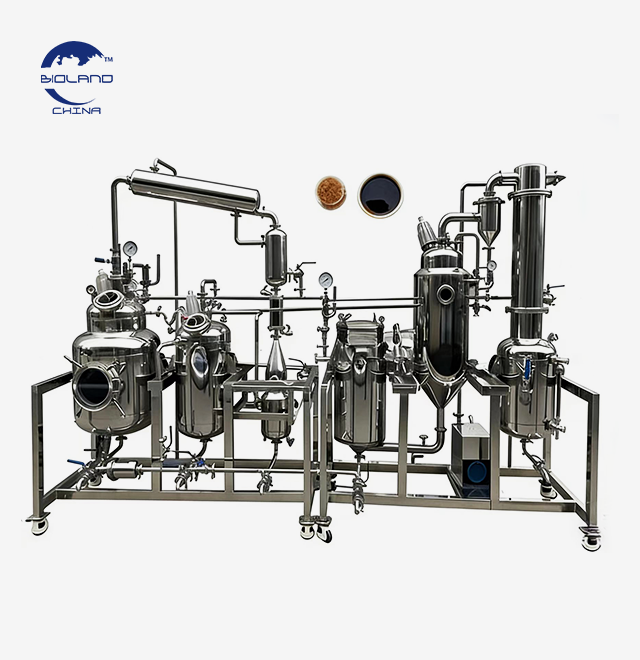
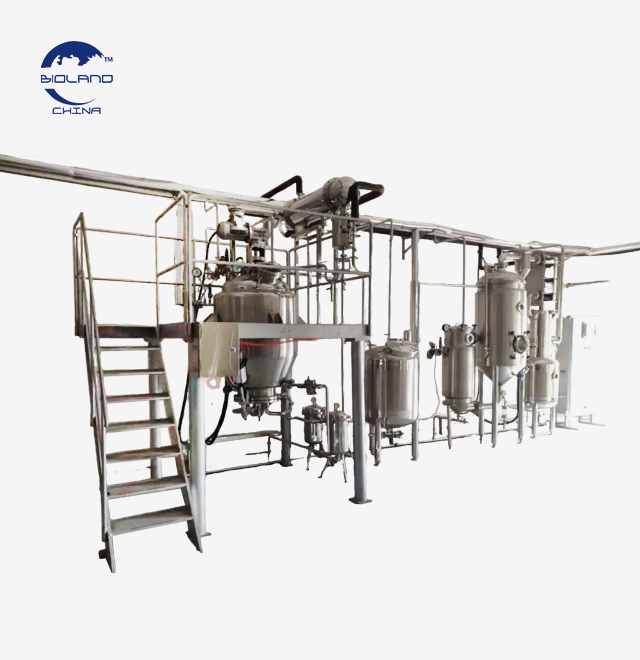
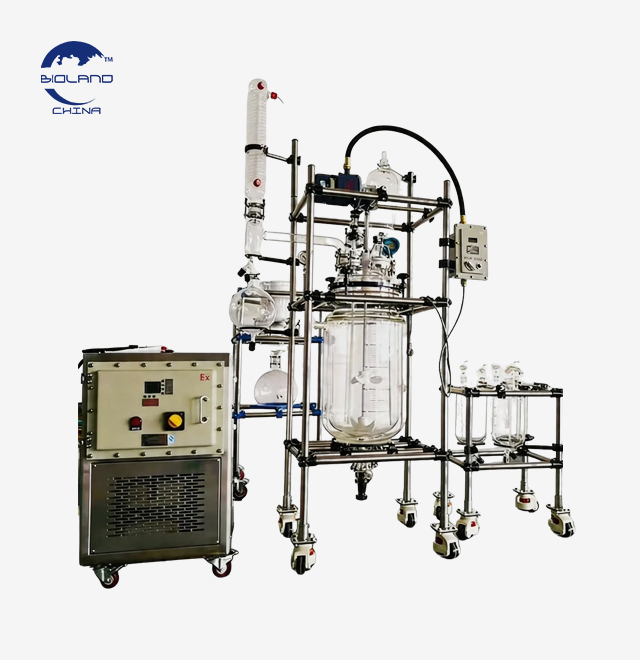
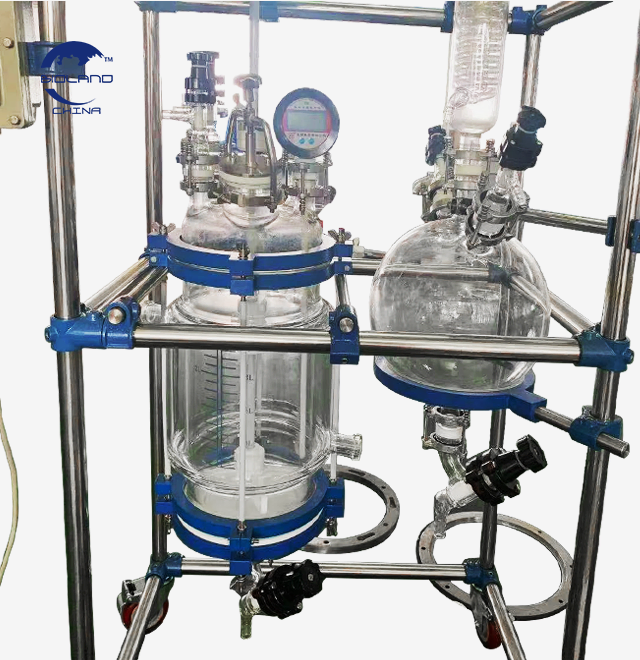
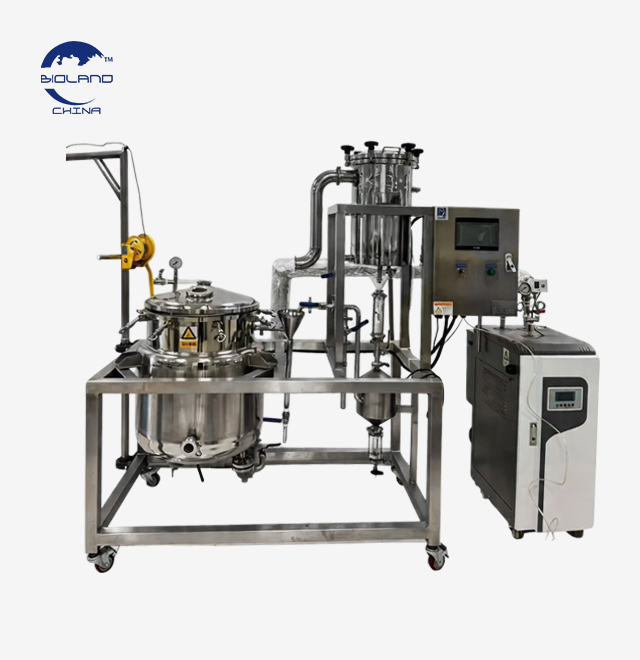
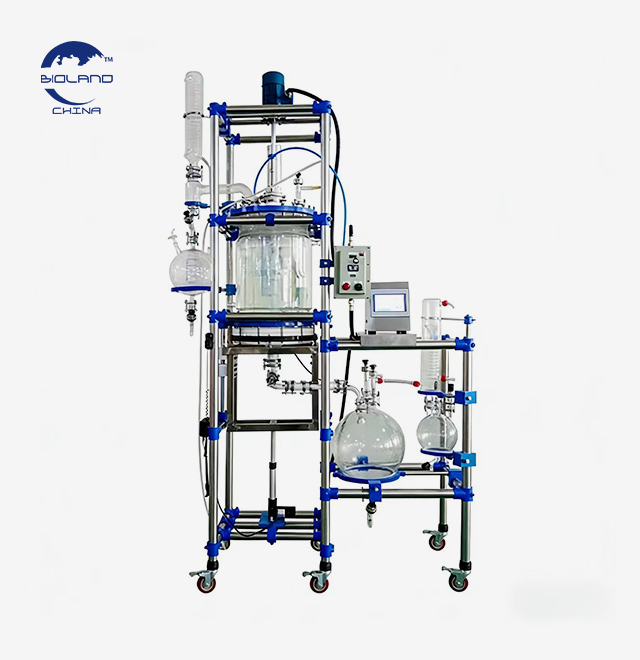
Industrial Ultrasound-Assisted Extraction systems can handle 100 to 5,000 liters of fluid per batch and are made to work nonstop over multiple shifts. Jacketed tanks for temperature control, automatic systems for adding and recovering solvents, and built-in filtration are all part of these designs. Flow-through ultrasonic reactors are an alternative method that constantly process slurries of material through tube reactors that are equipped with multiple transducer arrays, which allows for truly continuous operation.
Critical Machine Features and Technical Specifications
Processing ability is based on power flow. Ultrasonic power in industrial systems is usually between 1,000 and 10,000 watts, with specific energy density (watts per liter) being measured by tank volume. When the power density is right, cavitation works well throughout the extraction tank, not just in a few spots near the sensors.
Frequency versatility makes operations more flexible. Dual-frequency setups let you switch between modes that work best with different materials—lower frequency for breaking up cells at the start, and higher frequency for selectively extracting certain types of compounds. This feature makes the best use of equipment across a wide range of output projects.
Material fit is very important. Contact surfaces made of 316 stainless steel don't rust in acidic or alkaline solvents, and they can handle the cleaning procedures needed in pharmacy settings. GMP-compliant designs have sanitary fittings, smooth internal finishes that keep germs from building up, and paperwork that is easy to validate.
PLC control systems make automation possible by storing recipes, keeping track of parameters for batch records, and connecting to building management systems. Automated release valves, customizable temperature ramps, and periodic solvent addition get rid of the need for human work. This makes the process safer, more consistent, and requires less work.
Price Considerations and Total Cost of Ownership
There is a wide range in prices for equipment. Laboratory systems start at about $5,000 to $15,000, benchtop units cost between $20,000 and $60,000, and industrial setups cost between $80,000 and $500,000, based on how much they are customized and how much space they need. When buying managers look at quotes, they should not only look at the original purchase price, but also the total cost of ownership.
Ultrasound assisted solvent extractionmaintenance needs are still pretty low. The main parts that wear out are the transducers and sonotrodes, which can last anywhere from one to three years in constant industrial use, based on how hard the material is to work with. Most of the time, replacement costs are less than 10% of the price of the original machine. It turns out to use less energy than heat extraction methods, which saves money over time.
Evaluating Suppliers: Experience, Support, and Customization
Checking a supplier's knowledge in the field is the first step in evaluating them. Manufacturers that have been in business for 15 years or more have a track record of success and have gained the knowledge to solve application-specific problems. By looking at case studies or reference setups from related industries, you can be sure of how well the equipment will work and how good the seller support will be.
Customization is necessary when standard tools can't meet the needs of a specific process or the limitations of the building. When working with flammable liquids, suppliers who offer OEM and ODM services can change the layout of vessels, add special monitors, or make systems work in places that can't explode. Turnkey services that include installation, commissioning, user training, and assistance after installation make it easier to carry out a job.
Buyers don't have to worry about legal problems when they check the certification. Getting a CE mark means that the product meets European safety standards, and getting an ISO mark means that the quality management system is fully developed. Equipment meant to be installed in dangerous areas must now have ATEX and IECEx approvals. Documentation that shows GMP compliance backs up regulatory entries for pharmaceutical applications.
Overcoming Challenges and Limitations in Ultrasound-Assisted Extraction
Scale-Up Complexity and Industrial Implementation Hurdles
Moving from good lab results to full-scale production is hard from a technical point of view. To keep the sound level constant throughout big boats, the transducers need to be carefully placed and the power needs to be spread out evenly. It's easy for lab tools to reach energy densities of 10–50 W/L, but to keep the same strength when scaling up to 1,000 L vessels, you need more than one sensor and careful acoustic modeling to avoid dead zones.
Controlling temperature gets harder as the scale goes up. Cavitation-generated heat is easily lost in small amounts, but thermal energy builds up faster in large batches than passive cooling can handle. Jacketed cooling with circulating chilled water or glycol is used in industrial systems. Pulsed operation modes (alternating ultrasound-on and ultrasound-off times) let heat escape between bursts while keeping extraction efficiency high.
Managing Equipment Investment and Operating Costs
The initial capital needs for industrial ultrasonic systems are higher than those for regular extraction tools, which makes it harder to justify the budget. Getting approval is easier when you make detailed business cases that show how much liquid will be saved, how much energy will be saved, how much output will increase, and how much quality will improve. Leasing plans or phased adoption strategies—beginning with processes that are slowing things down—are often more cost-effective than full building conversions for many businesses.
Operating costs include more than just straight costs. Due to automatic operation, staff training needs to be kept to a minimum. However, expert staff should know how parameters affect the performance of extraction. Preventive maintenance plans keep machines running smoothly and increase the life of parts, which keeps you from having to pay for unexpected downtime.
Protecting Sensitive Compounds from Degradation
Even though Ultrasound-Assisted Extraction works at lower core temperatures than other methods, it can be dangerous for chemicals that are very sensitive to heat or cavitation. During bubble collapse, localized hotspots can break down fragile molecules thermally, and strong shear forces may cut glycosidic bonds or break up polymeric structures.
Some ways to reduce the damage include keeping an eye on the temperature and quickly cooling it down, choosing the right duty cycle to use the least amount of energy while still getting the job done, and adding antioxidants to the extraction liquids to stop them from breaking down due to oxidation. When you combineultrasound assisted solvent extractionwith other gentle methods, like ultrasound-assisted supercritical fluid extraction, the purity of the compound is maintained while the speed benefits are kept.
Emerging Hybrid Technologies and Future Directions
Researchers are still working on creating mixed extraction methods that use both ultrasound treatment and other technologies that work well together. Ultrasound is used during enzymatic cell wall hydrolysis in ultrasound-assisted enzymatic extraction. This speeds up the action of the enzymes while also physically breaking tissues. Systems that use both ultrasound and microwaves work better when they use both mechanical and heat processes together.
New uses for high-intensity focused ultrasound (HIFU) allow exact spatial aiming of acoustic energy, which could allow selective extraction from different types of materials by focusing cavitation in certain areas. As the cost of tools goes down and our understanding of how things work grows, these cutting-edge methods will move from study labs to real-world use.
Conclusion
Ultrasound-Assisted Extraction technology has grown into a tried-and-true business answer that fixes major problems with traditional extraction methods. This method is good for both the environment and the economy because it makes use of mechanical cavitation effects, shorter working times, lower operating temperatures, and less fluid consumption. As equipment gets more reliable, prices go down, and people learn more about how things work, industrial usage keeps going up.Ultrasound assisted solvent extractionis not just a small step forward for companies that make medicines, nutraceuticals, food, and cosmetics that care about extraction efficiency, product quality, and sustainability; it's a game-changing technology that gives them a competitive edge in markets that are becoming more demanding.
FAQ
Can ultrasonic extraction scale effectively from laboratory to full industrial production?
Scalability is possible, but at big numbers, it needs to be changed from batch ultrasonic systems to flow-through reactor setups. Keeping the energy density (measured in watts per liter) the same during scale-up makes sure that the cavitation strength stays the same. Multiple transducer arrays are carefully placed to get rid of sound dead zones in industrial applications, keeping the extraction performance shown in the lab.
Does cavitation-generated heat damage thermally sensitive bioactive compounds?
Even though cavitation can temporarily cause hotspots, the bulk temperature can still be controlled with jacketed cooling devices and temperature monitoring. Pulsed operation modes, which involve switching between ultrasound-on and ultrasound-off cycles, let heat escape between pulses, which makes the technology suitable for chemicals that break down easily at high temperatures. Using bulk temperatures between 40°C and 60°C protects heat-sensitive parts better than traditional extraction methods that need to keep temps high for a long time.
How does ultrasonic extraction compare with supercritical fluid extraction regarding costs?
Ultrasonic systems usually need less money to buy—often 20–30% less than similar-capacity supercritical equipment—and are easier to use. Supercritical fluid extraction makes very pure goods without using any solvents, but it needs a lot of specialized knowledge and a strong safety system to work at high pressure. Ultrasound-Assisted Extraction is a good compromise because it is much better than traditional methods without needing a lot of money or complicated equipment. It is also easy to use, so it can be integrated into larger facilities.
Partner with BIOLAND for Advanced Ultrasonic Extraction Solutions
BIOLAND INSTRUMENT has more than 15 years of experience creating and making ultrasonic plant extraction tools for uses in food processing, nutraceuticals, pharmaceuticals, and botanicals. Our wide range of products includes everything from lab study units to full commercial turnkey systems. All of them are designed to meet GMP standards and are certified to meet international quality standards like CE, ISO, UL, SGS, ATEX, and IEC.
While working at low temperatures (40–60°C) to protect the bioactive components, our ultrasound assisted solvent extraction tools improves extraction rate by 50–100% compared to conventional methods. Optional dual-ultrasonic setups improve the rate of dissolution and production output in a wide range of settings, from small-scale testing in the lab to large-scale production. Complete automation through PLC control systems makes operation easier, makes sure that the process can be repeated, and works well with existing infrastructure for building management.
We offer full OEM/ODM services, including custom equipment design, workshop planning, installation and commissioning, user training, and lifetime technical support, as a well-known maker of ultrasound assisted solvent extraction equipment. Our engineering team works closely with clients to come up with the best process solutions. These solutions include explosion-proof systems for flammable liquids, organic solvent recovery, CIP cleaning integration, and construction made of 316 stainless steel for harsh settings. Contact our technical experts at info@biolandequip.com to talk about your unique extraction needs and get thorough technical proposals backed by case studies of how they have been used in the extraction of stevia, propolis, capsaicin, curcumin, and mushrooms.
References
1. Chen, F., Zu, Y., & Yang, L. (2015). Ultrasound-Assisted Extraction of Natural Products: Mechanisms, Techniques and Applications. RSC Green Chemistry Series, Royal Society of Chemistry, Cambridge.
2. Chemat, F., Rombaut, N., Sicaire, A., Meullemiestre, A., Fabiano-Tixier, A., & Abert-Vian, M. (2017). Ultrasound Assisted Extraction of Food and Natural Products: Mechanisms, Techniques, Combinations, Protocols and Applications. Ultrasonics Sonochemistry, 34, 540-560.
3. Mason, T.J., & Lorimer, J.P. (2002). Applied Sonochemistry: Uses of Power Ultrasound in Chemistry and Processing. Wiley-VCH Verlag GmbH, Weinheim, Germany.
4. Vilkhu, K., Mawson, R., Simons, L., & Bates, D. (2008). Applications and Opportunities for Ultrasound Assisted Extraction in the Food Industry. Innovative Food Science & Emerging Technologies, 9(2), 161-169.
5. Wang, L., & Weller, C.L. (2006). Recent Advances in Extraction of Nutraceuticals from Plants. Trends in Food Science & Technology, 17(6), 300-312.
6. Zhang, Q., Zhang, J., Shen, J., Silva, A., Dennis, D.A., & Barrow, C.J. (2006). A Simple 96-Well Microplate Method for Estimation of Total Polyphenol Content in Seaweeds. Journal of Applied Phycology, 18(3), 445-450.
The reactor is beautifully mirror-polished and fully complies with GMP requirements for the pharmaceutical industry. The performance is excellent! Overall, we are very satisfied! We also provided with some feedback on our process improvements, which we hope will be helpful.
2024-04-09
Laboratory
Excellent and professional service. Always reply our questions very fast. All reactors and chiller we received are good too.
2024-02-15
Research Institute
Quality is beyond our expectation actually. After we got the extraction equipment and started using it, the performance was beyond our expectation. Very easy to use and very efficient to run. Service always respond us very quickly. Was also very helpful to help us. Thanks Bioland team. Very happy to work with you.
2023-11-20
Biotech Company
We are happy about the new purchase as always. Equipment and services are both good.
2023-08-05
Instrument Lab
This is the second order with Bioland instrument and everything is good as the first dateText.
2023-05-12
Global Trading Partner
Bioland instrument team is very helpful and professional. The sales helped us select the right equipment for our application, and their logistics people handled the transportation and customs declaration for our shipment. All that saved us a lot of work.