Key Features to Look for in an Herb Extraction Machine
Jun 9, 2026
When moving from lab benchtops to test or commercial production, it is important to choose equipment that is both accurate in its operations and in line with regulations. A botanical extraction machine is the key to isolating compounds efficiently. It ensures consistent purity and supports growth in the food preparation, nutraceutical, and pharmaceutical industries. For 15 years, we've worked with medium- to large-sized businesses and research institutions. We've seen that understanding technical specs, operating freedom, and long-term service reliability are key to making good buying choices. This guide talks about these important issues and gives R&D directors, purchasing managers, and plant managers the confidence they need to choose the right tools.
Understanding the Core Purpose and Mechanism of Herb Extraction Machines
Herb extraction tools are designed to use controlled physical and chemical processes to remove bioactive compounds from plant materials. These compounds include alkaloids, terpenoids, and essential oils. The main way it works is different for each extraction method, and each has its own benefits based on the chemicals being extracted and the needs of the product.
Primary Extraction Technologies
Solvent-based extraction uses ethanol or other organic solvents to break down the active ingredients. This makes it possible to separate them effectively through temperature-controlled maceration or percolation. This method works well for large-scale production that needs to move quickly, and it works especially well for removing heat-sensitive plants when used with low-temperature techniques. Modern ethanol extraction systems use closed-loop designs to collect and return solvents. This makes it possible to get more than 95% of the solvents back while also lowering the cost of running and damage to the environment.
Supercritical CO2 extraction uses very high temperatures and pressures of carbon dioxide to make a substance with the density of a liquid. This specifically dissolves target chemicals without leaving harmful residues. This method is in line with pharmaceutical and nutraceutical standards that require solvent-free end goods, even though it usually costs more and uses more energy than solvent systems.
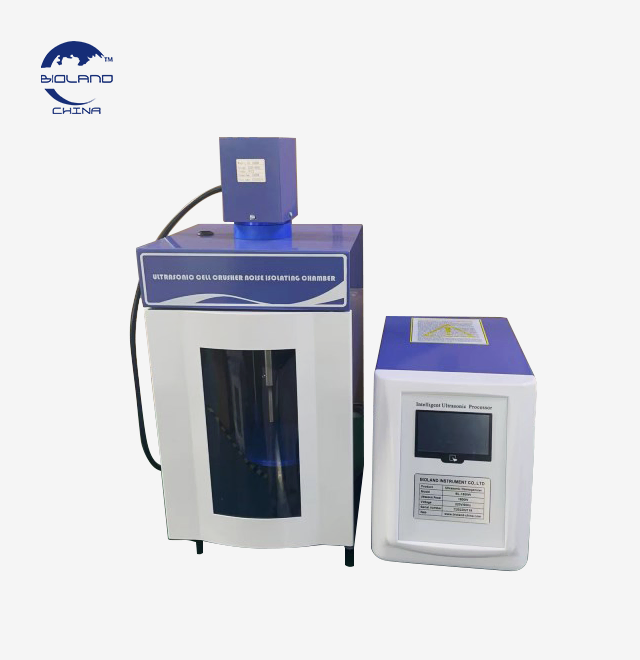
Ultrasonic-assisted extraction (UAE) uses high-frequency sound waves to break down cell walls and make cavitation bubbles. This speeds up the movement of mass between the plant material and the extraction medium. Using UAE technology in equipment cuts the time it takes to process to 24 to 40 minutes, which is more than two-thirds faster than traditional hot reflux methods. It also works at low temperatures (40 to 60°C), which protects components that are sensitive to heat.
Industrial Applications and Benefits
These systems are used in many different areas where regular chemical quality and production efficiency are important for staying competitive in the market. Pharmaceutical companies depend on extraction tools to make active pharmaceutical ingredients (APIs) that meet strict GMP standards, which demand full batch repeatability and tracking. When biotechnology companies move from research and development (R&D) to commercial production, they need tools with scalable capacity that can handle experimental amounts as small as 10 liters and industrial batches larger than 500 liters.
Food and drink companies use extraction systems to get natural flavorings, colors, and useful ingredients. Cosmetics companies use extraction systems to get plant actives for skin care products. As part of efforts to protect the environment, useful chemicals can be extracted from agriculture trash, which supports the circular economy. For each job, you need tools that can stop contamination, clean quickly in place (CIP), and keep the material's structure by controlling temperature and pressure in the best way possible.
Essential Features to Evaluate When Selecting an Herb Extraction Machine
To choose equipment that fits your production plan, you need to look at a number of technical factors that have an impact on the quality of the output, the speed of operations, and the total cost of ownership.
Extraction Method Compatibility
Figuring out when solvent extraction gives you a better return on investment than supercritical systems depends on the chemicals you're trying to get rid of and the rules that apply to them. Ethanol extraction is great at handling large amounts of material with a middling level of selectivity. This makes it a cost-effective way to make botanical crude products that need to be refined later. On the other hand, CO2 systems are much better at separating specific molecular parts, but they require more training for the operators and cost more to run.
Ultrasonic modules added to hybrid systems increase dissolving rates by 50–100% compared to traditional methods. This greatly increases the return from expensive raw materials. When processing plants like curcumin, capsaicin, or propolis, UAE-equipped machines get out more full profiles while leaving cleaner leftovers. This cuts down on waste and makes the best use of the material.
Automation and Process Control
Manual methods work well in research settings where small-batch experiments are done because they give the operator the freedom to change the procedure. PLC-automated control systems make production settings much better by standardizing processing parameters, keeping track of batch data for regulatory checks, and lowering the need for manual labor. Automated systems make sure that the same thing can be made over and over again, which is needed to keep product registration dossiers up to date and meet customer needs.
Modern control screens let you see the temperature, pressure, flow rate, and length of time an extraction takes in real time, including for the botanical extraction machine They also have programmable recipes that workers can remember and follow exactly. This intelligence shortens production processes, reduces mistakes made by humans, and helps with predictive maintenance by letting teams know about changes in performance before the equipment breaks down.
Material Quality and Construction
Contact materials have a direct effect on how pure the product is and how long the equipment lasts. Standard 304 stainless steel is good enough for most uses, but 316L stainless steel is better because it doesn't rust when working with acidic plants or halogenated solvents. We offer material specs that can be changed to make sure they are chemically compatible with your chosen extraction media.
The quality of the welding affects both how clean it is and how well it holds together. Precision orbital welding makes the insides smooth (Ra <0.5μm), which stops buildup of waste and bacterial growth, which is very important for GMP-compliant facilities. Pressure tanks are put through hydrostatic tests at 1.5 times the maximum allowed working pressure. The safety of the structure is confirmed by a third-party review.
Safety Systems and Regulatory Compliance
For equipment that works with flammable liquids, it needs to be completely explosion-proof. It needs to have electrical parts that are naturally safe, grounding systems, and automatic ventilation interlocks. Our machines can come with full explosion-proof designs that meet ATEX standards. These protect people and buildings in areas that are classified as dangerous.
Certifications from CE, ISO, UL, SGS, ATEX, and IEC show that the product meets international safety and quality standards. This speeds up the process of qualifying the facility and getting governmental approvals. GMP-compliant design includes things like tracking down materials, building in a clean way, keeping records for proof, and following upkeep instructions to make sure that the equipment stays compliant for its whole life.
Scalability and Modular Configuration
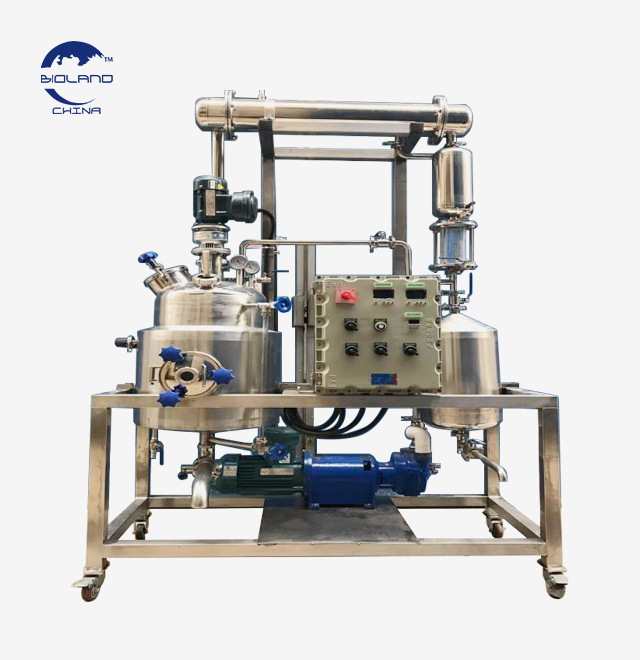
As a business adds more products or moves from test to market scale, its production needs change. Modular equipment design allows for capacity growth by using standard tank sizes. This makes it easy to add more extraction units without changing how the process works. Optional modules, such as dual-condenser systems for better solvent recovery, organic solvent recovery units that lower OPEX, and CIP systems that allow for quick product switching, make it possible to set up equipment that meets current needs while still leaving room for growth.
Comparing Top Botanical Extraction Machines in 2026
The current market offers a wide range of technical methods, price levels, and service models, so it is important to compare them before making a purchase.
Performance Benchmarks
The best makers set themselves apart by improving the efficiency of extraction, the amount of energy they use, and the output. High-performance systems are 50–100% more efficient than standard maceration because they use better mass transfer methods, such as ultrasonic help or carefully controlled turbulence. Dual-condenser setups boost recovery rates even more by handling different volatility parts separately. This cuts down on losses and makes the solvent more pure for reuse.
Different methods use a wide range of amounts of energy efficiently. Ethanol systems that are well-designed use less energy than CO2 systems that need to be pumped at high pressure and kept at exact temperatures. However, lifecycle analysis must take into account how the liquid is handled and how the trash is treated. Advanced insulation and heat recovery systems in equipment lower energy costs and support sustainability promises that are becoming more important to procurement teams.
Supplier Experience and Service Models
The track record of the vendor affects how reliable the equipment is and how good the help is after installation. Suppliers who have been making extraction systems for 15 years or more have a lot of technical knowledge that can help you figure out why things break down, keep your spare parts inventory at the best level, and fix problems. This experience means shorter times for starting, less unexpected downtime, and lower costs for upkeep over the life of the machine.
There are different types of service models, from simple guarantee coverage to all-inclusive support deals that cover things like preventative maintenance, emergency reaction, and refresher training for operators for abotanical extraction machine. Suppliers that offer OEM/ODM services can provide complete solutions that include optimizing workshop layout, helping with equipment selection, supervising installation, helping with process validation, and ongoing technical training. These are very useful services for businesses that don't have their own extraction engineering experts.
Pricing Structures and Total Acquisition Cost
Industrial extraction machines have a wide range of capital costs that depend on their size, amount of automation, material requirements, and any extra modules that are added. Beginner manual systems that can be used as trial projects start at lower investment levels. On the other hand, fully automatic production lines with solvent recovery and CIP systems require large amounts of money. But only looking at the original purchase price doesn't take into account operating economics: high-efficiency equipment cuts down on solvent use, energy costs, and labor needs, and the saves can often pay for the equipment within 18 to 36 months.
Financing choices like lease agreements and payment plans that are spread out over time can help handle cash flow effects, especially for growing businesses that want to keep their capital safe. A more true way to compare investments is to look at the total cost of ownership, which includes the purchase price, installation costs, training costs, consumables, utilities, upkeep, and the expected lifespan of the equipment.
How to Choose the Best Herb Extraction Machine for Your Business Needs
Matching the capabilities of your tools to your individual operational needs will ensure the best performance and protect your investment.
Aligning Technical Specifications with Production Goals
To begin, list the chemicals you want to make, the purity levels you need, and the amount of output you expect. To get essential oils out of plants, you need different kinds of tools than to get pharmaceutical-grade APIs out of plants or to make big crude extracts that will be refined later. The best extraction parameters and machinery design are affected by the material's properties, such as its moisture level, particle size, and cell wall structure.
Projections of production volume help choose capacity, but planning for 20–30% growth capacity stops bottlenecks from happening too soon. There are clear differences between batch and continuous processing models. Batch systems are more flexible for facilities that handle multiple products, while continuous setups get the most work done for projects that only use one product. This design choice is based on knowing your product mix and how often you switch between products.
Calculating Total Cost of Ownership and ROI
An in-depth TCO analysis takes into account everything from the initial cost of buying the machine to its ongoing costs, including training for operators, consumables like solvents, filters, and seals, energy use, planned repair, spare parts inventory, and finally shutting it down. High-efficiency tools that cost more to buy often give better returns on investment (ROI) through lower running costs and better yield quality that leads to higher market prices.
When you include production ramp timelines, income estimates, and financing costs in project cash flow models, you can figure out the return on investment (ROI) that fits your business case. By trying ideas about things like the cost of raw materials, the price of products, and the use of capacity, sensitivity analysis helps find key success factors and ways to lower risks.
Evaluating Supplier Capabilities and Partnership Value
A supplier's quick technical support, availability of extra parts, quality of documents, and ability to share knowledge should be evaluated along with the equipment specs. Full paperwork from vendors, such as P&IDs, electrical schematics, maintenance plans, and validation procedures, speeds up the merging of facilities and regulatory submissions.
OEM relationships allow suppliers to work together more closely as they create custom solutions to deal with specific process problems, often integrating a botanical extraction machine into the production line. This type of connection works well for businesses that want to protect their extraction methods or work with new plants that need special equipment changes. Success stories from suppliers that have worked with similar projects in the past, like our stevia, propolis, capsaicin, curcumin, and mushroom extraction production lines, give us confidence in their technical abilities.
Practical Tips for Machine Operation, Maintenance, and Safety
Structured working routines and regular repair programs are needed to get the most out of equipment's performance and lives.
Daily and Scheduled Maintenance Protocols
Setting up regular inspection processes stops surprise breakdowns and increases the life of parts. Every day, you should check the integrity of the seals, make sure the pressure gauge is accurate, make sure the sight glasses are clear, and make sure that all the moving parts are properly oiled. As part of weekly routines, filters are cleaned, solvent levels are checked, and data logs are looked over for parameter change that could mean problems are starting to appear.
Regular maintenance checks, usually every three months, six months, or a year, take care of parts that wear out over time, like gaskets, O-rings, pump seals, and valve seats. Keeping detailed maintenance logs helps predictive analytics find trends that happen before things break. This lets you replace parts during planned breaks instead of having to make emergency fixes that mess up production plans. When manufacturers give their internal teams maintenance training and detailed service guides, they give them the power to handle routine tasks while saving specialized help for more difficult problems.
Troubleshooting Common Issues
Lessening extraction results usually mean that the heat exchangers are dirty, the filters are partly blocked, or the quality of the solvent has dropped and needs to be replaced. Temperature control issues can be caused by sensor shift, heat transfer surface scaling, or damage to the thermal insulation. All of these issues can be fixed by following a set of steps for diagnosis. Changes in pressure can be a sign of a worn pump, a broken valve, or a leaking seal that needs to be fixed right away to avoid damages to the product and safety risks.
Structured troubleshooting methods help workers quickly fix problems by leading them through logical diagnostic steps. This eliminates the need for guessing and cuts down on the average time to repair. When equipment providers offer online diagnostic support through telemetry links, facilities in rural areas or that run continuous production plans can get expert help without having to wait for dispatch.
Safety Guidelines and Operator Training
Strict safety rules must be followed when using extraction equipment that deals with flammable chemicals, high pressures, or freezing temperatures. Comprehensive operator training that covers how to shut down in an emergency, what safety gear is needed, how to handle chemicals safely, and how to spot hazards lowers the chance of an accident. Regular safety drills make sure that teams are always ready to respond to emergencies, even when they are not working on a project.
The design of the facility must include enough air to keep the concentrations of solvents below the lower explosive limits, automatic gas detection alarms and equipment interlocks, and emergency doors and eyewash stations that are easy to find. Strong safety performance is achieved by keeping Material Safety Data Sheets (MSDS) for all chemicals, holding regular safety audits, and creating work environments where everyone feels empowered to stop activities when they see unsafe conditions.
Conclusion
Choosing a botanical extraction machine is a strategic investment that has a direct effect on the quality of the product, the efficiency of operations, and the company's place in the market. When making a choice, technical details like extraction method, automation level, material construction, and safety features must be weighed against commercial factors like provider experience, service capabilities, and total cost of ownership.
Businesses can expect long-term growth as production increases if they have equipment that can help with extraction efficiently using technologies like ultrasonic waves, can be configured to meet a wide range of process needs, and fully complies with international standards. Working with well-known companies that offer complete solutions, from the initial design to installation, testing, and ongoing technical support, lowers the risk of application and speeds up the time it takes to start business production.
FAQ
What extraction method minimizes solvent residues in final products?
Because supercritical CO2 extraction gets rid of all solvent leftovers, it is the best method for pharmaceutical and nutraceutical uses where solvent residues need to stay below measurement limits. When ethanol systems use efficient recovery and vacuum purging, they can get the amount of residual ethanol below legal limits (usually 5000 ppm for medicinal uses), which is good for most business needs. The specifications of your equipment should match the way your product is regulated and how your target market accepts it.
How do I determine appropriate machine capacity for my production scale?
Figure out how much capacity you need by guessing how much you want to produce each year, how often you want to make batches, and how often you can get raw materials. Adding 20 to 30 percent more overhead space allows for more production and repair breaks without affecting shipping times. For R&D and small batch production, pilot-scale equipment (10–50L) works well, but 200–500L systems are usually needed for business activities. Talking to equipment sellers about your unique plants and yield goals will help you get the right size equipment that takes into account how the materials you're using extract.
What warranty and after-sales support should I expect?
Standard guarantees cover flaws in the way the product was made for one year after it has been put into use. Service agreements offer longer coverage. Support packages that cover a lot of ground include online diagnostic help, preventative maintenance visits, refresher training for operators, and faster shipping of extra parts. Problems are fixed faster by manufacturers who have specific expert teams that know their tools better than by generalist service providers. Making sure you understand the promises for reaction time, parts availability, and service coverage areas before you buy saves operating continuity.
Partner with BIOLAND for Advanced Botanical Extraction Solutions
BIOLAND INSTRUMENT has been designing and building extraction systems for the science, pharmaceutical, and food processing businesses in North America and around the world for more than 15 years. Our botanical extraction machines have PLC-automated control for repeatable group processing, GMP-compliant construction that supports regulatory applications, and ultrasonic-assisted extraction technology that boosts efficiency by 50–100%. We make equipment that is approved to CE, ISO, UL, SGS, ATEX, and IEC worldwide standards. This includes equipment with dual-condenser systems, explosion-proof designs that meet ATEX standards, and 316L stainless steel construction for harsh chemical environments.
As a reliable company that makes botanical extraction machines, we offer full turnkey services that include workshop planning, equipment commissioning, operator training, and technical support for life from our in-house engineering team. Our track record of providing successful stevia, capsaicin, curcumin, and mushroom extraction production lines shows that we can handle a wide range of plant processing issues. Visit biolandequip.com or email our team at info@biolandequip.com to talk about your unique needs and get personalized equipment suggestions. We're dedicated to providing solutions that increase your output speed while maintaining compliance, safety, and operational excellence throughout the entire lifecycle of your equipment.
References
1. Smith, J.L. & Chen, W. (2023). Industrial Botanical Extraction: Technologies and Process Optimization. CRC Press, Boca Raton.
2. European Medicines Agency (2022). Guideline on Good Manufacturing Practice for Herbal Medicinal Products. EMA/HMPC Quality Guidelines.
3. Zhang, Q.W., Lin, L.G., & Ye, W.C. (2018). Techniques for extraction and isolation of natural products: a comprehensive review. Chinese Medicine, 13(1), 20-45.
4. Thompson, R.D. (2021). Process Engineering for Plant Extract Manufacturing: Scale-Up Principles and Equipment Selection. Wiley-VCH, Weinheim.
5. American Herbal Products Association (2023). Extraction Equipment Validation Guidelines for Dietary Supplement Manufacturing. AHPA Technical Bulletin Series.
6. Kumar, S. & Pandey, A.K. (2020). Comparative efficiency of ultrasonic-assisted extraction versus conventional methods for bioactive compound recovery. Journal of Food Process Engineering, 43(8), e13428.
The reactor is beautifully mirror-polished and fully complies with GMP requirements for the pharmaceutical industry. The performance is excellent! Overall, we are very satisfied! We also provided with some feedback on our process improvements, which we hope will be helpful.
2024-04-09
Laboratory
Excellent and professional service. Always reply our questions very fast. All reactors and chiller we received are good too.
2024-02-15
Research Institute
Quality is beyond our expectation actually. After we got the extraction equipment and started using it, the performance was beyond our expectation. Very easy to use and very efficient to run. Service always respond us very quickly. Was also very helpful to help us. Thanks Bioland team. Very happy to work with you.
2023-11-20
Biotech Company
We are happy about the new purchase as always. Equipment and services are both good.
2023-08-05
Instrument Lab
This is the second order with Bioland instrument and everything is good as the first dateText.
2023-05-12
Global Trading Partner
Bioland instrument team is very helpful and professional. The sales helped us select the right equipment for our application, and their logistics people handled the transportation and customs declaration for our shipment. All that saved us a lot of work.