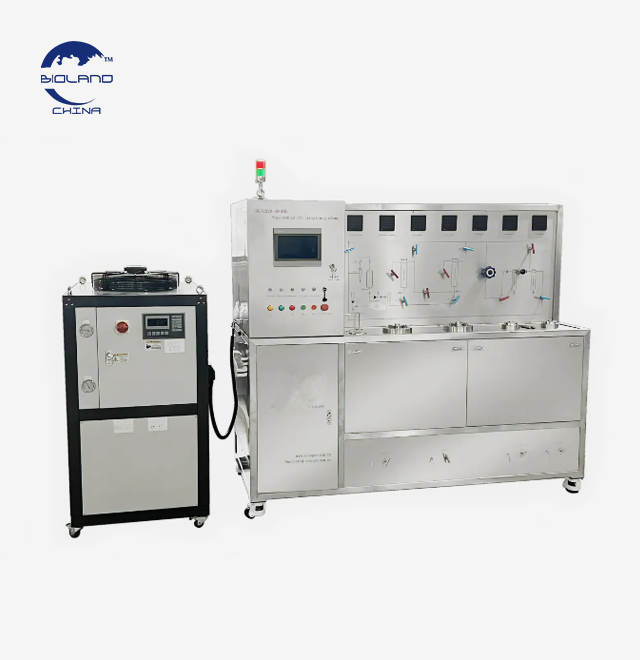
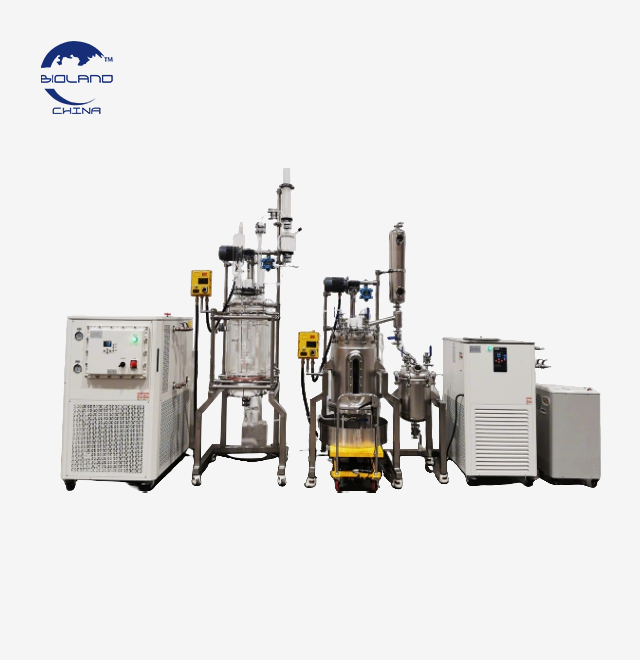
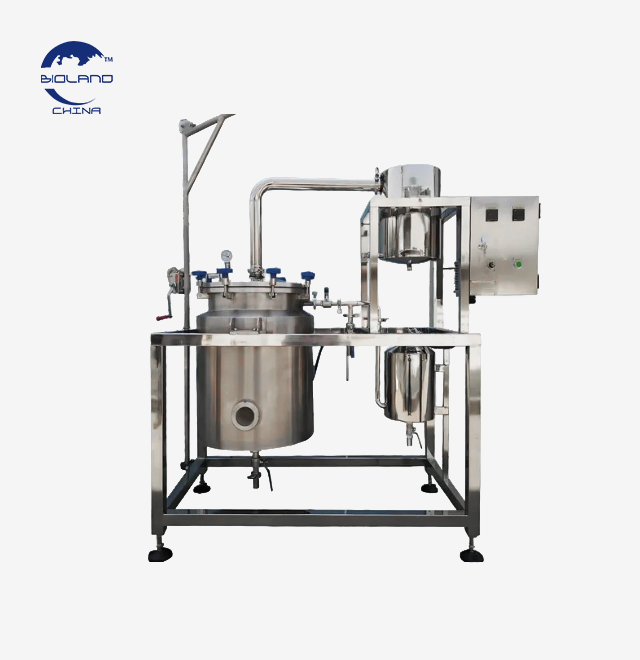
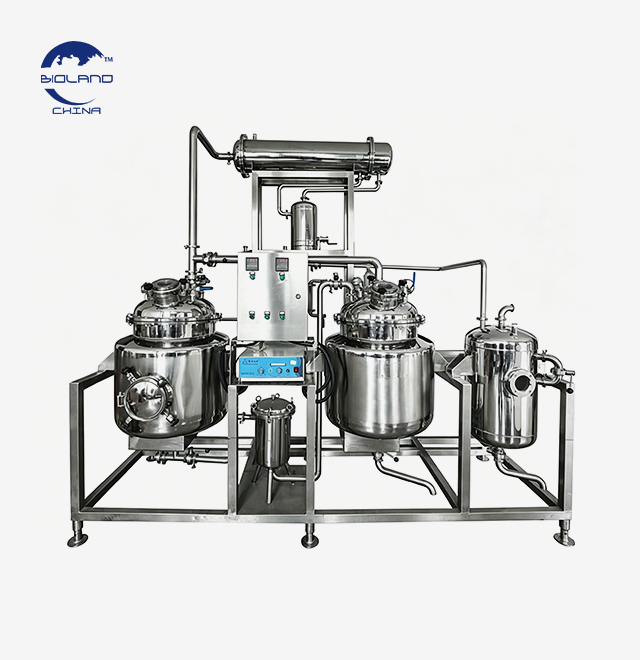
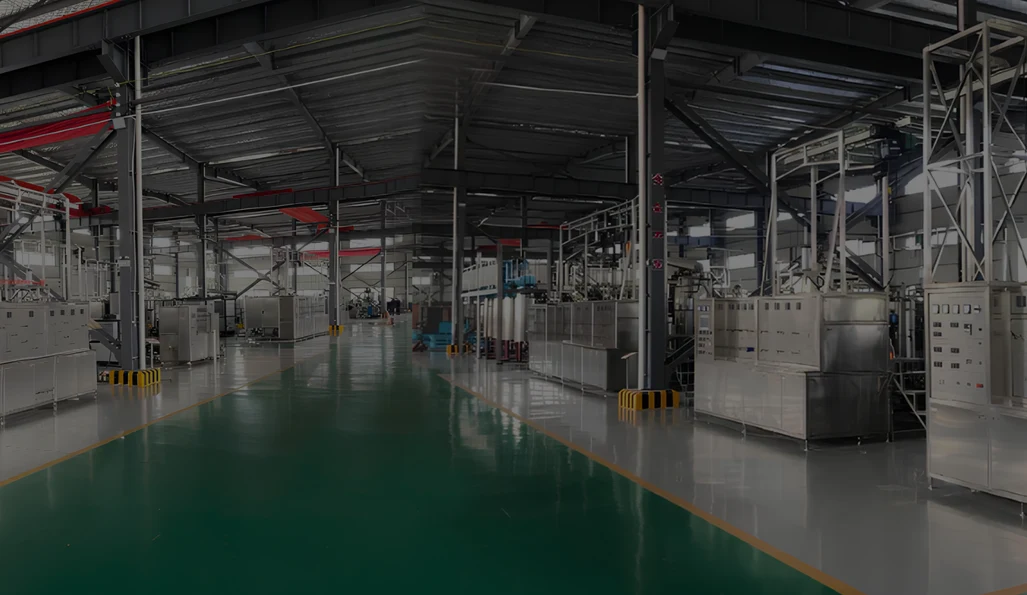
Plant extraction equipment is essential for many fields, from science and medicines to food processing and cosmetics making. Through very carefully controlled processes, these high-tech systems separate beneficial chemicals, essential oils, and other valuable parts from plant materials. Today's extraction equipment solves some of the most important problems in production, like how to get the most out of the yield, keep heat-sensitive active ingredients safe, and use as little liquid as possible while still meeting strict GMP and FDA standards. This comprehensive guide walks procurement professionals through the technical specifications, operational considerations, and supplier evaluation criteria necessary for making confident equipment investments.
Understanding Plant Extraction Equipment and Processes
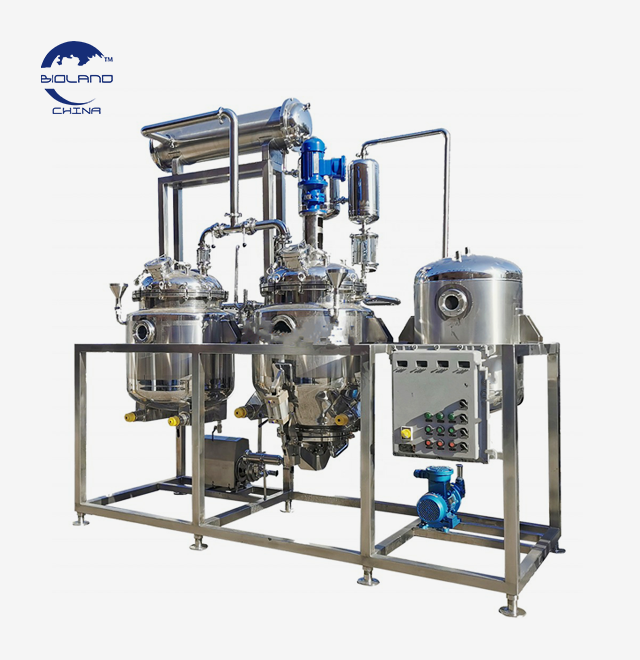
Botanical extraction machinery uses a variety of technologies to separate desired chemicals from raw plant materials by moving large amounts of material. In contrast to regular filter systems, industrial-grade equipment combines several unit processes into a single processing line.
Core Extraction Technologies
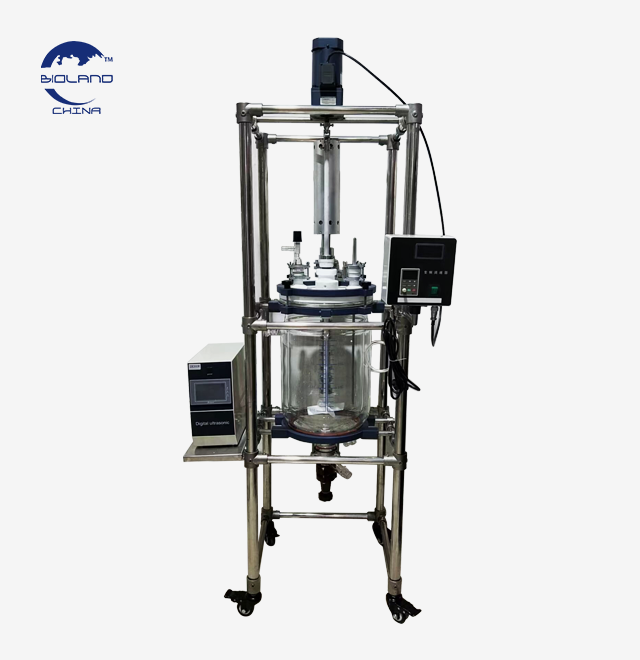
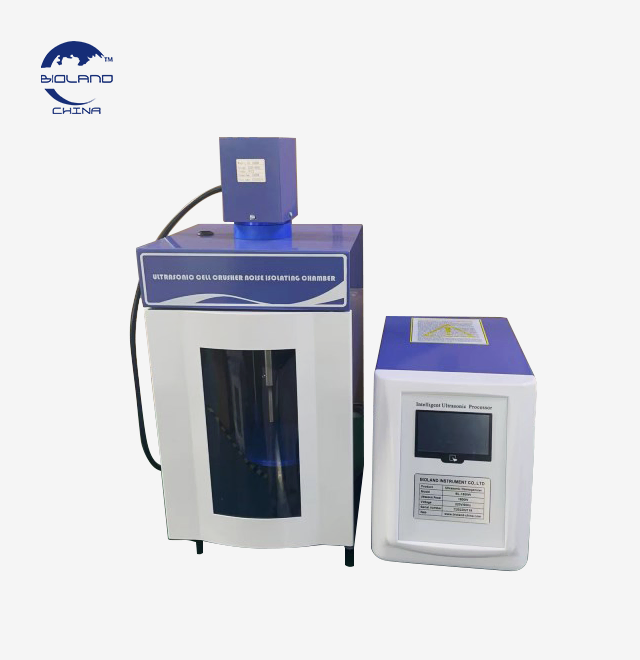
Choosing methods that are compatible with your product requirements and material properties is the first step to successful extraction. Ultrasonic-assisted extraction (UAE) uses high-frequency sound waves to break up cell structures and release materials inside cells while working at low temperatures of 40 to 60°C. Using this method protects heat-sensitive plant chemicals that might be broken down by other ways. Steam distillation is still the best way to get back volatile oils, especially when making essential oils where the market worth depends on the purity of the aromatic profile. Organic solvent extraction (OSE) is a flexible way to separate lipophilic compounds. Closed-loop solvent recovery systems that reuse ethanol or hexane can cut costs by up to 70% compared to single-pass designs.
Modern units made for pilot-scale multiplication are the link between study in the lab and full production. These systems keep the process settings set during the research and development stages, which lets the process be scaled up without having to be reformulated. When handling acidic plant materials or aggressive chemicals, equipment made of 316L stainless steel resists corrosion better than normal 304-grade options, so it lasts longer.
Step-by-Step Workflow
Knowing the steps involved in the extraction process helps you find the most important quality control points. The first step in the process is to prepare the feedstock by grinding plant materials into the right particle sizes so that the surface area is exposed just right and there are enough particles for downstream filters. Depending on how stable the target chemical is, the pre-treatment steps may include changing the amount of moisture or turning off enzymes. During the extraction process, you use the method you chose. This is controlled by PLC automation systems that keep temperature ranges within ±1°C and pressure ranges within 0.1 bar.
After the oil is extracted, it goes through filtering stages using bag filters or sintered metal disks with a 1-micron retention rating to separate the spent biomass. Vacuum evaporation is used to control the conditions for concentrated extracts. This keeps them from breaking down at high temperatures and recovers solvents for later use. There are quality control methods built in to make sure that the extract is pure, that the amounts of solvent residue are below the legal limits, and that there is stability from batch to batch, which is very important for medicinal uses.
Comparison of Plant Extraction Equipment: Selecting the Right Solution
There is a lot of pressure on procurement teams to balance technical success with delivery dates and price limits. Choosing the right plant extraction equipmentrequires careful consideration of many factors beyond the initial buy price.
Scale-Appropriate Equipment Options
When moving from lab study to pilot production, operations need tools that can handle batches of 50–500 kg while still following the process exactly. Mid-scale systems with modular growth can handle higher production rates without replacing the whole line, which protects capital investments. For large-scale pharmaceutical production, processing capacities of several tons per day are needed, along with tools for preparation upstream and purification trains downstream. These setups usually have redundant parts that keep the machines going even during repair windows. This is an important thing to think about for places that have production plans that run 24 hours a day, seven days a week.
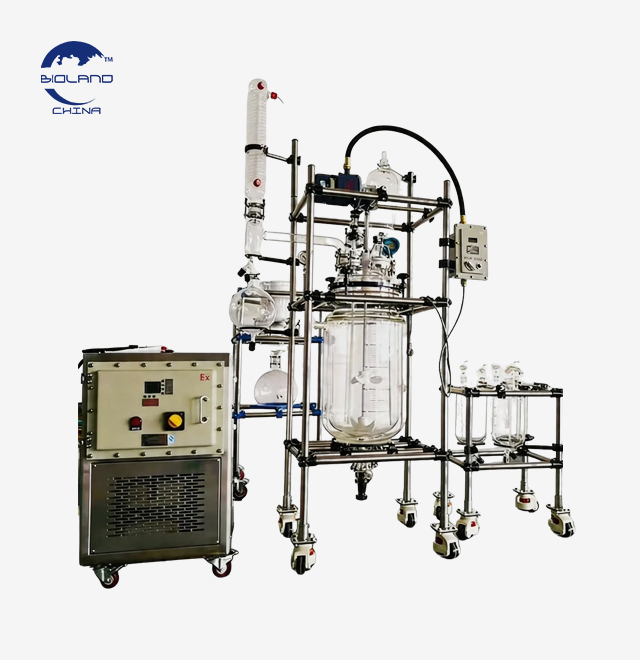
Metrics for extraction efficiency have a direct effect on how profitable a business is. Modern ultrasonic extraction systems show 50–500% higher yields than traditional soaking methods. This means lower costs for raw materials and a better return on investment. The two-condenser setup improves liquid recovery rates above 95%, which greatly lowers energy costs and the amount of waste that is released into the environment. When comparing the specs of different pieces of equipment, you should ask for thorough performance data from supplier reference sites that process similar plant materials under similar conditions.
Key Performance Indicators
When buying teams compare suppliers, these are the main measures they should look at:
Extraction Time Efficiency: Modern systems finish extraction processes in 24 to 40 minutes, which is more than two-thirds less time than traditional methods that take hours. This speeding up boosts daily output without making the physical size bigger.
Energy Consumption Profiles: Vacuum-jacketed tanks and improved heating systems make equipment use 30–40% less energy per kilogram of extract made, which has a big effect on running budgets over the 10–15 years that the equipment is in use.
Automation Capabilities: Fully automated PLC control systems require less operator input, lower the chance of human mistake, and provide detailed batch paperwork that is needed for regulatory compliance in pharmaceutical settings.
Customization Flexibility: Suppliers that offer OEM/ODM services make solutions that fit specific process flows, such as proprietary extraction methods or specific needs for handling material.
The total cost of ownership, which includes the initial cash spending, is based on these performance traits. When deciding what to buy, it's important to do a lot of financial planning because equipment that produces higher returns with less energy usually pays for itself within 18 to 36 months, even if it costs more.
Supplier Evaluation Criteria
Finding reliable plant extraction equipmentmakers requires more than just reading marketing papers. International safety and quality standards are met by certifications like CE, ISO, UL, SGS, ATEX, and IEC approvals. Explosion-proof standards for working with flammable solvents are covered in ATEX approval. This protects both people and the building's structure. Suppliers with 15 years or more of experience in the field show technical development and market life. This lowers the risk of equipment that is left behind and can't get parts or technical support.
Reference pieces are a great way to get a feel for how something works in the real world. Successful projects that extracted chemicals from stevia, propolis, capsaicin, curcumin, and mushrooms show that they can work with a wide range of plant materials and compound types. By asking to visit installations that are already running, you can see for yourself how reliable the equipment is, how happy the operators are, and what kind of upkeep is needed while the installations are in use.
Maintenance, Safety, and Environmental Considerations
Systematic repair plans and following safety measures by operators are needed for equipment to keep working well. When production managers have to balance uptime goals with regular maintenance plans, equipment that is easy to get to and can be serviced quickly helps.
Preventive Maintenance Protocols
Regular repair intervals keep extraction working well and increase the life of the equipment. Every week, mechanical seals, gasket integrity, and the performance of the vacuum system are checked to find wear before it stops production. Using integrated CIP (Clean-in-Place) systems for deep cleaning once a month keeps the area clean and meets GMP standards for cleanliness. This stops cross-contamination between product runs. Automated discharge devices cut down on human handling, which lowers the risk of pollution and protects workers from process materials.
Downtime is kept to a minimum by suppliers who offer complete repair paperwork, replacement parts inventories, and the ability to do diagnostics remotely. Our professional technical team keeps an eye on how the equipment is working and gives dedicated experts to keep track of progress through photos and videos. They are also available for ongoing troubleshooting support for the entire lifecycle of the equipment.
Safety and Regulatory Compliance
When working with flammable liquids, you need to make sure that your plant extraction equipment is set up in a way that prevents explosions and addresses sources of ignition in the extraction area. ATEX-certified motors, fundamentally safe instruments, and nitrogen blanketing systems that stop explosive atmospheres from forming are all parts of full explosion-proof designs. Multiple safety layers, such as pressure relief devices, temperature interlocks, and emergency stop circuits, keep workers and facilities safe from overpressure or thermal runaway situations.
GMP compliance includes more than just the design of tools. It also includes how it is used and how it is documented. Material touch areas made from electropolished 316SS with finishes below Ra 0.4μm keep microbes from growing and make confirmation cleaning easier. Regulatory applications for pharmaceutical and nutraceutical goods going into controlled markets are helped by equipment that meets FDA rules for residue limits and material traceability.
Environmental Sustainability
Manufacturers who are responsible take environmental concerns into account when they build their products. When compared to open-process alternatives, closed-loop solvent recovery systems collect and clean organic solvents so they can be used again. This cuts the amount of hazardous trash made by 80–90%. Using waste heat recovery and better thermal protection, energy-efficient heating systems lower carbon footprints and lower electricity costs. Low-temperature extraction keeps thermally sensitive compounds safe without using too much energy. This makes operations more efficient while also meeting green goals that are becoming more important in corporate buying policies.
Procurement Guide: How to Buy the Right Plant Extraction Equipment
To get through the process of buying tools, you need to carefully weigh the technical needs against the limitations of your company. Acquisitions that work well balance the need for instant production with the ability to grow and change operations in the long run.
Defining Your Requirements
Before you buy anything, you need to figure out how big your production will be. The daily processing amounts, batch sizes, and yearly flow goals will help you set standard equipment capacity specs. The budget includes not only the initial cash investment, but also the costs of installation, training for operators, stocking up on extra parts, and estimating how much it will cost to maintain the equipment over its lifetime. Performance requirements list goals for how well your equipment should extract, how much of the solvent it should recover, and the quality of the product it should always make.
Including partners from different departments makes sure that all of the requirements are defined. Process compatibility and technical success measures are important to R&D leaders. Purchasing managers pay attention to the total cost of ownership, delivery times, and how reliable the provider is. Factory managers put a high value on equipment that is reliable, easy to maintain, and has quick response times for after-sales support. Aligning these points of view keeps expensive design holes from being found during testing.
New Equipment versus Alternatives
When you buy newplant extraction equipment, you get a guarantee, the newest technology built in, and the ability to fully customize it to fit your process needs. Custom-built solutions can work with special facility requirements, handle feedstock in a certain way, or use special extraction methods that aren't available in standard setups. Lead times for custom systems are usually 30 business days. This gives engineers time to make sure that the equipment meets all the requirements before it is built.
For activities that need to be set up quickly, standard equipment setups ship within 5–7 business days. The designs of these units have been tested and found to work well in typical situations. This lowers the risk of the project by allowing for a lot of field evaluation. Leasing agreements help businesses save money and give them more control over their operations. This is especially helpful for contract manufacturers who work with many clients whose equipment needs change.
Working with BIOLAND
Xi'an Bioland Instrument Co., Ltd. has been making botanical extraction systems, distillation tools, and combined process lines for more than 15 years. Our wide range of products includes ultrasonic extraction machines, ethanol recovery systems, supercritical CO2 extractors, and essential oil distillation units. These are used in the pharmaceutical, biotechnology, food processing, and cosmetics industries in North America, Europe, and Southeast Asia.
Purchasing partnerships with Bioland offer complete solutions that include planning the workshop, choosing the right tools, commissioning the installation, and teaching the operators. Our in-house research and development (R&D) staff and highly trained expert team work with clients from the first idea to optimizing output, making sure that equipment works as planned. Factory acceptance testing, which is done at our location, lets the client check the product before it is shipped and keeps track of performance against agreed-upon standards.
As proof of quality, all of the equipment meets GMP/FDA guidelines and has CE and ISO certifications. We protect your investment throughout its working lifecycle with one-year warranties and lifetime servicing support. Freight transport choices that are flexible, such as sea, train, and air, can be used to meet project deadlines and budget needs.
Future Trends and Innovations in Plant Extraction Equipment
Digitalization, process improvement, and sustainable efforts are changing the way industrial processing is done, and extraction technology is still changing. Forward-thinking buying teams look at both how well the equipment is working now and how well it can be changed to meet the needs of future operations.
Adding IoT to automation makes it possible to watch processes in real time, plan repairs ahead of time, and run machines from afar. Connected equipment sends operating data to cloud platforms, which use machine learning algorithms to automatically find the best extraction settings, which increases yield while lowering energy use. These smart systems make it easier for operators to do their jobs while also making sure that each batch is the same. This is especially helpful for factories that are losing workers or adding more shifts.
As environmental laws get stricter and people start to prefer goods that are made in a way that doesn't harm the environment, green mining methods are becoming more popular. Supercritical CO2 extraction gets rid of the need for organic solvents completely, which fits with the standards for organic certification and the clean-label marketing strategy. Using subcritical water in aqueous extraction methods lowers the damage to the environment while still getting to polar chemicals that traditional organic solvents can't reach.
Scalability is provided by modular equipment designs that can adapt to the needs of a business as it grows. Systems with standardized interfaces can handle increasing capacity with parallel processing trains without having to completely redo the facility. This freedom is especially helpful for new biotechnology businesses that aren't sure how quickly their products will be adopted by the market. It lets them carefully invest their money in ways that will help them make more money.
Conclusion
Finding the best plant extraction equipmentrequires a thorough analysis that balances technical performance, legal compliance, and the costs of running the business over the long term. When buying teams know about core extraction methods, performance metrics, and suppliers' abilities, they can make smart choices that protect capital investments and support production goals.
Modern systems with 50–500% more efficiency than old methods, combined automation, and GMP-compliant building give businesses a competitive edge by increasing yield, lowering costs, and gaining the trust of regulators. When you work with experienced manufacturers that offer customization options, full support, and a track record of success in a wide range of uses, you can be sure that your equipment investments will continue to provide value throughout their operating lifetimes.
FAQ
Q1: What extraction method works best for pharmaceutical-grade botanicals?
A: The best way to do something relies on the properties of the goal compound and the rules that must be followed. Ultrasonic-assisted extraction at 40–60°C protects active medicinal ingredients that are sensitive to heat and completes the extraction process in 24–40 minutes. Concerns about solvent waste are completely eliminated by supercritical CO2 extraction. This makes regulatory applications easier for markets with strict purity standards.
Q2: How frequently does extraction equipment require maintenance?
A: Schedules for preventive repair depend on how busy the process is and how it works. Integrated CIP systems help with weekly checks and monthly deep cleaning in high-throughput plants that work with abrasive feedstocks. For systems that get moderate use, the time between checks may be pushed back to every two weeks, with full servicing every three months.
Q3: Can extraction systems accommodate multiple product types?
A: Modern equipment that is made up of separate modules can be quickly switched between different types of processing plants. Multi-product plants can keep GMP compliance and avoid cross-contamination by using separate solvent delivery systems, specialized filtration trains, and cleaning methods that have been tested and proven to work. Suppliers that let OEMs customize designs build freedom into base systems that let product lines grow without having to buy all new equipment.
Partner with BIOLAND for Superior Extraction Solutions
BIOLAND INSTRUMENT specializes in providing pharmaceutical, nutritional, and specialty chemical companies with high-performance plant extraction equipment that is made just for them. Our methods improve performance by 50–500% by using ultrasonics, dual-condenser solvent recovery, and low-temperature processing to keep important bioactive substances safe. Our GMP-designed equipment meets the strictest international standards. It has been certified to comply with CE, ISO, ATEX, and IEC.
We help our customers from the first consultation through installation commissioning and continued technical support. Our more than 15 years of experience in the field and track record of success with stevia, curcumin, and capsaicin production lines back this up. Our engineering team creates unique solutions that fit your exact process needs, whether you need a company to make plant extraction equipment for a test project or a full production line. Email us at info@biolandequip.com to talk about your extraction problems and get full information on how our technology can help you save money, get better results, and speed up the production process.
References
1. Smith, J.R., and Thompson, M.L. (2021). Industrial Botanical Extraction: Technologies and Applications. Chemical Processing Press.
2. European Medicines Agency. (2019). Guideline on Quality of Herbal Medicinal Products/Traditional Herbal Medicinal Products. EMA Publication Series.
3. Wang, L., and Weller, C.L. (2020). "Recent Advances in Extraction of Nutraceuticals from Plants." Trends in Food Science & Technology, 88, 300-315.
4. International Organization for Standardization. (2018). ISO 9001:2015 Quality Management Systems—Requirements for Process Equipment Manufacturers. ISO Standards Catalog.
5. Chemat, F., Vian, M.A., and Cravotto, G. (2022). "Green Extraction of Natural Products: Concept and Principles." International Journal of Molecular Sciences, 23(4), 2037.
6. American Herbal Products Association. (2020). Good Manufacturing Practices for Botanical Extract Production Facilities. AHPA Technical Guidelines, Third Edition.
The reactor is beautifully mirror-polished and fully complies with GMP requirements for the pharmaceutical industry. The performance is excellent! Overall, we are very satisfied! We also provided with some feedback on our process improvements, which we hope will be helpful.
2024-04-09
Laboratory
Excellent and professional service. Always reply our questions very fast. All reactors and chiller we received are good too.
2024-02-15
Research Institute
Quality is beyond our expectation actually. After we got the extraction equipment and started using it, the performance was beyond our expectation. Very easy to use and very efficient to run. Service always respond us very quickly. Was also very helpful to help us. Thanks Bioland team. Very happy to work with you.
2023-11-20
Biotech Company
We are happy about the new purchase as always. Equipment and services are both good.
2023-08-05
Instrument Lab
This is the second order with Bioland instrument and everything is good as the first dateText.
2023-05-12
Global Trading Partner
Bioland instrument team is very helpful and professional. The sales helped us select the right equipment for our application, and their logistics people handled the transportation and customs declaration for our shipment. All that saved us a lot of work.