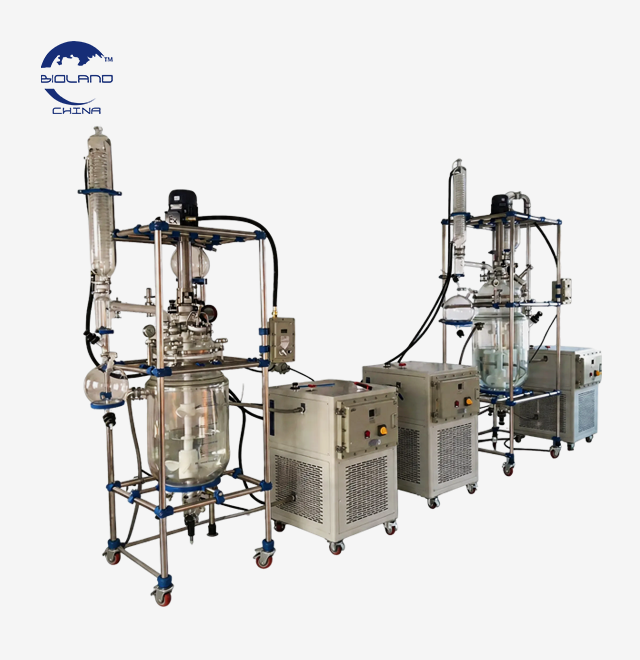
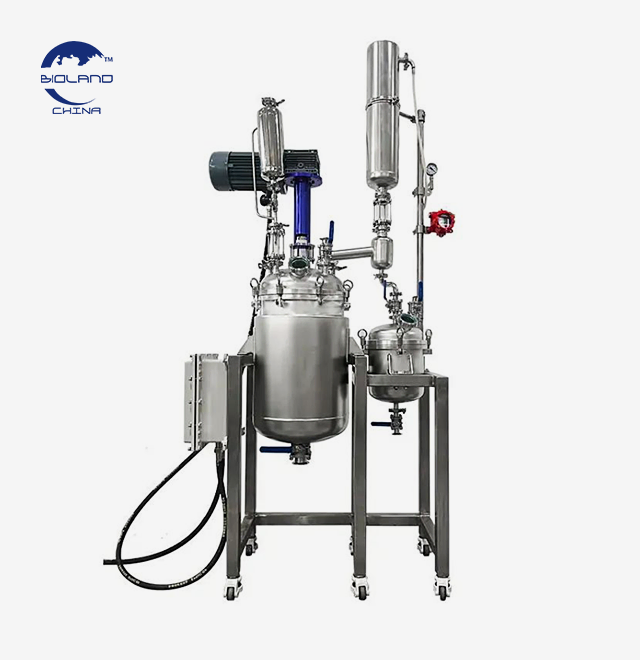
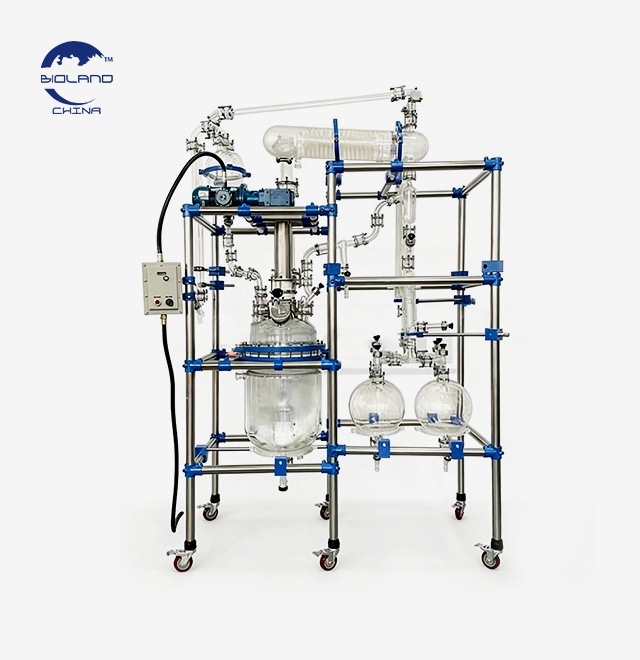
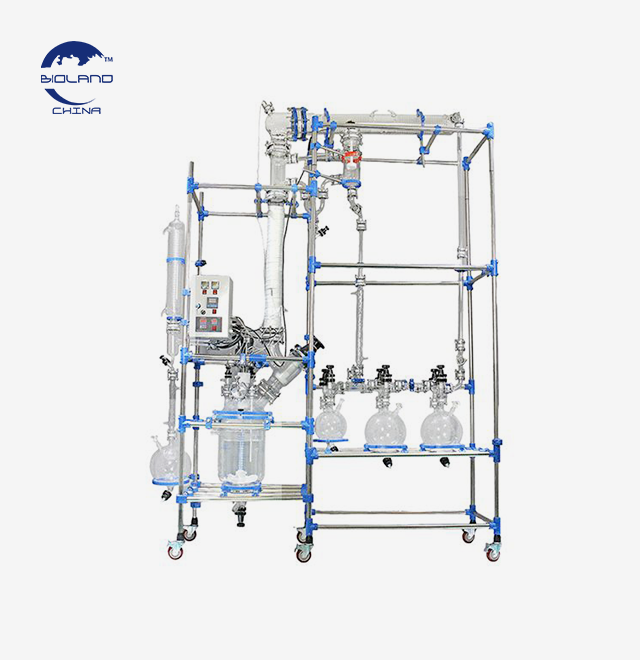
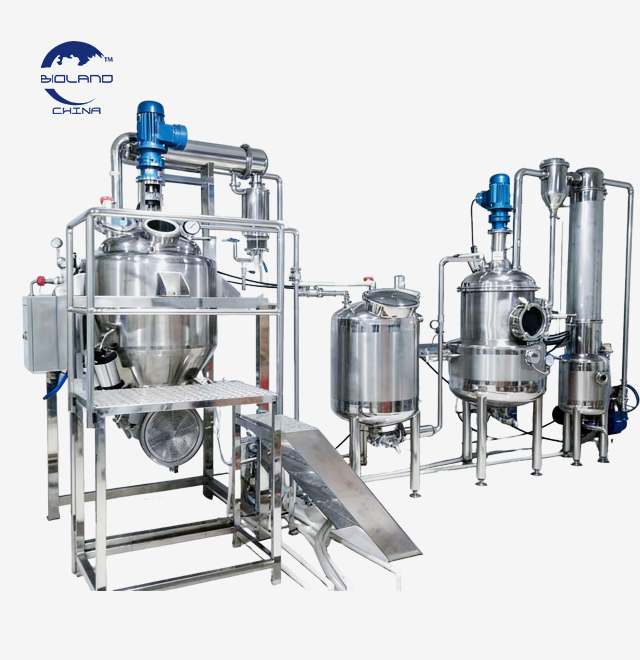
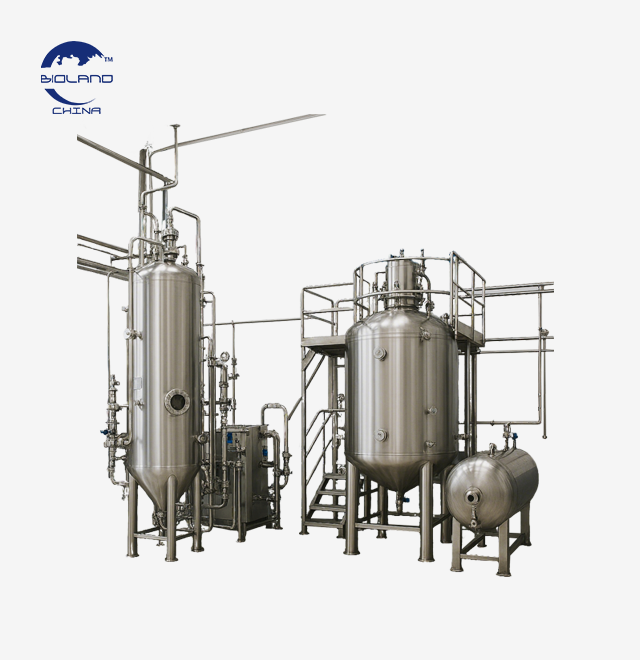
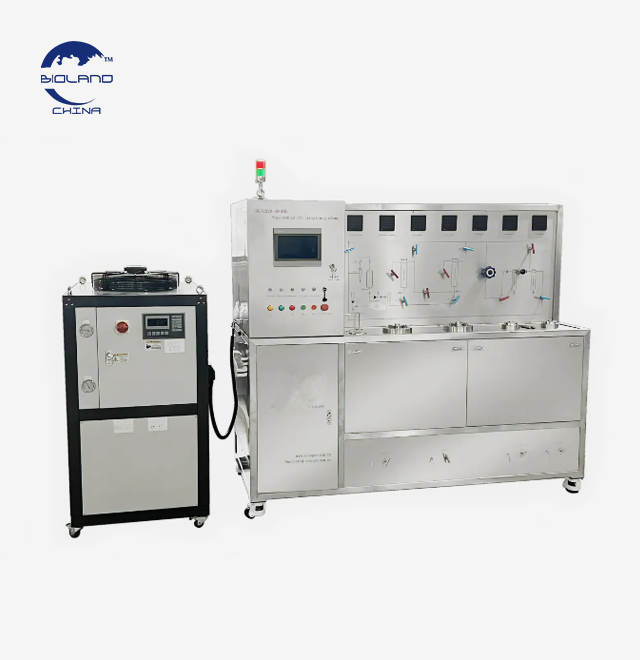
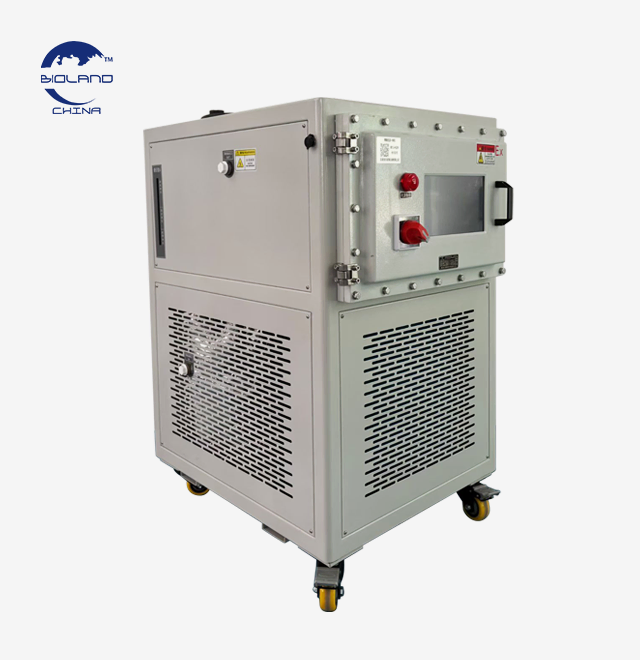
When making a budget forplant extraction equipment, it's important to think about how to balance the initial investment with the ongoing costs of running the business. When making a budget, it's important to carefully consider extraction methods, supplier skills, and the total cost of ownership. This is true whether you're going from lab research to pilot production or adding to a current line. This detailed guide shows procurement professionals tried-and-true budgeting methods that match technical needs with financial goals. It helps you make decisions with confidence that give clear benefits in the food processing, cosmetics, pharmaceuticals, and nutraceuticals industries.
Understanding Botanical Extraction Equipment and Its Budget Impact
Specialized industrial equipment called plant extraction equipment is used to separate beneficial chemicals, essential oils, and active pharmaceutical ingredients (APIs) from plant materials. These systems use different separation methods, and each one will cost your business a different amount of money.
Defining Core Extraction Technologies
The extraction scene has a number of tried-and-true methods. Ultrasonic-assisted extraction uses high-frequency sound waves to break down plant cell walls. This makes chemical release much faster while working at lower temperatures (40–60°C). Because they protect heat-sensitive parts, ultrasonic systems are very useful in pharmaceutical settings where the purity of the substance is key to how well the product works.
Organic solvents like ethanol or hexane are used in solvent-based extraction to break down target molecules. This method can be used with a wide range of plant materials. Modern ethanol extraction systems can collect 90–98% of the solvents they use, which cuts down on running costs by a large amount. As the pressure and temperature are precisely controlled, supercritical CO₂ extraction is able to selectively remove non-polar molecules without leaving behind any solvent leftovers, but it costs more and needs more money to start up.
Budget Impact Across Equipment Types
The type of equipment you buy will have a big impact on your budget. The cost of ultrasonic extraction systems is usually not too high, and the extraction process only takes 24 to 40 minutes, which is over 65% shorter than with traditional methods. This speed means that more work gets done in less time and with less energy used per batch.
For industrial-scale units, supercritical systems require a large initial investment of between $150,000 and $500,000. However, they save money in the long run because they don't need solvents for processing and don't need much post-processing. Even though purchase prices are higher, the lifetime economics are very strong because there are no solvent costs for buying, storage, or disposal.
Different methods use very different amounts of energy. Optimized ultrasonic systems only need 8–12 kWh to produce the same amount of material as traditional reflux extraction, which can use 15–25 kWh per batch. When these differences are spread out over thousands of batches every year, they add up to five-figure saves that make technology fees worth it.
Application Context and ROI Justification
Application in the industry has a direct effect on budget explanation. Pharmaceutical companies that take out valuable alkaloids or cannabinoids can explain using more expensive extraction methods by getting higher purity levels and following the rules. A system that delivers 99% purity or higher gets rid of the need for expensive steps in the process, and it usually pays for itself within 18–24 months of operation.
The most important things for companies that make nutraceuticals that handle polyphenols or antioxidants are throughput and yield accuracy. Comparative studies have shown that equipment that is 50–500% more efficient than traditional methods helps makers get more value from raw materials while keeping prices low. When you use two condensers together, you get better extraction and recovery rates, which directly boosts your profit margins on every production run.
Core Considerations When Budgeting for Botanical Extraction Equipment
To make a good budget, you need to look at more than just prices. You need to think about the total cost of ownership over the life of your plant extraction equipment.
Defining Production Scale and Capacity Requirements
The size of your plant extraction equipment and its prices are largely based on how much you produce. Laboratory-scale systems that can handle 5–20 liters are good for R&D and small-batch custom production. They usually cost between $15,000 and $45,000 to buy. Pilot-scale equipment that can hold 50–200 liters of fluid is used between study and commercial production. It helps validate processes and make small batches of products with investments ranging from $50,000 to $150,000.
Industrial devices that can handle 500 liters or more per batch make it possible to make things on a business scale. These designs need between $200,000 and $600,000 in capital, but the cost per unit is low enough that high-volume production is profitable. If you can accurately predict your production numbers over the next three years, you can avoid costly over-specification or capacity constraints that stop growth.
Total Cost of Ownership Analysis
The price of buying something only accounts for 40–60% of its real lifetime costs. A full TCO study looks at how much energy is used, how much solvent is used, how much upkeep is needed, and how much operational labor is needed over the expected equipment lifespan, which for quality systems is usually 10 to 15 years.
When compared to regular systems, energy-efficient designs that use variable frequency drives and better heating and cooling processes cut yearly costs by $8,000 to $25,000. Solvent recovery systems cost an extra $20,000 to $50,000 to buy, but they save between $15,000 and $40,000 a year on solvent removal and purchase costs, paying for themselves in 18 to 30 months.
Every year, maintenance costs are about 3–7% of the value of the plant extraction equipment. Systems made of 316 stainless steel and sanitary surface treatments (Ra ≤0.4μm) lower the risk of rust and contamination, which means they need less upkeep and last longer. This material price of 15–25% saves a lot of money by keeping plant extraction equipment from having to be replaced too soon.
Supplier Experience and After-Sales Support
Choosing a supplier has a huge effect on how well the budget works in the long run. Manufacturers with more than 15 years of experience in specialized extraction bring proven engineering skills that keep design mistakes and inefficient operations from costing a lot of money. Their track record in many different industries, from stevia and propolis to capsaicin and curcumin extraction lines, shows that they can reliably do a wide range of tasks.
Long periods of downtime that cost $5,000 to $20,000 a day in missed production can be avoided with full after-sales support that includes installation commissioning, user training, and quick technical help. Integrative solutions that lower project risk and speed up time to production are provided by suppliers who offer turnkey services, which include everything from planning the workshop to choosing the right plant extraction equipment and providing ongoing support. Manufacturers who are approved to ISO, CE, ATEX, and IEC standards show that they care about quality control and following the rules, which saves your investment.
Step-by-Step Budget Planning Process
Systematic budget planning breaks down hard buying choices into doable parts that make sure that technical needs are met while staying within budget.
Identifying Primary Cost Drivers
The biggest cost issue is how your plant extraction equipment is set up. Base extraction systems do the basic work, and add-ons like electrical systems that can't explode, organic solvent recovery units, CIP cleaning systems, and automatic discharge devices cost an extra $15,000 to $80,000 each. Over-specification is avoided by putting options that meet your unique process needs at the top of the list.
Certification and compliance standards affect how the cash is spent. Equipment that meets GMP/FDA standards for making pharmaceuticals costs more, but it doesn't need to be retrofitted or replaced during regulatory exams, which can be expensive. Explosion-proof designs approved by ATEX that are needed for working with flammable solvents raise the cost of plant extraction equipment by 20 to 35 percent but are an absolute must for safety reasons.
Budgets often go off track because of hidden costs. Installation costs, such as preparing the base, connecting utilities, and setting up air systems, usually add 10–20% to the price of the plant extraction equipment. Another 5–8% comes from training the operators, making sure the process works, and checking the raw materials at the start. By including these costs in the original budgets, funding gaps during the project are avoided.
Establishing Budgeting Principles
Setting spending goals that are in line with output goals creates financial control. Figure out how much you want the removed product to cost, and then work backwards to figure out how much you can spend on plant extraction equipment. This goal-oriented method makes sure that the choice of plant extraction equipment supports business goals instead of buying extra features that aren't needed.
Compliance with regulations should get its own cash. Regulatory delays that raise project costs can be avoided by using plant extraction equipment that is made to GMP standards and has the right material certifications and paperwork. Setting aside 12–18% of the cost of the plant extraction equipment for validation, paperwork, and compliance checks protects against problems caused by regulations.
Energy efficiency is worth more attention because the saves add up over the life of the plant extraction equipment. Systems that use 30–40% less energy thanks to PLC-automated control systems and better heat exchange often save more than 8–12% of the starting cost of the equipment every year, giving a strong return on investment (ROI) within five years of operation.
Learning from Industry Case Studies
A drug company bought new plant extraction equipment worth $180,000 to switch from standard reflux extraction to ultrasonic-assisted systems. The work cut the time it took to extract the oil from 6 to 8 hours to 35 minutes and increased the output by 23%. Operating costs were cut by more than $95,000 a year by using less energy, labor, and raw materials. The savings were fully recouped in 22 months.
A company that makes products and uses plant extracts for high-end skin care lines chose supercritical CO₂ equipment because it cost $320,000 instead of $140,000 for ethanol-based options. The solvent-free process cut yearly solvent costs by $48,000 and raised prices 40% for "clean label" extracts. This brought in an extra $180,000 in revenue each year, which paid for the higher cost of technology within the first year of production.
Comparing Extraction Technologies: Impact on Budget and ROI
The technology you choose has a big impact on both the amount of money you need to invest and how much it costs to run your plant extraction equipmentover its entire useful life.
Solvent Extraction Economics
It doesn't take a lot of money to buy an ethanol-based plant extraction equipment ($80,000 to $250,000 for an industrial scale), and they can be used for a lot of different things. Modern systems that use solvent recovery technology can get back 92 to 98% of the ethanol. This cuts the cost of the solvent from $0.80 to $1.20 per liter of working capability to $0.08 to $0.15. Facilities that make 200 to 500 batches a year will save $25,000 to $75,000 a year thanks to this 85–90% drop in liquid costs.
A modest amount of work is still needed for operational tasks because heating cycles, pressure management, and solvent recovery are mostly taken care of by automatic systems. For 100-liter systems, the average amount of energy used per batch is 10–15 kWh, which means that the monthly cost of energy at industry rates is $800–$1,500. When you combine proven dependability, user knowledge, and governmental acceptance, you get a strong case for using solvent systems in businesses that want to keep operations running smoothly.
Ultrasonic Extraction Value Proposition
Ultrasonic-assisted extraction is a very efficient method that makes the higher cost of the plant extraction equipment worth it. Systems with two ultrasonic configurations speed up the extraction process while working at 40–60°C, which keeps heat-sensitive parts that break down during normal processing. With extraction times of 24–40 minutes, 6–8 batches can be made every day instead of 2–3 with the old way of doing things. This essentially triples production capacity without the need to expand the building.
Capital costs that range from $60,000 to $200,000, based on capability, are a good deal when you compare them to the gains in production. Because the technology works with different liquids, like water, ethanol, and organic solvents, it can be used to process a wide range of plant materials. Pharmaceutical companies like the higher purity levels that can be achieved by precisely controlling the temperature and shortening the extraction time. This is because it reduces the co-extraction of unwanted chemicals.
Supercritical CO₂ Investment Analysis
Supercritical systems are the most advanced technology, and industrial units cost between $250,000 and $600,000. This level of cash needs a thorough ROI study that focuses on how to make the product stand out and how to save money on operations. Solvent purchase, storage, and removal are no longer needed, which saves between $40,000 and $100,000 a year and allows marketers to make "clean label" claims that lead to higher prices at retail.
Processing costs per kilogram are usually 30–50% higher than with solvent methods. However, presenting a product as a premium item can lead to 50–100% price rises at sales that more than cover processing costs. Due to the complexity of the system, maintenance needs are modest. Each year, maintenance costs average 4–6% of the value of the plant extraction equipment. Businesses that sell solvent-free items to health-conscious customers who are willing to pay more for them find good economics, even though they need more cash.
Matching Technology to Business Scale
Ultrasonic-assisted ethanol extraction is often the best way for small-batch specialty makers who process 50–200 kg per month to save money. The technology provides quality good enough for high-end markets at a cost of $75,000 to $150,000 that small businesses can afford. Organizations with limited technical facilities can benefit from low running costs and simple maintenance needs.
Integrated extraction-concentration systems make work easier for medium-sized businesses that handle 500 to 2,000 kg of material every month. Priced between $200,000 and $350,000, combined ultrasonic-assisted extraction, vacuum filter, and low-temperature concentration plant extraction equipment get the job done quickly and cheaply. These designs work with pharmaceutical and nutritional uses that need processes that have been tested and can be repeated.
For makers with a monthly capacity of more than 5,000 kg, supercritical CO₂ or large-volume ethanol systems make the most sense because they lower the cost of handling each unit. When you spend between $400,000 and $800,000 on capital, you get economies of scale that lower the cost of extraction per kilogram to levels that keep you competitive in business markets with high volumes.
Maintenance and Safety Budgeting: Ensuring Long-Term Efficiency and Compliance
Planning repair ahead of time saves investments inplant extraction equipment while also increasing business availability and meeting regulatory requirements.
Routine Maintenance Cost Allocation
Maintenance costs usually range from 3 to 7% of the value of the plant extraction equipment every year, depending on how complicated the system is and how often it is used. Basic upkeep chores for standard systems cost between $3,000 and $8,000 a year and include replacing seals, inspecting gaskets, and cleaning and validating. More complicated setups with automatic controls, explosion-proof parts, and built-in solvent recycling need between $8,000 and $18,000 a year for upkeep.
Scheduled preventative maintenance cuts down on the need for expensive emergency fixes. Inspections every three months that look for wear patterns on pump seals, heating elements, and pressure tanks stop major failures that shut down the system for days at a time. If a $1,200 inspection program stops just one big failure, it pays for itself many times over, since unplanned production interruptions cost $5,000 to $15,000 per day.
Safety Compliance Investment
When working with flammable liquids, you need electricity systems that are explosion-proof and meet ATEX or Class I Division 1 standards. These designs raise the base cost of the plant extraction equipment by 25–35% but are necessary for safety reasons. The legal and financial effects of safety events, such as the possibility of closing the facility, lawsuits, and changes to insurance rates, are much higher than the costs of compliance.
Training for operators should have its own budget. Comprehensive training programs that cost between $2,000 and $5,000 per piece of plant extraction equipment make sure that it is used safely and efficiently, and they stop operators from making mistakes that damage the equipment or lower the quality of the product. As staff members leave and processes change, effective skill is kept up with annual refresher training.
Optimizing Maintenance Economics
Supplier-maintained service agreements help you plan your budget and make sure you have access to skilled technology support. Annual contracts usually cost 5–8% of the worth of the plant extraction equipment, but they cover things like planned repair, emergency reaction, and part replacement, so there are no surprises that blow the budget. Manufacturers with committed expert teams, like those that offer lifetime repair support, provide quick service that keeps downtime to a minimum.
Retrofits that save energy pay off in a big way. Installing variable frequency drives that cut the energy use of pumps and motors by 20–30% costs $3,000–$8,000, but they save $2,000–$6,000 a year on industrial systems, so they pay for themselves in 18–30 months. Better insulation cuts the amount of hot energy needed by 15–25%, which also gives quick returns and makes the process temperature more stable.
Automation and tracking tools make plant extraction equipment last longer and work better while doing so. PLC-automated control systems exactly control time, temperature, and pressure. This stops the over-heating and over-pressurization that wears down parts faster. Real-time monitoring that alerts workers to changes in parameters lets them fix problems right away, before they get worse and cause big failures. These methods raise the price of plant extraction equipment by 10–15% but cut down on long-term maintenance costs and unplanned downtime by a large amount.
Conclusion
When you make a strategic budget for plant extraction equipment, you make sure that the initial investment is balanced with the costs over the equipment's lifetime. This way, you can choose the best technology for your output goals and your budget. To be successful at procurement, you need to do a full TCO study that includes the purchase price as well as energy use, upkeep needs, and legal compliance.
Comparing technologies shows that each has its own benefits: ultrasonic systems offer fast extraction and temperature control, ethanol-based systems allow for flexible processing with cost-effective solvent recovery, and supercritical CO₂ processing lets you position your product as a premium one without using any solvents. Working with makers that have been in business for more than 15 years, have all the necessary certifications, and offer strong after-sales support will protect your investment and speed up the successful start-up and long-term operation.
FAQ
What extraction method offers the best cost efficiency for mid-scale botanical processing?
Ultrasonic-assisted ethanol extraction is usually the most cost-effective way to process 500 to 2,000 kg of ethanol per month. This technology has low start-up costs ($100,000 to $200,000), quick extraction times (24 to 40 minutes), low-temperature operation that protects the purity of the compound, and solvent recovery methods that get back 92 to 98% of the ethanol. The result is handling costs that are low per kilogram while keeping product quality that is good for medicinal and nutraceutical uses.
Should I consider purchasing used extraction equipment to reduce initial investment?
Buying used plant extraction equipment can cut up-front costs by 40–60%, but there are a lot of risks involved. There are operating uncertainties when you don't know the past of upkeep, when key parts may have hidden wear, or when the warranty only covers a certain amount. Also, older systems often don't have current technology or energy-saving features that can save a lot of money on running costs. Organizations that don't have a lot of technical knowledge to evaluate plant extraction equipment usually get better long-term value from buying new equipment from reputable makers that comes with full warranties and technical support.
What ongoing costs beyond purchase price should I budget for botanical extraction systems?
Comprehensive budgets should set aside 15 to 25 percent of the cost of buying plant extraction equipment each year for operating costs. This includes energy use ($12,000 to $35,000 a year for industrial systems), buying solvents (net of recovery) ($3,000 to $15,000 a year depending on how well they are recovered), routine maintenance ($5,000 to $15,000 a year), replacing consumables like gaskets and seals ($2,000 to $6,000 a year), and operator labor. By planning ahead for these ongoing costs, you can avoid budget gaps that could hurt operations and shorten the life of your plant extraction equipment.
Partner with BIOLAND for Your Botanical Extraction Investment
The engineers at Xi'an Bioland Instrument Co., Ltd. have been developing and making plant extraction equipment solutions for pharmaceutical, nutraceutical, cosmetic, and food processing uses for more than 15 years. Our complete plant extraction equipment, which include ultrasonic plant extraction machines, ethanol-based extraction equipment, and combined extraction-concentration units, are 50–500% more efficient than traditional methods. This is made possible by modern dual-condenser configurations and PLC automation.
Our ISO, CE, ATEX, and IEC certifications show that we care about quality and safety, and all of our equipment meets GMP/FDA standards to make sure we follow the rules. Our engineering team offers turnkey solutions, starting with the initial meeting and workshop planning and continuing with the design and installation of special plant extraction equipment, operator training, and technical support for life. Our OEM/ODM services create systems that are perfect for your plant materials and process needs, whether you're moving from lab to trial production or increasing the amount of space you have.
Get in touch with our technical team right away at info@biolandequip.com to talk about your extraction needs and get a full budget plan. As a top maker of plant extraction equipment, we help procurement workers get the most out of their capital while also making sure that production systems are reliable, effective, and give a clear return on investment (ROI). Visit biolandequip.com to see all of our extraction options and find out how our experience with projects involving stevia, propolis, capsaicin, curcumin, and mushrooms can help you reach your production goals.
References
1. Smith, J.R. & Williams, K.M. (2023). Industrial Botanical Extraction: Technology Selection and Economic Analysis. Journal of Food and Pharmaceutical Engineering, 18(3), 145-167.
2. Anderson, P.L. (2024). Total Cost of Ownership Models for Process Equipment Investment Decisions. Chemical Engineering Economics Quarterly, 31(1), 22-41.
3. Chen, Y. & Roberts, D.A. (2023). Comparative Performance of Ultrasonic-Assisted Extraction Technologies in Pharmaceutical Manufacturing. International Journal of Plant Medicine, 45(2), 89-108.
4. Martinez, S.E., Thompson, R.J., & Lee, H.K. (2024). Energy Efficiency in Botanical Processing: Equipment Design and Operational Strategies. Sustainable Manufacturing Review, 12(4), 203-225.
The reactor is beautifully mirror-polished and fully complies with GMP requirements for the pharmaceutical industry. The performance is excellent! Overall, we are very satisfied! We also provided with some feedback on our process improvements, which we hope will be helpful.
2024-04-09
Laboratory
Excellent and professional service. Always reply our questions very fast. All reactors and chiller we received are good too.
2024-02-15
Research Institute
Quality is beyond our expectation actually. After we got the extraction equipment and started using it, the performance was beyond our expectation. Very easy to use and very efficient to run. Service always respond us very quickly. Was also very helpful to help us. Thanks Bioland team. Very happy to work with you.
2023-11-20
Biotech Company
We are happy about the new purchase as always. Equipment and services are both good.
2023-08-05
Instrument Lab
This is the second order with Bioland instrument and everything is good as the first dateText.
2023-05-12
Global Trading Partner
Bioland instrument team is very helpful and professional. The sales helped us select the right equipment for our application, and their logistics people handled the transportation and customs declaration for our shipment. All that saved us a lot of work.