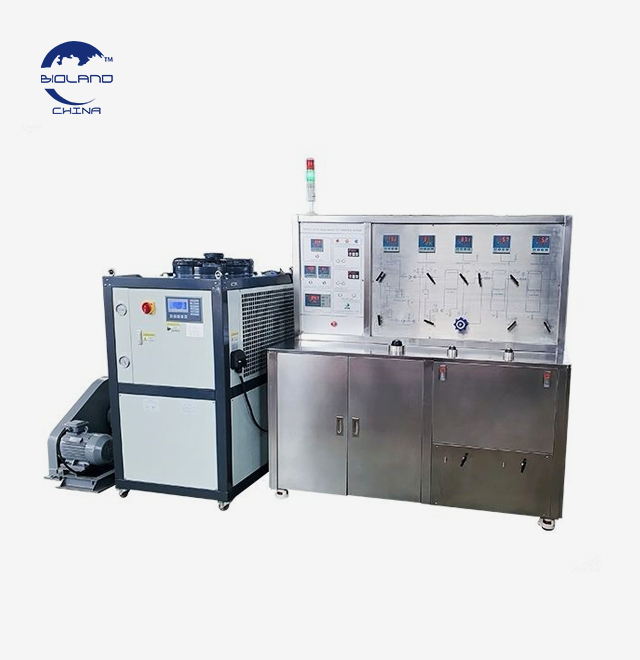
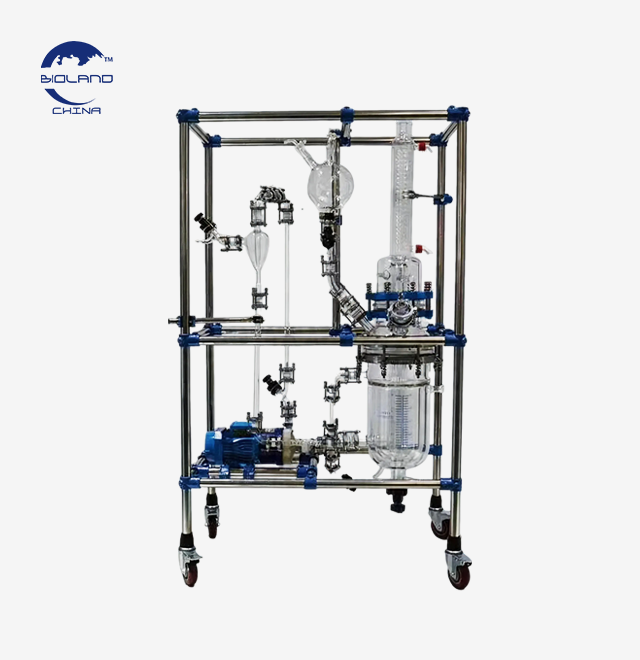
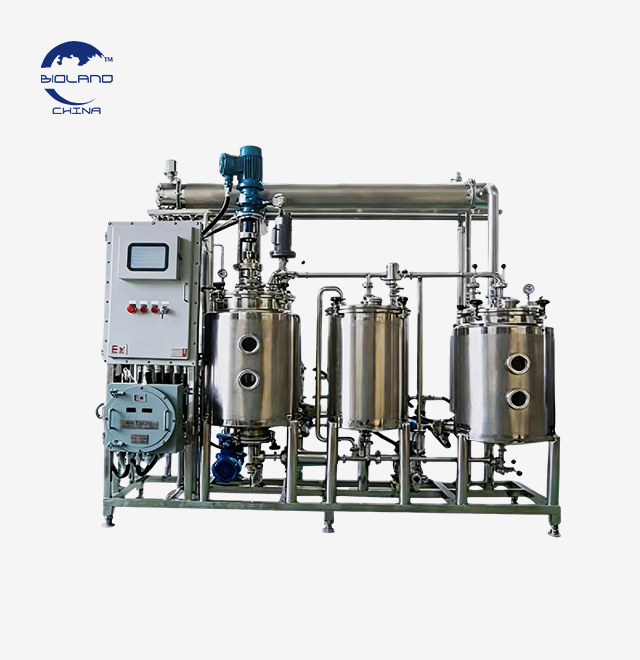
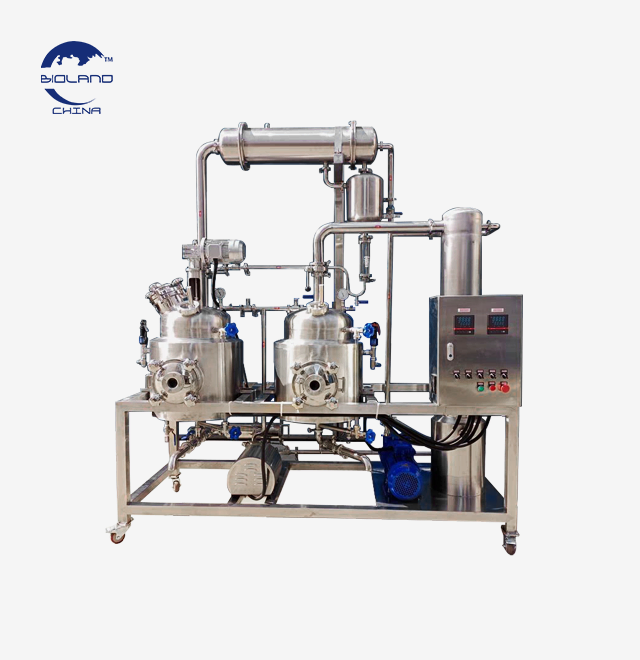
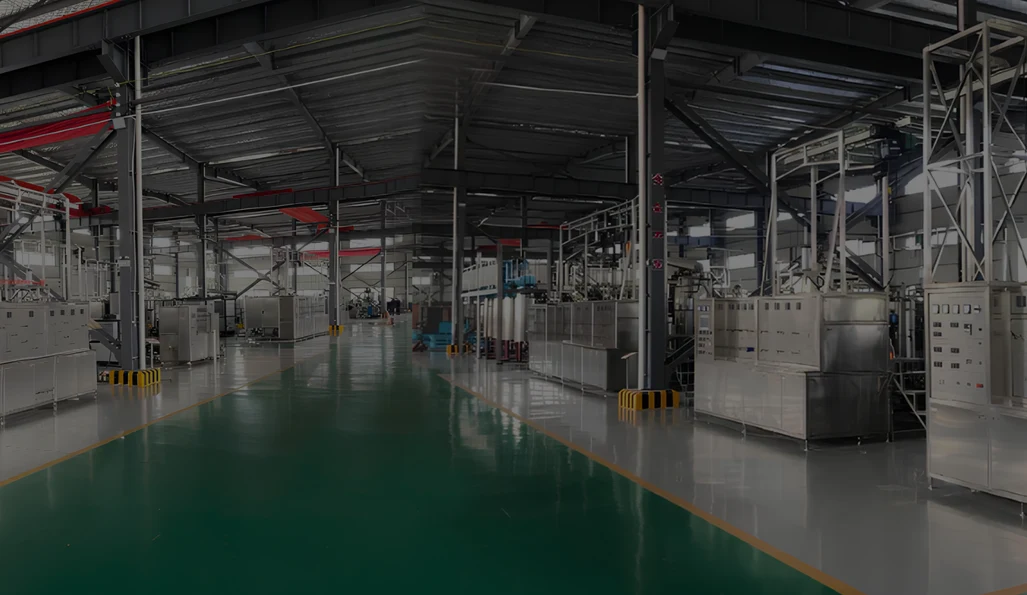
Herbal extraction tools are specialized industrial systems that use chemical and mechanical processes to separate bioactive molecules from plant materials.Ultrasonic herbal extraction equipmentis one of the most modern options on the market today. It uses high-frequency sound waves to break up cell structures, allowing for the quick release of valuable phytochemicals like alkaloids, terpenes, and polyphenols. This technology solves important production problems by cutting the time it takes to separate compounds from hours to minutes, using less solvent, and protecting compounds that are sensitive to heat through gentle, low-temperature processes. R&D directors, buying managers, and plant workers can make better choices about product quality and operating efficiency when they know what these machines can do and how to choose them.
Acoustic cavitation is how ultrasonic extraction works. It is when low-frequency ultrasound waves make tiny bubbles in liquid media. When these bubbles burst rapidly near the walls of plant cells, they cause pressures of up to 1,000 atmospheres and strong shear forces that can break apart cell structures. This mechanical fracture lets the contents of the cells move quickly into the solvent around them without the need for high temperatures or long processing times.
The piezoelectric ceramic sensor, which changes electrical energy into mechanical vibration, is the most important part of ultrasonic devices. These transducers usually work at frequencies between 20kHz and 28kHz. They are paired with titanium alloy probes that give a steady amplitude—at the tip, they are usually 50 to 100 microns. This exact control makes sure that the extraction rates are the same across all production runs. This is very important for pharmaceutical and nutraceutical manufacturing, where uniformity has a direct effect on how well the products work and how well they comply with regulations.
Types of Ultrasonic Extraction Systems
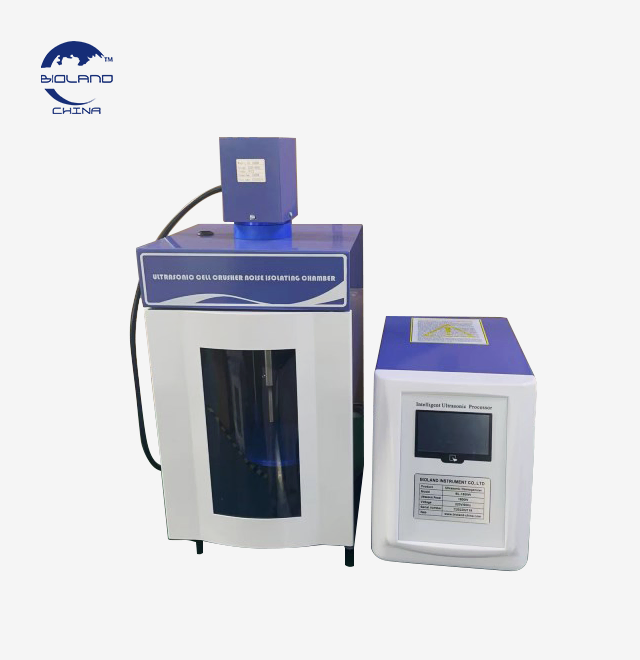
The way equipment is set up depends on the size of the production and the needs of the process. Bench-top units are used in labs for research where scientists come up with extraction methods and test the viability of new plant sources. These small systems can handle amounts ranging from 50 εL to several liters, and they let you make accurate changes to the parameters for optimization work.
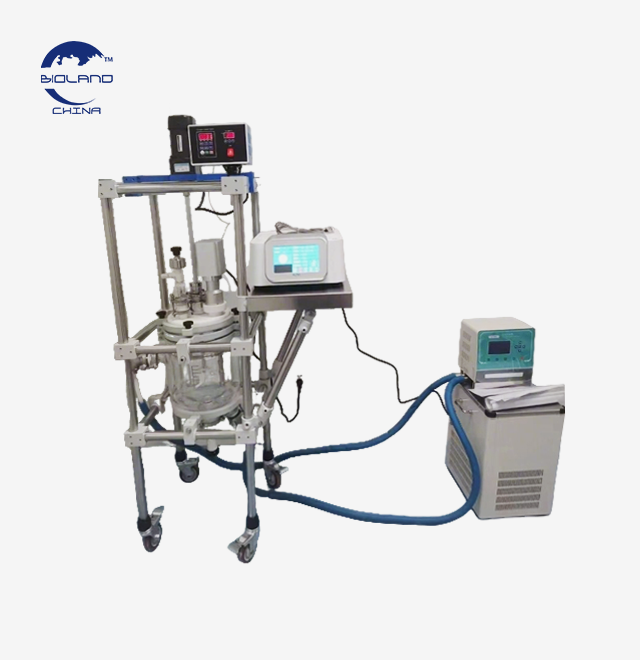
Pilot-scale tools are used to make the jump from lab discoveries to mass production. These intermediate systems can handle batches of 10 to 100 liters, which lets businesses test the parameters of extraction before investing in full-scale manufacturing. Using two ultrasonic setups greatly speeds up the dissolving process during this scaling phase, which improves both the recovery of the active ingredient and the efficiency of production.
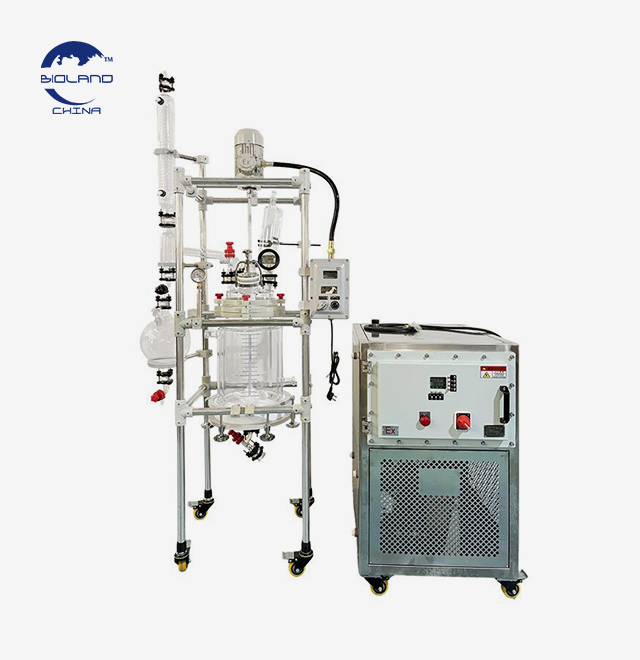
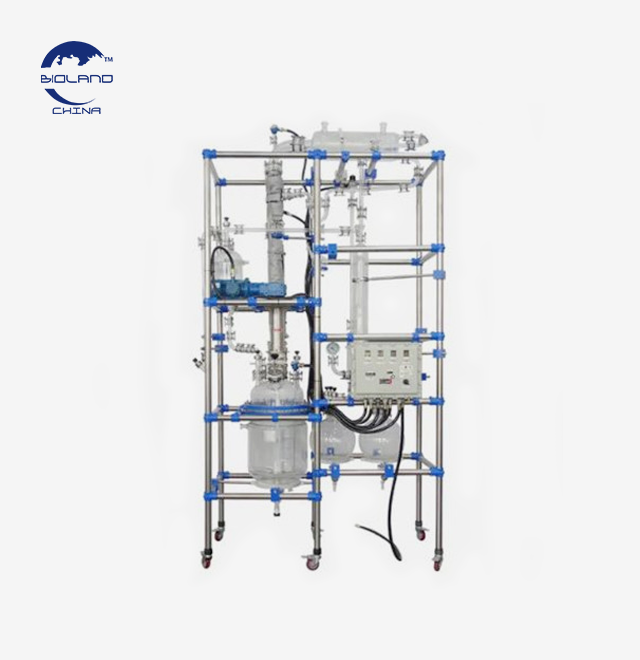
Industrial ultrasonic herbal extraction equipment is the best way for established production lines to handle large amounts of material. These systems have PLC control panels that run multiple steps of processes like extraction, filtration, concentration, and drying. They also have continuous flow-through reactors with jacketed cooling and automated solvent recovery. Ultrasound-assisted extraction (UAE), hot reflux extraction, aromatic oil distillation, and organic solvent extraction (OSE) are some of the modern extraction methods that can be used on the same platform.
Technical Advantages Over Conventional Methods
Traditional methods of extraction, such as maceration and Soxhlet, need longer working times, usually 24 to 72 hours, and use a lot of organic solvents. Also, these methods keep plant materials hot for a long time, which breaks down substances that can't withstand high temperatures, like some vitamins, enzymes, and volatile aromatic molecules. Ultrasonic technology gets around these problems in a number of ways.
The ability to process without heat keeps bulk temperatures between 40°C and 60°C, even during cavitation events. This keeps medicinal chemicals that would break down with normal heating from doing so. Compared to standard methods, extraction times are cut down to 24 to 40 minutes, which is more than two-thirds of the time. This speeding up directly leads to more production without having to grow the size of the facilities, which is a big plus when scaling operations.
Solvent economy also goes up by a huge amount. Ultrasonic disruption makes it possible to get a better extraction with less liquid, which lowers the cost of the raw materials and the work that needs to be done for cleaning later on. The extracts that are made have fewer impurities, which makes the steps of removal and cleaning easier and gives the economy more total benefits. Independent studies show that this technology has the ability to change everything by increasing yields by 50% to 500% based on the type of plant and the compounds being studied.
Critical Comparison and Decision-Making Factors for Selecting Ultrasonic Extraction Equipment
Performance and Cost Analysis
When you evaluate tools, you have to weigh the costs of buying it against the money you save on running the business and the extra work it does. Ultrasonic herbal extraction equipment usually costs more to buy at first than simple aeration tanks, but they usually pay for themselves much more quickly after three to five years. Cutting down on extraction times increases output in current facilities, which delays or avoids the need for expensive building additions. Less liquid use lowers ongoing material costs and lowers the environmental impact of waste removal.
Another important thing to think about is energy economy. Modern ultrasonic generators have automatic frequency tracking that keeps resonance even if the load's stickiness or temperature changes. This makes the best use of the energy conversion from electricity to mechanical energy. This smart power management cuts down on heat production and cooling needs, which lowers energy costs even more when the system is running all the time.
When figuring out the return on an investment, both efficiency gains and quality changes should be taken into account. More saleable product from the same amount of raw material means higher extraction rates, which directly increase profit margins. Preserving delicate chemicals opens up new markets of people who are willing to pay a lot more for purity and strength that are better. This is especially important in makeup, dietary supplements, and pharmaceuticals.
Strengths and Limitations
Ultrasonic extraction is great in many ways, but buying teams need to be aware of some things before they use it. The main strength is linear scalability, which means that factors that are adjusted in the lab can be used directly in large-scale production as long as the specific energy input stays the same at each scale. This reliability speeds up the development of processes and cuts down on the need for expensive trial-and-error during the start-up of production.
The flexibility of the equipment allows for a wide range of uses, from extracting cannabinoids using cold ethanol to nano-emulsifying curcumin to make it more bioavailable. Often, the same platform can handle different plants and solvent systems with only slight changes to the parameters. This gives businesses the freedom to adapt their operations as their product lines change.
On the downside, sonotrodes are wear-and-tear parts that can be damaged by cavitation erosion. Every 500 hours of operation, an eye check finds pitting that means the horn needs to be replaced or re-machined. Planning ahead for repair stops unexpected downtime and keeps extraction performance steady.
Systems that work with dangerous solvents need to be built in a way that makes them safe from explosions, according to ATEX or IECEx standards. This needs more technical work to make sure the generator is placed far away, the enclosures are naturally safe, and the hazardous zone is properly classified. These factors make the project more complicated and expensive than when only water is used.
Key Buying Criteria
The most important decision factor is matching the capacity of the tools to the needs of output. When you don't specify enough, you have to do useless batch processing with a lot of labor and equipment spinning, and when you specify too much, you waste money on capacity that isn't being used. Making the right size choices is based on making accurate predictions of production volumes over the next three to five years.
When buying tools, the reputation and knowledge of the supplier are very important. Manufacturers who have been in the plant extraction business for 15 years or more bring a lot of useful process knowledge to the table, which leads to better equipment design and faster expert support. Case studies and success stories, like the production lines for stevia, propolis, capsaicin, curcumin, and mushroom extract, show that the company is capable and reliable.
Full help after the sale is what sets great sellers apart from just-good ones. Installation and testing services make sure that new equipment works well with old ones. Technical training gives workers the skills they need to get the most out of their tools and do regular repairs correctly. When fixing help is needed, responsive ongoing support keeps production running as smoothly as possible, protecting the large capital investment for as long as it works.
Applications and Industries Leveraging Ultrasonic Herbal Extraction
Pharmaceutical and Nutraceutical Manufacturing
Ultrasonic extraction is used by pharmaceutical companies to get the active pharmaceutical ingredients from medical plants when chemical manufacturing is not possible or is too expensive. One example of this is cannabinoid extraction from hemp material. Ultrasonic processing with cold ethanol keeps the temperatures between -40°C and -20°C during the extraction process. This stops chlorophyll co-extraction that isn't wanted and keeps the cannabinoid profiles for precise formulation control.
Ultrasonic technology is used by companies that make nutraceuticals to make difficult chemicals more bioavailable. By making particles smaller than 100 nanometers, these systems do more than just remove phytochemicals. They also make nano-emulsions of resveratrol, curcumin, and other chemicals by plants. This huge decrease in size makes absorption better in the digestive system, which lets product makers use less expensive botanical raw materials to give therapeutic amounts.
When ultrasonic herbal extraction equipment is properly made, it meets good manufacturing practices (GMPs). This helps the government approval process. Design elements, choice of materials (including 316 stainless steel for surfaces that come into contact with solvents), and documentation procedures all meet FDA and foreign standards for pharmaceutical production. This makes it easier to get products on the market in areas that are controlled.
Cosmetics and Perfumery
The makeup industry likes ultrasonic extraction because it makes essential oils and scent compounds that are very pure and don't leave behind any harsh chemicals. Rose and jasmine are examples of delicate flowers that need to be handled carefully in order to fully release their scents. Ultrasonic cavitation frees these volatile chemicals without exposing them to high temperatures for a long time, which is what happens in steam distillation and lowers the quality of the smell.
Bioactive substances like polyphenols, vitamins, and antioxidants are taken from plants like green tea, ginkgo biloba, and different kinds of berries by companies that make high-end skin care products. Ultrasonic processing keeps the biological activity of these ingredients because it uses low temperatures. This supports marketing claims about natural, powerful recipes that appeal to consumers who are becoming more picky.
When working with volatile chemical solvents that are popular in fragrance, safety is still the most important thing to think about. When working with hexane, toluene, or other flammable extraction media, it is safe to do so as long as the system is fully explosion-proof and has the right air, grounding, and dangerous area classification.
Functional Foods and Emerging Applications
Food companies are adding concentrated plant extracts to functional drinks, snack bars, and enriched foods that are aimed at health-conscious customers more and more. Ultrasonic extraction is a good way to separate substances like catechins from tea leaves, ginsenosides from ginseng, and anthocyanins from berries. The resulting extracts provide concentrated health benefits without the size and problems with going bad that come with whole plants.
Ultrasonic extraction is being used to replace harmful industrial processes in new areas of green chemistry and sustainable production. Bio-based colors, natural preservatives, and plant-derived surfactants that are removed using ultrasonic methods can be used instead of chemicals that come from oil. This change is in line with the sustainability goals of the company and meets customer desire for clear, eco-friendly supply routes.
Modern ultrasonic systems are very flexible and can be used for many things, like hot reflux extraction, aromatic oil separation, alcohol precipitation, and a lot of different types of solvents. This makes them ideal for industrial operations that need to serve a lot of different market groups at the same time.
Procurement Guide: How to Buy Ultrasonic Herbal Extraction Equipment
Identifying Reputable Manufacturers and Distributors
There are specialized makers, process equipment integrators, and area distributors of ultrasonic herbal extraction equipment, and each has a different level of technical knowledge and support available. Working directly with makers is often the best way to get the best technical understanding, the most customization options, and the best value for money. Well-known companies usually have tech teams that can come up with custom solutions that work well with their current production systems.
When looking at possible providers, look at their list of certifications. When something has the CE mark, it means it meets European safety and environmental standards. When something has the ISO mark, it means it is committed to quality control systems. Having extra approvals like UL, SGS, ATEX, and IEC gives you even more peace of mind about the quality and safety of the product. These separate validations lower the risk of buying, especially for businesses that work with regulations from more than one area.
OEM and ODM skills show how well-versed a maker is in engineering and how willing they are to create custom solutions. Suppliers who offer full turnkey services, such as workplace planning, equipment selection, installation and setup, user training, and ongoing technical support, are a better deal than those who only sell standard equipment with little help with application.
Evaluating Commercial Terms
Clear pricing structures that break down the costs of shipping, installation, training, and warranties make it easier to stick to a budget and avoid unpleasant shocks during the project's completion. Ask for full quotes that include wait times for both custom and stock options. Standard ultrasonic herbal extraction equipment systems may ship within 5 to 7 days, but customized ones can take up to 30 business days for planning and fabrication. These time gaps can have a big effect on project schedules.
The terms of the warranty should be carefully looked over. Full covering should include mechanical parts, electrical systems, and wearable things, with clear explanations of what failures are covered and what is just normal wear and tear. A quality guarantee that lasts for one year and includes maintenance for life is a good way to protect your investment, but the owner is still responsible for proper use and regular upkeep.
Payment terms and ways to get credit depend on the seller and the size of the order. Some makers allow payments to be made in stages, with an initial fee, progress payments during manufacturing, and the final payment due after Factory Acceptance Testing. This system aligns financial responsibilities with value delivery, which lowers the risk for buyers who are committing a lot of money.
Ensuring Long-Term Support and Customization
The success or failure of an equipment investment is often determined by how well it can be serviced after the sale. When practical problems happen, expensive production breaks are kept to a minimum by dedicated expert teams that offer quick troubleshooting help. Make sure you understand the promised reaction time, the steps for taking the problem to the next level, and whether remote diagnostic tools allow for quick problem solving without having to wait for on-site service calls.
When spare parts are available, long periods of downtime are avoided when worn-out parts need to be replaced. Important parts like sonotrodes, seals, and transducers ship quickly when needed because suppliers keep large stockpiles and run efficient operations. Some makers offer suggested spare parts kits at the time of the initial purchase. This is a sensible move that saves money up front and avoids delays in emergency purchases.
Systems can change as a business grows thanks to modular useful setups. By starting with basic extraction and adding modules for solvent recovery, CIP cleaning automation, or explosion-proof operation as output grows, the original investment can be kept low while a full range of processing capabilities is built up. This method of investing in stages makes sure that the level of sophistication of the equipment fits the real needs of production, so no extra features are bought that aren't used for years.
Best Practices and Optimization Tips for Using Ultrasonic Herbal Extraction Equipment
Optimizing Process Parameters
To get the most out of the extraction process, you need to carefully adjust a number of factors that affect each other. The amount of ultrasonic power has a direct effect on the amount of cavitation and the rate of extraction. Too much power can make too much heat and damage sensitive materials, and not enough power can't reach its full potential. The best power setting for each botanical material and target chemical is found by trying them in a planned way across a range of powers.
The time it takes to extract something follows a characteristic shape. At first, the yield goes up quickly, but then it stops growing as balance gets closer. Keeping extracting after this point of equilibrium wastes time and energy and doesn't lead to a real increase in output. Accurate time, usually between 24 and 40 minutes for most uses, strikes a good mix between speed and effectiveness.
Controlling the temperature is very important for plants that don't like being hot. Jacketed flow reactors that are linked to active cooling systems get rid of the heat that is made during cavitation. This keeps temperatures stable even when a lot of energy is released in one area. Automatic temperature control and constant tracking keep the temperature from dropping too low, which stops thermal damage and keeps the extraction rate at a safe level.
Maintenance and Troubleshooting
Routine preventive repair makes equipment last longer and keeps it from breaking down during important work runs. Sonotrode checking is the most important regular job. Every 500 hours of operation, a visual check for pitting, erosion, or surface irregularities lets you plan a replacement before performance starts to show. Keeping extra probes on hand cuts down on downtime when the horn needs to be replaced.
Transducer impedance analysis checks that energy conversion is working well and finds electrical problems before they become major. This diagnostic test is done every three months and compares impedance values to standard specs that were written down during setup. Deviations show that there might be issues with the piezoelectric parts, the links, or the tuning of the generator that need to be fixed.
In flow-through reactors that are working under pressure, fluid leaks can be stopped by checking the condition of the seals. Testing seals and chamber welds under hydraulic pressure at the normal working pressure, which is usually 5 to 10 bar, makes sure that they stay strong even after being exposed to chemicals and changing temperatures. Fixing small leaks right away stops bigger problems and possible safety issues.
Scaling from Pilot to Production
From optimizing in the lab to mass production in the real world is a crucial point where many extraction projects run into unexpected problems. ultrasonic herbal extraction equipment makes this change easier than with other technologies because it can be scaled up or down linearly, as long as the specific energy input stays the same at each scale. Figuring out how much energy is given per liter of processed material makes sure that the numbers from the lab are correctly translated to the amounts used in industry.
When done on a big scale, continuous flow designs are better than batch processing. Flow-through reactor cells with multiple ultrasonic probes handle material streams constantly, so there is no variation from batch to batch and less work needs to be done. Total energy input is based on residence time in the reactor. This is an easy-to-control quantity that stays the same even when output rates change.
When scaling up, it's important to pay close attention to how integration with upstream and downstream unit processes works. To keep extraction conditions fixed, material handling systems must offer steady feed rates. To keep expensive equipment from sitting useless, the throughput of extraction must match the output of filtration, concentration, and drying. A thorough process design looks at the whole process of making something, not just the extraction step by itself.
Conclusion
Ultrasonic herbal extraction equipmenttechnology is a big step forward in handling plants. Compared to old ways of doing things, it gives measured improvements in yield, quality, and speed. Non-thermal processes, fast extraction kinetics, and linear growth work together to solve important problems in the making of pharmaceuticals, nutraceuticals, cosmetics, and functional foods. It's important to be careful when choosing tools, evaluating suppliers, and optimizing the process for successful execution. But the practical and economic benefits are worth the extra work and investment for companies that want to make high-quality herbal extracts at low prices.
FAQ
Can ultrasonic systems process flammable solvents safely?
When set up correctly with explosion-proof features, ultrasonic herbal extraction equipment can handle hexane, ethanol, and other flammable fluids. ATEX-certified sensors, placing the generator far away and out of danger zones, and making sure there is enough air flow get rid of sources of fire. When working with volatile organic solvents, facilities need to make sure they have the right dangerous area rating and follow local safety rules.
How does equipment prevent degradation of heat-sensitive compounds?
Even though cavitation creates a lot of energy in a small area, the bulk temperature is kept in check by jacketed reactors that are linked to cooling systems. Active cooling gets rid of heat right away, keeping working temperatures below 60°C, and often as low as 40°C, which is well below the point at which most thermolabile plants start to break down. This temperature control keeps the bioactivity of the material during extraction.
What kind of upkeep does ultrasonic equipment require?
The titanium sonotrode is the main part that needs to be replaced. It needs to be looked at visually for cavitation damage every 500 hours of operation. If cracking changes the resonant frequency outside the range of the generator's setting, the probe needs to be replaced or re-machined. Regular checks of the seals, tests of the transducer's impedance, and upkeep of the cooling system are all part of the preventive care plan for long-term, reliable operation.
Partner with BIOLAND for Your Ultrasonic Herbal Extraction Equipment Needs
Xi'an Bioland Instrument Co., Ltd. brings over 15 years of specialized experience as a manufacturer and solution provider for herbal extraction systems. Our ultrasonic herbal extraction equipment incorporates advanced PLC automation, optional dual-ultrasonic configurations, and full explosion-proof designs certified to CE, ISO, UL, SGS, ATEX, and IEC standards. Each system features GMP-compliant construction with optional 316 stainless steel for solvent-contact components, delivering 50% to 500% extraction efficiency improvements while operating at gentle 40-60°C temperatures.
We offer comprehensive OEM/ODM services including customized process solutions, workshop planning, equipment selection, installation and commissioning, technical training, and lifetime maintenance support. Contact our technical team at info@biolandequip.com to discuss your specific extraction requirements and discover how our turnkey solutions can enhance your production capabilities while meeting stringent quality standards.
References
1. Chemat, F., Rombaut, N., Sicaire, A., Meullemiestre, A., Fabiano-Tixier, A., & Abert-Vian, M. (2017). Ultrasound assisted extraction of food and natural products: Mechanisms, techniques, combinations, protocols and applications. Ultrasonics Sonochemistry, 34, 540-560.
2. Vilkhu, K., Mawson, R., Simons, L., & Bates, D. (2008). Applications and opportunities for ultrasound assisted extraction in the food industry: A review. Innovative Food Science & Emerging Technologies, 9(2), 161-169.
3. Zhang, Q. W., Lin, L. G., & Ye, W. C. (2018). Techniques for extraction and isolation of natural products: A comprehensive review. Chinese Medicine, 13(1), 20.
4. Azmir, J., Zaidul, I. S. M., Rahman, M. M., Sharif, K. M., Mohamed, A., Sahena, F., & Omar, A. K. M. (2013). Techniques for extraction of bioactive compounds from plant materials: A review. Journal of Food Engineering, 117(4), 426-436.
5. Tiwari, B. K. (2015). Ultrasound: A clean, green extraction technology. TrAC Trends in Analytical Chemistry, 71, 100-109.
6. Paniwnyk, L. (2017). Applications of ultrasound in processing of liquid foods: A review. Ultrasonics Sonochemistry, 38, 794-806.
The reactor is beautifully mirror-polished and fully complies with GMP requirements for the pharmaceutical industry. The performance is excellent! Overall, we are very satisfied! We also provided with some feedback on our process improvements, which we hope will be helpful.
2024-04-09
Laboratory
Excellent and professional service. Always reply our questions very fast. All reactors and chiller we received are good too.
2024-02-15
Research Institute
Quality is beyond our expectation actually. After we got the extraction equipment and started using it, the performance was beyond our expectation. Very easy to use and very efficient to run. Service always respond us very quickly. Was also very helpful to help us. Thanks Bioland team. Very happy to work with you.
2023-11-20
Biotech Company
We are happy about the new purchase as always. Equipment and services are both good.
2023-08-05
Instrument Lab
This is the second order with Bioland instrument and everything is good as the first dateText.
2023-05-12
Global Trading Partner
Bioland instrument team is very helpful and professional. The sales helped us select the right equipment for our application, and their logistics people handled the transportation and customs declaration for our shipment. All that saved us a lot of work.