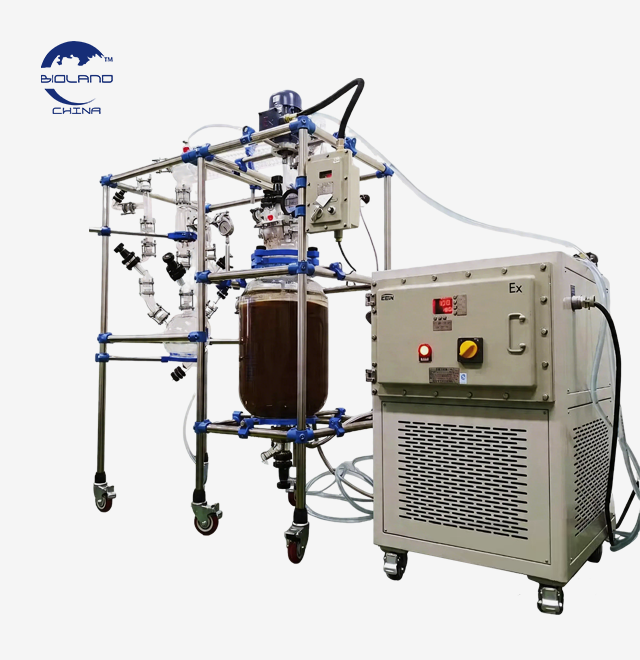
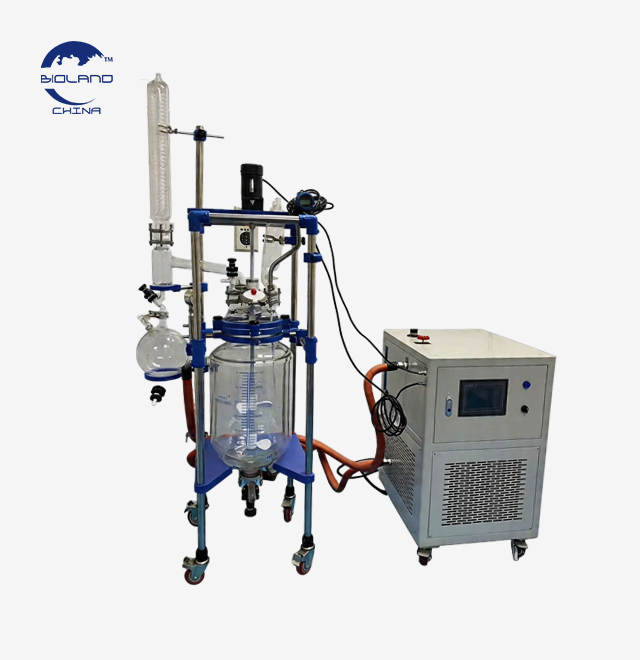
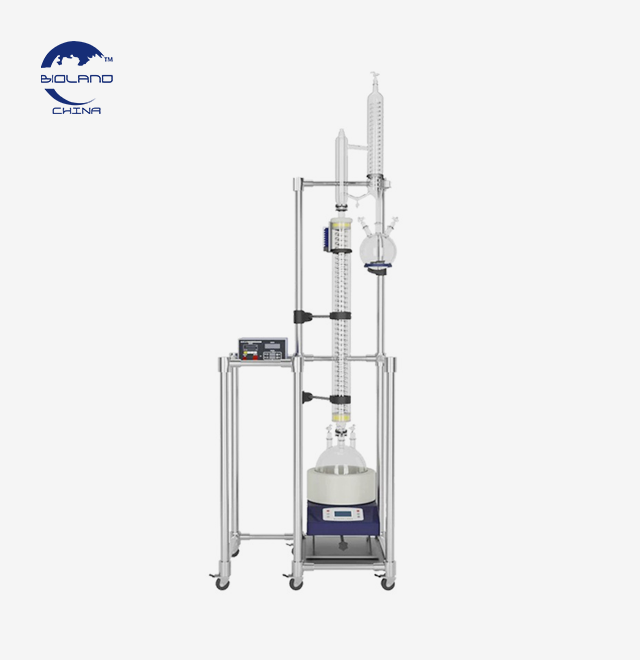
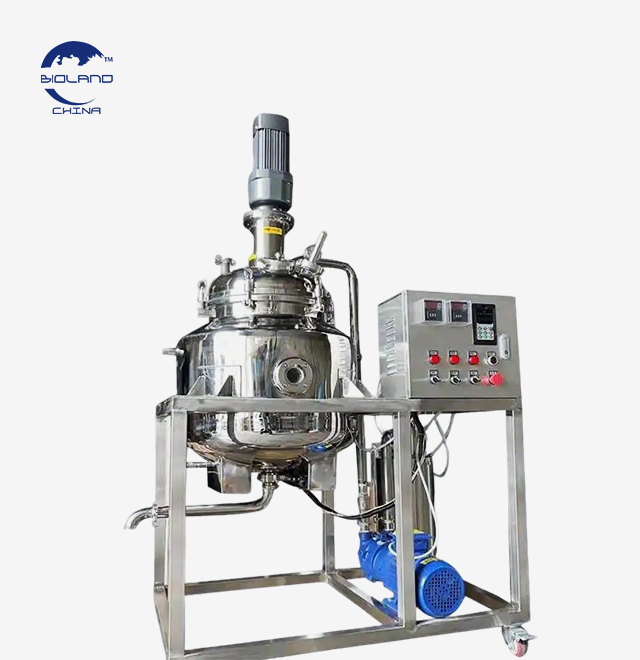
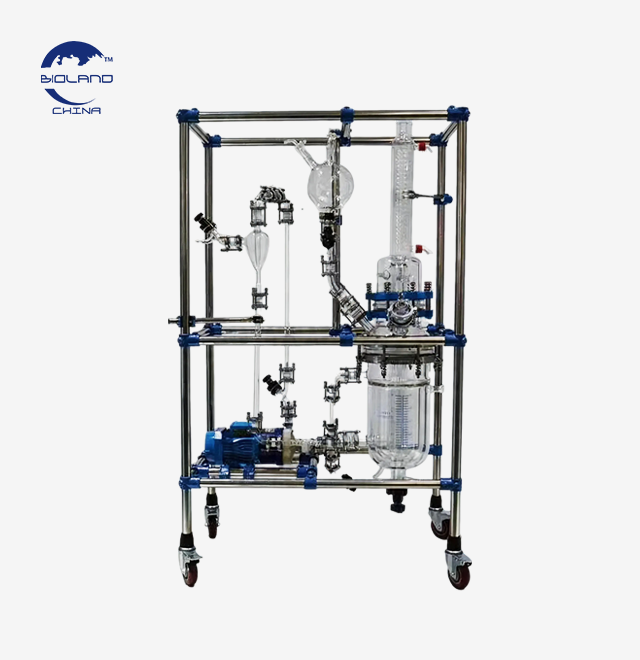
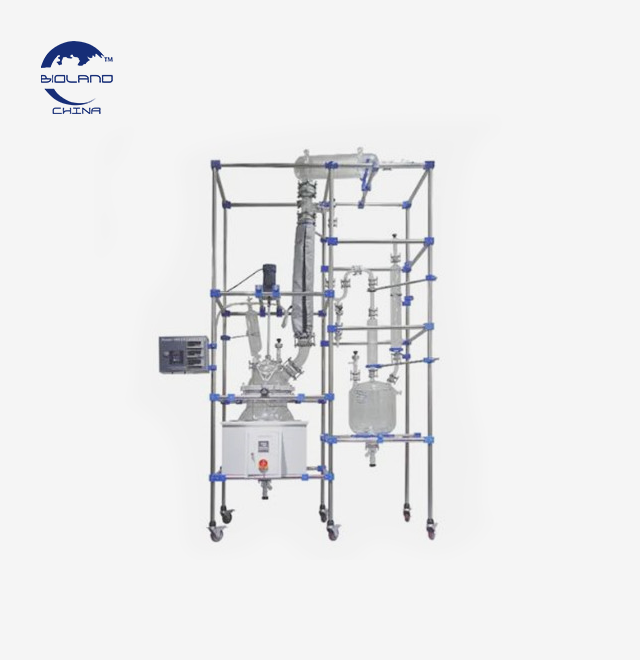
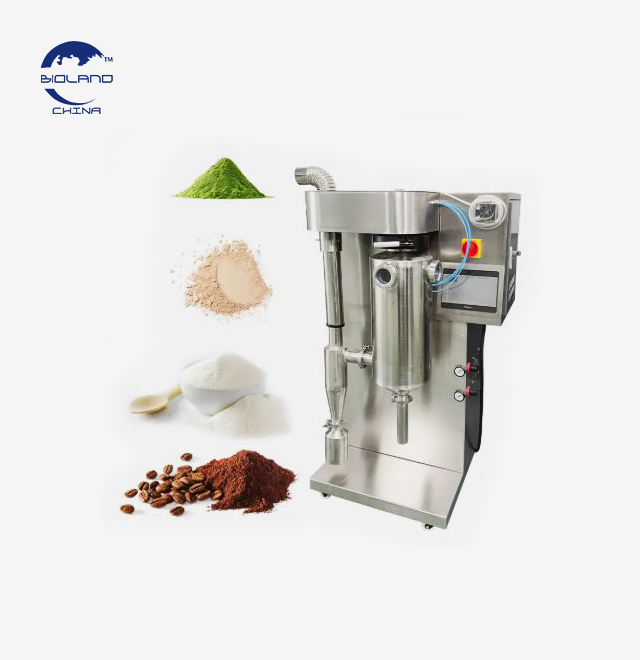
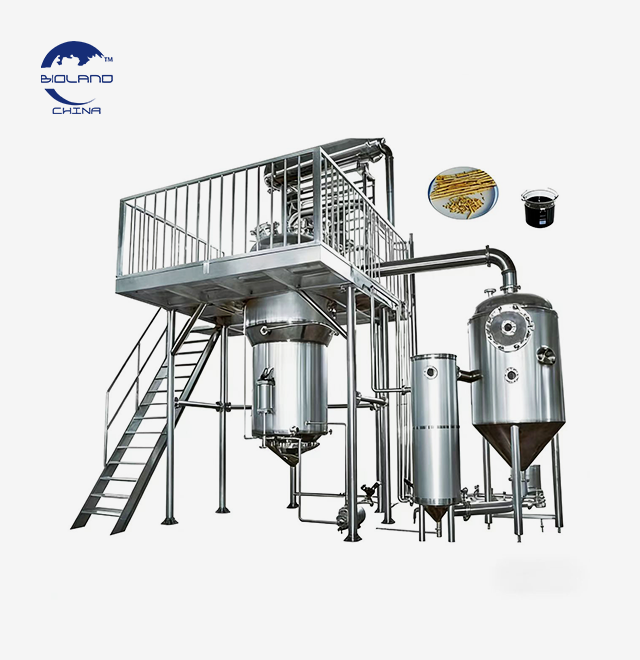
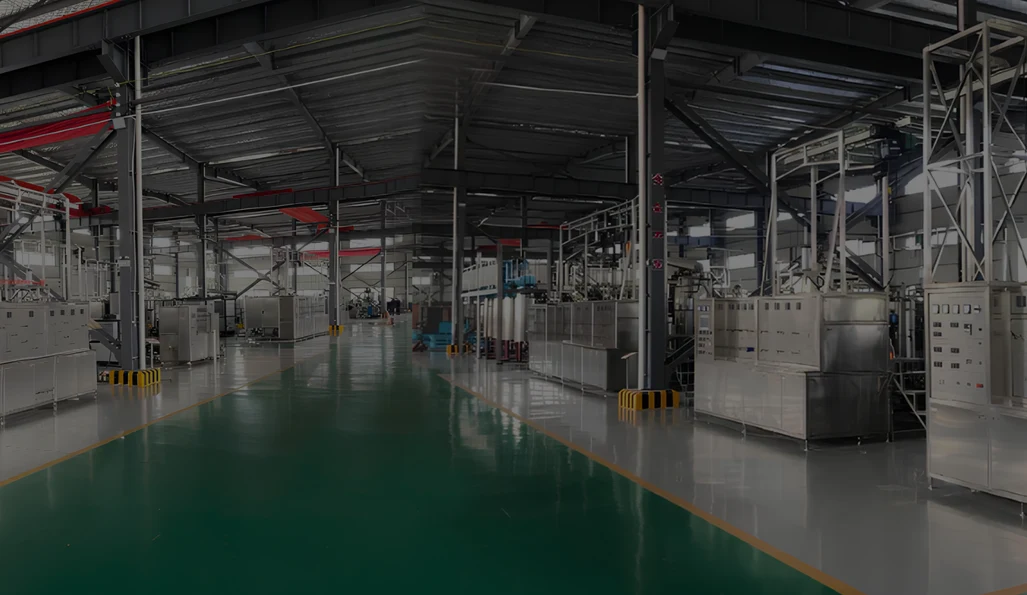
An extraction machine is a specialized piece of industrial equipment that is made to separate valuable compounds from raw materials quickly and effectively using heat, chemicals, or mechanical means. The ultrasound assisted extraction machine is one of the most cutting edge technologies on the market today. It is a game-changer for businesses that want to be more efficient and environmentally friendly. This high-tech equipment uses loud acoustic waves (usually between 20 and 28 kHz) to create acoustic cavitation in liquids. This makes tiny bubbles that burst rapidly, damaging the structures of cells. The shear forces and micro-jets that are created greatly speed up the transfer of mass between solids and liquids. This makes extraction faster and cleaner while protecting heat-sensitive bioactive chemicals that are usually broken down by traditional methods.
Understanding Extraction Machines and Their Role in Industry
The development of extraction technologies has changed how producers separate useful parts from raw materials. Traditional extraction methods, such as Soxhlet extraction, maceration, and steam distillation, have been used for many years, but they often have problems with how long they take, how much energy they use, and how quickly the compounds break down.
Types of Extraction Systems
These days, industrial extraction uses a number of different methods that are each designed for a specific purpose. Solvent-based extraction breaks down chemicals with organic or water-based solvents, while steam distillation uses hot air to release and collect essential oils. In mechanical pressing, oils from seeds and plants are directly released. In supercritical fluid extraction, on the other hand, carbon dioxide under pressure is used as a solvent instead.
The Ultrasonic Extraction Advantage
Ultrasonic extraction technology is a big step forward in the science of extraction. Instead of heating materials for a long time like traditional methods do, ultrasonic systems keep the temperature between 40°C and 60°C, which protects chemicals that are easily damaged by heat, like antioxidants, polyphenols, and volatile aromatics. This non-thermal intensification solves some of the biggest problems that procurement teams face, such as the loss of important components due to heat, long processing processes that slow down output, and using too many solvents, which raises costs and has a negative effect on the environment.
The technology makes changes that can be measured in key performance measures. Previously, extraction processes took hours or days. Now, they only take 24 to 40 minutes, which is more than two-thirds of the time it used to take. Because they are so efficient, ultrasonic systems are great for medium to large businesses that want to increase their production capacity or improve their processes. They also save money on labor costs and give a faster return on investment.
Principle and Working Process of Ultrasound Assisted Extraction Machines
When purchasing professionals understand the science behindultrasound assisted extraction machine technology, they can more confidently look at equipment specs and performance claims.
The Cavitation Phenomenon
Acoustic cavitation is what ultrasonic extraction is all about. It's a physical process in which high-frequency sound waves make loops of high and low pressure in liquid. During times of low pressure, tiny gas bubbles form and grow very quickly. When these bubbles get to a certain size, they spontaneously burst with a huge amount of force, creating temperatures and pressures above 5,000°K where they break. Even though these extreme conditions only last a few microseconds, they cause strong shear forces and micro-jets that break through plant cell walls, causing tissue structure to be upset and spilling contents inside cells into the solvent around them.
Critical Operational Parameters
Controlling a few key factors precisely is necessary for equipment to work well. The dynamics of bubble creation are controlled by frequency. For most commercial uses, 20 kHz is the best frequency for creating strong cavitation. The ultrasonic probe's amplitude, or peak-to-peak movement, can be anywhere from 20% to 100%. It has a direct effect on the strength of the cavitation. Power density, which is measured in watts per liter, makes sure that the whole amount of liquid is treated. Keeping the right conditions for extraction while avoiding thermal degradation is possible by controlling the temperature using jacketed tanks linked to outside chillers.
Extraction Workflow
The first step in the process is preparing the raw materials. Botanicals are shrunk to make more surface area available. The materials are then put into an extraction vessel that has the right liquid in it. Depending on the target compounds, the solvent could be ethanol, water, or another food-grade choice. The ultrasonic sensor sends sound waves through the mixture. It is usually made of a medical-grade titanium metal (Ti-6Al-4V). Because cavitation breaks up the structures of cells, chemicals that are dissolved in it tend to gather in one place. After being treated with ultrasound, the extract is separated by filtering or centrifuging, which gets rid of any solid waste. A lot of systems have solvent recycling units that clean and refill solvents, which cuts down on material costs and the damage they do to the earth.
Applications and Advantages of Ultrasound Assisted Extraction Machines
Ultrasonic extraction technology has a huge range of uses in industry, which makes it appealing to buying teams that want to buy tools that can be used for more than one thing.
Industry Applications
Ultrasonic extraction is used by pharmaceutical companies to separate bioactive chemicals from medical plants while keeping their therapeutic value. This technology is used by the nutraceutical industry to make high-quality nutrition products from things like mushrooms, herbs, and seafood. Companies that make food and drinks get their tastes, colors, and useful ingredients from natural sources, without adding chemicals. Botanical actives are used in beauty products by cosmetics companies, and ultrasound assisted extraction machine systems are used in bioengineering to remove enzymes and break up cells.
Implementations that work well show that the technology is reliable. Quality and output have always gone up on production lines that use stevia glycosides, propolis resins, capsaicin from peppers, curcumin from turmeric, and mushroom polysaccharides. These recorded cases give procurement managers faith in the technology's ability to work with a wide range of materials and tasks.
Comprehensive System Advantages
Looking at all the benefits helps people make decisions because it helps them understand the value offer beyond just how well the process works. Modern ultrasonic extraction systems have many useful features that help technical leads, buying managers, and plant managers with their main concerns.
• Enhanced Extraction Performance: Using acoustic cavitation and controlled low-temperature operating together gets more of the active ingredients out of the sample while leaving behind cleaner leftovers. This double benefit makes the best use of raw materials, which is very important when working with expensive or scarce plants. Ultrasonic treatment, precision filtration, gentle concentration, and solvent recovery are all part of the closed-loop system design. This makes sure that the product is pure while reducing the amount of waste.
• Process Flexibility and Scalability: The equipment can be used in a number of different extraction processes, such as hot reflux extraction, aromatic oil distillation, organic solvent extraction, and alcohol precipitation. Because of this, makers can handle different types of raw materials using a single piece of equipment, which saves money on capital. Optional dual-ultrasonic setups improve dissolution rates and production flow. They can be used for everything from R&D in the lab to full-scale production in an industrial setting without having to completely rethink the process.
• Operational Intelligence: Full PLC automation makes work easier and lowers the chance of mistakes made by people. Validated parameters for different materials are stored in programmable recipes. This makes sure that uniformity from batch to batch meets quality assurance standards. Automated systems shorten production cycles and require less work, so trained workers can focus on improving processes instead of operating machines by hand.
• Safety and Compliance: For places that work with flammable solvents like hexane or ethanol, explosion-proof systems with ATEX-certified engines and inert gas-purged containers are available as options. These systems are very important for keeping people safe. All parts of the system, from choosing the materials to making them and putting them together, are in line with GMP standards. This makes sure that the finished products meet the requirements for pharmaceutical manufacturing. Material-contact areas can be made of 316 stainless steel, which is better at resisting rust and is easier to clean.
Comparing Ultrasound Assisted Extraction Machines with Traditional Extraction Techniques
In order to make smart purchasing choices, you need to know how ultrasonic technology compares to other methods used in production in the real world.
Performance Benchmarking
While traditional Soxhlet extraction is thorough, it usually takes between 6 and 24 hours to finish and involves heating the materials for a long time, which breaks down chemicals that are sensitive to heat. When materials are macerated, they are soaked in a liquid for a long time. This process takes even longer, days or weeks, which wastes important production capacity. Steam distillation is good for getting rid of volatile chemicals but not so good at getting rid of non-volatile bioactives.
These problems can be fixed easily with ultrasound assisted extraction machine technology. Processing times of 24 to 40 minutes allow for multiple groups per shift, which increases output without having to buy more equipment. Operating temperatures between 40°C and 60°C protect the stability of the compounds, leading to extracts with higher amounts of bioactive components and better flavor profiles. Compared to traditional ways, up to 50% less solvent is used, which lowers the costs of both buying the solvent and getting rid of it.
Equipment Scale Considerations
The procurement team has to make sure that the operational needs fit the equipment's ability. Ultrasonic units in the lab that are between 1 and 20 liters are used for research and development tasks like process development, material screening, and method evaluation. Pilot systems with 50 to 200 liters of space are used between study and production to test processes at a larger scale before investing in full-scale production. Industrial-scale equipment that can handle 500 liters to several tons per hour meets the needs of business production while still being able to harvest as efficiently as it was on smaller scales.
Total Cost of Ownership Analysis
The initial capital input is only one part of the economics of tools. Ultrasonic extraction systems have a good total cost of ownership because they have lower running costs. Less solvent use directly lowers the cost of raw materials, which is a big deal for centers that process thousands of kilos of materials every month. Shorter processing times make better use of assets, so the same investment in tools produces more value. Less thermal stress means less product loss due to degradation, which raises the total return percentage. Automated operation cuts down on the need for labor, giving up workers to do more valuable tasks. Depending on the amount of work that needs to be done and the cost of materials, these practical saves usually pay for themselves in 18 to 36 months.
Procurement managers should look at more than just the price of the tools when they are comparing different suppliers. Experience as a supplier, especially 15 years or more in extraction technology, shows that they are technically mature and have a lot of practical knowledge. The ability to customize equipment tells you if it can be changed to fit the needs of a particular process instead of making the process adapt to general equipment. Project plans are affected by delivery times. Custom systems usually take 30 business days to ship, while standard versions ship in 5 to 7 days. How quickly technology problems can be fixed to keep production running as smoothly as possible depends on the quality of the after-sales help.
Maintenance, Procurement Tips, and Choosing the Right Machine
To get the most out of your equipment's life and production efficiency, you need to pay close attention to repair procedures and plan your purchases carefully.
Maintenance Best Practices
Ultrasonic sensors and probes are the parts of extraction devices that wear out the most quickly. Cavitation erosion slowly wears away probe surfaces, but high-quality titanium alloy construction usually lasts for thousands of hours of use before they need to be resurfaced or replaced. Routine inspection procedures should check the surfaces of probes for pits or material loss and make sure that the fixing connections are tight. Cleaning steps are taken after every batch to stop cross-contamination and material growth that could affect the next extractions.
System parts like pumps, seals, and valves need to be inspected on a regular basis, as suggested by the maker. If liquids come in contact with O-rings and gaskets, they may need to be replaced based on how well they work with chemicals and how long they last. Every year, electrical lines should be checked to make sure they send power reliably. CIP (Clean-in-Place) systems make it easier to clean vessels between production runs. This cuts down on downtime and work while keeping things clean.
Procurement Decision Framework
To choose the rightultrasound assisted extraction machine, you need to carefully consider a number of factors. Capacity needs should take into account both the current production needs and the growth that is expected over the 10 to 15 years that the equipment will be used. When you don't size your equipment correctly, it slows down production. When you size it too much, it raises your costs and might not work as well for low-volume operations.
The method needs to match the technical standards. If you are working with toxic solvents, explosion-proof methods are required, not just recommended. Facilities that need to make pharmaceutical-grade products need designs that are GMP-compliant and have the right material certifications and paperwork. Dual-condenser systems make it easier for solvents to be recovered, which is helpful for large-scale businesses where solvent costs are a big part of the cost of doing business.
Procurement Strategies
When you deal directly with manufacturers instead of going through middlemen, you can often get better prices and more direct expert help. When you ask for quotes, be sure to include specifics like the amount of work that needs to be done, the properties of the materials, your preferred solvents, and your legal compliance needs. With this knowledge, providers can suggest ultrasound assisted extraction machine systems that are perfectly set up instead of general ones that need to be changed later.
Not only should the price of the equipment be negotiated, but so should shipping times, help with installation, training for operators, and the terms of the guarantee. Full turnkey solutions that include planning the layout of the workshop, installing and testing the equipment, helping with process validation, and teaching the operators cut down on project risk and speed up the time it takes to start production. Standard guarantee coverage lasts for one year, but maintenance help is available for life. Companies that need custom solutions or private name tools can get more out of OEM and ODM agreements.
Conclusion
Extraction tools, especially high-tech ultrasonic systems, are long-term investments that have a direct effect on the quality of the product, the speed of production, and the cost of running the business. Traditional extraction methods have some major flaws that this technology fixes while also making yield, output, and cost performance measured better. The ultrasound assisted extraction machinehas been used successfully in many different areas, so it is a good choice for buying workers in the pharmaceutical, biotechnology, fine chemicals, food processing, and other related fields.
When choosing the right tools, you have to balance scientific needs with practical ones, like capacity, customization needs, legal compliance, and the supplier's abilities. The best companies to buy tools from are those that have been in the business for more than 15 years, have a long list of certifications that includes CE, ISO, ATEX, and GMP compliance, and have shown they can customize products. The best technology, dependable performance, and quick help make sure that investments in tools pay off over the course of their useful life.
FAQ
How does ultrasonic extraction improve herbal extract quality compared to traditional methods?
Ultrasonic extraction works at controlled temperatures between 40°C and 60°C. This keeps beneficial chemicals that break down easily in heat, like antioxidants, flavonoids, and volatile aromatics, safe. The acoustic cavitation process specifically breaks up cellular structures without heating them too much.
What machine parameters should procurement managers prioritize when evaluating equipment?
Important features include ultrasonic frequency (usually 20 kHz for best cavitation), amplitude control (20% to 100%), power density for full liquid treatment, and processing capacity that meets flow needs. Other things to think about are the building materials (316 stainless steel for resistance to corrosion), the level of automation (PLC control), the safety features (explosion-proof certification for flammable solvents), and the modular options, such as dual-ultrasonic configuration, CIP systems, and solvent recovery units.
Can ultrasonic extraction equipment integrate with existing production lines?
Modern ultrasound assisted extraction machine systems are made up of separate modules that make them easy to add to existing production processes. The equipment can be set up to work as stand-alone batch processors or as part of continuous processing lines that include preparation equipment upstream and cleaning systems downstream.
Elevate Your Extraction Capabilities with BIOLAND
The known ultrasound assisted extraction machine maker BIOLAND has been serving the pharmaceutical, biotechnology, and fine chemical businesses for more than 15 years. Our wide range of products includes ultrasonic extraction systems that can be customized for use in everything from small research labs to large factories that process tons of materials every hour. The design of each system is GMP-compliant, and it can be built from 316 stainless steel if desired. The systems are fully automated with PLCs, have two ultrasonic setups, and have solvent recovery built in. They are all approved to CE, ISO, UL, SGS, ATEX, and IEC standards.
Our engineering team offers full total solutions that include planning the workshop, choosing the right equipment, installing and operating it, giving technical training, and providing support for life after the sale. We offer custom solutions that fit your needs and your budget, whether you're adding more production capacity, improving current processes, or moving from lab production to commercial production. Get in touch with our technical experts atinfo@biolandequip.com to talk about your extraction needs, look over our recorded success stories regarding stevia, propolis, capsaicin, curcumin, and mushroom extraction lines, and get a full quote for ultrasound-assisted extraction machines that are for sale.
References
1. Chemat, F., Rombaut, N., Sicaire, A., Meullemiestre, A., Fabiano-Tixier, A., & Abert-Vian, M. (2017). Ultrasound Assisted Extraction of Food and Natural Products: Mechanisms, Techniques, Combinations, Protocols and Applications. Ultrasonics Sonochemistry, 34, 540-560.
2. Vilkhu, K., Mawson, R., Simons, L., & Bates, D. (2008). Applications and Opportunities for Ultrasound Assisted Extraction in the Food Industry. Innovative Food Science & Emerging Technologies, 9(2), 161-169.
3. Tiwari, B. K. (2015). Ultrasound: A Clean, Green Extraction Technology for Bioactives. TrAC Trends in Analytical Chemistry, 71, 100-109.
4. Zhang, Q. W., Lin, L. G., & Ye, W. C. (2018). Techniques for Extraction and Isolation of Natural Products: A Comprehensive Review. Chinese Medicine, 13(1), 20.
5. Esclapez, M. D., García-Pérez, J. V., Mulet, A., & Cárcel, J. A. (2011). Ultrasound-Assisted Extraction of Natural Products. Food Engineering Reviews, 3(2), 108-120.
6. Mason, T. J., Paniwnyk, L., & Lorimer, J. P. (1996). The Uses of Ultrasound in Food Technology. Ultrasonics Sonochemistry, 3(3), S253-S260.
The reactor is beautifully mirror-polished and fully complies with GMP requirements for the pharmaceutical industry. The performance is excellent! Overall, we are very satisfied! We also provided with some feedback on our process improvements, which we hope will be helpful.
2024-04-09
Laboratory
Excellent and professional service. Always reply our questions very fast. All reactors and chiller we received are good too.
2024-02-15
Research Institute
Quality is beyond our expectation actually. After we got the extraction equipment and started using it, the performance was beyond our expectation. Very easy to use and very efficient to run. Service always respond us very quickly. Was also very helpful to help us. Thanks Bioland team. Very happy to work with you.
2023-11-20
Biotech Company
We are happy about the new purchase as always. Equipment and services are both good.
2023-08-05
Instrument Lab
This is the second order with Bioland instrument and everything is good as the first dateText.
2023-05-12
Global Trading Partner
Bioland instrument team is very helpful and professional. The sales helped us select the right equipment for our application, and their logistics people handled the transportation and customs declaration for our shipment. All that saved us a lot of work.