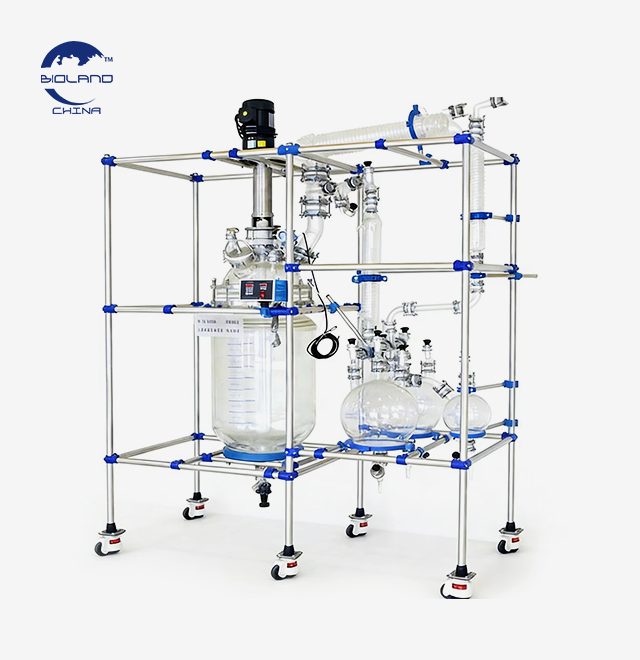
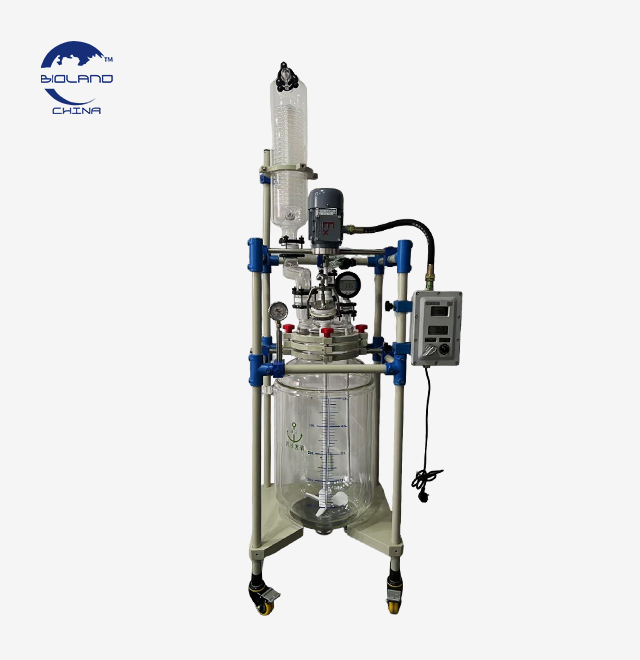
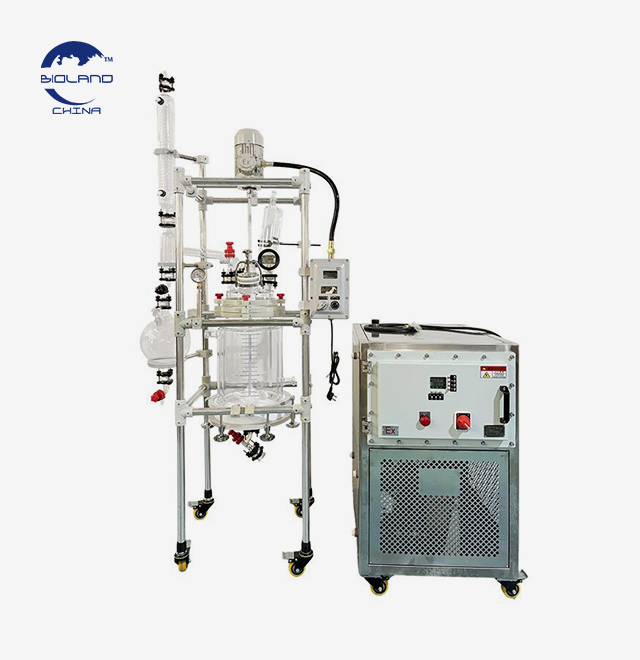
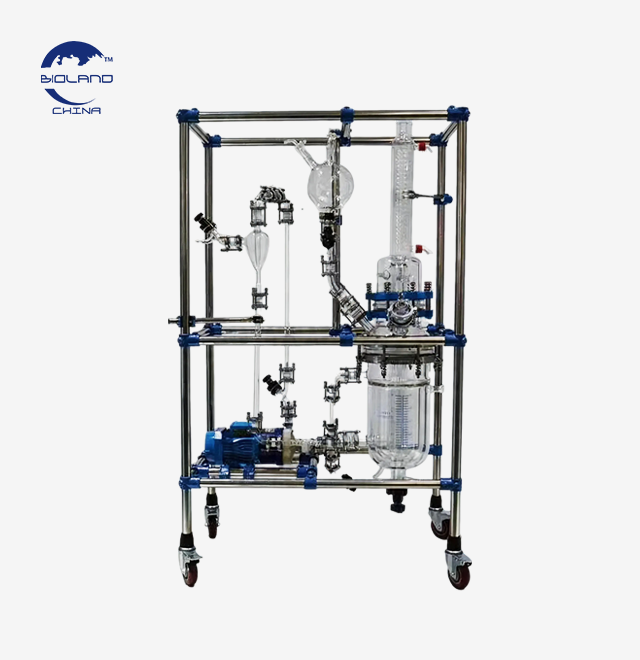
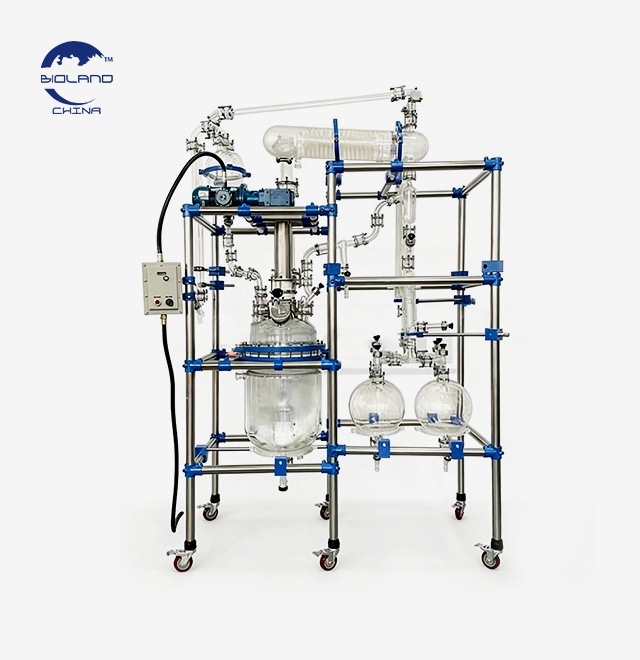
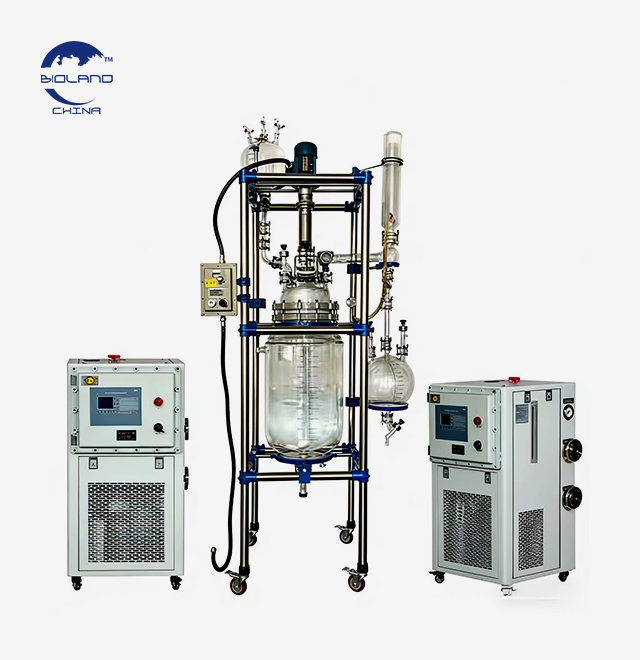
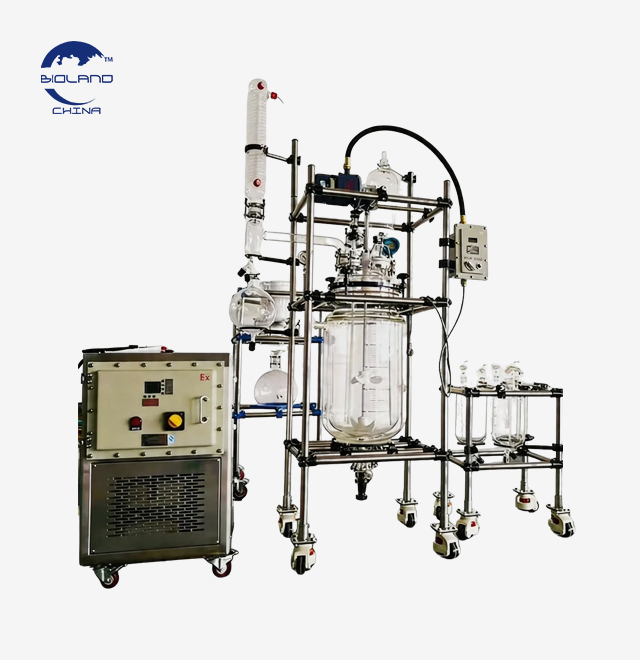
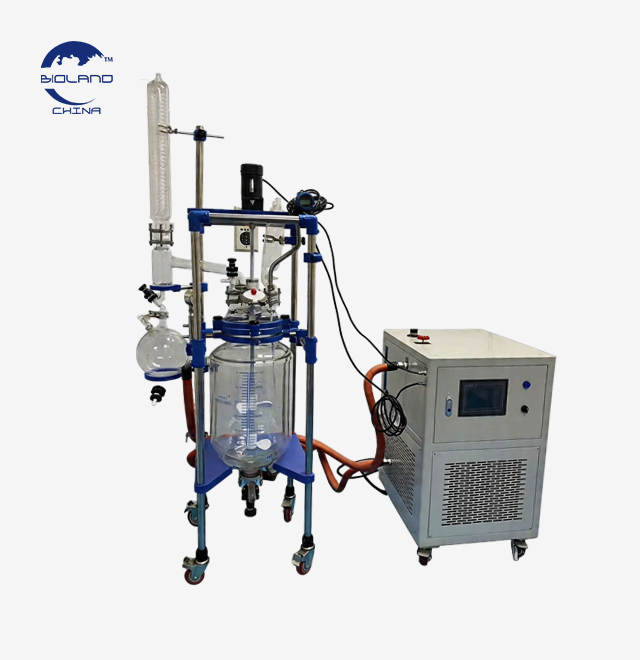
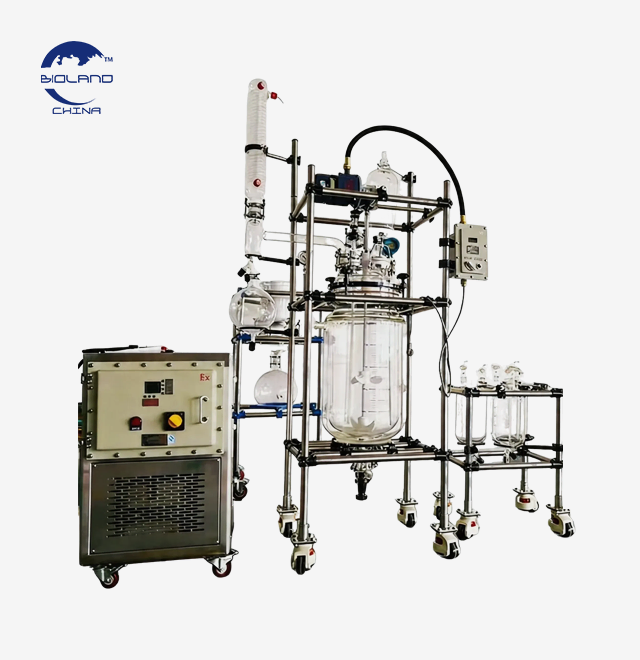
200L Glass Reactor for Pilot-Scale Chemical Processing — Precision Built for Pharma & Industrial Use
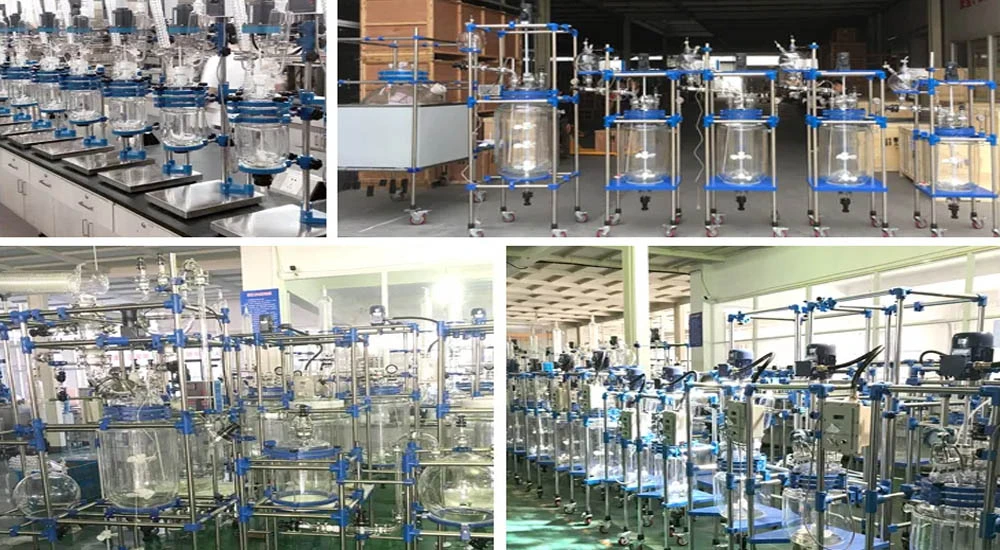
Xi'an Bioland Instrument's 200L glass reactor is engineered from GG17 borosilicate glass 3.3 for pilot-scale synthesis, mixing, dissolution, and crystallization. It operates across −80°C to +200°C with vacuum down to 0.098 MPa. PLC-driven control, double/triple-layer jacketed design, PTFE mechanical sealing, and CE/ISO certification make it the reliable bridge between lab R&D and full-scale industrial production.
Key Features & Benefits
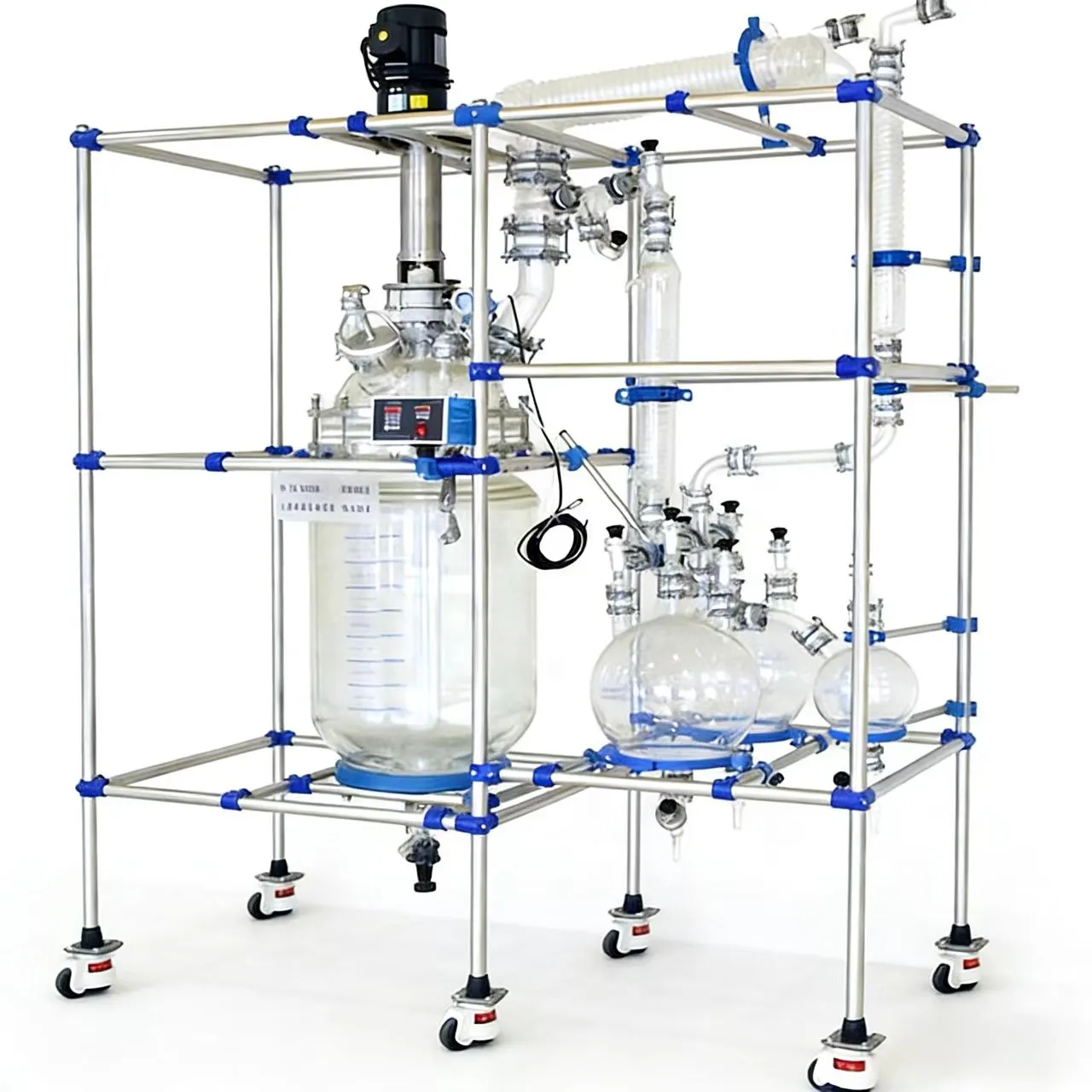
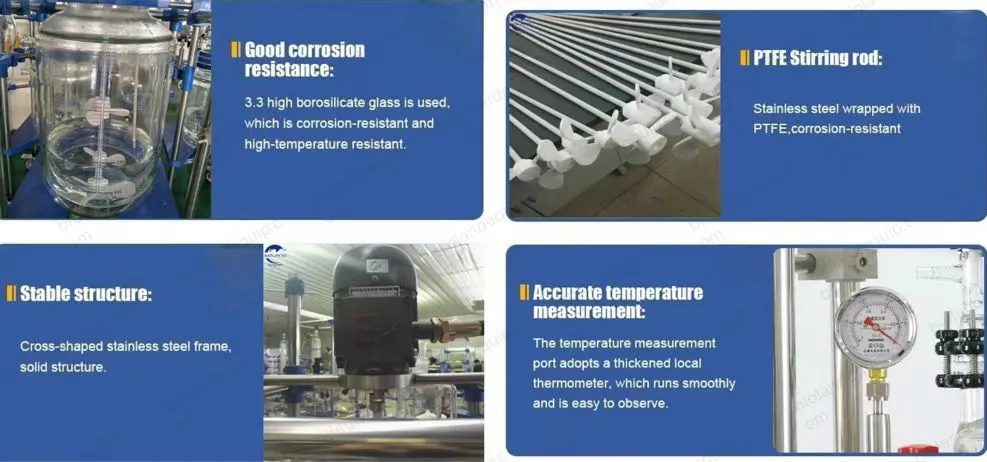
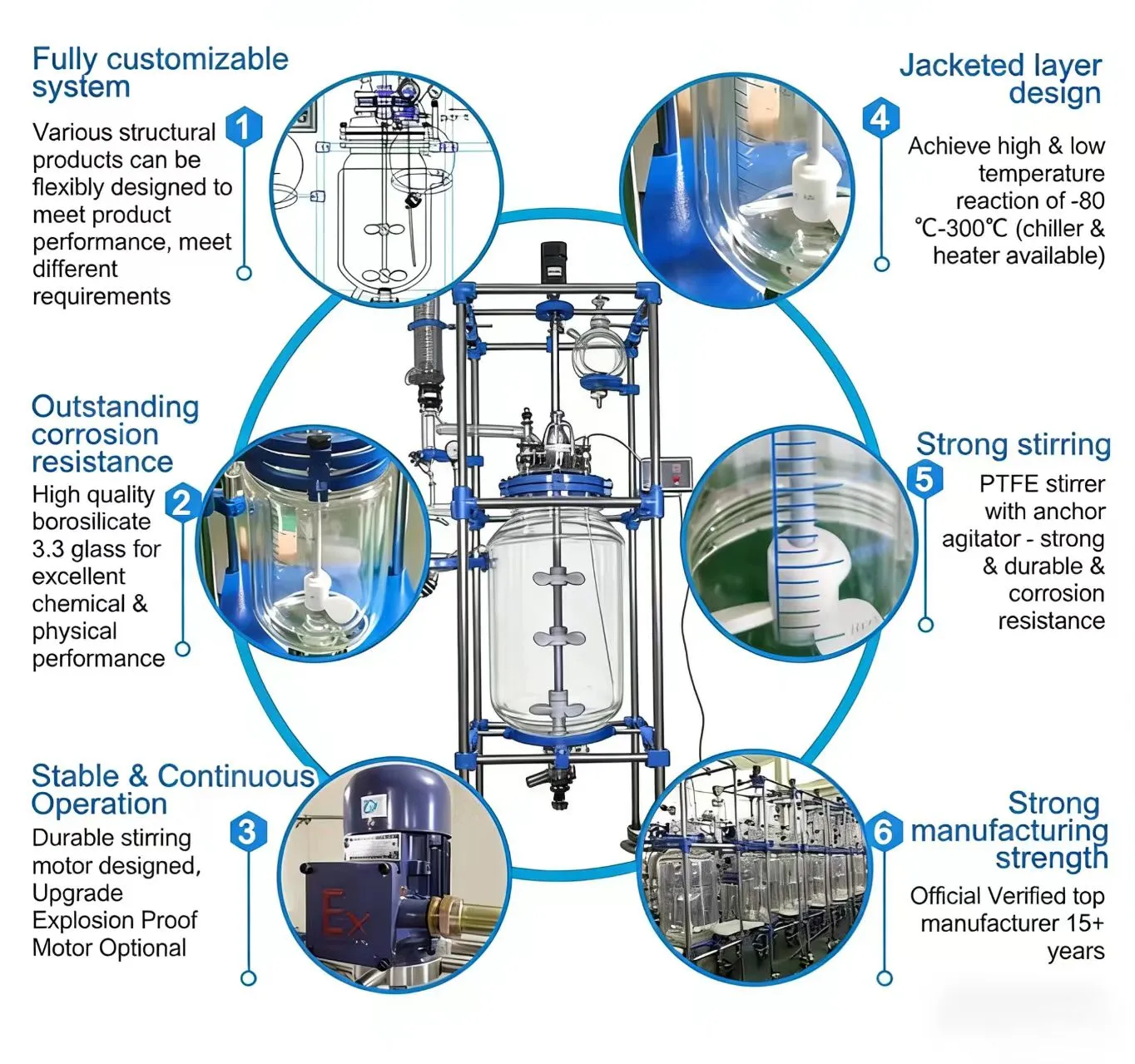
Near-universal chemical resistance — Borosilicate glass 3.3 withstands aggressive acids, halogens, and organic solvents without corrosion or ion contamination. For GMP-regulated API synthesis, this eliminates the metal-leaching risk inherent in stainless steel reactors.
Full process visibility — The transparent vessel wall allows real-time observation of color shifts, phase separation, and viscosity changes throughout the reaction cycle.
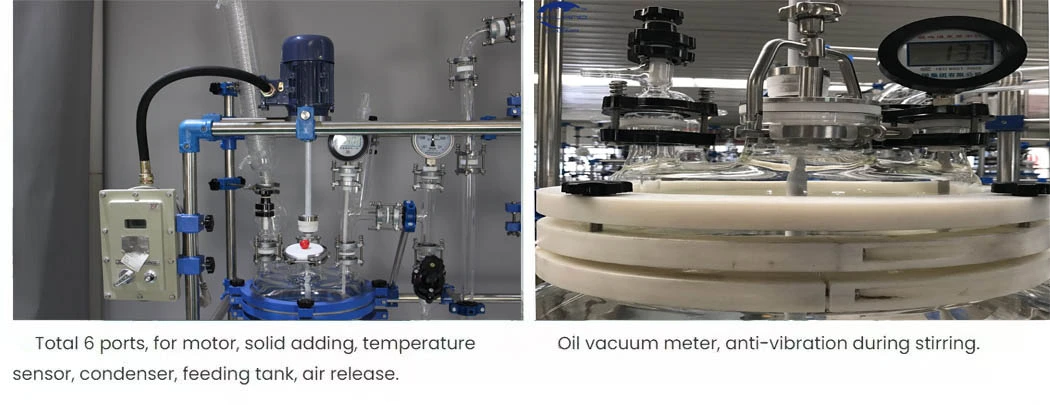
Modular lid port system — Standard flange ports accept reflux condensers, dropping funnels, pH sensors, and Teflon CIP spray balls, allowing the reactor configuration to match your specific process without custom fabrication.
PLC precision control — Temperature ramping, agitation speed, and vacuum levels are managed automatically. Controlled ramping is essential to stay within the safe thermal shock limit of ΔT ≤ 60°C and prevent stress fractures in the glass body.
How It Works?
Temperature control: Thermal fluid from an external chiller or heater circulates through the double or triple-layer jacket, regulating reaction temperature between −80°C and +200°C. The multi-layer design minimizes heat loss and allows rapid temperature transitions for both endothermic processes (e.g., peptide synthesis) and exothermic API reactions.
Mixing: The PTFE-coated impeller — available in anchor, paddle, or frame geometry — delivers high-torque agitation with zero metal contact on the product side. Anchor impellers are suited for high-viscosity polymer batches; paddle configurations work well for standard liquid-phase reactions.
Vacuum operation: The sealed system supports solvent recovery and degassing of viscous solutions. A correctly sealed unit holds vacuum with a pressure rise of less than 200 Pa over a 12-hour hold test — our standard pre-shipment acceptance criterion.
Construction & Materials
All vessels are manufactured from borosilicate glass 3.3 (ISO 3585), with a wall thickness of 10–12 mm confirmed by ultrasonic thickness gauges during production QC. The 3.3 × 10⁻⁶ K⁻¹ thermal expansion coefficient keeps dimensional stability across the full operating range.
Every wetted component — shaft seals, gaskets, impeller coatings — uses PTFE to maintain chemical inertness across the entire product contact surface. No secondary contamination pathways are introduced.
Shaft run-out is measured under load and must not exceed 2 mm. This tolerance protects the ceramic bearing and prevents stress concentration at the glass neck — a failure point specific to large-volume reactors that is often overlooked in lower-cost alternatives.
Application Fields
Biopharmaceutical API Synthesis
Reactions requiring deep cooling to −50°C or controlled crystallization for particle size management before filtration. Zero metal contamination risk supports GMP compliance documentation.
Cannabis & Hemp Winterization
Ethanol-extract processing at low temperatures precipitates fats and waxes efficiently. The optional ATEX/UL Class 1 Div 2 explosion-proof motor is required for flammable solvent environments and is available as a factory-installed option.
Advanced Materials Research
Graphene dispersion and high-performance polymer synthesis benefit from combined high-shear mixing and vacuum degassing, which removes micro-bubbles from viscous solutions before curing or casting.
Chemical Intermediates & Specialty Chemicals
Pharmaceutical intermediate synthesis and fine chemical processing applications requiring solvent recovery, reflux control, and reproducible reaction kinetics across batch cycles.
Technical Parameters
|
type
|
volume
(L)
|
Motor power
(W)
|
Speed
(r/min)
|
Stirring torque(1300r/min)
|
Inside/outside tube diameter
(mm)
|
Reactor vessel cover relevant opening size
|
|
|
|
|
|
|
|
center
|
left
|
right
|
later
|
before
|
|
BL-150
|
150
|
370
|
10-680
|
28000g.cm
|
600*550
|
50#
|
40#
|
34#
|
34#
|
29#
|
|
BL-100
|
100
|
250
|
|
22000g.cm
|
460*500
|
50#
|
40#
|
34#
|
34#
|
29#
|
|
BL-80
|
80
|
250
|
|
22000g.cm
|
460*500
|
50#
|
40#
|
34#
|
34#
|
29#
|
|
BL-50
|
50
|
180
|
|
15000g.cm
|
360*405
|
50#
|
40#
|
34#
|
34#
|
29#
|
|
BL-30
|
30
|
180
|
|
15000g.cm
|
315*360
|
50#
|
40#
|
34#
|
34#
|
29#
|
|
BL-20
|
20
|
120
|
|
12000g.cm
|
315*360
|
50#
|
40#
|
34#
|
34#
|
29#
|
|
BL-10
|
10
|
120
|
|
12000.g.cm
|
245*260
|
50#
|
40#
|
34#
|
34#
|
29#
|
|
BL-5
|
5
|
90
|
|
9000.g.cm
|
200*230
|
50#
|
29#
|
24#
|
24#
|
19#
|
Quality Certifications & Compliance
· Polariscope (annealing stress) test — Detects residual stress concentration in the glass body before shipment. Mandatory at the 200-liter scale.
· 12-hour vacuum hold test — Pressure rise must remain below 200 Pa. Results are documented and included in the shipment package.
· Ultrasonic wall thickness verification — Each vessel measured at multiple points during QC.
· Motor torque and shaft run-out testing — Confirmed under operational load conditions.
· Certifications: CE, ISO, UL, SGS | Standards: GMP, FDA
· Factory Acceptance Test (FAT): Available on-site or via live video session prior to shipment.
Why Choose Bioland?
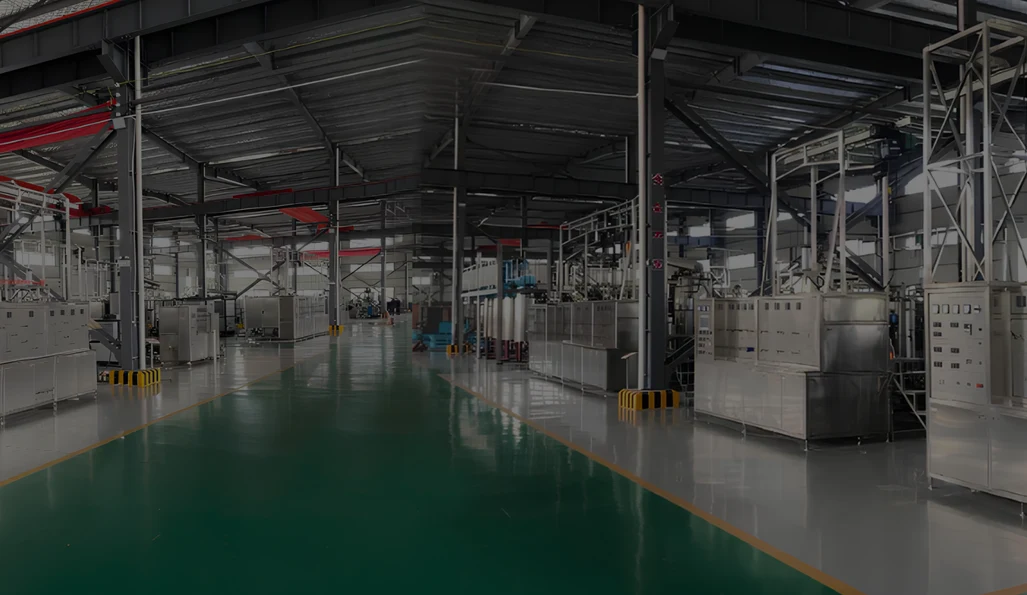
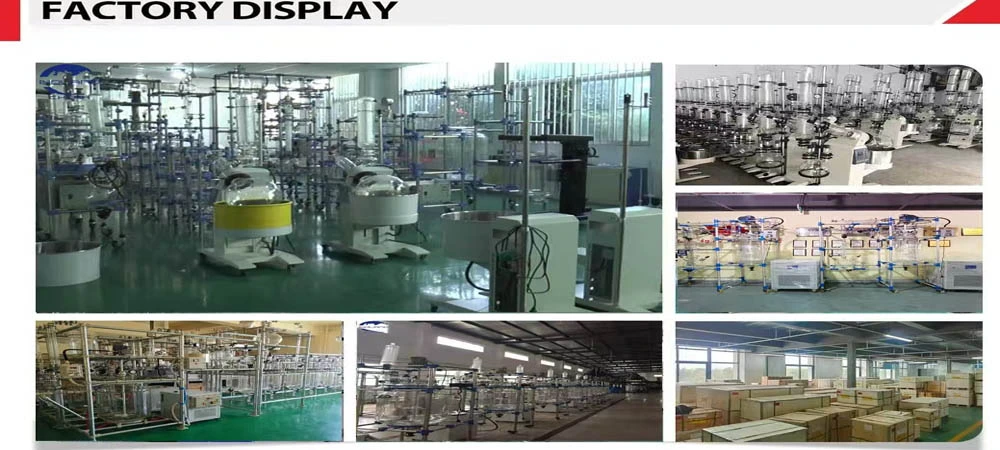
15+ years of focused manufacturing — Xi'an Bioland Instrument has supplied 200l glass reactor systems to pharmaceutical, chemical, and research institutions across 40+ countries. Reference projects are available upon request.
Direct factory pricing — No distributor markup. You communicate with our engineering team directly from specification to delivery.
Responsive production timeline — Standard configurations ship within 5–7 business days. Custom OEM/ODM orders are completed within 30 business days, with weekly photo or video progress updates during fabrication.
Shipment on your approval — Final inspection records and photos are submitted before any unit leaves our facility. Shipping is confirmed only after your written sign-off.
12-month warranty + lifetime maintenance support — Covers manufacturing defects. Spare parts (PTFE seals, impellers, gaskets) are stocked for immediate reorder.
Services & After-Sales Support
|
Service
|
Details
|
|
Pre-sales consultation
|
Process review, equipment sizing, configuration recommendation
|
|
OEM/ODM customization
|
Custom geometry, port layouts, control systems
|
|
FAT support
|
On-site or video-based acceptance testing
|
|
Installation guidance
|
Remote commissioning with full documentation
|
|
Spare parts supply
|
PTFE seals, impellers, gaskets — available for reorder
|
|
Warranty & maintenance
|
12 months warranty + lifetime maintenance support
|
Get a Quote for Your Process
Configuring a 200L reactor for a specific application — cannabis winterization, API synthesis, or polymer research — requires matching jacket type, impeller geometry, and control parameters to your process conditions. Our engineering team reviews your requirements and returns a detailed quote, typically within 24 hours. Tell us your process conditions and we'll configure the right setup.
FAQ
Q: What is the safe thermal shock limit during operation?
A: Keep the temperature difference between jacket fluid and vessel contents below 60°C at all times. Use gradual ramp rates — typically 1–2°C per minute for transitions above 30°C differential — to avoid stress fractures in the borosilicate glass.
Q: Can this reactor handle positive internal pressure?
A: Standard glass reactors are rated for vacuum and atmospheric conditions only. For process pressures above 0.5 bar, we recommend switching to a glass-lined steel reactor. Contact our team to discuss the right configuration for your application.
Q: How do I manage flammable solvent risk?
A: Select the explosion-proof motor option at the time of order. It meets ATEX and UL Class 1 Div 2 standards and is suitable for ethanol, hexane, and similar flammable solvent environments.
Q: How long do PTFE mechanical seals last?
A: Typical service life is 6–12 months depending on operating frequency and chemical exposure. A gradual decline in vacuum hold performance is the primary early indicator that seal inspection or replacement is needed.
Q: Is CIP cleaning supported?
A: Yes. Teflon spray balls installed through the lid ports enable automated solvent cleaning without dismantling the reactor — fully compatible with GMP cleaning validation protocols.
Q: What pre-shipment quality checks are performed?
A: Each unit undergoes: polariscope annealing stress test, 12-hour vacuum hold test (pressure rise <200 Pa), motor torque and shaft run-out testing, and ultrasonic wall thickness verification. Full test documentation ships with the unit.
Contact Us
If you want to get information about the 200l glass reactor, please contact us at info@biolandequip.com.