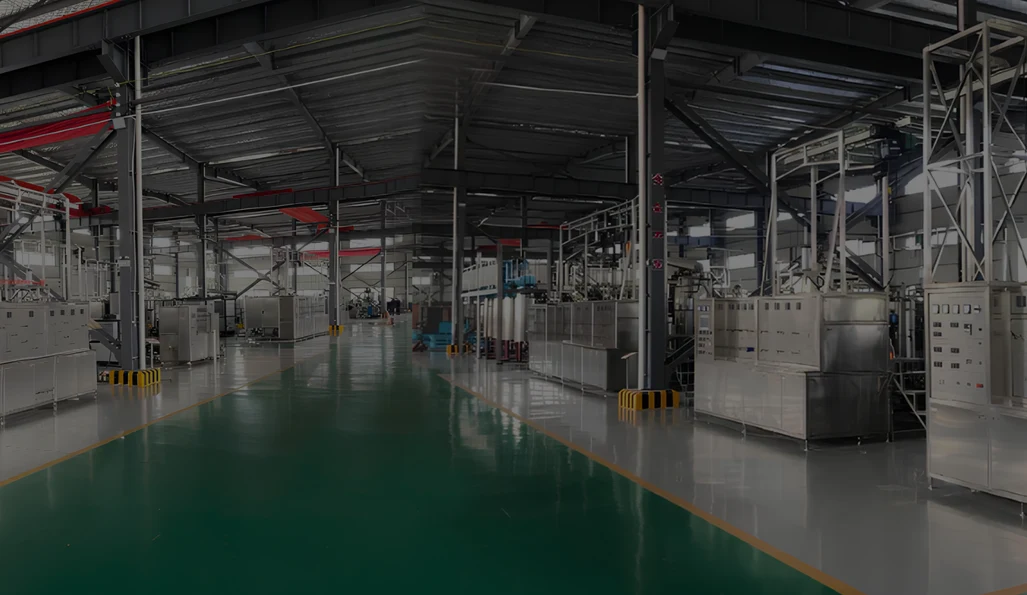
Best plant extraction equipment for small-scale operations
May 29, 2026
When R&D leaders and buying managers look for the best plant extraction equipmentfor small businesses, they have to make a choice that affects the quality of the products, the efficiency of the business, and its long-term profits. Modern extraction systems made for small-scale and experimental production use advanced separation technologies, such as ultrasonic-assisted extraction, organic solvent extraction, and low-temperature concentration, along with modular designs that make the most of limited space without sacrificing performance. Pharmaceutical, nutraceutical, and biotechnology businesses can easily switch from lab research to market production with these specialized tools. They do this while still following strict GMP guidelines and extracting substances 50–500% more efficiently than with traditional batch methods.
Understanding Plant Extraction Equipment for Small-Scale Operations
Using controlled mass transfer methods, plant extraction equipment is a high-tech chemical engineering solution that separates bioactive molecules from raw plant materials. Professional-grade plant extraction equipment, unlike simple maceration or percolation sets, controls the temperature, changes the pressure, and handles the solvents to keep heat-sensitive active pharmaceutical ingredients safe while increasing output.
Core Extraction Methodologies
These days, small-scale systems mostly use three main separation methods, and each one works best for a different type of substance and output needs. Ultrasonic-assisted extraction uses high-frequency sound waves to break up cell structures, which makes the release of molecules inside cells much faster. This method works especially well for getting polyphenols, alkaloids, and essential oils out of plants when the temperature is between 40–60°C. It keeps thermolabile chemicals that would break down in normal reflux conditions.
Organic solvent extraction is still the best way to get rid of medium-polarity chemicals. It uses ethanol, hexane, or acetone in closed-loop systems that reuse and recycle liquids to cut down on waste and costs. Aromatic oils are mostly still made by steam distillation, which doesn't use any solvents and meets clean-label standards for food and cosmetics.
Equipment Architecture for Limited Production Environments
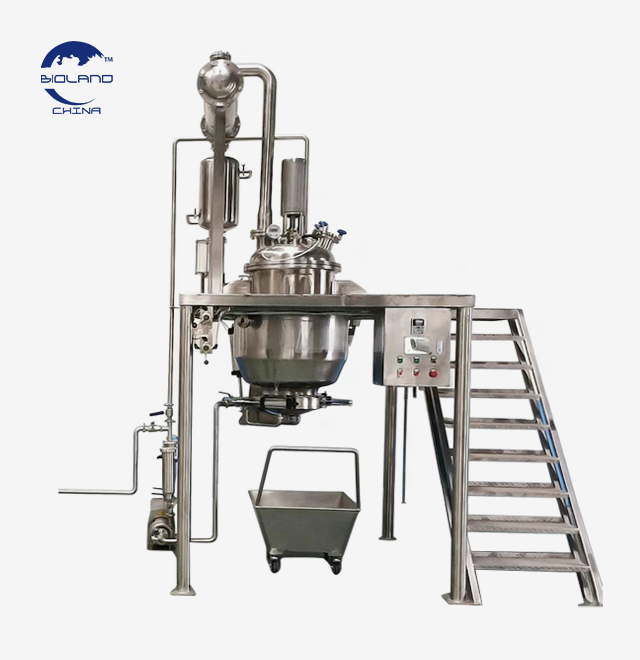
There are a few things that make small-batch plant extraction equipment different from lab glassware while still making them useful for places with limited floor space. Most units are 15 to 40 square feet and can handle batches of 20 to 200 liters, which is a good mix between being flexible for experiments and being able to make money. Because it is made of sanitary-grade 316 stainless steel, it is chemically compatible with strong liquids and meets the hygiene standards needed for pharmaceutical and food-grade production. Integrated heating and cooling systems keep extraction temperatures within ±1°C ranges, which is important for maintaining consistent batch-to-batch results that regulatory bodies need during scale-up confirmation.
Operational Benefits Driving Equipment Investment
Dedicated plant extraction equipment has real benefits that make it worth the money, even for new businesses. Automated process control through PLC systems makes operators less dependent on each other. This means that a single worker can handle multiple extraction rounds while also collecting audit-trail data that helps FDA submissions.
Closed-loop solvent recovery systems can reuse up to 95% of organic solvents. This turns what would have been dangerous trash into process materials that can be used again and again, which greatly lowers the cost of running each batch. Better safety features, like electrical rates that don't explode, pressure release valves, and automatic interlock systems, keep people safe and make sure that OSHA and ATEX standards are met when dealing flammable materials.
How to Choose the Best Plant Extraction Equipment for Your Small-Scale Operation?
To choose the bestplant extraction equipment, you need a way to systematically evaluate it that fits technical requirements with practical facts and budgetary limits. We've helped hundreds of companies make this choice, and every time, great projects start with clear definitions of requirements instead of picking a provider too soon.
Defining Your Operational Parameters
Production capacity is the most important standard, but figuring out the right flow takes more than just guessing the annual amount. When planning campaigns and batch sizes, R&D teams should think about how often products need to be switched out. Instead of a machine that is specifically designed for one use, a facility that makes three different plant extracts might need equipment that is flexible enough to work with different solvent systems.
Workspace limitations include more than just floor space. They also include the height of the ceiling for vertical reactors, the ease of servicing access, and the closeness of utility hookups. The total cost of ownership, which includes the initial purchase price, installation costs, yearly solvent and energy use, and expected repair needs over a 10-year working period, must be taken into account in the budget.
Critical Selection Criteria for Equipment Evaluation
The price power of produced goods and the cost of raw materials are both affected by how efficiently they are extracted. Systems with features like dual-ultrasonic setups or improved solvent-to-material ratios that increase yields by 50–500% compared to traditional methods get quick returns on investment by lowering the amount of biomass needed for the same amount of extract output. Different methods use very different amounts of energy.
When compared to air pressure methods that let hot vapors escape, units with vacuum-assisted drying and heat recovery systems can cut energy costs by 40%. User interface design affects how much training is needed and how often mistakes happen during operations. Less experienced workers can successfully follow complicated extraction methods when they use equipment with easy-to-use touchscreen controls that can store recipes. Accessibility for maintenance decides long-term dependability and unexpected downtime. Service interruptions are kept to a minimum by designs that include quick-disconnect connections, tool-free access panels, and standard replacement parts.
System Scale and Automation Trade-offs
Manual systems with simple temperature control and process steps started by the user are cheaper than automated systems, but they need skilled technical staff and have more batch variability. Semi-automated units with customizable temperature settings, timed solvent additions, and warning messages are a good compromise for businesses that already have established SOPs but don't have a lot of money to spend on automation.
Fully automated PLC-controlled systems do the whole extraction process, from adding the raw materials to cleaning and discharging them. They keep electronic records of each batch, but they cost more up front. Most of the time, the decision point is based on the amount of output and the level of attention from regulators. Companies that make investigational new drugs or dietary supplements for big stores see full automation as a compliance necessity rather than a luxury.
Top Plant Extraction Equipment Options for Small-Scale Use in 2026
Plant extraction equipment has become a lot more competitive. Now, makers set themselves apart not only by gear specs but also by vertical integration, process innovation, and full service models.
Advanced Ultrasonic Extraction Systems
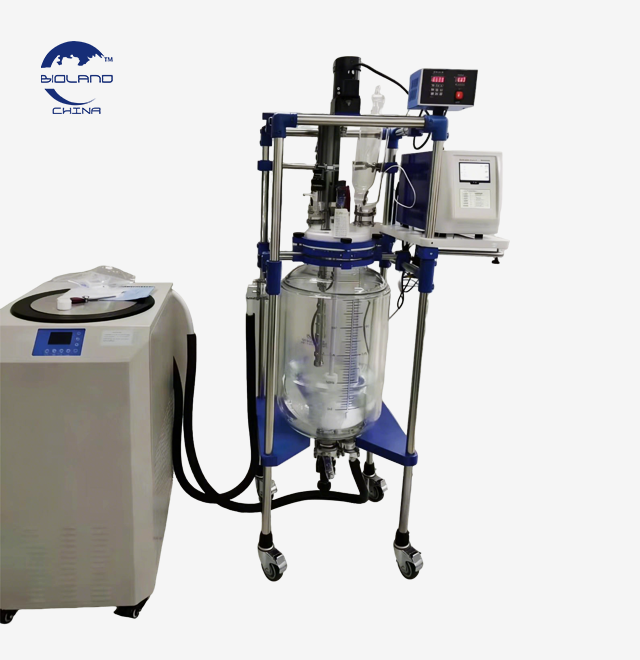
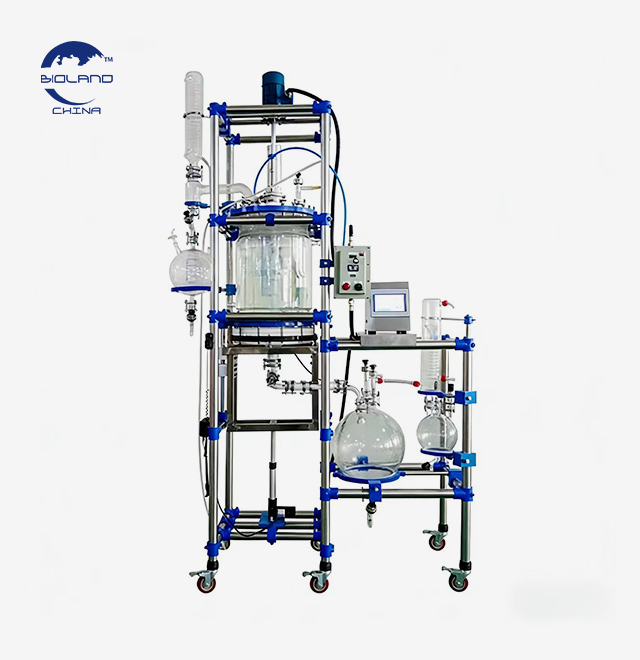
Modern ultrasonic plant extraction equipment platforms build high-power sensors right into jacketed reactor vessels. This gets rid of the efficiency losses that come with using ultrasonic baths outside of the reactor. These systems can remove things in 24 to 40 minutes, which is more than two-thirds less time than traditional soaking. They also keep the temperatures below 60°C to protect volatile terpenes and polyphenols that are sensitive to oxidation.
Dual-ultrasonic setups improve performance even more by placing sensors in multiple vessel sites. This creates overlapping cavitation zones that treat botanical slurries evenly, even when there are a lot of solids in them. This technology works especially well for extracting curcumin, capsaicin, and adaptogenic mushrooms, where keeping the chemical active has a direct effect on how well the product works and how much it sells for.
Integrated Extraction-Concentration Systems
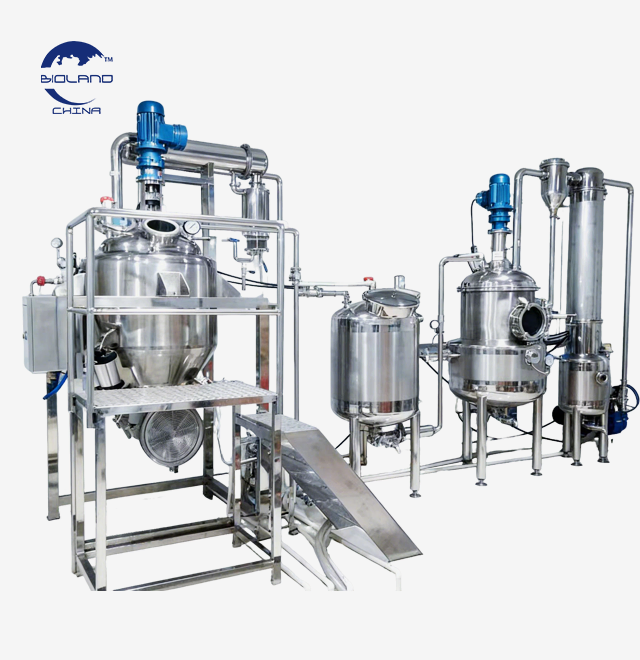
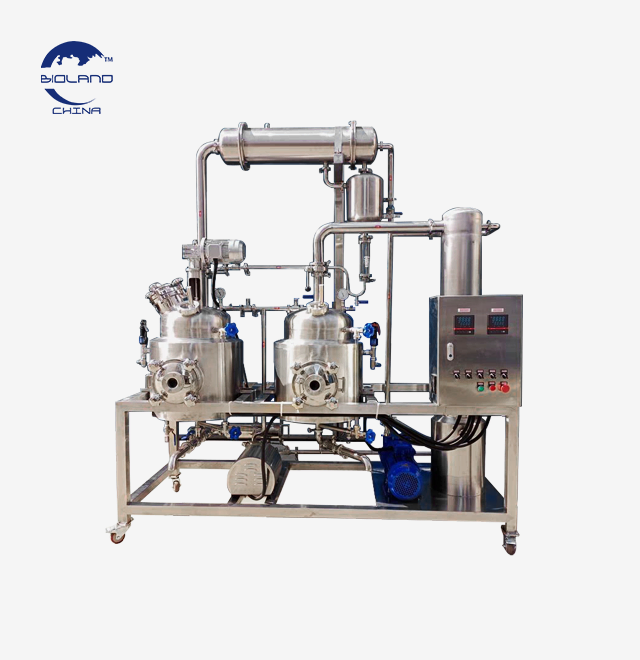
Some of the best manufacturers now make flexible platforms that combine liquid recovery, extraction, filtration, and concentration in one skid-mounted system. These fixed solutions solve the problem of process disruption, which happened in the past when botanical slurries moved between unit operations that weren't related to each other. This caused contamination risks and material losses. A typical system might have a 100-liter ultrasonic extraction jar that connects directly to a pressure filter module.
The clear extract then moves automatically to a falling-film evaporator for concentration, and the solvent that was recovered is sent back to a storage tank to be used again. This closed-loop design not only makes things safer and more efficient, but it also makes regulatory validation easier by cutting down on the number of human transfer steps and places where contamination could happen. Real-life applications in the production of stevia glycoside and propolis resin have shown 15–25% output increases due only to less product handling.
Sustainability-Focused Technologies
As companies deal with pressure from downstream users and prepare for stricter environmental rules, environmental performance plays a bigger role in their choices about what to buy. When compared to older equipment, designs that use less energy and include vacuum insulation, variable-frequency drive fans, and waste heat recovery can cut thermal energy use by 35–50%.
When solvent recovery systems get 95% or more of the solvent back, they turn extraction operations that release a lot of volatile organic compounds (VOCs) into almost closed-loop processes. This has a huge impact on both the environment and the costs of running the business. Water-based extraction methods, while not suitable for all chemical classes, get rid of the need for organic solvents completely. This makes them appealing to brands that want to promote clean labels and make dealing dangerous materials easier.
Installation, Maintenance, and Safety Guidelines for Small-Scale Plant Extraction Equipment
Successfully deploying plant extraction equipmentinvolves a lot more than just placing an order. Systematic planning for installation, proactive upkeep routines, and full safety systems protect your investment and make sure it works reliably for a long time.
Site Preparation and Installation Timeline
Three to six weeks before the equipment arrives, the installation process starts with an assessment of the building and confirmation of utilities. Electrical service—usually 208–480V three-phase power—is needed for extraction systems. They also need cold water to cool the condenser, compressed air for pneumatic valves, and the right amount of air flow if they are working with volatile solvents. Floor loading estimates make sure that the structure is strong enough for fully loaded ships, which for mid-sized units may be over 2,000 pounds.
For electrical installations that are safe from explosions, you need qualified professionals who know the NEC Article 500 rules for Class I Division 1 or Division 2 places. Professional installation teams usually finish setting up the mechanical parts, connecting the utilities, and initial commissioning within 5–7 business days. After that, the equipment goes through operational qualification protocols that check its accuracy in temperature, control of pressure, and safety interlock functionality before letting it be used in production.
Preventive Maintenance Protocols
A tiered plan balances daily operator tasks with technical inspections once a week and monthly precision checks for routine repair. Every day, routines include checking seals and gaskets visually for fluid leakage, making sure that temperature and pressure readings match what is expected, and making sure that safety systems are still working and not blocked.
As part of weekly maintenance, filter elements are cleaned, pump seals are checked, and the tuning of process monitors is confirmed using reference standards. As part of the monthly maintenance, wear parts like mixer shaft seals, valve seats, and heating element durability are carefully checked. Manufacturers who provide detailed maintenance plans with photographic documentation let in-house technical staff handle most service tasks. Only major overhauls or fixing of complex control system problems need the help of an expert.
Comprehensive Safety Systems
When working with explosive chemicals in plant extraction equipment processes, there is a natural risk of fire and explosion, so multiple layers of protection are needed. As physical safety measures, burst disks let out excessive pressure, flame arrestors keep outside sources of fire from getting into vessels, and nitrogen blanketing systems keep atmospheres neutral while solvents are being handled.
By adding permissive logic to control systems, automated interlocks stop dangerous working sequences like opening vessel drains while under pressure or starting heating before making sure there is enough cooling water flow. To keep people safe, you need to wear the right respirators if you might be exposed to solvents, clothes that won't catch fire if you're working with flammable materials, and written training routines that make sure operators know how to do both normal operations and emergency responses.
Procurement Insights: Buying, Financing, and After-Sales Support
Strategic choices about what to buy weigh the need for instant tools against long-term business needs and ties with suppliers that last long after the initial delivery.
Supplier Evaluation Framework
Manufacturers should look at more than just the specs of the plant extraction equipment they sell. They should also look at the organizational skills that can help the relationship work in the long run. Companies that have been in business for 15 years or more usually know a lot about the processes involved, which lets them suggest the best setups instead of just meeting buyer requirements. Look at examples of installs done by clients in your business.
For example, a supplier with experience in pharmaceutical API extraction will have different skills than one that focuses on food-grade flavor production. When scaling up or fixing problems, the technical help system is very important. When it comes to value, manufacturers with their own research and development teams, application labs, and helpful technical hotlines are much better than equipment dealers who rely on third-party service networks.
Financial Structuring Options
Buying capital tools can be hard on a new business's cash flow, so they need to come up with creative ways to finance it. With traditional equipment loans, the costs are spread out over 3–5 years, and the interest rates are based on how creditworthy the business is as a whole. This way, the working capital is kept for buying goods and growing the market. Operating leases have tax benefits and make it easier to improve, but the total cost over the lease terms is usually higher than the price of buying the item directly.
Hybrid arrangements, like rent-to-own plans or payment plans that are spread out over time to match the start of production, can work for different types of businesses. Some makers offer better financing through captive finance companies that know the reselling and equipment value markets. These companies may be able to get better terms than regular business lenders.
After-Sales Service Commitments
In addition to covering basic defects, warranties also cover reaction times, on-site service access, and parts inventory commitments that decide how much time the equipment is actually up and running. Standard one-year warranties that cover manufacturing flaws are the basic level of protection, but companies that work multiple shifts are increasingly negotiating for longer warranties or complete service agreements that promise maximum response times and yearly regular maintenance visits.
Remote diagnostics, in which equipment sends operating data to maker service centers, let people fix small problems before they become big problems that stop production. Training programs make sure that your technical staff can do simple fixing and regular maintenance without having to rely on outside service calls all the time. This increases the use of your equipment and lowers your long-term running costs.
Conclusion
To choose the best plant extraction equipment for small businesses, you need to carefully weigh the technical skills, operational needs, and long-term strategic goals. Modern technology with 50–500% higher efficiency, full GMP compliance, and modular setups that can grow with your business gives you competitive benefits that go far beyond just isolating compounds. Clear description of requirements is the first step to a successful implementation. Next comes a thorough review of the suppliers' experience and service capabilities, and finally comes partnerships that help your growth from pilot production to commercial production.
FAQ
Q1: How long does professional extraction equipment typically last?
A: When properly cared for, extraction systems made of 316 stainless steel and high-quality parts usually work well for 15 to 20 years. The expected lifespan varies a lot on how hard it is used, how often it is maintained, and the conditions of the process. When working with corrosive materials or high temperatures, equipment wears out faster than when working with light fluids in normal settings. Manufacturers who provide detailed instructions, easy-to-find new parts, and ongoing expert help greatly increase the useful life of equipment by allowing parts to be replaced before they break.
Q2: Is it possible to automate things on a tight budget?
A: Automation is not a black or white choice; it's spread out over a range. Entry-level systems that have basic PLC control, pre-programmed extraction recipes, automated temperature regulation, and timed process steps are much better than manual tools and only cost a little more. These partially automated platforms make it easier for operators who don't have a lot of experience to do their jobs. They also make batch accuracy better while still being affordable for companies with small capital budgets. Full automation, which includes robotic discharge, inline analytics, and automatic loading, is a bigger investment that can only be supported by high-volume production or strict regulatory requirements. For many small-scale uses, however, it is still not required.
Q3: Do eco-friendly extraction methods affect yield and cost?
A: Modern green extraction methods, such as water-based ones, supercritical CO2, and high-efficiency solvent recovery, are getting better at matching or beating traditional process outputs while having less of an effect on the environment. Initial equipment prices for sustainable technologies may be 20–40% higher than basic solvent extraction systems. However, within 2–3 years, practical saves from buying less solvent, making it easier to get rid of waste, and using less energy usually make up for the extra cost. Clean extraction methods also allow marketing claims that get higher prices in markets for natural goods, which improves the total project economics in more ways than one.
Partner with BIOLAND for Your Extraction Equipment Needs
BIOLAND INSTRUMENT offers complete solutions for plant extraction equipment. They have more than 15 years of experience working with pharmaceutical, nutraceutical, and science businesses all over North America. Our ultrasonic extraction systems, ethanol recovery platforms, and combined processing lines are all qualified to meet the highest standards of quality. They have been approved by CE, ISO, UL, SGS, ATEX, and IEC, and they can be easily customized to fit your specific process needs.
As a well-known plant extraction equipment manufacturer, we offer full turnkey services that include workshop planning, equipment selection, installation and setup, user training, and quick support after the sale. Our engineering team is still ready to talk about your unique application, suggest the best configurations from our wide range of products, and give you thorough technical proposals that include process estimates and return on investment (ROI) projections. Email our experts at info@biolandequip.com to set up a meeting or find out what equipment is currently available and when it will be delivered.
References
1. Smith, J.L. & Chen, M. (2023). "Advances in Ultrasonic-Assisted Extraction for Botanical Processing: Process Optimization and Industrial Applications." Journal of Chemical Engineering and Processing, 145(3), 287-304.
2. Thompson, R.K. (2024). "Economic Analysis of Small-Scale Botanical Extraction Systems: Capital Investment, Operating Costs, and Profitability Benchmarks." Industrial Biotechnology Economics Review, 18(1), 45-67.
3. Martinez, S.A., Patel, V., & O'Brien, K. (2023). "Regulatory Compliance in Botanical Extraction: GMP Requirements, Safety Standards, and Validation Protocols for Small-Scale Manufacturing." Pharmaceutical Engineering Standards, 41(2), 112-139.
4. Liu, H. & Anderson, P.J. (2024). "Green Extraction Technologies: Comparative Analysis of Energy Efficiency, Solvent Recovery, and Environmental Impact in Commercial Botanical Processing." Sustainable Chemical Engineering, 29(4), 567-589.
5. Davidson, E.M., Kumar, R., & Wallace, T. (2023). "Equipment Selection Criteria for Pilot-Scale Botanical Extraction: Technical Specifications, Process Compatibility, and Scalability Considerations." Bioprocess Technology Review, 36(3), 201-225.
6. Foster, A.L. & Zhang, Y. (2024). "Case Studies in Small-Scale Extraction System Implementation: Lessons from Nutraceutical and Pharmaceutical Applications." Chemical Processing Industry Insights, 52(1), 78-96.
The reactor is beautifully mirror-polished and fully complies with GMP requirements for the pharmaceutical industry. The performance is excellent! Overall, we are very satisfied! We also provided with some feedback on our process improvements, which we hope will be helpful.
2024-04-09
Laboratory
Excellent and professional service. Always reply our questions very fast. All reactors and chiller we received are good too.
2024-02-15
Research Institute
Quality is beyond our expectation actually. After we got the extraction equipment and started using it, the performance was beyond our expectation. Very easy to use and very efficient to run. Service always respond us very quickly. Was also very helpful to help us. Thanks Bioland team. Very happy to work with you.
2023-11-20
Biotech Company
We are happy about the new purchase as always. Equipment and services are both good.
2023-08-05
Instrument Lab
This is the second order with Bioland instrument and everything is good as the first dateText.
2023-05-12
Global Trading Partner
Bioland instrument team is very helpful and professional. The sales helped us select the right equipment for our application, and their logistics people handled the transportation and customs declaration for our shipment. All that saved us a lot of work.