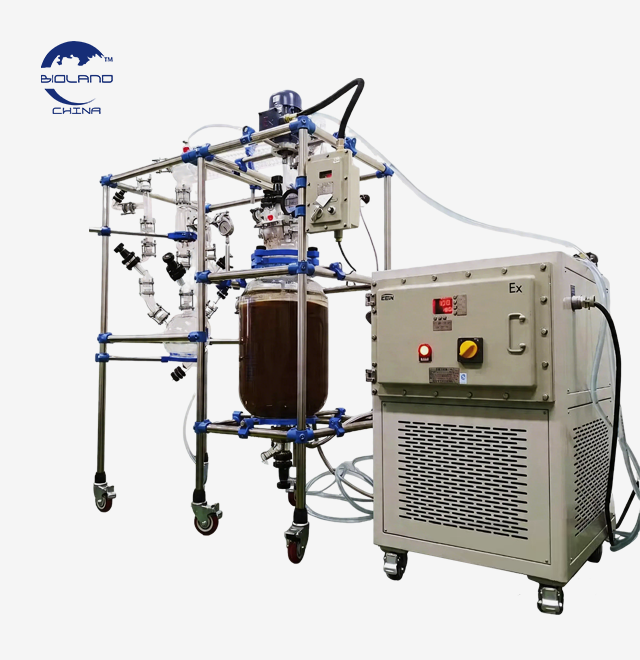
Ultrasonic Crystallization Reactor - Precision Control for Superior Crystal Quality
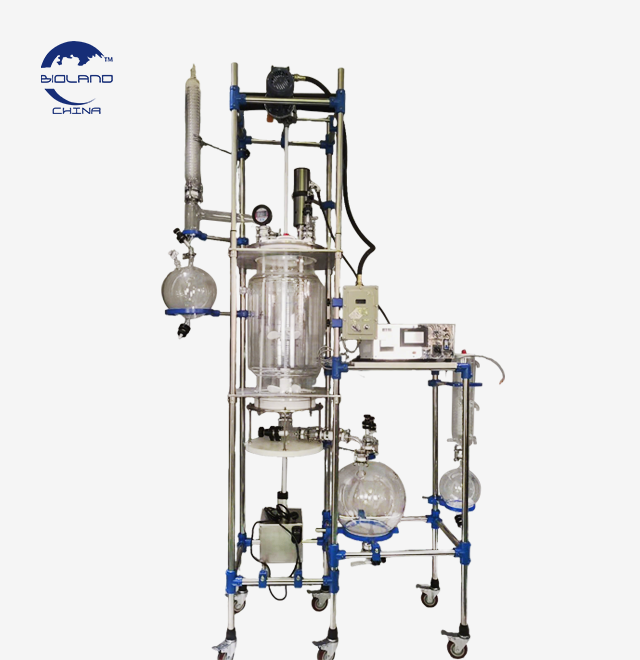
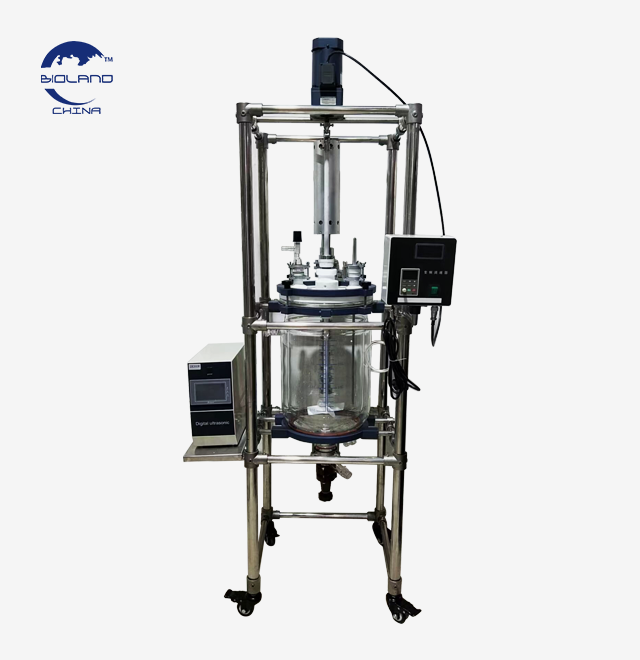
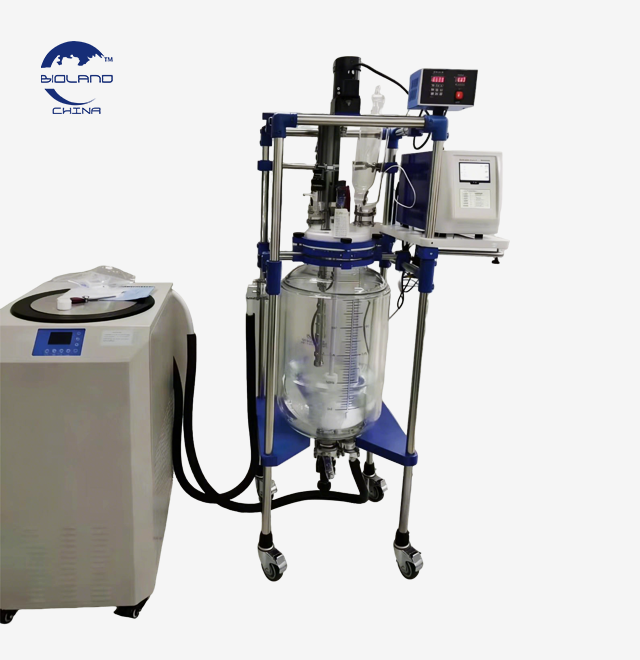
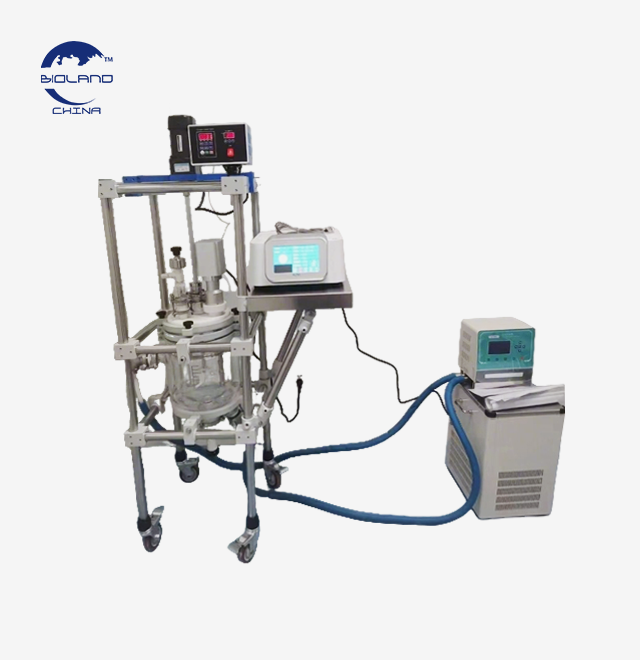
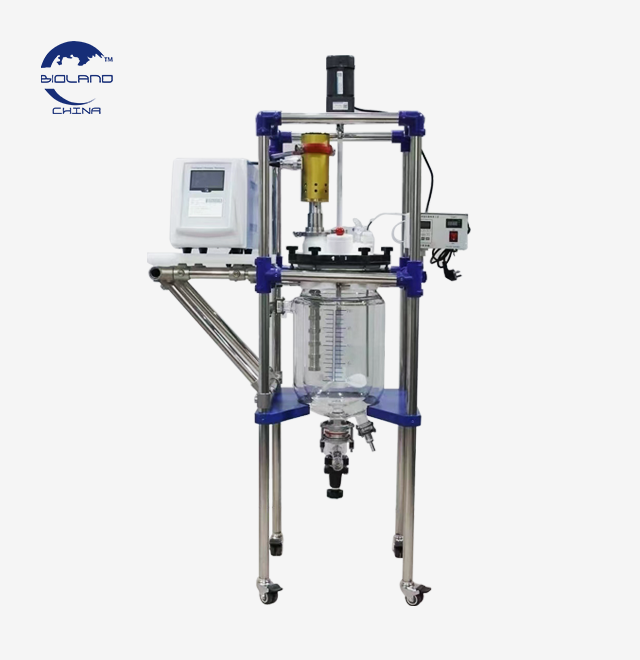
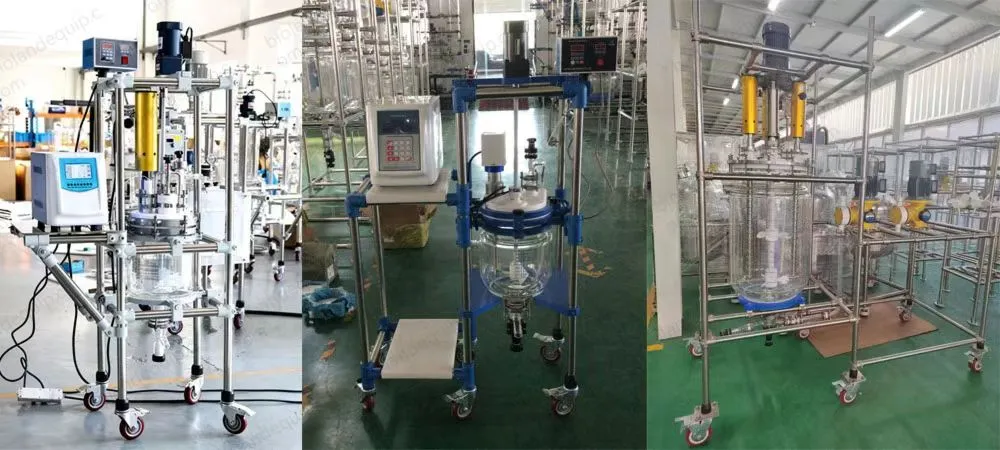
The Ultrasonic Crystallization Reactor from Xi'an Bioland Instrument gives companies that make medicines, batteries, and fine chemicals access to modern sonocrystallization technology. Our method cuts the temperature of reactions by 20–30°C and the time it takes to do the work by 33%. This reactor makes sure that particle size distribution and polymorph control are always the same by using titanium alloy probes that work at the best frequencies and ultrasonic power that can be changed from 250W to 4000W. Our equipment meets cGMP/FDA compliance standards for safe industrial-scale crystallization processes. It is made with 3.3 borosilicate glass tanks or SUS304/316L stainless steel, has explosion-proof systems, and can be automated with a PLC.
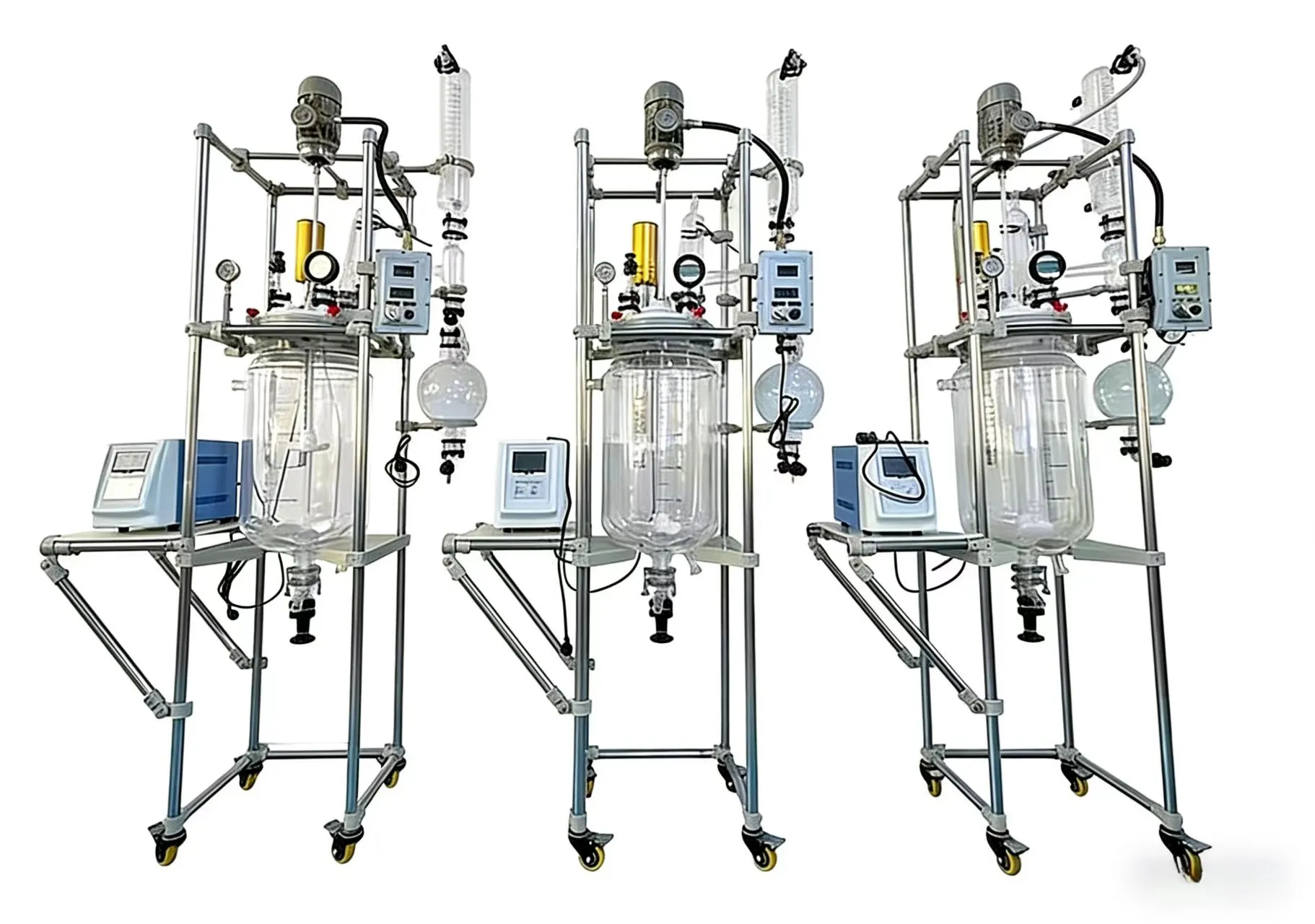
Specifications
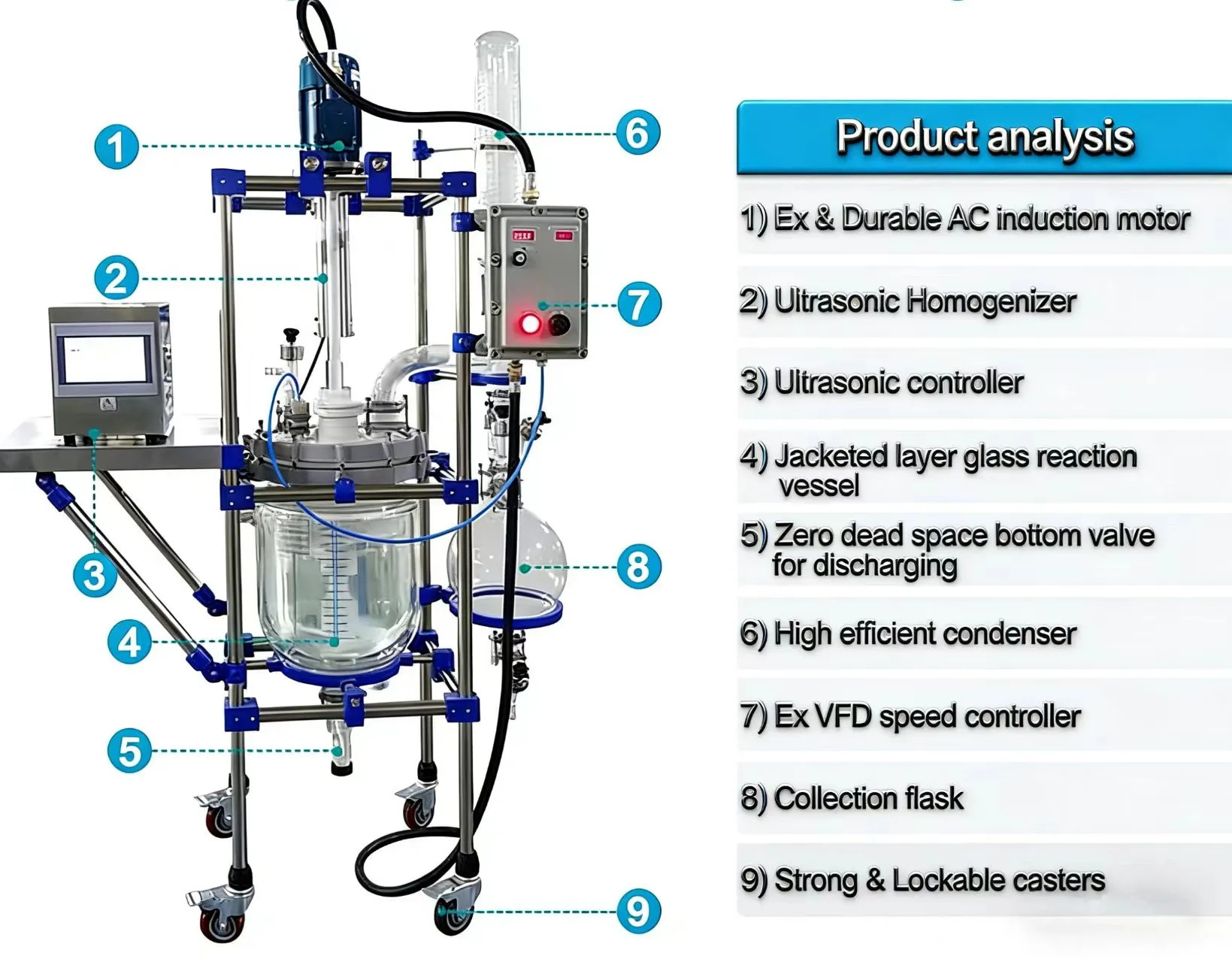
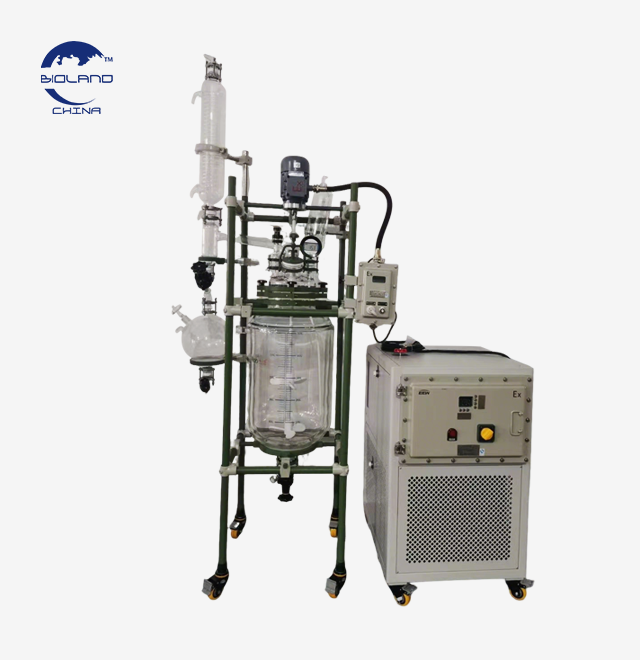
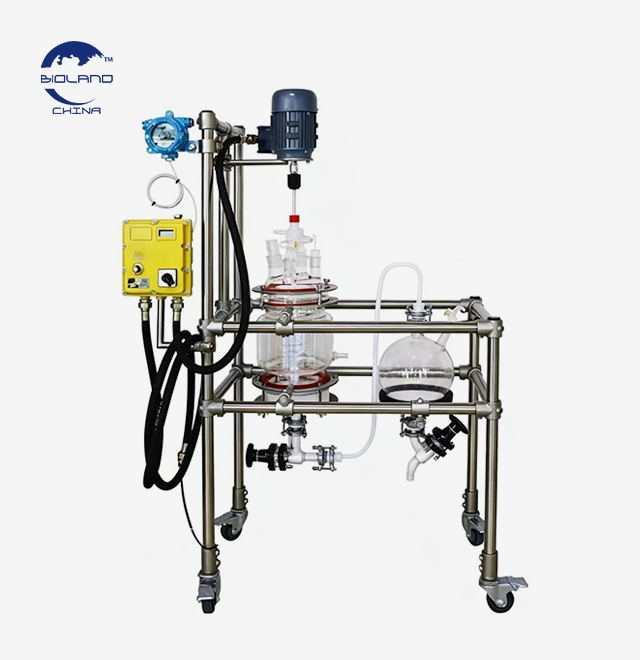
1.The whole stainless steel column, mobile framework, 4-6 or more covers of the reaction kettle, with full set of glass parts for reflux, adding liquid, temperature measurement, and so on.
2. Use G3.3 high borosilicate glass, with good chemial and physical properties.
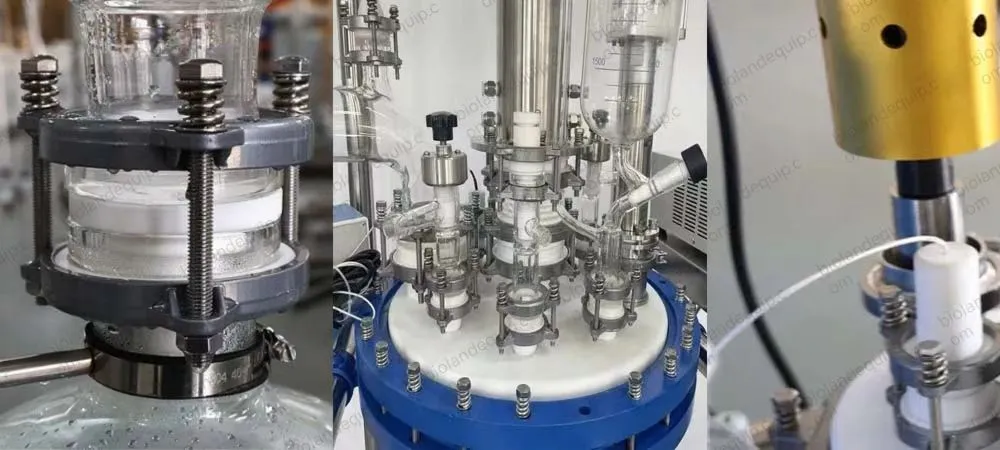
3. Alloy steel mechanical seal, PTFE connector, to maintain a high precision seal in the working condition.
4. With PT100 sensor probe, high precision temperature measurement, small errors, high efficiency.
5. AC reducer motor, strong torsion, no noise.
6. PTFE discharge value, moveable interface, discharging completely and quickly.
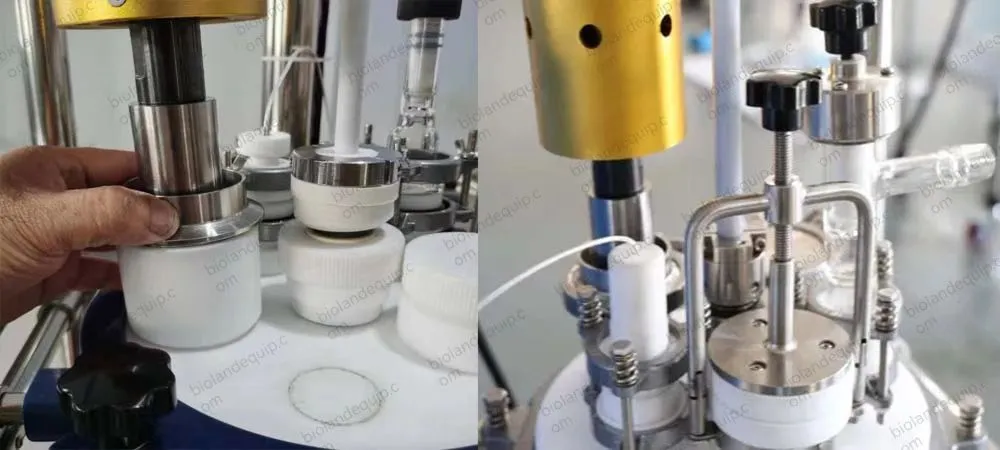
7. Our company can design special kettle boday structure according to customer requirements(such as PH meter, sand core filter etc)
8. All the reaction kettle can be made of explosion-proof device according to the customer request.(The explosion-proof device refers to the ex-proof motor + ex-proof control box + ex-proof temperature field display instrument).
Why Choose Us?
Certified Quality & Safety
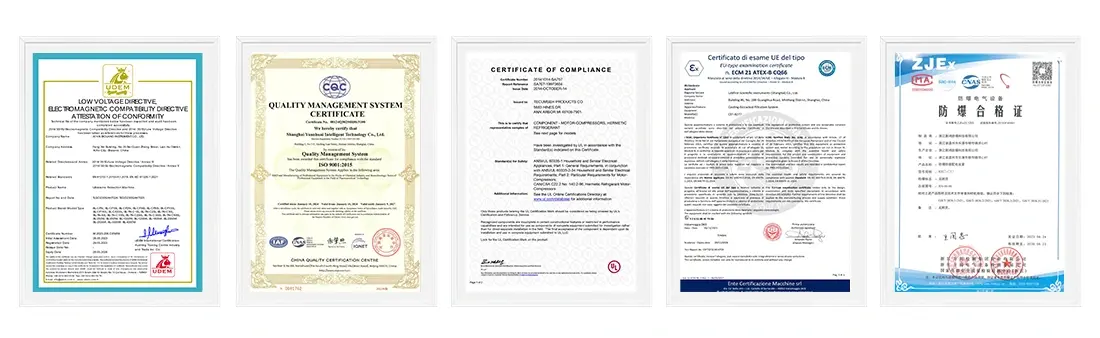
We are licensed by CE, ISO, UL, and SGS. Each Ultrasonic Crystallization Reactor goes through a lot of tests to make sure it meets international safety standards and the requirements for not exploding in places with a lot of solvents.
15+ Years Manufacturing Experience
Our focused research and development team and top engineers can help you with any crystallization problems you may have. We help you with every step of the process creation process, from lab-scale units to full production lines.
Comprehensive Service Support
You get reports on the process once a week, with pictures or videos. Our one-year guarantee covers upkeep for life. We offer Factory Acceptance Testing (FAT), and we won't ship until you say it's okay. Professional help after the sale makes sure everything works well.
Flexible Customization
You can get OEM/ODM services, and unique units can be made in 30 days. It takes 5–7 days to ship standard setups. We can change the size of the reactor, the moving systems, the heating/cooling modules, and the ultrasonic setups to fit the needs of your process.
Global Logistics Network
We offer freight services by boat, train, and air to make sure on-time delivery to Europe, Southeast Asia, and other places around the world.
Technical Parameters
|
Model
|
BL-10EX
|
BL-20EX
|
BL-30EX
|
BL-50EX
|
BL-100EX
|
BL-150EX
|
BL-200EX
|
|
Volume(L)
|
10
|
20
|
30
|
50
|
100
|
150
|
200
|
|
Power(W)
|
180
|
180
|
180
|
180
|
370
|
750
|
750
|
|
Vacuum degree(Mpa)
|
0.0968
|
0.0968
|
0.098
|
0.098
|
0.098
|
0.098
|
0.098
|
|
Speed(Ram)
|
0~600
|
0~600
|
0~600
|
0~600
|
0~600
|
0~600
|
0~600
|
|
Stirring rod
|
Stainless steel wrapped with PTFE
|
|
Thermometer
|
PT100
|
|
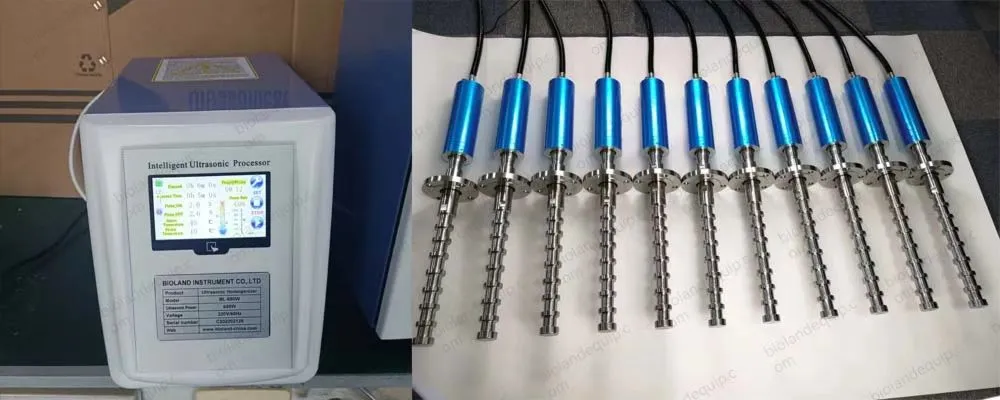
Ultrasonic processor system
|
Can be customize as your demand
10~3000w ultrasonic power can be adjusted
frequency : 19.5-20.5KHz Automatic tracking
titanium alloy probe /horn: Φ40 or customzie
ultrasonic process time :0 ~ 99 hours 59 minutes 59 seconds can be adjustable,:
Self-diagnostic function, program automatic error correction, over-load / over- temp..etc
|
|
Voltage
|
220V/50HZ or 380V
|
|
Glass material
|
3.3 high borosilicate glass
|
|
Frame material
|
304 stainless steel
|
|
Optional
|
Heating circulator,cooling circulator,vacuum pump,metering pump,peristaltic pump,PH meter...
|
Working Principle
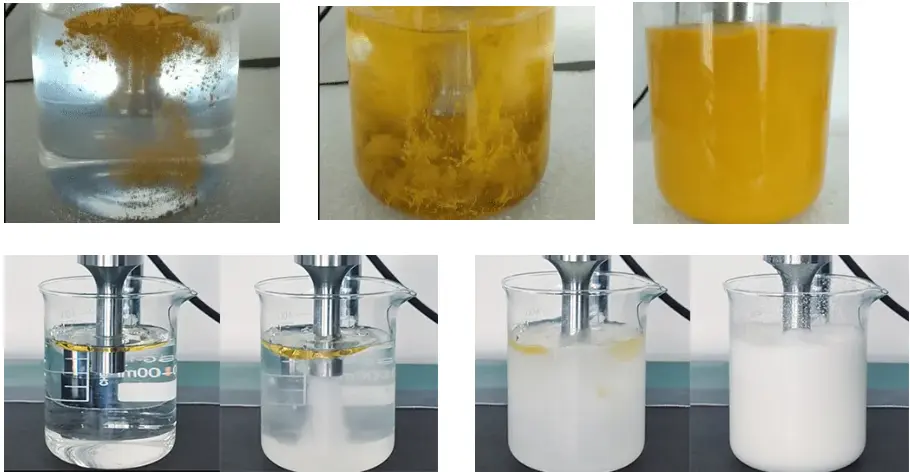
Acoustic cavitation is used by the reactor to control crystallization at the molecular level. Ultrasonic waves with a high frequency create tiny bubbles in your solution. When these bubbles burst, they create high-energy areas that set off controlled nucleation.
Important Parts:
Cavitation-Induced Nucleation
At lower supersaturation levels, the energy from bubble failure is used to start secondary nucleation. This gets rid of the random delays in nucleation that come with traditional ways.
Acoustic Streaming
Ultrasonic waves help mechanical stirring by creating patterns of fluid movement. This gets rid of dead spots and makes sure that the quantity is the same all over your vessel.
Enhanced Heat Transfer
Cavitation cleans the walls and cooling fans of the reactor all the time. In this way, fouling is avoided, and the temperature stays stable during long batch runs.
Polymorph Selection
You can target particular crystal polymorphs by making fine changes to the frequency and power. This skill is very important for making APIs because absorption depends on the crystal structure.
The jacketed cooling system makes up for the heat that ultrasonic waves create, keeping the temperature where you want it to be within a range of ±0.5°C.
Application Fields
Pharmaceutical Manufacturing
Make APIs with fixed particle sizes to make them more bioavailable. Get the polymorph clarity that is needed for governmental approval. Sono-precipitation methods can help reduce the need for milling further downstream.
Battery Material Production
High-performance cathode predecessors (NMC, LFP) should be made with even particle distribution. Keep the metal hydroxide co-precipitation from clumping together. Make lithium-ion batteries work better by increasing the number of taps and their density.
Fine Chemical Synthesis
Get materials for semiconductors to be as pure as 99.999% for electrical use. Improved layer crystallization can get rid of small amounts of impurities. Use fine morphology control to work with unique chemicals.
Herbal Extraction
Better yield when extracting active ingredients from traditional Chinese medicine. For combined processes, use both ultrasonic extraction and crystallization together.
Nanomaterial Preparation
Spread out metal nanocrystals, carbon nanotubes, and graphene with little sticking together. Control the size of the particles when making nanocrystals.
Biodiesel Production
Micro-emulsification can speed up transesterification processes. When compared to motorized mixing, use less catalyst and energy.
Biological Applications
Manage the number of microbes. Do something to damage cells. Ultrasonic energy is a gentle but effective way to treat biodegradation processes.
Quality Certification
Our manufacturing facility maintains strict quality control systems. We hold multiple internationally recognized certifications:
- CE Certification – European safety and health standards compliance
- ISO Certification – Quality management system certification
- UL Certification – North American safety standards
- SGS Verification – Independent quality inspection
- cGMP Compliance – Current Good Manufacturing Practice for pharmaceutical applications
- ATEX/IECEx – Explosion protection for hazardous environments
- ASME BPE – Bioprocessing equipment standards
Every reactor undergoes comprehensive testing before shipment. You receive detailed inspection documentation and operational validation reports.
FAQ
Q: How does your reactor handle scale-up from laboratory to production?
A: We maintain equivalent acoustic energy density (W/L) across scales by transitioning from single probes to manifold arrays. Flow-cell configurations ensure uniform cavitation in larger volumes, providing consistent results from lab to industrial scale.
Q: Can the titanium probe contaminate sensitive pharmaceutical products?
A: Our Grade 5 titanium minimizes erosion. For ultra-high purity requirements, we offer ceramic-coated probes or quartz glass flow-cells that eliminate metal contact entirely.
Q: Does ultrasound generate excessive heat during operation?
A: The jacketed cooling system is specifically sized to compensate for ultrasonic heat input. Enhanced mass transfer from cavitation actually improves cooling efficiency, maintaining your target temperature precisely.
Q: Is the equipment safe for use with explosive solvents?
A: Yes. Our industrial units feature ATEX-rated generators with intrinsically safe barriers. The design complies fully with Zone 1/21 hazardous area classifications for acetone, toluene, and similar solvents.
Q: Do I still need to add seed crystals to my batch?
A: Typically no. Sonocrystallization induces nucleation at lower supersaturation levels, functioning as "virtual seeding." This eliminates variability and contamination risks from external seed addition.
Q: What customization options do you offer?
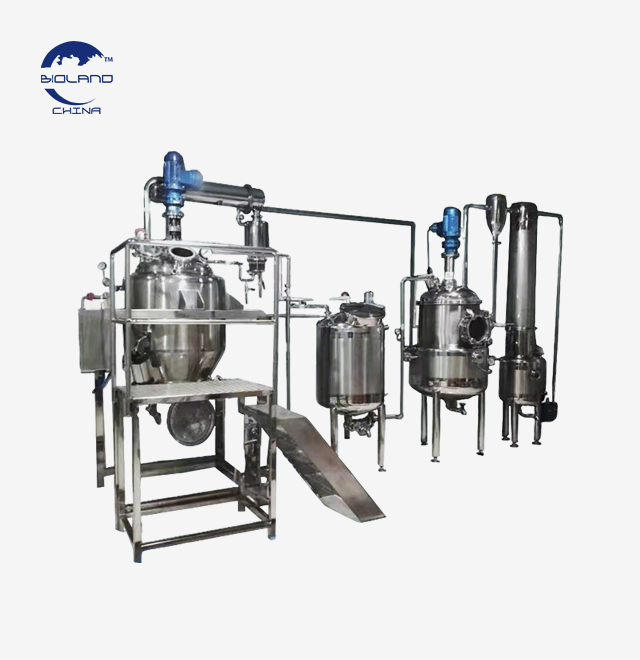
A: We customize reactor volumes, stirring configurations, material selection, ultrasonic power arrays, heating/cooling capacities, and automation levels. Combined process modules (filtration, distillation, extraction) can be integrated based on your workflow.
Q: How long does delivery take?
A: Standard configurations ship within 5-7 business days. Customized systems require approximately 30 days. We provide regular production updates throughout manufacturing.
Contact Us
Ready to optimize your Ultrasonic Crystallization Reactor crystallization process? Reach out to our technical team today at info@biolandequip.com for detailed specifications and quotations.