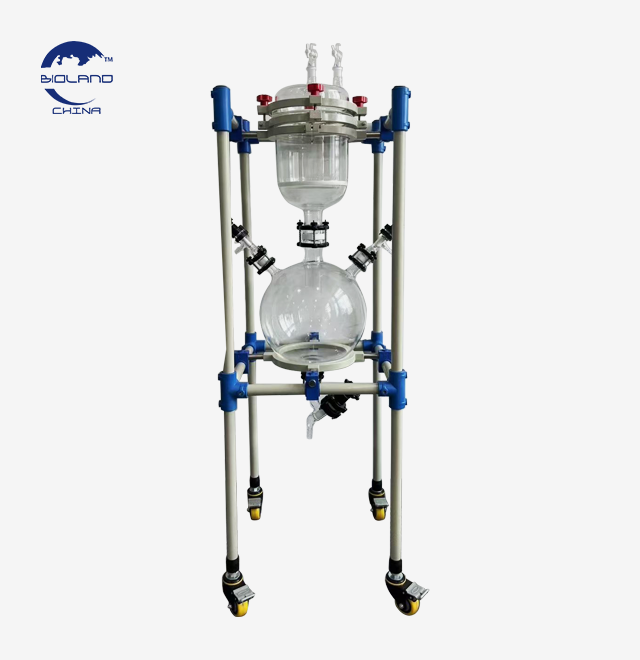
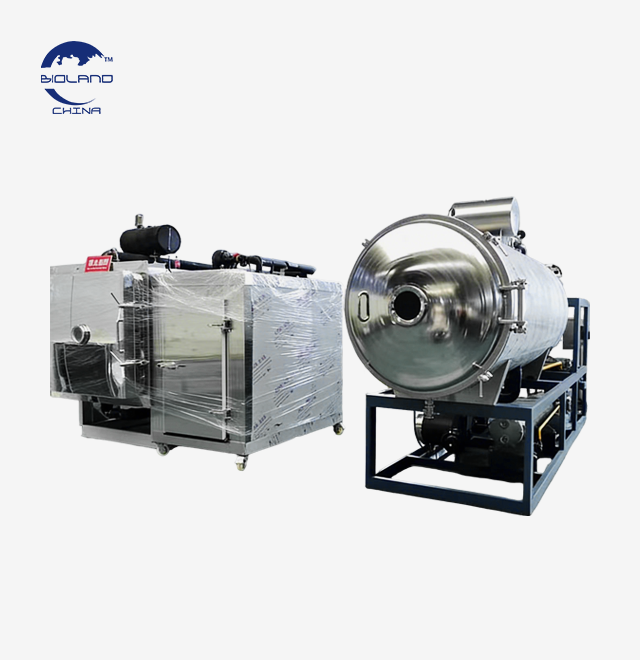
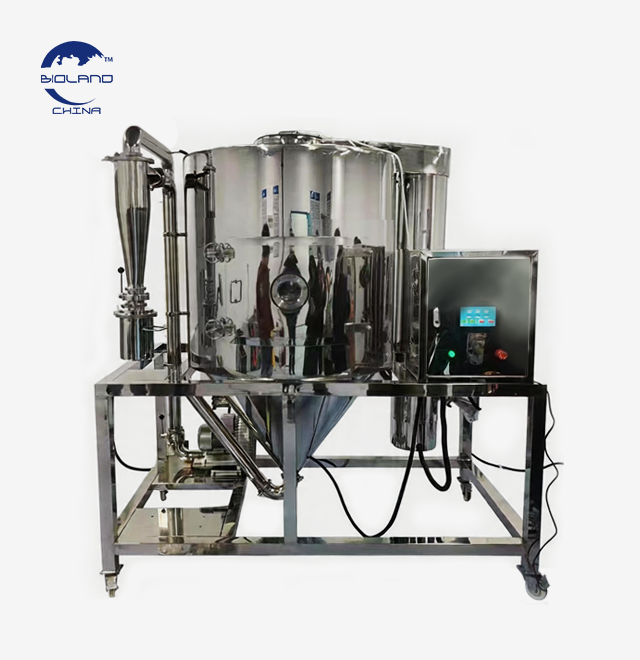
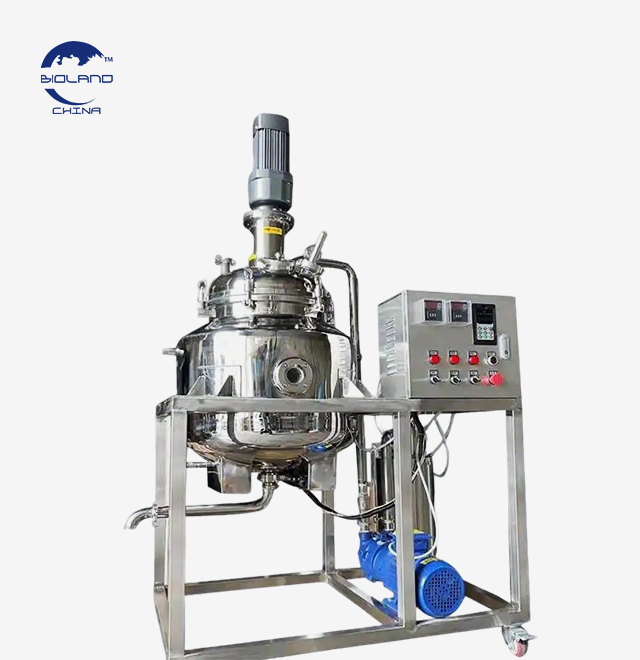
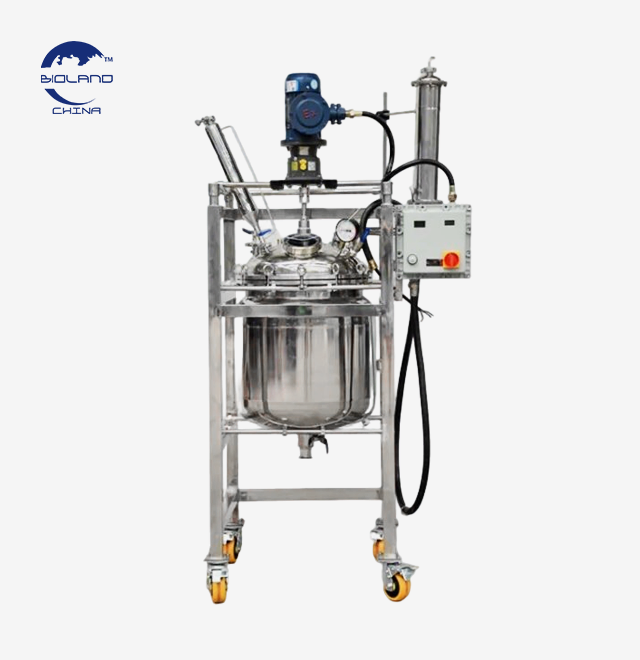
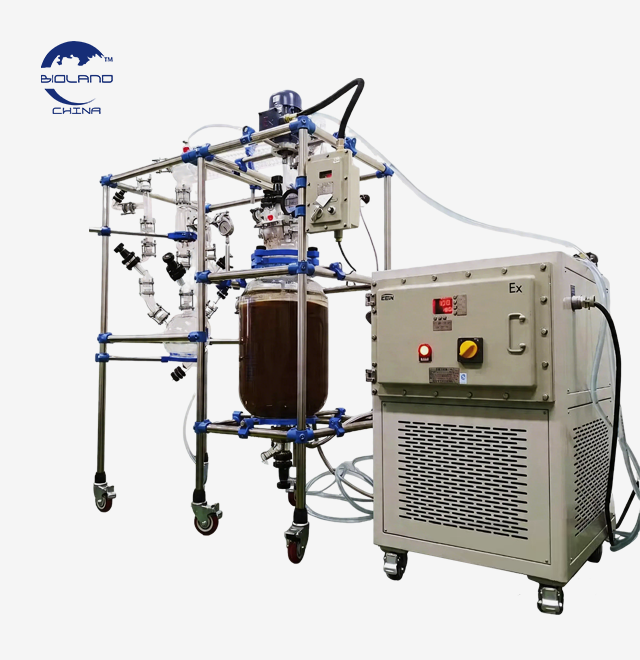
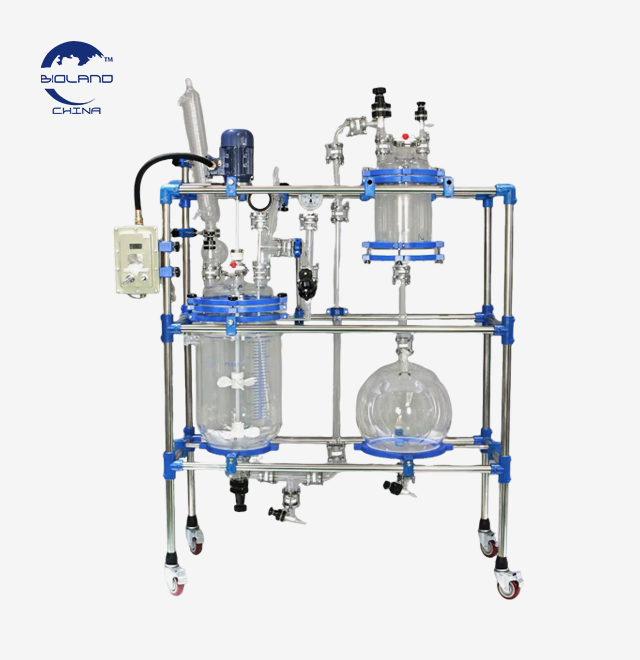
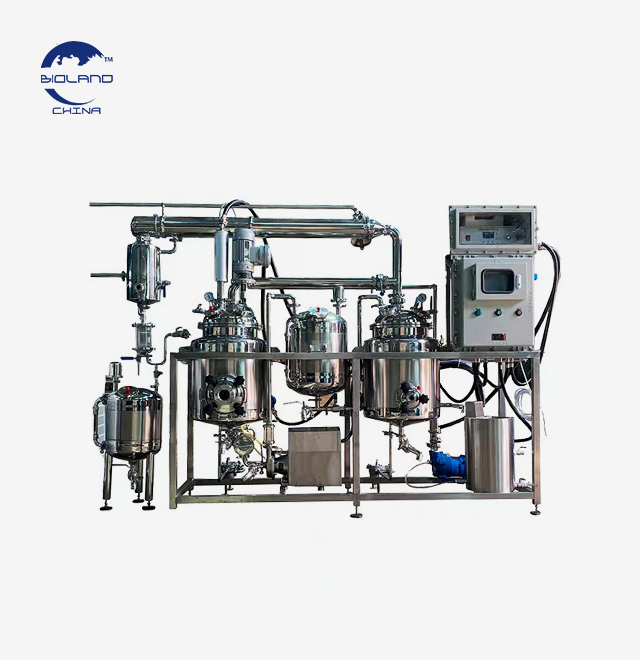
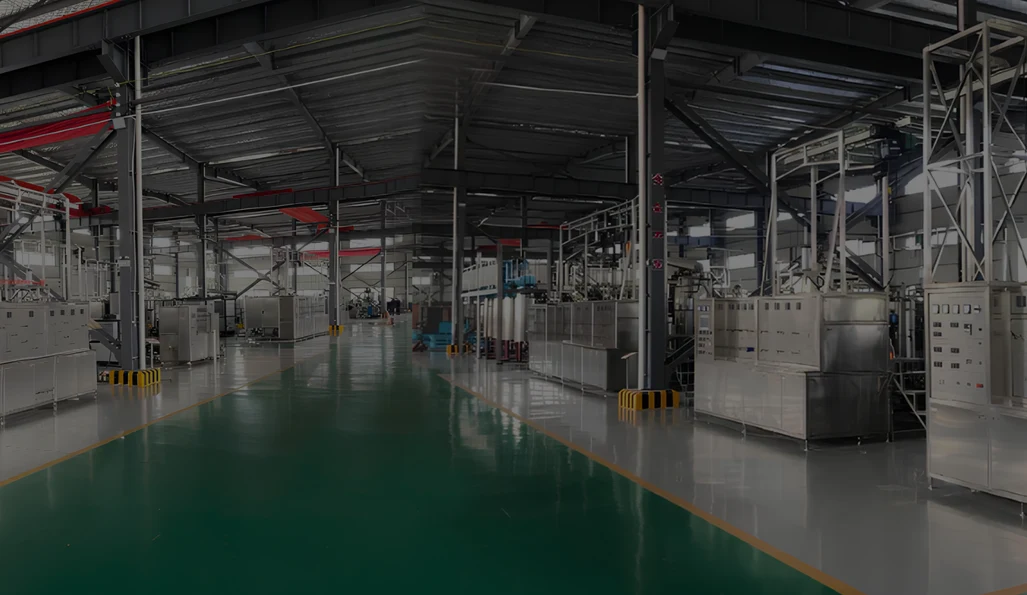
Solvent extraction equipmentis specialized factory machinery that is made to physically or chemically separate target products from raw materials. In modern chemical engineering, solvent extraction equipment is one of the most important tools for separating valuable substances based on how well they dissolve in different types of liquids. This machinery makes it easy for businesses to clean up pharmaceutical ingredients, get valuable metals out of mineral ores, concentrate plant extracts, and improve petrochemical goods. This new technology completely changes how companies deal with separation problems where heat would damage sensitive chemicals or be too expensive to use.
Understanding Solvent Extraction Equipment: Principles and Types
The Core Principles Behind Liquid-Liquid Extraction
The process of solvent extraction works by moving mass between two stages that can't mix, usually a watery solution and an organic solvent. Partition factors tell the target molecule how to move from one liquid phase to another based on how well it fits with each one. This process happens all the time in industrial solvent extraction equipment, where mixing makes a lot of surface areas between the surfaces that allow molecules to move easily. Then, separation happens either by gravity settling or centrifugal force, making an extract that is high in solvents and a raffinate that is low in solvents. In contrast to distillation, this method works at room temperature, protecting active ingredients that are sensitive to heat that are important for pharmaceutical and plant uses.
The ultrasonic solvent extraction equipment utilizes the cavitation effect of ultrasonic waves to generate countless tiny cavitation bubbles in the solvent. When these bubbles collapse instantaneously, they produce shock waves with pressures reaching several thousand atmospheres and localized high temperatures, acting like numerous microscopic scalpels to precisely break down plant cell walls, forcing the rapid dissolution of essential oils and extract components. Since the entire process can be conducted at low temperatures of 40-60°C or even under vacuum conditions, it preserves the activity of heat-sensitive substances and prevents component degradation caused by high temperatures
Main Equipment Types for Industrial Applications
Picking the correct solvent extraction equipment relies on the needs of the process, the amount of material to be extracted, and its properties. Here's how different sets of tools meet different business needs:
The application of ultrasonic solvent extraction equipment in the industrial field has covered multiple industries such as food, medicine, chemical, and environmental protection. According to scale, function, and process adaptability, it can be divided into the following core types:
Represented by BL-TN-50L ultrasonic industrial extraction system and 3000W customized ultrasonic traditional Chinese medicine extraction machine, it meets the needs of large-scale continuous production. High power ultrasonic output, continuous operation capability, suitable for ton level raw material processing, supports automation control, and can stably output industrial quality. Typical applications include large-scale extraction of traditional Chinese medicine decoction pieces, industrial production of plant essential oils, and efficient separation of pollutants in the field of environmental protection.
The low-temperature ultrasonic extraction equipment integrates a compressor refrigeration system and performs ultrasonic extraction in a low-temperature environment of -30 ℃~60 ℃, with the core solution being the degradation of thermosensitive components. Low temperature environment preserves the natural aroma and biological activity of raw materials, avoids component damage caused by high temperature, and reduces solvent evaporation and environmental pollution. It is used to extract essential oil from heat sensitive flowers such as jasmine and rose, retain volatile components in traditional Chinese medicine, and upgrade the quality of high-end essence and fragrance.
Solvent extraction equipment is widely used in fields such as flavor and fragrance extraction, food industry, environmental protection, agriculture, and chemical and materials science. For instance, in the flavor and fragrance extraction sector, ultrasonic extraction technology is driving a technological revolution with its high efficiency and environmental benefits. In the food industry, it is employed to extract nutrients and functional substances from food, such as antioxidants and vitamins from plants.
Process Flow and System Integration
A full solvent extraction equipment system has more than just the main separator. It also has units for liquid recovery, filtration, and concentration. Before going into the extraction zone, the feed preparation makes sure that the particles are the right size and concentration. The extract stream is then stripped of its solvent by distillation or evaporation. This recovers the pure product and regenerates the solvent so that it can be used again. In the meantime, the raffinate may go through more steps of extraction or be thrown away.
Ultrasonic-assisted extraction technology is used in more advanced setups. This technology speeds up the breakdown of active ingredients by using cavitation effects. This combination cuts the time it takes to remove from hours to 24 to 40 minutes, and it also increases the yield by 50 to 500% compared to the old way of doing things. The closed-loop design efficiently recovers organic solvents while reducing running costs and damage to the environment. This is a huge benefit for facilities moving from pilot production to commercial production.
Key Advantages and Applications of Solvent Extraction Equipment
Superior Efficiency and Selectivity Benefits
There are measured performance benefits to solvent extraction equipment that have a direct effect on the cost of production and the quality of the result. The built-in selection sorts target molecules by their chemical affinity instead of their boiling points, which makes cleaning possible that would not be possible with distillation alone. When extracting medicinal APIs, where impurity profiles affect regulatory approval and therapeutic effectiveness, this level of accuracy is very important.
Compared to heat separation ways, this method uses a lot less energy. Extraction is done at room temperature, usually between 40°C and 60°C. This keeps chemicals like capsaicin, curcumin, and propolis that break down at high temps from being extracted. Low-temperature operation not only keeps the structure of the product safe, but it also cuts down on electricity costs by a large amount, which means better profits on processes that use a lot of energy.
Modern solvent extraction equipment is made up of separate modules that let makers put together solvent extraction equipment that meets their exact output and purity needs. Optional features like dual-condenser systems, ultrasonic improvement, and automatic CIP cleaning make it possible to use the equipment in a variety of situations without having to be completely redesigned. This adaptability is very helpful when adding more capacity or improving a process and the infrastructure needs to be able to handle new product lines.
Critical Industry Applications
Solvent extraction equipment is used in a number of high-value areas where quality of separation and speed determine a company's place in the market:
These systems are used in pharmaceutical and biotech plants to collect antibiotics, concentrate herbal medicines, and clean up intermediates. GMP-compliant designs with tested cleaning methods make sure that each batch is the same and that all regulations are followed. Solvent extraction equipment is an important part of current drug production because it can handle heat-sensitive biologics without breaking them down.
Plant products are used to make flavors, essential oils, and useful ingredients that are used in food and drinks. To keep the taste and smell that people want, stevia sweeteners, mushroom polysaccharides, and natural colorants need to be extracted carefully. Clean label trends make it more important for finished goods to not contain any solvents, which encourages the use of effective recovery methods.
Through SX-EW circuits, hydrometallurgical processes get important metals out of low-grade ores. Large-scale mixer-settlers are especially important for copper mine because they process thousands of cubic meters of material every day. The machinery can handle slurries that are acidic and rough, and it still separates materials efficiently, which is important for recovering metals economically.
Solvent extraction equipment is used by chemical companies to refine specific chemicals, get back catalysts, and separate azeotropic mixes. The technology works with acidic media by choosing the right materials, like 316 stainless steel, Hastelloy, or fluoropolymer linings, which ensures long service life in tough conditions.
Real-World Performance Evidence
In a wide range of situations, our solvent extraction equipment has been shown to work well. When a pharmaceutical client switched from batch to continuous extraction for handling propolis, they got a 180% increase in output and a 65% decrease in cycle time. The combined ultrasonic-assisted extraction and solvent recovery system made its money back in 18 months by making better use of materials and cutting down on solvent purchases.
We worked with a company that makes botanical extracts to provide full installation services for stevia production that was being scaled up from the lab to industrial levels. Their tight 30-day delivery deadline was met by a custom-designed system with explosion-proof parts and PLC control. Production statistics showed that extraction times went from 4 hours per batch to 35 minutes per batch, but the purity of the extract stayed above 95%, which was higher than their quality standards.
How to Choose the Right Solvent Extraction Equipment for Your Business
Defining Your Operational Requirements
Before making a purchase choice, it's important to have a clear idea of the solvent extraction equipment capacity, batch frequency, and product specs. The people in charge of R&D need to say whether they need pilot-scale tools for process development or industrial production lines right away. Scaling factors are very different. Pilot units focus on being flexible for testing variables, while production equipment focuses on being reliable and automated for continuous use.
The properties of the material have a big impact on the choice of solvent extraction equipment. Technology choices are limited by viscosity, particle size, emulsion tendency, and corrosivity. Natural goods that are sensitive to heat need to be able to be extracted at low temperatures. Mineral processing can handle rougher conditions but needs building that doesn't wear down easily. By making these factors clear from the start, you can avoid costly problems where equipment skills don't match up with process needs.
The regulatory climate has a big impact on the design needs. For pharmaceutical uses, GMP compliance is required, which includes keeping track of materials, making sure cleaning processes work, and using ATEX-certified explosion-proof designs for handling flammable solvents. Food-grade systems need to be built with FDA-approved touch materials and in a way that makes it easy to clean and drain completely.
Evaluating Technical Specifications and Certifications
The structure of the material is one of the most important factors in choosing solvent extraction equipment because it affects both efficiency and durability. Standard 304 stainless steel is fine for light uses, but 316 stainless steel or special types are needed for harsh chemicals or acidic environments. 316SS is used to make contact parts that don't rust and can still be welded and shaped to fit specific needs. The new material costs more at first, but it keeps the product from breaking down too soon or getting contaminated, which lowers its quality.
The ability to automate has a direct effect on how well and how often operations can be repeated. Fully automatic PLC control systems handle the amount of mixing, the time of phase separation, temperature control, and solvent recovery without the need for constant human input. This lowers the amount of work that needs to be done, cuts down on mistakes made by people, and creates process data that supports quality documents. Purchasing managers should look at how much automation is needed, the number of expert staff that is available, and the expected output rate to get the most out of the investment.
Certifications prove that a piece of solvent extraction equipment meets quality and safety standards around the world. CE marking shows that a product meets European safety standards, and ISO certification shows that it has quality control systems. ATEX approval shows that the design is safe for volatile solvent settings, and UL listing shows that it is acceptable in the North American market. When compared to options that aren't certified, these qualifications greatly lower the risk of procurement.
Assessing Manufacturer Credibility and Support
When buying complicated solvent extraction equipment, the knowledge of the supplier is very important. Manufacturers who have been in the solvent extraction equipment business for 15 years or more know a lot about the process, which helps with choosing the right tools. Their engineering teams know how to deal with real-world problems like controlling emulsions, figuring out scale-up ratios, and making sure that materials work well together, which aren't covered in textbooks.
Long-term operating success after the initial installation depends on the assistance provided after the sale. Full service packages should include control during installation, training for operators, preventative maintenance plans, and quick help with fixing problems. Manufacturers who offer lifetime upkeep and one-year guarantees show that they are sure of the quality of their products. Make sure that replacement parts are still accessible and that technical help replies in a reasonable amount of time. The costs of production downtime are much higher than the investments made in service contracts.
With OEM and ODM possibilities, you can get custom solvent extraction equipment that fits your specific process needs instead of having to settle for standard catalog goods. Suppliers who give workshop planning, equipment integration, and turnkey commissioning services make it easier to buy things for building new facilities or increasing capacity. This partnership method matches the knowledge of the manufacturer with the goals of the buyer, which greatly enhances the project results.
Maintenance, Safety, and Operational Best Practices
Establishing Preventive Maintenance Protocols
Reliable performance of solvent extraction equipment relies on regular repair that stops problems before they happen. Scheduled checks should happen at set times based on working hours instead of calendar time, so that they represent how much wear has actually happened. Depending on how rough the process is, spinning units' mechanical parts usually need to be checked every 3,000 to 5,000 hours. Cartridge-type double mechanical seals with barrier fluid systems make replacing easier during planned shutdowns, which cuts down on downtime.
Critical factors that show problems are starting to show up must be checked regularly so that a major failure doesn't happen. When rotating solvent extraction equipment is subjected to vibration research, bearing wear or imbalance can be found. By measuring the pressure drop across columns, you can find fouling or channels that need to be cleaned. Leak checks stop liquid losses and leaks into the environment. Heat exchanges stay efficient by keeping an eye on the temperature. By writing down these numbers, we can compare them to a starting point of performance. This lets us use predictive maintenance methods to plan interventions in the best way possible.
Cleaning routines keep separation working well and keep product marketing from getting contaminated with each other. Automated CIP systems move cleaning solutions through solvent extraction equipment, getting to parts that are hard to clean by hand because of their complicated shapes. GMP standards for pharmaceutical uses say that residue testing is a good way to prove that cleaning works. The investment in a CIP system pays off because it cuts down on switching time and eliminates the risk of product contamination.
Implementing Comprehensive Safety Measures
Solvent extraction equipmentthat uses flammable organic solvents pose serious safety risks that need to be controlled by engineers. Electrical parts that are explosion-proof and approved for the right dangerous area zones stop sources of ignition. When you properly ground and connect, static electricity doesn't build up during liquid transfer. Through constant air exchange, ventilation devices keep the amount of mist below the lower explosive limits. Fire control equipment that can put out solvent fires must be easy to get to and be operated by trained people.
Training for operators is the key to making activities safe. Before they can work on their own, employees need to know about process chemistry, how to use solvent extraction equipment, what to do in an emergency, and the risks of exposure. Documentation of training shows that safety rules were followed and makes sure that safe practices are used consistently across shifts. Regular repeat training keeps staff up to date on changes to procedures and emphasizes important safety practices.
Engineering limits and personal safety equipment are used to keep people from getting too exposed when they handle solvents. Closed transfer systems stop the release of vapors when the liquid is charged and the product is discharged. The right respirators, gloves that can withstand chemicals, and protection clothes are needed for each solvent danger. Emergency response equipment, like eyewash stations and safety showers, needs to be placed in a way that makes it easy for people to get to them.
Procurement Insights: How and Where to Buy Solvent Extraction Equipment
New Equipment Versus Alternative Acquisition Methods
In the case of important production tasks, buying new solvent extraction equipment straight from the maker is the best option. Custom engineering makes sure that the exact specifications are met, that current safety standards are followed, and that the manufacturer's guarantee is honored. The newest technologies, like PLC control and better energy economy, are built into the new systems. The reliable long-term business is built on the predictable shipping plan and expert help.
Used solvent extraction equipment can save you money, but it also comes with big risks that need to be carefully thought through. Some newer units may not have the latest safety features or automation options. Concerns about reliability arise when the past of upkeep and changes are not recorded. Material wear, especially on parts that get wet and are subject to acidic media, may mean that they need to be expensively fixed up. When looking at used equipment, people who want to buy it should make sure they have thorough inspection records, proof that the remaining parts are available, and an honest assessment of the repair costs, which are often close to the price of new equipment.
Low-temperature Solvent extraction equipment extracts less impurities from the medicinal solution, and the effective ingredients are easy to separate and purify; Fully utilizing the characteristics of ultrasonic energy gathering generators, ultrasonic waves directly act on materials, using ultrasonic waves to enhance the mechanical effect of traditional Chinese medicine extraction, cavitation effect, local high vibration, high impact, and high sound pressure shear effect, greatly reducing extraction time by more than 4/5 compared to traditional methods, and increasing the amount of raw material processing for medicinal materials. The extraction process has low operating costs and significant comprehensive economic benefits The main equipment is made of high-quality stainless steel material, which fully meets the hygiene requirements of food processing.
Analyzing Cost-Effectiveness and Investment Returns
Price-capacity relationships make it possible to compare the costs of different types of solvent extraction equipment. Cost per kilogram of output goes down as units get bigger because of economies of scale. Buyers have to compare the ability of a system with how much it is expected to be used. Systems that are too small limit production growth, while systems that are too big add to the costs of capital and running the system.
In addition to the purchase price, the total cost of ownership includes the cost of installation, expenses, repairs, and the amount of liquid used over the life of the solvent extraction equipment. Designs that use less energy and recover solvents well may be worth the extra money they cost to buy because they save money on running costs. To find out where the business stands economically, a detailed study should model the total costs over the expected service life, which is usually 10–15 years.
Calculating the return on investment (ROI) requires taking into account both the money saved over current ways and the money made from higher rates or more capacity. With the same infrastructure, solvent extraction equipment that cuts working time by 65% makes it possible to get a lot more done. Increases in yield of 50–500% have a direct effect on the cost of materials and the amount of money made. These measurable benefits usually have payback times of less than two years, which makes them a strong case for capital approval.
Selecting Reputable Equipment Suppliers
Buying from well-known companies guarantees both the quality of the products and the ongoing help that solvent extraction equipment needs. Companies with years of experience in the field, multiple certifications (CE, ISO, UL, SGS, ATEX, IEC), and examples of past installations give customers trust in their professional skills and the security of their business. Facilities that keep up with quality control systems make consistent products from materials that can be tracked and meet standards.
Delivery times, service responsiveness, and the ease of contact are all affected by where a provider is located. Manufacturers who offer specialized support teams that keep an eye on production progress through regular picture and video updates show that they care about their customers' success. Factory acceptance testing before shipment lets buyers check that the specs are met, which lowers the risk of problems during setup and the time it takes to install.
OEM partnership skills set key value-added suppliers apart that go beyond selling solvent extraction equipment. When a manufacturer offers complete solutions that include workplace planning, equipment selection, installation supervision, user training, and ongoing technical support, they are no longer just a supplier; they become a true partner in the success of the production. This all-around method helps companies a lot when they move from lab production to commercial production and need to figure out how to integrate new solvent extraction equipment and learn more about the process.
Conclusion
Solvent extraction equipmentis an important piece of technology for fields that need to quickly and selectively separate valuable chemicals from complex mixtures. Procurement teams can make smart choices that meet both technical needs and business goals when they know about the operating principles, equipment types, and selection criteria. Investing in correctly designed solvent extraction equipment pays off in a number of ways, including higher output, lower energy use, better product quality, and compliance with regulations. Success relies on both the equipment itself and the relationship between the buyer and the seller. For long-term operating success, choose providers with proven experience, full licenses, and dedicated after-sales support.
FAQ
How do I determine the right extraction equipment capacity for my production needs?
When planning for capacity, it's important to start with the current flow needs and include realistic growth forecasts for the solvent extraction equipment's expected lifetime. To find the buffer capacity, add 20–30% to the total annual production amount and divide by the number of working days, taking into account repair breaks. This keeps the solvent extraction equipment from always working at full capacity, which speeds up wear and tear and limits schedule options. Talking to manufacturers with a lot of experience can help you make sure that your estimates of capacity are correct by comparing them to similar apps and finding any problems that might be blocking processes upstream or downstream that could lower the overall system throughput.
What material specifications are necessary for pharmaceutical-grade extraction equipment?
All product-contact surfaces in pharmaceutical uses must be made of 316 stainless steel or a higher metal. This keeps the surfaces from rusting and makes them easier to clean. The solvent extraction equipment has to be designed in a way that is GMP-compliant and have few dead legs, full drainability, and smooth surfaces (usually Ra less than 0.4μm) so that germs can't stick to them. Regulatory filings are backed up by proof like material certifications, welding processes, and records of pressure testing. With proven cleaning procedures and CIP and SIP capabilities, you can be sure that each batch will be pure and meet strict pharmaceutical standards.
Can extraction systems handle both small-scale R&D and commercial production?
Scaling up is possible with modular solvent extraction equipment designs, from developing products in the lab to making them for sale. Pilot-scale units with 5–50 liter volumes let you improve the process before buying full production solvent extraction equipment. Skilled makers use well-known scale relationships to make sure that test results correctly predict how the product will perform in the real world. Instead, flexible production systems that let you change the size of batches can meet both business and research needs. However, designs that are optimized for just one use usually work better than designs that try to do both.
Partner with BIOLAND for Advanced Extraction Solutions
BIOLAND INSTRUMENT has more than 15 years of experience developing and making high-performance solvent extraction equipment for chemical, pharmaceutical, and plant uses that are very specific. Our complete concentration units, ultrasonic extraction machines, and ethanol extraction machines give your production operations the speed and dependability they need. We know that moving from research and development (R&D) to business production can be hard on a technical level. That's why our engineering team offers unique solutions that are perfect for your process needs, throughput goals, and quality standards.
International certificates like CE, ISO, UL, SGS, ATEX, and IEC are on every BIOLAND system. This makes sure that it meets all safety and quality standards around the world. Our designs that are GMP-compliant can be made of 316 stainless steel if needed, and they come with explosion-proof options and fully automatic PLC control systems. Our skilled professionals can help you with either a full installation with planning and start-up assistance or custom OEM changes to lines that are already in use. This way, you can get the most out of your production and investment.
As a reputable solvent extraction equipment manufacturer, we stand behind the quality of our products with thorough factory testing, dedicated project tracking with regular photo updates, and full one-year contracts that come with lifetime maintenance support. We have installed systems successfully for extracting stevia, propolis, curcumin, and capsaicin for clients all over the world. Get in touch with our expert team atinfo@biolandequip.com to talk about your unique extraction problems and find out how BIOLAND equipment can help you make your production more efficient.
References
1. Lo, T.C., Baird, M.H.I., and Hanson, C. (1991). Handbook of Solvent Extraction. Krieger Publishing Company, Melbourne.
2. Rydberg, J., Cox, M., Musikas, C., and Choppin, G.R. (2004). Solvent Extraction Principles and Practice, Second Edition. Marcel Dekker, Inc., New York.
3. Thornton, J.D. (1992). Science and Practice of Liquid-Liquid Extraction, Volume 1 and 2. Oxford University Press, Oxford.
4. Bart, H.J. (2011). Extraction Columns in Hydrometallurgy: Design and Operation. VCH Verlagsgesellschaft, Weinheim.
5. Godfrey, J.C. and Slater, M.J. (1994). Liquid-Liquid Extraction Equipment. John Wiley & Sons, Chichester.
6. Humphrey, J.L. and Keller, G.E. (1997). Separation Process Technology. McGraw-Hill Professional, New York.
The reactor is beautifully mirror-polished and fully complies with GMP requirements for the pharmaceutical industry. The performance is excellent! Overall, we are very satisfied! We also provided with some feedback on our process improvements, which we hope will be helpful.
2024-04-09
Laboratory
Excellent and professional service. Always reply our questions very fast. All reactors and chiller we received are good too.
2024-02-15
Research Institute
Quality is beyond our expectation actually. After we got the extraction equipment and started using it, the performance was beyond our expectation. Very easy to use and very efficient to run. Service always respond us very quickly. Was also very helpful to help us. Thanks Bioland team. Very happy to work with you.
2023-11-20
Biotech Company
We are happy about the new purchase as always. Equipment and services are both good.
2023-08-05
Instrument Lab
This is the second order with Bioland instrument and everything is good as the first dateText.
2023-05-12
Global Trading Partner
Bioland instrument team is very helpful and professional. The sales helped us select the right equipment for our application, and their logistics people handled the transportation and customs declaration for our shipment. All that saved us a lot of work.