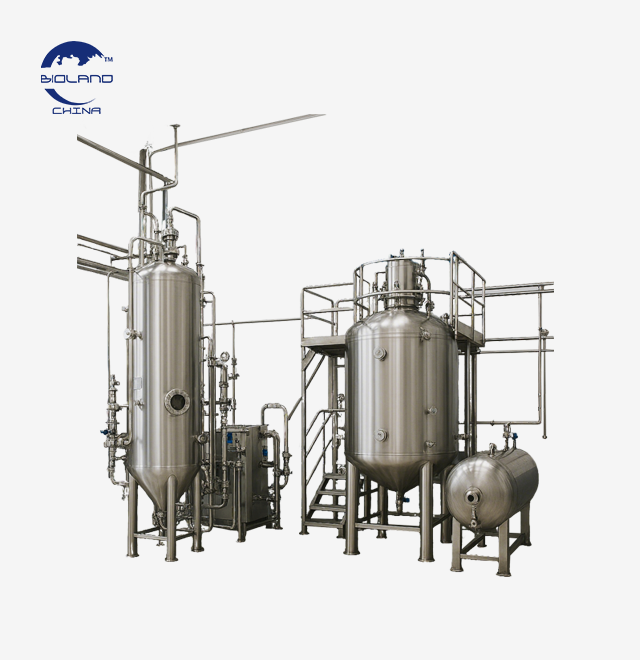
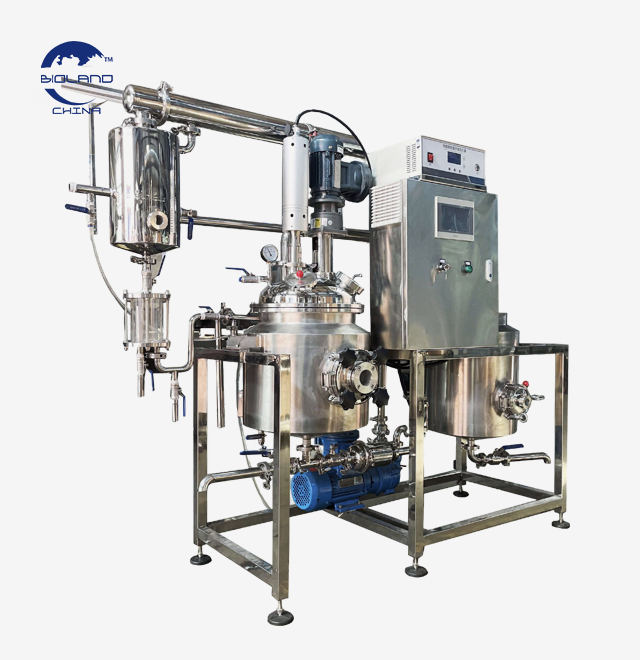
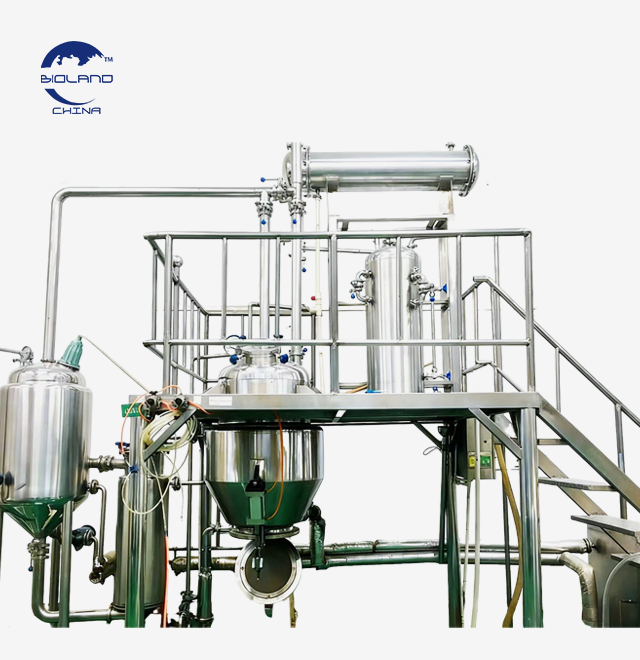
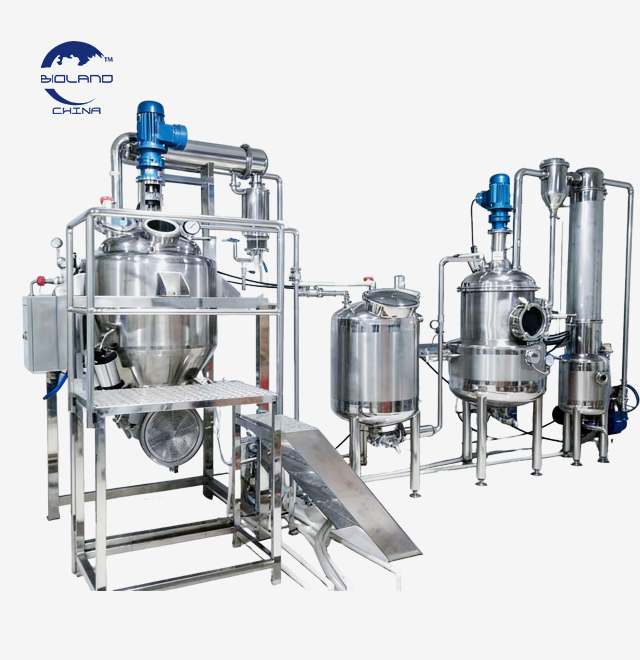
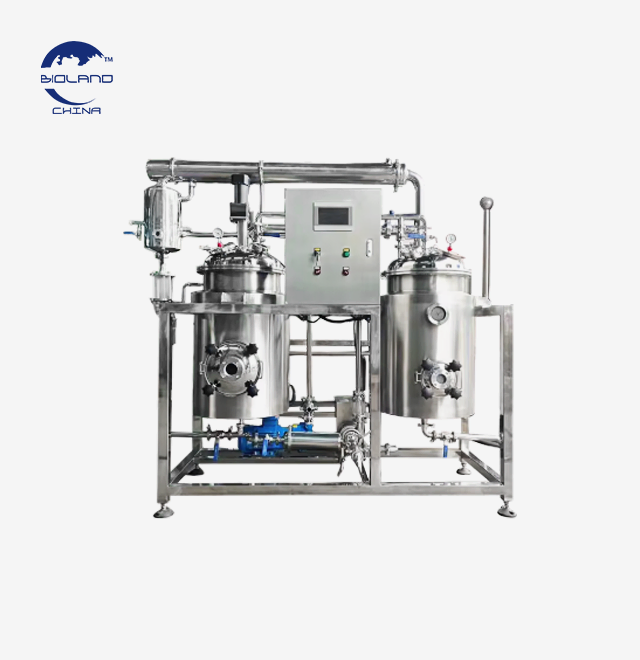
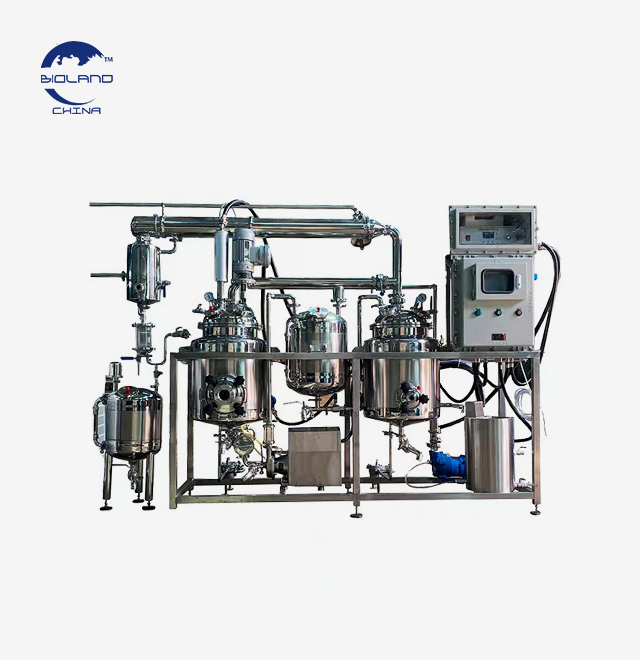
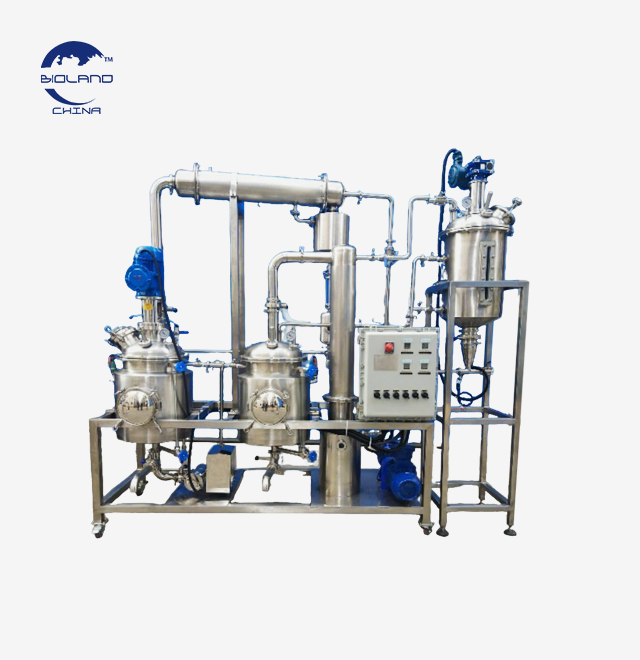
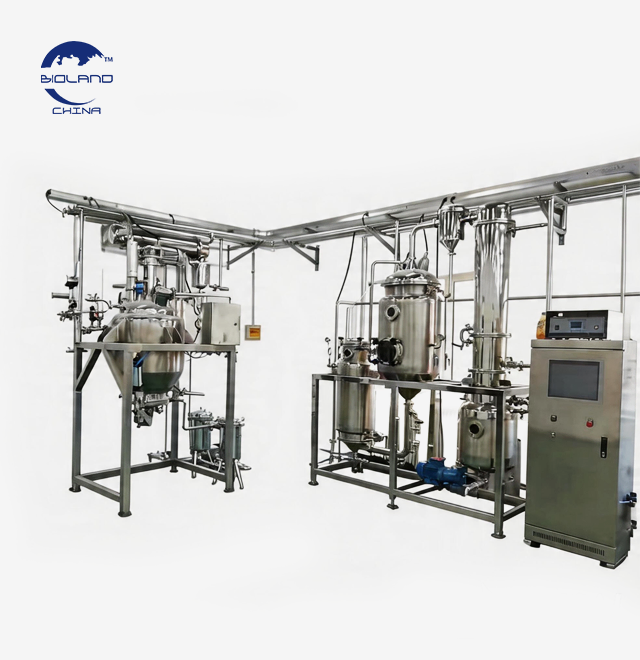
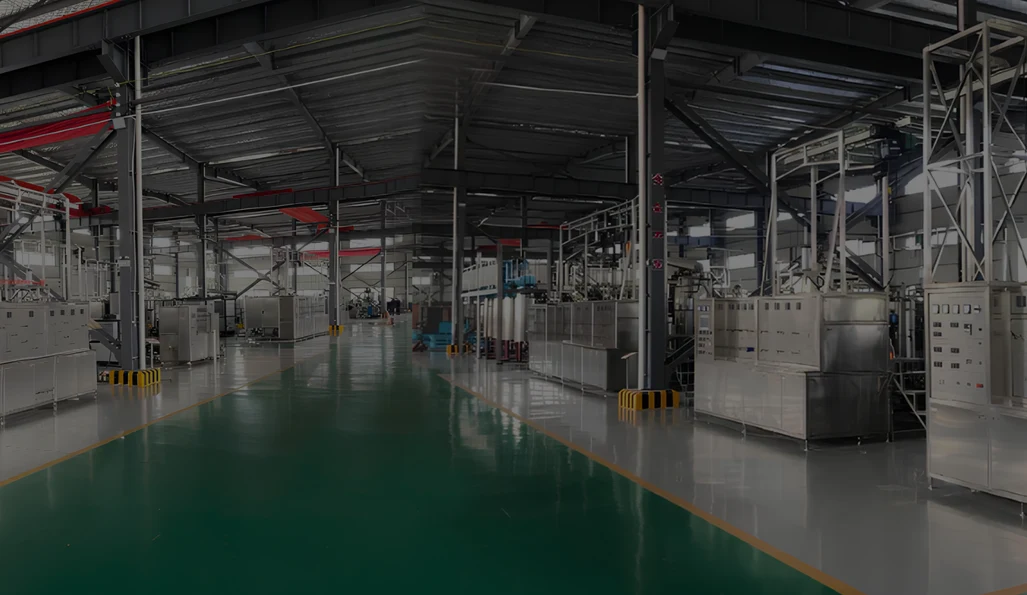
In an automatic tincture extraction machine, ultrasonic cavitation, adjustable temperature control, and closed-loop fluid recovery all work together in a single cycle. Plant matter and a liquid are put into a container that is covered. Acoustic energy breaks down cell walls, quickly releasing medicinal chemicals. Then, sensors control the steps of filter, concentration, and storage, making a uniform, high-quality medicine without the need for constant supervision.
The Core Extraction Mechanism Behind Automated Systems
The system has to break down plant matter at the cellular level before it can automate. This lets the active chemicals move into the solvent.
Ultrasonic Cavitation as the Driving Force
An ultrasonic sensor, which changes electricity into high-frequency sound waves, is at the heart of every automatic tincture extraction machine. Cavitation is the process by which these waves move through the solvent and make millions of tiny bubbles that burst rapidly. Because of this, micro-jets and shockwaves break down plant cell walls almost instantly, letting the nearby liquid access the chemicals inside much faster than passive soaking ever could. This is why cavitation-driven extraction is now the main way that plants are processed today.
Solvent Selection and Cell Wall Penetration
Once cavitation breaks up the plant tissue, the chemicals that move into the liquid phase depend on the fluid that was used. A well-tuned tincture extraction machine constantly flows ethanol, water, or a mix of the two through the material that is being ground up. This keeps fresh liquids in contact with the plant surfaces that are showing. Because of this constant flow, saturation areas don't form near the herb, so chemicals with the same polarity keep dissolving gradually until the solvent hits its realistic extraction limit for that plant.
Low-Temperature Processing for Compound Integrity
Many delicate phytochemicals don't do well with heat, so a good tincture extraction machine keeps the jacketed jar in a narrow band of low temperatures throughout the cycle. Ultrasonic activity creates gentle thermal energy, which is absorbed by the circulating cooler. This keeps the mixture well below the point where flavonoids, alkaloids, and volatile aromatics start to break down. With this soft temperature profile, workers can get a wider range of products out of the mixture without changing their chemical structure.
How Automation Controls Each Stage of the Cycle
Timing, separation, and recovery are all taken care of automatically once raw extraction starts. No decisions have to be made by hand.
Programmable Time, Power, and Temperature Settings
The automation process starts with a control panel where workers enter the exact time for extraction, the level of ultrasound strength, and the temperature they want to reach for each plant. The tincture extraction machine then follows that program exactly, gently increasing power to avoid foaming and keeping all parameters the same for the time that was set. Since the same settings can be saved and used again, each batch goes through the same steps. This eliminates the differences that come from timing by hand or guessing.
Automatic Filtration and Solid-Liquid Separation
The used plant material needs to be sorted before it can be stored after the active chemicals have been dissolved in the solvent. Many types of tincture extraction machines run the liquid through an integrated mesh or twin filter system as soon as the extraction is done. This gets rid of the fibrous waste without the need for the user to do anything. The cleared liquid is then moved to a holding tank by a transfer pump. This keeps the whole separation step inside, protecting the extract from air, light, and other contaminants.
Closed-Loop Solvent Recovery and Concentration
Solvent doesn't just disappear after extraction; a well-designed tincture extraction machine has a vacuum concentration stage with a condenser that gets it back so it can be used again. The extract is slowly heated up under low pressure. In a separate container, the solvent mist rises, cools, and turns back into liquid, leaving behind a stronger alcohol base. This closed-loop recovery keeps solvents from escaping into the environment and helps the production cycle be cleaner and more self-contained.
What Keeps the Output Consistent Batch After Batch
How the system is built is more important than how it works during a single run for getting reliable results over time.
Pharmaceutical-Grade Stainless Steel Construction
The choice of materials has a direct effect on how well a system works over thousands of rounds. A tincture extraction machine made of 316 stainless steel doesn't rust when exposed to ethanol or other chemicals, so small metals don't get into the finished tincture. The polished, smooth insides keep waste from building up between runs, so the same jar can be used for different plants without picking up tastes, colors, or chemicals from the last extraction run.
Real-Time Data Logging and Process Traceability
These days' systems are linked to screens inside or outside the system that show the temperature, sound power, and time that has passed as the cycle goes on. If you connect these readings to a connected tincture extraction machine, it can make them as curves, store them digitally, and let you look at them or print them later. This ongoing record lets makers see a clear history of each batch, which helps with quality checks and makes sure that every run followed the set extraction settings from beginning to end.
Flexible Vessel Sizing From Small Batches to Pilot Volumes
Vehicular capacity is just as important as process design when it comes to processing plants, which can need anywhere from a few liters to several hundred. A tincture extraction machine usually comes in a number of different working volume options. This means that the same extraction logic can be used for everything from small study batches to test production runs. Because of this, the cavitation pattern, liquid flow, and temperature control that were figured out on a smaller scale can be used reliably as output needs increase.
Why This Automated Process Benefits Tincture Quality
In the end, all of this engineering is for one thing: to make a medicine that is true to the original ingredient.
Preserving Heat-Sensitive Bioactive Compounds
Some of the most valuable chemicals in plant medicines, like volatile terpenes and flavonoids, break down quickly when they are heated for a long time. A tincture extraction machine keeps these frail molecules safe during the whole process by using cavitation instead of high temperature to drive extraction. The finished tincture has a chemical profile that is more like the original source material's profile, rather than one that has been changed by heat.
Achieving Reproducible Potency Across Batches
When making a potion that is supposed to give a steady amount of active ingredients, consistency is just as important as strength. Each part of a tincture extraction machine is set instead of being judged by feel. This means that every run has the same cavitation strength, liquid ratio, and processing time. This makes it easier to predict how potent each finished batch will be because it reduces the natural differences that occur between lots of raw plants.
Supporting GMP-Aligned Manufacturing Standards
Botanical medicines that are meant to be used in food, medicine, or nutraceuticals must be made according to established standards. A GMP-aligned tincture extraction machine is built with sealed working areas, surfaces that are safe for use with chemicals, and written process parameters that make compliance checks easier. This type of method, which is based on CE and ISO standards, gives producers a reliable, well-documented way to make medicines that meet the needs of controlled markets without changing the natural nature of the plant ingredients.
Conclusion
An automatic tincture extraction machine uses ultrasonic cavitation and computer control to move plant matter through a cycle of extraction, filter, liquid recovery, and concentration. The GMP-aligned design, real-time data logging, and stainless steel construction make sure that results are the same from batch to batch. Together, these designed steps protect delicate bioactive compounds and get rid of the guesswork that has always come with making tinctures by hand.
FAQ
What does it mean for a tincture extraction machine to be "automated"?
It means that the timing, ultrasound power, temperature, and liquid recovery of the cycle are all controlled by pre-set routines instead of being changed all the time by hand.
Does ultrasonic extraction make too much heat?
The jacketed cooling system balances out the small amount of heat that cavitation creates, which keeps the process at a low temperature the whole time.
Can the same unit handle different plants?
The shiny stainless steel sides and CIP-compatible form of the tank make it easy to switch between plant materials.
During the separation process, is the liquid lost?
No, the closed-loop condenser collects the vaporized fluid and turns it back into a liquid so that it can be used again in concentrate.
How do you keep track of batch consistency?
Built-in sensors record temperature, power, and time as data graphs, making a record of each extraction run that can be tracked.
Partner with BIOLAND for Advanced Tincture Extraction Solutions
Want to know how an automatic tincture extraction machine could help you with your plant study or production? Xi'an Bioland Instrument Co., Ltd. has an in-house R&D team, more than 15 years of technical experience, and is ISO and CE certified. They create ultrasonic extraction systems that are consistent, easy to track, and safe to use. We also work with OEMs and ODMs and give a Factory Acceptance Test before shipping. Get in touch with us at info@biolandequip.com to tell us about your project and start a chat.
References
1. Vinatoru, M. (2001). An overview of the ultrasonically assisted extraction of bioactive principles from herbs. Ultrasonics Sonochemistry.
2. Toma, M., Vinatoru, M., Paniwnyk, L., & Mason, T. J. (2001). Investigation of the effects of ultrasound on vegetal tissues during solvent extraction. Ultrasonics Sonochemistry.
3. Chemat, F., Rombaut, N., Sicaire, A.-G., Meullemiestre, A., Fabiano-Tixier, A.-S., & Abert-Vian, M. (2017). Ultrasound assisted extraction of food and natural products: Mechanisms, techniques, combinations, protocols and applications. A review. Ultrasonics Sonochemistry.
4. Albu, S., Joyce, E., Paniwnyk, L., Lorimer, J. P., & Mason, T. J. (2004). Potential for the use of ultrasound in the extraction of antioxidants from Rosmarinus officinalis for the food and pharmaceutical industry. Ultrasonics Sonochemistry.
5. Picó, Y. (2013). Ultrasound-assisted extraction for food and environmental samples. TrAC Trends in Analytical Chemistry.
The reactor is beautifully mirror-polished and fully complies with GMP requirements for the pharmaceutical industry. The performance is excellent! Overall, we are very satisfied! We also provided with some feedback on our process improvements, which we hope will be helpful.
2024-04-09
Laboratory
Excellent and professional service. Always reply our questions very fast. All reactors and chiller we received are good too.
2024-02-15
Research Institute
Quality is beyond our expectation actually. After we got the extraction equipment and started using it, the performance was beyond our expectation. Very easy to use and very efficient to run. Service always respond us very quickly. Was also very helpful to help us. Thanks Bioland team. Very happy to work with you.
2023-11-20
Biotech Company
We are happy about the new purchase as always. Equipment and services are both good.
2023-08-05
Instrument Lab
This is the second order with Bioland instrument and everything is good as the first dateText.
2023-05-12
Global Trading Partner
Bioland instrument team is very helpful and professional. The sales helped us select the right equipment for our application, and their logistics people handled the transportation and customs declaration for our shipment. All that saved us a lot of work.