How to choose commercial tea extraction equipment for black tea?
Jun 23, 2026
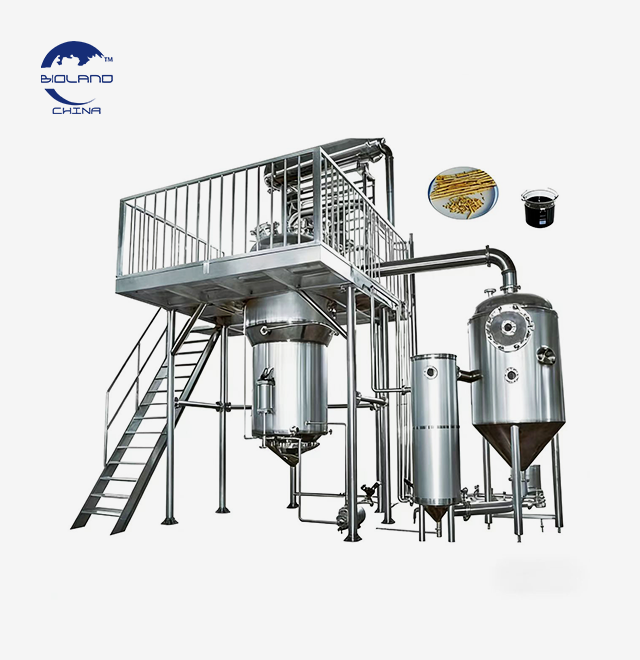
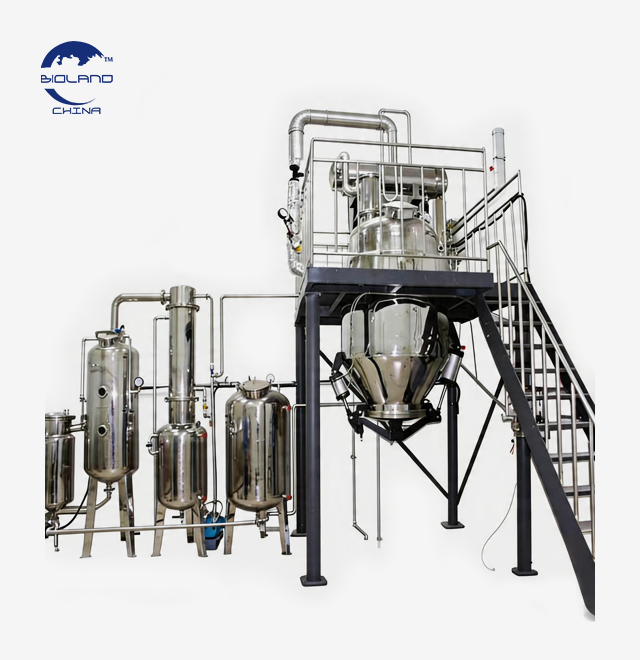
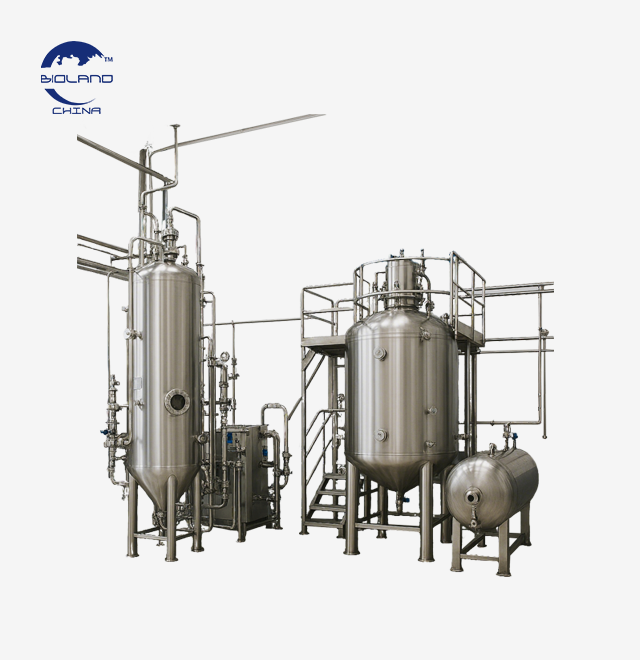
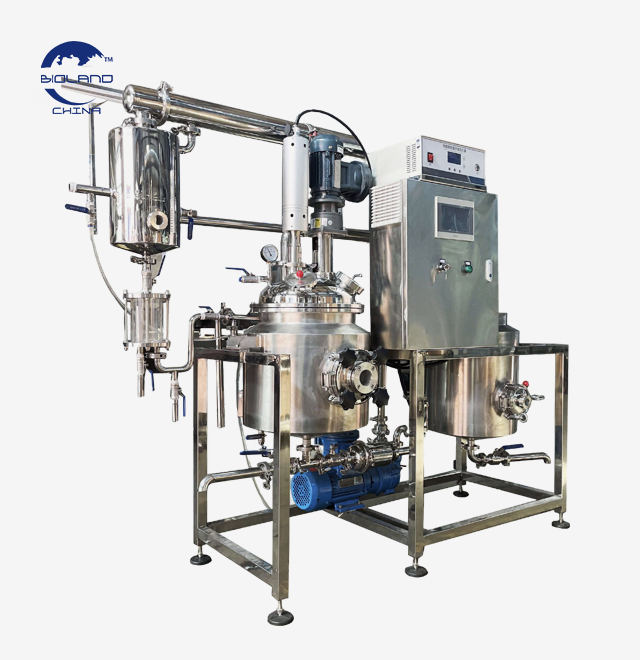
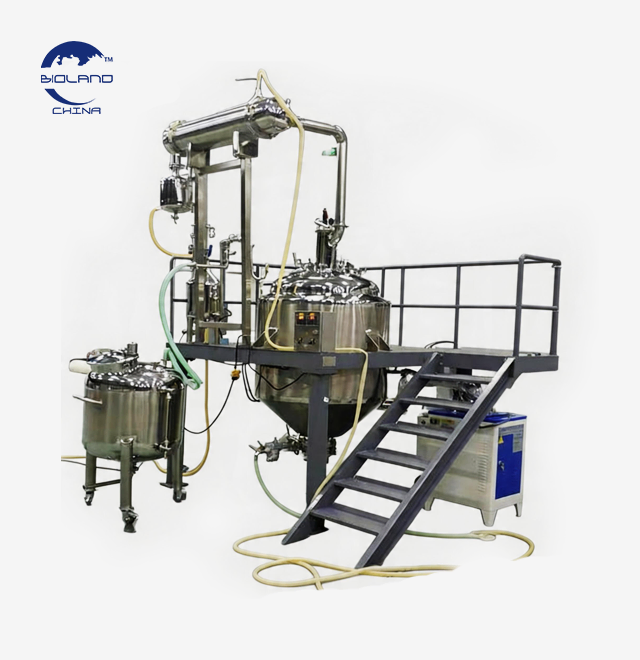
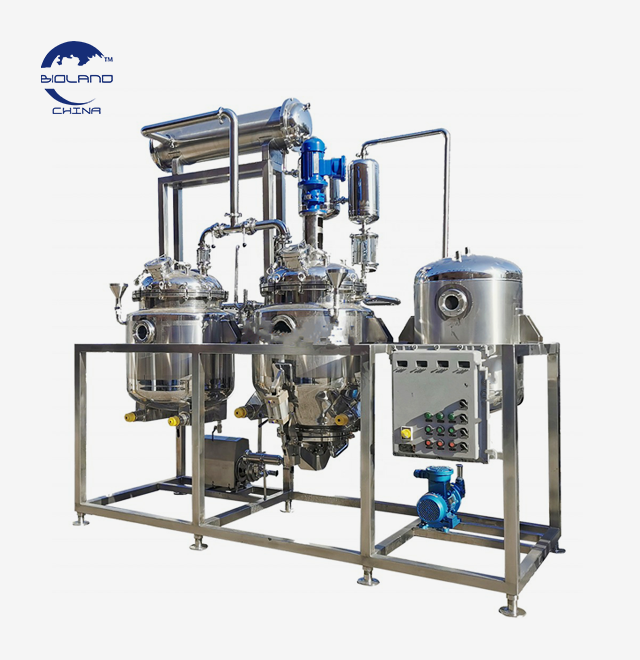
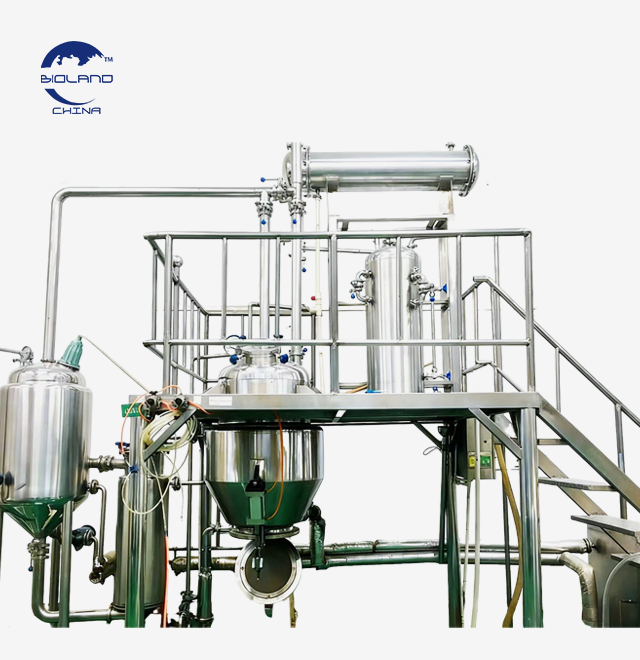
To pick the righttea extraction equipmentfor preparing black tea, you must first know what you want to make and what the technical needs are. How much you get out of the extraction, how well the flavor profile stays intact, and how much it costs to run all depend on the tools you choose. For black tea preparation, you need machines that can handle high temperatures while keeping the theaflavins and thearubigins, which give black tea its unique color and taste. To get constant results, modern industrial systems use programmable logic controls, sanitary-grade materials, and ultrasonic-assisted extraction. Your competitive edge in the beverage and nutraceutical markets depends on how well you fit your process factors with extraction technology powers. This is true whether you're going from lab study to pilot production or replacing old equipment.
Understanding Commercial Tea Extraction Equipment
The commercial tea extraction equipment for black tea are a big step forward in technology compared to the old ways of steeping tea. Bioactive substances like theaflavins, caffeine, and polyphenols can be separated by these machines, which use controlled liquid contact, precise temperature control, and mechanical stirring. In contrast to batch brewing, industrial extractors keep conditions the same across thousands of kilos of green material.
Core Working Principles
The extraction process is simple: tea leaves go into the vessel, a solvent (like water or ethanol) moves through the plant tissue at controlled temperatures, and chemicals that are dissolved move into the liquid phase. In more advanced systems, fresh liquid constantly meets leaf material that is being used up, creating concentration differences that are as big as possible. With the help of ultrasound, cavitation bubbles are made, which break down cell walls and release substances inside cells without exposing them to too much heat.
Equipment Types and Applications
Small businesses that make handmade concentrates or do formulation samples can use manual batch extractors. Mid-volume output for area bottlers is done by semi-automated units controlled by PLCs. High-capacity plants that make ready-to-drink drinks or instant tea powders use fully automated constant extractors. As technology lowers human error and batch-to-batch variation, each group balances the amount of work that needs to be done with the amount of work that can be done.
Material Construction Standards
Material choice is the first step in sanitary design. Pharmaceutical-grade SS316L stainless steel doesn't rust when exposed to tannic acids and can handle multiple CIP cycles with cleaning products that are both acidic and caustic. Bacterial biofilm can't form on electropolished inner surfaces that are rougher than 0.4µm. All the parts that get wet have to meet GMP standards. This makes sure that no metal gets into the extract stream that is meant to be eaten.
Critical Factors to Consider When Choosing Tea Extraction Equipment for Black Tea
Finding the righttea extraction equipmentmeans finding a balance between professional ability, following the rules, and making money. The choice framework should take these linked factors into account.
Extraction Efficiency and Yield Optimization
Black tea has 25–35% extractable solids, but boiling it normally only gets rid of 18–22% in one pass. By speeding up mass transfer rates, modern ultrasonic-assisted extraction can get 50–100% better results. A 24- to 40-minute cycle is used instead of the usual 4-6 hour soaking time, which directly cuts down on energy use and output time. Higher extraction rates mean less loss of raw materials, which is very important when the price of good black tea is over $8 to $15 per kilogram.
Temperature Control and Compound Stability
The oxidized polyphenols in black tea can handle heat better than the catechins in green tea, but temperatures above 95°C make the tea taste bitter and astringent, which is not what you want. Stable low-temperature extraction at 40–60°C is possible with equipment that keeps delicate aromatic volatiles while still getting a good yield. For recipes that react badly to heat, look for dual-jacket tanks with accurate PID temperature control (±1°C) and optional cooling circuits.
Scalability and Production Volume Matching
Equipment size is based on how much you need to make now and how much you think your business will grow in three years. Batch vessels come in a range of sizes, from 50-liter test units to 5,000-liter industrial tanks. Continuous systems ranked by hourly throughput (kg/h) are best for leaf processing businesses that process more than 500 kg of leaves per day. Adding parallel extraction trains to modular designs lets you increase capacity without changing key infrastructure. This protects your capital investment as demand grows.
Material Compatibility and Process Flexibility
Depending on the chemicals that need to be extracted, black tea may need water, food-grade ethanol, or a mix of the two. The equipment you use must have the right seals, gaskets, and electricity rates to keep flammable liquids from exploding. Supporting UAE, reflux extraction, aromatic oil recovery, and organic solvent extraction, the option to do more than one process makes the best use of equipment across different product lines and yearly demand changes.
Safety Standards and Certifications
You have to follow the rules. Pressure tanks need to be certified by either ASME Section VIII or PED. Electrical parts that are used in solvent-based settings need to be ATEX or IECEx-rated to make sure they don't explode. The whole system should keep records of ISO 9001 quality control and CE marking. When selling pharmaceutical-grade products or to export markets with strict rules on importing, GMP/FDA compliance is a must.
Optimize Commercial Tea Extraction Equipment
Traditional Methods vs. Advanced Technologies
In traditional extraction, long periods of steeping in hot water are used, and low efficiency is accepted as a cost of doing business. Ultrasonic cavitation, microwave-assisted heating, or forced hot water extraction are all used in modern devices. These new technologies shorten the cycle time by 60–75% and improve selection by removing only the good theaflavins and not the bad chlorophyll and waxes that cause sediment. Within 18 to 24 months at industrial levels, the extra cost of buying modern equipment pays for itself in saved raw materials.
Automated vs. Semi-Automated Systems
The level of automation affects the cost of workers and the uniformity of the work. Semi-automated units need to be loaded, emptied, and have parameters changed between batches with the help of an operator. Fully automatic systems work during lights-out shifts and have HMI touchscreens that record all process variables and PLCs that control the sequence of events. When production runs 24 hours a day, seven days a week, the savings on labor become big, but the initial costs go up by 30 to 50 percent. Your choice depends on how much you want to make and how much work costs in your area.
Eco-Friendly and Energy-Efficient Designs
Concerns about sustainability drive changes in tools. Dual condenser solvent recovery systems can reuse 95% or more of the ethanol they recover, which cuts down on the cost of getting rid of toxic trash. Heat exchanges use the heat from the hot extract streams to warm up the solvent that is going in, which cuts down on the need for steam. When you run a vacuum, the boiling point drops, which lets you remove at lower temperatures with less energy. In addition to being better for the climate, these features actually lower energy costs—often by 20 to 40 percent compared to older equipment.
Core advantages of Ultrasonic assisted Tea Extraction Equipment
Ultrasonic assisted tea extraction equipmentis an efficient technique for extracting active ingredients from tea leaves. It utilizes the cavitation effect of ultrasound to accelerate solvent penetration and damage cell walls, significantly improving the extraction efficiency of tea polyphenols, caffeine, theaflavins, and other components while retaining aroma compounds
ultrasound assisted extraction outstanding advantages in tea processing
Compared with traditional soaking and reflux extraction, ultrasound assisted extraction has outstanding advantages in tea processing, with an efficiency improvement of 3-5 times. The single batch extraction time has been shortened from 4-8 hours in traditional methods to 30-60 minutes, significantly increasing production capacity.
High activity retention rate, low-temperature operation (≤ 60 ℃) to avoid oxidation and aroma volatilization of tea polyphenols, tea polyphenol extraction rate can reach over 90% (traditional method about 70%). The solvent can be recycled, and the long-term production cost is lower than that of supercritical extraction. Easy to operate, supports one click start and parameter preset, no need for professional operators, suitable for small and medium-sized production
Equipment core functions and adaptation technology
Multi solvent adaptation, supporting solvent switching such as water, ethanol, propylene glycol, etc., suitable for extracting different target components. Water extraction is suitable for tea polyphenols and caffeine (polar components); Ethanol extraction is suitable for theaflavins and thearubigins (moderately polar components), while propylene glycol extraction is suitable for tea essential oils and aroma compounds (non-polar components). Temperature control and anti-oxidation low-temperature mode (≤ 40 ℃) to avoid degradation of heat sensitive components and retain aroma substances; Continuous production of large-scale equipment supports the full process automation of "feeding extraction separation discharging", with a single batch production capacity of over 500L.
Industry application cases and effects
The following are industry application cases, detailed process flows, and actual effects of ultrasound assisted tea extraction equipment, combined with the latest production practices and data comparisons, covering core scenarios such as tea polyphenols, theaflavins, specialty tea (golden flower tea), fruit tea concentrate, etc.
Extraction of tea polyphenols: a case of large-scale production in small and medium-sized tea factories
1. Application scenarios
A small and medium-sized tea factory (processing 500kg of fresh leaves per day) uses tea polyphenols as the core raw material to develop products such as "sugar free tea beverages" and "tea polyphenol capsules". It uses our 100L commercial ultrasonictea extraction equipment
2. Process flow
Pre treatment: Fresh leaves → 50 ℃ hot air drying (retaining theanine) → ultrafine grinding (particle size ≤ 80 μ m, increasing dissolution rate by 30%).
Ultrasonic extraction: Grind leaves+70% ethanol (solid-liquid ratio 1:15), sonicate for 30 minutes (power 3000W), and control the temperature below 60 ℃ (to avoid oxidation of tea polyphenols).
Solid liquid separation: Centrifuge at 10000r/min for 10 minutes and collect the supernatant.
Concentration and drying: vacuum concentration at 50 ℃ to density of 1.2 g/cm ³ → spray drying (inlet air 170 ℃, outlet air 85 ℃) to obtain tea polyphenol powder (water content ≤ 5%).
3. Actual effect
Efficiency improvement: The single batch extraction time has been reduced from 3 hours in traditional alcohol extraction to 30 minutes, and the daily production capacity has been increased threefold (from 150kg to 450kg).
Ingredient retention: The yield of tea polyphenols has increased from 12% in traditional methods to 18% (an increase of 50%), and the retention rate of theanine has exceeded 90% (compared to only 70% in traditional methods).
Cost reduction: solvent recycling utilization rate of 90%, long-term production costs reduced by 40%; Reduce energy consumption by 30% (traditional methods require continuous heating, while ultrasonic methods only require short-term high power).
Product premium: A product with a tea polyphenol purity of 80%, priced 25% higher than traditional products, has successfully entered the high-end tea beverage supply chain.
Case of Tea flavin extraction export grade high-end products
1. Application scenarios
A certain export tea enterprise (processing 200kg of dry tea per day) has developed "theaflavins capsules" and "functional extracts of black tea" that meet EU standards using theaflavins as the core raw material. It uses our 20kW large-scale ultrasonic extraction unit
2. Process flow
Preprocessing: Dry tea → Dry at 100 ℃ (remove moisture) → Ultra fine pulverization (particle size ≤ 50 μ m, suitable for theaflavins extraction).
Ultrasonic extraction: Grind leaves with 60% ethanol (material to liquid ratio 1:10), sonicate for 60 minutes (power about 3000W), temperature controlled below 50 ℃, and nitrogen protection throughout the process (to prevent oxidation and polymerization of theaflavins).
Solid liquid separation: Centrifuge at 12000r/min for 15 minutes and collect the supernatant.
Concentration and purification: vacuum concentration at 50 ℃ → gradient elution with macroporous resin (400 type) (30% -70% ethanol) or centrifugal extractor , the purity of theaflavins is increased to 98%.
Dry packaging: Freeze dried (retaining over 95% of active ingredients) to obtain theaflavins powder (moisture content ≤ 3%), which meets EU food grade standards.
3. Actual effect
Purity standard: The purity of theaflavins reaches 98% (EU standard ≥ 95%), the retention rate of aroma substances exceeds 85% (traditional method only 60%), and the product premium increases by 20%.
Capacity improvement: The single batch production capacity reaches 500L (traditional method only 150L), and the daily production capacity is increased by three times, meeting the demand for export orders.
Compliance: No solvent residue, certified by EU EC 1129/2011, successfully entering the high-end health product market in Europe
Application case in the herbal tea industry concentrated fruit tea/honeysuckle
1. Application scenarios
A certain herbal tea brand in Poland (processing 200kg of raw materials such as honeysuckle, hawthorn, chrysanthemum, etc. daily) uses "no added fruit tea concentrate" as its core product, and adopts our company immersion ultrasonic extraction rod equipment (20-40kHz adjustable, suitable for various types of herbal raw materials).
2. Process flow
Pre treatment: Honeysuckle, Hawthorn, Chrysanthemum → Cleaning → Drying at 50 ℃ → Ultra fine Grinding (particle size ≤ 100 μ m).
Ultrasonic extraction: Grind the raw materials and deionized water (material to liquid ratio 1:20), sonicate at 30 minutes (power 3000W), and control the temperature below 50 ℃ (retaining thermosensitive components such as chlorogenic acid and verbascoside).
Solid liquid separation: Centrifuge at 8000r/min for 10 minutes and collect the supernatant.
Concentrated sterilization: Vacuum concentrate at 60 ℃ to a density of 1.15g/cm ³ → Instantly sterilize at 121 ℃ (15 seconds) to obtain fruit tea concentrate.
3. Actual effect
Activity retention: The retention rate of chlorogenic acid in honeysuckle exceeds 95% (traditional high-temperature boiling method only 60%), and the yield of total flavonoids in hawthorn increases by 40%.
Flavor enhancement: The retention rate of aroma substances exceeds 85%, the product taste is fresher, and the repurchase rate is increased by 25%.
Capacity improvement: The single batch extraction time has been reduced from 2 hours in traditional methods to 20 minutes, and the daily production capacity has been increased by 5 times (from 40kg to 200kg).
Conclusion
When choosing commercial tea extraction equipment for making black tea, you need to think carefully about its technical skills, ability to follow regulations, and quality of the supplier relationship. The right equipment makes extraction more efficient, keeps taste ingredients safe, and can grow with your business. The current standard for competitive operations in the industry is ultrasonic-assisted systems with PLC automation, sanitary-grade building, and flexible design. Your facility will be successful in the challenging beverage and nutrition markets for a long time if you weigh the initial investment against the total cost of ownership, allow for customization, and offer full after-sales support.
FAQ
What is the expected lifespan of commercial extraction equipment?
If you take good care of quality extraction systems made from SS316L stainless steel, they will work well for 15 to 20 years. The amount of use affects the lifespan; activities that happen 24 hours a day, seven days a week wear out faster than group processing done in one shift. After 5 to 8 years, important parts like ultrasonic sensors, mechanical seals, and control systems may need to be replaced. Investing in high-quality building and following the manufacturer's maintenance schedules will make your tools last longer and give you the best return on your money.
Can one extraction system handle both black and green tea?
Yes, flexible equipment can handle different kinds of tea because it can run recipes automatically. Green tea only needs shorter cycles and higher temperatures (70–80°C) for extraction, while black tea needs higher temperatures (85–95°C) and longer cycles. PLC-controlled systems keep separate sets of parameters for each type of product. They change the temperature, fluid ratios, and cycle times automatically for each type of product. This allows for the best use of tools across a wide range of products without lowering quality.
When should I choose automated extraction equipment?
Automation becomes economically justified when processing volumes exceed 200 to 300 kg per day or when product consistency requirements get rid of the need for human variation, automation makes economic sense. Automated filling, cleaning, and emptying systems save a lot of work for businesses that work multiple shifts. Automated systems help with paperwork and tracking, which is helpful for companies that sell drugs or goods abroad. Smaller manufacturers or those whose formulas change often may find that semi-automated units offer a better mix between cost and performance.
Partner with BIOLAND for Your Tea Extraction Equipment Needs
The people at BIOLAND INSTRUMENT have been developing and making extraction systems for the food and drink business for more than 15 years. Our ultrasonic-assisted tea extraction equipment gives 50–100% higher returns than traditional methods. Cycles can be finished in 24–40 minutes, and the low-temperature operation keeps delicate taste compounds safe. Full PLC control, pharmaceutical-grade SS316L construction, and customizable explosion-proof designs that meet CE, ISO, and GMP/FDA standards are all part of each system.
Our engineering team can completely customize everything, from planning the layout of the workshop to installation, testing, and training the operators. This is true whether you're starting a new production line or increasing the capacity of a current one. Every week, we give you thorough information on the progress of your project and test it in the factory before it ships. Get in touch with us at info@biolandequip.com to talk about your unique needs with a company that makes tea extraction equipment and wants your business to succeed.
References
1. Chen, Y., & Wang, M. (2019). Advanced Extraction Technologies in Tea Processing: Principles and Industrial Applications. Food Science Publishers.
2. Kumar, R., Singh, A., & Patel, D. (2021). Ultrasonic-Assisted Extraction: Mechanisms and Optimization for Bioactive Compounds in Tea. Journal of Food Engineering Technology, 45(3), 178-195.
3. Thompson, L. (2020). Equipment Selection and Process Design for Commercial Beverage Production. Industrial Press.
4. Zhang, H., Liu, Q., & Wu, S. (2018). Tea Polyphenol Extraction: Comparative Study of Traditional and Modern Methods. International Journal of Food Science & Technology, 53(8), 1842-1856.
5. Anderson, P., & Martinez, J. (2022). GMP Compliance in Food Processing Equipment: Design and Validation Strategies. Regulatory Affairs Press.
6. Nakamura, T., & Kobayashi, K. (2020). Energy-Efficient Extraction Systems: Technology Advances and Economic Analysis for Tea Industries. Asia-Pacific Journal of Chemical Engineering, 15(2), e2441.
The reactor is beautifully mirror-polished and fully complies with GMP requirements for the pharmaceutical industry. The performance is excellent! Overall, we are very satisfied! We also provided with some feedback on our process improvements, which we hope will be helpful.
2024-04-09
Laboratory
Excellent and professional service. Always reply our questions very fast. All reactors and chiller we received are good too.
2024-02-15
Research Institute
Quality is beyond our expectation actually. After we got the extraction equipment and started using it, the performance was beyond our expectation. Very easy to use and very efficient to run. Service always respond us very quickly. Was also very helpful to help us. Thanks Bioland team. Very happy to work with you.
2023-11-20
Biotech Company
We are happy about the new purchase as always. Equipment and services are both good.
2023-08-05
Instrument Lab
This is the second order with Bioland instrument and everything is good as the first dateText.
2023-05-12
Global Trading Partner
Bioland instrument team is very helpful and professional. The sales helped us select the right equipment for our application, and their logistics people handled the transportation and customs declaration for our shipment. All that saved us a lot of work.