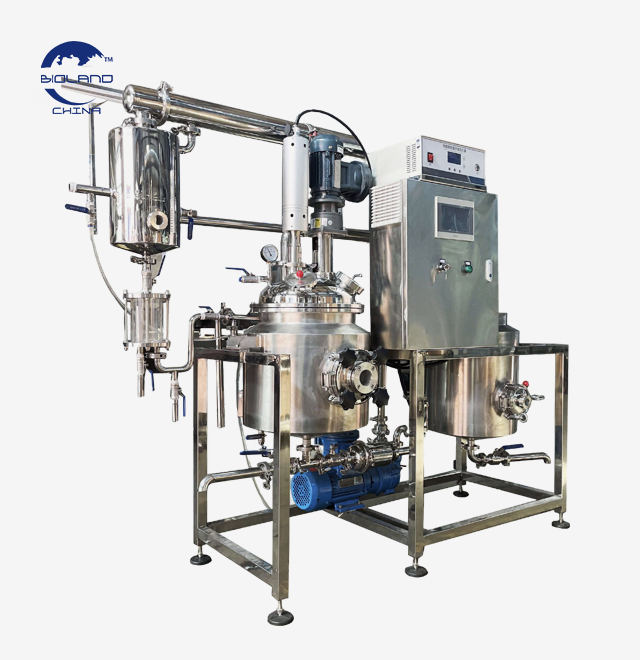
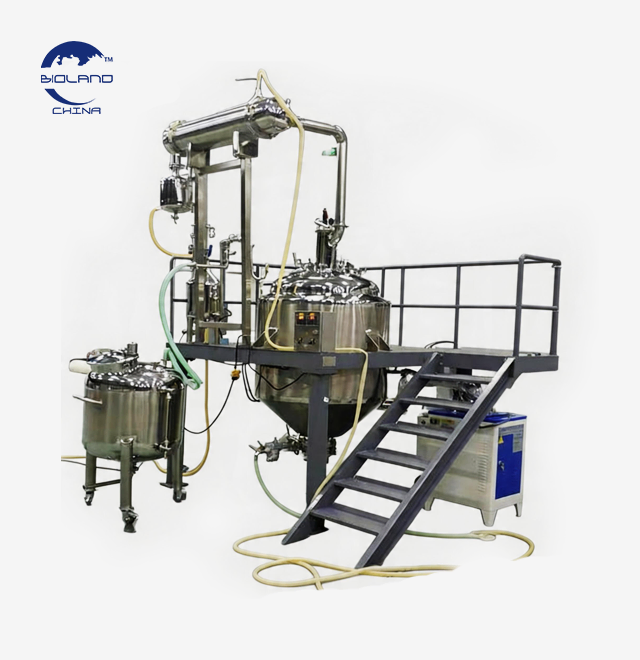
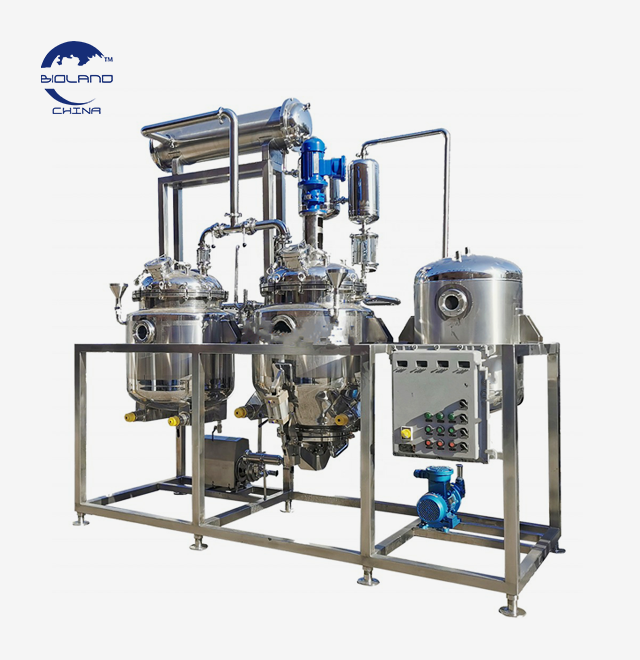
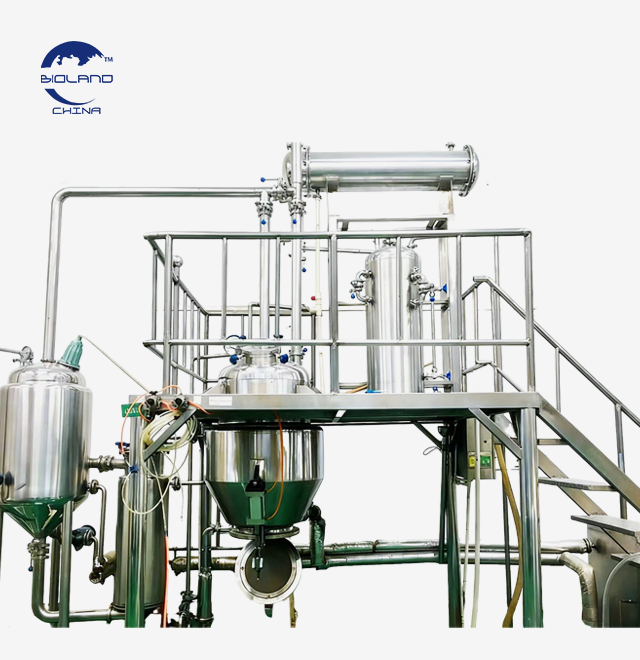
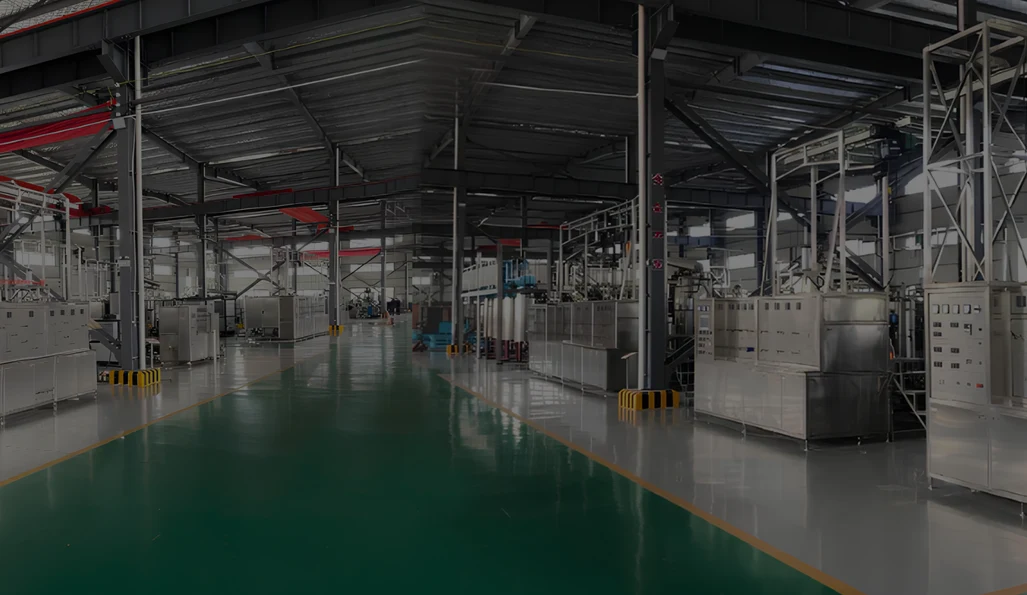
A closed-loop thermodynamic cycle in areflux extraction apparatus constantly turns a liquid into steam, condenses it back down, and sends it back to the extraction tank. This process is done over and over again to keep the solvent at the right temperature and purity, which makes it easy for chemicals to dissolve from raw materials. The machine uses controlled heating and condensation to move as much mass as possible between solid media (like plant materials or chemical bases) and liquid solvents. The system produces much higher extraction rates than static maceration methods because it keeps the concentration gradient steady and stops solvent loss. This makes it essential for use in pharmaceutical, food processing, and chemical synthesis processes.
Understanding the Reflux Extraction Apparatus
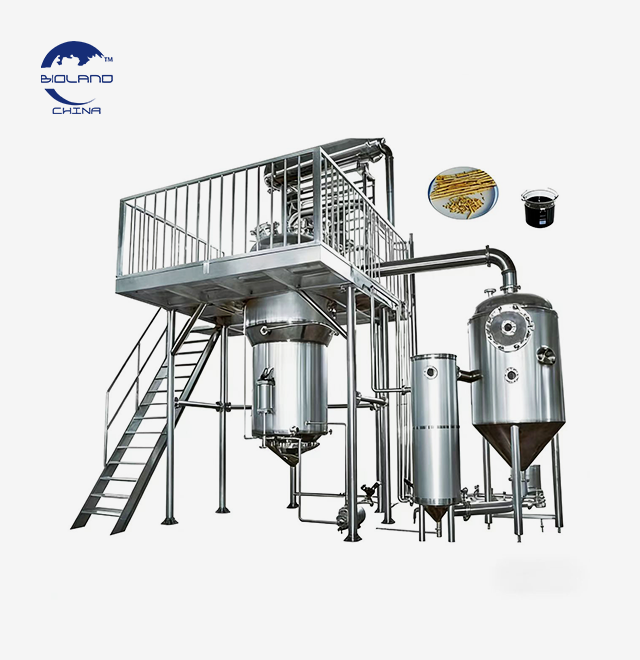
The hot reflux extraction apparatus (also known as the hot reflux extraction concentration integrated machine) is an efficient equipment that integrates extraction and concentration. Through the closed-loop process of "hot reflux cycle+vacuum concentration", it achieves one-stop processing from raw materials to concentrated solution, and is widely used in fields such as traditional Chinese medicine, food, chemical industry, and essential oil extraction. The core function is to extract the active ingredients from the raw materials through hot solvents, and then concentrate them using the residual heat of secondary steam. The extraction and concentration are carried out synchronously, greatly shortening the production cycle.
Working principle and process flow
Put the raw materials into the extraction tank, add 5-10 times the amount of water/ethanol and other solvents, turn on steam heating until boiling, and vacuum draw the extraction liquid into the concentrator. The secondary steam generated by the concentrator is returned to the extraction tank as a heat source, while the condensate is circulated to the extraction tank through the spray system, forming a closed loop of "extraction concentration circulation" that lasts for 3-4 hours. Close the steam valve of the extraction tank, turn on the second heater, and further collect the concentrated solution to the target specific gravity (1.1-1.3)
Imagine an environment that can take care of itself, with the solvent never leaving and always being able to remove more. The solvent turns into gas when heat sources like mantles or water baths warm the extraction tank. As the gas rises, it moves through the bed of materials and breaks down target chemicals. The gas then goes to a condenser that is cooled by water or a refrigerant. This is where it turns back into a liquid. The cycle is complete when gravity brings the new liquid back to the jar. During the extraction process, this device keeps the liquid clean and the temperature just right.
Why Reflux Extraction Matters for Industrial Applications
Businesses that make things are always under pressure to increase output while lowering waste. Both problems are solved at the same time by reflux devices. Single-pass extraction methods run out of liquid fast, but reflux keeps the solvent working for a long time, releasing compounds that would otherwise stay locked in raw materials.
When pharmaceutical firms take alkaloids from plant matter, reflux systems can work at lower pressures, which lowers the boiling point of molecules that are sensitive to heat. When environmental labs use EPA Method 3540C to look at soil toxins, they need to use thorough reflux extraction to get the high recovery rates that are needed. Even food makers that use AOAC standards to figure out fat content need machines that can run nonstop for 16 to 24 hours without losing their solvents or performance.
Reflux vs. Conventional Extraction Methods
In traditional maceration, large amounts of solvent are needed, and the process takes a long time (usually 48 to 72 hours), and the effects aren't always uniform. Percolation methods work better, but they don't have the controlled setting that reflux does. Even though Soxhlet extraction works well, the solvents used have boiling points that can break down heat-sensitive molecules. The reflux method fills in these gaps by letting you change the working conditions, speeding up the process (usually 24 to 40 minutes), and protecting delicate active ingredients by working at low temperatures (40 to 60°C) with pressure systems.
Key Components and Types of Reflux Extraction Apparatus
Knowing the technical design helps the buying team figure out if the tools will work with the current production lines and with plans for future growth.
Essential Components
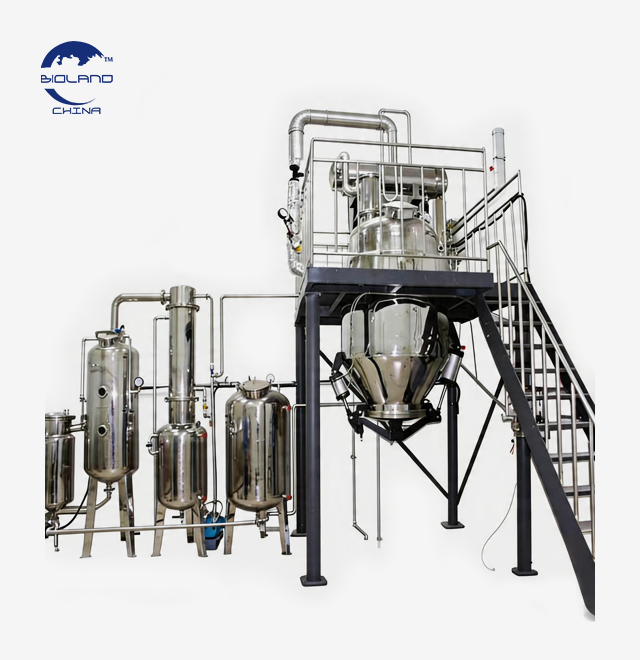
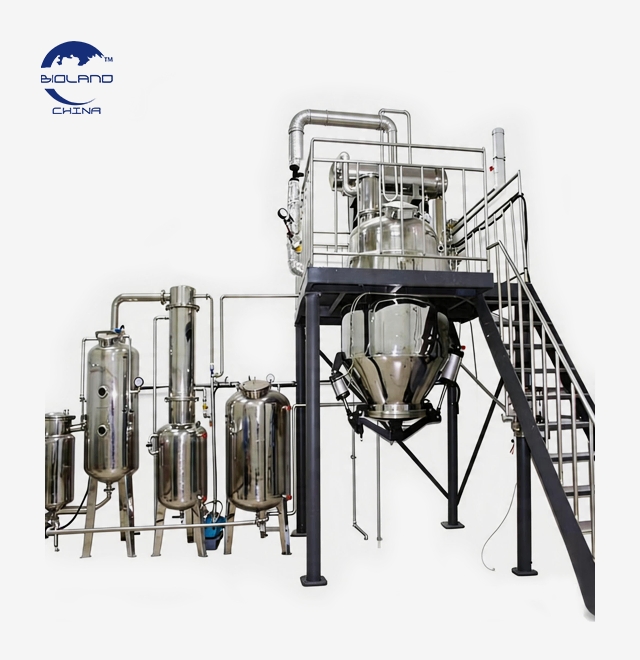
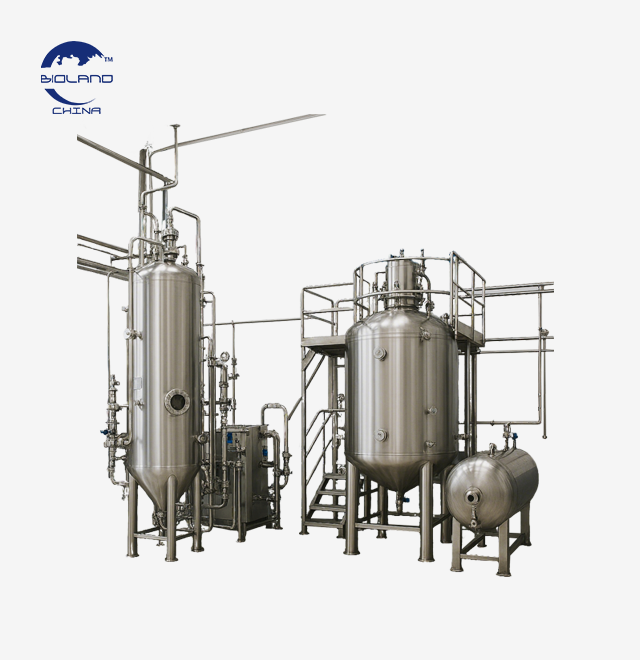
A high-performance reflux system is made up of several important parts that work together. The raw material and liquid are kept in the extraction tank, which is usually made of borosilicate glass or 316 stainless steel. Chemical compatibility determines the choice of material. Glass is good for lab and pilot-scale work, while stainless steel meets GMP standards for medicine production in the real world.
Heating parts allow for fine control of temperature. Electric mantles provide direct, adjustable heat, and jacketed tanks that use circulating fluids make temperature spread constant, which is very important for handling large amounts of material. The condensers are the heart of the system. The Graham, Dimroth, and Allihn types all have different cooling surface areas and levels of performance. Dual-condenser designs are used in high-performance units to get the most liquid back and stop vapor loss.
Configuration Options for Different Production Scales
In R&D settings, where process freedom is more important than throughput, manual methods work well. Operators try factors and change parameters in real time to make extraction methods work better. reflux extraction apparatus is often used in such contexts to enable continuous solvent recycling. Programmable heating profiles and automated solvent doses are added to semi-automatic setups, which balance control with efficiency for pilot-scale production.
Fully automatic PLC-controlled systems change how medium- to large-scale producers do their work. These units have automatic release systems, explosion-proof designs, clean-in-place (CIP) systems, and organic solvent recycling modules. Touchscreen screens let operators keep an eye on the extraction process while the system handles temperature ramping, pressure control, time sequences, and safety interlocks. This technology cuts down on labor costs and mistakes made by people, and it also makes sure that stability from batch to batch, which is important for following the rules.
Specialized versions are made for specific uses. Ultrasonic-assisted reflux devices have transducers that cause cavitation effects, which break down cell walls and speed up the movement of mass. Dual-ultrasonic setups improve the efficiency of extraction by 50–100% compared to traditional thermal methods alone. This is especially helpful for getting curcumin, capsaicin, and other chemicals out of tough plant materials.
Core Advantages and Applications
When choosing extraction tools, you have to weigh the technical ability against the costs. In both of these areas, reflux extraction apparatuses offer strong benefits.
Operational and Economic Benefits
Modernreflux extraction systemsmake the best use of solvents, which is important because organic solvents like ethanol, hexane, and dichloromethane are expensive and bad for the environment. The closed-loop design cuts down on evaporation losses, and built-in solvent recycling units collect and clean used solvent so it can be used again. Some businesses say that solvent costs have gone down by more than 60% compared to open-system options.
Profitability directly affected by extraction rates
Higher Active Constituent Recovery: The constant refilling of the solvent keeps the concentration differences at their highest level. The extraction of raw materials is more thorough, leaving behind purer leftovers with fewer lost active chemicals. When manufacturers remove propolis, stevia glycosides, and mushroom polysaccharides, they always say that the yield is 50–100% higher than with traditional methods.
Reduced Processing Time: Traditional extraction could take days. Reflux systems cut the time it takes to make something by more than two-thirds by finishing extraction processes in 24 to 40 minutes. Because of this increase, the same amount of tools can make a lot more.
Lower Impurity Levels: Accurate temperature control stops thermal breakdown and unwanted side effects. The final product has fewer impurities, which makes further cleaning easier. This means that the costs of running the separation and processing processes will be less.
Safety and Reliability Features
Factory managers put the most value on equipment that keeps production going without putting workers' safety at risk. Full safety rules are built into industrial-grade reflux devices. Electrical parts that are resistant to explosions must meet ATEX and IEC standards when working with dangerous chemical solvents. Overpressure or overheating can happen, but pressure release valves, temperature interlocks, and emergency cutoff devices can stop it.
Reliable equipment is built with strong materials and structure. Systems with 316 stainless steel touch parts don't rust in harsh liquids or acidic/alkaline environments. Precision ground joints keep the pressure below 10 Torr for long periods of time, stopping leaks that lower the efficiency of extraction. As part of our manufacturing process, we use polariscopic stress analysis on glass parts and hydrostatic pressure tests on jacketed tanks to find places where equipment might fail before it gets to customers.
Enhance Medicine Pharmaceuticals Efficacy and Production Capacity
Case 1: Production of Danshen preparations
Extract active ingredients such as tanshinone IIA and salvianolic acid from Danshen as raw material. Using a hot reflux extraction and concentration device, the process parameters are: 75 ℃, ethanol concentration of 60%, solvent ratio of 10:1 (v/w). After 2 hours of extraction, it directly enters the vacuum concentration stage. The final yield is 3.2%, which is 18% higher than the traditional process. The content of tanshinone IIA reaches 98.5% (in line with pharmacopoeia standards), and the production cycle is shortened by 40%.
Case 2: Large scale production of traditional Chinese medicine granules
For flower medicinal materials such as honeysuckle and forsythia suspensa, low-temperature vacuum thermal reflux extraction (temperature 55 ℃, to avoid volatile oil loss) was used. The extract was directly concentrated to a relative density of 1.35 (60 ℃), and then dried into granules by spray. Compared to traditional techniques, the effective ingredient retention rate has increased by 25%, energy consumption has decreased by 35%, and daily production capacity has doubled.
Preserving food nutrition and flavor to meet high-end demands
Case 1: Extraction of Plant Protein (Soy/Pea Protein)
Soybean is used as raw material, water is used as extractant, heat reflux temperature is 60 ℃ (to avoid protein denaturation), extraction time is 3 hours, extraction solution is directly concentrated to 20% solid content, and then spray dried into protein powder. The protein yield is 92%, the solubility is 95%, which is 15% higher than the traditional soaking centrifugation method, and the color is whiter, suitable for the production of high-end food raw materials.
Case 2: Essential oil extraction (lavender/peppermint essential oil)
Using lavender flowers as raw material, water vapor hot reflux extraction is adopted, with temperature controlled below 100 ℃ (to avoid oxidation of essential oil), extraction time of 2 hours, and the condensate is separated into oil and water to obtain essential oil. The yield of essential oil is 3.5% (higher than the traditional distillation method of 2.8%), and the fragrance is more pure, which is suitable for the production of high-end perfume and cosmetics raw materials.
High purity separation in the chemical industry reduces production costs
Case 1: Purification of lignin based chemical raw materials
Extract lignin (precursor of paclitaxel) from the bark of paclitaxel trees. Using methanol as the extraction agent, with a hot reflux temperature of 50 ℃ (low-temperature protection for thermosensitive components), a dual tank bidirectional external circulation design, and direct concentration after 4 hours of extraction, the total yield of lignin is 12.6%, with a purity of 95.8%, which is 54% higher than the traditional Soxhlet extraction method (yield of 8.2%). The solvent recovery rate is 92%, and the production cost is reduced by 30%.
Case 2: Organic acid extraction (citric acid/malic acid)
Using fruit pomace as the raw material, water as the extraction agent, hot reflux temperature of 80 ℃, extraction for 3 hours, concentration to a solid content of 30%, and then crystallization to obtain high-purity organic acid. The extraction rate is 85%, the purity is 99%, which is 20% higher than traditional acid hydrolysis method, and there is no chemical reagent residue, which meets food grade standards.
Optimization of scientific research experimental process and composition analysis
Case: Optimization of Traditional Chinese Medicine Extraction Process Parameters
Using licorice as raw material, single factor experiments (temperature, time, solvent ratio) and orthogonal experiments were conducted through a hot reflux device to determine the optimal process: 80 ℃, water extraction for 3 hours, solvent ratio of 15:1, and glycyrrhetinic acid yield of 12.5%, providing process basis for industrial production. Shorten the experimental period by 50% and improve data accuracy by 30%.
Industry pain point resolution and value
Medicine Pharmaceutical Industry: From "Experience Production" to "Precision Manufacturing"
Pain point: Traditional extraction processes have long cycles and low component retention rates, making it difficult to meet the production needs of modern Chinese medicine for "high efficiency, stability, and compliance".
Our Reflux Extraction Apparatus Value: Taking Danshen preparations as an example, the hotreflux extraction apparatus can increase the extraction rate of tanshinone IIA and salvianolic acid to 98.5% (in line with pharmacopoeia standards), shorten the production cycle by 40%, and double the daily production capacity; Support GMP data traceability, meet drug production quality management standards, assist enterprises in obtaining international certifications (such as FDA and CE), and expand overseas markets.
Food Industry: From "Extensive Processing" to "Nutritional Preservation"
Pain point: Traditional extraction of nutrients at high temperatures can lead to excessive solvent residue, making it difficult to meet the consumption needs of high-end foods that are "natural, safe, and highly nutritious".
Our Reflux Extraction Apparatus Value: Taking plant protein powder as an example, the low-temperature water extraction process retains 92% of protein activity, with a solubility of 95% and no chemical solvent residue. It can be directly used in high-end products such as infant formula and sports drinks; The extraction yield of essential oil has increased by 25% (for example, lavender essential oil has increased from 2.8% to 3.5%), and the purity of fragrance has increased, meeting the demand for high-end raw materials such as perfume and cosmetics.
Chemical industry: from "inefficient separation" to "high-value utilization"
Pain points: The traditional Soxhlet extraction method has low efficiency, high solvent consumption, and high extraction costs for high-value components such as lignin and flavonoids, making it difficult to scale up production.
Our Reflux Extraction Apparatus Value: Taking the extraction of paclitaxel precursor (lignin) as an example, the hot reflux device can increase the yield from 8.2% to 12.6%, achieve a purity of 95.8%, reduce production costs by 30%, and realize the large-scale supply of high-value chemical raw materials; The solvent recovery rate is 92%, reducing the discharge of organic waste liquid, meeting the requirements of the "green production" policy in the chemical industry, and reducing the cost of environmental protection.
Research experiment: from "trial and error development" to "precise optimization"
Pain points: Traditional experimental equipment has rough parameter control, long process optimization cycles, and difficulty in quickly determining optimal extraction conditions.
Device value:
Support precise parameter control for single factor and orthogonal experiments (temperature, time, solvent ratio), shorten the experimental period by 50%, and improve data accuracy by 30%;
Small batch customized production can quickly verify the feasibility of the process and accelerate the transformation of scientific research achievements (such as the development of new Chinese medicine drugs and the synthesis of natural products).
Enterprise Competitiveness and Sustainable Development
By saving energy and reducing consumption (steam, solvents), and increasing production capacity, the comprehensive production cost is reduced by 20% -35%, enhancing the competitiveness of the product in the market. Meet international standards such as GMP/HACCP/ISO, build a "quality moat" for enterprises, avoid policy risks, and expand into high-end markets. Automated and intelligent control systems accumulate production data for enterprises, support process iteration and digital transformation, and upgrade from "traditional manufacturing" to "intelligent manufacturing".
Choosing the Right Reflux Extraction Apparatus for Your Business
Choices about investments have effects that last for a long time. To choose the right tools, you need to look at its technical specs, the raw material characteristics, and Process requirements
Comparing Extraction Technologies
Ultrasonic extractors are great at breaking up cells and work well with some plant materials, but they don't have the constant liquid renewal reflux that reflux extraction apparatus provides. Although supercritical CO2 systems make very clean extracts with no solvent residues, they are 3–5 times more expensive to buy, so they are only practical for very valuable goods. Traditional Soxhlet extractors still work well, but they can only work at the boiling points of air solvents, which means they can't be used with materials that are sensitive to heat.
matching process and raw material characteristics
Heat sensitive raw materials (such as vitamins, enzymes, volatile oils, and volatile components of traditional Chinese medicine) should be selected in low-temperature vacuum mode (extraction temperature 45-60 ℃, vacuum degree -0.08~-0.09MPa) to avoid component decomposition. For example, lavender essential oil extraction should be controlled below 100 ℃ to prevent aroma oxidation.
High boiling point/insoluble raw materials (such as root and stem Chinese medicine, resin chemical raw materials),Choose atmospheric/positive pressure mode (extraction temperature 80-100 ℃, pressure 0.1-0.2MPa) to improve solvent permeation efficiency and shorten extraction time. For example, root and stem medicinal herbs such as Danshen and Licorice require high-temperature extraction to fully release their active ingredients.
Food/pharmaceutical industry Prioritize 316L stainless steel material, which is corrosion-resistant, odorless, and meets GMP/HACCP certification requirements to avoid raw material contamination.
Chemical industry If extracting highly corrosive solvents (such as concentrated sulfuric acid and strong alkali), titanium alloy or Hastelloy material should be selected to extend the service life of the equipment.
Limited budget/sufficient manpower Choosing semi-automatic equipment (temperature and time can be preset, but manual monitoring of liquid level and concentration is required) can reduce costs by 30% -50%.Pursuing high efficiency/compliance requirements Choosing fully automatic PLC control equipment (one click start stop, precise parameter control, supporting data traceability), although the initial cost increases by 20% -30%, can reduce labor costs in the long run and improve product quality consistency.
Conclusion
In conclusion,reflux extraction apparatus has been shown to improve efficiency and cut costs in ways that are important to both buying workers and technical teams. It is very important for medicine manufacturing, food preparation, and chemical synthesis that the technology can work at controlled temperatures and keep the solvent purity high. Modern systems with automation, safety features, and flexible designs can be used for a wide range of tasks, from research and development in the lab to full-scale production in factories. Finding the right tools means finding a balance between the need for capacity, the compatibility of the materials, the need for customization, and the supplier's skills. Working with skilled makers who offer full support is the best way to make sure that the implementation goes smoothly and that the business will be successful in the long run.
FAQ
What solvents are compatible with reflux extraction systems?
Alcohol, methanol, hexane, dichloromethane, and acetone are some of the chemical solvents that work well with reflux extraction systems. The polarity and temperature stability of the target molecule affect the choice of solvent. Chemicals must not be able to damage the materials used in equipment. 316 stainless steel can handle the most powerful acids, and PTFE seals can fight all chemicals. Before using new solvents, you should always check the material suitability specs.
How does reflux extraction differ from Soxhlet extraction?
Both use liquid recycling, but reflux methods are more adaptable. Soxhlet extractors work at the boiling points of air solvents, which could break down chemicals that are sensitive to heat. Low-temperature operation is possible with reflux equipment that can work in a vacuum. Also, reflux systems can handle bigger batches and work better with automatic controls and processing that comes after.
What causes low solvent recovery rates, and how can I fix this?
The most usual reason is that the condenser isn't cooling down enough. Make sure the chiller is set 20°C below the boiling point of the liquid and check the flow rates of the water. Vacuum leaks also lower efficiency. Check ground joints, seals, and valves for damage or assembly errors. When the temperature is changed, high-vacuum grease or PTFE plates keep the joints from leaking.
Contact BIOLAND for Expert Reflux Extraction Solutions
Xi'an Bioland Instrument Co., Ltd. has been making extraction tools for the chemical, food, and pharmaceutical businesses for more than 15 years. Our line of reflux extraction apparatus has been certified by CE and ISO, has designs that are GMP-compliant, and can be built from 316 stainless steel, which meets the highest quality standards. Through OEM/ODM services, we can completely customize the equipment to fit your exact process needs. This includes everything from lab-scale research units to full industrial production lines that process stevia, propolis, curcumin, and other high-value extracts.
Our systems have high-tech features like PLC control, dual-condenser solvent recovery, explosion-proof designs, and built-in CIP cleaning. Our equipment quickly pays for itself through higher yields and lower running costs. Its extraction rate is 50–100% better than traditional methods, and processing times are cut down to 24–40 minutes. As a well-known maker of reflux extraction apparatus, we offer full support, including workshop planning, installation supervision, operator training, and technical help for life from our skilled engineering team. Contact us atinfo@biolandequip.comto learn more about information.
References
1. Perry, R.H., Green, D.W., and Perry, R.H. (2018). Perry's Chemical Engineers' Handbook, 9th Edition. McGraw-Hill Education.
2. Luque de Castro, M.D., and García-Ayuso, L.E. (1998). "Soxhlet extraction of solid materials: an outdated technique with a promising innovative future." Analytica Chimica Acta, 369(1-2), 1–10.
3. Wang, L., & Weller, C.L. (2006). "Recent progress in getting nutrients from plants." Trends in Food Science & Technology, 17(6), 300–312.
4. Azmir, J., Zaidul, I.S.M., Rahman, M.M., et al. (2013). "Techniques for extraction of bioactive compounds from plant materials: A review." Journal of Food Engineering, 117(4), 426-436.
5. United States Environmental Protection Agency. (1996). Method 3540C: Soxhlet Extraction. Test Methods for Evaluating Solid Waste, Physical/Chemical Methods.
6. Zhang, Q.W., Lin, L.G., & Ye, W.C. (2018). "Techniques for extraction and isolation of natural products: a comprehensive review." Chinese Medicine, 13, Article 20.
The reactor is beautifully mirror-polished and fully complies with GMP requirements for the pharmaceutical industry. The performance is excellent! Overall, we are very satisfied! We also provided with some feedback on our process improvements, which we hope will be helpful.
2024-04-09
Laboratory
Excellent and professional service. Always reply our questions very fast. All reactors and chiller we received are good too.
2024-02-15
Research Institute
Quality is beyond our expectation actually. After we got the extraction equipment and started using it, the performance was beyond our expectation. Very easy to use and very efficient to run. Service always respond us very quickly. Was also very helpful to help us. Thanks Bioland team. Very happy to work with you.
2023-11-20
Biotech Company
We are happy about the new purchase as always. Equipment and services are both good.
2023-08-05
Instrument Lab
This is the second order with Bioland instrument and everything is good as the first dateText.
2023-05-12
Global Trading Partner
Bioland instrument team is very helpful and professional. The sales helped us select the right equipment for our application, and their logistics people handled the transportation and customs declaration for our shipment. All that saved us a lot of work.