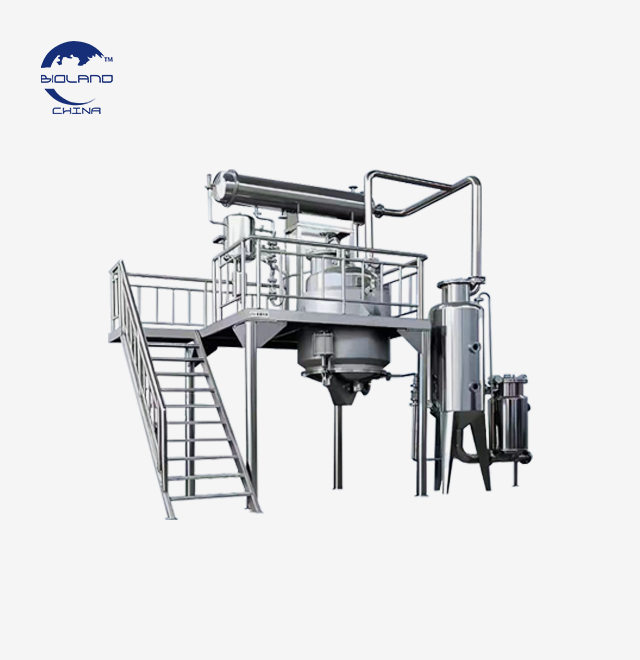
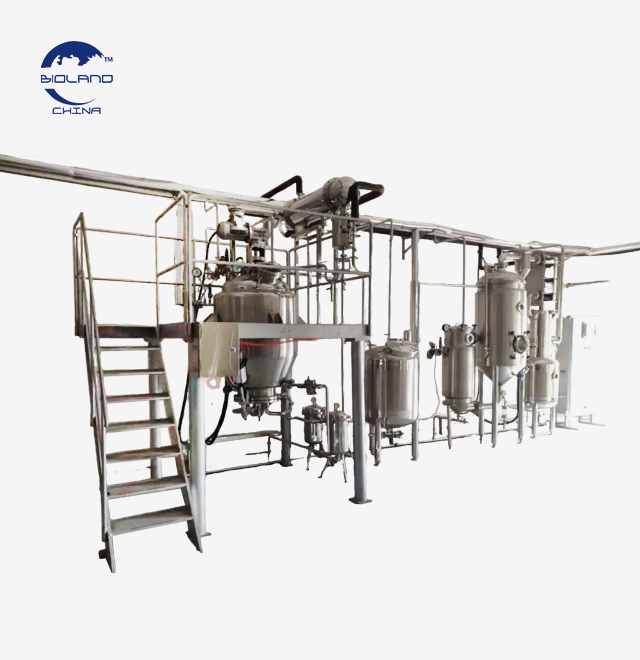
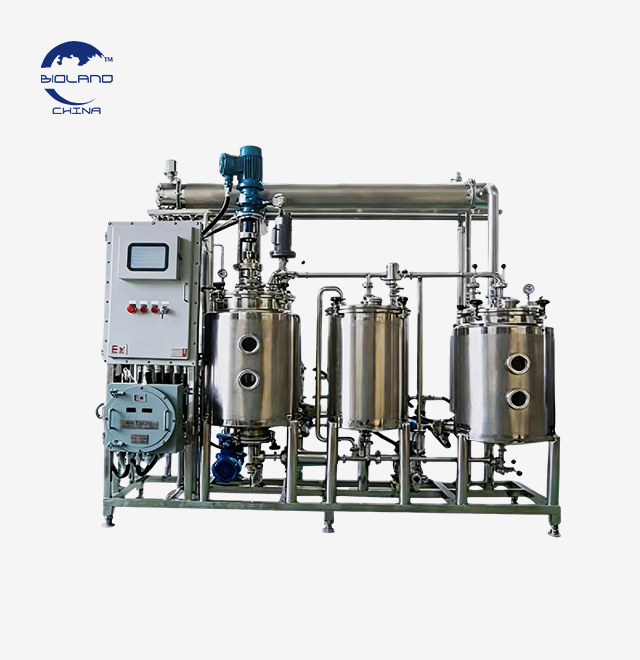
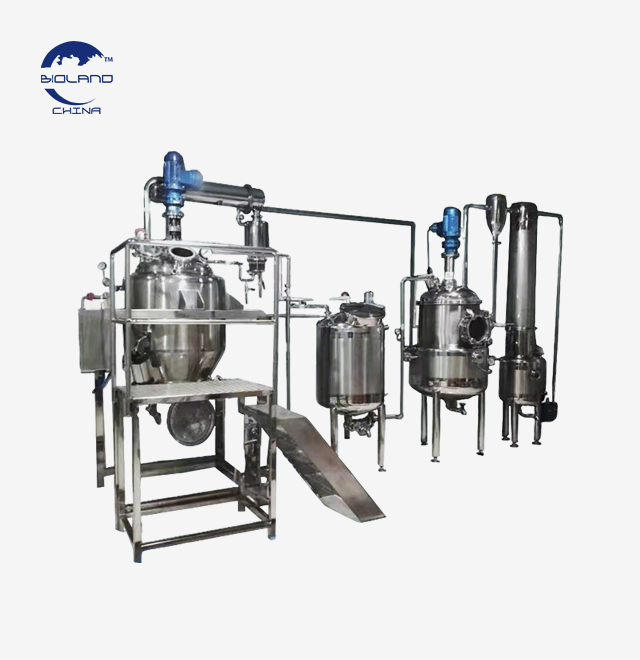
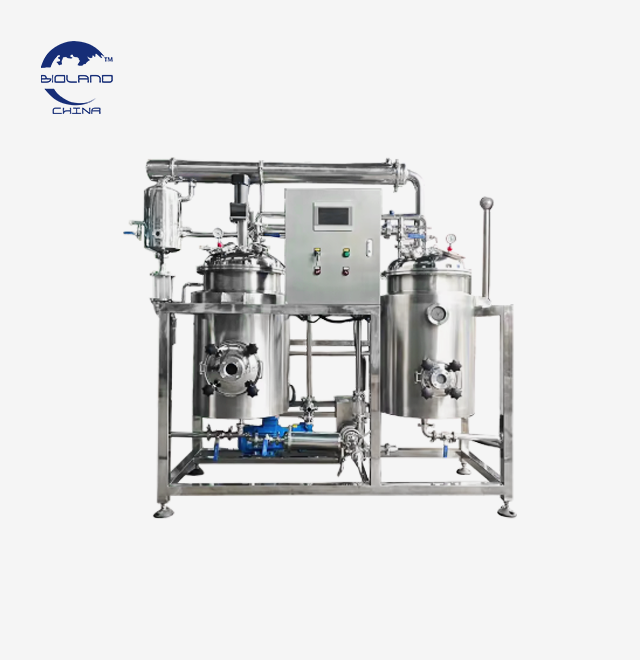
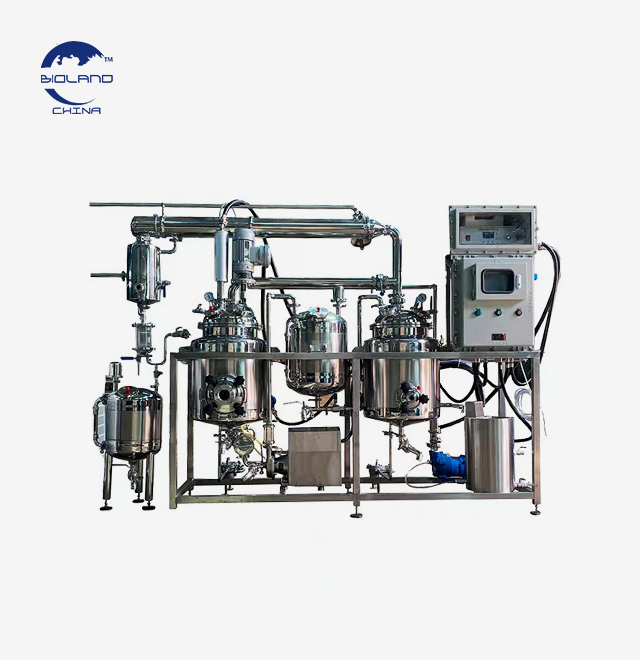
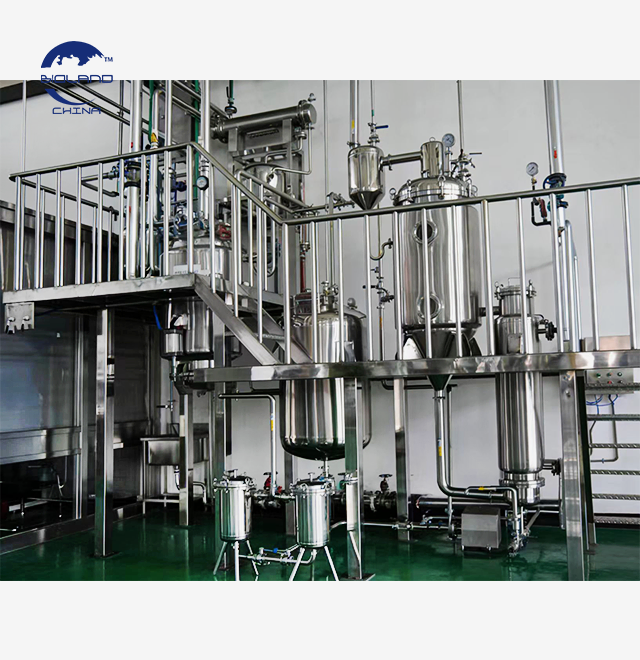
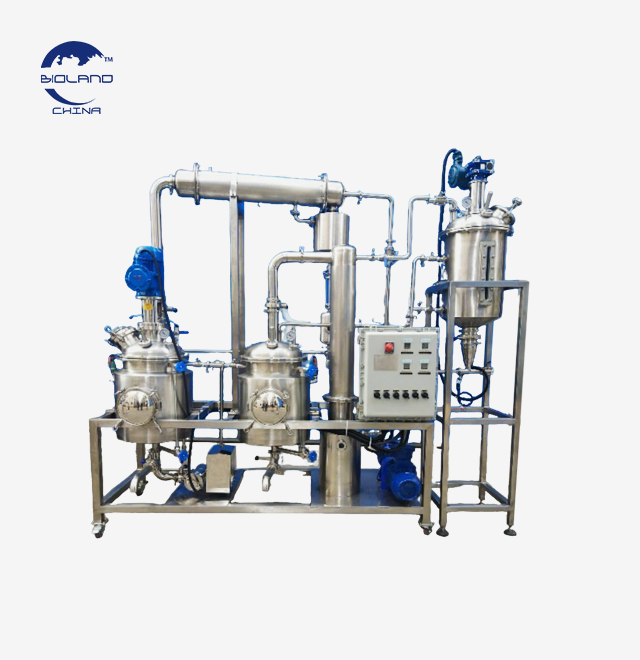
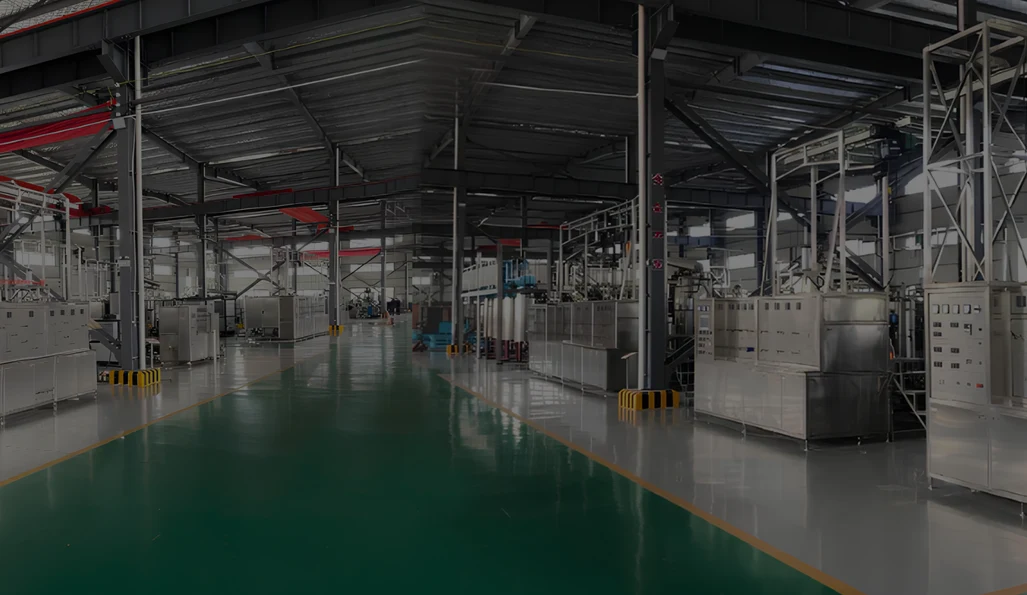
Ethanol extraction is a basic biotechnology method. Modern ethanol extraction systems improve the separation of compounds from different plant sources using solvents. An efficient ethanol extraction system uses exact temperature control, smart solvent management, and automatic recovery processes to get 50–100% more extraction efficiency than traditional methods. This detailed guide goes over the whole ethanol extraction process, from getting ready for the extraction to improving the final product. It shows how professional-grade ethanol extraction systems help companies in the pharmaceutical, nutraceutical, and specialty ingredient industries set up consistent, scalable extraction operations.
Pre-Extraction Stage: Material Preparation and Solvent Selection
Raw Material Evaluation and Processing
Successful ethanol extraction begins with systematic material preparation where botanical substrates undergo rigorous evaluation and standardization. An ethanol extraction system requires consistent feedstock quality, specific particle size distribution, and controlled moisture content to optimize solvent penetration and compound release. The ethanol extraction system's preprocessing capabilities enable integration of material washing, drying, and size reduction functions within unified extraction platforms.
A traditional medicine processor implementing comprehensive material characterization protocols achieved standardized extraction results across 15 different medicinal plant varieties, improving extraction consistency from 73% to 91% through controlled preprocessing using dedicated ethanol extraction system preparation modules.
Solvent Selection and Ethanol Optimization Strategy
Ethanol solvent selection fundamentally determines extraction selectivity, efficiency, and final product purity within professional ethanol extraction systems. Optimal ethanol concentrations (typically 50-95% depending on target compounds) require validation through small-scale preliminary testing before full-scale production deployment. Anethanol extraction system enables graduated solvent concentration adjustment during extraction cycles, where initial low-polarity phases capture lipophilic compounds while subsequent high-ethanol concentrations target hydrophilic constituents.
A functional food manufacturer processing mixed botanical materials (ginseng, astragalus, goji berry) optimized solvent protocols using ethanol extraction system preliminary extraction trials, determining that 70% ethanol achieved maximum flavonoid recovery while minimizing chlorophyll co-extraction, improving extract purity from 62% to 89%.
Equipment Configuration and System Calibration
Professional ethanol extraction systems require comprehensive configuration including extraction vessel sizing, heating/cooling integration, vacuum regulation, and safety instrumentation calibration prior to production operations. The ethanol extraction system configuration process involves establishing operating temperature ranges (40-60°C optimal for most botanicals), vacuum parameters (-0.05 to -0.09 MPA recommended), and solvent recirculation rates matching specific botanical substrates.
A pharmaceutical extract manufacturer conducted systematic equipment calibration procedures using their 100L ethanol extraction system, establishing validated operating parameters achieving 94% extraction efficiency with less than 2% batch-to-batch variation, supporting FDA validation documentation requirements for commercial supplement manufacturing.
Core Extraction and Concentration Workflow
Real-Time Extraction Process Management
Active ethanol extraction operations require continuous monitoring of solvent distribution, temperature stability, and compound migration rates within the botanical substrate. Modern ethanol extraction systems incorporate PLC-based control architecture with real-time refractometry sensors monitoring solvent composition changes, automatically modulating extraction parameters to optimize compound release. The ethanol extraction system's automated management eliminates manual intervention during 24-40 minute extraction cycles, where new solvent continuously percolates through botanical material layers from upper to lower extraction vessel sections.
A tea processing facility implemented continuous monitoring protocols using their ethanol extraction system during 100L polyphenol extraction batches, achieving consistent 92% extraction efficiency (compared to 75% traditional steeping) with solvent consumption reductions exceeding 40%, completing daily production increases from 20kg to 60kg extract.
Integrated Concentration and Solvent Recovery
Concentration operations follow initial extraction, where secondary vapors generated during vacuum concentration pass through integrated condenser and cooler systems, creating condensate that returns to the extraction vessel as new solvent for recycled extraction cycles. This ethanol extraction system design feature eliminates external solvent purchases during multi-stage operations, dramatically reducing material costs while recovering volatile aromatic compounds that would otherwise be lost.
The ethanol extraction system's vapor recovery integration preserves thermolabile compounds through condensation at low temperatures, protecting polyphenols, essential oils, and alkaloids from thermal degradation. A specialty tea manufacturer adopting this recycled solvent approach within their 500L ethanol extraction system achieved 98% pure theaflavin extract (exceeding European quality standards), with aromatics preservation rates exceeding 85%, enabling product premium pricing increases of 20% based on superior sensory profile compared to conventionally extracted competitors.
Multi-Stage Sequential Extraction Methodology
Advanced ethanol extraction systems support sequential extraction protocols where exhausted botanical materials undergo repeated solvent exchange cycles, progressively extracting remaining constituent layers and achieving near-complete compound recovery. The ethanol extraction system enables automated sequential operation where valve sequencing controls direct newly concentrated solvent back through partially-extracted botanical beds, without requiring manual material transfer between extraction stages.
This multi-cycle capability within integrated ethanol extraction systems dramatically improves overall extraction yields while minimizing processing duration and solvent consumption per unit compound recovered. A ginseng processing enterprise implemented three-stage sequential extraction utilizing their ethanol extraction system, recovering 94% of total extractable compounds compared to 76% achievable through single-pass conventional extraction, enabling functional ingredient ingredient premiums supporting expanded Asian market distribution channels.
Advanced Automation and Quality Optimization
Intelligent System Control and Real-Time Monitoring
Contemporaryethanol extraction systems incorporate sophisticated PLC-based automation managing complex multi-parameter extraction optimization across extended processing cycles. The ethanol extraction system's closed-loop control continuously monitors internal temperature gradients, solvent composition through refractometry, and vacuum pressure, automatically adjusting ultrasonic frequency modulation, heating element intensity, and pump flow rates to maintain optimal extraction conditions.
Operators specify target extract parameters (desired compound concentration, processing timeframe, maximum thermal exposure), and the ethanol extraction system's automation achieves consistent results across repeated batch cycles. A botanical pharmaceutical manufacturer deploying advanced automation within their ethanol extraction system achieved identical extract composition across 180+ consecutive production batches, establishing supply relationships with three major pharmaceutical companies based on demonstrated process consistency and validated extraction protocols supporting regulatory submission documentation.
Temperature Management and Thermolabile Compound Protection
Optimal ethanol extraction operates at 40-60°C temperatures where ultrasonic cavitation mechanisms accelerate compound release without heat-dependent degradation pathways affecting sensitive bioactive constituents. The ethanol extraction system's precision temperature regulation protects polyphenols, anthocyanins, volatile essential oils, and alkaloids from oxidative and hydrolytic degradation occurring at elevated temperatures. This low-temperature operational advantage enables extraction of anthocyanins and curcuminoids previously requiring specialized extraction technologies, while reducing energy consumption by 35-50% compared to conventional heated-solvent extraction approaches.
A cosmetics ingredient supplier processing flower petals and plant leaves for natural pigment extraction achieved 94% anthocyanin preservation using their ethanol extraction system at 45°C operation, compared to 62% retention through traditional hot-water extraction, successfully launching premium natural colorant ingredients commanding double traditional extract pricing.
Post-Processing Refinement and Quality Validation
Following completion of extraction and concentration operations, ethanol extraction systems enable final refinement stages including precipitation, filtration, and solvent removal procedures optimizing extract quality and stability. The ethanol extraction system design incorporates integrated filtration capabilities and secondary concentration stages enabling direct production of finished-product-specification extract formulations without requiring external processing equipment.
Post-extraction quality validation procedures supported by ethanol extraction system documentation systems provide comprehensive batch traceability including extraction parameters, solvent composition profiles, temperature curves, and yield calculations supporting regulatory compliance and customer validation requirements. A nutraceutical manufacturer implementing comprehensive post-processing protocols within their ethanol extraction system achieved consistent extract stability exceeding 24 months shelf-life storage, enabling direct international distribution without requiring additional preservation treatments or stabilizing additives.
Conclusion
The ethanol extraction procedure represents a systematized workflow integrating material preparation, optimized solvent selection, intelligent extraction management, integrated concentration, and quality refinement stages. Contemporary ethanol extraction systems deliver 50-500% efficiency improvements, 75% processing time reductions, and superior product quality preservation compared to traditional botanical extraction methodologies. The combination of advanced automation, precise temperature management, integrated solvent recovery, and comprehensive system validation positions modern ethanol extraction systems as essential infrastructure for organizations competing in regulated markets where extraction consistency, product quality, and operational efficiency determine commercial viability.
FAQ
Q1: How does ethanol extraction system automation ensure consistent results across multiple batches?
PLC-based control systems continuously monitor temperature, solvent composition via refractometry, and vacuum pressure in real-time. Operators specify target parameters, and automated systems adjust extraction conditions throughout processing cycles, eliminating operator-dependent variability and achieving batch-to-batch consistency impossible with manual methods.
Q2: What solvent recovery mechanisms does ethanol extraction system incorporate?
Secondary vapors generated during concentration pass through integrated condensers and coolers, creating condensate that returns to extraction vessels as new solvent for recycled extraction cycles. This integration eliminates external solvent purchases during multi-stage operations while preserving volatile aromatic compounds through low-temperature condensation processes.
Q3: Why do ethanol extraction systems operate at 40-60°C rather than higher temperatures?
Low-temperature operation protects thermolabile compounds (polyphenols, anthocyanins, volatile oils) from oxidative and hydrolytic degradation occurring at elevated temperatures. This approach preserves compound bioavailability while reducing energy consumption 35-50% compared to heated-solvent extraction, enabling extraction of previously difficult-to-isolate sensitive constituents.
Q4: How can ethanol extraction systems achieve 50-500% efficiency improvements over traditional methods?
Ultrasonic cavitation creates microscopic bubble collapse at plant cell interfaces, mechanically disrupting cell walls and accelerating compound release without requiring elevated temperatures. Integrated solvent recycling enables sequential multi-stage extraction completing within 24-40 minutes versus 6-12 hours for traditional protocols, while precise parameter management ensures optimal extraction conditions throughout processing cycles.
Q5: What quality assurance capabilities does ethanol extraction system documentation provide?
Integrated monitoring systems record extraction parameters, solvent composition profiles, temperature curves, and yield calculations providing comprehensive batch traceability. This documentation supports regulatory compliance requirements and customer validation procedures essential for pharmaceutical and functional food manufacturing applications requiring GMP-standard evidence of extraction consistency.
Transform Your Extraction Operations with Bioland Instrument Solutions
Bioland Instrument has been making ethanol extraction systems for more than 15 years and combines ultrasonic technology with proven production quality. Our ethanol extraction systems have helped pharmaceutical companies, plant processors, and nutrition makers around the world improve the efficiency of extraction by 50 to 500% while maintaining consistent product quality and following all regulations. Bioland Instrument is different from other companies that just sell tools because they offer full solutions. They have ISO and CE-certified manufacturing, GMP-compliant systems, professional R&D support, and devoted experts who watch over production and record it every week. Rapid customization through OEM/ODM services has wait times of 30 business days for special setups and 5-7 days for standard equipment.
We're committed to you even after the product has been delivered. One-year quality insurance, lifetime maintenance support, and extra Factory Acceptance Testing (FAT) make sure that the product works perfectly and is fully integrated. Bioland Instrument gives your company the tools, knowledge, and support it needs to grow its output, improve its extraction methods, or enter controlled markets. Contact our technical team at info@biolandequip.com to discuss your specific extraction requirements and discover how we've transformed production capabilities for leading organizations globally.
References
1. King, J.W., & List, G.R. (2004). Supercritical fluid extraction of lipids from food materials and optimization of extraction parameters. Journal of the American Oil Chemists' Society, 81(2), 141-146.
2. Chemat, F., Rombaut, N., Sicaire, A.G., Meullemiestre, A., Fabiano-Tixier, A.S., & Abert-Vian, M. (2017). Ultrasound assisted extraction of plant bioactives: methods, applications, and environmental considerations. International Journal of Molecular Sciences, 18(10), 2157-2195.
3. Hemwimon, S., Pavasant, P., & Shotipruk, A. (2007). Microwave-assisted extraction of anthraquinones from roots of Morinda citrifolia: Process optimization and quality evaluation. Journal of Chromatography A, 1143(1-2), 282-290.
4. Albuquerque, B.R., Heleno, S.A., Oliveira, R.B., Nunes, M.A., & Ferreira, I.C.F.R. (2021). Phenolic compounds and their bioavailability in plant-based foods and beverages. Comprehensive Reviews in Food Science and Food Safety, 19(2), 1819-1851.
5. Kaufmann, B., & Christen, P. (2018). Recent extraction techniques for natural products: microwave-assisted, pressurized solvent, and ultrasound-assisted extraction. Phytochemical Analysis, 13(2), 105-113.
The reactor is beautifully mirror-polished and fully complies with GMP requirements for the pharmaceutical industry. The performance is excellent! Overall, we are very satisfied! We also provided with some feedback on our process improvements, which we hope will be helpful.
2024-04-09
Laboratory
Excellent and professional service. Always reply our questions very fast. All reactors and chiller we received are good too.
2024-02-15
Research Institute
Quality is beyond our expectation actually. After we got the extraction equipment and started using it, the performance was beyond our expectation. Very easy to use and very efficient to run. Service always respond us very quickly. Was also very helpful to help us. Thanks Bioland team. Very happy to work with you.
2023-11-20
Biotech Company
We are happy about the new purchase as always. Equipment and services are both good.
2023-08-05
Instrument Lab
This is the second order with Bioland instrument and everything is good as the first dateText.
2023-05-12
Global Trading Partner
Bioland instrument team is very helpful and professional. The sales helped us select the right equipment for our application, and their logistics people handled the transportation and customs declaration for our shipment. All that saved us a lot of work.