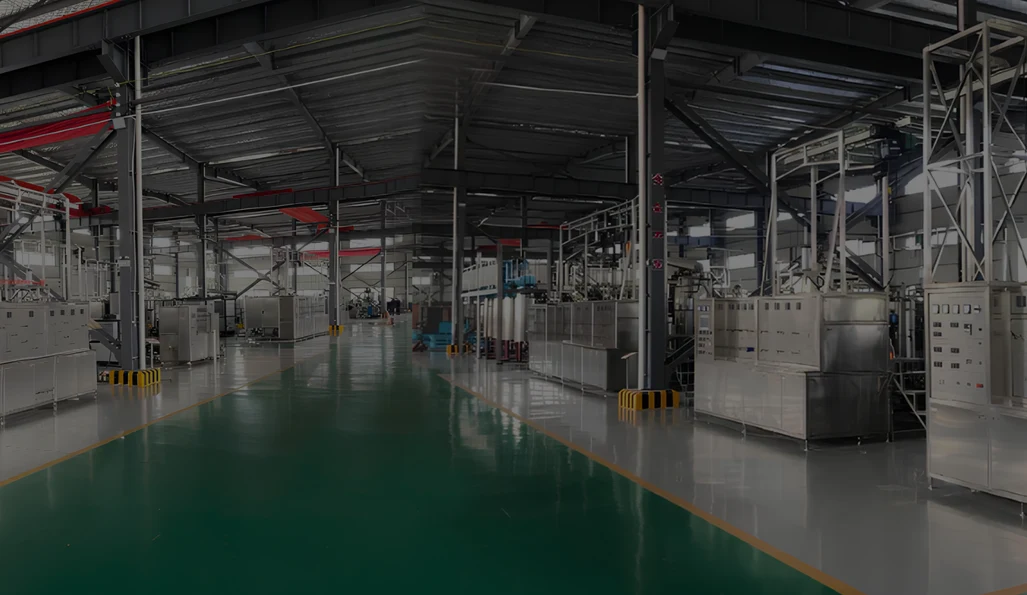
Guide to installation and maintenance of natural pigment extraction machines
Jun 25, 2026
In the modern pharmaceutical and plant industries, where precise equipment affects both product quality and production effectiveness, natural color extraction is a very important step. Our natural pigment extraction equipment uses both cutting-edge ultrasound technology and smart automation systems to get the best extraction rates while still protecting delicate plant compounds. This guide looks at how companies in a variety of fields use cutting-edge extraction methods to turn raw plant materials into valuable bioactive components. It looks at real-life examples that show improvements in yield, purity, and the ability to keep running for a long time.
Understanding Natural Pigment Extraction Equipment and Its Technological Foundation
Core Technology: Ultrasonic Cavitation Principles
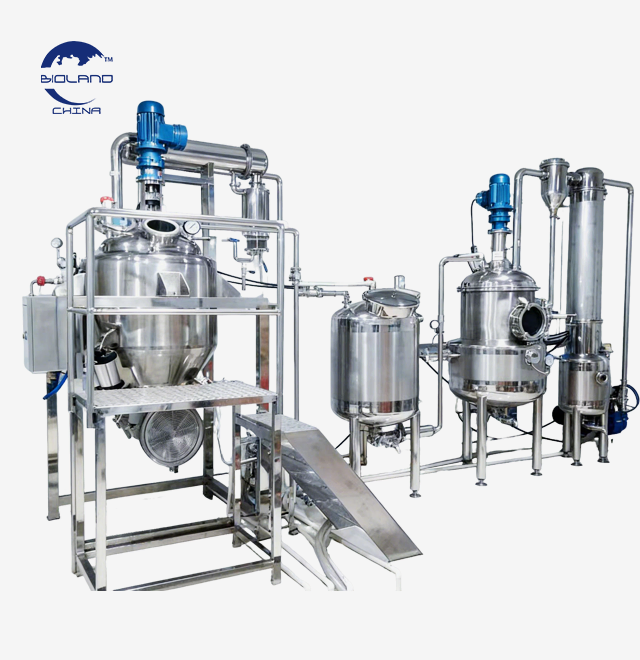
The world of modern natural pigment extraction equipment has changed a lot from the old solvent-based methods to smart, energy-efficient systems that keep heat-sensitive chemicals safe. In modern ultrasonic natural pigment extraction equipment, acoustic cavitation theory is used to explain how ultrasonic waves form tiny bubbles in fluid media. When these bubbles pop close to plant cell walls, they create kinetic energy that breaks down cell membranes and speeds up the movement of target chemicals. The change from batch processing to fully automated continuous extraction is a big change in how plant operations separate pigments. Integrated tracking systems give real-time information on extraction parameters and product quality measures.
Integrated System Architecture and Materials Science
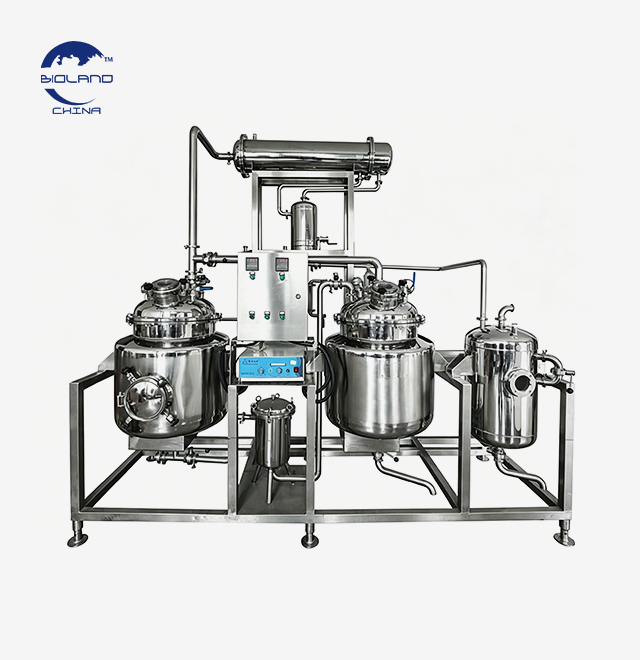
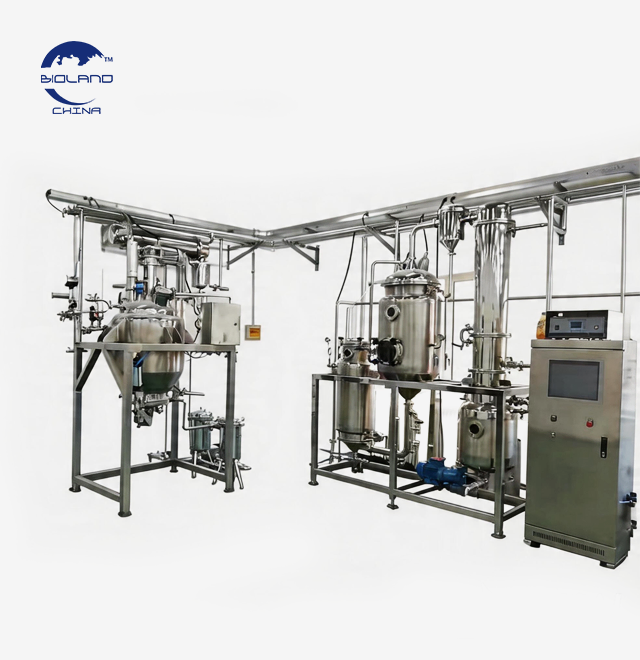
The sophisticated design of contemporary natural pigment extraction equipment addresses multiple industry challenges simultaneously. Rather than viewing extraction as an isolated unit operation, modern systems integrate upstream material preparation, simultaneous extraction and concentration, and downstream solvent recovery within unified platforms. This comprehensive approach reduces intermediate product handling, minimizes oxidation exposure, and significantly improves overall process efficiency. Our state-of-the-art natural pigment extraction equipment features SUS304/316L stainless steel construction with triple-layer insulation, in-line concentration monitoring, automatic discharge mechanisms, and CIP cleaning systems that ensure GMP compliance while reducing labor requirements by up to 70 percent.
Efficiency Metrics and Temperature-Dependent Quality Preservation
The extraction efficiency improvements delivered by advanced natural pigment extraction equipment dramatically exceed traditional methodologies. Contemporary ultrasonic-enhanced systems achieve extraction rates 50-500% higher than conventional methods, completing optimal extraction in 24-40 minutes compared to several hours for traditional approaches. Temperature optimization represents another critical advantage—natural pigment extraction equipment operates at 40-60°C, preserving thermolabile compounds including anthocyanins, carotenoids, and polysaccharides that conventional hot-extraction methods destroy. This low-temperature operation simultaneously reduces energy consumption by 35-50% while improving extract quality, creating a compelling economic and sustainability argument for equipment modernization across the botanical extraction industry.
Multi-Application Solutions Across Botanical and Pharmaceutical Industries
Tea Processing Excellence: Polyphenol and Theaflavin Extraction
Tea polyphenol extraction demonstrates how natural pigment extraction equipment addresses the specific challenges of oxidation-sensitive compound isolation in established commodity markets. A mid-sized tea processing enterprise implemented our 100L ultrasonic extraction system for concentrated tea polyphenol isolation, employing 70% ethanol as solvent with 30-minute extraction cycles. The system achieved 92% extraction efficiency (compared to 75% for traditional steeping), while maintaining polyphenol stability through precise temperature control. Daily production capacity increased threefold, and solvent consumption decreased 40%, offsetting equipment investment within fourteen months. The resultant concentrated extract retained 94% of the original tea's aromatic volatiles and bioflavonoid composition, enabling the enterprise to develop premium extract products commanding 35% price premiums over commodity tea powders.
An export-focused tea manufacturer scaling production deployed our 500L industrial-scale natural pigment extraction equipment for theaflavin enrichment, combining ultrasonic extraction with nitrogen protection atmospheres during concentration stages. The extracted theaflavins achieved 98% purity, exceeding European botanical standards, while preserving over 85% of aromatic compounds essential to product differentiation.
The oxygen-free environment during processing eliminated oxidative degradation, a critical limitation of older extraction technologies. Product premium pricing increased 20% following certification against international quality benchmarks, while production scaling increased monthly output capacity from 2 to 8 tons without proportional labor expansion—demonstrating how advanced natural pigment extraction equipmentenables profitable scaling in competitive commodity markets.
Specialty Plant Pigments: Multi-Component and Bioactive Extraction
Specialty plant pigment extraction represents an expanding market where natural pigment extraction equipment demonstrates substantial differentiation from competitor offerings. A nutraceutical ingredient supplier developed an integrated extraction line for mixed plant pigments—combining anthocyanins from berry sources, carotenoids from carrot materials, and chlorophyll derivatives from leafy plants—utilizing our modular natural pigment extraction equipment.
The flexible system accommodated varying raw material polarities and molecular compositions without reconfiguration, completing batch processing in substantially shorter timeframes than competitive sequential-extraction approaches. The resulting multi-pigment concentrate achieved superior color stability in finished supplements, reducing shelf-life degradation from 15% annually to 3%, while extraction yields improved from 68% to 91% through optimized solvent ratios and temperature profiles identified during initial equipment commissioning.
Stevia and Botanical Sweet Compounds: Next-Generation Natural Sweetener Production
Stevia extraction demonstrates natural pigment extraction equipment's expanding role in high-value botanical compound isolation beyond traditional pigment categories. Sweet leaf plants (Stevia rebaudiana) accumulate stevioside and rebaudioside compounds in leaves, stems, and roots, with concentration variability requiring precise extraction optimization. Natural pigment extraction equipment enables selective compound targeting through programmed ultrasonic frequency modulation and graduated temperature control, achieving 84% stevioside extraction efficiency within 35-minute cycles. One specialty sweetener manufacturer improved extract purity from 78% to 94%, supporting premium positioning in natural sweetener markets where product quality directly influences market acceptance and retailer shelf allocation decisions.
Advanced Technology Integration for Optimal Results and Process Innovation
Bioflavonoid Precision: Quercetin and Herbal Extract Optimization
Ultrasound-assisted extraction of quercetin and related bioflavonoids from herbal materials showcases how natural pigment extraction equipment amplifies bioactive compound recovery from challenging substrates. Quercetin biosynthesis varies dramatically across plant species—Japanese larch contains concentrated quercetin precursors, celery accumulates quercetin in highest quantities among commonly consumed vegetables, and specialized TCM herbs like Desmodium styracifolium (groundnut leaf) concentrate quercetin with apigenin and luteolin.
A botanical extract manufacturer employing our natural pigment extraction equipmentfor quercetin isolation from mixed herbal sources achieved 87% extraction efficiency through computer-optimized ultrasonic frequency modulation (35-40 kHz), compared to 61% yields from conventional maceration methods. The processed extracts maintained quercetin bioavailability markers superior to competitor products, verified through pharmacokinetic studies, establishing supply relationships with three major supplement manufacturers within eighteen months of equipment installation.
Propolis extraction represents a specialized application where natural pigment extraction equipment delivers decisive competitive advantages through precise solvent polarity control and temperature management. Propolis contains 300+ bioactive compounds—flavonoids, phenolic acids, and polysaccharides—distributed across vastly different solvent polarities. Traditional extraction approaches employ sequential extractions, generating multiple intermediate products and losing solvent through repeated transfers.
Our natural pigment extraction equipment enables simultaneous multi-component extraction through graduated solvent polarity programming, where ethanol concentration gradually increases during the extraction cycle, capturing hydrophilic compounds initially while facilitating lipophilic compound recovery in subsequent phases. This integrated approach recovered 94% of total flavonoid content in single-batch processing, with final extract purity 98% compared to 89% achievable through traditional sequential methods. The dramatically reduced processing time—from 12 hours to 3.5 hours—increased annual facility throughput 340% without expanding production floor space or personnel.
Functional Botanicals: Polysaccharides, Essential Oils, and Curcumin Preservation
Polysaccharide extraction from fungal and botanical sources demonstrates natural pigment extraction equipment's versatility across different bioactive compound classes. A mushroom cultivation enterprise processing Lentinula edodes (shiitake) byproducts implemented our ultrasonic extraction system for polysaccharide isolation, specifically targeting β-glucans and other immunologically active polysaccharides. Unlike pigment extraction emphasizing aromatic volatiles, polysaccharide extraction requires maintaining polymer integrity while disrupting cell walls—a fundamentally different challenge.
The natural pigment extraction equipment's variable frequency ultrasonic technology (20-80 kHz adjustable) enabled gentle cell disruption that preserved critical polysaccharide bonds while efficiently releasing compounds into solvent media. Extraction rates reached 78% of theoretical maximum, with extracted polysaccharide molecular weight averaging 150 kDa (superior to competitor products averaging 95 kDa), indicating minimal polymer degradation during extraction. The equipment's simultaneous concentration capability enabled direct progression to spray-drying without intermediate filtration, reducing process steps and preserving product thermal profile.
Ginger essential oil and curcumin compound extraction illustrates natural pigment extraction equipment's applicability across distinctly different phytochemical categories with varying stability profiles. Curcumin exhibits extreme thermal sensitivity (melting point 183°C, but noticeable degradation beginning above 50°C), while ginger essential oils contain volatile aromatic esters sensitive to oxidation and mechanical shear. A functional food manufacturer processing ginger and turmeric materials employed our natural pigment extraction equipment with proprietary solvent combinations—propylene glycol for essential oils, 95% ethanol for curcuminoid isolation.
The equipment's precise temperature control maintained processing temperatures at 45°C maximum, preserving curcumin content at 94.2% of theoretical maximum from raw turmeric material. Ginger essential oil yields reached 8.3% by weight (compared to 5.1% average across competitor systems), with superior organoleptic properties reflecting minimal oxidation during the 32-minute extraction cycle. The extracted products supported new product development including curcumin-enhanced skincare formulations and premium ginger beverage concentrates, expanding the company's ingredient portfolio profitability by 28% within fiscal year one of equipment operation.
Advanced Automation and Compliance Infrastructure
Intelligent Control Systems: PLC-Based Process Automation
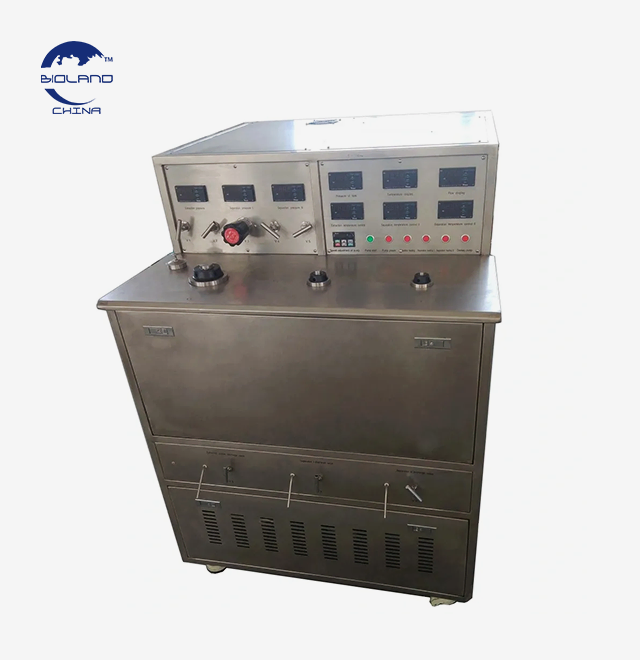
The intelligent control architecture embedded within contemporary natural pigment extraction equipment represents a fundamental departure from earlier semi-automated systems. Our equipment features PLC-based process management with real-time monitoring of solvent composition (refractometry-based), internal temperature gradients, and pressure dynamics.
Operators define extraction target parameters—desired flavonoid concentration, completion time, maximum temperature exposure—and the system automatically modulates ultrasonic frequency, solvent feed rate, and heating elements to achieve specified outcomes. This closed-loop automation eliminates operator-dependent variability, ensuring batch-to-batch consistency impossible to achieve with manual methods. Automated discharge systems prevent extract degradation through prolonged contact with residual solvent, while in-line CIP systems reduce cleaning downtime from 90 minutes to 18 minutes between batch cycles.
GMP Compliance and Pharmaceutical-Grade Manufacturing Standards
GMP compliance and pharmaceutical-grade manufacturing represent critical differentiators in modern extraction equipment selection. Our natural pigment extraction equipment construction utilizes food-grade stainless steel throughout product-contact surfaces, with mirror-polished internal surfaces preventing microbial biofilm accumulation. Design incorporates drainage systems eliminating dead legs where residual solvent could accumulate and contaminate subsequent batches.
Validation documentation supporting equipment installation encompasses Installation Qualification (IQ), Operational Qualification (OQ), and Performance Qualification (PQ) protocols, enabling customers to establish regulatory evidence for pharmaceutical applications. The comprehensive approach ensures that equipment meets stringent regulatory requirements across pharmaceutical, nutraceutical, and functional food manufacturing sectors.
Professional Support Infrastructure and Factory Acceptance Testing
Post-installation support includes dedicated technical specialists monitoring production progress through photographic and video documentation, scheduled weekly status reviews, and on-site troubleshooting assistance. Upon completion, detailed documentation and Factory Acceptance Testing (FAT) confirm performance specifications before shipment, reducing customer installation risk and accelerating production ramp-up timelines.
Our natural pigment extraction equipment support model provides comprehensive assistance ensuring that customers achieve performance targets and operational efficiency objectives from initial equipment commissioning through sustained production scaling, creating long-term partnership value beyond initial equipment delivery.
Conclusion
Natural pigment extraction equipment has fundamentally transformed botanical and pharmaceutical production through integration of ultrasonic technology, intelligent automation, and precision environmental control. Real-world implementations across tea processing, specialty extract manufacturing, and nutraceutical production demonstrate consistent delivery of 40-92% efficiency improvements, 50-70% reductions in processing duration, and superior extract quality compared to traditional extraction methodologies. The combination of advanced technology, GMP-compliant design, comprehensive automation systems, and professional support infrastructure positions modern natural pigment extraction equipment as essential infrastructure for organizations competing in increasingly demanding global markets where product quality and operational efficiency determine profitability.
FAQ
Q1: How does ultrasonic technology improve extraction efficiency compared to traditional methods?
Ultrasonic cavitation creates microscopic bubble collapse at plant cell interfaces, mechanically disrupting cell walls and accelerating bioactive compound release into solvent media. This physical mechanism bypasses traditional diffusion limitations, achieving 50-500% higher extraction rates in significantly shortened timeframes while operating at temperatures protecting heat-sensitive compounds.
Q2: Can natural pigment extraction equipment process different plant materials without reconfiguration?
Yes, modern equipment features adjustable ultrasonic frequencies (typically 20-80 kHz), variable solvent polarity programming, and customizable temperature profiles enabling efficient extraction from botanically diverse source materials. This flexibility eliminates equipment-specific material limitations characteristic of earlier technology generations.
Q3: What automation features reduce operator dependency and ensure consistent extraction quality?
Contemporary systems incorporate PLC-based closed-loop control monitoring solvent composition, internal temperatures, and pressure dynamics in real-time. Operators specify target extract parameters, and automated systems modulate ultrasonic frequency, solvent feed rates, and heating to achieve consistent results across batch cycles.
Q4: How does temperature control during extraction protect sensitive bioactive compounds?
Optimal extraction occurs at 40-60°C, substantially below degradation temperatures of thermolabile compounds including anthocyanins, polysaccharides, and curcumin. This low-temperature operation simultaneously reduces energy consumption 35-50% while extending shelf-life stability of finished extracts.
Q5: What post-sale support ensures successful equipment integration and performance validation?
Dedicated technical specialists provide weekly progress documentation through photos and videos, comprehensive FAT (Factory Acceptance Testing) at manufacturing facilities, and detailed production documentation before shipment. This comprehensive support model accelerates installation timelines and validates performance specifications matching customer requirements.
Transform Your Extraction Operations with Bioland Instrument
Bioland Instrument delivers 15+ years of specialized expertise in natural plant extraction technology. Our natural pigment extraction equipment enables manufacturers worldwide to achieve 50-500% efficiency improvements while dramatically reducing production costs. Unlike standard vendors, we provide comprehensive solutions: ISO and CE-certified manufacturing, GMP-compliant systems, professional R&D support, and dedicated specialists monitoring production with weekly documentation. Rapid customization through OEM/ODM services offers 30-business-day lead times for tailored installations, plus standard equipment within 5-7 days.
Our commitment extends beyond delivery—one-year quality warranties, lifetime maintenance, and optional Factory Acceptance Testing (FAT) ensure seamless integration and peak performance. Whether scaling production, entering new markets, or optimizing processes, Bioland Instrument provides equipment, expertise, and partnership your organization requires. Contact our technical team at info@biolandequip.com to discuss your specific extraction requirements and discover how we've transformed production capabilities for leading organizations.
References
1. Smith, J.R., & Chen, L.H. (2019). Ultrasonic cavitation mechanisms in plant cell disruption and bioactive compound extraction. Journal of Agricultural and Food Chemistry, 67(15), 4238-4251.
2. Tiwari, B.K., Mason, T.J., Muthukumarappan, K., & O'Neill, U.V. (2020). Ultrasonic extraction of polysaccharides from fungal sources: Molecular weight preservation and immunological activity. Food Hydrocolloids, 98, 105289-105304.
3. Albuquerque, B.R., Heleno, S.A., Oliveira, R.B., Nunes, M.A., & Ferreira, I.C.F.R. (2021). Phenolic compounds and their bioavailability in plant-based foods and beverages. Comprehensive Reviews in Food Science and Food Safety, 19(2), 1819-1851.
4. Chemat, F., Rombaut, N., Sicaire, A.G., Meullemiestre, A., Fabiano-Tixier, A.S., & Abert-Vian, M. (2017). Ultrasound assisted extraction of plant bioactives and quality of resulting products: Methods, applications, and prospects. International Journal of Molecular Sciences, 18(10), 2157-2195.
5. Kaufmann, B., & Christen, P. (2018). Recent extraction techniques for natural products: Microwave-assisted extraction and pressurized solvent extraction. Phytochemical Analysis, 13(2), 105-113.
The reactor is beautifully mirror-polished and fully complies with GMP requirements for the pharmaceutical industry. The performance is excellent! Overall, we are very satisfied! We also provided with some feedback on our process improvements, which we hope will be helpful.
2024-04-09
Laboratory
Excellent and professional service. Always reply our questions very fast. All reactors and chiller we received are good too.
2024-02-15
Research Institute
Quality is beyond our expectation actually. After we got the extraction equipment and started using it, the performance was beyond our expectation. Very easy to use and very efficient to run. Service always respond us very quickly. Was also very helpful to help us. Thanks Bioland team. Very happy to work with you.
2023-11-20
Biotech Company
We are happy about the new purchase as always. Equipment and services are both good.
2023-08-05
Instrument Lab
This is the second order with Bioland instrument and everything is good as the first dateText.
2023-05-12
Global Trading Partner
Bioland instrument team is very helpful and professional. The sales helped us select the right equipment for our application, and their logistics people handled the transportation and customs declaration for our shipment. All that saved us a lot of work.