Why Use Ultrasonic-Assisted Extraction for Cannabis?
Jun 23, 2026
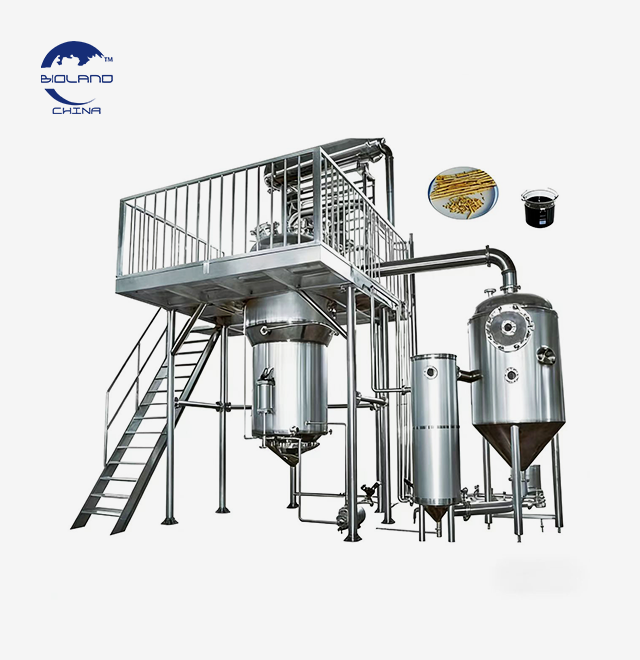
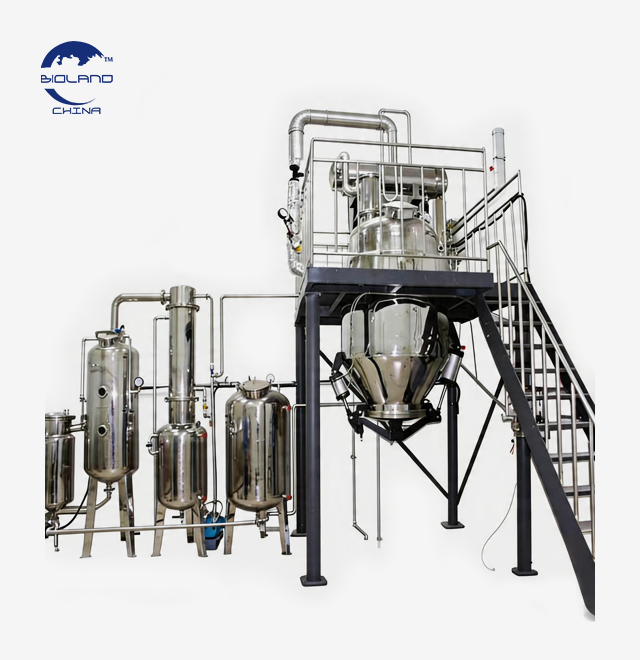
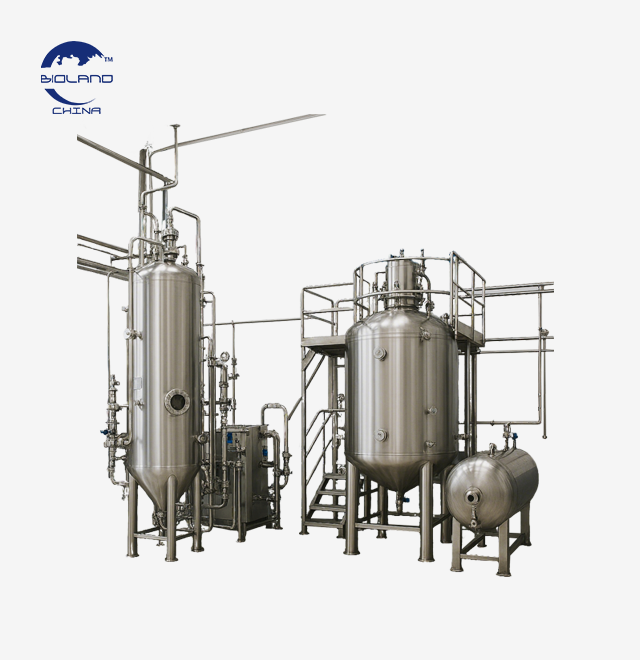
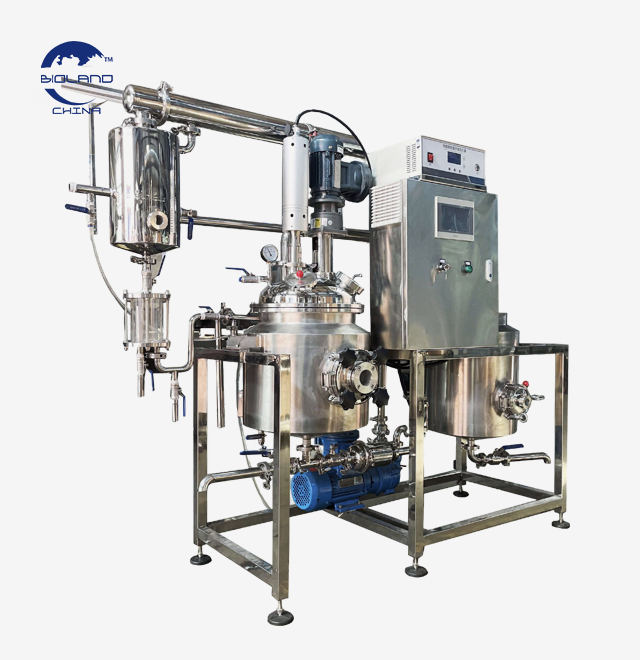
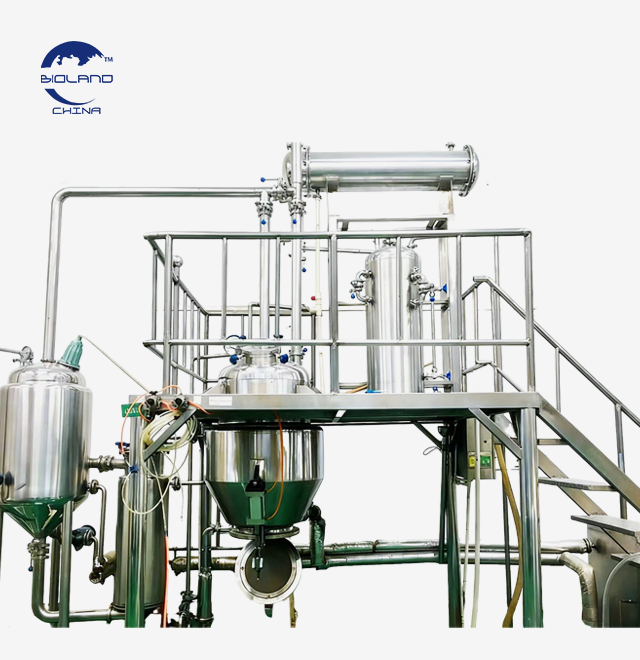
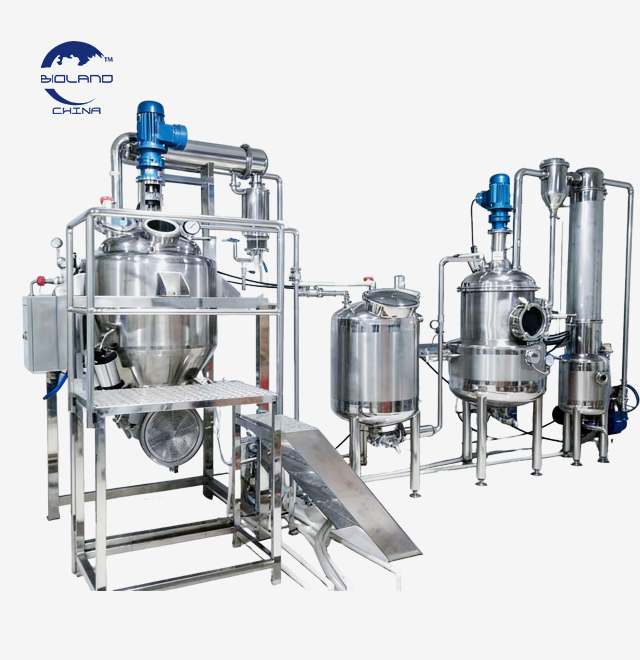
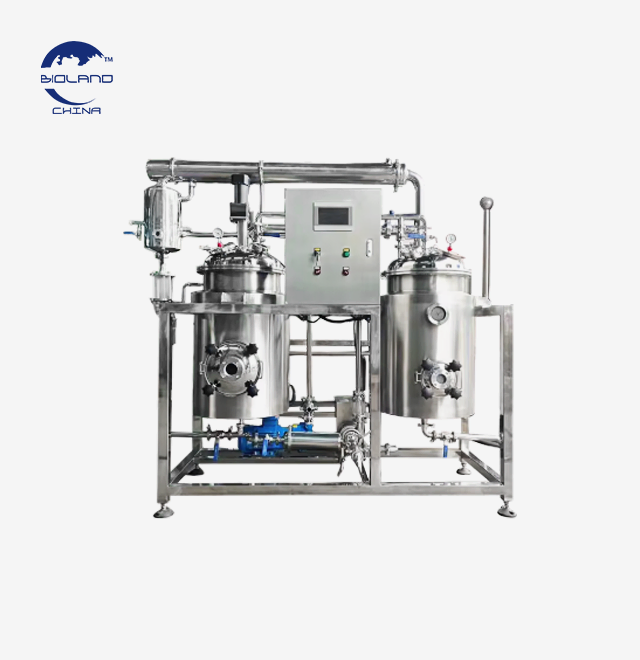
Ultrasonic herbal extraction equipment is becoming more and more popular among cannabis makers who want higher yields, better product quality, and quicker production processes. In this cutting-edge technology, high-frequency sound waves are used to create acoustic cavitation, which pops tiny bubbles inside a chemical medium. These implosions create strong localized pressure and temperature spikes that instantly break down the cell walls of cannabis plants, releasing cannabinoids, terpenes, and flavonoids in a very efficient way.
Ultrasonic herbal extraction equipment can remove substances in 24 to 40 minutes, while traditional methods like maceration or percolation take hours or days to work. This is because they don't damage chemicals that are sensitive to heat. This revolutionary method solves important problems in the industry, like slow output, uneven product quality, and heavy solvent use.
Ultrasonic-assisted extraction (UAE) increases extraction efficiency of solvents and when applied to Cannabis spp. biomass it reduces the time required for extraction. This decreases the cost and potential cannabinoid loss due to degradation. Additionally, UAE is considered a green method due to low solvent use.
Understanding Ultrasonic Extraction Technology for Cannabis
Acoustic cavitation is at the heart of the science behind ultrasonic herbal extraction equipment. When ultrasonic sounds go through a liquid solvent that has cannabis biomass in it, they make loops of high and low pressure. During times of low pressure, tiny gas bubbles form and grow very quickly. When these bubbles get to a certain size, they burst with a lot of force during the high-pressure phase. This creates conditions that are higher than 1,000 atmospheres and sends tiny jets through plant cell structures.
How Cavitation Enhances Cannabinoid Recovery
This mechanical disruption is very different from ways that use heat to remove materials. Traditional methods use heat and time to break down chemicals slowly. This process often breaks down thermolabile cannabinoids like THCA and fragile monoterpenes. Cavitation breaks down cell walls physically instead of thermally, which lets extraction happen at controlled temperatures between 40°C and 60°C. This temperature range keeps the molecular structure of chemicals that are sensitive while speeding up mass transfer from the plant material to the extraction solvent by a huge amount.
Technical Parameters That Define Performance
Modern ultrasonic herbal extraction equipments work at frequencies between 20 and 28 kHz and have loudness sets that can be changed to change how strong the cavitation is. Piezoelectric ceramic sensors take electrical energy and turn it into mechanical vibration. They send this vibration energy through titanium metal sonotrodes that are made to be resistant to chemicals and strong over time. Specific energy input, which is measured in watt-seconds per liter, can be fine-tuned to work with different types of cannabis and the chemical profiles that are wanted. This makes it possible to get the same results from batch to batch of production.
Ultrasound-Assisted Extraction of Cannabidiolic Acid (CBDA) from Cannabis
Ultrasonic herbal extraction equipmentis a technology that utilizes the cavitation effect of ultrasound to accelerate solvent penetration and improve the extraction efficiency of target components. Compared with traditional methods, it has the advantages of high efficiency, energy saving, and environmental protection when extracting active ingredients such as cannabidiol acid (CBDA) from hemp.
Basic extraction steps
With Fried Dough Twists flower or stem as raw material, the core process is: raw material pretreatment (crushing and drying) → solvent selection (commonly used methanol, propylene glycol, olive oil, etc.) → ultrasonic assisted extraction (control power, frequency, time) → solid-liquid separation → solvent recovery/product purification.
For example, when extracting active ingredients from hemp stems, propylene glycol aqueous solution can be used as a green solvent to achieve the enrichment of CBDA and other phenolic and flavonoid components by optimizing parameters such as ultrasound power and liquid to material ratio.
Comparison between technological advantages and traditional methods
Ultrasonic treatment can shorten the extraction time. For example, in the preparation of medicinal hemp oil, ultrasonic method only takes 10 minutes to complete the extraction, while traditional hot soaking method takes several hours, and the content of CBD, THC and other components extracted by both methods is equivalent.
Low temperature ultrasound environment can reduce the degradation of thermosensitive components (such as CBDA) and avoid the activity loss caused by traditional heating extraction.Prioritize the use of low toxicity solvents such as methanol and propylene glycol to reduce the risk of residual organic solvents, in line with the trend of green pharmaceuticals.
Research validation and biological activity
Comparing ultrasound assisted extraction (UAE) with supercritical CO ₂ extraction (SFE), it was found that UAE has higher efficiency in extracting polar components such as CBDA, lower equipment cost, and easier operation.The CBDA rich product extracted from hemp stems by ultrasound exhibits significant antioxidant, antibacterial, and anti-inflammatory activities, and can promote wound healing in cell experiments, providing a new direction for the resource utilization of industrial hemp by-products.
Precautions and Compliance Tips
It is necessary to ensure that the cannabis raw materials comply with local laws and regulations (such as the THC content limit for industrial cannabis) to avoid legal risks.
Ultrasonic equipment must have explosion-proof design, and the use of solvents must comply with laboratory/production safety regulations. The extracted CBDA needs to be analyzed and verified for purity using instruments such as HPLC-MS, meeting pharmaceutical or cosmetic grade standards
Key Benefits of Using Ultrasonic Extraction Equipment for Cannabis
Cannabis extraction businesses are under more and more pressure to be more efficient without lowering the quality of their products. Ultrasonic herbal extraction equipmenthas measurable benefits in many areas of performance, which has a direct effect on making money and competing in the market.
Advantages and disadvantages of ultrasound assisted extraction (UAE) and other extraction techniques
Extraction type
limitation
applicable scene
core advantage
Ultrasonic-assisted extraction (UAE)
1. High extraction efficiency: Cavitation effect destroys cell walls and shortens extraction time (can be completed in 10-30 minutes)
2. Component retention: Low temperature operation to avoid degradation of heat sensitive components (such as CBDA)
3. Low cost: less equipment investment, easy operation, and reusable solvents
1. Extraction purity slightly lower than supercritical CO ₂ extraction (requires subsequent purification)
2. High power ultrasound may generate local high temperatures, and parameters need to be controlled and match the low temperature cooler
Suitable for polar component extraction (such as CBDA, phenolic acids), especially in scenarios that are sensitive to heat and require rapid extraction
Soxhlet extraction
1. Thorough extraction: Continuous reflux solvent, suitable for large quantities of raw materials
2. Mature craftsmanship: Traditional methods with high standardization of operations
1. Long time consumption: takes several hours to several days
2. High energy consumption: Continuously heating the solvent requires a large amount of solvent
3. Easy degradation of ingredients: High temperature environments lead to the decomposition of thermosensitive components such as CBDA
Suitable for batch extraction of non thermal sensitive and high content components (such as cannabinoids in oils and fats)
Supercritical CO₂ extraction
1. Extremely high purity: can extract over 99% of a single component (such as CBD, CBDA)
2. No solvent residue: CO ₂ can be fully recovered and meets food/pharmaceutical standards
3. Strong selectivity: By adjusting pressure/temperature, accurately extract target components
1. High equipment cost: requires high-pressure vessels, with a large initial investment
2. Low extraction efficiency of polar components: co solvents (such as ethanol) need to be added to increase process complexity
Suitable for high-purity, non-polar component extraction (such as CBD, methyl cannabidiol), or scenarios with extremely high solvent residue requirements
Microwave-assisted extraction (MAE)
1. Extremely fast extraction speed: completed within a few minutes, with an efficiency 5 to 10 times that of Soxhlet extraction
2. Low energy consumption: Only heat the target component, with a solvent utilization rate as high as 90%
1. Easy decarboxylation of ingredients: High temperature can easily convert CBDA into CBD (losing acidic activity)
2. Difficulty in parameter control: precise temperature/time regulation is required, otherwise the consistency of the product will be poor
Suitable for non acid cannabinoid extraction (such as CBD, CBG), or scenarios that require extremely high extraction speed
If the goal is to extract CBDA (cannabidiol acid), ultrasound assisted extraction is a better choice - it can efficiently extract acidic components at low temperatures, avoid decarboxylation reactions, and the cost is much lower than supercritical CO ₂ extraction; If ultra-high purity (such as pharmaceutical grade) is required, a "two-step" process combining ultrasonic pre extraction and supercritical distillation can be used
Dramatic Efficiency Improvements
The biggest benefit for industrial use is that it can increase extraction rate by 50–500% compared to traditional ways. This improvement comes from faster mass transfer; cavitation makes pathways through plant materials that would take passive diffusion hours to do. Processing times go from several hours to less than 40 minutes, which means that more extraction processes can be done during each shift without having to buy more equipment or take up more floor room.
Superior Compound Preservation
Controlling the temperature is still very important when extracting chemicals from cannabis. Terpenes quickly evaporate above 70°C. They are what give plants their smells and entourage effects. When heated for a long time, THCA and other cannabis acids decarboxylate too soon. Ultrasonic herbal extraction equipment keeps bulk temps below critical degradation levels and achieves extraction rates that are as good as or better than high-temperature methods. This feature is especially useful for full-spectrum extracts and medicine mixes where keeping the original phytochemical makeup is what makes the medicine work.
Economic and Environmental Advantages
Lowering the amount of solvent used immediately leads to lower running costs and better environmental performance. When compared to passive soaking methods, ultrasonic herbal extraction equipments use 30–50% less ethanol or other solvents to get the same extraction rates. When cycle times are shorter, less energy is used to keep the temperature stable and stir things up. The mix of lower solvent prices, lower energy use, and higher output usually gives a return on investment within 12 to 18 months of installation. This means that even medium-sized businesses can afford to buy ultrasonic herbal extraction equipment.
These practical benefits aren't just limited to the extraction room. Lower amounts of solvents make it easier to do processing after the concentration and purification steps. When thermal contact is lower, fewer unwanted oxidation products and color compounds are removed along with the target cannabinoids. This makes filtration easier and reduces the number of steps needed to fix problems before the final product meets standards.
Practical Applications and Use Cases in the Cannabis Industry
The ultrasonic herbal extraction equipment technology can be used for a wide range of cannabis products, each with its own production difficulties and quality standards. Implementations in the real world show how well they work and what benefits they bring to operations.
Full-Spectrum Extract Production
Medical cannabis makers put a lot of effort into keeping the full profile of cannabinoids and terpenes that are in the source material. Ultrasonic herbal extraction equipment at temperatures below 50°C keeps terpenes from being lost during processing and gets both polar and non-polar chemicals out of the plant effectively. Processors say that heated ethanol extraction loses 15–25% more terpenes than cold extraction. This makes final goods with more complicated aromas and better therapeutic qualities. The quick extraction cuts down on the need for co-extraction of green and wax, which lowers the amount of post-processing needed and improves the look of the end product.
CBD Isolate and Distillate Production
High-volume CBD producers put a lot of emphasis on uniformity and throughput. In less than 30 minutes, ultrasonic herbal extraction equipment that use cold ethanol to process raw hemp biomass can remove more than 95% of the cannabinoids present in it. Because each batch takes less time to process, facilities can process a lot more waste with the tools they already have. This increases capacity utilization and lowers the cost of production per unit. When standard extraction equipment is replaced with ultrasonic herbal extraction equipment, production goes up by 200–300% in successful setups, which completely changes the economics of the facility.
Specialty Product Applications
Ultrasonic herbal extraction equipment processing can do more than just extract cannabis. It can also help nano-emulsion technology make cannabis goods that dissolve in water. The same cavitation principles that break down cell walls also break up oil drops into particles smaller than 100 nanometers. This makes the bioavailability of drinks and under-the-skin formulas much better. Equipment with two ultrasonic capabilities can do both extraction and emulsification. This makes production more efficient and lowers the amount of cash that specialty product makers need.
Supplier Capabilities
Manufacturers who have experience with botanical extraction uses can be sure that their tools will work well. Companies that have been in the phyto-extraction business for 15 years or more know the unique challenges of handling cannabis, such as changes in waste quality with the seasons and changing government rules. Full warranties that cover both parts and work for at least 12 months show that the maker trusts the reliability of the equipment. When problems happen, having quick access to expert help that can do both remote diagnostics and on-site service keeps output as steady as possible. Operators and repair staff get training to make sure that facilities make the most of their tools and follow the right way to use it.
Turnkey installation services that include planning the workshop, figuring out what utilities are needed, installing the equipment, and starting it up speed up the production process and lower the risk of implementation. With OEM/ODM capabilities, normal equipment can be changed to fit specific process needs or building limitations. This gives you more options than with off-the-shelf solutions.
Conclusion
Ultrasonic herbal extraction equipmenttechnology has been used successfully by cannabis makers who want to be more efficient, get better products, and be able to change how they work. The mix of quick processing, being gentle with sensitive compounds, and using fewer solvents solves major problems in the business while also making the economy better. By choosing tools with the right technical specs, safety certifications, and seller support features, businesses can set themselves up for long-term growth. As cannabis markets get bigger and more competitive, how well the products are made becomes a bigger factor in how well they do in business. Ultrasonic herbal extraction equipment gives forward-thinking makers the performance benefits they need to stay competitive and keep up with changing market needs.
FAQ
Can ultrasonic systems handle different cannabis cultivars with varying cannabinoid profiles?
Of course. Operators can find the best settings for different strains or compound profiles by programming the extraction methods and loudness settings. This versatility comes in handy when working with different plant varieties or creating new product mixes without having to change the tools.
How does equipment scale from research to commercial production?
Ultrasonic herbal extraction equipment separation works very well on a large scale. Parameters that are tuned in lab systems can be used directly in industrial settings. Processors can test extraction methods on a small scale and then repeat the same conditions in bigger production equipment by keeping the power density and residence time the same. This lowers the risk of development while the capacity grows.
What training do operators need to run ultrasonic extraction equipment safely?
Usually, teaching an operator takes two days and includes learning how to use the equipment, keep an eye on the process, do regular maintenance, follow safety rules, and fix problems. People who are used to using traditional extraction methods quickly learn how to use ultrasonic herbal extraction equipment. Ongoing help from equipment makers makes sure that workers stay skilled and improve their performance over time.
Partner with BIOLAND for Advanced Ultrasonic Extraction Solutions
BIOLAND INSTRUMENT has been developing and making ultrasonic herbal extraction equipmentfor demanding cannabis processing uses for more than 15 years. Our systems come with full PLC control, explosion-proof designs that meet ATEX standards, and the choice of dual ultrasonic capabilities to give you the most options. Each unit goes through strict quality checks and comes with CE, ISO, and UL certifications, which make sure it meets international standards for safety and efficiency.
We know that for extraction operations to be successful, they need more than just tools. They need complete solutions. Our engineering team designs unique systems, plans the whole workshop, oversees installations, trains operators, and provides quick support after the sale. BIOLAND offers turnkey solutions that speed up your time to market and ensure operating excellence, whether you're setting up a new production line, increasing the capacity of a current one, or moving from a lab to a commercial scale.
Get in touch with our scientific experts at info@biolandequip.com to talk about your unique extraction needs. As a reliable company that makes ultrasonic herbal extraction equipment, we can help you look at your choices, choose the right configurations, and come up with a unique solution that fits your production goals and budget. Find out how our tried-and-true technology can change the way you extract cannabis.
References
1. Chemat, F., Rombaut, N., Sicaire, A. G., Meullemiestre, A., Fabiano-Tixier, A. S., & Abert-Vian, M. (2017). Ultrasound assisted extraction of food and natural products: Mechanisms, techniques, combinations, protocols and applications. Ultrasonics Sonochemistry, 34, 540-560.
2. Tiwari, B. K. (2015). Ultrasound: A clean, green extraction technology for nutraceuticals and functional foods. Functional Foods: Sources, Health Effects and Future Perspectives, 357-375.
3. Rostagno, M. A., & Prado, J. M. (2013). Natural product extraction: Principles and applications. RSC Green Chemistry Series, Royal Society of Chemistry, Cambridge.
4. Wang, L., & Weller, C. L. (2006). Recent advances in extraction of nutraceuticals from plants. Trends in Food Science & Technology, 17(6), 300-312.
5. Vinatoru, M., Mason, T. J., & Calinescu, I. (2017). Ultrasonically assisted extraction of bioactive principles from plants and their constituents. Advances in Sonochemistry, 5, 209-247.
6. Peshkovsky, A. S., & Bystryak, S. (2014). Scalable high-power ultrasonic technology for the production of translucent nanoemulsions. Chemical Engineering & Processing: Process Intensification, 69, 77-82.
The reactor is beautifully mirror-polished and fully complies with GMP requirements for the pharmaceutical industry. The performance is excellent! Overall, we are very satisfied! We also provided with some feedback on our process improvements, which we hope will be helpful.
2024-04-09
Laboratory
Excellent and professional service. Always reply our questions very fast. All reactors and chiller we received are good too.
2024-02-15
Research Institute
Quality is beyond our expectation actually. After we got the extraction equipment and started using it, the performance was beyond our expectation. Very easy to use and very efficient to run. Service always respond us very quickly. Was also very helpful to help us. Thanks Bioland team. Very happy to work with you.
2023-11-20
Biotech Company
We are happy about the new purchase as always. Equipment and services are both good.
2023-08-05
Instrument Lab
This is the second order with Bioland instrument and everything is good as the first dateText.
2023-05-12
Global Trading Partner
Bioland instrument team is very helpful and professional. The sales helped us select the right equipment for our application, and their logistics people handled the transportation and customs declaration for our shipment. All that saved us a lot of work.