Best tincture extraction machines for small-scale herbal production
Jun 28, 2026
Moderntincture extraction machines designed for craft operations are very helpful for small-scale plant makers who want to make high-quality tinctures without the complexity of large-scale operations. Bioland's small ultrasonic tincture extraction machine accomplishes professional-level extraction with 50–100% higher returns than hand maceration. Its small size makes it ideal for small production facilities, research labs, and new plant businesses. These tincture extraction machines work at controlled temperatures between 40°C and 60°C to protect the delicate alkaloid, flavonoid, and bioactive compound profiles that make up high-quality herbal extracts. This lets small producers compete with large-scale operations by offering better product quality.
Accessible Tincture Extraction Technology for Artisanal Herbal Operations
Compact Design Meeting Small-Facility Space Requirements
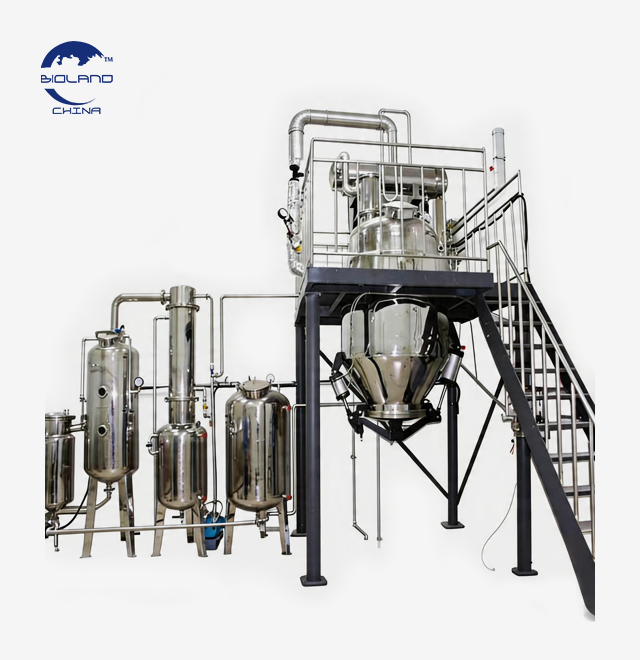
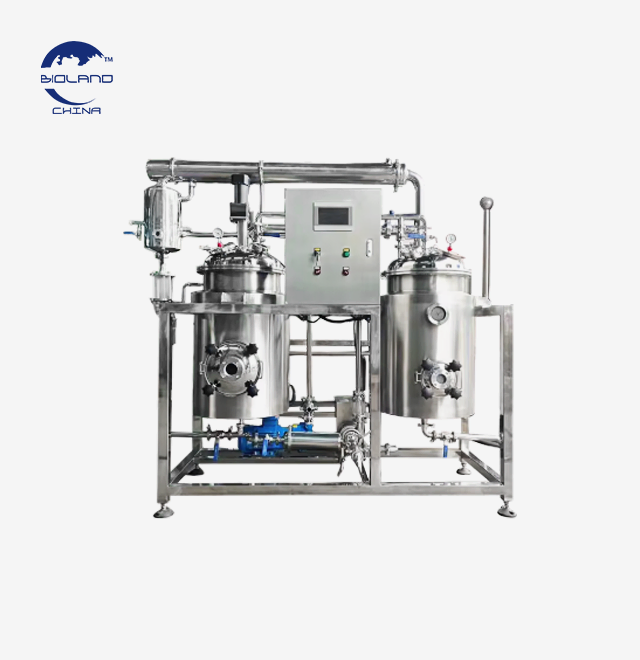
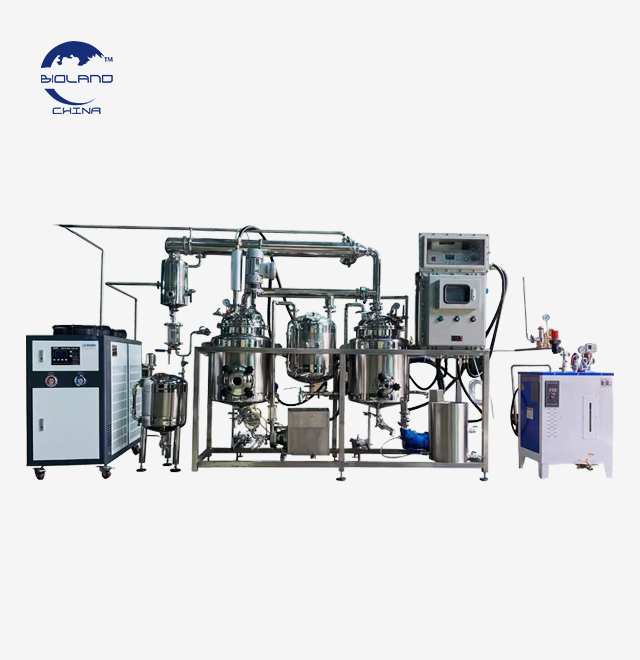
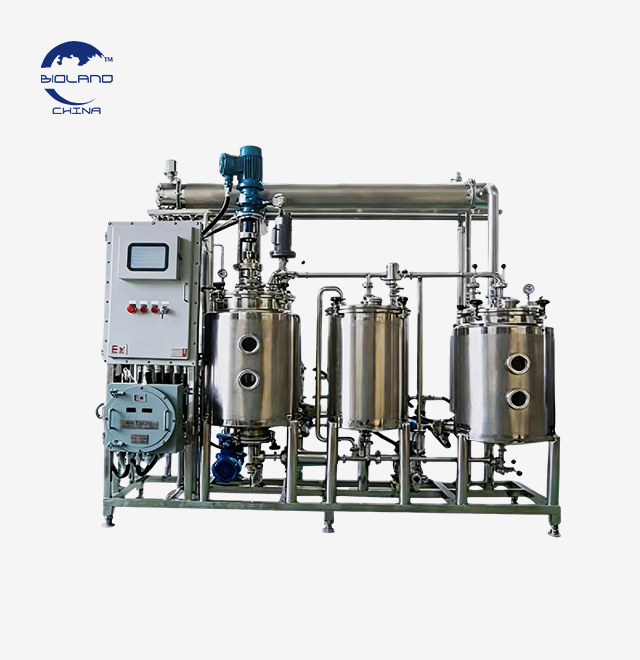
The tincture extraction machine engineered for small-scale producers combines laboratory-precision capabilities with operational simplicity, eliminating complexity barriers preventing small herbal operations from modernizing extraction workflows. Bioland's tincture extraction machine systems occupy footprints comparable to household appliances—requiring only 3-5 square meters—making installation viable in small retail herbal shops, apothecary production rooms, farm operations, and research laboratories.
Unlike traditional industrial extraction requiring dedicated facility infrastructure, these compact systems integrate modular components for straightforward installation by operations personnel with minimal technical background. The plug-and-play solvent circulation, heating, and cooling systems eliminate extended commissioning timelines, enabling small producers to transition from traditional maceration to ultrasonic extraction within days rather than months of equipment installation.
Simplified Operation Through Intelligent Automation
Modern tincture extraction machines democratize access to pharmaceutical-grade extraction through automated PLC systems reducing operator expertise requirements. The tincture extraction machine's intuitive touchscreen interface guides operators through extraction protocols via simple menu selections: select botanical type, input desired duration, specify target solvent, and initiate extraction cycles with minimal technical knowledge. Automated temperature management maintains precision between 48-100°C with sensor-regulated accuracy, eliminating manual thermostat adjustments.
The tincture extraction machine automatically manages vacuum cycling, solvent circulation rates, and cooling transitions according to programmed protocols, enabling producers to replicate extraction parameters consistently throughout 24-40 minute processing cycles without operator presence. This automation removes learning curve barriers, allowing experienced herbalists to focus on botanical sourcing and formulation rather than equipment management.
Economical Entry Point and Operating Cost Structure
Investment economics favor small-scale tincture production adoption through equipment costs 60-70% lower than industrial systems while delivering comparable technical performance. The tincture extraction machine priced for emerging operations eliminates $10,000-$50,000 capital barriers typical for commercial-scale extraction, enabling small producers to justify investment through modest sales volume increases—typically achieved within 12-18 months.
Integrated solvent recovery systems achieving 85-95% ethanol reclamation dramatically reduce consumable costs, with recovered solvents returning to production cycles. A small herbal producer processing 50 kg of dried herbs weekly recovers approximately 45-48 kg of ethanol per production run, reducing solvent purchasing to supplemental quantities replacing only evaporative losses. These operational economics transform tincture production from labor-intensive maceration requiring months into efficient batch processing generating higher margins.
Scalable Production Platform for Growing Herbal Extract Enterprises
Modular Capacity Expanding with Business Growth
The tincture extraction machine operates as a scalable platform where small producers beginning with single-unit installations can expand processing capacity through additional parallel equipment or upgrades to higher-capacity configurations without facility disruption. Bioland's modular architecture enables operators to add secondary extraction vessels, upgrade heating/cooling capacity, or integrate advanced solvent recovery modules as production volume justifies reinvestment. A herbal producer initially processing single 10-liter tincture batches can expand to simultaneous dual-batch processing, then transition to 50-liter configurations, all within the same facility footprint through sequential upgrades.
The tincture extraction machine's standardized interface ensures operators trained on initial systems transition seamlessly to advanced configurations, eliminating retraining costs typical when businesses scale with fundamentally different equipment. This scalability architecture enables producers to reinvest early profits into capacity expansion rather than complete equipment replacement, maximizing return-on-investment trajectories over 3-5 year growth cycles.
Multi-Tincture Formulation Capabilities
The tincture extraction machine handles diverse herbal extraction requirements—traditional monadic tinctures, polyherbal formulations, cold-infusion preparations, and specialized extraction chemistries—all within single equipment platforms through adjustable parameters. Small producers develop proprietary formulations combining herbs requiring different extraction temperatures, solvent concentrations, or infusion durations by programming equipment parameters for sequential extraction stages.
The tincture extraction machine accommodates aqueous extractions optimizing polysaccharide preservation, ethanol-based extraction maximizing alkaloid solubility, and hybrid protocols capturing diverse phytochemical profiles. A small medicinal herbal producer can process traditional echinacea root tinctures (requiring 40°C ethanol extraction), transition to elderberry-elderflower polysaccharide concentrates (requiring 50°C aqueous protocols), then extract valerian root (requiring 60°C ethanol), all within single production days using identical equipment with parameter adjustments.
Continuous Production Scheduling Improving Resource Utilization
The tincture extraction machine enables small producers to operate near-continuous production schedules, processing batches sequentially throughout operating hours rather than the single-daily-batch constraints of traditional maceration. By completing extraction cycles in 24-40 minutes—compared to 2-4 weeks for traditional maceration—small facilities can process 12-24 batches daily depending on facility availability and botanical sourcing.
This high-throughput capacity enables seasonal harvesting of fresh botanicals processed immediately into concentrated extracts, capturing peak phytochemical profiles without storage degradation. Small producers with greenhouse operations or regional botanical sourcing relationships can integrate seasonal abundance into year-round product availability through rapid-processing cycles, transforming seasonal raw material availability into consistent extract production supply.
Tincture extraction depends on ethanol's ability to remove alkaloids, glycosides, and volatile chemicals that are important for the effectiveness of herbs. However, standard hot maceration damages heat-sensitive parts and takes months to process. The tincture extraction machine works at carefully controlled temperatures between 40°C and 60°C. Ultrasonic cavitation greatly speeds up the ethanol's entry into plant cell walls, allowing for full extraction of herbal actives within 30 to 40 minutes while protecting volatile compounds that break down during prolonged heating.
Modern research on extraction shows that traditionally made medicines, which need to rest for 4 to 6 weeks, only get 60 to 70% of the compounds extracted, while ultrasonic-assisted extraction gets 85 to 95%. Because they are more efficient, tincture extraction machines make extracts with higher levels of alkaloid, flavonoid, and volatile oil than traditionally made tinctures. This lets small makers sell goods that can be proven to be more effective.
Solvent Recovery and Ethanol Sustainability
In the old way of making tinctures, large amounts of ethanol have to be bought for the soaking stages. The ethanol that is recovered from decanting is only 40–50% of the original fluids because the plants absorb it and it evaporates. The tincture extraction machine has solvent recovery systems that get back 85–95% of the ethanol by vacuum distillation and condensation, where secondary vapors are collected and sent back to the extraction tanks. A small maker making 100 liters of traditional medicine has to buy 100–120 liters of ethanol, but only 40–50 liters can be used again, which means they have to keep paying for it.
Using the tincture extraction machine, the same 100-liter production needs an initial 100-liter charge of ethanol, but 85–95 liters are recovered, so only 5–15 liters of extra ethanol are needed to replace what evaporates. Small producers cut their ethanol purchases by 70–75% over the course of a year, which saves them a lot of money and helps them meet government requirements to reduce organic solvent emissions.
The tincture extraction machine incorporates integrated vacuum concentration where extracted herbal solutions reduce in volume and potency at temperatures as low as 48°C, protecting thermosensitive components while creating concentrated extracts commanding 40-60% premium pricing versus traditional dilute tinctures. Traditional tincture concentrations remain limited by maceration efficiency, requiring customers to consume larger volumes for therapeutic effect. The tincture extraction machine produces highly concentrated extracts delivering equivalent phytochemical content in reduced dosing volumes.
Premium herbal extract producers market concentrated 1:1, 1:2, and 1:4 extracts—meaning one unit concentrate represents proportional botanical material content—enabling retail customers to select potency levels. A small producer can transition from selling traditional dilute tinctures commanding $15-20 per ounce to concentrated extracts commanding $35-50 per ounce, with identical raw botanical investment generating 2-3x revenue per unit volume processed.
Real-World Applications: Small Producers Building Successful Extract Enterprises
Herbal Pharmacy Expansion Through Tincture Machine Innovation
A small independent herbal pharmacy operating in North America spent 15 years producing traditional macerated tinctures, limited by labor intensity to processing approximately 40 liters weekly of finished extract across 8-10 botanical varieties. Upon installing Bioland's tincture extraction machine, production capacity expanded to 200 liters weekly within identical facility space, with each batch completed in 40 minutes rather than requiring 4-6 week maceration periods. The facility shifted product strategy from selling only basic tinctures to offering specialty concentrated extracts: traditional-strength echinacea tinctures for customers preferring familiar preparations, alongside premium 1:2 concentrated extracts for practitioners recommending potent formulations.
Revenue increased 180% within 18 months, with profit margins expanding from 35% to 58% as ethanol costs decreased through superior solvent recovery. The herbal pharmacy now supplies regional natural foods stores and practitioner offices with extract products previously sourced from large distributors, establishing direct-to-client relationships with 70% margins exceeding wholesale purchasing economics.
A family-operated medicinal herb farm in Appalachian regions historically dried spring-harvested plants for traditional sales, with limited value-added product capacity given labor constraints and seasonal processing windows. Installation of the tincture extraction machine transformed seasonal fresh herb abundance into year-round concentrated extract availability. Peak spring harvesting yields 2,000 kg of fresh ginseng, goldenseal, and bloodroot—valuable botanicals requiring careful extraction to preserve active compounds.
The farm processes fresh harvested botanicals within 48 hours using the tincture extraction machine, achieving 70-80% extraction efficiency from fresh material compared to 50-60% from dried botanical baseline. Concentrated extracts command $80-120 per liter wholesale (versus $20-30 for dried herbs), enabling the farm to generate $140,000-180,000 in additional annual revenue from identical acreage while reducing post-harvest processing labor by 60% compared to traditional drying workflows.
Educational Institution Developing Herbal Medicine Training Programs
A naturopathic college historically demonstrated tincture preparation through traditional maceration methods requiring students to steeping herbs for 4-6 weeks—compressing practical experience into single curriculum modules. Following tincture extraction machine installation, the college established sequential extraction laboratory courses where students process different botanical families weekly, observing extraction efficiency variations across plant chemistries, solvent selections, and temperature protocols.
The tincture extraction machine enables hands-on learning demonstrating how gingerol extraction differs from alkaloid-rich goldenseal, how flavonoid-dominant ginkgo requires temperature optimization, and how delicate volatile oils in chamomile necessitate low-temperature protocols. Student-produced extracts—surplus to curriculum requirements—generate revenue exceeding equipment costs while providing real-world production experience. The college markets "student-prepared" extracts at premium pricing, with customers appreciating the educational transparency and supporting herbal medicine education funding.
Emerging Brand Building Market Position Through Extract Quality
A small herbal entrepreneur launching premium herbal brand recognized that competitive positioning required product quality exceeding typical mass-market tinctures, but lacked capital for industrial extraction facilities. Installation of Bioland's small-scale tincture extraction machine enabled the new brand to produce extracts with verified potency—achieving 8-12% alkaloid content in echinacea versus industry-standard 3-5%—with marketing messaging emphasizing extraction methodology and compound verification.
The brand positioned extracts as "ultra-concentrated herbal potency" requiring smaller dosing volumes, justifying $45 retail pricing for 2-ounce concentrated bottles delivering equivalent efficacy to $30 mass-market 4-ounce dilute tinctures. Within 24 months, the brand achieved 45% of revenue from online direct-consumer sales and 35% from regional natural foods retailer distribution, with tincture extraction machine-enabled product quality differentiating market positioning from competitors and justifying premium brand pricing supporting healthy profit margins.
Conclusion
Thetincture extraction machine represents democratized access to pharmaceutical-grade herbal extraction, enabling small-scale producers to compete with commercial operations through superior product quality, operational efficiency, and sustainable solvent practices. Compact equipment designs, intuitive automation, and modular scalability eliminate traditional barriers preventing artisanal producers from modernizing extraction workflows.
The 50-500% efficiency gains, 40-60°C processing protecting volatile compounds, and 85-95% solvent recovery directly translate to premium-quality products commanding 40-60% price premiums and operational margins exceeding traditional maceration economics. Real-world success stories—from herbal pharmacies expanding product lines to farms capturing seasonal abundance to emerging brands building market positioning—demonstrate that small-scale tincture extraction machine adoption creates sustainable pathways for producer growth and marketplace differentiation.
FAQ
Q: What is the primary advantage of tincture extraction machines for small producers compared to traditional maceration?
A: The tincture extraction machine reduces extraction time from 4-6 weeks to 24-40 minutes while improving extraction efficiency from 60-70% to 85-95%, enabling small producers to increase production capacity 5-10x while improving product potency and quality.
Q: Can small-scale tincture extraction machines process different botanical varieties?
A: Yes, the tincture extraction machine handles diverse botanicals—echinacea, goldenseal, valerian, ginkgo, ginger, and others—through adjustable temperature, solvent, and duration parameters programmed via simple touchscreen interfaces without mechanical modifications.
Q: How much facility space does a small-scale tincture extraction machine require?
A: Bioland's tincture extraction machines require only 3-5 square meters of facility space, suitable for small herbal shops, apothecary production areas, farm operations, and research laboratories where traditional industrial extraction equipment proves logistically impractical.
Q: What is the ethanol recovery rate in tincture extraction machines, and how does it affect operating costs?
A: Integrated solvent recovery systems achieve 85-95% ethanol reclamation, reducing ethanol purchasing by 70-75% annually compared to traditional maceration where 50-60% of solvents are lost, generating significant cumulative cost savings.
Q: Do tincture extraction machines preserve the potency of delicate herbal compounds?
A: Yes, the tincture extraction machine operates at 40-60°C temperatures optimized for heat-sensitive alkaloids, flavonoids, and volatile oils, preserving bioactive profiles superior to traditional higher-temperature methods while achieving concentrated extracts supporting premium product positioning.
Transform Your Herbal Extract Production with Bioland's Tincture Extraction Solutions
Are you limiting your herbal business potential through time-intensive maceration methods that consume production weeks and facility resources? Bioland Instrument brings 15+ years of pharmaceutical-grade extraction expertise directly to small-scale producers through intelligently designed tincture extraction machines engineered for artisanal operations seeking professional quality without industrial complexity. Our compact systems deliver 50-500% extraction efficiency improvements with integrated solvent recovery reducing operational costs 70-75% annually while enabling concentrated extracts commanding premium market positioning.
Beyond equipment, Bioland provides comprehensive support: dedicated technical specialists tracking production progress weekly with photos and videos, Factory Acceptance Testing (FAT) protocols ensuring equipment verification before deployment, rapid 5-7 day delivery for standard systems, and lifetime maintenance access supporting long-term production reliability. Our OEM/ODM capabilities enable small producers to develop proprietary extract formulations—specialized alkaloid concentrates, flavonoid-rich botanical blends, or custom solvent protocols—positioning your brand as premium ingredient innovators.
Whether you're modernizing established herbal operations, launching emerging brands requiring quality differentiation, or supporting educational herbal medicine programs, Bioland's tincture extraction machines deliver the technological foundation transforming artisanal production into competitive commercial enterprises. Contact Bioland Instrument today to explore how tincture extraction technology aligns with your production objectives and market expansion strategy. Email: info@biolandequip.com.
References
1. Kaufmann, B., & Christen, P. (2002). Recent extraction techniques for natural products: Microwave-assisted extraction and pressurised solvent extraction. Phytochemical Analysis, 13(2), 105-113.
2. Newman, D. J., Cragg, G. M., & Snader, K. M. (2003). Natural products as sources of new drugs over the period 1981-2002. Journal of Natural Products, 66(7), 1022-1037.
3. Azmir, J., Zaidul, I. S., Rahman, M. M., Sharif, K. M., Mohamed, A., Sahena, F., ... & Omar, A. K. (2013). Techniques for extraction and isolation of bioactive compounds from plant materials: A review. Journal of Food Engineering, 113(3), 461-480.
4. Wang, X., & Weller, C. L. (2006). Recent advances in extraction of nutraceuticals from plants. Trends in Food Science & Technology, 17(6), 300-312.
5. Altemimi, A., Lakhssassi, N., Baharlouei, A., Watson, D. G., & Lightfoot, D. A. (2017). Phytochemicals: Extraction, isolation, and identification of bioactive compounds from plant extracts. Plants, 6(4), 42.
The reactor is beautifully mirror-polished and fully complies with GMP requirements for the pharmaceutical industry. The performance is excellent! Overall, we are very satisfied! We also provided with some feedback on our process improvements, which we hope will be helpful.
2024-04-09
Laboratory
Excellent and professional service. Always reply our questions very fast. All reactors and chiller we received are good too.
2024-02-15
Research Institute
Quality is beyond our expectation actually. After we got the extraction equipment and started using it, the performance was beyond our expectation. Very easy to use and very efficient to run. Service always respond us very quickly. Was also very helpful to help us. Thanks Bioland team. Very happy to work with you.
2023-11-20
Biotech Company
We are happy about the new purchase as always. Equipment and services are both good.
2023-08-05
Instrument Lab
This is the second order with Bioland instrument and everything is good as the first dateText.
2023-05-12
Global Trading Partner
Bioland instrument team is very helpful and professional. The sales helped us select the right equipment for our application, and their logistics people handled the transportation and customs declaration for our shipment. All that saved us a lot of work.