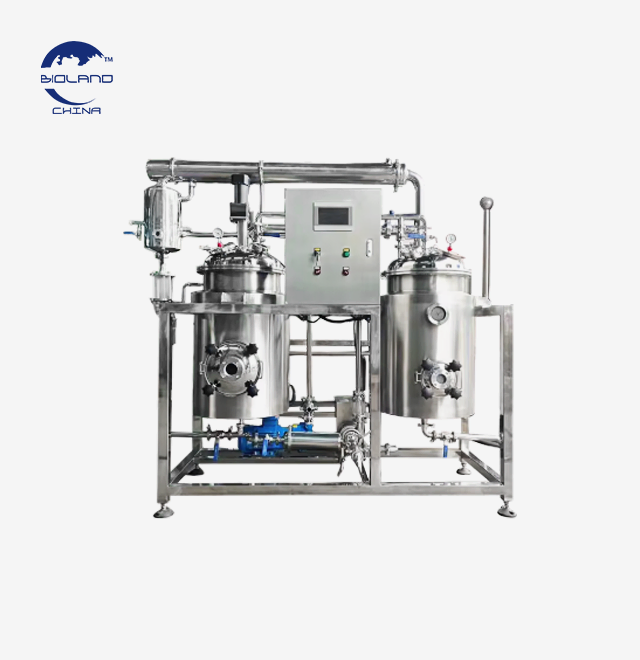
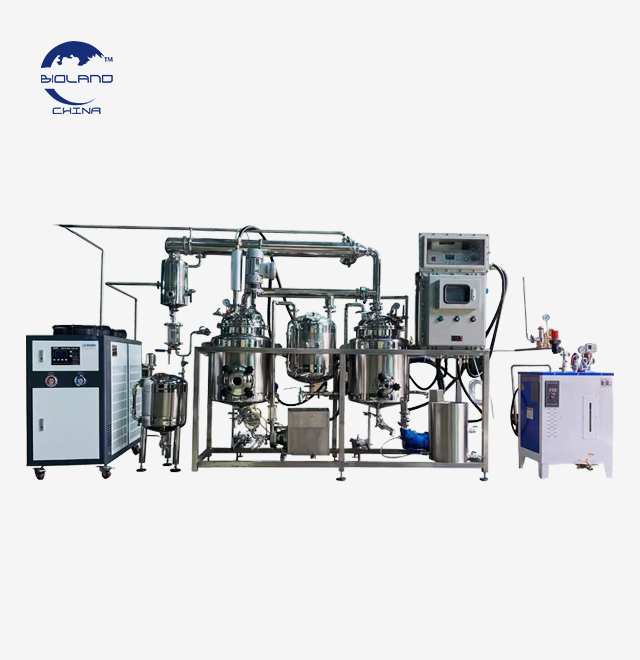
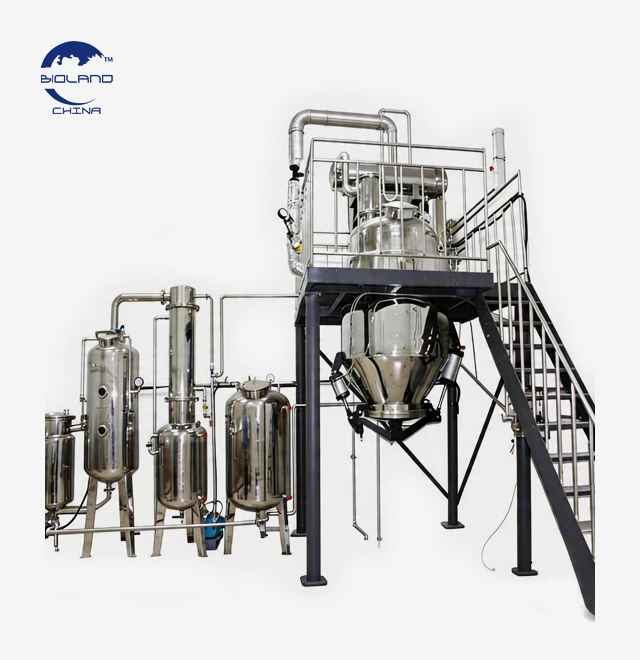
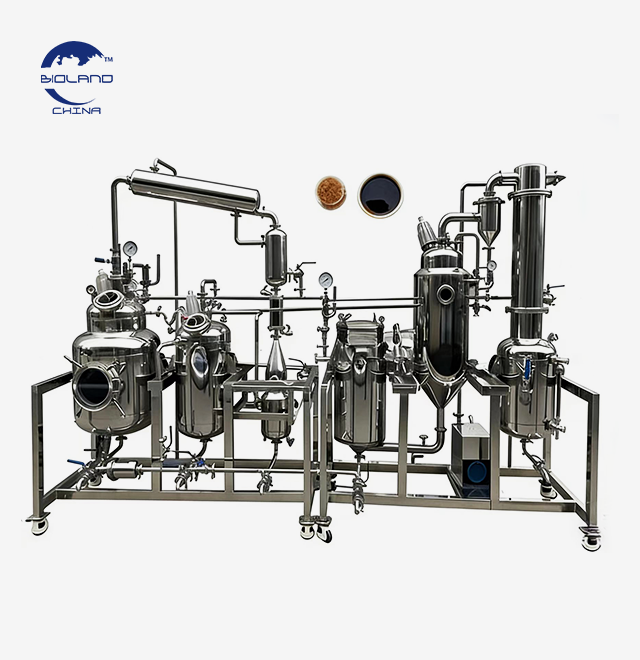
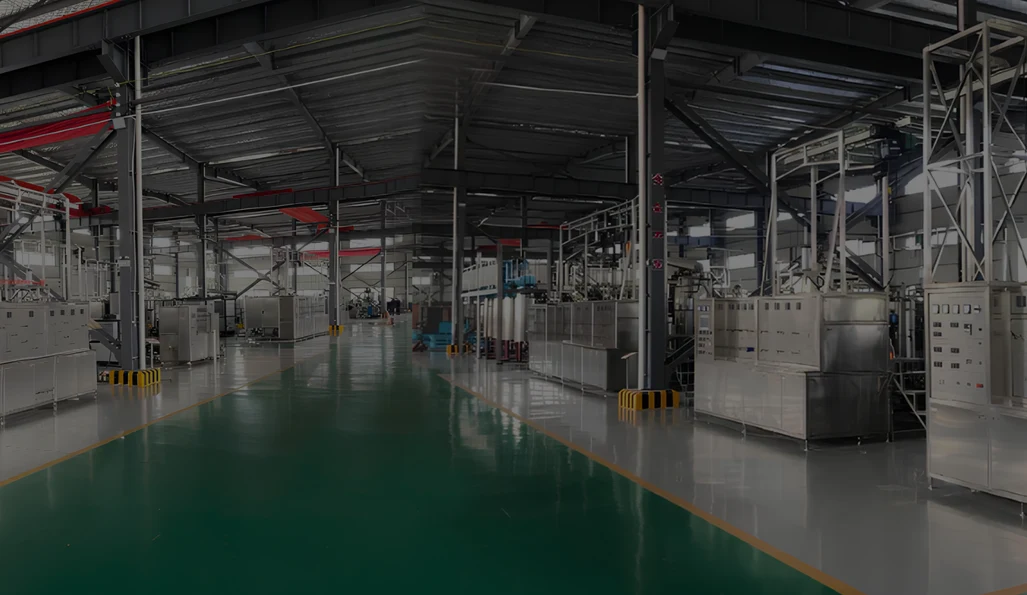
The vessel that production teams choose affects quality, yield, and the long-term cost of running the business when they have to deal with harsh chemical media, strict temperature ramps, and regulatory audits. Xi'an Bioland Instrument Co., Ltd.'s stainless steel batch reactor is not just a tank with a stirrer; it is a full process platform.
This stainless steel batch reactor is smart because it combines reaction, distillation, extraction, condensation, and vacuum operation into a single unit. Because it can hold amounts ranging from 50 L to 10,000 L and has precise temperature control, safety-rated seals, and is used in pharmaceutical, food, beauty, battery material, and speciality chemical plants, it is the best choice. This platform gives real value, as shown by the five benefits below.
Corrosion Resistance for Demanding Chemical Processes
Material Selection: SUS304, SUS316L, and Specialty Alloys
There isn't usually just one corrosion problem that comes up with chemical processes. Media with chloride, acidic catalysts, and hot alkaline slurries all attack vessel surfaces in different ways. A SUS304 stainless steel batch reactor works well with mild and room temperature media, while SUS316L adds molybdenum to stop chloride ions from pitting the steel. Hastelloy internals are one example of a metal that can be used in processes that use strong mineral acids. The choice of material has a direct effect on the lifetime cost. For example, a well-designed stainless steel batch reactor can last 10–15 years in moderately acidic duty, while a carbon steel reactor may break down in just 2–3 years. Picking the right metallurgy is the first thing that needs to be done to get consistent output and low operating costs.
Solving Chloride Corrosion in Chemical Dosing Systems
A company in Jiangsu that makes chemicals for treating water had to replace their vessels every year because ferric chloride pitted the walls and tainted the goods. The plant got rid of pitting at the weld seams by switching to a 316L stainless steel batch reactor. For three years, the ship didn't need any big repairs, which pushed the service period from every six months to over 36 months. The customer also cut the number of rejected products by 12% because iron contamination no longer changed the colour of the end solution. This shows how the right metallurgy can protect both the equipment and the quality of the product.
Extending Service Life in Lithium Battery Material Synthesis
To make lithium iron phosphate and ternary precursors, you need an environment that is very clean. When vessels rust, metal ions leak out and damage the cathode material, which makes the battery not work right. A customer who bought battery materials moved to a 316L stainless steel batch reactor with an internal surface finish of Ra ≤ 0.4 µm. The amount of iron leached down by more than 90%, which helped the client meet the strict EV-grade requirements. The stainless steel batch reactor could also handle the alkaline ammonium sulphate medium that had broken down carbon steel pipes before, showing that it is useful in tough new-energy situations.
High-Temperature and Pressure Performance
Engineered for Vacuum and Positive Pressure Extremes
A lot of the time, vacuuming and burning something very hot at the same time is needed for solvent recovery, resin synthesis, and catalyst activation. Bioland Instrument's stainless steel batch reactor can handle pressures from -0.1 MPa vacuum to 0.5 MPa, which is more than enough for most fine chemical and medicinal tasks. The fully soldered jacket makes sure that heat is spread evenly, and the flanged joints are checked for leaks at high temperatures. This large operating window means that the same stainless steel batch reactor can handle repeated thermal cycling without the seal becoming less reliable. This increases both safety and uptime.
Thermal Control that Protects Sensitive Products
Holding temperature within ±1 °C is often important for reaction selectivity. When something is heated too much, side reactions happen that lower the yield and make purification later on more difficult. The PID-based temperature control in the stainless steel batch reactor moves heated oil or water through the jacket quickly in response to changes in the process. A fine chemical company in Shandong said that moving to this stainless steel batch reactor platform increased their output by 8%. Less degradation by-products were made because the temperature was more stable, and mistakes made by hand were eliminated by automated control. Changes from batch to batch decreased by about 30%, which sped up governmental approval and user approval.
Vacuum Distillation Integration in One Unit
When material is moved from a reactor to different distilling equipment, many plants lose yield. A stainless steel batch reactor set up with a fractional distillation column and a vacuum pump keeps the whole process inside a closed system. This stops any loss of heat or contamination. At 50 mbar, a flavour and scent company removed any remaining ethanol from essential oil extracts. This increased the recovery of active ingredients from 82% to 96% and cut cycle time by almost one-third. Thestainless steel batch reactor cut down on solvent emissions, which made the system safer and more environmentally friendly.
Molten Salt Energy Storage and Metal Refining
In metal-lithium processing and concentrated solar thermal plants, liquid salts are used at temperatures that damage most equipment. In a test run, a 500 L stainless steel batch reactor kept a nitrate salt mixture that was eutectic at 450 °C for three months. The customer found that corrosion was less than 0.05 mm per year, which shows that a stainless steel batch reactor can be made bigger for commercial thermal energy storage. The sealed design also kept the reactive salt from oxidising, which is very important for active metal refining and molten salt energy systems.
Efficient Mixing and Consistent Reaction Conditions
Agitator Configurations that Match Fluid Dynamics
Heat and mass movement, particle size distribution, and response consistency are all controlled by how well the mixture is mixed. Anchor, paddle, turbine, and high-shear homogeniser agitators can be used with the stainless steel batch reactor. Digital frequency-conversion speed control lets workers fine-tune the shear without stopping work. Spindle speed runs from 0 to 600 rpm. Because of this, a single stainless steel batch reactor can be used for both gentle cell culture blending and high-shear emulsification in the same campaign. This is a huge cost savings for pilot plants that test more than one product.
Dairy Fermentation: Consistency that Builds Brand Trust
A dairy processor that made set-style yoghurt had trouble with viscosity and syneresis that weren't consistent from batch to batch. They got rid of three separate tanks and put in one stainless steel batch reactor with a paddle stirrer and precise jacket heating instead. Within six months, the rate of texture defects dropped by 15%, and the difference in temperature across the vessel dropped below 0.5 °C. The stainless steel batch reactor made cleaning validation easier because all of the wet surfaces were electropolished 316L and there were no dead legs. It became easy to do hygiene checks, and the customer saved about 40 hours of time each month on CIP validation.
Cosmetic Emulsification: From Problem to Precision
For months, skincare emulsions need drops that are less than 5 µm in size to stay stable. In regular mixed tanks, droplets are spread out in a wide range, which causes phases to separate and batches to be lost. A company that makes cosmetics put in a stainless steel batch reactor with a high-shear homogeniser that works at 2,800 rpm. The homogeniser narrowed the range of droplet sizes, and the lotion kept its stickiness for 12 months at 40 °C, which was twice as long as the previous stable standard. By vacuum closing the stainless steel batch reactor, air bubbles were taken out, making the cream smoother and easier to spread. The customer said that there was 20% less redo and faster run times.
Pharmaceutical and food applications require rigorous cleaning between batches. A stainless steel batch reactor with Ra ≤ 0.4 µm internal finish reduces residue adhesion and bacterial growth. A generic drug manufacturer validated a 20-minute CIP cycle using 1% NaOH at 80 °C, compared with 60 minutes on their previous vessel. The stainless steel batch reactor passed all residue-swab tests on the first attempt. Over one year, that translated into roughly 90 hours of recovered production time and improved on-time delivery performance for the customer's downstream filling line.
Maintenance Intervals that Protect Profitability
Long-term durability is measured in years of reliable operation, not warranty periods. Double mechanical seals and reinforced bottom bearings in this stainless steel batch reactor prevent leakage and shaft wear even under high torque. A pilot plant operating a 500 L unit recorded zero major maintenance events over 2,400 operating hours. When service was eventually needed, the modular design allowed completion in one shift. At a downtime cost of roughly €200 per hour, the customer avoided approximately €8,000 in annual production losses.
Documentation and Certification Support Audits
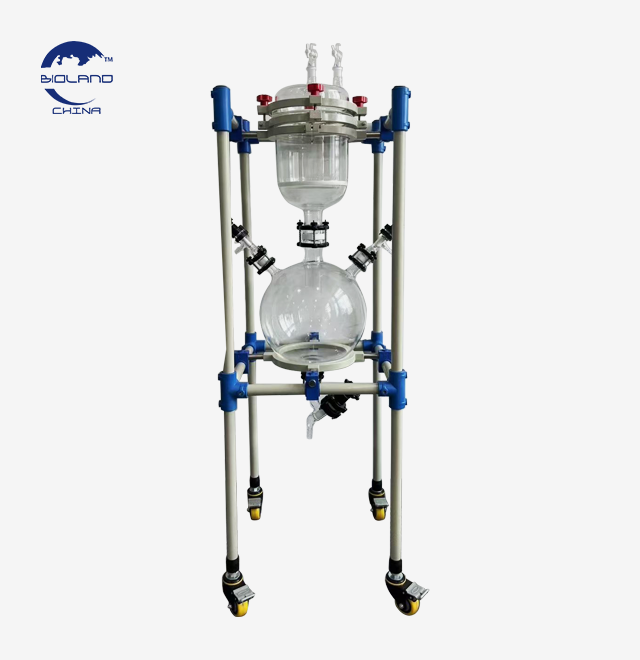
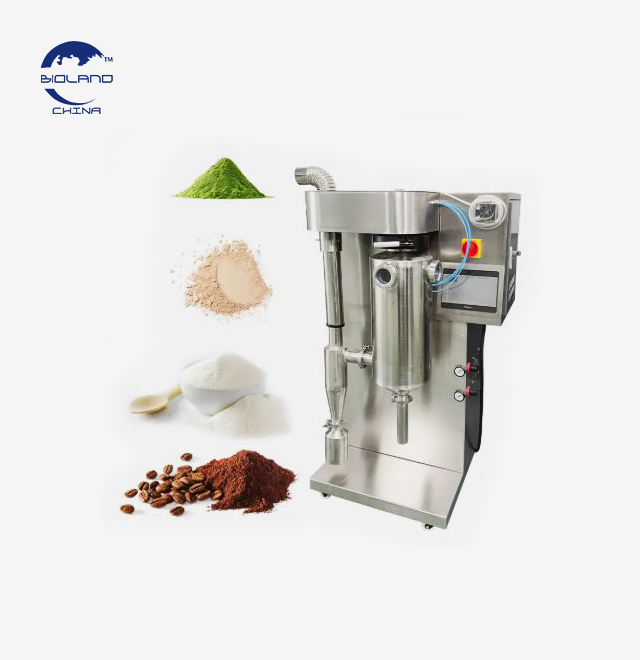
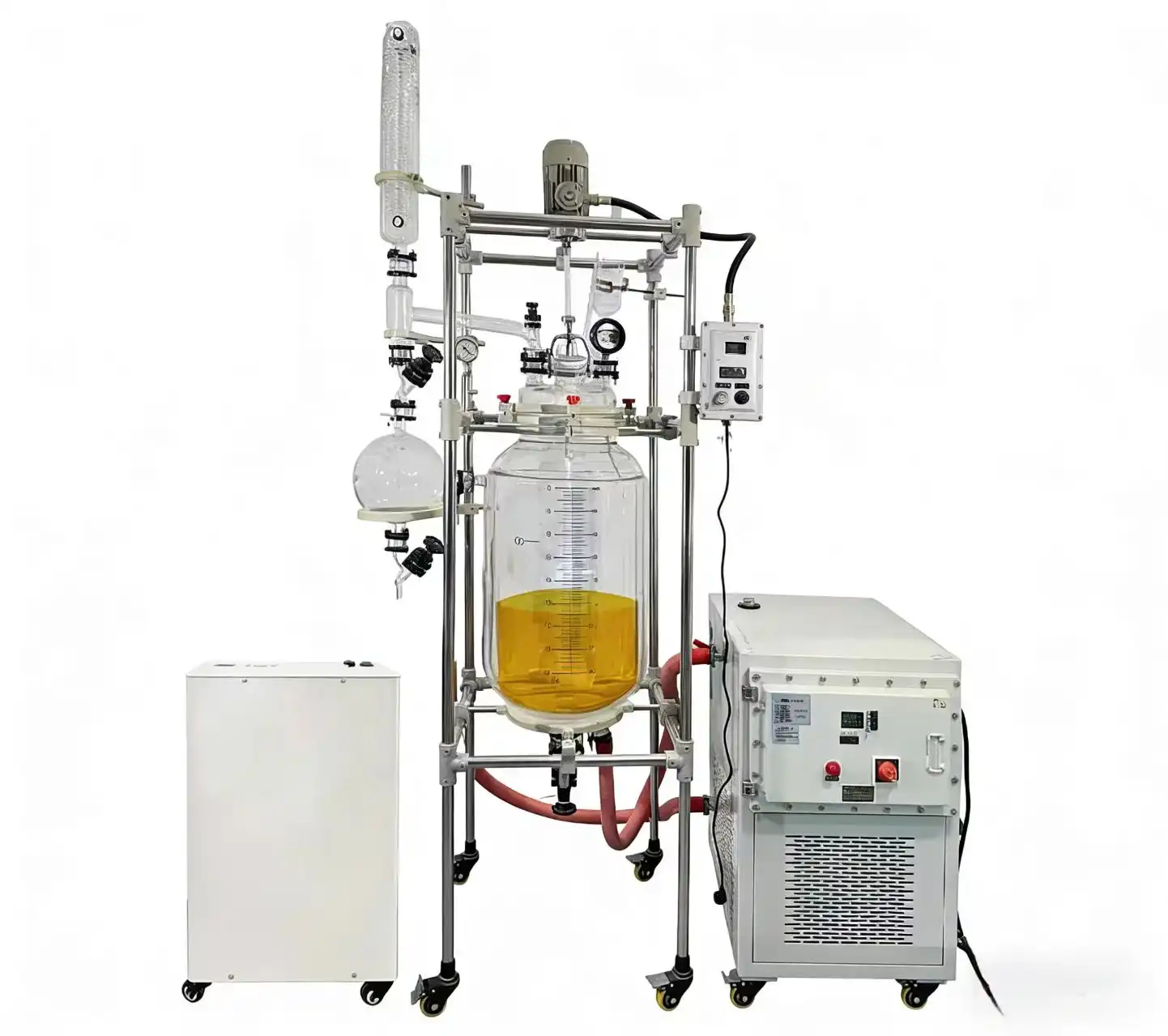
Regulated industries need traceable documentation, not only hardware. Xi'an Bioland Instrument Co., Ltd. manufactures under CE and ISO certification and provides material certificates, pressure-test reports, and GMP/FDA compliance documentation on request. A clinical-stage biotech firm used the documentation package for their stainless steel batch reactor to complete IQ/OQ in two days and accelerate an IND submission. The same team also drew on Bioland's broader portfolio, which includes glass jacketed reactors, Nutche filter reactors, fractional distillation columns, vacuum spray dryers, and freeze dryers, when scaling up additional process steps.
Flexible Design for Different Industrial Applications
Customization Dimensions: Size, Geometry, and Drive Systems
Batch processing rarely fits a standard template. Some laboratories need a 50 L pilot unit; others require a 10,000 L production vessel. The stainless steel batch reactor from Bioland Instrument can be customized in volume, pressure rating, agitator type, instrumentation, and surface finish. A lithium-battery electrolyte manufacturer ordered a 3,000 L stainless steel batch reactor with a double-motion anchor agitator and high-torque gearbox for a highly viscous slurry. PLC-based temperature ramping and automatic batch reporting enabled paperless quality audits, which shortened the customer's qualification timeline with downstream battery cell makers.
Explosion-Proof and Fully Automatic Configurations
Processes involving flammable solvents demand explosion-proof equipment. The stainless steel batch reactor can be supplied with ATEX-rated motors, sealed control cabinets, nitrogen blanketing, automatic pressure relief, and a remote SCADA interface. An agrochemical producer using toluene selected a 1,500 L stainless steel batch reactor with full spark protection. During the first year, the plant recorded zero solvent leaks and passed a more stringent safety inspection. Additional options include electric lifting, PLC automation, integrated heating and cooling units, in-line filtration, and ultrasonic crystallization modules, all tailored to the customer's process specification.
Integrated Multi-Process Workcells
Rather than buying separate units for reaction, extraction, filtration, and crystallization, many clients now choose a stainless steel batch reactor configured as a multi-purpose workcell. This approach avoids product transfer, reduces contamination risk, and shortens cycle times. A European API manufacturer combined reaction, reflux, vacuum distillation, in-line filtration, and crystallization in one system. The number of vessels was cut in half, and campaign changeover time dropped from 8 hours to 2.5 hours. The closed design reduced solvent loss, increased yield, and simplified cleaning validation between campaigns.
Conclusion
For processors seeking corrosion resistance, high-temperature stability, reliable mixing, cleanability, and flexible customization in one platform, the stainless steel batch reactorfrom Xi'an Bioland Instrument Co., Ltd. is a sound investment. It consolidates multiple unit operations, reduces contamination risk, and supports scale-up from laboratory to commercial production. With GMP-certified materials, CE and ISO compliance, OEM/ODM support, and responsive after-sales service, this stainless steel batch reactor helps clients solve real process challenges and lower total cost of ownership. Choosing Bioland Instrument means choosing a long-term manufacturing partner that understands chemistry, engineering, and production economics.
FAQ
Q1: What is the working pressure range of the stainless steel batch reactor?
A: It operates from -0.1 MPa vacuum to 0.5 MPa positive pressure, covering most chemical, pharmaceutical, and food applications.
Q2: Can it handle chloride-containing media?
A: Yes. A 316L stainless steel batch reactor resists pitting from chloride ions due to added molybdenum.
Q3: What customization options are available?
A: Volume (50–10,000 L), agitator type, heating system, PLC control, explosion-proof configuration, and add-ons such as filtration, crystallization, and emulsification modules.
Q4: Do you provide GMP documentation?
A: Yes. CE/ISO certificates, material certificates, pressure-test reports, and GMP/FDA compliance documents are supplied.
Q5: What is the delivery time?
A: Customized orders generally take 30 business days; non-customized units ship in 5–7 days. Sea, rail, and air freight are supported.
Why Choose Bioland Instrument for Your Next Stainless Steel Batch Reactor?
Xi'an Bioland Instrument Co., Ltd. is a professional manufacturer and solution provider with more than 15 years of experience in distillation, concentration, reaction, extraction, separation, filtration, purification, crystallization, emulsification, mixing, drying, and supporting equipment. We are CE and ISO certified, with an in-house R&D team and highly trained technicians. Our product range includes batch chemical reactors, jacketed glass reactors, extraction concentration units, fractional distillation columns, Nutche filter reactors, high-shear homogenizer mixers, vacuum spray dryers, and freeze dryers.
We offer OEM/ODM services, competitive pricing, a one-year quality warranty, and lifetime maintenance. Our team monitors production weekly with photos or videos, keeping you fully informed at every stage. Whether you need a 50 L pilot unit or a fully automated 10,000 L line, we customize equipment to your process and GMP/FDA standards. Contact us today atinfo@biolandequip.com to discuss your stainless steel batch reactor project.
2. ASM International. Corrosion Resistance of Stainless Steels in Chemical Processing Environments. Materials Park, OH.
3. European Hygienic Engineering & Design Group (EHEDG). Cleanability of Stainless Steel Process Equipment in Food and Pharmaceutical Applications.
4. U.S. Food and Drug Administration. Code of Federal Regulations Title 21, Part 211 — Current Good Manufacturing Practice for Finished Pharmaceuticals.
5. Perry's Chemical Engineers' Handbook, 9th Edition, McGraw-Hill, Section on Mixing and Agitation.
6. International Organization for Standardization. ISO 9001:2015 Quality Management Systems — Requirements.
The reactor is beautifully mirror-polished and fully complies with GMP requirements for the pharmaceutical industry. The performance is excellent! Overall, we are very satisfied! We also provided with some feedback on our process improvements, which we hope will be helpful.
2024-04-09
Laboratory
Excellent and professional service. Always reply our questions very fast. All reactors and chiller we received are good too.
2024-02-15
Research Institute
Quality is beyond our expectation actually. After we got the extraction equipment and started using it, the performance was beyond our expectation. Very easy to use and very efficient to run. Service always respond us very quickly. Was also very helpful to help us. Thanks Bioland team. Very happy to work with you.
2023-11-20
Biotech Company
We are happy about the new purchase as always. Equipment and services are both good.
2023-08-05
Instrument Lab
This is the second order with Bioland instrument and everything is good as the first dateText.
2023-05-12
Global Trading Partner
Bioland instrument team is very helpful and professional. The sales helped us select the right equipment for our application, and their logistics people handled the transportation and customs declaration for our shipment. All that saved us a lot of work.