How to Choose the Right Tea Extraction Equipment for My Cafe?
Sep 7, 2026
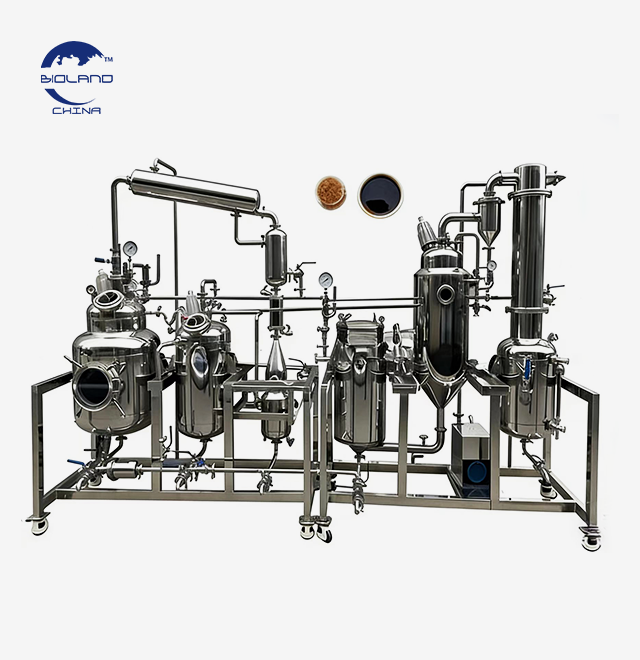
Choosing the righttea extraction equipment for a café is not only about buying a tank; it is about building a repeatable process. Bioland’s tea extraction equipment combines ultrasonic extraction, vacuum concentration, solvent collection and GMP-compliant fabrication into one flexible system. It helps cafés achieve higher yields, shorter batch times and better aroma retention while keeping the door open for new tea-based beverages.
From a 50 L tea extraction equipment unit to a 1000 L automated line, the platform can be scaled to your menu and production target. The product page for Bioland’s tea extraction equipment lists models with evaporation capacity from 20 kg/h to 200 kg/h and vacuum operation down to -0.085 MPa.
Key Factors to Consider When Selecting Tea Extraction Equipment
Selecting tea extraction equipment means thinking through daily output, tea types, automation, solvent compatibility and after-sales support. A café may start with small batches but later bottle tea concentrates for retail. The line should not lock you into one recipe. It should allow water extraction, ethanol extraction, essential oil separation and vacuum concentration in the same system.
Match Your Tea Extraction Equipment to Cafe Daily Demand
Start with the volume of tea base needed each day. A busy café serving 300 cups may require only 50–100 L of extract per shift. If you also supply bakeries or sell bottled tea, demand can jump to 300–500 L. Bioland offers 50 L, 100 L, 200 L, 300 L ,500L and 1000 L tea extraction equipment models. Each unit has a different evaporation rate, so sizing is based on finished concentrate, not raw tank volume.
Understand the Whole Tea Extraction Equipment Workflow
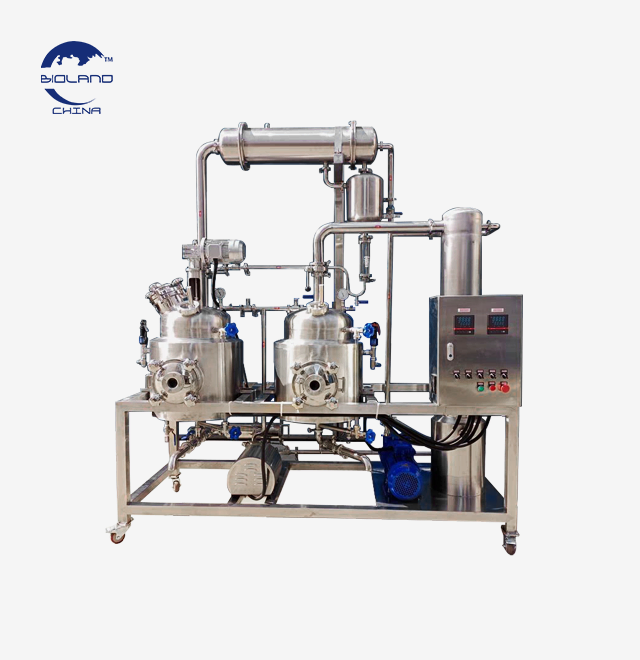
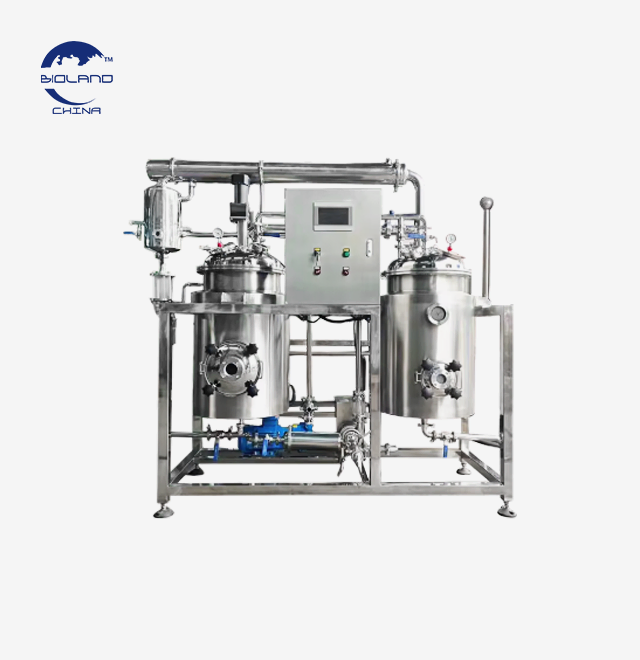
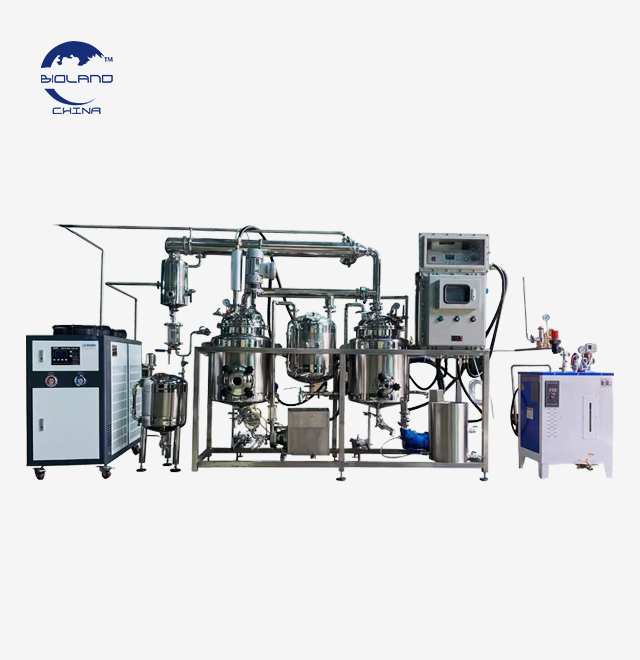
Many buyers focus only on the extraction tank and forget downstream steps. In a well-designed tea extraction equipment system, the tank, heater, evaporator, condenser, oil separator, receiving tank, filter and vacuum pump work as one loop. The process can run under negative pressure, atmospheric pressure or positive pressure. This makes it possible to collect volatile aroma, recover solvent and concentrate heat-sensitive tea compounds without a separate machine.
Choose a Supplier That Solves Process Problems
Selectingtea extraction equipment is not only about the machine; it is about process support. The right supplier should ask about raw tea, solvent, target extract and final product form. Bioland has built stevia extraction machine lines, mushroom polysaccharide lines and tea polyphenol lines. They know that a tincture extraction machine and a chilli oleoresin extraction plant share core principles but differ in solvent, temperature and safety design. That experience helps you set extraction time, solid-liquid ratio and concentration endpoint quickly.
How Extraction Capacity Affects Tea Production Efficiency
Extraction capacity is often confused with tank volume. The real production efficiency of tea extraction equipment depends on how many batches you finish per day, how much solvent you recover, and how much labor is needed to clean and refill the system. Bioland’s ultrasonic extraction process shortens cycle time significantly. With proper capacity planning, the same tea extraction equipment can handle pre-brewing, concentrate production and small-batch product development.
Calculate Real Batch Capacity of Tea Extraction Equipment
A 100 L tea extraction equipment unit does not produce 100 L of finished extract every hour. Account for heating, extraction, filtration, concentration and cleaning time. Ultrasonic extraction typically reaches the best yield in 24–40 minutes, more than two-thirds faster than traditional hot extraction. This allows multiple cycles per day. One tea house in Hangzhou used a 100 L unit to produce over 300 L of green tea concentrate per shift while preserving fresh aroma.
Scale From Single-Batch Brewing to Continuous Tea Extraction Equipment Lines
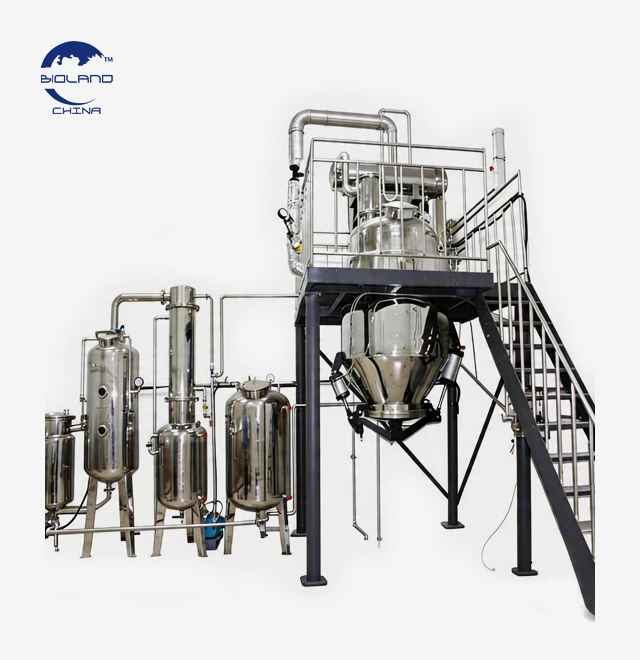
If your café moves from a manual brew bar to a small factory, you need a tea extraction equipment line that handles continuous feeding and automatic discharge. Bioland’s ultrasonic extraction and concentration unit can work in negative, atmospheric or positive pressure. It can be configured for water extraction, ethanol extraction, Soxhlet extraction, percolation and alcohol precipitation. Online concentration monitoring and PLC control help operators maintain the same density from batch to batch.
Energy, Steam, and Running Cost Per Liter in Tea Extraction Equipment
High extraction capacity is not useful if energy cost eats your margin. BIOLAND INSTRUMENT tea extraction equipment is designed with a three-layer insulation system and vacuum concentration, reducing steam consumption and protecting heat-sensitive compounds. For a 200 L model, steam use is about 90 kg/h; for 500 L, about 250 kg/h. Because extraction runs at 40–60°C, less energy is consumed and tea products keep more fresh aroma.
Comparing Extraction Methods for Different Tea Varieties
Tea is not one material. Green tea, black tea, oolong tea, white tea and herbal blends have different cell structures and target compounds. A sensible tea extraction equipment system should let you adjust method, solvent and temperature without purchasing separate machines. Bioland’s multi-purpose ultrasonic extraction unit supports conventional water extraction, hot reflux extraction, ethanol solvent extraction, essential oil separation and vacuum concentration.
Green and White Teas: Low-Temperature Tea Extraction Equipment Settings
Green and white teas contain tea polyphenols, amino acids and aromatic compounds that can be damaged by high heat. A café making a fresh green tea base should run the tea extraction equipment at 40–60°C with a short ultrasonic cycle. This protects catechins and theanine, avoids bitterness, and produces a clear color. The vacuum system can lower boiling point further, so sensitive specialty teas are processed safely.
Oolong and Black Teas: Capturing Aromas with Tea Extraction Equipment
Oolong and black teas need a different balance. To obtain aroma oil and flavor, the extraction system should include an oil separator and condenser for collecting volatile essential oils. At the same time, ethanol or water can be used to extract caffeine, flavonoids and pigments. Bioland’s tea extraction equipment is used for tea polyphenols and caffeine extraction. It also works as a coffee extraction machine if you want coffee alkaloid concentrates for ready-to-drink products.
Herbal Teas and Functional Blends: A Multi-Purpose Tea Extraction Equipment Platform
Many cafés now sell mushroom tea, propolis drinks and botanical infusions. With the same tea extraction equipment, you can perform ultrasound-assisted extraction of polysaccharides from mushrooms, extraction of flavonoids from chrysanthemum, and ultrasound assisted extraction of quercetin from mulberry leaves. One customer in Chengdu used our propolis extraction machine for flavonoids and phenolic acids, then switched the same unit to tincture extraction. This multi-product flexibility reduces equipment investment.
Ultrasound-Assisted Extraction vs. Traditional Steeping
Traditional steeping is gentle but slow and leaves many bioactive compounds inside plant cells. Ultrasonic-assisted extraction creates cavitation, breaks cell walls and improves mass transfer. Bioland’s process data show extraction efficiency can increase by 50–500% compared with conventional methods. For a café, this means you use less tea leaf and obtain consistent strength without long hold times that encourage bacterial growth. The tea extraction equipment also separates impurities for easy filtration.
What Filtration and Temperature Controls Should You Look For?
Filtration and temperature control decide whether the final cup is clean or cloudy, fresh or cooked. In atea extraction equipment plant, these factors are not add-ons; they are core to repeatability. Bioland builds filters, demisters, condensers and vacuum control into the system, so extract moves from tank to concentration without exposing fragile compounds to unnecessary oxygen or high temperature.
Inline Filtration, Demisters, and Solids Separation in Tea Extraction Equipment
After extraction, tea solids and fine plant particles must be removed before concentration. A well-designed tea extraction equipment system includes a filter between the extraction tank and evaporator, plus demisters on the vapour outlet. This prevents carryover and gives a clear tea liquor. The same configuration supports pigment extraction from plants such as orange peel or plant pigments. An online CIP arrangement saves labor and keeps hygiene under control.
Temperature Control and Vacuum Protection in Tea Extraction Equipment
Temperature is the biggest driver of tea quality loss. Overheating destroys polyphenols and creates a cooked taste. Bioland’s tea extraction equipment controls jacket pressure and can run at -0.05 to -0.09 MPa vacuum, allowing evaporation at 60–100°C or lower. This protects active ingredients such as mushroom polysaccharides, wolfberry polysaccharides and date polyphenols. Low-temperature extraction also reduces energy use and keeps the tea’s natural color.
PLC Automation, Online Monitoring, and CIP for Tea Extraction Equipment
Manual tea extraction is hard to repeat. A modern tea extraction equipment system should include a PLC control panel, online concentration monitoring, automatic discharge and an online cleaning system. Bioland’s units can be made of SUS304 or SUS316L stainless steel with three-layer insulation, and they meet GMP and food-grade requirements. This matters for cafés that want consistent recipes and for food-manufacturing customers that must pass audits.
How to Evaluate Equipment Cost, Maintenance, and Long-Term Value
When comparing tea extraction equipment, the lowest price is not the best value. A machine that fails after one year or cannot be expanded will cost more in lost production. Evaluate materials, engineering support, warranty, spare parts and the supplier’s ability to adapt the line. Bioland’s tea extraction equipment is CE and ISO certified, with GMP/FDA-compliant production and a one-year quality warranty plus lifetime maintenance.
Total Cost of Ownership from Purchase to Daily Operation
Price is only the starting point. The real cost includes energy, solvent, labor, cleaning time and downtime. Bioland’s tea extraction equipment reduces extraction time by more than two-thirds and increases yield by 50–500%, so the payback period can be short for high-volume tea bases. If the same machine also makes stevia extract, mushroom polysaccharides or botanical pigments, the asset value increases. The equipment pays for itself through multiple revenue streams.
Maintenance, Spare Parts, and After-Sales Support
Good suppliers stay with you after delivery. When your tea extraction equipment needs spare parts or process adjustment, Bioland’s team responds with engineering support. The company follows production with weekly photos or videos, and you can approve the machine before shipment. Customers can also book a Factory Acceptance Test in Xi’an. A one-year warranty and lifetime maintenance cover long-term operation.
OEM/ODM and Custom Lines That Grow With Your Cafe
Many cafés eventually want their own branded tea base, ready-to-drink bottle or functional beverage. Bioland welcomes OEM and ODM orders and can customize production lines. The extraction unit can be connected to concentration, filtration, purification, crystallization, mixing, drying and ancillary devices. If you need a stevia extraction machine or a chilli oleoresin extraction plant, the same engineering team can provide a complete solution.
Conclusion
Choosing the righttea extraction equipment for your café is a process decision, not a hardware purchase. The best system balances capacity, extraction method, temperature control, filtration and lifecycle cost. Bioland’s ultrasonic extraction and concentration units give cafés faster cycles, higher yields, lower extraction temperatures and flexible solvent compatibility. Real projects—tea polyphenol lines, mushroom polysaccharide lines, stevia and propolis production—show that one platform can serve different products. When you work with an experienced supplier that offers R&D support, CE/ISO certification, GMP-compliant manufacturing and responsive after-sales service, equipment becomes a long-term production partner. Start with daily output and target ingredients, then let Bioland tailor the process around your café’s goals.
FAQ
Q: Can the system handle both hot and cold extraction?
A: Yes. Bioland systems support water extraction, ethanol extraction, reflux and percolation at low temperature or vacuum conditions.
Q: How much extract can a 100 L unit make?
A: With ultrasonic extraction and 50 kg/h evaporation, it can process multiple batches per shift, producing several hundred liters of concentrate.
Q: Does it protect heat-sensitive tea polyphenols?
A: Yes. Vacuum and low-temperature operation help preserve catechins, amino acids and volatile aromas.
Q: Can it work for functional mushroom teas?
A: Yes. The same unit extracts mushroom polysaccharides, flavonoids, quercetin and propolis active compounds.
Q: What support is available after purchase?
A: Warranty, lifetime maintenance, weekly production updates, FAT inspection and engineering support are provided by Bioland.
Ready to Brew Better? Partner with Bioland Instrument
Are you ready to solve a specific extraction challenge in your café? Xi’an Bioland Instrument Co., Ltd. is a professional manufacturer and solution provider for R&D, production and sales of distillation, concentration, reaction, extraction, separation, filtration, purification, crystallization, emulsification, mixing, drying and ancillary equipment. With more than 15 years in this field, we supply ultrasonic plant extraction machines, ethanol extraction machines, CO2 extraction equipment, essential oil distillation units and complete production lines.
Choose Bioland Instrument and you get CE/ISO-certified quality, GMP/FDA-compliant manufacturing, OEM/ODM customization and a dedicated engineer who sends weekly production photos and videos. From one compact ultrasonic extraction unit to a full tea polyphenol line, we help you expand capacity while protecting your recipe. Email info@biolandequip.com today.
References
1. Wang, L., Zhang, J., & Li, X. (2021). Optimization of ultrasonic-assisted extraction of tea polyphenols and catechins from green tea. Journal of Food Engineering, 306, 110634.
2. Chen, H., & Yao, Y. (2019). Effects of extraction temperature and solvent composition on the flavor quality of black tea extracts. Food Chemistry, 291, 203–211.
3. Poojary, M. M., Putnik, P., Bursać Kovačević, D., & Barba, F. J. (2016). Conventional and innovative processing technologies for tea. Trends in Food Science & Technology, 52, 100–111.
4. Pan, X., Niu, G., & Liu, H. (2012). Optimization of ultrasonic-assisted extraction of polysaccharides from mushrooms. Carbohydrate Polymers, 88(2), 682–686.
5. Deng, Y., Zhang, Y., & Wang, S. (2020). Process development for natural pigment extraction from plant materials. Industrial Crops and Products, 152, 112489.
6. Zhang, Q., Liu, Y., & Feng, X. (2018). Scale-up design of herbal extraction and concentration systems. Chemical Engineering and Processing, 130, 168–177.
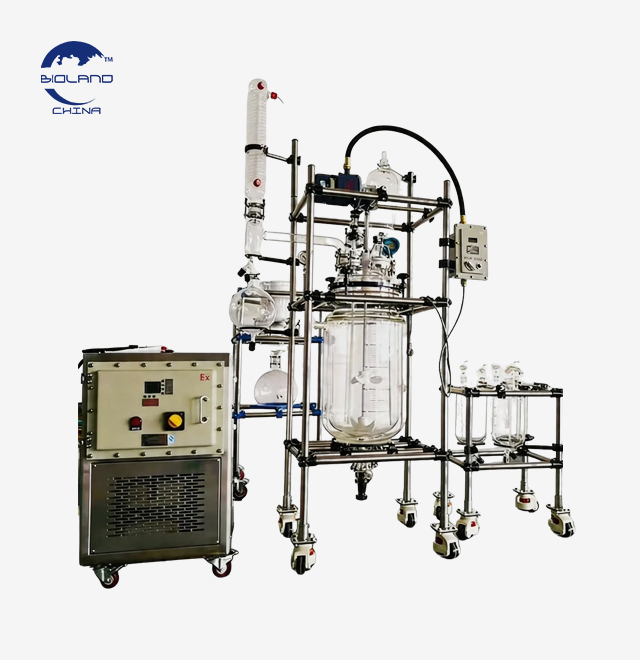
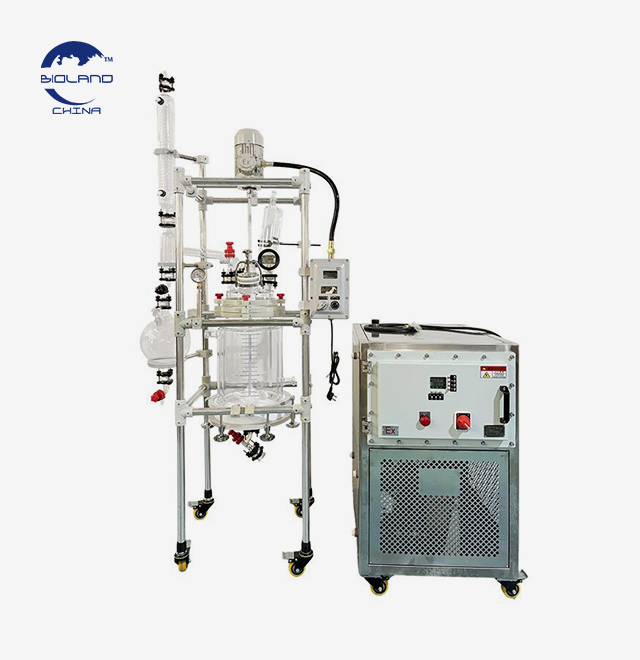
The reactor is beautifully mirror-polished and fully complies with GMP requirements for the pharmaceutical industry. The performance is excellent! Overall, we are very satisfied! We also provided with some feedback on our process improvements, which we hope will be helpful.
2024-04-09
Laboratory
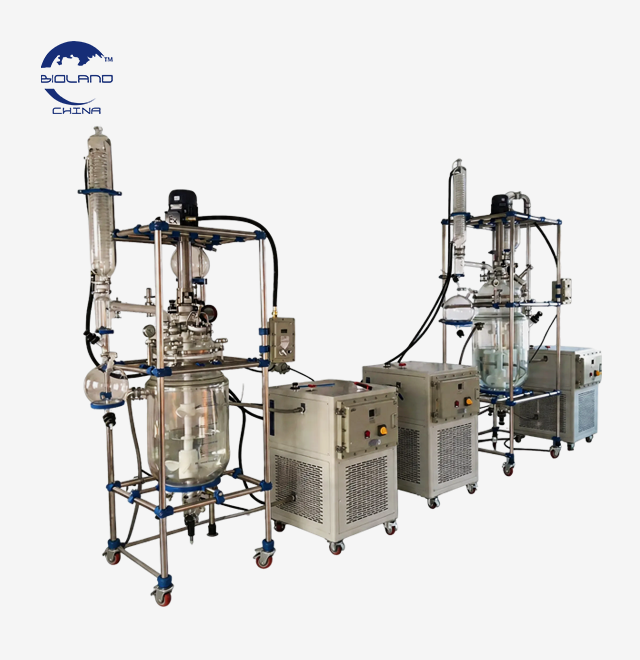
Excellent and professional service. Always reply our questions very fast. All reactors and chiller we received are good too.
2024-02-15
Research Institute
Quality is beyond our expectation actually. After we got the extraction equipment and started using it, the performance was beyond our expectation. Very easy to use and very efficient to run. Service always respond us very quickly. Was also very helpful to help us. Thanks Bioland team. Very happy to work with you.
2023-11-20
Biotech Company
We are happy about the new purchase as always. Equipment and services are both good.
2023-08-05
Instrument Lab
This is the second order with Bioland instrument and everything is good as the first dateText.
2023-05-12
Global Trading Partner
Bioland instrument team is very helpful and professional. The sales helped us select the right equipment for our application, and their logistics people handled the transportation and customs declaration for our shipment. All that saved us a lot of work.