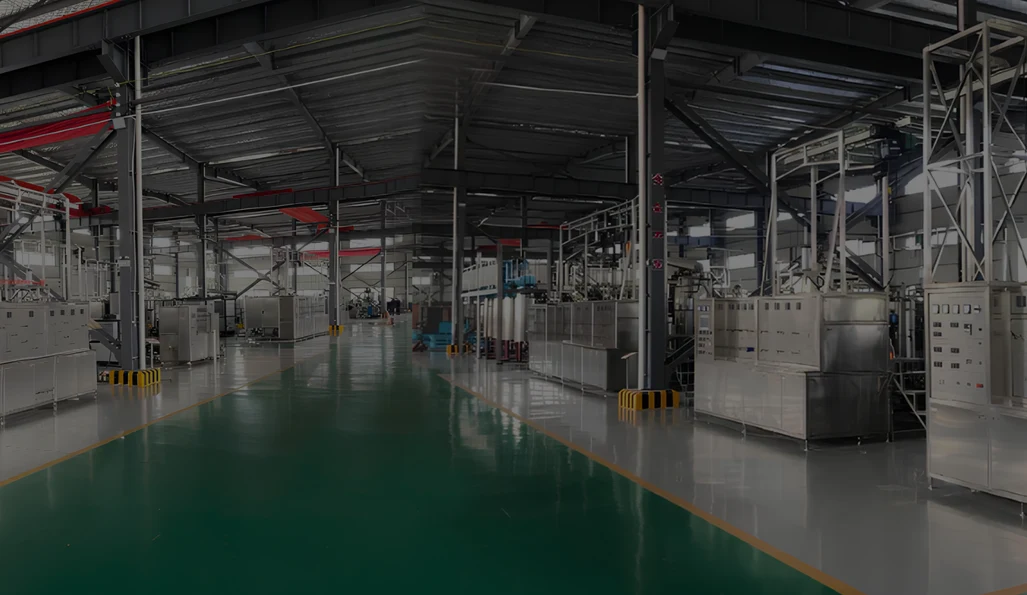
Affordable polysaccharides extraction machines with high efficiency
Sep 4, 2026
Botanical makers can increase yield, cut down on cycle time, and keep capital costs low by using high-efficiency, low-cost polysaccharides extraction machines. The polysaccharides extraction machine from Xi'an Bioland Instrument Co., Ltd. has GMP-ready stainless steel construction, ultrasonic cell disruption, and vacuum concentration. This means that mushroom, goji, stevia, and tea polysaccharides can be extracted in labs and medium-sized plants without the need for big boilers or long solvent soaks. Bioland has been distilling, extracting, and drying things for more than fifteen years and is CE and ISO certified. They can offer a polysaccharides extraction machine that usually pays for itself through higher recovery, lower steam use, and OEM flexibility, not just by having the lowest price.
What Determines the Cost of a Polysaccharides Extraction Machine?
Construction Materials and Sanitary Design Standards
The wetted-parts standard makes up the biggest part of the price of a polysaccharides extraction machine. For work with food-grade coffee and tea, SUS304 is fine. But SUS316L is needed when chloride-rich chili oleoresin or acidic propolis products will come into touch with the vessel. Even though jacketed tanks, demisters, and CIP spray balls cost more, they save time and money on cleaning and pass GMP and FDA audits. So that the user doesn't have to pay extra for upgrades later, Bioland builds every polysaccharides extraction machine with three layers of insulation and clean fittings. When clients used mild steel tanks, they had problems with corrosion and batch rejection. This hidden cost was taken care of when they switched to a properly specified polysaccharides extraction machine.
Ultrasonic Generator Capacity and Control Systems
Transducer power, frequency stability, and PLC automation decide both performance and price of a polysaccharides extraction machine. Higher wattage shortens the 24–40 minute extraction window and lifts yield 50–500 percent versus reflux, so the extra generator cost is recovered in raw-material savings. Online concentration probes, automatic discharge, and recipe storage raise the initial quote yet reduce operator error. A polysaccharides extraction machine without these controls looks cheaper on paper but consumes more solvent and labor over a year. Bioland’s in-house R&D team sizes the ultrasonic stack to the tank volume, avoiding over-specified power that would inflate the invoice.
Scale, Customization, and Regulatory Compliance
Tank volume from 50 L (BL-TN-C50L) to 500 L (BL-TN-C500L) and whether the line must be explosion-proof or ATEX-ready change the cost of apolysaccharides extraction machine. OEM/ODM orders for stevia glycoside or ganoderma polysaccharide lines typically ship in 30 business days; catalog units ship in 5–7 days. CE, ISO, and GMP documentation is included rather than sold as extras. A polysaccharides extraction machine that already carries these certificates avoids third-party inspection fees. Buyers who need only water extraction pay less than those who also require ethanol recovery and vacuum oil separators.
Logistics, Warranty, and Technical Support Bundles
Sea, rail, or air freight, a one-year quality warranty, and lifetime maintenance are bundled into the landed cost of a polysaccharides extraction machine. Weekly photo or video progress reports during fabrication, plus optional Factory Acceptance Test at the Xi’an plant, reduce the risk of receiving non-conforming equipment. These services add little to the invoice compared with the downtime they prevent. A polysaccharides extraction machine backed by a dedicated specialist each week of production gives purchasing teams a predictable total rather than surprise after-sales bills.
How Efficient Extraction Technology Reduces Operating Costs
Faster Cycles That Cut Labor and Utility Use
Ultrasonic cavitation inside a polysaccharides extraction machine finishes most botanicals in 24–40 minutes, more than two-thirds shorter than conventional heat-reflux. Fewer hours of operator attendance and shorter steam-jacket duty cycles lower the utility bill immediately. A mushroom processor that ran 8-hour soaks now completes three batches per shift on the same polysaccharides extraction machine, cutting overtime. Continuous feed and discharge further eliminate idle time between loads, so labor cost per kilogram of polysaccharide drops even when wage rates stay constant.
Gentle Temperatures That Protect Heat-Sensitive Compounds
The optimum 40–60 °C window of a polysaccharides extraction machine protects thermolabile polysaccharides, flavonoids, and pigments that would degrade above 80 °C. Lower temperature also means less steam or thermal-oil consumption. A tea-polyphenol plant that previously lost aroma and catechins now recovers both, because the polysaccharides extraction machine never overheats the liquor. Energy meters on comparable lines show 20–40 percent less heat input per kilogram of dry extract, directly shrinking operating cost while improving product quality.
Greater Recovery That Shrinks Feedstock Bills
Yield gains of 50–500 percent from a polysaccharides extraction machine mean less leaf, fruiting body, or root is needed for the same output of polysaccharide. A goji producer reduced raw-material purchase by nearly one-third after installing the unit, because more of the cell contents entered the solvent. Impurities remain low, so downstream purification is cheaper. The same polysaccharides extraction machine therefore attacks the two largest variable costs—feedstock and purification—at once.
Closed-Loop Solvent Recycle and Continuous Discharge
A polysaccharides extraction machinecondenses secondary gas from the evaporator and sends it back as fresh liquid. This keeps the vacuum between 0.05 and 0.09 MPa. The cost of solvent make-up and waste disposal fees both go down. The polysaccharides extraction machine runs with little help from a person because it has automatic drainage and CIP. Solvent used to be a big cost for plants, but now they only lose a few percent of the ethanol they make per batch.
Key Features That Improve Polysaccharide Extraction Efficiency
Cavitation That Breaks Plant Cell Walls Rapidly
The ultrasound field that breaks up or deforms plant tissue and releases internal polysaccharides much more thoroughly than mechanical stirring is at the heart of a polysaccharides extraction machine. Time is cut in half, and the extraction rate goes up by 50 to 500%. You only need to change the recipe for the polysaccharides extraction machine to work with shiitake, ganoderma, sweet potato, and silver-ear mushrooms. Processors stop leaving valuable carbohydrate in the leftover cake because polarity and molecular weight are no longer stopping recovery.
Integrated Extraction, Concentration, and CIP Modules
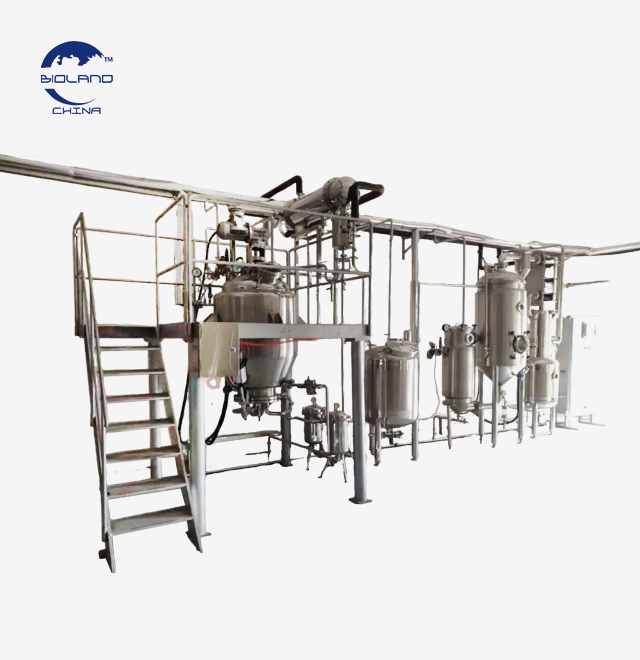
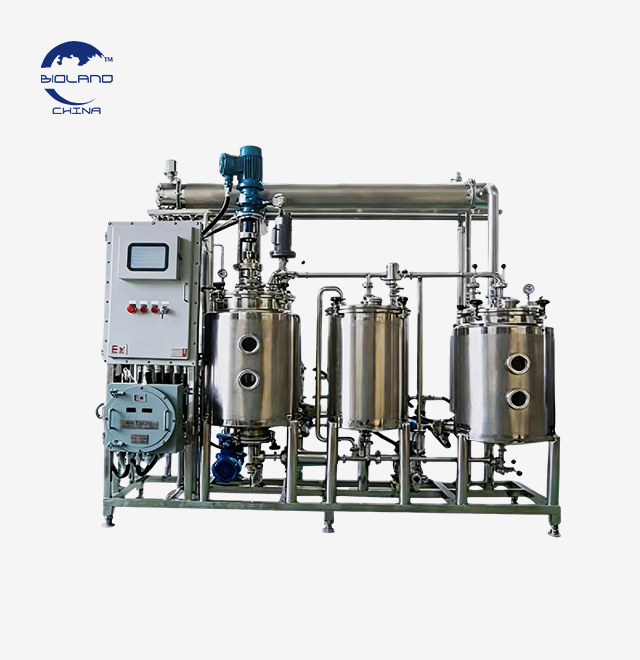
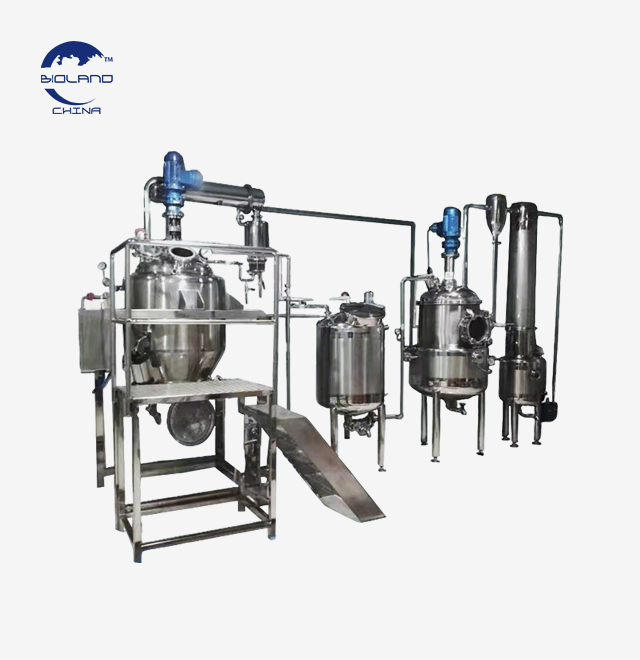
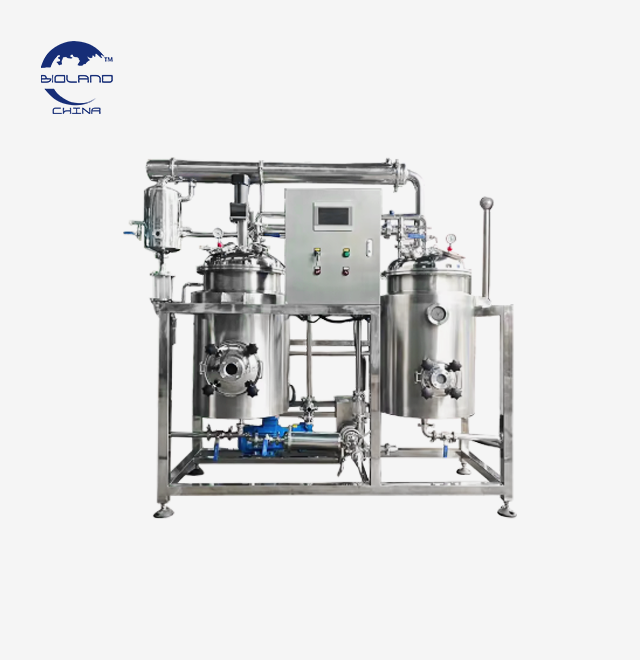
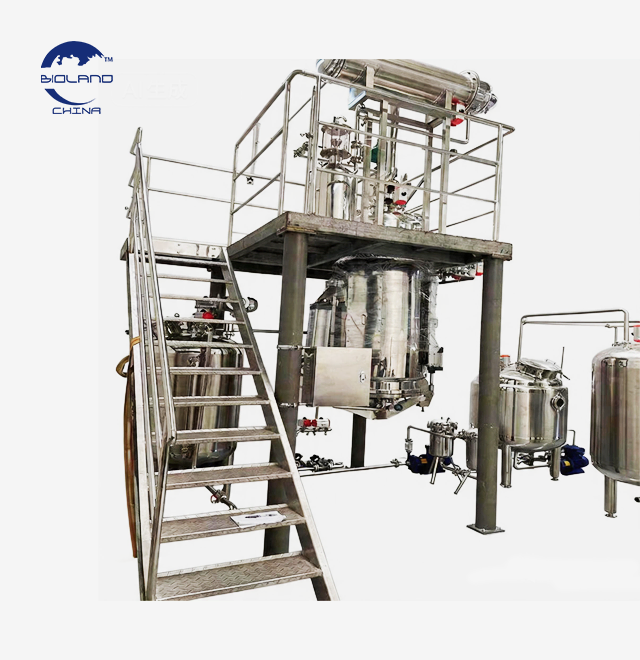
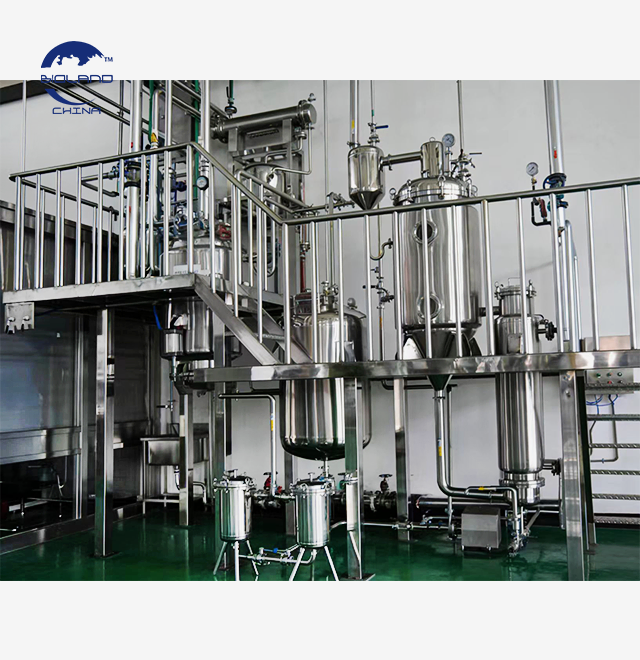
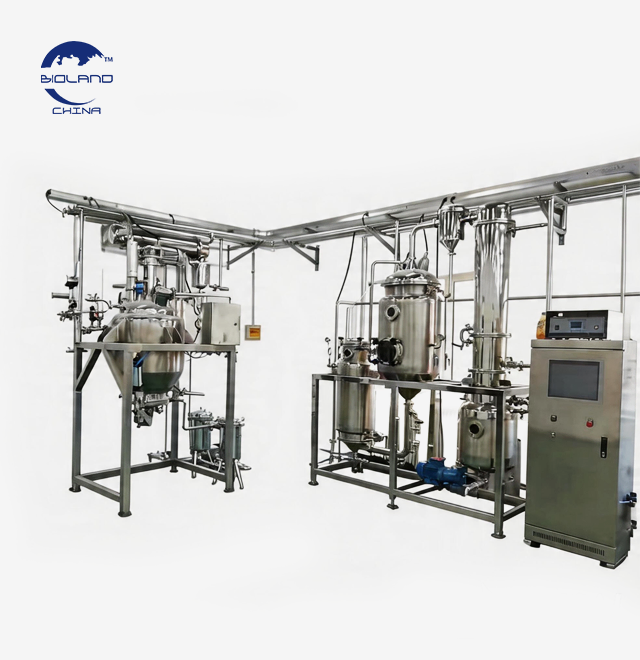
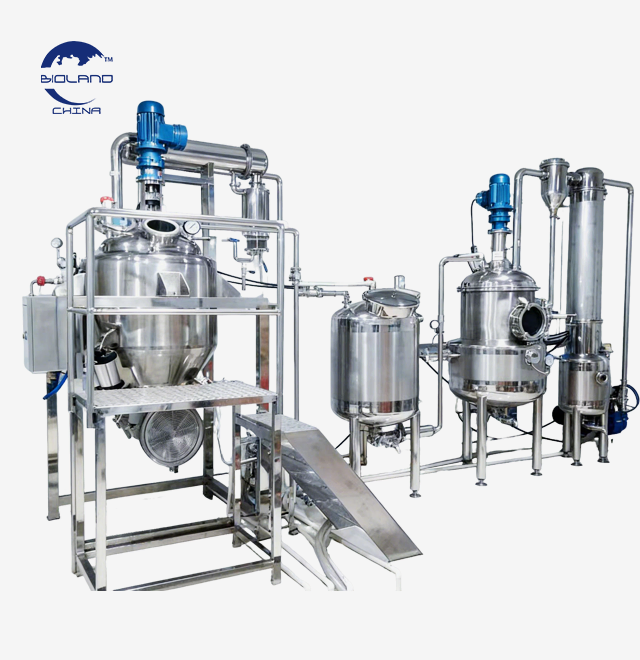
The ultrasonic tank, tubular heater, evaporator, condenser, oil separator, filtrate pump, metering tank, filter, vacuum pump, and control cabinet are all parts of a full polysaccharides extraction machine. The vacuum system is kept safe by foam catches on the air exits. The polysaccharides extraction machine is easy to clean between campaigns for chili, tea, and propolis because it has CIP spray balls and three layers of protection. So, one skid takes the place of several separate vessels, which reduces floor space and transfer losses.
Broad Botanical Compatibility and Multi-Solvent Options
Water, ethanol, methanol, or acetone can be charged into a polysaccharides extraction machine according to the process sheet. The same unit performs ultrasonic low-temperature extraction, Soxhlet-style dynamic extraction, hot reflux, water or alcohol precipitation, and percolation. A polysaccharides extraction machine therefore serves tincture makers, essential-oil houses, and functional-food plants without duplicate capital. Clients extract quercetin from larch or celery, flavonoids from ginkgo or lotus leaf, and caffeine from coffee on one platform.
PLC Automation, Online Monitoring, and GMP Layout
Intelligent PLC, in-line concentration sensors, automatic discharge, and recipe storage let a polysaccharides extraction machine run unattended once the solvent ratio is set. All product-contact parts are SUS304 or 316L, and the layout follows GMP and HACCP. A polysaccharides extraction machine can operate under vacuum, atmospheric, or slight positive pressure, giving flexibility for heat-sensitive or high-boiling fractions. Safety interlocks on jacket pressure (0.09–0.3 MPa) and compressed air (0.5–0.6 MPa) protect operators.
Comparing Energy Consumption, Processing Capacity, and Yield
Laboratory to Pilot Models and Steam Consumption Figures
Bioland’s polysaccharides extraction machine range starts at BL-TN-C50L (50 L, 20 kg/h evaporation, 2.7 kW motor, 25 kg/h steam) and scales to BL-TN-C500L (500 L, 200 kg/h evaporation, 3.5 kW, 250 kg/h steam). System vacuum is –0.085 MPa and evaporation temperature 60–100 °C across the line. A polysaccharides extraction machine of 200 L already matches many contract-manufacturing daily targets while remaining compact enough for a university pilot hall. Matching evaporation capacity to expected liquor volume prevents both bottleneck and idle steam.
Vacuum, Jacket Pressure, and Evaporation Temperature Ranges
Jacket pressure 0.09–0.3 MPa and vacuum –0.085 MPa let a polysaccharides extraction machine concentrate at temperatures that spare polysaccharides. Steam consumption figures are published so engineers can calculate boiler load before purchase. A polysaccharides extraction machine that evaporates 70 kg/h (200 L model) typically replaces two older 100 L reflux stills, cutting both energy and labor. Thermal-oil heating can be added where steam is unavailable, keeping the same polysaccharides extraction machine usable in regions without plant steam.
Documented Gains in Stevia, Ganoderma, and Tea Polyphenol Plants
A stevia extractor needed higher glycoside recovery from leaf, stem, and root without raising solvent cost. The polysaccharides extraction machine delivered the target assay in 35 minutes at 50 °C, lifting yield enough to offset the equipment payment within two seasons. A ganoderma farm faced low polysaccharide titer and long soak times; the same polysaccharides extraction machine raised titer and cut cycle time by two-thirds, freeing dryer capacity. A tea factory wanted polyphenols, amino acids, and aroma oil in one pass; the polysaccharides extraction machine recovered all three fractions with lower steam than the old percolators.
Selecting the Right Volume for Daily Throughput Goals
Choosing a polysaccharides extraction machine is a mass-balance exercise: daily dry-plant throughput, solvent-to-solid ratio, and desired concentrate density determine whether 100 L or 300 L is correct. Over-sizing wastes capital and energy; under-sizing creates queues. Bioland’s engineers run the numbers with the client, then confirm with FAT. A polysaccharides extraction machine correctly sized for 8-hour operation avoids night-shift premiums and still meets monthly polysaccharide quotas.
How to Evaluate Total Equipment Cost and Long-Term Value
Calculating Payback from Yield and Energy Data
Up-front price of a polysaccharides extraction machine is only the first line of the spreadsheet. Higher yield, shorter cycles, lower steam, and solvent recycle usually return the investment in 12–24 months. A chili-oleoresin plant that struggled with capsaicin loss and long extraction now finishes batches faster and with higher color value on a polysaccharides extraction machine, turning previously discarded cake into saleable oleoresin. The extra revenue plus energy savings dwarf the monthly finance charge.
In-House R&D, OEM/ODM, and Weekly Production Updates
Xi’an Bioland Instrument Co., Ltd. maintains an experienced R&D and technician team that customizes every polysaccharides extraction machine to the client’s process. OEM and ODM orders are welcome; catalog units ship in 5–7 days, custom lines in 30 business days. During fabrication a dedicated specialist sends photos or video each week so the buyer sees progress. After assembly, detailed images or video are supplied for approval before shipment, or the client may attend FAT. A polysaccharides extraction machine therefore arrives as specified, not as a surprise.
Proven Lines for Chili Oleoresin, Propolis, and Natural Pigments
A chili processor needed capsaicin and oleoresin without thermal degradation. The polysaccharides extraction machine used ethanol and ultrasound at 45 °C, raising recovery and shortening time; the client now sells a higher-grade oleoresin. A propolis extractor wanted flavonoids and phenolic acids with less wax; the same polysaccharides extraction machine plus ethanol gave a cleaner tincture and higher flavonoid titer. A pigment house extracting orange-peel carotenoids and plant anthocyanins switched to a polysaccharides extraction machine and obtained brighter color with less solvent, because cavitation released pigment without high heat.
One-Year Warranty, Lifetime Maintenance, and FAT Options
Every polysaccharides extraction machine carries a one-year quality warranty and lifetime maintenance. Products meet GMP/FDA expectations. Pre-sales process design and after-sales spare-parts support keep the line running. Clients may witness FAT at the factory once the polysaccharides extraction machine is ready. Combined with sea, rail, or air freight options, the package minimizes total cost of ownership. Bioland’s mission is first-class equipment at the lowest practical price, backed by real-time support so customers expand capacity rather than fight downtime.
Conclusion
An affordablepolysaccharides extraction machine with high efficiency is no longer a luxury reserved for large pharmaceutical plants. Ultrasonic cavitation, 40–60 °C operation, 24–40 minute cycles, and 50–500 percent yield gains let mid-size processors of mushrooms, stevia, tea, chili, and propolis compete on quality and cost. Bioland’s 15-year record, CE/ISO/GMP compliance, OEM flexibility, and transparent production tracking turn the polysaccharides extraction machine into a complete process solution rather than a stand-alone tank. When total energy, solvent, labor, and feedstock savings are counted, the equipment consistently delivers the lowest long-term cost per kilogram of polysaccharide.
FAQ
Q1: How long does a typical run take on a polysaccharides extraction machine?
A: Most botanicals reach peak polysaccharide yield in 24–40 minutes, more than two-thirds faster than reflux.
Q2: Can one polysaccharides extraction machine handle both water and ethanol recipes?
A: Yes. The same unit accepts water, ethanol, methanol, or acetone and can switch between ultrasonic, reflux, and percolation modes.
Q3: What tank sizes are available?
A: Standard polysaccharides extraction machine models run from 50 L to 500 L (BL-TN-C50L to BL-TN-C500L) with matching evaporation rates.
Q4: Does the equipment meet pharmaceutical standards?
A: Vessels are SUS304/316L, CIP-ready, and designed to GMP/FDA; CE and ISO certificates are supplied.
Q5: How is production progress reported?
A: A dedicated specialist sends weekly photos or video; clients approve finished units by image or FAT before shipment.
Ready to Cut Extraction Cost and Raise Polysaccharide Yield?
Bioland Instrument has spent more than fifteen years designing ultrasonic, vacuum, and GMP-compliant process lines for botanicals, food, and pharmaceutical clients across Europe and Southeast Asia. A polysaccharides extraction machine from Bioland gives you 50–500 percent higher recovery, 40–60 °C gentle operation, 24–40 minute cycles, PLC automation, CIP, and full OEM/ODM support—without the premium price of over-specified European skids. In-house R&D, weekly production videos, one-year warranty, lifetime maintenance, and optional FAT mean you see exactly what you buy. Whether you extract ganoderma polysaccharide, stevia glycosides, tea polyphenols, chili oleoresin, or propolis flavonoids, we size, build, and support the complete solution. Tell us your daily throughput and solvent preference; we will reply with a process layout and quote. Email info@biolandequip.com today and turn your next campaign into a higher-yield, lower-cost run.
References
1. Chemat, F., Rombaut, N., Sicaire, A. G., Meullemiestre, A., Fabiano-Tixier, A. S., & Abert-Vian, M. Ultrasound assisted extraction of food and natural products. Ultrasonics Sonochemistry.
2. Vinatoru, M. An overview of the ultrasonically assisted extraction of bioactive principles from herbs. Ultrasonics Sonochemistry.
3. Hromádková, Z., Ebringerová, A., & Valachovič, P. Ultrasound-assisted extraction of water-soluble polysaccharides from the roots of valerian. Ultrasonics Sonochemistry.
4. Ying, Z., Han, X., & Li, J. Ultrasound-assisted extraction of polysaccharides from mulberry leaves. Food Chemistry.
5. Zhao, Z. Y., Zhang, Q., Li, Y. F., Dong, L. L., & Liu, S. L. Optimization of ultrasound extraction of Alisma orientalis polysaccharides. Carbohydrate Polymers.
6. Toma, M., Vinatoru, M., Paniwnyk, L., & Mason, T. J. Investigation of the effects of ultrasound on vegetal tissues during solvent extraction. Ultrasonics Sonochemistry.
The reactor is beautifully mirror-polished and fully complies with GMP requirements for the pharmaceutical industry. The performance is excellent! Overall, we are very satisfied! We also provided with some feedback on our process improvements, which we hope will be helpful.
2024-04-09
Laboratory
Excellent and professional service. Always reply our questions very fast. All reactors and chiller we received are good too.
2024-02-15
Research Institute
Quality is beyond our expectation actually. After we got the extraction equipment and started using it, the performance was beyond our expectation. Very easy to use and very efficient to run. Service always respond us very quickly. Was also very helpful to help us. Thanks Bioland team. Very happy to work with you.
2023-11-20
Biotech Company
We are happy about the new purchase as always. Equipment and services are both good.
2023-08-05
Instrument Lab
This is the second order with Bioland instrument and everything is good as the first dateText.
2023-05-12
Global Trading Partner
Bioland instrument team is very helpful and professional. The sales helped us select the right equipment for our application, and their logistics people handled the transportation and customs declaration for our shipment. All that saved us a lot of work.