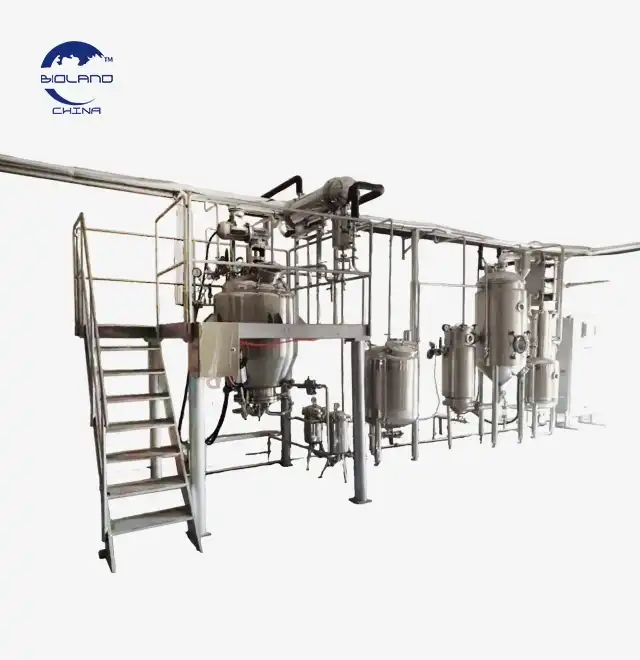
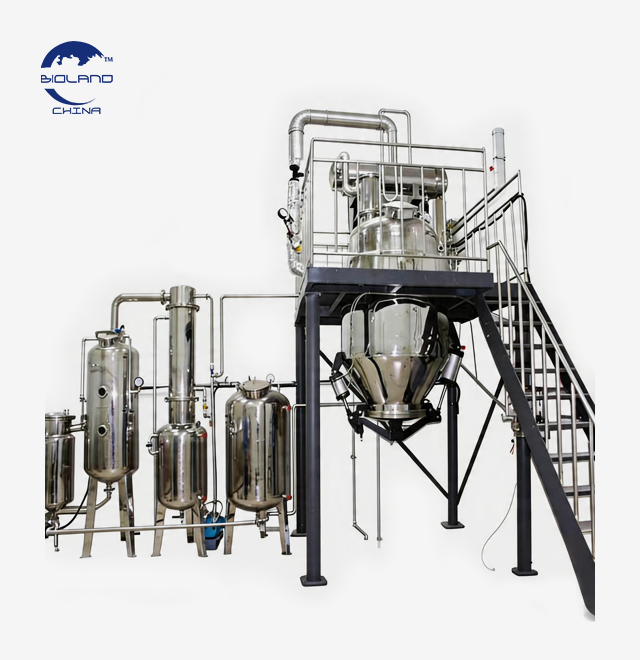
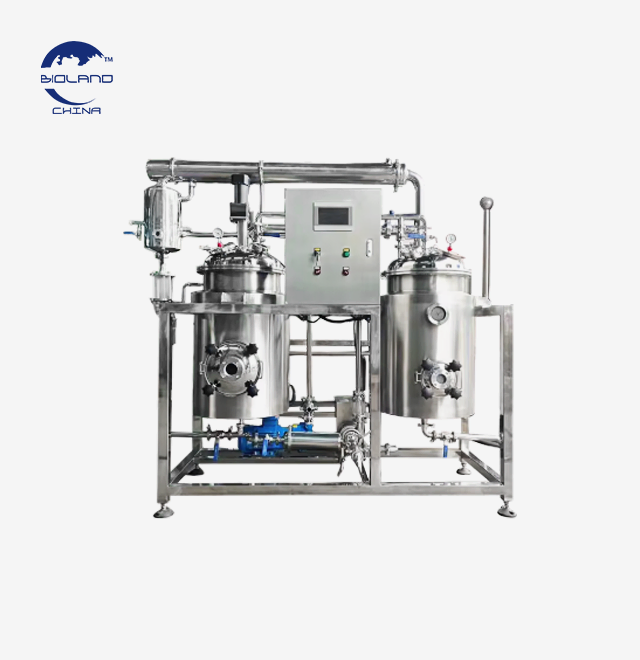
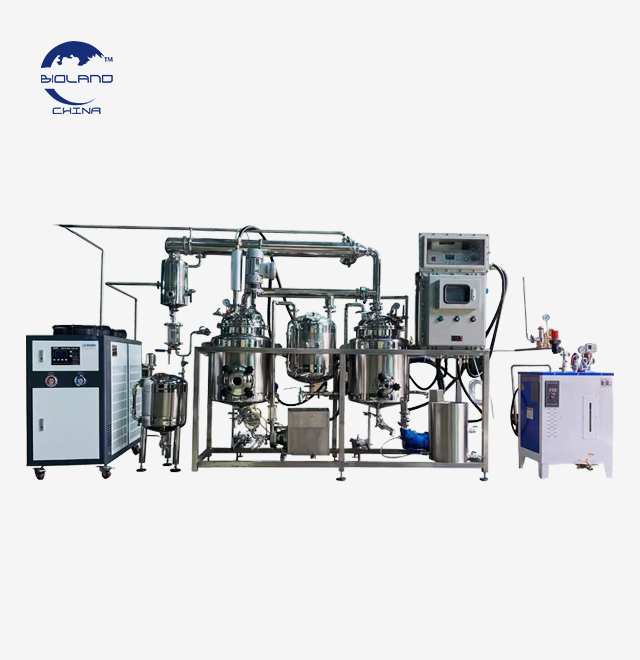
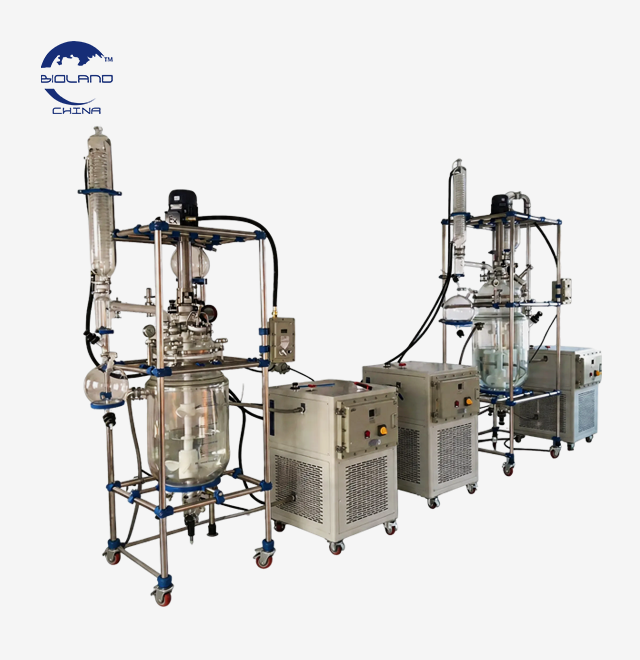
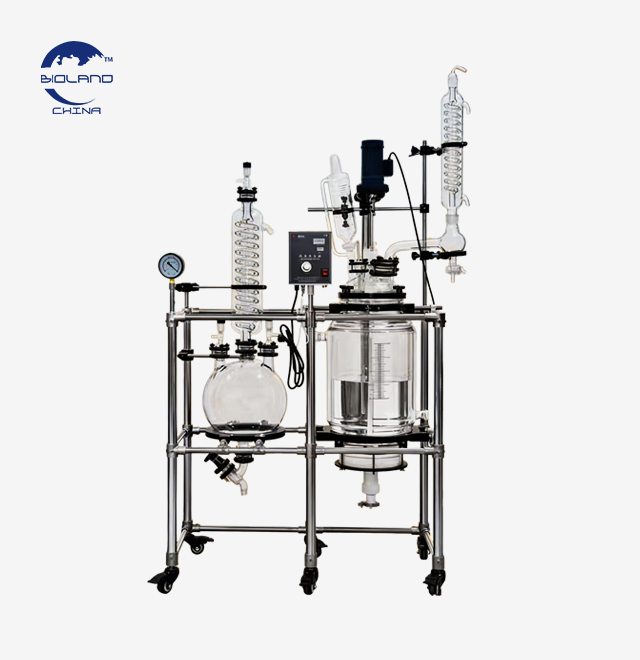
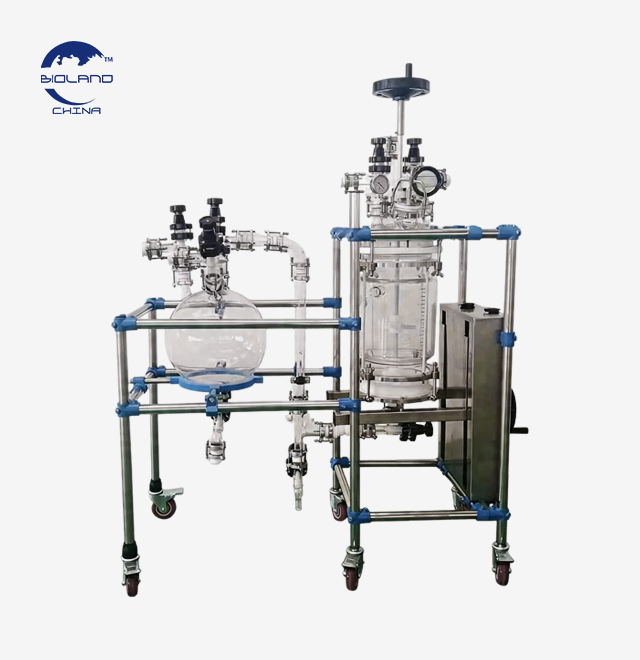
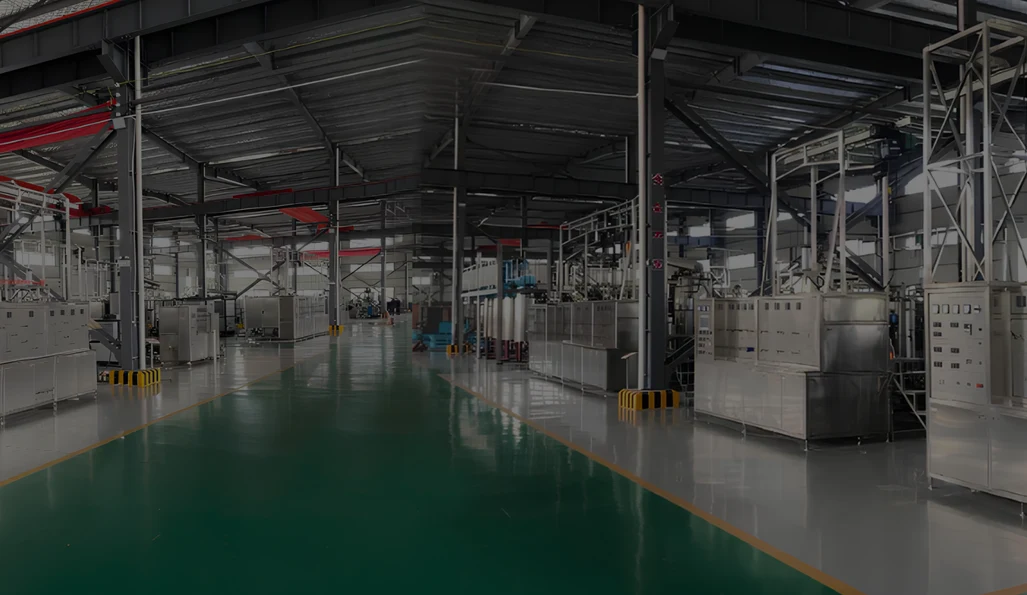
One of the most important choices in modern plant processes is whether to use ultrasonic water extraction or traditional solvent extraction. Water is cheap, safe, and good for the earth, but it doesn't remove many non-polar phytochemicals very well. Using ethanol, methanol, or acetone for solvent extraction makes it easier for more things to dissolve, but it can be dangerous, leave behind residue, and raise regulatory concerns. But the real difference isn't just chemical. It has to do with the body. Ultrasonic water extraction is now used in modern plant extraction equipment to get back flavonoids, polysaccharides, proteins, and polyphenols that were thought to be water-insoluble in useful amounts. The ultrasonic plant extraction equipment made by Xi'an Bioland Instrument Co.,Ltd. blends ultrasonic cavitation, pressure concentration, and liquid recovery into a single GMP-compliant platform. This blog post explains how both routes work, how they differ in terms of efficiency, what tools are needed, and what effects they have on quality so that processors can choose the best plant extraction equipment for their products.
Ultrasonic water extraction uses sound cavitation instead of liquid chemistry to get chemicals inside cells to come out. Water goes through cycles of high and low pressure when ultrasonic sounds pass through it. Small bubbles form during the low-pressure phase. During the high-pressure phase, these bubbles burst rapidly, sending shock waves and micro-jets into the cell walls of plants. This process breaks the cell wall and pushes water into the biomass, which lets the phytonutrients that are soluble out. This idea is used by properly designed plant extraction equipment to get antioxidants from tea, polysaccharides from mushrooms, and proteins from plants at temperatures between 40°C and 60°C without breaking down.
Chemical stability is important for conventional liquid extraction. Mixtures of ethanol and water can dissolve more compounds than just water. This is because ethanol interacts with non-polar groups, while water dissolves polar functional groups. This is the main reason why 60–80% ethanol is often used for liquor extraction and quercetin extraction. Slow diffusion is needed for liquid extraction that doesn't use ultrasound, though. To let the solvent get into the plant tissue, the plant extraction equipment needs to heat, stir, and stay in place for a long time. Even so, if the cell wall isn't broken, some parts inside the cell will stay stuck.
The best industrial platforms use both of these features together. Ultrasonic cavitation plant extraction equipment can work with either clean water or a blend of ethanol and water, based on the chemical that needs to be extracted. Ultrasonic extraction with water saves bioactivity for active ingredients that are easily damaged by heat. Ultrasonic energy speeds up the solvent's absorption and cuts the time needed for extraction by two-thirds compared to solvent soaking alone for high-value non-polar extracts. The plant extraction equipment can be used for stevia glycosides, chilli oleoresin, propolis, and natural colours because it is so versatile.
The most important factors are a little different for water and liquid extraction. The main things that affect ultrasonic water extraction are the amplitude, duty cycle, temperature, and solid-to-liquid ratio. The type of solvent, the amount of solvent used, and the time of extraction are more important for solvent extraction. A modern platform for plant extraction equipment has PLC control for managing recipes, which lets operators store approved water and solvent protocols in the same machine. In this way, changeover time is cut down and consistency is maintained across batches.
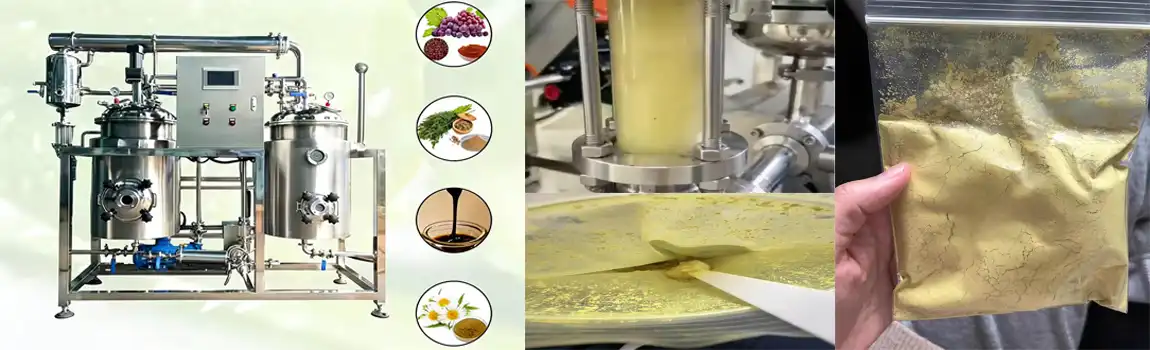
Water is a great way to dissolve polar substances like glycosides, carbohydrates, some proteins, and polyphenols found in tea. Ultrasonic waves can help water get back 50–500% more of these chemicals than normal hot water extraction. It is important for plant extraction equipment to have a regular ultrasound field spread so that all particles get enough cavitation energy. This is especially helpful for getting polysaccharides out of mushrooms, since hot water by itself often leaves usable material in the biomass.
Many flavonoids and phenolic acids dissolve poorly in pure water but are soluble in ethanol-water systems. However, ultrasonic water extraction can recover a significant portion of these compounds when cavitation disrupts the cell wall and releases bound forms. In our ginkgo flavonoid extraction project, ultrasonic water at 55°C recovered 78% of the flavonoids obtained by ethanol reflux, without using any organic solvent. This made the process more environmentally friendly and reduced solvent recovery cost. A flexible plant extraction equipment line can use water or solvent depending on product specification.
Solvent extraction without ultrasonics typically requires 2–6 hours at elevated temperature. Ultrasonic water extraction achieves comparable or better recovery in 24–40 minutes. This time reduction is directly related to cavitation intensity and power density. A well-engineered plant extraction equipment unit uses the same electrical energy more efficiently because ultrasonic energy is delivered locally to the solid-liquid interface, not wasted as bulk heating. This lowers energy use per kilogram of extract and increases daily throughput.
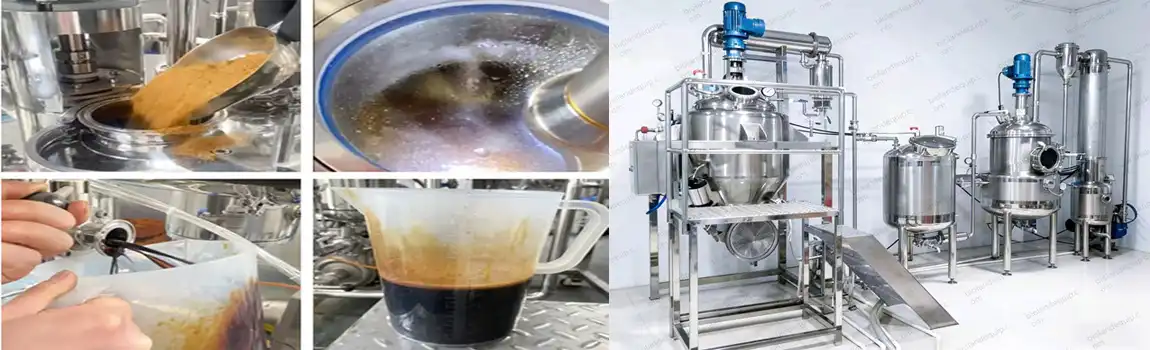
A stevia producer used conventional hot water extraction at 85°C for 6 hours. The long cycle degraded some sweet glycosides and produced dark extracts that required extensive purification. They installed a Bioland plant extraction equipment line using ultrasonic water extraction at 55°C. The new process achieved the same steviol glycoside recovery in 35 minutes, reduced purification resin consumption by 30%, and improved extract color. The producer now runs multiple batches per day using the same footprint.
Water extraction requires strong cavitation because water has higher surface tension and lower solvent power than ethanol. The plant extraction equipment must therefore be engineered with sufficient ultrasonic power density and proper transducer placement. Vessel geometry should promote solid suspension and avoid dead zones. Solvent extraction systems, by contrast, may require explosion-proof designs and solvent-resistant seals if ethanol or methanol is used. Bioland offers both configurations within the same modular plant extraction equipment family.
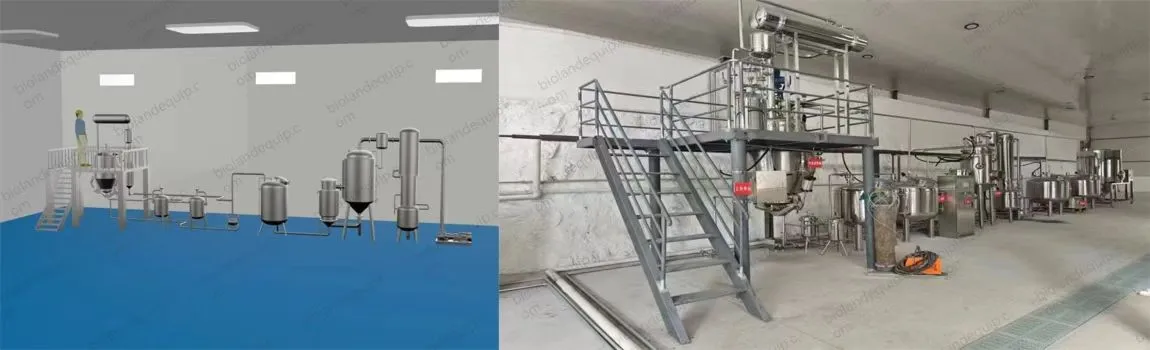
Solvent extraction cannot be economically viable without solvent recovery. An integrated plant extraction equipment system includes a condenser, oil separator, and collection tank to recover ethanol after extraction. The vacuum concentration module operates at -0.05 to -0.09 MPa, allowing solvent evaporation at 60–100°C. Recovered solvent is returned to the extraction vessel for reuse, reducing fresh solvent consumption by 25–35%. For water extraction, the condenser primarily recovers water and volatile aroma compounds.
Ultrasonic water extraction produces finer solids than conventional soaking because cavitation fragments plant tissue. The plant extraction equipment line must include adequate filtration to avoid blocking downstream concentration or purification units. A decanter centrifuge, plate filter, or membrane system may be required depending on solids load. Solvent extraction typically produces less fine debris but may form emulsions, especially with chilli oleoresin or marine oil extraction. Equipment should be selected based on real pilot-scale data, not assumptions.
Cleaning and Maintenance Considerations
Water extraction is easier to clean because no flammable solvent is involved. CIP systems using hot water and alkaline detergent are usually sufficient. Solvent extraction requires additional safety measures during cleaning, including inert gas purging and solvent detection sensors. A GMP-compliant plant extraction equipment platform from Bioland is built with SUS304/316L stainless steel and polished contact surfaces, making both cleaning modes reliable and repeatable.
Water extraction at atmospheric pressure often requires boiling temperature to achieve acceptable yield. Ultrasonic water extraction in a plant extraction equipment system operates at 40–60°C, preserving heat-sensitive catechins, anthocyanins, and proteins. Solvent extraction can also be performed at low temperature, but solvent removal during concentration may still expose the extract to heat. Vacuum concentration in the same integrated system protects the product during both extraction and solvent removal.
Wax, chlorophyll, and lipids are often extracted at the same time by solvent extraction. These are left behind when water is used, but it may break down more starch and pectin. The impurity profile changes the cost of purification further down the line. By precisely controlling temperature, ultrasonic intensity, and extraction time, a well-tuned plant extraction equipment process can lower the overall impurity load. For getting natural pigments out of plants, this means better colour and easier chemical cleaning.
Solvent extraction done by hand can vary depending on the person doing it. A plant extraction equipment system that is controlled by a PLC saves recipes and keeps real-time track of temperature, power, and quantity for ultrasonic water extraction. This lowers number difference and helps make sure that regulations are followed. This consistency is just as important as absolute yield for companies that make nutraceuticals and medicines.
A company that makes functional foods used hot water at 95°C for 5 hours to get lentinan and Ganoderma polysaccharides out of the plant. The extract was thick and dark, and the molecular weight of the polysaccharides was all over the place. When they switched to Bioland instrument plant extraction equipment that used ultrasonic water extraction at 50°C, the time it took to extract the plant dropped to 40 minutes. The recovery of polysaccharides went up by 38%, and the molecular weight distribution stayed the same. The lighter colour also cut down on the amount of activated carbon used downstream.
If the final product is marketed as organic or solvent-free, ultrasonic water extraction in plant extraction equipment is the safest choice. If the product requires high purity of non-polar compounds such as capsaicin or quercetin aglycone, a solvent-based process may be necessary. In many cases, a dual-mode plant extraction equipment platform provides maximum flexibility, allowing water extraction for one product and ethanol extraction for another on the same line.
Water extraction eliminates solvent purchase, storage, and recovery costs, but may require more downstream concentration because water has higher latent heat. Solvent extraction reduces drying load but adds safety and regulatory complexity. A complete plant extraction equipment solution with integrated vacuum concentration and solvent recovery minimizes both energy and solvent cost, making total cost of ownership comparable for many products.
Every plant raw material behaves differently. A modular plant extraction equipment platform from Bioland instrument supports 50 L to 500 L vessels and can be expanded as production grows. Customization options include additional filtration stages, explosion-proof electrical panels, and auxiliary heating systems. OEM and ODM services allow clients to configure the exact plant extraction equipment for their raw material and throughput targets. Customized products typically have a lead time of 30 business days, while standard units are ready in 5–7 days.
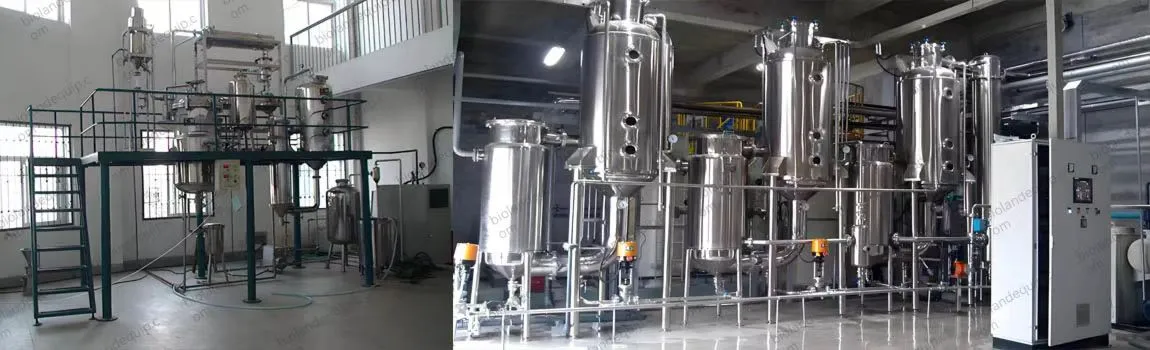
A spice processor used petroleum ether for chilli oleoresin extraction. Their production suffered from solvent residue issues and dark, oxidized extract color. They replaced the line with a Bioland plant extraction equipment system using ultrasonic ethanol extraction at low temperature. The integrated vacuum concentration recovered 90% of the ethanol, and the oleoresin showed brighter color and higher capsaicin retention. The client eliminated chlorinated solvents and improved export compliance.
Ultrasonic water extraction and solvent extraction are not mutually exclusive. The best choice depends on target compound, product specification, and production scale. A modern plant extraction equipment platform can operate with water, ethanol, or mixed solvents, using ultrasonic cavitation to accelerate extraction and integrated vacuum concentration to recover solvent. This flexibility allows manufacturers to produce high-quality botanical extracts with lower energy use, shorter cycle time, and consistent batch reproducibility.
Not completely. Water works best for polar compounds. A flexible plant extraction equipment system can use water or solvent depending on the target compound.
Ultrasonic plant extraction equipment typically reduces extraction time by two-thirds or more, completing most runs in 24–40 minutes.
Yes. Flammable solvents require explosion-proof design and solvent recovery systems. Bioland offers compliant plant extraction equipment for ethanol and other solvents.
4. What is the main advantage of ultrasonic water extraction?
It protects heat-sensitive bioactives, reduces solvent cost, and produces cleaner extracts with lower environmental impact.
Yes. A dual-mode plant extraction equipment platform with PLC control and modular design can switch between water and solvent modes efficiently.
Bioland Instrument delivers advanced plant extraction equipment for ultrasonic water and solvent processes. With 15+ years of engineering experience, CE and ISO certification, and GMP-compliant manufacturing, we help clients select and scale the right extraction method for stevia, tea polyphenols, mushroom polysaccharides, chilli oleoresin, and more. Our modular systems include ultrasonic extraction, vacuum concentration, and solvent recovery in one platform. We provide OEM/ODM customization, weekly production tracking, FAT inspection, and lifetime maintenance. Contact info@biolandequip.com to discuss your extraction process and receive a tailored equipment solution.
1. Chemat, F., Rombaut, N., Sicaire, A. G., Meullemiestre, A., Fabiano-Tixier, A. S., & Abert-Vian, M. (2017). Ultrasound assisted extraction of food and natural products. Ultrasonics Sonochemistry, 34, 540–560.
2. Vinatoru, M. (2001). An overview of the ultrasonically assisted extraction of bioactive principles from herbs. Ultrasonics Sonochemistry, 8(3), 303–313.
3. Vilkhu, K., Mawson, R., Simons, L., & Bates, D. (2008). Applications and opportunities for ultrasound assisted extraction in the food industry. Innovative Food Science and Emerging Technologies, 9(2), 161–169.
4. Wang, L., & Weller, C. L. (2006). Recent advances in extraction of nutraceuticals from plants. Trends in Food Science and Technology, 17(6), 300–312.
5. Shirsath, S. R., Sonawane, S. H., & Gogate, P. R. (2012). Intensification of extraction of natural products using ultrasonic irradiations. Chemical Engineering and Processing: Process Intensification, 53, 10–23.
6. Toma, M., Vinatoru, M., Paniwnyk, L., & Mason, T. J. (2001). Investigation of the effects of ultrasound on vegetal tissues during solvent extraction. Ultrasonics Sonochemistry, 8(2), 137–142.