Ultrasonic Flavonoid Extraction vs Traditional Soaking Methods
Sep 18, 2026
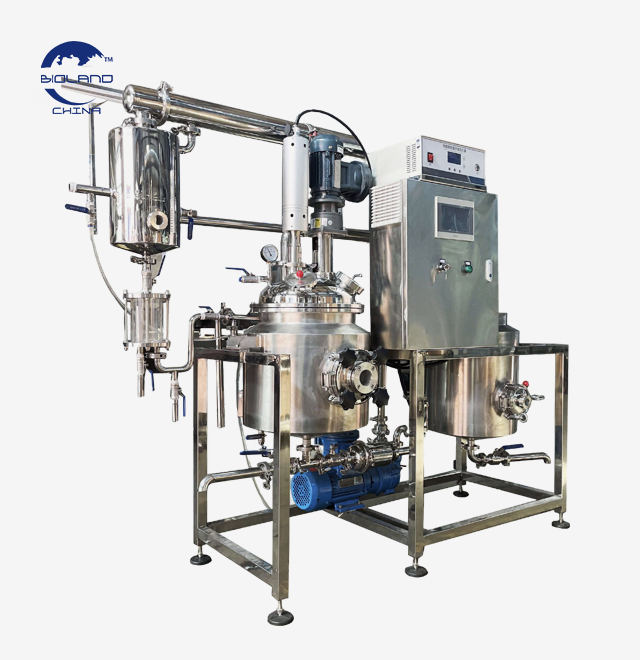
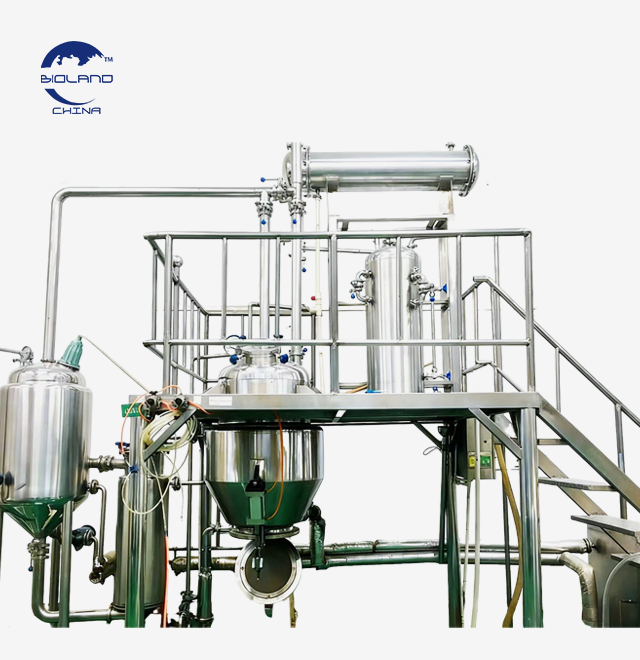
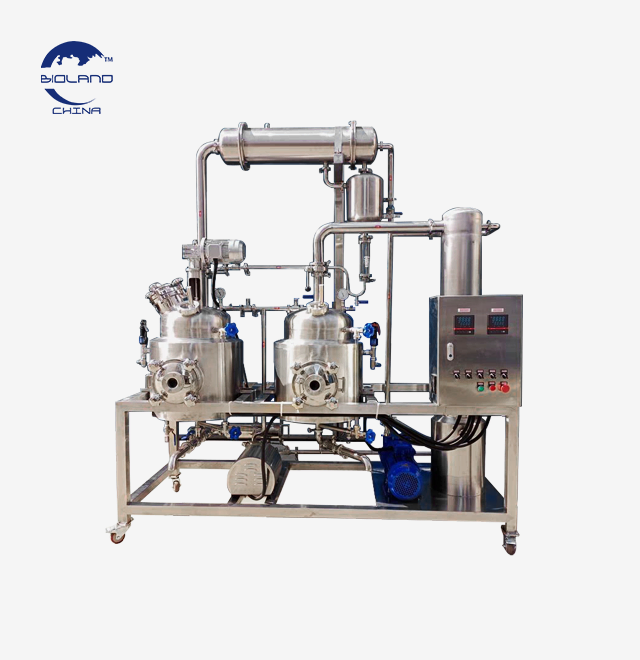
In the competitive world of making natural products, getting valuable compounds like flavonoids out of plants quickly is very important. Businesses have to make a tough choice between old-fashioned ways of cleaning and new technologies that can help them. This blog post goes into great depth about a comparison and shows how ultrasonic flavonoid extraction equipment is a huge step forward. We will talk about the processes, results, economy, and total effect on your production line to show why top makers are choosing this new technology. Our research shows that modern systems are the best choice for any serious operation in the food, pharmaceutical, or botanical industries because they are designed to produce the most with the least amount of resources.
How Do Ultrasonic and Traditional Soak Mechanisms Differ?
The Physics of Cavitation vs. Passive Diffusion
In traditional soaking, solvents slowly work their way through plant matter to break down specific compounds over a long period of time. This process takes a long time and is often not finished. The strength of sound cavitation is harnessed by ultrasonic flavonoid extraction equipment. High-frequency sound waves make tiny bubbles in the solvent that burst violently, causing big differences in pressure and temperature in one area. This physical event breaks down plant cell walls, making it much easier for solvents to get to the flavonoids inside the cells. One method waits, while the other breaks down walls so that they can be released right away. This makes ultrasonication a proactive extraction technology.
Targeted Disruption for Specific Compound Classes
The difference in how things work has big effects on flavonoid recovery. Using traditional soaking methods can get rid of a lot of different compounds, some of which are not wanted. This can make the next step of purification more difficult. It is possible to finetune ultrasonic waves to get the most out of certain groups of compounds, such as flavonoids. For example, when working with difficult raw materials like citrus peels to get pigments out of them or complex mixtures like propolis to get flavonoids out of them, an ultrasonic flavonoid extraction equipment system's targeted cell lysis makes sure that the extract is cleaner and has higher concentrations of the actives that are wanted. This makes the whole production process more efficient.
From Batch Guesswork to Controlled Process
Traditional soaking is mostly a batch process that is hard to control, so the output can change from one run to the next. This is different now that modern ultrasonic flavonoid extraction equipment has smart controls built in. A PLC system can accurately set and keep an eye on things like ultrasound power, time, and temperature. This makes it possible to make basic recipes that can be used again and again. Whether you're taking quercetin from celery or polysaccharides from mushrooms, the process is clear and constant. This means that there is no variation from batch to batch and the quality of the product is always guaranteed, which is very important for GMP-compliant facilities.
Which Method Provides Higher Flavonoid Extraction Yield?
Breaking Down the Yield Barrier with Cavitation
Yield is the ultimate metric for any extraction process. Traditional methods are constrained by diffusion kinetics, typically requiring long soaking times to achieve moderate yields. Scientifically validated, ultrasonic-assisted extraction can boost flavonoid yields by 50-500% compared to conventional techniques. This leap is directly attributable to cavitation's ability to completely liberate compounds trapped within cellular structures. For high-value targets like the flavonoids in ginkgo biloba leaves or tea, this increase translates directly into higher revenue per batch of raw material.
Case Study: Maximizing Yield in Stevia Glycoside Production
Consider a client producing stevia sweeteners. Traditional water or ethanol soaking of stevia leaves often leaves a significant portion of the glycosides unextracted, diminishing the sweetness intensity of the final product. By implementing an ultrasonic flavonoid extraction equipment system as part of their stevia production line, they achieved a 40% increase in glycoside recovery. The ultrasonic waves efficiently broke down the leaf matrix, allowing for thorough extraction in a fraction of the time. This not only boosted their yield but also allowed them to process more leaf material daily, directly addressing their core business challenge of maximizing output from a costly botanical input.
Case Study: Overcoming Complex Matrices in Chilli Oleoresin
Another compelling example is in the food industry for chilli oleoresin extraction. The capsaicinoids are bound within the tough placental tissue of the chilli. Soaking alone often requires multiple cycles and large solvent volumes to achieve acceptable potency. A food processor upgraded to a continuous-feed ultrasonic system. The violent mechanical action of the cavitation shattered the chilli structure, releasing capsaicinoids more completely. They reported a yield increase of over 60%, enabling them to produce a more concentrated and potent oleoresin from the same amount of raw chillies, significantly improving their cost competitiveness.
How Do Extraction Time and Processing Efficiency Compare?
Slashing Time from Days to Minutes
Time is a critical production cost. Traditional soaking for flavonoids can take anywhere from several hours to multiple days for optimal diffusion. This creates bottlenecks, increases labor costs, and ties up capital in work-in-progress inventory. Ultrasonic flavonoid extraction equipment shatters this timeline. Optimal extraction rates are consistently achieved in 24 to 40 minutes. This represents a reduction in processing time by over two-thirds, fundamentally reshaping production schedules. The operational efficiency gained allows for more batches per day, higher throughput, and a faster response to market demand.
The Integrated Advantage: Extraction and Concentration
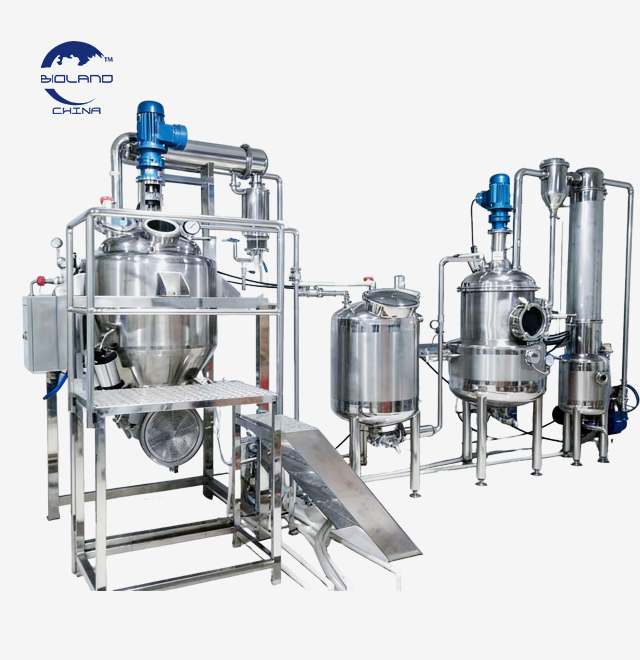
True efficiency gains are realized when the equipment supports multi-step processes. Advanced systems integrate ultrasonic extraction with vacuum concentration. For example, in producing a tincture extraction machine output or tea polyphenol extract, the ultrasonic phase rapidly pulls the actives into the solvent. The system then, under controlled vacuum, concentrates the extract in-line by evaporating the solvent, which is condensed and recycled. This closed-loop approach, inherent to our ultrasonic flavonoid extraction equipment, eliminates separate handling steps, reduces solvent loss, and significantly cuts overall processing time from raw material to concentrated extract.
Continuous Processing for Scalable Operations
Batch processing doesn't work well for companies that make a lot of ingredients, like plant proteins or essential oils. For constant or semi-continuous work, modern ultrasonic flavonoid extraction equipment can be developed. The raw material can be slowly added, treated with ultrasound waves, and the used biomass and concentrated extract can be constantly released. This changes the game for tasks that need to process large amounts of data every day, like extracting caffeine from coffee or polysaccharides from mushrooms. It gets the most out of the tools and product, which directly helps the business grow.
Which Method Better Controls Temperature and Preserves Flavonoids?
The Thermal Vulnerability of Bioactive Flavonoids
There are a lot of flavonoids and other sensitive compounds that break down when they get too hot. The temperatures used in traditional hot soaking or heat extraction methods often break down these valuable chemicals, making them less bioactive and changing the way they taste. Ultrasonic flavonoid extraction equipment can extract flavonoids effectively at much lower bulk temperatures, usually between 40°C and 60°C, thanks to the gentle, localised heating caused by cavitation. This low-temperature processing is important for tasks that can't handle heat, like getting delicate antioxidants out of berries or keeping the profile of essential oils like mint or rose.
Case Study: Preserving Polyphenols in Green Tea Extract
A business that makes health supplements needed to make a green tea extract that was high in EGCG, a flavonoid that is very good for you but easily broken down. The way they were extracting it with hot water was losing a lot of EGCG. When they switched to a process using ultrasonic waves and 50°C, they not only got more polyphenols, but they also kept more than 95% of the EGCG content. The final product was more effective as an antioxidant. This showed that the ultrasonic flavonoid extraction equipment could be the answer for making high-end, bioactive-rich ingredients, which would give the client access to higher-margin markets.
Energy Efficiency Through Lower Temperature Operation
Not only is it better for quality, but it's also cheaper to work at lower temperatures. It takes a lot of energy to heat up big amounts of liquid to high temperatures. Ultrasonic technology saves a lot of energy because it lowers the temperature needed for processing by a large amount. Also, because the extraction cycle time is so much shorter, the amount of energy used per batch is very low. This lower demand for heat energy can mean lower electricity bills and a smaller carbon footprint for sites that do multiple extraction rounds every day, making the business more sustainable and cost-effective.
How Do Solvent Consumption, Energy Use, and Scalability Compare?
Reducing Solvent Costs and Environmental Impact
Traditional soaking is notoriously solvent-intensive, requiring large volumes to achieve even moderate mass transfer. This increases raw material costs, raises disposal expenses, and poses environmental and safety risks. The efficiency of ultrasonic flavonoid extraction equipment allows for high yields with significantly reduced solvent-to-material ratios. In some applications, solvent use can be cut by 30-50%. Moreover, in integrated systems with solvent recovery, the used solvent is distilled and recycled back into the process, creating a closed loop that minimizes waste and operational costs.
Energy Consumption: A Holistic View
When evaluating energy use, one must consider the total process. While the ultrasonic generator consumes power, this is offset by the immense savings from shorter processing times and lower heating requirements. The overall energy efficiency of ultrasonic flavonoid extraction equipment is therefore superior to the prolonged, heat-intensive demands of traditional methods. For a comparative case, a facility extracting flavonoids from onions or sophora buds would see a net reduction in energy cost per kilogram of extract produced, improving the unit economics of their product.
Seamless Scalability from Lab to Production
A major advantage of ultrasonic technology is its scalability. The parameters optimized on a laboratory-scale ultrasonic homogenizer can be directly translated to pilot and full-production scale ultrasonic flavonoid extraction equipment. This reliable scale-up is a critical benefit for companies developing new products. Bioland Instrument Co., Ltd. supports this journey, offering equipment from 50L lab models to 500L+ production units and providing customized solutions. This means your successful lab result for extracting ginseng polysaccharides or grape seed flavonoids can become a profitable production reality without the uncertainty of process re-development.
Conclusion
In conclusion, the comparison clearly demonstrates that ultrasonic flavonoid extraction equipmentis not merely an alternative but a superior evolution beyond traditional soaking methods. It delivers unparalleled advantages in yield, speed, temperature control, and solvent efficiency. By transforming extraction from a passive, variable process into a controlled, high-performance operation, this technology directly addresses the core pain points of modern manufacturers. Adopting it means embracing precision, maximizing resource utilization, and future-proofing your production capabilities in a competitive market focused on quality and efficiency.
FAQs
1. What types of materials can your ultrasonic extraction equipment process?
Our systems are highly versatile, suitable for a vast array of botanicals, including leaves (e.g., stevia, tea), fruits (e.g., chillis), fungi (e.g., mushrooms for polysaccharides), resins (e.g., propolis), and more for extracting flavonoids, polyphenols, pigments, oils, and proteins.
2. How does the extraction yield compare specifically to soaking?
Ultrasonic extraction consistently increases yields by 50-500% over traditional soaking, depending on the material and target compound. For example, clients report over 60% higher yields for capsaicin from chilli and over 40% for glycosides from stevia.
3. Is the equipment compliant with food and pharmaceutical safety standards?
Yes, our ultrasonic flavonoid extraction equipment is constructed from SUS304/316L stainless steel and is designed to meet GMP and FDA standards. We hold ISO and CE certifications, ensuring equipment quality and compliance for regulated industries.
4. Can the system handle both extraction and concentration in one process?
Absolutely. Our integrated extraction and concentration units allow for ultrasonic low-temperature extraction followed directly by vacuum concentration in a single, closed-loop system, saving time, energy, and solvent.
5. What is the lead time for customized equipment?
Standard, non-customized models are typically ready in 5-7 days. For fully customized solutions or production lines, the lead time is approximately 30 business days. We provide full project tracking with weekly photo/video updates.
6. Do you offer technical support after purchase?
We provide a one-year warranty with lifetime maintenance support. Our dedicated technical team is available for remote troubleshooting and can offer on-site assistance if required to ensure your operations run smoothly.
Ready to Revolutionize Your Extraction Process?
Unlock the full potential of your raw materials with Bioland Instrument's advanced ultrasonic flavonoid extraction equipment. As a leading manufacturer with over 15 years of expertise, we offer more than just machinery—we provide tailored, end-to-end extraction solutions backed by ISO and CE certifications. Our technology guarantees higher yields, faster processing, and lower operational costs, as proven in numerous success stories from stevia sweeteners to botanical pigments. With dedicated OEM/ODM services, a professional technical team monitoring your order weekly, and comprehensive after-sales support, we are committed to your success.
Take the next step towards efficiency and profitability. Contact our experts today to discuss your specific application and request a custom proposal. Email us at: info@biolandequip.com.
References
1. Chemat, F., et al. (2017). "Review of Green Food Processing: Techniques, Trends, and Future Perspectives." Comprehensive Reviews in Food Science and Food Safety, 16(6), 1349-1377.
2. Vinatoru, M. (2001). "An overview of the ultrasonically assisted extraction of bioactive principles from herbs." Ultrasonics Sonochemistry, 8(3), 303-313.
3. Pingret, D., et al. (2012). "Ultrasound-Assisted Extraction." Alternative Extraction Techniques, 1-29.
4. Chemat, F., & Khan, M. K. (2011). "Applications of ultrasound in food technology: Processing, preservation and extraction." Ultrasonics Sonochemistry, 18(4), 813-835.
5. Tiwari, B. K. (2015). "Ultrasound: A clean, green extraction technology." TrAC Trends in Analytical Chemistry, 71, 100-109.
6. Wang, L., & Weller, C. L. (2006). "Recent advances in extraction of nutraceuticals from plants." Trends in Food Science & Technology, 17(6), 300-312.
The reactor is beautifully mirror-polished and fully complies with GMP requirements for the pharmaceutical industry. The performance is excellent! Overall, we are very satisfied! We also provided with some feedback on our process improvements, which we hope will be helpful.
2024-04-09
Laboratory
Excellent and professional service. Always reply our questions very fast. All reactors and chiller we received are good too.
2024-02-15
Research Institute
Quality is beyond our expectation actually. After we got the extraction equipment and started using it, the performance was beyond our expectation. Very easy to use and very efficient to run. Service always respond us very quickly. Was also very helpful to help us. Thanks Bioland team. Very happy to work with you.
2023-11-20
Biotech Company
We are happy about the new purchase as always. Equipment and services are both good.
2023-08-05
Instrument Lab
This is the second order with Bioland instrument and everything is good as the first dateText.
2023-05-12
Global Trading Partner
Bioland instrument team is very helpful and professional. The sales helped us select the right equipment for our application, and their logistics people handled the transportation and customs declaration for our shipment. All that saved us a lot of work.