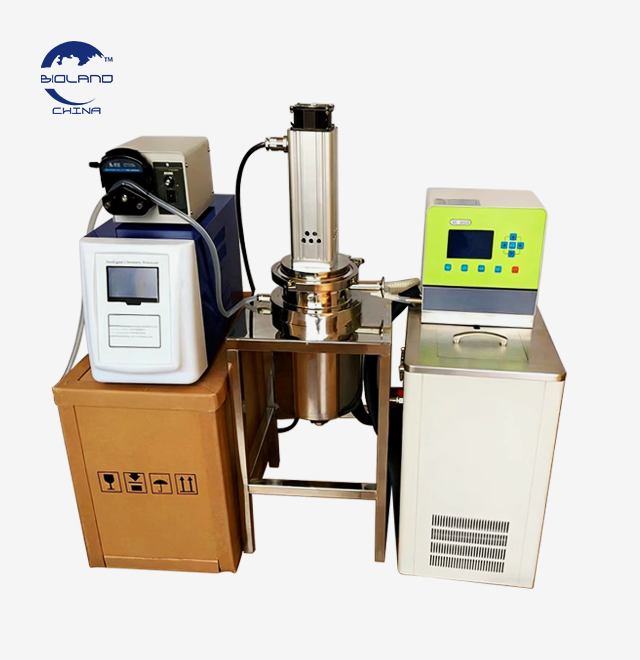
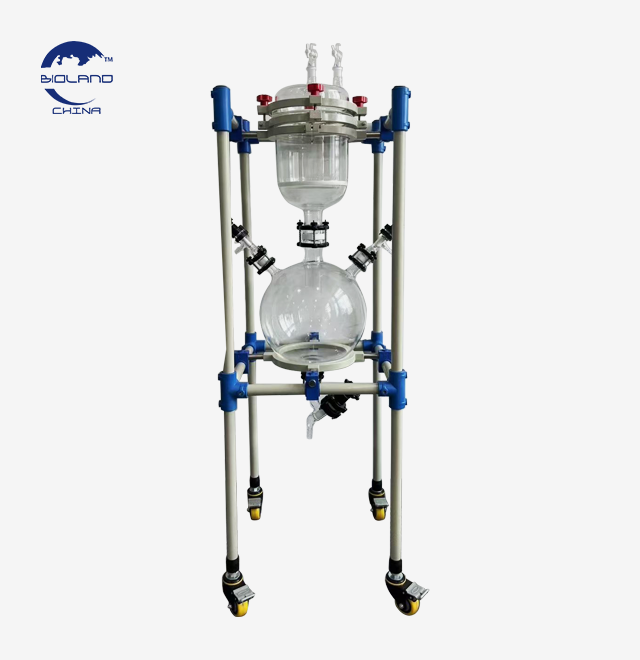
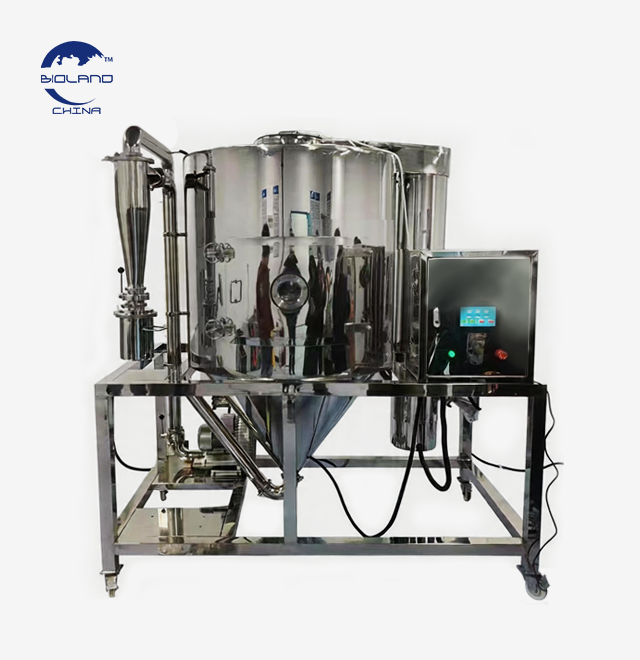
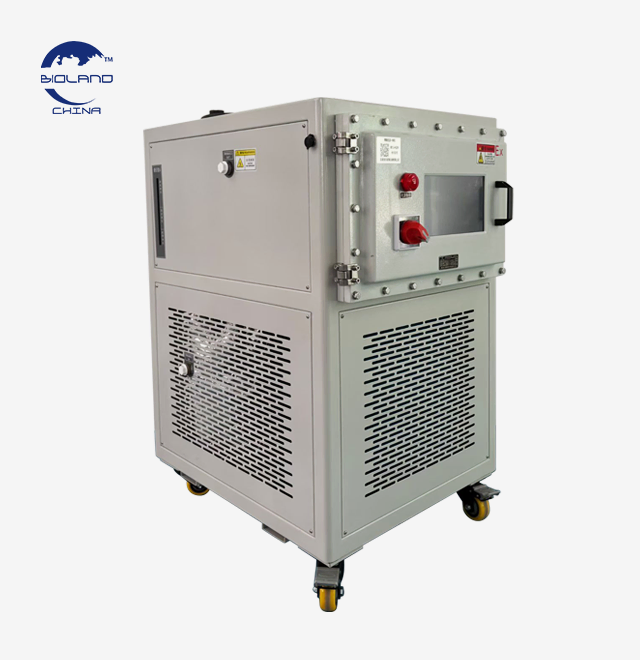
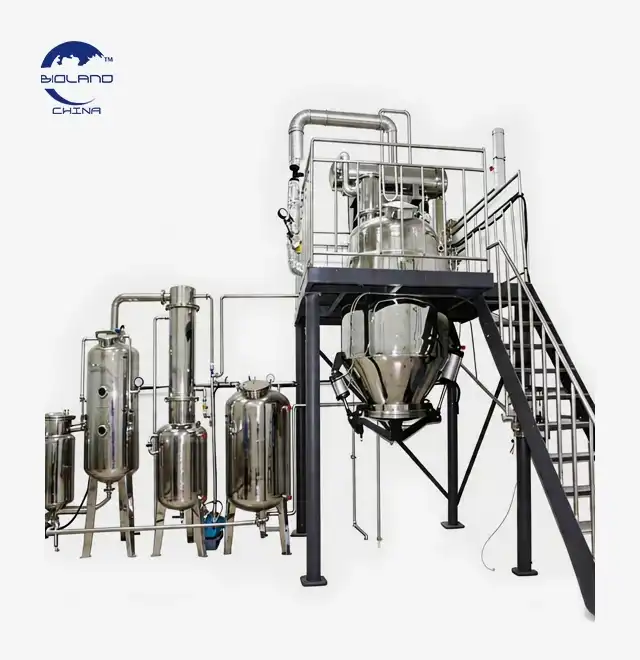
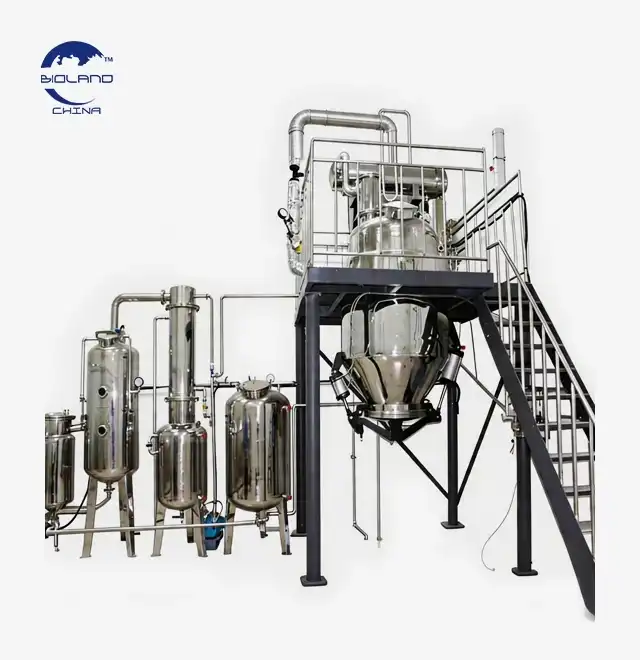
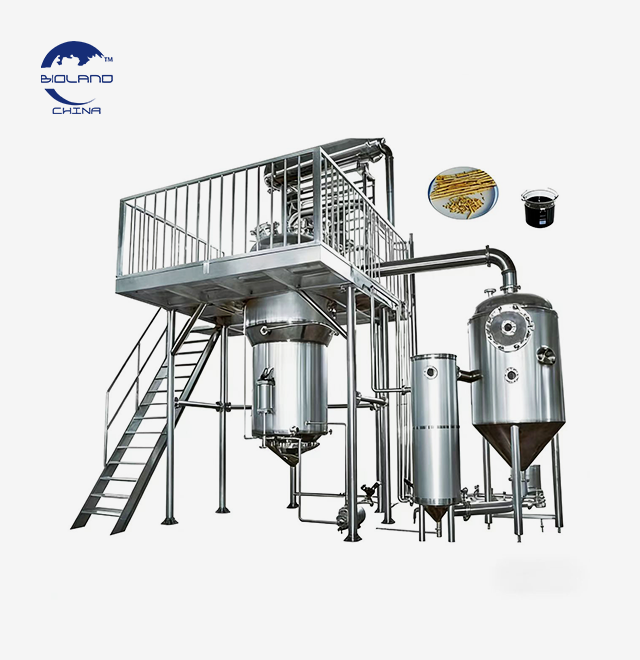
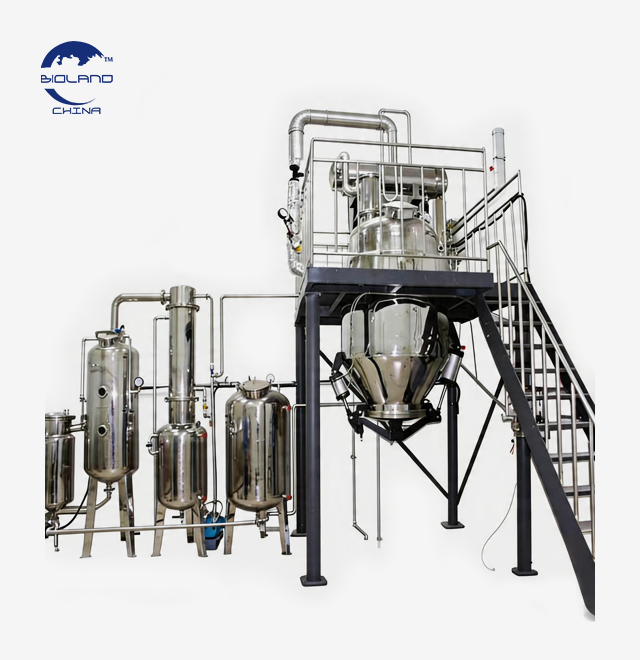
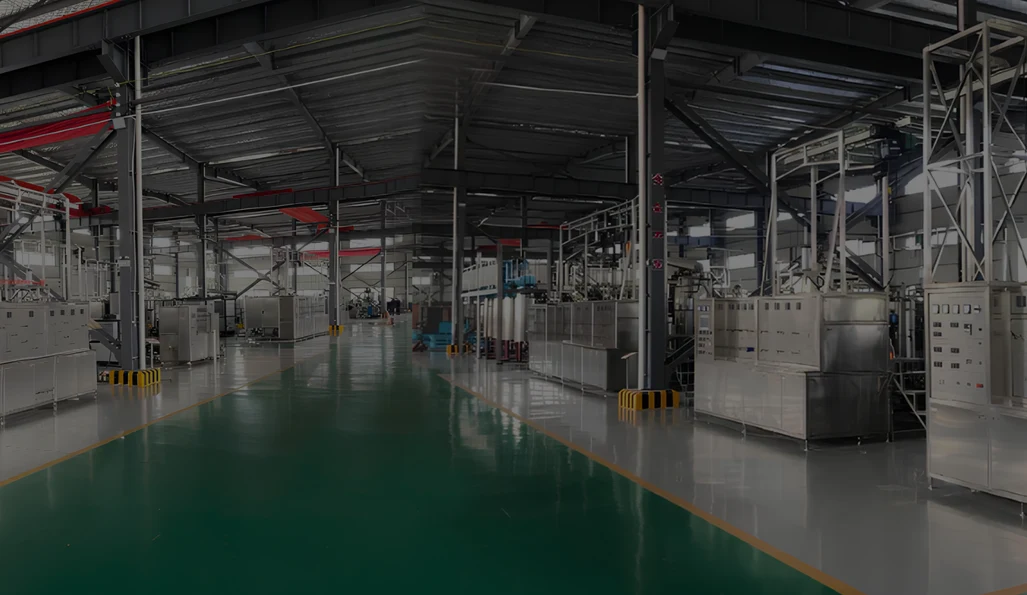
Yield loss in protein extraction is rarely caused by a single factor. More often, it is the cumulative result of outdated equipment design, poor temperature control, long residence times, and inefficient cell disruption. Many processors accept low recovery as normal because they have never benchmarked their current setup against a modern protein extraction machine. At Xi’an Bioland Instrument Co.,Ltd., we see this pattern repeatedly: clients come to us with yields that are 30–50% below what their raw material could deliver, and the problem is rarely the biomass. It is the machine. A well-designed protein extraction machine uses low-temperature ultrasonic cavitation, built-in vacuum concentration, and automatic process control to get more protein out of the same raw material while keeping its useful qualities. This piece talks about the most common reasons why yields drop and how switching to a modern protein extraction machine can make up for lost output and improve the quality of extracts from plant, fungal, and marine protein sources.
Incomplete cell destruction is the biggest secret that takes away from the yield of protein extraction. Tough structures can be found in plant cells, fungus cell walls, and marine tissues. Simple mixing or shaking removes only the surface proteins, trapping the part that is inside the cells. Ultrasonic cavitation in a protein extraction machine makes tiny jets that break down cell walls, freeing proteins that are bound to the cytoplasm and membrane. Without this mechanical action, even the best solvent system can't get the protein out of the biomass.
Loss of protein structure is a hidden killer of output. Heat-sensitive proteins unfold, clump together, and become insoluble after 4 to 6 hours of extraction at 70 to 90°C. As a result, measured protein recovery is lower and functional quality is lower. Today's protein extraction machines only work at 40–60°C for 24–40 minutes, which greatly reduces damage from heat. This is very important for soy protein, pea protein, and mushroom protein-polysaccharide combinations, whose economic worth depends on how well they dissolve and mix with other substances.
In regular tanks, the liquid doesn't always wet all the particles evenly; it often flows through the biomass. Dense, fibrous things like chilli, tea leaves, or mushroom powder can pack together to make beds that are hard for solvents to get through. Ultrasonic energy is used by a well-designed protein extraction machine to create intense micro-mixing at the point where solids and liquids meet. This constantly pushes new fluid into the particle matrix, getting rid of dry spots and making sure that all protein-containing cells are touched by solvent.
Even if you have a good recipe, doing things by hand makes them less consistent. Operators can change how fast the mixture is heated, stirred, or samples are taken. This is not a problem with a protein extraction machine that has PLC control and recipe management. The temperature, pressure level, ultrasonic power, and discharge order are all automatically managed. This stability from batch to batch is important for companies that sell protein to functional food or medicine markets that don't allow standard drift.
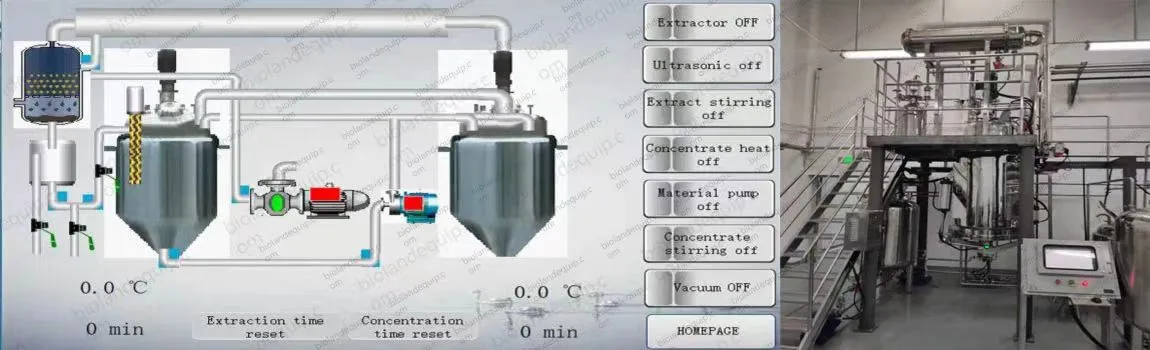
The design of the ultrasonic system directly determines extraction performance. A protein extraction machine with poorly positioned transducers creates dead zones where cavitation is weak. In contrast, well-distributed transducers ensure uniform energy delivery throughout the vessel. Power density, measured in watts per liter, must be matched to vessel volume and biomass type. This engineering detail is often overlooked in budget equipment, leading to inconsistent yield and long extraction times.
The shape of the extraction vessel influences mixing and cavitation field distribution. Cylindrical vessels with proper aspect ratios promote better circulation than wide, shallow tanks. A modern protein extraction machine is designed with optimized geometry for efficient solid suspension and solvent turnover. This reduces the amount of solvent needed to achieve complete extraction, lowering both solvent cost and downstream evaporation load.
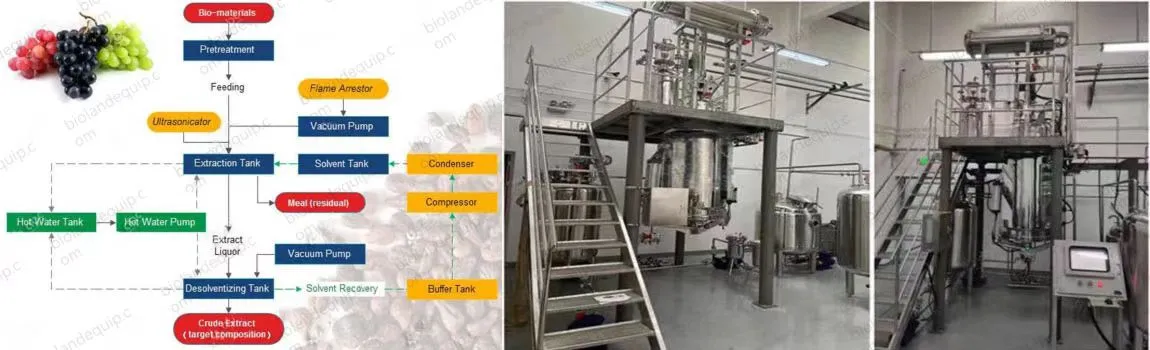
Many yield losses occur not during extraction itself, but during transfer to a separate evaporator. Product is lost in piping, pumps, and valves, and heat-sensitive proteins degrade during the waiting period. An integrated protein extraction machine combines extraction and vacuum concentration in a single skid. The extract is transferred by pressure or pump through short sanitary lines, minimizing product hold-up and oxidation. This integration is a major advantage for protein isolates and concentrates.
Equipment made from low-quality steel or with rough welds can hold on to protein and hold germs. Bioland Instrument makes a GMP-compliant protein extraction machine that is made of polished SUS304/316L stainless steel and has tri-clamp connections and CIP spray balls. Protein fouling is less likely to happen on smooth surfaces, and cleaning between batches is faster and more reliable. This is important for both food protection and product output.
Adding an ultrasound generator to a current extraction line is a useful way to make it better. Manufacturers can add a protein extraction machine part in series or as a pre-treatment stage instead of changing the whole system. Before solvent extraction, the ultrasonic unit breaks down the cell walls. This increases recovery without changing the whole process. Companies that want to test the technology before replacing everything can do this first step for a low cost.
Long-term evaporation in the air hurts protein extracts and wastes the solvent. At -0.05 to -0.09 MPa, a protein extraction machine with built-in vacuum concentration works, and the solvent evaporates at 60 to 100°C. A closed-loop system is made when the recovered liquid is cooled and put back into the extraction tank. This cuts down on the amount of solvent needed by 25–35% and keeps the protein from getting damaged by oxygen during concentration.
Controlling a process by hand makes it harder to repeat. When workers upgrade to a protein extraction machine with PLC automation, they can save tested recipes and keep an eye on temperature, hoover and concentration in real time. Monitoring of dissolved solids or Brix online finds the best endpoint for extraction and concentration. This cuts down on both over-processing and under-processing, which makes the protein recovery and consistency better overall.
Another thing that can cause yield loss is filtering after extraction. If the filter cake keeps the solids that are full of solvents, the protein stays in the biomass instead of the liquid stream. Ultrasonic cell rupture in current protein extraction machines makes the solids smaller, so filtering equipment needs to be the right size. If you upgrade to a decanter centrifuge or membrane filter press, you can get more liquid back from the solids, which can increase the overall output by a few percentage points.
The target protein determines the best temperature for extraction. It is best to keep the temperature between 40°C and 60°C for most plant and fungal proteins so that they can be extracted quickly and safely. This range is carefully kept by a protein extraction machine, which stays away from hot spots that break down proteins and cold spots that slow mass transfer. It is very important to keep this temperature under control for soy protein, tea protein, and mushroom polysaccharide-protein conjugates.
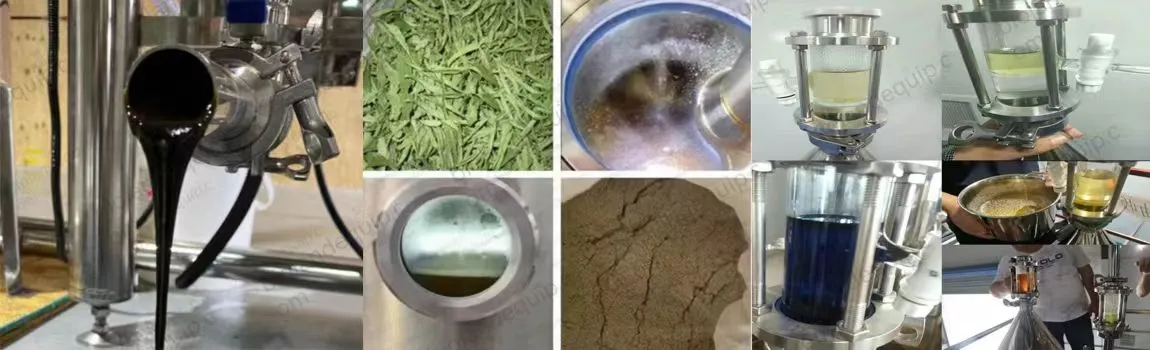
Ultrasonic energy doesn't work the same way on every object. Some leaf proteins are fragile and may need a lower amplitude and pulsed operation. On the other hand, dense seeds and hard tissues need a higher amplitude and continuous cavitation. A variable protein extraction machine lets you find the best amplitude and duty cycle for each type of raw material. This allows for the highest yield without hurting protein parts that are sensitive.
Solvent-to-solid ratio affects both extraction efficiency and downstream concentration cost. A ratio of 10:1 to 20:1 is common for protein extraction, depending on biomass absorbency. Adjusting pH can also improve solubility of specific proteins. A well-designed protein extraction machine accommodates different solvent systems and pH regimes, allowing manufacturers to develop optimized protocols without changing hardware.
Longer extraction does not always mean higher yield. After an optimal window, yield plateaus and degradation may begin. A protein extraction machine with online concentration monitoring detects this endpoint automatically, stopping the run before protein quality declines. This reduces energy use and protects functional properties, resulting in higher-quality protein isolates.
A key advantage of a modern protein extraction machine is modularity. Manufacturers can start with a 50 L or 100 L pilot unit, then expand to 200 L or 500 L production systems without changing technology. This preserves process validation and reduces capital risk. Modular design also allows parallel processing for different products, increasing factory flexibility.
Every protein source is different. A protein extraction machine may need custom agitation, additional filtration, or specialized solvent recovery. Xi’an Bioland Instrument Co.,Ltd. provides OEM and ODM services for clients requiring non-standard configurations. Customized products typically have a lead time of 30 business days, while standard units are ready in 5–7 days. Our engineering team works with clients to define the right vessel size, ultrasonic power, and automation level for their specific protein production goals.
Food and pharmaceutical protein producers need documented equipment that meets GMP standards. A qualified protein extraction machine from Bioland includes material certificates, welding documentation, and functional test reports. The company is CE and ISO certified, and all products comply with GMP/FDA requirements. This documentation package supports regulatory audits and accelerates product registration.
A marine protein processor using conventional alkaline extraction reported low protein yield from fish by-products and high lipid oxidation in the extract. The material was heat-sensitive and formed sticky emulsions. We supplied a 200 L protein extraction machine with ultrasonic cavitation and vacuum concentration. The new process extracted protein at 50°C in 30 minutes, reducing lipid oxidation and increasing protein recovery from 61% to 84%. The integrated vacuum step also recovered process water, lowering wastewater treatment costs.
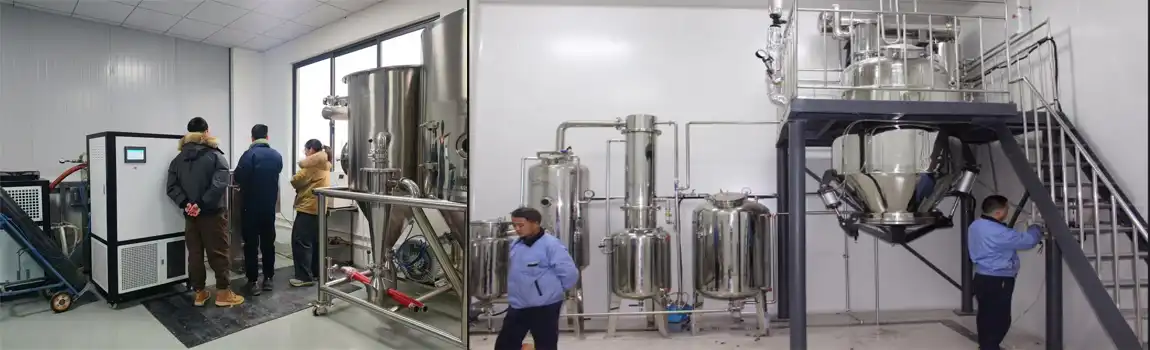
A functional food manufacturer producing lentinan and Ganoderma protein-polysaccharide conjugates struggled with long hot-water extraction and inconsistent molecular weight. After installing a protein extraction machine with low-temperature ultrasonics, extraction time dropped from 5 hours to 40 minutes. Protein recovery increased by 38%, and the molecular weight distribution remained stable. The client now operates the same equipment for shiitake and sweet potato polysaccharide-protein extraction, using different recipes stored in the PLC system.
A plant protein producer making soy isolate for meat alternatives experienced high denaturation and poor gelation when using traditional heated extraction. Their current machine ran at 85°C for 3 hours, damaging functional proteins. After upgrading to a Bioland protein extraction machine operating at 50°C, the soy protein isolate showed better solubility and emulsifying capacity. Protein yield increased by 27%, and the downstream drying load decreased because the extract had fewer impurities.
Protein yield loss is usually a sign that your extraction equipment is working against you, not with you. Incomplete cell disruption, thermal degradation, poor mixing, and manual operation all reduce recovery and product quality. A modern protein extraction machine addresses these problems through low-temperature ultrasonic cavitation, integrated vacuum concentration, and automated control. The result is higher protein recovery, shorter processing time, and consistent quality across batches.
Manual operation, inconsistent heating, and variable mixing are common causes. A protein extraction machine with PLC control removes operator-dependent variability.
Compared with conventional stirring or maceration, a protein extraction machine can increase protein yield by 50–500%, depending on raw material and process conditions.
Yes. Ultrasonic cavitation provides strong mechanical disruption at 40–60°C, protecting protein functionality while maintaining fast extraction.
In many cases, yes. Adding an ultrasonic reactor or vacuum concentration module can improve recovery without replacing the entire system.
Optimal protein recovery is usually achieved in 24–40 minutes using a protein extraction machine, compared with several hours for conventional methods.
Bioland Instrument helps protein producers stop leaving yield on the table. With more than 15 years of process engineering experience, CE and ISO certification, and GMP-compliant manufacturing, we deliver advanced protein extraction machine solutions that recover more protein from the same raw material. From mushroom and soy to marine protein, our modular systems combine ultrasonic cavitation, vacuum concentration, and PLC automation for higher yield and better functionality. We offer OEM/ODM customization, weekly production tracking, FAT inspection, and lifetime maintenance. Contact info@biolandequip.com to discuss your current protein extraction challenges and receive a tailored yield-improvement solution.
1. Knorr, D. (2003). Impact of non-thermal processing on plant metabolites. Journal of Food Engineering, 56(2–3), 131–136.
2. Tao, Y., Wu, D., Zhang, Q. A., & Sun, D. W. (2014). Ultrasound-assisted extraction of phenolics from wine lees: Process optimization and comparison with conventional extraction. Ultrasonics Sonochemistry, 21(2), 706–715.
3. Tiwari, B. K. (2015). Ultrasound: A clean, green extraction technology. TrAC Trends in Analytical Chemistry, 71, 100–109.
4. Mason, T. J., & Paniwnyk, L. (1996). The uses of ultrasound in food technology. Ultrasonics Sonochemistry, 3(3), S253–S260.
5. Cárcel, J. A., García-Pérez, J. V., Benedito, J., & Mulet, A. (2012). Food process innovation through new technologies: Ultrasound. Food and Bioprocess Technology, 5(1), 36–50.
6. Zhu, K. X., Sun, X. H., & Zhou, H. M. (2009). Optimization of ultrasound-assisted extraction of defatted wheat germ proteins. Journal of Cereal Science, 50(2), 266–271.